
The Colcas: Andean Warehouses That Fed Empires

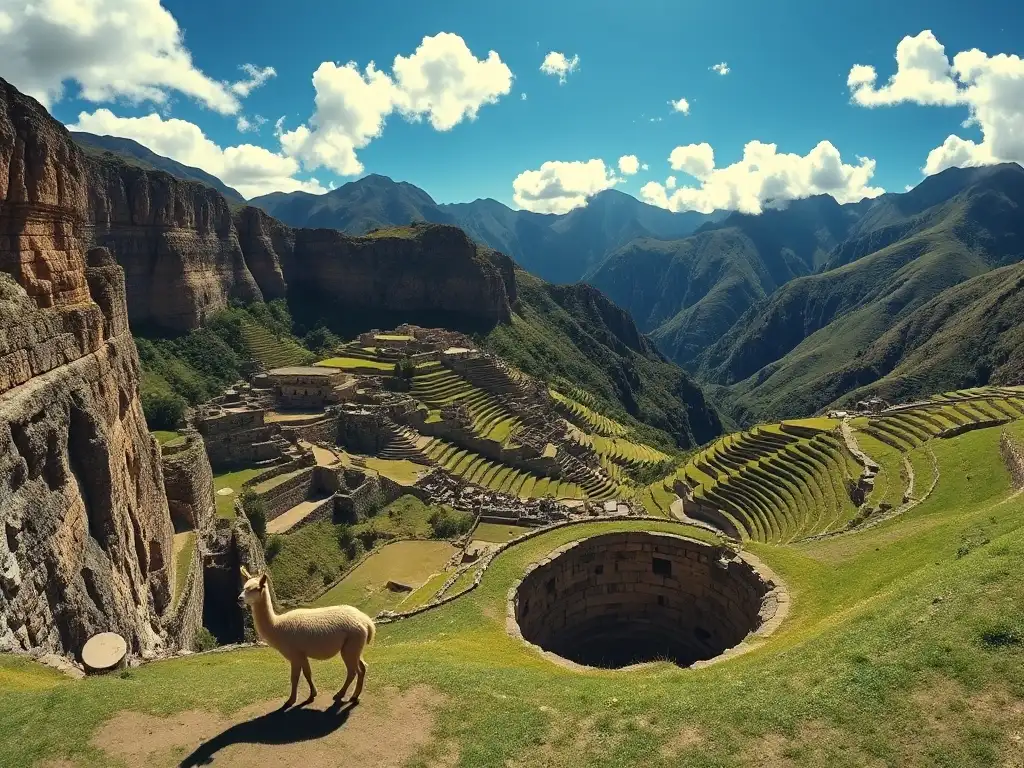
Step into a world lost to time, yet echoing with the ingenuity of empires past. Discover the secrets of the Andes, a land sculpted by towering mountains and the vibrant cultures that thrived within them. From the Incas to the Nazca, their achievements continue to amaze, and nowhere is this more evident than in the enigmatic Andean Colcas. How did these ancient warehouses function to sustain vast populations and powerful civilizations? Unravel the mystery and explore the fascinating story behind the Andean Colcas function – the key to understanding the agricultural prowess of these remarkable societies.
The Andes Mountains, a formidable yet fertile landscape, cradled some of South America's most remarkable civilizations. These societies, including the Inca, Moche, Nazca, and Tiahuanaco, developed sophisticated agricultural techniques to thrive in challenging environments. But successful farming was only half the battle; efficient food storage and distribution were equally crucial for survival and the maintenance of power.
This article explores the ingenious Andean colcas, remarkable stone structures that served as vital warehouses, playing a pivotal role in the sustenance and expansion of these impressive empires. We will delve into the function of Andean colcas, examining their design, construction, and societal importance in ensuring food security and facilitating the complex logistics of supporting large populations. Understanding the Andean colcas function reveals a fascinating aspect of Andean ingenuity and organizational prowess.
Introduction to Andean Storage Systems
Ancient Andean societies faced significant challenges in food preservation and storage. The high altitude, varied climates, and unpredictable weather patterns necessitated innovative solutions to prevent spoilage and ensure a reliable food supply year-round. Their approach wasn't simply about building storage; it was a sophisticated system integrating agricultural practices, architectural design, and social organization. This system involved a complex network of storage facilities, ranging from small, individual structures to large-scale communal warehouses like the colcas.
These facilities were strategically located to maximize accessibility and minimize transport distances, reflecting a deep understanding of logistics and resource management. The effectiveness of this system allowed for the accumulation of surplus food, crucial for supporting growing populations, sustaining armies, and weathering periods of drought or crop failure. The development of sophisticated storage techniques was intrinsically linked to the success and stability of these Andean empires.
The Importance of Food Storage in Ancient Andes
The role of food storage in the ancient Andes cannot be overstated. It was far more than simply a practical necessity; it was a cornerstone of their social, economic, and political structures. A reliable food supply was essential for:
- Population Growth: Stable food sources allowed for population growth and the development of larger, more complex societies.
- Social Stability: Access to food during lean times prevented widespread famine and social unrest, contributing to overall societal stability.
- Military Power: Ample food reserves allowed for the mobilization and sustenance of armies, crucial for expansion and defense.
- Religious Practices: Food storage was sometimes integrated into religious rituals and ceremonies, reflecting its importance in Andean cosmology.
- Economic Control: Control over food storage and distribution often conferred significant political and economic power, shaping the social hierarchy.
The colcas, as central components of this system, played a crucial role in achieving these objectives. Their strategic placement, robust construction, and efficient design are testaments to the advanced understanding of agriculture and logistics within these ancient Andean societies. The impact of the colcas extended far beyond mere food preservation; they were fundamental to the very fabric of Andean life and the success of their empires. Further investigation into their construction techniques and societal impact will illuminate the profound ingenuity of these ancient civilizations.
What are Colcas? Understanding Andean Granaries

The Andean Colcas represent a remarkable feat of ancient engineering and a cornerstone of the sophisticated agricultural systems that sustained powerful empires like the Inca. These weren't simply rudimentary storage structures; they were strategically designed warehouses, integral to the efficient storage and distribution of food surpluses crucial for societal stability and the very survival of these civilizations. Understanding the Andean Colcas function requires appreciating their role within a complex socio-economic framework.
Their existence speaks volumes about the advanced planning, community organization, and agricultural prowess of Andean societies. The careful construction and strategic placement of these structures demonstrate a deep understanding of preservation techniques, climate control, and logistical management far exceeding the capabilities often attributed to pre-Columbian cultures. The design and implementation of the Colca system highlight the ingenuity of Andean engineers and their ability to adapt to diverse geographical conditions, maximizing food security across vast and varied terrains.
Defining the Colca: Structure and Characteristics
Colcas, at their most basic, are stone structures built for storing agricultural products. However, their design varied significantly based on factors such as location, available materials, and the specific needs of the community. Many were built into hillsides, utilizing natural contours to create a semi-subterranean structure.
This design provided natural insulation, maintaining a cooler, more stable internal temperature and humidity, crucial for preserving stored goods, such as chuño (freeze-dried potatoes) and grains. The typical Colca featured thick, carefully fitted stone walls, often built without mortar, showcasing sophisticated dry-stone masonry techniques. The entrance was usually small and narrow, designed to minimize air circulation and deter pests.
Internal chambers were often tiered or multi-level, maximizing storage capacity within a relatively small footprint. Some Colcas included ventilation shafts, cleverly placed to regulate air flow and prevent spoilage. The size and complexity of Colcas varied dramatically, ranging from small, family-sized structures to large, communal facilities capable of storing massive quantities of food, reflecting the scale of agricultural production and population density in the region.
Types of Colcas Based on Location and Construction
The diversity of the Andean landscape resulted in a variety of Colca designs. Coastal Colcas, for example, often incorporated different techniques to combat humidity and the threat of salt damage. High-altitude Colcas, on the other hand, needed to withstand harsh weather conditions, including freezing temperatures and significant snowfall. We can categorize Colcas based on several factors:
- Subterranean Colcas: These were largely excavated into hillsides or cliffs, providing natural insulation and protection from the elements. Their design often integrated natural features to maximize storage space and minimize construction efforts.
- Surface Colcas: Built above ground, these structures were often more elaborate, incorporating more complex architectural features and larger storage capacities. Their design reflected the availability of materials and local building traditions.
- Semi-subterranean Colcas: A hybrid of the above, these Colcas combined elements of both subterranean and surface designs, leveraging the advantages of both approaches.
The variation in Colca construction highlights the adaptability and resourcefulness of Andean builders, demonstrating a deep understanding of local environments and the specific needs of different communities. Further research is needed to fully categorize and understand the regional variations in Colca design and their correlation with agricultural practices and social organization. [Specific information pending: A comprehensive catalog of Colca types and their geographical distribution].
Materials Used in Colca Construction: A Look at Andean Ingenuity
The materials used in Colca construction varied considerably depending on the region's available resources. However, a common thread is the use of locally sourced, durable materials, reflecting a sustainable approach to construction. This resourceful use of readily available materials demonstrates a deep understanding of material properties and an appreciation for environmental stewardship.
- Stone: The most common material, stone was chosen for its durability and resistance to the elements. Different types of stone were used depending on the region, with builders selecting the most suitable stone for its strength and workability. The precision of the stonework, often without the use of mortar, is a testament to the skill and precision of Andean masons.
- Adobe: In regions where suitable stone was scarce, adobe (sun-dried brick) was a common alternative. Adobe construction required careful attention to drying techniques to ensure structural integrity, especially in areas with high humidity. The use of adobe highlights the adaptability of Andean builders in utilizing available resources effectively.
- Wood: Wood, while less common due to its susceptibility to decay, was sometimes used for structural elements or roofing, particularly in conjunction with stone or adobe. The careful selection of wood types resistant to rot and insect damage demonstrates a sophisticated understanding of material properties.
The skillful use of these materials, combined with advanced construction techniques, ensured the longevity and functionality of Colcas for centuries, providing vital food security for generations of Andean people. The Colcas stand as impressive monuments to the ingenuity and resourcefulness of Andean civilizations, their very existence a testament to sophisticated agricultural practices and community organization.
The Andean Colcas Function: Purpose and Significance
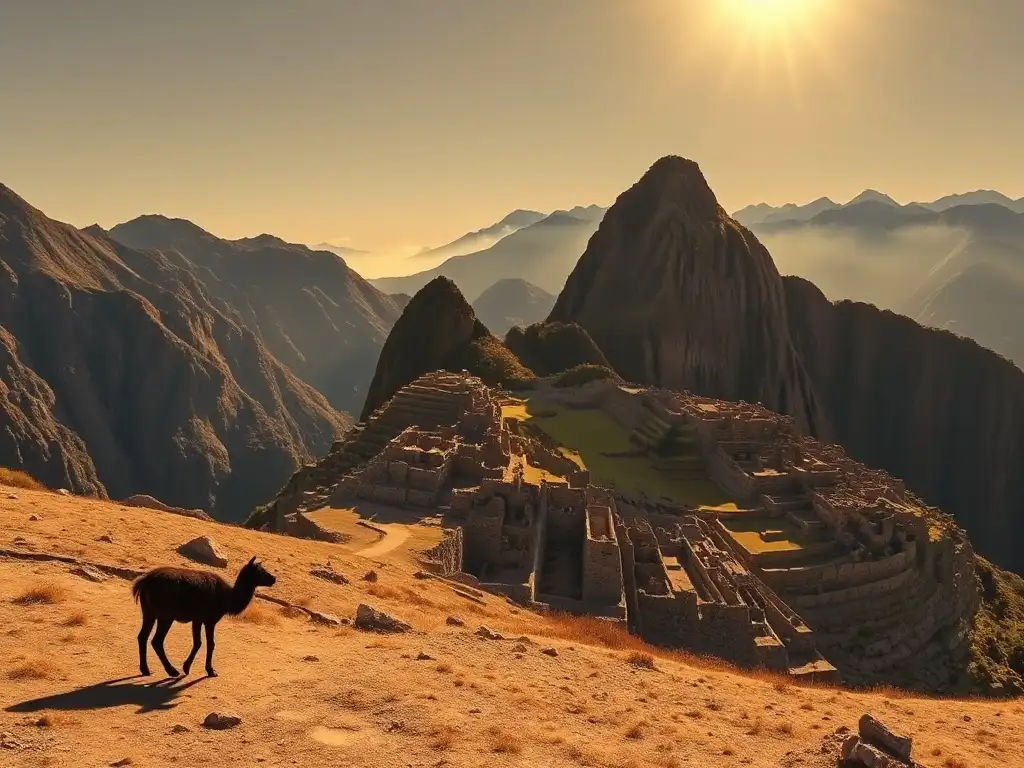
The Andean colcas, those remarkable stone structures scattered throughout the Andes Mountains, weren't merely storage facilities; they were integral to the social, economic, and political fabric of the pre-Columbian Andean civilizations. Understanding their function reveals crucial insights into the sophisticated agricultural and administrative systems that supported these empires. The multifaceted role of the colcas underscores the ingenuity and organizational prowess of Andean societies in managing resources and ensuring the survival and prosperity of their communities. Analyzing their "Andean Colcas function" reveals a complex system designed for resilience and social control.
Primary Function: Preserving Food for Consumption and Redistribution
The primary Andean colcas function was undoubtedly food storage. These structures, meticulously designed with ventilation and drainage systems, provided optimal conditions for preserving agricultural surpluses—primarily grains like maize, quinoa, and potatoes, along with dried meats and other staples. The scale of some colcas, capable of holding vast quantities of food, suggests a centralized system of food collection and distribution.
This wasn't simply about individual families storing their harvest; evidence points to a system where food was collected from throughout the empire and redistributed according to the needs of the population. This redistribution likely played a crucial role in maintaining social order and mitigating the risks of famine.
The efficient preservation techniques employed, combined with the strategic placement of colcas, ensured a reliable food supply, even during periods of climatic variability or conflict. The careful management of resources, facilitated by these structures, was essential to the stability and longevity of the Andean empires.
Colcas as a Key Component of the Andean Economy
The Andean colcas function extended far beyond simple food storage; they were vital components of the Andean economy. The ability to store and manage surplus food allowed for economic stability and facilitated trade and exchange. The surplus stored within the colcas could be used to support specialized craftspeople, artisans, and religious leaders, freeing them from the need to engage in direct food production. Furthermore, the colcas played a significant role in the tribute system, where communities delivered a portion of their harvest to the ruling elite.
This tribute, stored in the colcas, provided resources for the maintenance of the ruling class, the construction of public works, and the support of religious ceremonies. The efficient management of this tribute system, facilitated by the colcas, was essential for the economic power and political stability of the Andean empires. The system, therefore, fostered both economic growth and social stratification.
Strategic Importance of Colcas in Times of Scarcity and Conflict
The Andean colcas function was particularly crucial during times of scarcity and conflict. The strategic placement of these structures, often in defensible locations or near important trade routes, allowed for the protection of vital food supplies. During periods of drought or crop failure, the stored food within the colcas could help prevent widespread famine and social unrest.
Similarly, during times of war or internal conflict, the control of colcas and their stored resources became a key strategic objective. Access to food supplies could determine the outcome of battles and influence the balance of power. The construction and maintenance of colcas, therefore, were not only a reflection of agricultural prowess but also a testament to the Andean civilizations’ capacity for strategic planning and resilience in the face of adversity.
The ability to withstand periods of hardship, thanks to the foresight in building and utilizing these structures, is a strong testament to the advanced planning and organizational skills of these ancient societies. The strategic importance of the colcas in times of crisis highlights their role as vital instruments of power and survival.
The Andean colcas were far more than simple storage facilities; they played a crucial social and political role within the vast Inca Empire, and indeed, within preceding Andean societies. Their strategic placement and the meticulous management of their contents served to reinforce the power and authority of the ruling elite, while simultaneously contributing to social stability and the overall well-being of the population.
The Inca state controlled the production and distribution of food through a complex system of mit'a labor and tribute. The colcas acted as central repositories for this collected agricultural surplus. This centralized control allowed the Inca to maintain a standing army, support large-scale public works projects (like roads and irrigation systems), and provide for the population during times of famine or hardship.
The ability to readily distribute food from the colcas during lean periods—or even to use food as a form of reward or punishment—was a powerful tool for maintaining social order and loyalty. This system of redistribution was vital for sustaining the empire's vast population and complex social structure.
The construction and maintenance of the colcas themselves also served a symbolic purpose. Their impressive architecture, often integrated into the landscape, reflected the power and sophistication of the Inca state. The sheer scale of some colca complexes served as a constant visual reminder of the Inca's ability to organize and control resources on a massive scale. This visual display of power served to both impress and intimidate, reinforcing the authority of the ruling class and fostering a sense of awe and respect among the population.
Furthermore, the colcas were not simply passive storage facilities; they were actively managed by appointed officials who oversaw the collection, storage, and distribution of goods. These officials were integral parts of the Inca bureaucratic system, and their roles underscore the importance of the colcas within the broader context of imperial administration and control.
The precision and efficiency of this system, reflected in the careful organization and preservation of food within the colcas, speak to the advanced administrative capabilities of the Inca Empire. The meticulous record-keeping associated with the colca system —though the exact methods remain partially enigmatic—further emphasized the sophisticated nature of Inca governance.
Archaeological evidence suggests a sophisticated system of accounting and inventory control was in place, ensuring efficient management and equitable distribution of resources. The social and political significance of the colcas is therefore deeply intertwined with the broader functioning of the Inca state, demonstrating the vital role of efficient food storage and distribution in maintaining power and social order.
Colcas and Food Management: Organization and Logistics
The Andean Colcas weren't simply rudimentary storage structures; they were sophisticated components of a complex system designed for efficient food management and distribution. Their effectiveness stemmed from a carefully planned organizational structure that ensured the preservation and equitable allocation of resources across vast territories and diverse populations. Understanding the Andean Colcas function requires examining the intricate logistics involved in their operation, from inventory control to the specialized personnel responsible for their upkeep.
The success of the Andean empires was inextricably linked to the efficiency of their Colca system, showcasing a remarkable understanding of logistical management in a pre-industrial context. The scale of some Colca complexes, with hundreds of individual structures, highlights the massive undertaking of food storage and distribution required to sustain these powerful societies.
Inventory Control and Management of Stored Goods
Effective inventory control was crucial to the Andean Colcas function. While precise record-keeping methods remain debated, evidence suggests a sophisticated system existed. Archaeological finds reveal the presence of standardized containers and potentially coded markings on storage units.
This suggests a system for cataloging and tracking stored goods, allowing administrators to monitor stock levels and anticipate potential shortages. The regular inspection of stored goods was likely a key aspect of this process, ensuring the quality and preventing spoilage. The strategic location of Colcas, often near agricultural centers or major transportation routes, further facilitated efficient inventory management and timely replenishment.
This meticulous approach minimized waste and ensured a consistent supply of food for the population. Further research into the markings found on some containers and the potential use of quipu (knotted cords used for record-keeping) could illuminate the complexity of this inventory system. The absence of widespread written records presents a challenge for researchers, but the physical evidence strongly suggests a robust system for tracking and managing stored goods within the Colcas.
The Types of Goods Stored in Colcas: From Grains to Textiles
The Colcas weren't solely dedicated to storing food. While grains such as maize, quinoa, and potatoes formed the bulk of the stored goods, their function extended to a wider range of essential resources. Textiles, tools, and even precious metals were sometimes stored within these structures. This diversification reflects the multifaceted role of the Colcas within the Andean economies.
The storage of textiles, for example, hints at a centralized system for distributing clothing and other essential goods. The presence of tools suggests that the Colcas also played a role in the management of agricultural implements and other resources necessary for production. The careful selection of materials for construction, reflecting the specific needs of the stored goods – some Colcas were designed for dry goods, others for potentially perishable items – demonstrates an advanced understanding of material science and preservation techniques.
The storage of a variety of goods within the Colcas highlights their central role in the overall economic management of the Andean empires. Further research into the specific contents found in different Colcas could reveal regional variations in storage practices and economic strategies. Analysis of organic residues found within the Colcas could provide valuable insights into the types of food and other goods stored.
The Role of Specialized Personnel in the Operation of Colcas
The operation of the Colcas involved specialized personnel, indicating a hierarchical structure dedicated to food management. While specific titles and roles remain largely unknown, evidence suggests a dedicated workforce responsible for various aspects of Colca management. This likely included individuals tasked with inventory management, maintenance, and security.
The construction and upkeep of these structures required skilled builders and laborers, while the management of stored goods demanded individuals with organizational and logistical skills. The distribution of goods from the Colcas likely involved a network of personnel responsible for transportation and allocation, ensuring that food and other resources reached the intended recipients. This intricate system highlights the importance placed on food security and economic stability within Andean societies.
The size and complexity of the Colca system suggest the existence of a substantial workforce dedicated to its operation, contributing significantly to the overall organization and efficiency of the Andean empires. Further investigation into the social organization of Andean societies could potentially shed light on the specific roles and responsibilities of individuals involved in Colca management. The existence of specialized personnel underscores the sophisticated nature of the Andean Colcas function and its crucial role in the success of these ancient civilizations.
Colcas Across Different Andean Cultures
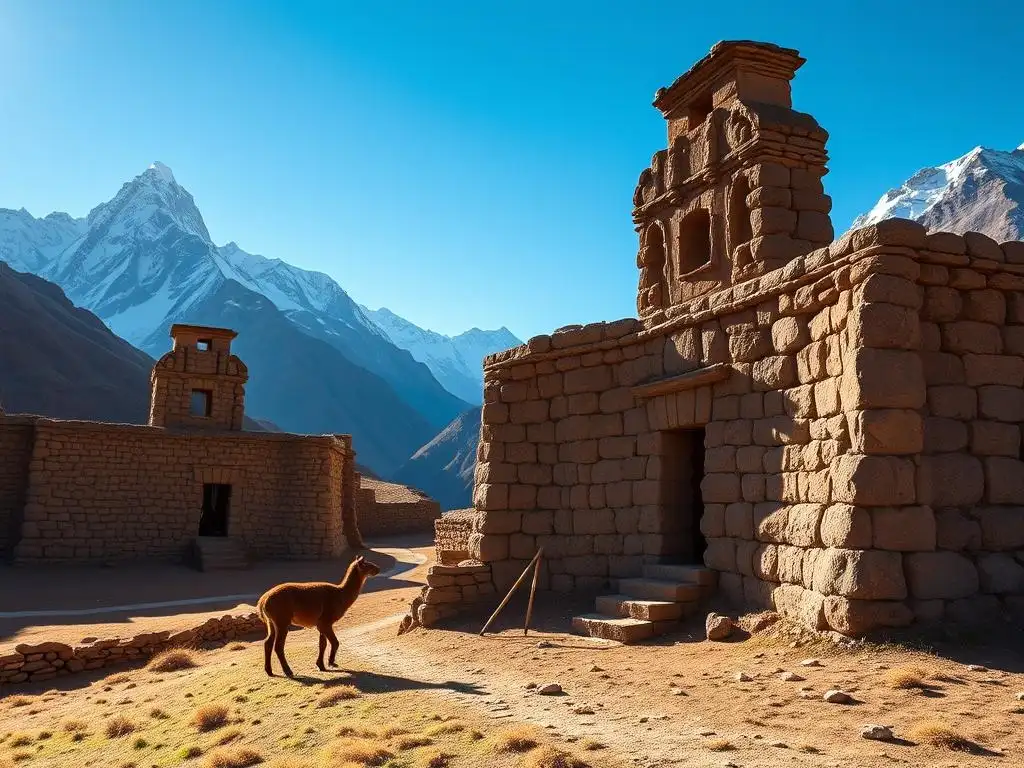
This section explores the diverse applications and designs of colcas, the ingenious Andean storehouses, across various cultures and time periods. Understanding the Andean colcas function requires looking beyond a simple definition of "warehouse" to appreciate their crucial role in the social, economic, and political fabric of these societies. The colcas weren't merely structures for food storage; they were integral components of a sophisticated system of resource management and control, reflecting the unique characteristics of each Andean civilization. The variations in construction, size, and location reveal much about the priorities and organizational capabilities of the societies that built them.
Colcas in the Inca Empire: A Vast Network of Warehouses
The Inca Empire, renowned for its administrative prowess, employed colcas as a cornerstone of its efficient food distribution system. These weren't isolated structures; they formed part of a vast, interconnected network stretching across the empire's expansive territory. The Inca colcas were strategically located near agricultural zones, facilitating the collection and redistribution of surplus crops.
This system ensured food security for the population, particularly during lean times or periods of natural disaster. The Inca's meticulous record-keeping, using quipus (knotted cords), likely aided in monitoring the colcas' contents and managing their distribution. Their standardization in size and construction, often built with finely-cut stone, also reflects the centralized control exercised by the imperial administration.
The sheer number of colcas discovered across the Inca empire underscores their importance in supporting a large and complex population. Analysis of their contents, when discovered intact, provides valuable insight into the Inca diet and agricultural practices. The Inca colcas function was clearly intertwined with the power and stability of the empire itself.
Colcas in Pre-Inca Andean Societies: Precursors and Variations
While the Inca Empire perfected the colca system, evidence suggests that these structures were in use long before the Inca's rise. Pre-Inca cultures like the Wari, Tiwanaku, and Moche also constructed colcas, albeit with variations in design and function. For example, some pre-Inca colcas exhibit less sophisticated construction techniques, reflecting different levels of technological development and possibly different social structures. The size and location of these pre-Inca colcas also vary, suggesting diverse approaches to food storage and distribution based on local environmental conditions and societal needs.
Further research is needed to fully understand the evolution of colca design and functionality across these different pre-Inca societies. The discovery of new archaeological sites and the application of advanced dating techniques are crucial for filling the gaps in our current understanding. The analysis of organic remains found within these earlier colcas could also reveal valuable information about agricultural practices and dietary habits.
Regional Differences in Colca Design and Functionality
The Andean region's diverse geography significantly impacted colca design and functionality. Colcas built in arid coastal regions, for instance, might have employed different techniques for ventilation and moisture control compared to those constructed in the high Andes. Similarly, the type of materials used in construction varied regionally, reflecting the availability of local resources.
Stone was prevalent in areas with abundant stone quarries, while adobe or other materials were used in other regions. These regional variations underscore the adaptive nature of Andean technology and the ingenuity of the people who built these structures. A comparative study of colcas from different regions could reveal valuable insights into the relationship between technology, environment, and social organization in the Andes.
Detailed architectural analysis, combined with data on climate and local resources, would contribute to a more comprehensive understanding of the Andean colcas function within its specific geographical context. Further research might even reveal specialized colcas designed for the storage of specific goods, beyond basic food stuffs. This regional analysis is crucial to understanding the nuanced role of the colcas within the broader Andean landscape.
Archaeological Evidence and Research on Colcas
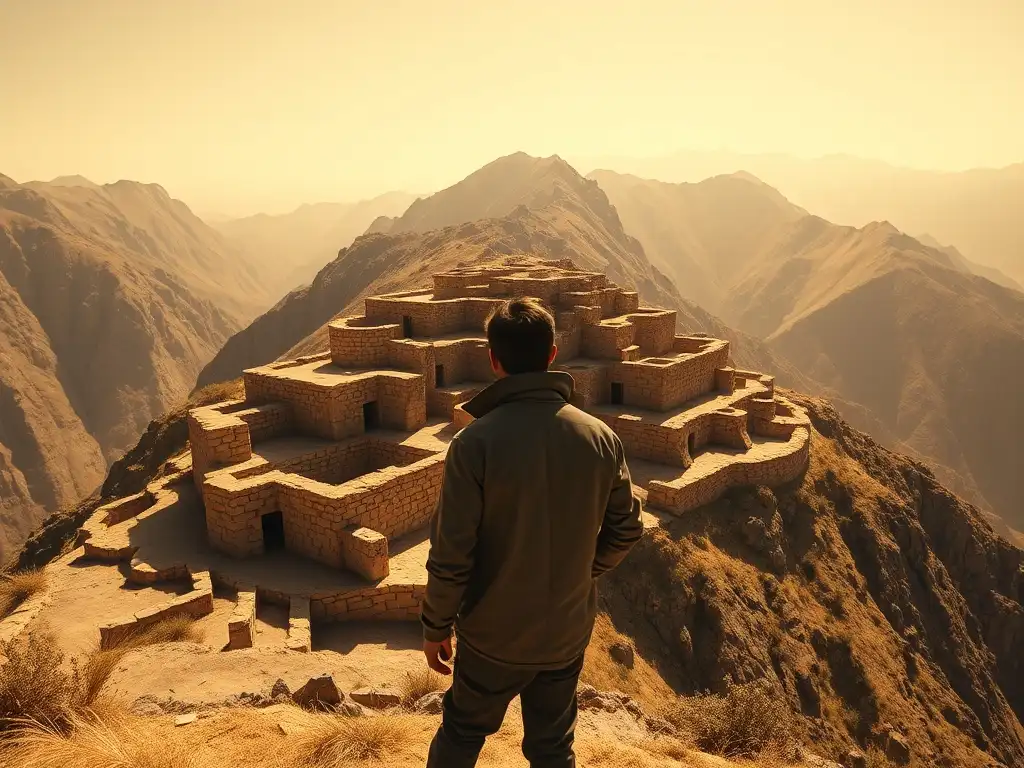
The study of Andean colcas, those remarkable stone structures that served as vital granaries and storehouses, relies heavily on archaeological evidence. Understanding their function requires a multi-faceted approach, combining meticulous excavation, careful analysis of architectural features, and the interpretation of associated artifacts. This evidence sheds light not only on the Andean colcas function but also on the broader socio-political organization and agricultural practices of the Andean civilizations.
The sheer number of colcas discovered across diverse Andean landscapes highlights their importance in the region's food security and economic systems. Their construction, often incorporating sophisticated techniques of stonework and engineering, reflects the advanced technological capabilities of these societies.
The scale of some colcas, capable of storing vast quantities of agricultural produce, speaks to their crucial role in supporting large populations and potentially even sustaining armies or administrative centers. Furthermore, the location of many colcas, strategically situated near agricultural fields or along important trade routes, suggests a complex system of food production, storage, and distribution.
Discovering and Analyzing Colca Remains: Insights into Andean Life
Discovering and analyzing colca remains offers invaluable insights into the daily lives of Andean peoples. Excavations often uncover not only the structures themselves but also remnants of stored goods, tools, and even human remains. Careful analysis of these materials provides crucial information about the types of crops cultivated, the methods of food preservation employed, and the social organization of food storage and distribution.
For example, the discovery of diverse grains, beans, and other agricultural products within a colca indicates the variety of crops cultivated and the sophistication of agricultural practices. The presence of specialized tools, such as grinding stones or storage containers, further illuminates the techniques used in processing and preserving food. The identification of human remains within or near colcas might suggest their role in guarding or managing these vital resources, and potentially reveal information about social hierarchies and labor organization.
The study of architectural features, such as ventilation systems or the use of specific building materials, also provides clues about the methods used to maintain optimal storage conditions and prevent spoilage. This detailed analysis helps to reconstruct the complex interplay between agriculture, storage, and social organization in Andean societies, enriching our understanding of the Andean colcas function.
Case Studies of Notable Colca Sites: Kotosh-Mito Colcas
The Kotosh-Mito region in central Peru offers a compelling case study of colca complexes. These colcas, characterized by their unique architectural features and strategic location, provide a clear example of the sophistication of Andean storage technology. Unlike some colcas built into hillsides, the Kotosh-Mito examples often feature freestanding structures, sometimes incorporating multiple chambers and intricate ventilation systems.
This architectural complexity suggests a highly developed understanding of environmental control crucial for long-term food preservation. Archaeological investigations have uncovered substantial quantities of stored maize, beans, and other crops within these structures, indicating their significant role in food storage and distribution within the region. The proximity of these colcas to significant ceremonial centers suggests a possible link between religious practices and food production, highlighting the cultural and social significance of these structures beyond their purely utilitarian function.
The evidence from Kotosh-Mito provides a tangible illustration of the advanced engineering and organizational capabilities of Andean societies, reinforcing our comprehension of the Andean colcas function within a broader social and religious context. Further research into similar sites is needed to fully understand the regional variations in colca construction and use.
What Archaeological Findings Tell Us About the Andean Food System
The archaeological evidence related to colcas paints a vivid picture of a highly developed and resilient Andean food system, directly impacting our understanding of the Andean colcas function and the societies that built and relied upon them. Further research, particularly employing advanced dating techniques and interdisciplinary approaches, will continue to refine our understanding of this fascinating aspect of Andean civilization.
The Legacy of Colcas: Lessons from Andean Food Security
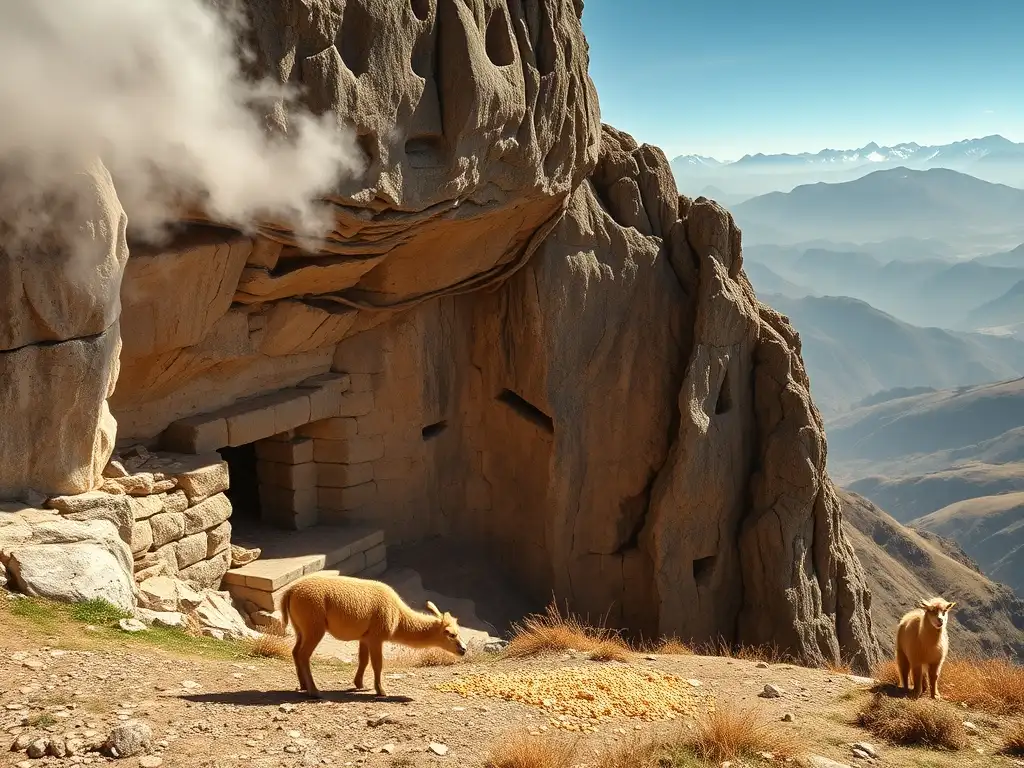
The Andean Colcas, those remarkable stone structures scattered across the Andes mountains, stand as testaments to the ingenuity and foresight of pre-Columbian civilizations. Their primary function, the efficient storage and preservation of agricultural surpluses, played a pivotal role in the stability and growth of Andean empires. Understanding the Andean Colcas function is key to appreciating the sophisticated systems that enabled these societies to thrive in challenging environments. This section will explore the lasting impact of these ingenious warehouses, examining their contribution to societal success and drawing parallels to contemporary food security challenges.
The Impact of Colcas on Andean Civilization's Success
The success of Andean civilizations, including the Inca, was significantly shaped by their ability to manage food resources effectively. The Colcas were integral to this success, acting as crucial components of a complex system for food production, storage, and distribution. Their strategic placement, often in high-altitude areas with naturally cool and dry conditions, minimized spoilage. This meant that agricultural surpluses, painstakingly cultivated in often harsh terrains, could be preserved for extended periods.
This, in turn, provided a buffer against crop failures due to droughts, floods, or other environmental calamities. The system ensured food security even during lean times, preventing widespread famine and social unrest. This stability fostered population growth, enabled the development of specialized labor, and facilitated the expansion of empires. The Inca, for example, utilized a vast network of Colcas to support their extensive road system, enabling the swift movement of goods and resources across their vast territories.
The efficiency of the Colcas contributed directly to the Inca's military and political strength, allowing them to maintain control over a large and diverse population. Without the effective Andean Colcas function, the scale and longevity of these empires would likely have been drastically different. Evidence suggests that the Inca's meticulous record-keeping, potentially using quipu (knotted cords), allowed for accurate inventory management and efficient distribution of stored resources.
Lessons for Modern Food Storage and Distribution Systems
The ingenious design and functionality of the Andean Colcas offer valuable lessons for modern food security initiatives. In a world facing growing concerns about climate change, population growth, and food waste, understanding how these ancient structures successfully preserved food for extended periods is crucial. Several key aspects of Colca design are particularly relevant today:
- Natural Refrigeration: The utilization of natural environmental conditions (altitude, ventilation) to minimize spoilage is a sustainable and energy-efficient approach that can be adapted to modern cold storage techniques.
- Durable Construction: The robust construction of Colcas, using locally sourced materials, ensured longevity and resilience. This highlights the importance of investing in durable and sustainable infrastructure for modern food storage facilities.
- Strategic Location: The strategic placement of Colcas minimized transportation costs and ensured accessibility for diverse populations. This emphasizes the need for efficient logistics and distribution networks in modern food systems.
- Efficient Inventory Management: The Inca's approach to inventory management, while potentially reliant on methods we don't fully understand, underscores the importance of advanced tracking and monitoring systems in preventing food loss and waste.
The integration of these principles into contemporary food storage and distribution systems could significantly improve efficiency, reduce waste, and enhance food security globally. The Andean Colcas function serves as a potent reminder that sustainable and efficient food management is not a new concept, but rather a lesson learned and refined over millennia.
Preserving the Knowledge of Traditional Andean Practices
The preservation of knowledge regarding traditional Andean agricultural practices, including the construction and management of Colcas, is of paramount importance. This knowledge represents a valuable resource for addressing contemporary food security challenges. Ethnobotanical studies, archaeological research, and collaborations with indigenous communities can help unlock the secrets of these ancient techniques.
Documenting traditional building methods, agricultural practices, and food preservation techniques can inform the development of sustainable and resilient food systems. Furthermore, safeguarding the cultural heritage associated with Colcas is vital. Many Colcas are crumbling due to neglect and environmental factors.
Conservation efforts are crucial to protect these historical sites and ensure that future generations can learn from the wisdom of their ancestors. The ongoing study of the Andean Colcas function not only enhances our understanding of past societies but also offers valuable insights for building a more sustainable and secure food future. The preservation of this knowledge is not simply an academic exercise; it is a crucial step towards ensuring global food security in the face of emerging challenges.
Conclusion: The Enduring Significance of Andean Colcas
The Andean colcas, far from being mere storage structures, represent a sophisticated understanding of agricultural management and societal organization crucial to the success of Andean empires. Their strategic placement, diverse architectural styles reflecting regional adaptations, and the sheer scale of some complexes reveal a level of planning and engineering prowess often underestimated in discussions of pre-Columbian societies. Understanding the Andean colcas function is key to comprehending the logistical complexities involved in sustaining large populations and powerful states across challenging terrains.
The efficiency of the colca system allowed for the accumulation of surplus food, ensuring resilience during lean years and facilitating social stability. This sophisticated infrastructure played a pivotal role in the development and maintenance of political power, highlighting the intricate relationship between agricultural production, resource management, and the rise of Andean civilizations.
The legacy of the colcas continues to inspire modern agricultural practices and provides valuable insights into sustainable resource management strategies relevant even today. The ingenuity of these ancient structures serves as a testament to the resourcefulness and foresight of Andean peoples.
The Lasting Impact of Andean Granaries on History
The impact of the colca system extends far beyond its immediate function of food storage. The construction and maintenance of these structures required significant labor, contributing to the development of complex social structures and work organization within Andean communities. The distribution of stored goods from the colcas, likely controlled by elites, played a critical role in maintaining social hierarchies and political power.
Furthermore, the colcas' strategic placement often coincided with important ceremonial centers or administrative hubs, reinforcing their significance within the broader socio-political landscape. The surviving colcas themselves are valuable archaeological sites, offering a tangible link to the past and providing invaluable data for understanding Andean agricultural practices, architectural techniques, and societal organization. Analysis of their contents, when available, provides crucial information about dietary habits, agricultural yields, and trade networks.
The study of Andean colcas continues to shed light on the complexities of pre-Columbian societies and their remarkable achievements in resource management. Their enduring legacy reminds us of the importance of sustainable practices and the power of collective effort in achieving societal prosperity. The ingenuity and effectiveness of these ancient granaries continue to fascinate and inspire researchers today.
Further Research and Exploration of Colca Systems
Despite significant progress in understanding Andean colcas, many questions remain unanswered. Further research is needed to fully elucidate the intricacies of their construction techniques, regional variations in design, and the precise mechanisms of food preservation employed. Detailed archaeological excavations, coupled with advanced analytical techniques, could reveal further insights into the types of crops stored, the duration of storage, and the role of colcas in managing risk and ensuring food security.
Furthermore, ethnohistorical studies, drawing on indigenous knowledge and oral traditions, could provide valuable contextual information on the social and ritual aspects associated with colcas. Comparative studies across different Andean regions would help to identify commonalities and variations in colca design and function, contributing to a more comprehensive understanding of this crucial aspect of Andean civilization. A deeper understanding of the Andean colcas function requires a multidisciplinary approach, integrating archaeological findings, ethnohistorical data, and technological advancements to unravel the complexities of this remarkable system.
The potential for new discoveries and insights remains significant, promising to enrich our understanding of Andean societies and their enduring legacy. The continued investigation of Andean colcas promises to yield further fascinating discoveries and deepen our appreciation for the ingenuity and resourcefulness of these ancient civilizations.
Frequently Asked Questions
What is a Colca?
A Colca is an ancient Andean warehouse, typically built of stone, used for storing food and other essential supplies. These structures were crucial for the survival and prosperity of Andean civilizations.
What was the purpose of the Colcas?
Colcas served as vital granaries and storage facilities, ensuring food security during times of scarcity or hardship. They facilitated the distribution of resources throughout the empire.
Which Andean civilizations used Colcas?
Many Andean cultures utilized Colcas, including the Incas, Wari, and Tiwanaku. The design and construction techniques varied slightly between cultures, but the basic function remained consistent.
How were Colcas built to withstand the elements?
Colcas were masterfully constructed using local stone, often integrated into the landscape. Their robust design and strategic placement helped protect stored goods from the elements and potential threats.
How did Colcas contribute to the success of Andean empires?
The Colcas played a critical role in the economic and political stability of Andean empires. By ensuring a reliable food supply, they supported population growth and facilitated large-scale public works projects.
Final Reflection: The Enduring Legacy of Andean Colcas
The ingenious design and societal impact of the Andean colcas remain strikingly relevant today, a testament to the power of sustainable infrastructure and community-focused planning. While these ancient storehouses may seem like relics of a distant past, their principles of efficient resource management and community resilience offer valuable lessons for addressing contemporary challenges like food security and climate change. The ingenuity of their construction and the sophisticated social systems that supported them continue to inspire awe and wonder.
The colcas represent more than just storage facilities; they are a powerful symbol of Andean ingenuity and social organization, a testament to the deep connection between people and their environment. Their enduring presence in the landscape serves as a constant reminder of the importance of sustainable practices and collective action. The past is never dead. It's not even past.
– William Faulkner. This quote perfectly encapsulates the enduring relevance of the colcas, their story echoing through time and offering valuable insights for the future. Their impact on Andean societies, shaping their social structures and economic stability, is a powerful example of how infrastructure can profoundly influence a civilization's trajectory.
Consider the implications of the colca's design and function. What can we learn from their efficient storage methods? How can we apply their principles of community-based resource management to modern challenges? You, the reader, hold the power to translate this knowledge into action. By understanding the past, we can better navigate the present and build a more sustainable future. Let the legacy of the Andean colcas inspire you to seek innovative solutions to the challenges facing our world, fostering resilience and collaboration in the pursuit of a better tomorrow.
Unveil the Secrets of the Colcas!
Thank you for exploring the fascinating world of the Colcas with us! You've learned how these incredible Andean storehouses supported vast empires and reflect the ingenuity of ancient civilizations. Now, let's delve even deeper into this rich history.
Here are some ways to continue your exploration:
- Learn More: Read our in-depth articles about the cultures that relied on the Colcas, exploring their customs, technologies, and their impact on the Andes.
- Join the Discussion: Share your thoughts and questions about the Colcas and their influence on Andean life in our community forum.
- Explore Our Interactive Map: Discover the locations of significant Colcas and their historical context within major Andean civilizations.
What insights have you gained about the vital role of food storage in ancient societies? Share your thoughts below!