
Andean Botanical Wisdom: Traditional Knowledge of Medicinal Plants

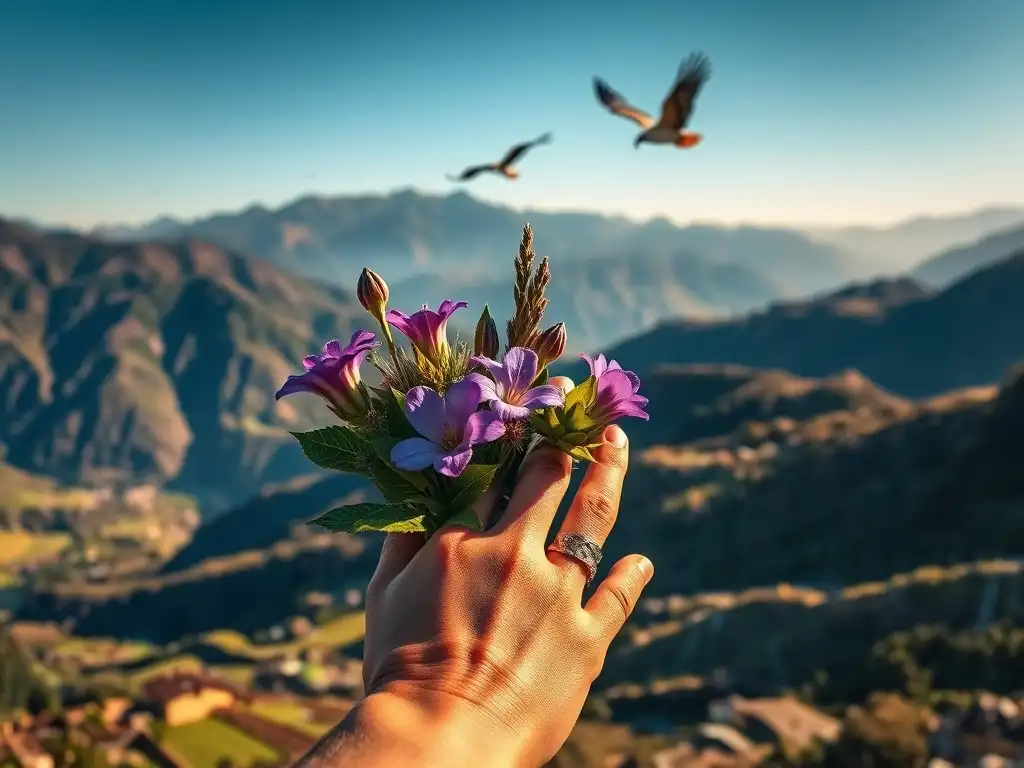
Uncover the secrets whispered on the wind across the Andes Mountains. For centuries, the ancient Andean civilizations harnessed the power of their environment, developing a profound understanding of Andean medicinal plant knowledge. Journey with us into a world of vibrant cultures and astonishing botanical wisdom, where the lines between spirituality, healing, and agriculture blur. Discover the fascinating story of how these ingenious societies utilized the extraordinary properties of their native plants – a legacy that continues to inspire awe and wonder today. Explore the depths of this ancient knowledge and prepare to be amazed.
The Andes Mountains, a spine of towering peaks running down the western coast of South America, are home to a breathtaking diversity of ecosystems and, consequently, a rich tapestry of botanical life. For millennia, the indigenous peoples of the Andes – including the Inca, Moche, Nazca, and Tiahuanaco civilizations – have possessed an intimate understanding of this botanical wealth, developing sophisticated systems of traditional medicine deeply intertwined with their cultural and spiritual beliefs.
This article delves into the fascinating world of Andean medicinal plant knowledge, exploring the uses, properties, and cultural significance of various plants that have played, and continue to play, a vital role in Andean health and well-being. We will examine how this profound knowledge, passed down through generations, continues to influence modern practices and offers valuable insights into potential pharmaceutical discoveries.
Understanding Andean medicinal plant knowledge provides a crucial window into the ingenuity and resilience of Andean cultures, highlighting their deep connection with the natural world and the enduring legacy of their traditional practices. This knowledge is not only of historical interest but also holds immense potential for contemporary medicine and conservation efforts.
The Significance of Coca ( Erythroxylum coca)
Coca, a plant sacred to many Andean cultures, holds a central position in their traditional medicine. Far from the stigmatized image often portrayed in Western media, coca leaves have been used for thousands of years for a variety of purposes, primarily as a mild stimulant to combat altitude sickness, hunger, and fatigue. The leaves are traditionally chewed, often with an alkaline substance like lime, to enhance the release of its active compounds.
Beyond its stimulant properties, Andean communities have also utilized coca for its purported medicinal benefits, including treating digestive issues, respiratory ailments, and even certain types of pain. Detailed ethnographic studies reveal the complex rituals and social practices surrounding coca use, highlighting its importance as a social lubricant and a vital part of Andean identity.
The deep-rooted cultural significance of coca is undeniable, and its continued use underscores the enduring wisdom of traditional Andean practices. Moreover, modern scientific research is increasingly validating some of the traditional medicinal applications of coca, opening up new avenues for pharmaceutical research.
Ayahuasca: A Complex Brew with Powerful Effects
Ayahuasca, a complex brew made from various plants, notably Banisteriopsis caapi and Psychotria viridis, holds a significant place in the spiritual and medicinal traditions of some Andean communities, particularly in the Amazonian regions. Its psychoactive properties have been used for centuries in shamanic rituals, facilitating spiritual journeys and healing ceremonies. While the specific mechanisms of ayahuasca's effects are still under investigation, research suggests potential therapeutic applications in treating depression, addiction, and post-traumatic stress disorder.
However, it's crucial to emphasize the need for responsible and respectful engagement with ayahuasca, as its potent effects require careful guidance and understanding of the cultural context in which it is traditionally used. The use of Ayahuasca highlights the complex interplay between spirituality, medicine, and traditional knowledge in the Andean world.
Beyond Coca and Ayahuasca: A Diverse Pharmacopoeia
The Andean pharmacopoeia extends far beyond coca and ayahuasca, encompassing a wide range of plants with diverse medicinal properties. For example, Matico ( Piper aduncum) has been traditionally used for its antiseptic and wound-healing properties, while Muña ( Minthostachys species) is known for its digestive and respiratory benefits.
Many other plants, including various species of cacti, herbs, and shrubs, have been utilized for centuries to treat a wide array of ailments. Unfortunately, detailed documentation of the precise uses and preparations of many of these plants is limited, emphasizing the urgent need for further ethnobotanical research to preserve and understand this invaluable traditional knowledge before it is lost.
The preservation of this knowledge is crucial not only for cultural heritage but also for the potential discovery of novel therapeutic compounds. The diversity of these plants underscores the remarkable adaptability and resilience of Andean cultures in harnessing the power of nature for their well-being.
The Future of Andean Medicinal Plant Knowledge
The future of Andean medicinal plant knowledge hinges on several critical factors. Firstly, the preservation of traditional knowledge through intergenerational transmission is paramount. Secondly, collaborative research between indigenous communities and scientists is essential to validate traditional uses and explore the potential of these plants for modern medicine.
Finally, sustainable harvesting practices and the conservation of biodiversity are crucial to ensure the long-term availability of these valuable resources. The challenge lies in balancing the preservation of traditional practices with the potential for scientific advancement and economic development in a way that respects the cultural heritage and the environment. The continued exploration and understanding of Andean medicinal plant knowledge promises not only advancements in healthcare but also a deeper appreciation for the profound wisdom of ancient Andean civilizations.
- The Significance of Coca ( Erythroxylum coca)
- Ayahuasca: A Complex Brew with Powerful Effects
- Beyond Coca and Ayahuasca: A Diverse Pharmacopoeia
- The Future of Andean Medicinal Plant Knowledge
The Legacy of Andean Medicinal Plant Knowledge
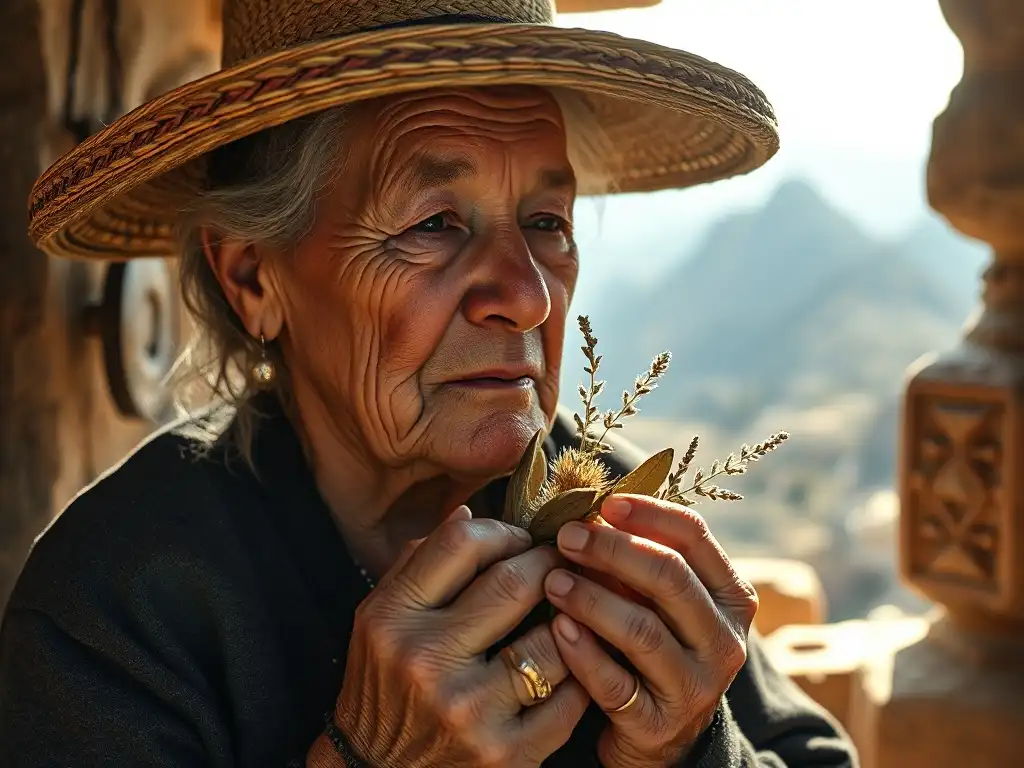
The Andes Mountains, a spine of towering peaks running down the western edge of South America, are home to a breathtaking diversity of plant life. For millennia, Andean cultures have possessed an intricate and profound understanding of these plants, developing a sophisticated system of medicinal plant knowledge passed down through generations. This knowledge, far from being merely a collection of remedies, represents a holistic worldview integrating botanical understanding with spiritual beliefs, social structures, and agricultural practices.
This deep connection between people and plants shaped Andean societies and continues to influence modern approaches to healthcare and conservation efforts focused on Andean medicinal plant knowledge. The legacy of this traditional knowledge is invaluable, offering potential insights into novel pharmaceuticals and sustainable approaches to healthcare.
Ancient Andean Civilizations and Their Understanding of Herbal Medicine
Evidence suggests that the use of medicinal plants in the Andes dates back to pre-Inca times. Archaeological finds, such as remnants of herbal remedies in ancient burial sites, and iconographic representations on pottery and textiles, showcase the extensive knowledge of medicinal plants possessed by cultures like the Moche, Nazca, and Tiahuanaco. These civilizations meticulously documented their botanical knowledge, likely through oral traditions and possibly rudimentary written systems.
Their understanding extended beyond simple symptom relief; they recognized the complex interactions between plants, the human body, and the environment. For example, the Moche, renowned for their sophisticated metalworking, also displayed a keen understanding of plant-based metallurgy, using specific plant extracts in the smelting process. The intricate details on their pottery often depict scenes of healing rituals involving plants, indicating a deep-seated cultural significance.
Further research into pre-Columbian Andean texts and artifacts is crucial to fully understand the scope of their botanical expertise. Analyzing the chemical composition of ancient remedies could reveal the specific plants used and their potential therapeutic properties. This would provide valuable insights into the effectiveness of traditional Andean medicine and could potentially lead to the discovery of new drugs.
The Importance of Plants in Andean Culture and Spirituality
Beyond their medicinal uses, plants held a central role in Andean spirituality and cosmology. Many plants were considered sacred, imbued with spiritual power and associated with deities or specific rituals. The coca leaf, for example, played a significant role in religious ceremonies and everyday life, serving as an offering to deities and facilitating communication with the spirit world.
This spiritual dimension is deeply intertwined with the medicinal use of plants, highlighting the holistic approach to health and well-being characteristic of Andean cultures. The use of plants in rituals and ceremonies reinforced their importance in society, ensuring the preservation and transmission of botanical knowledge across generations. This complex relationship between plants, people, and the spiritual realm underscores the importance of considering the cultural context when studying Andean medicinal plant knowledge.
Understanding this interconnection is vital for respectful and effective collaboration with indigenous communities in research and conservation efforts. The preservation of this rich cultural heritage is not only essential for maintaining biodiversity but also for recognizing the invaluable contributions of Andean cultures to global knowledge of medicinal plants. Ignoring this holistic perspective risks losing a crucial dimension of this intricate and fascinating system of knowledge.
Key Andean Medicinal Plants and Their Uses

This section delves into the fascinating world of Andean medicinal plant knowledge, exploring the traditional uses of several key species beyond their nutritional value. For centuries, Andean communities have relied on these plants for a wide array of medicinal purposes, reflecting a deep understanding of botany and its therapeutic applications. This knowledge, passed down through generations, offers valuable insights into ethnobotany and potential avenues for modern pharmacological research.
Understanding the diverse applications of these plants is crucial to appreciating the holistic approach to health and well-being characteristic of Andean cultures. The term "Andean medicinal plant knowledge" encompasses a vast and intricate system, with each plant possessing unique properties and uses.
Coca: More Than Just a Stimulant – Traditional Medicinal Applications
Coca ( Erythroxylum coca) is arguably the most iconic Andean plant. While widely known for its stimulating properties, its traditional medicinal applications are equally significant. Andean communities have utilized coca leaves for centuries to treat a variety of ailments. Its use extends far beyond simple stimulation; it's a cornerstone of their traditional medicine.
The leaves possess analgesic properties, providing relief from headaches and toothaches. They are also used to alleviate symptoms of altitude sickness, a common concern in the high Andean regions. Chewing coca leaves is believed to enhance digestion and reduce nausea. Furthermore, coca tea is frequently used to combat fatigue and respiratory ailments.
Traditional healers often combine coca leaves with other medicinal plants to create complex remedies tailored to specific conditions. The precise preparation and application methods vary greatly depending on the specific ailment and the healer's expertise. Detailed knowledge of coca's properties and its interactions with other plants is crucial for successful treatment. The precise chemical compounds responsible for its medicinal effects are still under investigation, highlighting the need for further research into this remarkable plant.
Coca is not just a plant; it is a cultural symbol, a source of sustenance, and an essential component of Andean traditional medicine.
Maca: The Andean Adaptogen and Its Health Benefits
Maca ( Lepidium meyenii), often referred to as the "Peruvian ginseng," is another vital Andean medicinal plant. This cruciferous root vegetable is highly regarded for its adaptogenic properties – its ability to help the body adapt to stress. Maca's reputation for boosting energy levels and enhancing stamina is well-established within Andean communities and increasingly recognized globally.
Beyond its energizing effects, maca is traditionally used to improve fertility in both men and women. It is believed to increase libido and enhance sexual function. Furthermore, maca is associated with improved cognitive function, mood regulation, and hormonal balance.
Studies have explored maca's potential benefits in alleviating menopausal symptoms, improving bone density, and boosting athletic performance. However, more research is needed to fully understand the mechanisms behind its diverse effects. The variability in maca's chemical composition depending on the growing conditions and processing methods adds complexity to scientific investigations. Nevertheless, its enduring use in Andean traditional medicine speaks volumes about its perceived effectiveness.
| Maca Benefit Category | Specific Benefit | Traditional Use Example |
|---|---|---|
| Energy & Stamina | Increased endurance, reduced fatigue | Consumed before strenuous physical activities |
| Fertility & Libido | Improved sexual function, increased libido | Used as a fertility aid, particularly by women |
| Hormonal Balance | Regulation of hormone levels | Used to alleviate menopausal symptoms |
| Cognitive Function | Improved memory, focus, and concentration | Part of a daily diet to enhance mental clarity |
Yacon: The Sweet Root with Medicinal Properties
Yacon ( Smallanthus sonchifolius) is a sweet root vegetable native to the Andes, known for its unique sweetness derived from fructooligosaccharides (FOS). These FOS are not only responsible for its pleasant taste but also contribute to its medicinal properties. Yacon is traditionally used to regulate blood sugar levels, making it valuable for individuals with diabetes or those seeking to manage their blood glucose.
The high FOS content in yacon promotes the growth of beneficial bacteria in the gut, contributing to improved digestive health. It can also aid in relieving constipation and promoting regularity. Furthermore, yacon is believed to possess antioxidant and anti-inflammatory properties, potentially contributing to overall well-being.
While initial research is promising, more rigorous studies are needed to fully establish the extent of yacon's medicinal benefits. The high fructose content should also be considered, especially for individuals with specific dietary restrictions. However, its traditional use in Andean communities and its unique nutritional composition offer a compelling reason to further investigate this intriguing plant's potential therapeutic applications. The potential of yacon as a functional food and its role in a balanced diet warrant continued exploration within the context of Andean medicinal plant knowledge.
The information provided here represents a glimpse into the vast and complex world of Andean medicinal plant knowledge. Further research and collaboration between traditional healers and scientists are essential to fully unlock the therapeutic potential of these remarkable plants. The preservation and dissemination of this ancestral wisdom are vital for both the Andean communities and the global pursuit of natural health solutions.
Uña de Gato (Cat's Claw): A Powerful Immune Booster from the Amazon

Uña de Gato, Uncaria tomentosa, is a woody vine found primarily in the Amazon rainforest, though its use extends throughout the Andes. It's renowned for its potent immune-boosting properties and has been a cornerstone of traditional Andean medicine for centuries. Indigenous communities have long utilized different parts of the plant—primarily the bark—to treat a wide array of ailments. Its popularity isn't solely based on tradition; modern research is increasingly validating its efficacy.
Studies have shown that Uña de Gato contains various phytochemicals, including alkaloids and glycosides, which contribute to its immune-modulating effects. These compounds are believed to stimulate the body's natural defenses, helping it fight off infections and inflammation. While not a cure-all, Uña de Gato is often used to support the immune system during illness, aiding in recovery and reducing the severity of symptoms.
It's important to note that, while generally considered safe, potential interactions with certain medications exist, highlighting the need for consultation with a healthcare professional before incorporating Uña de Gato into a treatment plan. Furthermore, the quality of Uña de Gato products varies significantly, emphasizing the importance of sourcing from reputable suppliers who employ sustainable harvesting practices. The sustainable harvesting of this valuable plant is crucial for preserving its availability for future generations and protecting the Amazonian ecosystem.
Other Important Medicinal Herbs of the Andes
Beyond Uña de Gato, the Andean region boasts a rich tapestry of medicinal plants, each with its unique therapeutic applications. The diverse climates and altitudes of the Andes have fostered a remarkable biodiversity, resulting in a vast pharmacopoeia of traditional remedies. For example, Matico ( Buddleja globosa) is widely used for its antiseptic and wound-healing properties. Its leaves are often applied topically to treat cuts, burns, and skin infections.
Another notable example is Muña ( Minthostachys sp. ), a fragrant herb with a history of use as a digestive aid and for its purported respiratory benefits. It's frequently consumed as a tea to alleviate symptoms of indigestion and coughs.
The knowledge surrounding these plants is often passed down through generations within Andean communities, representing a precious legacy of traditional ecological knowledge. This knowledge, however, is not static; it continually evolves as communities adapt to changing environments and health challenges. Many of these plants have become increasingly recognized globally for their medicinal potential, leading to increased research and commercial interest.
However, it’s crucial to approach the commercialization of these plants responsibly, ensuring sustainable harvesting practices and respecting the intellectual property rights of indigenous communities who have guarded this knowledge for millennia. The preservation of this Andean medicinal plant knowledge is paramount, not only for its therapeutic value but also for its cultural and historical significance.
The careful documentation and dissemination of this knowledge are essential to ensure its continuation and accessibility for future generations. Further research is needed to fully understand the chemical composition and therapeutic potential of many of these plants, unlocking their potential to contribute to global healthcare.
Traditional Methods of Preparing and Using Andean Medicinal Plants
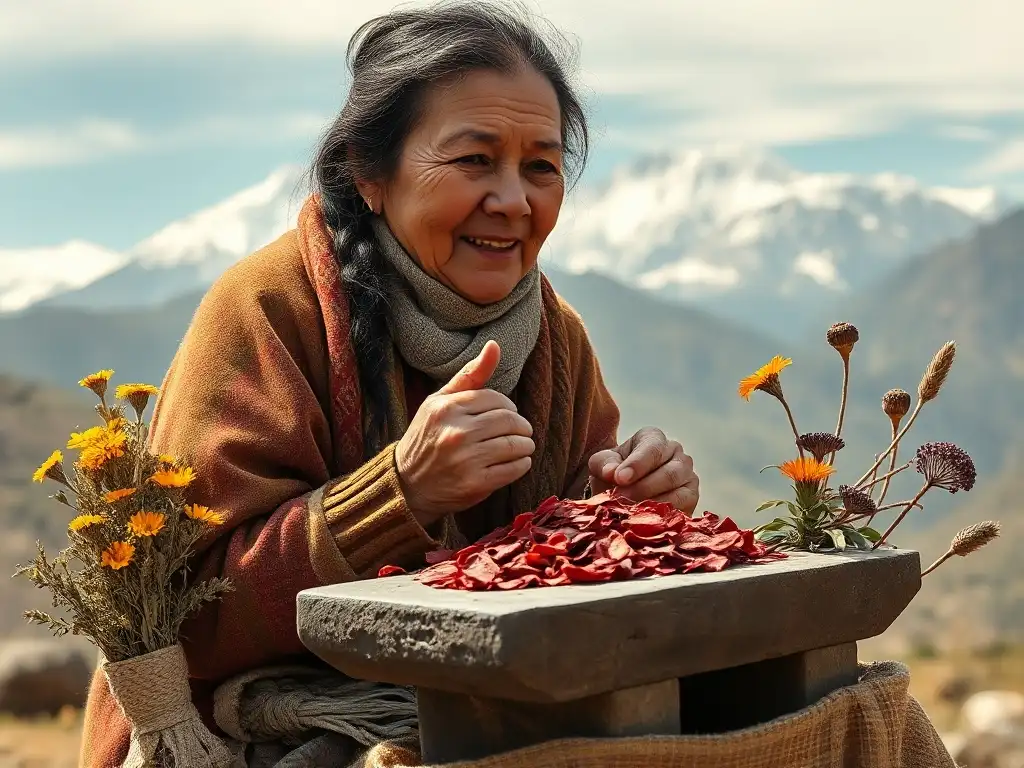
This section delves into the time-honored techniques employed by Andean communities for preparing and utilizing medicinal plants. Understanding these methods is crucial to appreciating the depth and sophistication of Andean botanical knowledge, a legacy passed down through generations. The practices are not merely about treating ailments; they are deeply intertwined with spiritual beliefs, social structures, and sustainable resource management. This knowledge, often passed down orally, represents an invaluable treasure trove of information for modern pharmacology and ethnobotany. The preservation and study of "Andean medicinal plant knowledge" is paramount for future generations.
Harvesting Techniques and Sustainability Practices
Harvesting Andean medicinal plants is far from a haphazard process. It's a respectful and sustainable practice guided by deep ecological understanding. Communities often adhere to specific times of the year, lunar cycles, and even specific days of the week, deemed auspicious for harvesting particular plants. This aligns with the belief that the plant's potency is influenced by these celestial rhythms.
For example, coca leaves ( Erythroxylum coca) are typically harvested in the early morning, before the sun's heat diminishes their essential oils. Furthermore, only mature leaves are harvested, ensuring the plant's continued vitality. This sustainable approach reflects a profound respect for the environment and the recognition that these plants are a shared resource.
The methods also emphasize minimizing environmental impact. Harvesting tools are often simple and hand-crafted, reducing energy consumption and preventing soil erosion. Selective harvesting techniques are employed to prevent over-exploitation, allowing plants to regenerate naturally. Communities may also practice crop rotation and intercropping to maintain soil fertility and biodiversity.
This holistic perspective underscores the interconnectedness between human well-being and the health of the ecosystem, a core tenet of Andean medicinal plant knowledge. The careful selection and sustainable harvesting of Andean medicinal plants ensure their continued availability for future generations. This contrasts sharply with unsustainable modern harvesting practices that threaten the biodiversity of these vital resources.
Preparation of Herbal Infusions and Decoctions
The preparation of Andean medicinal plant remedies involves intricate processes designed to extract the plants' active compounds effectively. Herbal infusions, typically prepared by steeping plant parts in hot water, are common. The precise amount of plant material and the steeping time vary depending on the specific plant and the intended use. For instance, an infusion of muña ( Minthostachys sp.) is often used for digestive issues, while matico ( Piper aduncum) infusions are traditionally used as an antiseptic.
Decoctions, on the other hand, involve boiling plant parts in water for a longer period, resulting in a more concentrated extract. This method is frequently used for tougher plant parts like roots and barks. The resulting liquid is then strained and consumed, either hot or cold, depending on the plant and its intended effect.
The preparation often involves precise measurements and techniques handed down through generations, with variations existing between different Andean communities and specific plant applications. Many recipes also incorporate other ingredients, such as honey, sugar cane juice, or other herbs, to enhance flavor and therapeutic effects. The precise methods of preparing infusions and decoctions are crucial to maximizing the efficacy of Andean medicinal plants, reflecting a deep understanding of their chemical properties.
Application of Poultices, Salves, and Other Topical Remedies
Beyond oral administration, Andean medicinal plants are extensively used in topical remedies. Poultices, made by crushing fresh plant material and applying it directly to the skin, are a common treatment for wounds, inflammation, and pain. For example, a poultice of llantén ( Plantago major) is traditionally used to heal minor cuts and bruises. The preparation often involves mixing the crushed plant material with other ingredients like clay or water to create a paste-like consistency.
Salves and ointments are another significant category of topical remedies. These are typically prepared by combining plant extracts with a base of animal fat or oil, creating a semi-solid preparation that can be easily applied to the skin. The choice of base and the specific plant extracts depend on the intended therapeutic effect. For instance, a salve made from uña de gato ( Uncaria tomentosa) is traditionally used to treat skin infections, while a salve containing ch’arki (dried llama or alpaca meat) is used for its purported anti-inflammatory properties.
The application of these topical remedies highlights the versatility of Andean medicinal plant knowledge and its deep integration into daily life. The careful preparation and application of these remedies reflect a deep understanding of the plants' properties and their interaction with the human body. The use of these topical remedies demonstrates the sophisticated understanding of pharmaceutical preparations within Andean cultures.
The Role of Andean Shamans and Healers
Andean shamanic traditions played, and continue to play, a vital role in the preparation and application of medicinal plants. These healers, often referred to as yatiri in some Andean cultures, weren't simply herbalists; they were spiritual leaders deeply connected to the Andean worldview. Their knowledge encompassed not only the botanical properties of plants but also their spiritual significance and the intricate relationship between the human body, the natural world, and the spirit realm. The preparation of remedies was often interwoven with rituals and ceremonies, designed to harness the plant's power and facilitate healing on multiple levels—physical, emotional, and spiritual.
The yatiri's role extended beyond simply identifying and preparing remedies. They were responsible for diagnosing illnesses, often employing methods that combined observation of symptoms with divination or spiritual insights. Their understanding of the human body and its connection to the cosmos informed their treatment strategies. For instance, they might interpret a particular illness as an imbalance in the individual's energy flow, requiring the use of specific plants to restore harmony. This holistic approach, which integrated the spiritual and physical aspects of healing, was central to Andean medicinal practices and significantly influenced the way medicinal plants were used.
Specific rituals and preparations varied among different Andean communities and depended on the specific plant and ailment. However, common practices included the use of sacred objects, prayers, offerings to deities, and the incorporation of other elements like water, earth, and fire into the healing process.
The yatiri’s expertise wasn't limited to the plant itself; it extended to the entire ritual context, which was considered crucial for the effectiveness of the treatment. This emphasizes the deep interconnection between spiritual beliefs and medicinal practices in Andean cultures, highlighting the integral role of the shaman in shaping and transmitting Andean medicinal plant knowledge.
The knowledge held by these healers represented generations of accumulated wisdom, passed down through oral traditions and apprenticeships, ensuring the continuity of this rich heritage. The decline of traditional shamanic practices in recent decades represents a significant loss of invaluable knowledge related to the effective and safe use of Andean medicinal plants.
The Significance of Andean Medicinal Plant Knowledge Today

The enduring legacy of Andean civilizations extends far beyond their impressive architectural feats and intricate social structures. A crucial, often overlooked, aspect of their sophisticated societies lies in their profound understanding and utilization of medicinal plants. This knowledge, accumulated over millennia, represents a vast reservoir of potential benefits for modern medicine and a crucial element of cultural heritage.
Understanding the significance of this Andean medicinal plant knowledge is paramount, not only for appreciating the ingenuity of past civilizations but also for harnessing its potential for the future. The wealth of information on plant-based remedies, passed down through generations, offers a unique perspective on healthcare and sustainable living. This deep-rooted connection between humans and the natural world provides valuable insights into treating various ailments, and understanding the intricate relationships between plants and their environments.
The sheer diversity of plants used and the sophistication of the traditional practices highlight the rich tapestry of Andean botanical wisdom. This section will delve into the preservation of this invaluable knowledge and the ethical considerations surrounding its application in modern contexts.
Preserving Traditional Practices and Indigenous Wisdom
The preservation of Andean medicinal plant knowledge requires a multifaceted approach that centers on collaboration and respect for Indigenous communities. Simply documenting the knowledge is insufficient; active participation and partnership are crucial. This involves supporting Indigenous healers and knowledge keepers, ensuring the continuation of their traditions through apprenticeships and community-based education programs. Many communities possess intricate systems of plant identification, preparation, and administration, passed down orally through generations. These systems often incorporate spiritual and ritualistic elements inseparable from the medicinal practice itself.
For example, the use of coca leaves in Andean cultures isn't solely medicinal; it's deeply intertwined with social rituals and spiritual practices. Ignoring these cultural contexts risks undermining the very essence of the knowledge itself. Furthermore, documenting this knowledge requires sensitivity and ethical considerations. It's essential to obtain informed consent from communities and to ensure that the benefits of research and commercialization are shared equitably.
Ignoring this could lead to biopiracy and the further marginalization of Indigenous communities. The development of community-based conservation initiatives that involve the active participation of Indigenous communities is essential. These initiatives should focus not only on the preservation of plant species but also on the safeguarding of traditional practices and knowledge systems. This approach ensures the sustainability of both the plant resources and the cultural heritage they represent.
The Potential of Andean Plants in Modern Medicine
Andean plants have demonstrated significant potential in modern medicine, offering a rich source of bioactive compounds with diverse pharmacological properties. Many plants used traditionally for centuries are now being scientifically investigated for their therapeutic value. For instance, research is exploring the potential of various Andean plants to treat inflammatory diseases, infections, and even certain types of cancer. The unique chemical composition of these plants may offer novel approaches to drug development and disease management.
However, it’s crucial to note that much of this knowledge remains undocumented, and further research is needed to fully understand the potential of these plants. A systematic approach to bioprospecting, involving collaboration with Indigenous communities and rigorous scientific investigation, is essential to unlock the potential benefits of these natural resources. This includes conducting clinical trials to validate the efficacy and safety of traditional preparations and identifying the specific bioactive compounds responsible for their therapeutic effects.
The possibilities extend beyond traditional uses; some Andean plants may contain novel compounds with applications beyond current medical understanding. This underlines the importance of continued research and exploration into the vast potential of Andean botanical wisdom for modern healthcare. This research should be guided by ethical principles, ensuring the equitable sharing of benefits and the protection of Indigenous knowledge.
Ethical Considerations in Bioprospecting and Resource Management
Bioprospecting in the Andes must adhere to strict ethical guidelines to ensure the responsible and sustainable use of plant resources and the protection of Indigenous knowledge. The principle of free, prior, and informed consent (FPIC) is paramount. This means that Indigenous communities must be fully informed about any research or commercialization involving their traditional knowledge and plant resources, and they must give their consent freely and without coercion. Furthermore, any benefits derived from the commercialization of these resources should be equitably shared with the communities that hold the traditional knowledge.
This includes mechanisms for benefit-sharing agreements that ensure fair compensation and recognition for the contribution of Indigenous communities. Sustainable harvesting practices are also crucial to prevent the overexploitation of plant resources. This requires a deep understanding of the ecology of each species and the development of strategies that ensure the long-term viability of the plant populations. It is also important to address potential negative impacts on biodiversity and local ecosystems.
The development of effective regulatory frameworks and policies is essential to govern bioprospecting activities and ensure that they are carried out in a responsible and ethical manner. This includes mechanisms for monitoring and evaluating the impact of bioprospecting on both the environment and Indigenous communities. Ignoring these ethical considerations could lead to biopiracy, the erosion of Indigenous knowledge, and the unsustainable depletion of valuable plant resources. The ultimate goal should be the harmonious integration of traditional knowledge with modern science, ensuring the long-term preservation of both the plants and the cultural heritage they represent.
The Future of Andean Ethnobotany
The future of Andean ethnobotany hinges on several crucial factors, all interconnected and demanding a holistic approach. Firstly, preserving traditional knowledge is paramount. This requires active engagement with indigenous communities, fostering collaborative research projects that respect intellectual property rights and ensure equitable benefit-sharing. Simply documenting knowledge isn't enough; it needs to be actively protected from exploitation and loss through initiatives like community-led seed banks and oral history preservation programs.
We've seen successful examples where community-based organizations have taken the lead in protecting and sharing their botanical heritage, creating sustainable models for the future. The continued erosion of indigenous languages also poses a significant threat; language loss often translates to a loss of associated botanical knowledge. Therefore, revitalization efforts are crucial for safeguarding this invaluable heritage.
Secondly, integrating traditional knowledge with modern scientific research presents immense opportunities. Rigorous scientific studies can validate the efficacy of traditional Andean medicinal plants, leading to the development of novel pharmaceuticals and therapies. This requires a collaborative approach that respects the indigenous worldview and avoids the appropriation of traditional knowledge for commercial gain without appropriate compensation or recognition.
For instance, research into the antimicrobial properties of certain Andean plants could lead to the development of new antibiotics, addressing the growing threat of antibiotic resistance. Similarly, studies on plants used for treating inflammatory conditions could provide valuable insights for the development of novel anti-inflammatory drugs. However, ethical considerations must always be at the forefront of such research.
Thirdly, sustainable harvesting and cultivation practices are essential for the long-term viability of Andean medicinal plants. Overharvesting and habitat destruction pose significant threats to biodiversity, potentially leading to the extinction of valuable plant species. Promoting sustainable agriculture techniques, such as agroforestry and permaculture, is crucial for ensuring the continued availability of these resources. Furthermore, supporting local communities in developing sustainable harvesting and cultivation methods can contribute to their economic empowerment and ensure the preservation of their traditional practices. This includes promoting fair trade practices that guarantee fair prices for medicinal plants and their derivatives.
Finally, raising global awareness about the importance of Andean ethnobotany is critical. Educating the wider public about the value of traditional knowledge and the threats faced by Andean medicinal plants can help garner support for conservation efforts and promote responsible use. This includes incorporating Andean botanical wisdom into educational curricula and engaging with international organizations to advocate for the protection of biodiversity and traditional knowledge.
Promoting ecotourism initiatives that benefit local communities while protecting the environment can also play a vital role in this process. The future of Andean ethnobotany depends on a collective effort that values both traditional knowledge and scientific progress, ensuring the sustainable use and conservation of this invaluable resource for generations to come.
Threats to Traditional Andean Medicine
The preservation of Andean medicinal plant knowledge is paramount, yet it faces significant challenges threatening its very existence. Understanding these threats is crucial for implementing effective conservation strategies and ensuring the continued use of this invaluable resource for future generations. This section will explore some of the most pressing dangers to this rich heritage, focusing on the interplay between environmental pressures, cultural shifts, and the influence of external medical systems. The loss of biodiversity, the impact of Western medicine, and the overall importance of protecting this knowledge are all interconnected and require a multifaceted approach to address.
Loss of Biodiversity and Habitat Destruction
The Andean region's unique biodiversity, the foundation of traditional Andean medicine, is under severe threat. Habitat destruction, driven by deforestation for agriculture, mining, and urbanization, is a primary concern. The clearing of forests and grasslands eliminates the natural habitats of numerous medicinal plants, leading to population decline and, in some cases, extinction. This is particularly problematic for endemic species found only in specific Andean ecosystems. For example, the shrinking habitat of the Polylepis tree, a plant with numerous medicinal properties used by various Andean communities, directly impacts the availability of its bark and leaves for traditional healing practices.
Furthermore, climate change exacerbates this issue. Shifting rainfall patterns, increased temperatures, and more frequent extreme weather events disrupt plant growth cycles and reduce the viability of many medicinal species. This necessitates a shift in cultivation strategies and a deeper understanding of the impact of climate change on the distribution and abundance of these vital plants.
Without proactive conservation measures, the loss of biodiversity will directly translate to a loss of invaluable medicinal plant knowledge, impacting the health and well-being of Andean communities. Detailed studies on the specific impact of climate change on individual plant species used in Andean medicine are still needed. [Specific information pending on the impact of climate change on specific Andean medicinal plants]
The Impact of Western Medicine and Cultural Changes
The increasing accessibility and perceived superiority of Western medicine pose a significant challenge to traditional Andean medicinal practices. Younger generations are often more inclined to utilize pharmaceuticals and modern medical facilities, leading to a decline in the transmission of traditional knowledge across generations. This cultural shift threatens the continuity of this invaluable heritage, as the intricate understanding of plant properties and healing techniques risks being lost.
The shift isn't simply a rejection of traditional methods; often, it's a lack of access to resources and education. Many communities lack the infrastructure and support to maintain and promote their traditional healing practices. This includes the lack of formal training programs, limited access to research and documentation, and the absence of robust networks for knowledge sharing among different communities.
This gradual erosion of traditional knowledge is exacerbated by the economic pressures that often force individuals to prioritize immediate needs over the long-term preservation of their cultural heritage. The integration of traditional Andean medicine with Western healthcare systems, while challenging, could be a pathway to ensuring both systems continue to serve the health needs of Andean populations.
The Importance of Protecting Andean Botanical Knowledge
Protecting Andean botanical knowledge is not merely a matter of preserving cultural heritage; it's about safeguarding a vital source of healthcare and economic opportunities for Andean communities. Traditional Andean medicine offers a wealth of knowledge about plants with potential therapeutic value, many of which have yet to be fully explored by modern science. These plants offer potential solutions to various health problems, including those resistant to conventional treatments. Their preservation is crucial for both the present and future of healthcare.
The economic value of these plants should not be underestimated. Sustainable harvesting and the development of appropriate commercialization strategies can provide economic empowerment to Andean communities while simultaneously protecting the environment and their cultural heritage. Ethnobotanical research plays a critical role in documenting and understanding the traditional uses of these plants, ensuring that this knowledge is preserved and shared responsibly.
This requires collaborative efforts between researchers, local communities, and governmental institutions to create sustainable, equitable, and respectful mechanisms for the conservation and utilization of these invaluable resources. The future of Andean medicinal plant knowledge hinges on a proactive and collaborative approach that values both its cultural significance and its potential contribution to global healthcare. This holistic approach demands careful consideration of the economic, social, and environmental dimensions inherent in its preservation.
Frequently Asked Questions
What role did plants play in Andean civilizations?
Plants were essential to Andean life. They provided food, clothing, shelter, and medicine. A deep understanding of their properties was crucial for survival and well-being.
How did Andean people acquire their knowledge of medicinal plants?
This knowledge was passed down through generations, via oral traditions, observation, and practical application. It was deeply intertwined with their spiritual beliefs and cosmology.
Which Andean civilizations utilized medicinal plants extensively?
Many Andean cultures, including the Incas, Moche, Nazca, and Tiwanaku, demonstrated sophisticated knowledge of medicinal plants. Their use was widespread and integral to their societies.
Are any Andean medicinal plants still used today?
Yes, many traditional practices continue. Many plants used by ancient Andean cultures are still employed in modern medicine and herbal remedies.
Where can I learn more about Andean medicinal plant knowledge?
You can explore further through ethnobotanical research, museum exhibits, and books focusing on Andean cultures and their relationship with the plant world. Many universities also offer relevant courses.
Final Reflection: The Enduring Legacy of Andean Botanical Wisdom
The intricate relationship between Andean communities and their medicinal plants remains profoundly relevant today, a vibrant testament to the power of traditional ecological knowledge in a world grappling with biodiversity loss and the search for sustainable healthcare. The wealth of knowledge accumulated over millennia offers not only potential cures for modern ailments but also a crucial framework for understanding and respecting the delicate balance of nature. This knowledge, often passed down through generations, holds the key to unlocking sustainable solutions for the future.
The enduring impact of Andean botanical wisdom extends far beyond the realm of medicine; it shapes cultural identity, spiritual practices, and the very fabric of Andean society. It's a living legacy, constantly evolving yet rooted in deep respect for the land and its resources. The earth is what we all have in common.
This simple yet profound statement encapsulates the essence of the Andean worldview, highlighting the interconnectedness of humanity and the natural world, a connection that underpins their profound understanding of medicinal plants. The continued erosion of this knowledge due to modernization and globalization represents a significant loss, not only for the Andean people but for the entire world.
Consider the profound implications of this knowledge for your own life. How can we, as individuals and as a global community, better support and learn from traditional ecological knowledge systems? Perhaps it's by actively seeking out and supporting initiatives that preserve and promote this wisdom, or by embracing a more holistic and sustainable approach to healthcare and environmental stewardship.
Let the enduring legacy of Andean botanical wisdom inspire you to cultivate a deeper connection with the natural world and to appreciate the invaluable knowledge held within traditional practices. The future of healthcare and environmental sustainability may well depend on it.
Unlock the Healing Power of Andean Plants!
Thank you for exploring the rich traditions of Andean botanical wisdom. You've discovered valuable insights into the healing properties of medicinal plants used by ancient cultures. Now, let's apply that knowledge to improve your life and benefit your community.
Here are some actionable steps you can take:
- Keep a journal to record your experiences with medicinal plants. Note their effects and continue learning about their uses.
- Share your knowledge! Host a gathering or workshop on Andean plants and their benefits. Invite friends and family to learn about these traditions together.
- Connect with experts. Network with local herbalists or join online communities dedicated to the conservation and use of medicinal plants. Your contributions help preserve this invaluable knowledge.
What aspects of Andean plant healing are you most eager to learn more about?