
Chuno and Charqui: The FreezeDried Marvels of the Andes

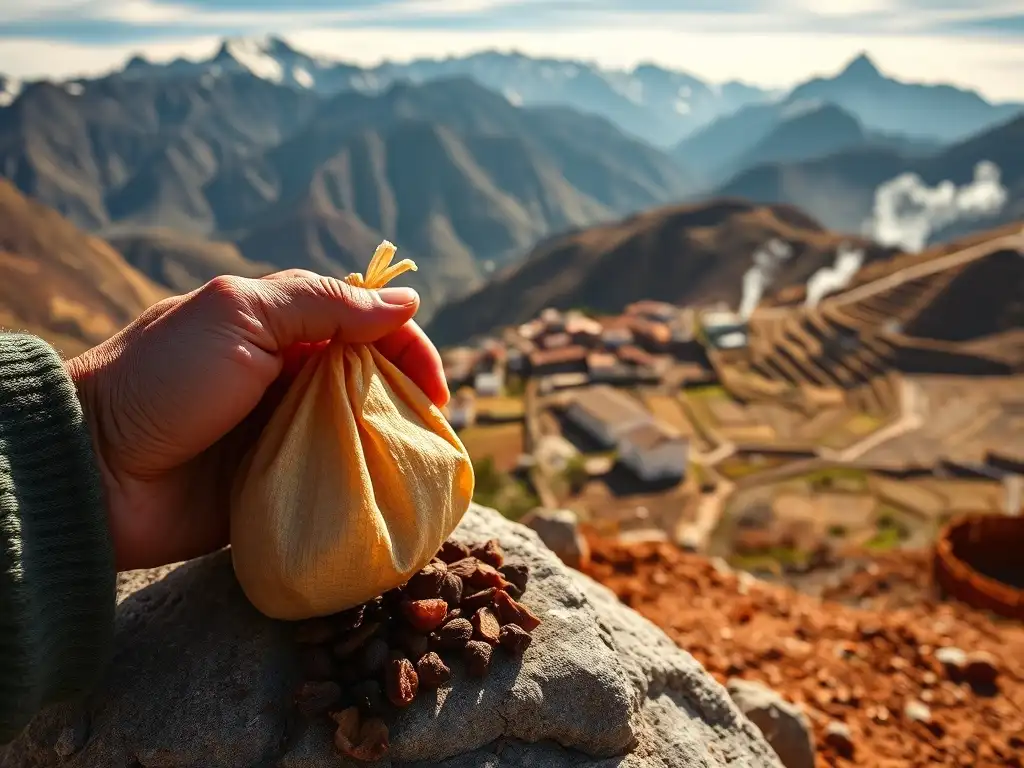
Step into a world lost to time, yet echoing with innovation. For centuries, the towering Andes Mountains have held secrets within their breathtaking landscapes – secrets now revealed through the ingenuity of its ancient inhabitants. Discover the astonishing story of Andean freeze-dried foods, like chuno and charqui, and uncover how these remarkable techniques not only sustained entire civilizations but also offer a glimpse into the advanced agricultural practices of the Incas, Moche, and other fascinating Andean cultures.
Prepare to be amazed by the ingenuity of a people who conquered the harshest terrain and harnessed nature's power to create culinary marvels that still intrigue us today. Journey with us to learn more…
- Andean Freeze-Dried Foods: Chuno and Charqui - Ancient Preservation Techniques
- Chuno: The Freeze-Dried Potato of the Andes
- Charqui: Andean Freeze-Dried Meat
- Comparing Chuno and Charqui: Similarities and Differences
- The Legacy of Andean Freeze-Drying Techniques
- Frequently Asked Questions
- Final Reflection: A Legacy Frozen in Time
- Savor the Andean Legacy Today!
Andean Freeze-Dried Foods: Chuno and Charqui - Ancient Preservation Techniques
The Andes Mountains, a geographically challenging environment, fostered remarkable ingenuity in food preservation among its ancient inhabitants. This article delves into the fascinating world of chuno and charqui, two prime examples of Andean freeze-dried foods that played—and continue to play—a crucial role in the survival and prosperity of Andean communities. We'll explore the techniques used to create these remarkable products, their significance in the context of Andean agriculture and food security, and their enduring legacy in contemporary Andean cuisine.
Understanding these ancient preservation methods provides invaluable insight into the resourcefulness and adaptability of Andean civilizations, offering a compelling narrative of human innovation in the face of environmental challenges. This exploration of "Andean freeze-dried foods" will reveal not just culinary practices, but also a testament to the deep connection between Andean peoples and their environment.
Introduction to Andean Food Preservation
Andean civilizations developed sophisticated food preservation techniques to overcome the limitations imposed by their high-altitude, often harsh environments. The scarcity of arable land and unpredictable weather patterns necessitated innovative strategies for ensuring food security throughout the year. These strategies went beyond simple storage; they involved complex processes designed to extend the shelf life of staple crops like potatoes and meat from camelids (llamas and alpacas). These methods weren't merely about survival; they were integral to the social and economic structures of these societies, impacting trade, ritual, and even social hierarchies.
The preservation of surplus food allowed for population growth, the development of complex social structures, and the expansion of trade networks across the Andes. Without effective preservation, the flourishing of these civilizations would have been severely hampered. The development of methods like freeze-drying showcases the profound understanding of natural processes and the ingenuity of Andean cultures.
The Significance of Food Storage in Andean Civilizations
The ability to store food effectively was paramount to the success of Andean civilizations. Consider the Inca Empire, for instance: its vast network of roads and storehouses ( qollqas) facilitated the efficient distribution of preserved food across its expansive territory. This intricate system not only supported the empire's large population but also played a vital role in times of drought or other natural disasters.
The strategic storage and distribution of chuno and charqui, along with other preserved foods, ensured social stability and prevented widespread famine. The importance of these preserved foods extended beyond mere sustenance; they held significant cultural and religious value, often featuring prominently in ceremonies and festivals. Archaeological evidence consistently reveals the presence of chuno and charqui in funerary contexts, highlighting their symbolic importance in Andean cosmology.
Furthermore, the control and distribution of these preserved resources likely played a crucial role in maintaining power structures and social hierarchies within Andean societies. The mastery of food preservation was, therefore, not simply a technological achievement but a fundamental pillar of Andean societal organization and survival. The impact of these techniques reverberates through Andean history and continues to shape foodways in the region today.
Chuno: The Freeze-Dried Potato of the Andes
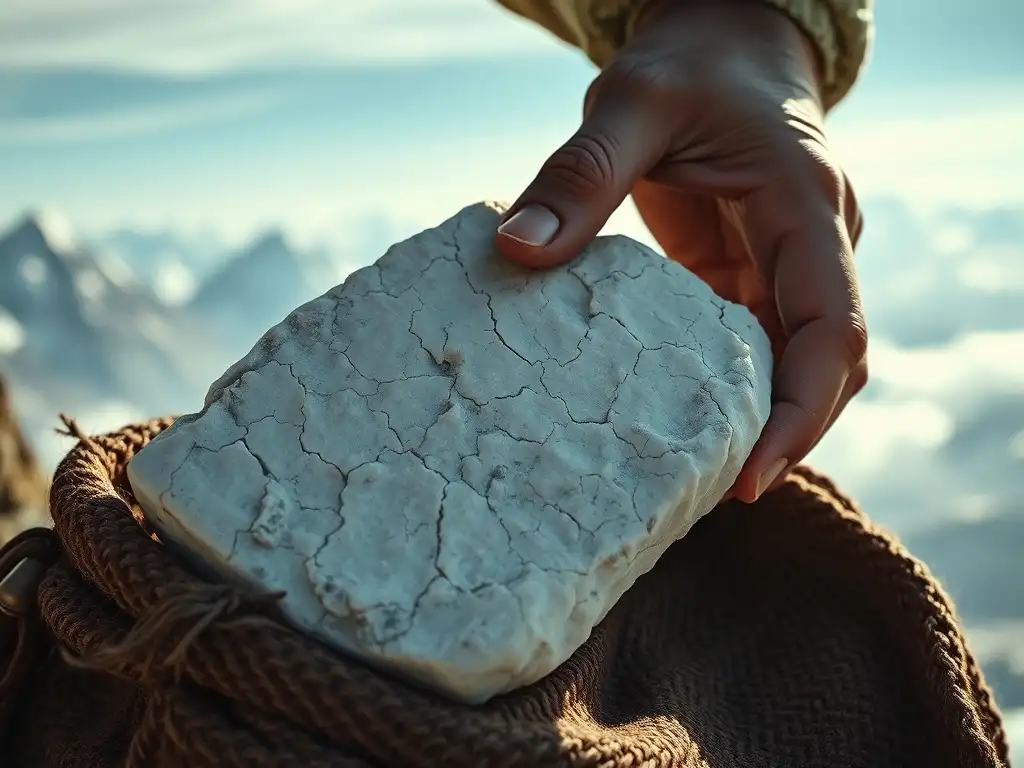
This section delves into the fascinating world of chuno, a freeze-dried potato that showcases the ingenuity of Andean civilizations in preserving food for extended periods. Understanding chuno provides crucial insight into Andean food storage techniques and their adaptation to the challenging high-altitude environment. The production of chuno, a cornerstone of Andean diets for centuries, is a testament to their deep knowledge of agriculture and food preservation, representing a remarkable example of Andean freeze-dried foods.
What is Chuno? The Process of Freeze-Drying Potatoes
Chuno is a freeze-dried potato, a method of preservation perfected by Andean communities to overcome the limitations of food spoilage in high-altitude, cold climates. The process leverages the natural freezing and thawing cycles of the Andes mountains to dehydrate potatoes, resulting in a lightweight, long-lasting food source. Unlike modern freeze-drying, which involves sophisticated machinery, the traditional Andean method relies entirely on the natural environment.
This makes chuno a powerful symbol of sustainable and environmentally conscious food preservation techniques. The process starts with selecting specific potato varieties, known for their high starch content and ability to withstand the harsh conditions of the freeze-drying process. These potatoes are harvested at maturity and then subjected to a series of freezing and thawing cycles, removing nearly all the moisture content.
This results in a product that can be stored for extended periods without spoiling, providing a vital food source during lean times. The potatoes, after this process, have a significantly reduced weight and volume compared to their fresh counterparts, making them easier to transport and store.
Types of Chuno: Bitter Potato, Sweet Potato, Luki
While the basic process of creating chuno remains consistent, variations exist depending on the potatoes used and the specific techniques employed. This leads to different types of chuno, each with its unique characteristics and culinary applications.
- Chuño Negro (Black Chuno): This is the most common type, resulting from a longer and more rigorous freeze-drying process. The extended exposure to freezing temperatures and sun gives it a dark, almost black hue. It has a very intense, slightly bitter flavor and is typically used in soups and stews.
- Chuño Blanco (White Chuno): This type undergoes a shorter freeze-drying process, resulting in a lighter color and a milder flavor. It's often preferred for less intense dishes or when combined with other ingredients to balance its flavor profile.
- Luki: Luki represents a further stage of processing. After the initial freeze-drying, the chuño is often pounded to separate the starch from the remaining fiber. This process yields a fine starch powder that can be used as a thickening agent in soups or as a base for other dishes. It is often used in preparing dishes such as api, a traditional Andean drink.
The diverse types of chuno demonstrate the adaptability of Andean food preservation techniques and their ability to produce a variety of products from a single source. This versatility is a key factor in the continued importance of chuno in the Andean diet.
The Traditional Preparation of Chuno: A Step-by-Step Guide
The traditional preparation of chuno is a laborious process, reflecting the deep connection between Andean communities and their environment. The process requires careful timing and attention to weather conditions, highlighting the intimate knowledge of the natural world held by Andean farmers. The steps involved are:
- Harvesting: Potatoes suitable for chuno production are harvested at the appropriate stage of maturity, typically after the first hard frost.
- Freezing: The harvested potatoes are spread out in thin layers on the ground, exposed to the freezing temperatures of the high Andes. This initial freeze is crucial to initiate the dehydration process.
- Thawing and Freezing Cycles: The potatoes are then collected and trampled to remove excess water. This is repeated multiple times, allowing the potatoes to freeze and thaw, gradually removing moisture. This step requires careful observation of the weather and precise timing to achieve optimal results.
- Drying: After several freeze-thaw cycles, the potatoes are left to dry in the sun for several weeks, further reducing their moisture content. This final drying step is essential to ensure long-term preservation.
- Storage: Once completely dry, the chuno is stored in dry, cool places, often in traditional Andean storehouses, where it can last for years without spoiling. This long shelf life was essential for Andean communities to survive periods of scarcity.
The entire process, from harvest to storage, is a testament to the ingenuity and resourcefulness of Andean cultures in adapting to their unique environmental conditions. The production of chuno represents a sustainable and effective method of food preservation, a valuable legacy of Andean agricultural practices and a rich example of Andean freeze-dried foods. The mastery of this technique allowed for the survival and flourishing of Andean civilizations for centuries.
Nutritional Value and Benefits of Chuno
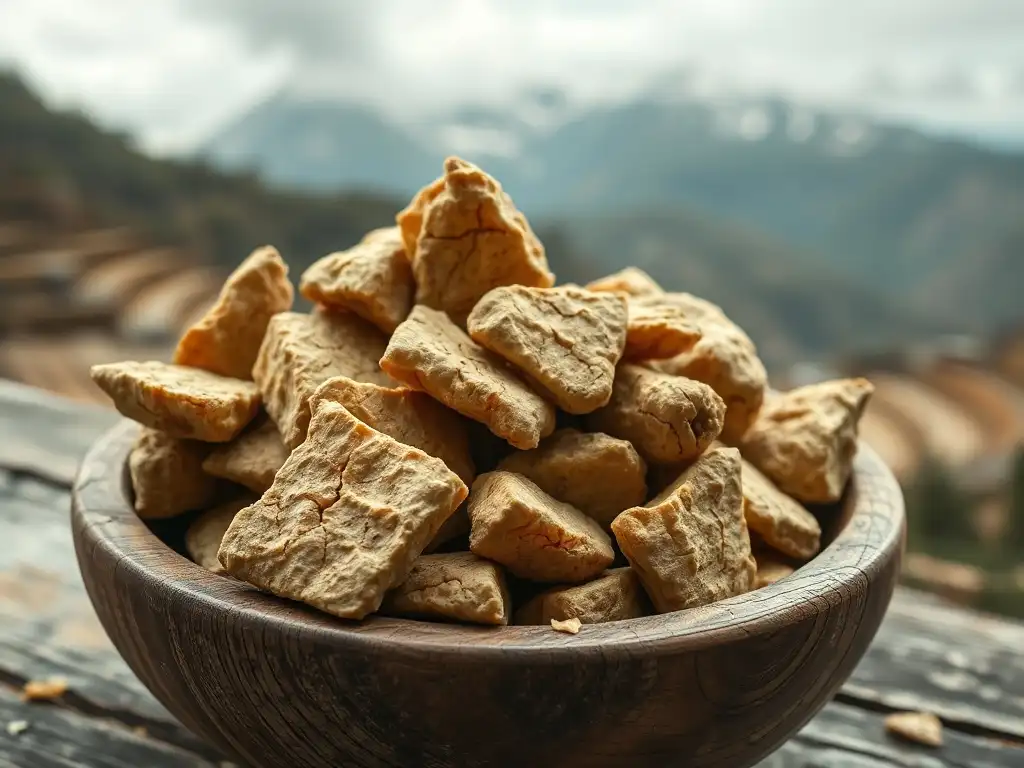
Chuno, despite its seemingly simple preparation, boasts a surprisingly rich nutritional profile. The freeze-drying process, while removing water, retains a significant portion of the potato's essential nutrients. Compared to fresh potatoes, chuno offers a higher concentration of carbohydrates, providing a sustained energy source crucial for Andean populations historically reliant on agricultural output. This concentrated carbohydrate content also contributes to its remarkable shelf-life, a vital characteristic in environments with limited storage options.
Furthermore, chuno retains certain vitamins and minerals, although the precise quantities vary depending on the potato variety and processing methods. Studies have shown that chuno is a good source of dietary fiber, aiding digestion and contributing to overall gut health. Its high carbohydrate content, coupled with its fiber, makes it a relatively slow-releasing energy source, preventing rapid blood sugar spikes and promoting sustained energy levels.
The freeze-drying process also reduces the water activity, inhibiting the growth of microorganisms and significantly extending the food's shelf life. This is a critical factor in its historical and continued importance as a food security measure in the Andes. Finally, chuno's nutritional value isn't just about vitamins and minerals; its resilience and long shelf life contribute to food security, a critical factor in the challenging Andean environment.
Chuno in Andean Cuisine: Phiri, Thimpu
Chuno isn't merely a preserved food; it's a cornerstone of Andean cuisine, showcasing incredible adaptability and versatility. Two prominent examples are phiri and thimpu. Phiri is a hearty stew often featuring chuno as its primary ingredient. The chuno is typically rehydrated and cooked with various meats, vegetables, and spices, resulting in a filling and flavorful dish that reflects the Andean culinary traditions. The rehydration process brings back the potato's texture, softening it while retaining a pleasant chewiness.
The resulting dish is both nutritious and satisfying, ideal for colder Andean climates. Recipes for phiri vary widely across different Andean communities, reflecting the rich diversity of regional cuisines and available ingredients. Some versions incorporate quinoa or other grains for added texture and nutritional value. Others might feature local herbs and spices, imparting unique regional flavors.
In contrast to the stew-like phiri, thimpu showcases chuno's versatility in a different light. Thimpu is a type of thick soup or porridge, often prepared using white chuno, which has a milder flavor than the darker varieties. The chuno is rehydrated and cooked with water or broth, sometimes along with milk or cheese, depending on the region and individual preferences.
The result is a creamy, comforting dish, often served as a breakfast or a light meal. Like phiri, thimpu recipes exhibit regional variations, reflecting the adaptability of chuno and the diverse culinary traditions of the Andes. The simplicity of thimpu also makes it an accessible and practical dish, especially during times of scarcity or limited access to fresh ingredients.
The enduring popularity of both phiri and thimpu demonstrates the crucial role chuno plays in the daily lives and culinary heritage of the Andean people. These dishes aren't just about sustenance; they're a testament to the ingenuity and resourcefulness of Andean cultures in harnessing the unique properties of their environment.
Charqui: Andean Freeze-Dried Meat
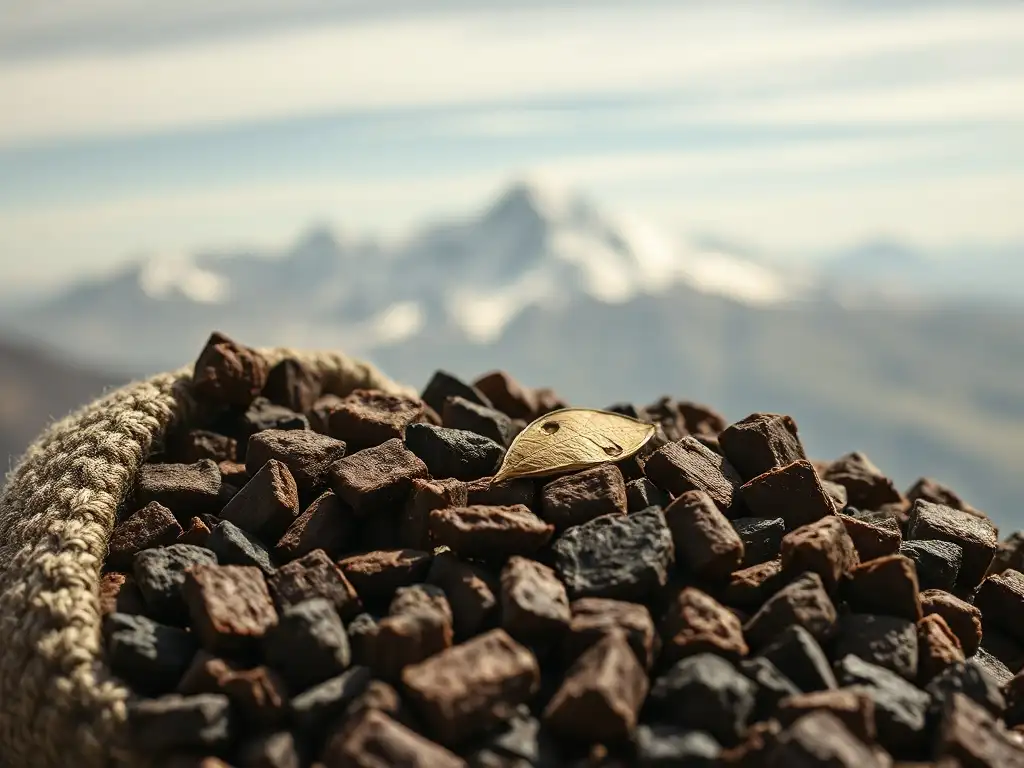
Charqui, often called "jerky" in English, represents a remarkable example of Andean ingenuity in food preservation. This ancient freeze-dried meat played, and continues to play, a vital role in the sustenance of Andean communities, allowing them to overcome the challenges of food storage and distribution in high-altitude, often harsh environments. Its enduring presence in Andean cuisine is a testament to its effectiveness and cultural significance. Understanding charqui requires exploring its production, variations, and its place within the broader context of Andean foodways. This deep dive into charqui will illuminate its importance as a key component of Andean freezedried foods.
Understanding Charqui: Dehydrated Meat in the Andes
Charqui's creation hinges on a simple yet effective principle: dehydration through a combination of sun and freeze-drying. The process begins with the careful selection and butchering of the animal, typically llama, alpaca, or beef. The meat is then meticulously cut into thin strips, maximizing surface area for efficient drying.
These strips are then spread out on a flat surface, often rocks or raised platforms, to be exposed to the intense Andean sun. The high altitude and arid climate of the Andes contribute significantly to the process, accelerating evaporation and minimizing microbial growth. The freezing temperatures at night further aid in dehydration, creating a naturally freeze-dried product.
The result is a tough, chewy, and incredibly long-lasting food source, capable of preserving its nutritional value for extended periods, often months or even years under proper storage conditions. The process is not just a technological achievement; it's deeply ingrained in Andean cultural practices, passed down through generations. The preservation of charqui is not only about food security; it represents a connection to ancestral traditions and a sustainable approach to food production.
Different Types of Charqui: Llama, Alpaca, Beef
While the basic process remains consistent, the type of animal used significantly impacts the final product's flavor and texture. Llama charqui, known for its lean and slightly gamey taste, is a popular choice. Alpaca charqui offers a similar but slightly milder flavor profile, often considered more tender.
Beef charqui, while less traditional in some areas, is increasingly common and provides a richer, more robust taste. The variations in taste and texture are not only due to the animal's inherent characteristics but also to the specific drying techniques employed by different communities. Some communities might add spices or seasonings during the process, contributing to a unique regional character.
Furthermore, the altitude at which the charqui is produced can also affect the final product, influencing the rate of dehydration and consequently the texture and flavor. The availability of different animal types and regional variations in techniques contribute to a rich diversity in Andean freezedried foods, reflecting the ingenuity and adaptability of Andean cultures.
The Charqui Production Process: Sun and Freeze-Drying Techniques
The process of making charqui is a labor-intensive undertaking, demanding patience and skill. The initial stages involve careful preparation of the meat, ensuring it's clean and free of excess fat. The meat is then meticulously sliced into thin strips, traditionally using knives or other sharp implements. The thickness of the strips is crucial, as it directly impacts the drying time and the final texture.
After slicing, the meat is laid out to dry, usually on flat surfaces exposed to the sun. This sun-drying phase is often supplemented by natural freeze-drying during the colder night hours at high altitudes. The duration of the drying process varies depending on weather conditions and the thickness of the meat strips, typically lasting several days. Regular monitoring is crucial to prevent spoilage.
Once thoroughly dried, the charqui is often stored in airtight containers or woven bags, protecting it from moisture and pests. This traditional method, refined over centuries, demonstrates the remarkable ability of Andean cultures to harness natural resources and environmental conditions to create a sustainable and nutritious food source. The process clearly demonstrates how the Andean people mastered the art of Andean freezedried foods.
The Role of Charqui in Andean Diets
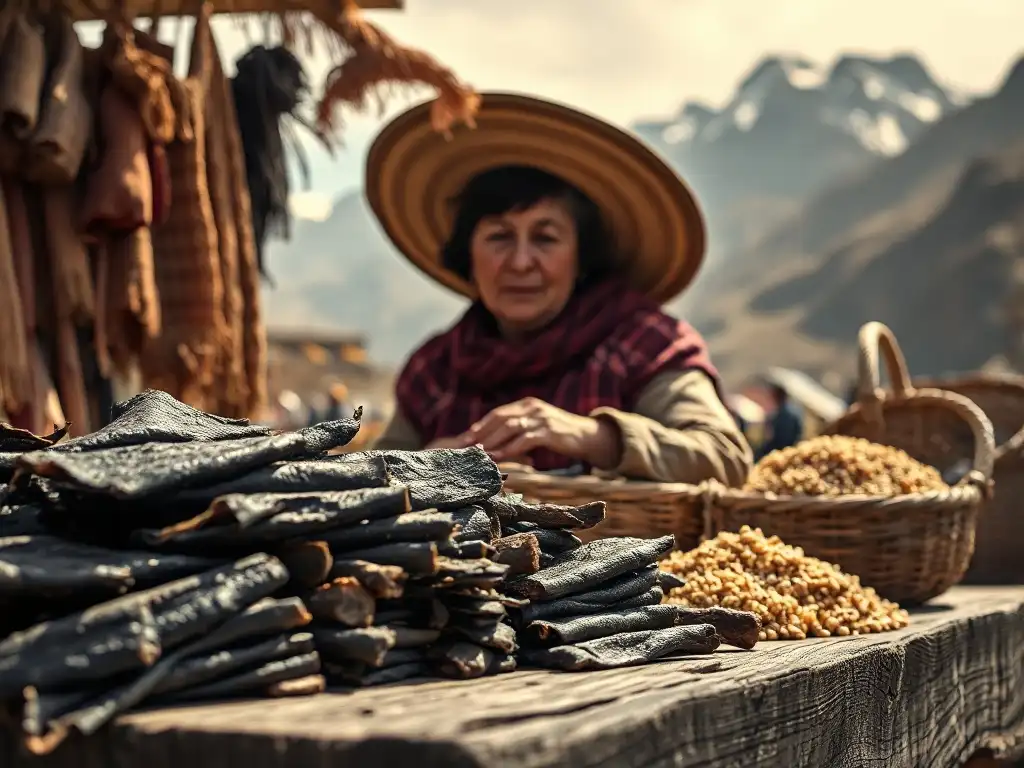
Charqui, the freeze-dried meat of the Andes, played a crucial role in the sustenance of Andean populations for centuries. Its ability to be preserved without refrigeration made it a dietary staple, particularly in regions with challenging climates and limited access to fresh meat. The process of sun-drying and freezing preserved the meat for extended periods, providing a valuable source of protein throughout the year, even during lean seasons or times of scarcity. This was especially vital in high-altitude environments where livestock farming could be challenging and agricultural yields unpredictable.
Different types of animals were used depending on regional availability. Llama and alpaca were common choices, offering a readily available protein source, especially in the Andes. However, other animals such as vicuña (though less frequently due to its protected status) or guanaco were also used, creating regional variations in charqui production and consumption. The nutritional value of charqui, while not as comprehensive as fresh meat, provided essential amino acids and helped maintain the health and energy of Andean communities.
It was often rehydrated and incorporated into stews, soups, or eaten as a standalone protein source. Its incorporation into daily diets demonstrates its importance in Andean food security and cultural heritage. The preparation and consumption of charqui weren't simply nutritional; they were embedded within social and ritualistic practices, connecting communities and marking significant events.
Charqui's Importance in Andean Trade and Travel
Beyond its dietary significance, charqui played a vital role in Andean trade networks and facilitated long-distance travel. Its lightweight and durable nature, achieved through the freeze-drying process, made it an ideal commodity for transport across challenging mountain terrains. Unlike perishable foods, charqui could withstand long journeys and harsh conditions, making it a key item exchanged between different Andean communities.
This facilitated the exchange of goods and resources, strengthening economic ties between regions. Evidence suggests charqui was traded extensively across various empires and cultures, including the Inca, showcasing its economic importance and its role in shaping the Andean trade landscape. The preservation of charqui also enabled travelers, particularly those undertaking long expeditions or military campaigns, to carry a reliable and consistent source of food.
Its portability and shelf-life were invaluable assets, contributing to the success of long-distance travel and exploration within the Andes. The value of charqui as a trade commodity is evident in archaeological findings and historical accounts, indicating its significant contribution to the Andean economy and its impact on the development of trade routes and social interactions across various Andean cultures. The ability to preserve and transport charqui effectively expanded the reach of Andean communities and fostered economic and cultural exchange across the vast Andes mountain range.
Comparing Chuno and Charqui: Similarities and Differences
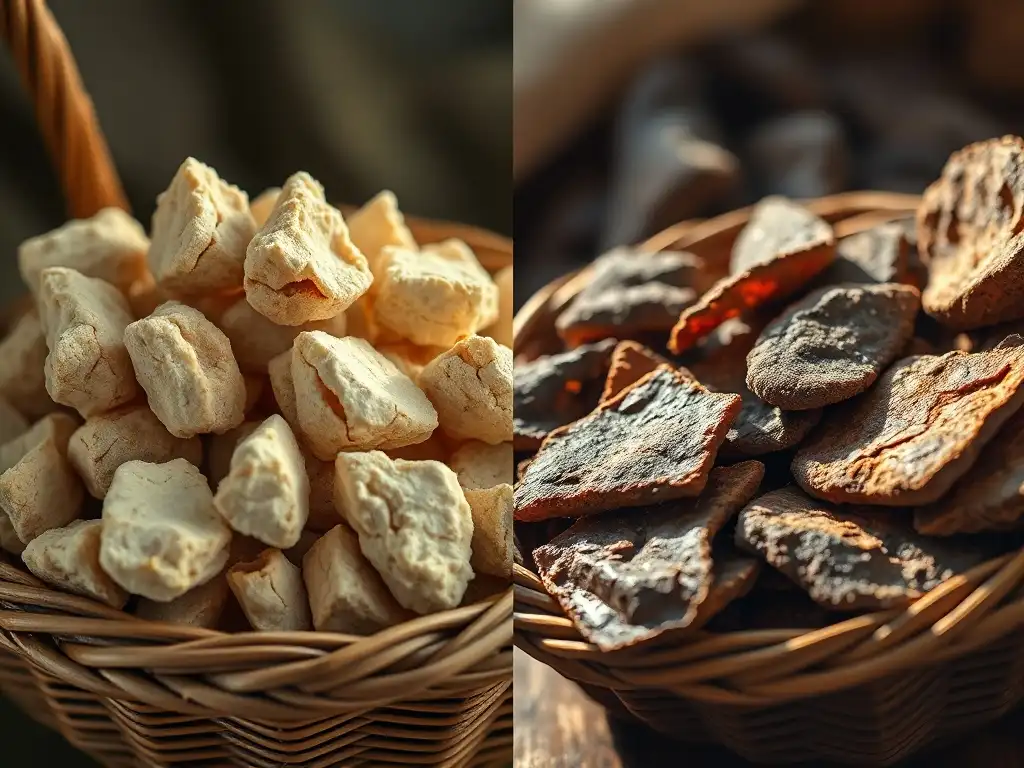
Chuno and charqui, both Andean freeze-dried foods, represent remarkable achievements in food preservation techniques developed by pre-Columbian Andean civilizations. While both methods leverage the power of freeze-drying to extend the shelf life of staple crops, crucial differences exist in their starting materials, processes, and final products. Understanding these nuances reveals the ingenuity and adaptability of Andean agricultural practices. Both techniques, however, showcase impressive mastery over challenging environmental conditions, allowing for efficient food storage and distribution across diverse Andean terrains. This mastery of Andean freeze-dried foods significantly contributed to the stability and growth of these ancient societies.
Preservation Methods: A Comparative Look
Chuno is created from potatoes, primarily Solanum tuberosum, a staple crop in the Andes. The process involves several stages: first, harvesting and selecting suitable potatoes. Then, a freezing period at high altitudes is essential. The potatoes are subsequently exposed to the sun to dehydrate and freeze again. This cycle of freezing and thawing removes moisture, resulting in a lightweight, long-lasting food source. The process can yield different grades of chuno, depending on the level of dehydration and the resulting texture. Superior chuno is lighter and more durable.
Charqui, on the other hand, utilizes llama or alpaca meat. After butchering, the meat is carefully cut into thin strips. These strips are then salted and left to dry in the sun, often for several weeks, achieving a similar freeze-drying effect. The high altitude, low humidity, and intense sunlight of the Andes create ideal conditions for this natural preservation method. The resulting charqui is tough and chewy, requiring rehydration before consumption. The process of making charqui, like that of chuno, demonstrates a deep understanding of the Andean environment and its ability to aid in food preservation.
Nutritional Profiles: Chuno vs Charqui
While both chuno and charqui undergo significant processing, they retain considerable nutritional value. Chuno, although losing some vitamins and minerals during processing, remains a good source of carbohydrates, providing sustained energy. The exact nutritional composition varies based on the potato variety and the chuno processing method. Further research is needed to fully quantify the vitamin and mineral content of different chuno types [specific information pending].
Charqui, as a preserved meat product, is rich in protein. However, the salting process can lead to a high sodium content, which needs to be considered in dietary planning. The fat content in charqui varies depending on the animal's breed and diet. Again, more detailed studies are needed to provide precise nutritional breakdowns for different charqui varieties prepared under varying conditions [specific information pending]. The table below summarizes the general nutritional profiles:
| Nutrient | Chuno (Approximate) | Charqui (Approximate) |
|---|---|---|
| Carbohydrates | High | Low |
| Protein | Moderate | High |
| Fat | Low | Moderate to High |
| Sodium | Low | High |
| Vitamins & Minerals | Moderate | Moderate |
Culinary Applications of Andean Freeze-Dried Foods
The versatility of chuno and charqui in Andean cuisine is striking. Chuno is used in various dishes, from hearty soups and stews to more refined preparations. It can be ground into flour for bread or added to other dishes to provide a unique texture and flavor. The remarkable ability of chuno to absorb liquid makes it an ideal ingredient in many recipes.
Charqui, while requiring rehydration, lends a distinct savory flavor to stews and other dishes. It can be used in a variety of culinary contexts, often appearing in traditional Andean recipes alongside potatoes and other local ingredients. Its chewy texture adds a unique element to the dishes. The preparation methods for both chuno and charqui vary regionally, reflecting the diverse culinary traditions across the Andes. These freeze-dried foods are not only practical solutions for food preservation but also crucial elements of Andean culinary heritage and identity. 🥔🦙
The Legacy of Andean Freeze-Drying Techniques
The Andes Mountains, with their extreme altitudes and fluctuating temperatures, presented unique challenges for food preservation. Long before modern refrigeration, the ingenious inhabitants of the Andes developed sophisticated freeze-drying techniques, a testament to their deep understanding of their environment and the remarkable ingenuity of Andean agriculture. These techniques, primarily used to preserve potatoes (resulting in chuno) and meat (resulting in charqui), are not merely historical curiosities; they represent a significant contribution to food preservation technology with a lasting legacy.
The principles behind Andean freeze-drying, involving a combination of freezing and sun-drying, laid the groundwork for many modern food preservation methods. Understanding the nuances of this ancient process reveals a sophisticated approach to food storage that continues to fascinate and inspire food scientists today.
The efficiency of chuno and charqui production showcases the resourcefulness of Andean societies in maximizing food security within challenging environmental conditions. This ingenuity is a key component in understanding Andean foodways and their remarkable adaptation to a harsh, high-altitude environment.
Influence on Modern Food Preservation Methods
Andean freeze-drying techniques, while seemingly simple, demonstrate a profound understanding of the principles of water removal and preservation. The process of freezing the potatoes or meat, followed by exposure to the sun's intense radiation at high altitudes, effectively removes moisture, inhibiting microbial growth and preventing spoilage. This is fundamentally similar to modern freeze-drying methods, albeit on a smaller and less technologically advanced scale.
Modern freeze-drying, employed in the production of countless foods and pharmaceuticals, relies on sophisticated machinery to control temperature and pressure. However, the core principle remains the same: removing water to preserve the product. The Andean methods, therefore, can be viewed as a precursor to modern technology, showcasing the enduring power of practical observation and adaptation.
The longevity of chuno and charqui under the right conditions highlights the effectiveness of this ancient process, which continues to inform modern approaches to food preservation and contributes significantly to the understanding of Andean food preservation techniques. The simplicity and effectiveness of the traditional methods are particularly striking when compared to the complexity of modern industrial processes.
The Cultural Importance of Chuno and Charqui
Beyond their practical applications, chuno and charqui hold immense cultural significance in Andean societies. These foods are not merely staples; they are integral to the region's culinary traditions, social structures, and cultural identity. Chuno, a freeze-dried potato, is a crucial part of many traditional Andean dishes, providing sustenance and flavor throughout the year.
Similarly, charqui, the freeze-dried meat (often llama or alpaca), plays a vital role in Andean diets, representing a crucial protein source particularly during times of scarcity. The preparation and consumption of these foods are often tied to specific rituals and celebrations, reinforcing their importance within Andean communities. The cultural importance of chuno and charqui extends beyond mere sustenance; these foods embody the resilience and resourcefulness of Andean cultures in the face of environmental challenges.
Their continued production and consumption underscore the enduring strength of Andean traditions in a rapidly changing world. Understanding the cultural significance of these foods is crucial to appreciating the rich tapestry of Andean traditions.
Preserving Andean Traditions for Future Generations
The preservation of Andean freeze-drying techniques is not only important for maintaining food security but also for safeguarding a valuable cultural heritage. As modern technologies increasingly influence food production, traditional methods risk being lost. Efforts to document, teach, and promote these ancient techniques are crucial for ensuring their survival.
These efforts often involve collaborations between researchers, community members, and organizations dedicated to preserving cultural heritage. This collaborative approach ensures that the knowledge and skills associated with chuno and charqui production are passed down through generations, maintaining a vital connection to the past while also contributing to food security and cultural preservation. The preservation of these traditions is vital for maintaining biodiversity, promoting sustainable food systems, and celebrating the remarkable ingenuity of Andean civilizations.
The continued use of traditional methods also contributes to the economic sustainability of Andean communities. Promoting the use of chuno and charqui helps support local farmers and producers, fostering economic development while preserving cultural heritage. The future of Andean freeze-drying techniques depends on conscious efforts to protect and promote these invaluable traditions.
Frequently Asked Questions
What are chuno and charqui?
Chuno and charqui are ancient Andean freeze-dried foods. Chuno is made from potatoes, while charqui is made from llama, alpaca, or vicuña meat. Both were crucial for long-term food preservation in the challenging Andean environment.
How were chuno and charqui freeze-dried?
The process involved repeated freezing and thawing of the potatoes (for chuno) or meat (for charqui) at high altitudes, followed by sun-drying. This removed moisture, resulting in a lightweight and long-lasting food source. This natural process preserved the food for extended periods.
Why were chuno and charqui important to Andean civilizations?
Chuno and charqui provided crucial food security for Andean communities. Their long shelf life allowed them to survive harsh winters and periods of scarcity, supporting large populations and facilitating trade.
What are the nutritional benefits of chuno and charqui?
While nutritional content varies depending on preparation, both chuno and charqui are good sources of carbohydrates (chuno) and protein (charqui), providing essential energy and nutrients for Andean populations. They are also relatively lightweight and easy to transport.
Are chuno and charqui still consumed today?
Yes, chuno and charqui are still important parts of the Andean diet in many regions. Though modern preservation techniques exist, traditional methods continue, showcasing a lasting legacy of Andean foodways.
Final Reflection: A Legacy Frozen in Time
The ingenious methods of freeze-drying employed by Andean cultures centuries ago remain remarkably relevant today, offering sustainable and nutritious food solutions in a world grappling with climate change and food security. The resilience and ingenuity of these ancient techniques are a testament to human adaptability and a powerful reminder of the wisdom embedded in traditional practices.
The enduring impact of chuno and charqui extends far beyond mere sustenance; they represent a deep connection to the Andean landscape and a cultural heritage passed down through generations. These foods are not simply ingredients; they are symbols of resilience, adaptation, and a profound understanding of the environment. The mountains give us life, and we must respect them and use their gifts wisely.
– An Andean elder (paraphrased). This philosophy, inherent in the careful preservation of food through freeze-drying, offers a valuable lesson for modern food systems striving for sustainability.
Consider the implications of this ancient knowledge. How can we, in our modern world, learn from the resourcefulness of Andean communities and apply these principles to our own food production and consumption? You, the reader, hold the power to explore these ancient techniques, to appreciate the ingenuity of past generations, and to integrate sustainable practices into your own life. Let the legacy of chuno and charqui inspire you to seek out and support sustainable food systems, ensuring that the wisdom of the Andes continues to nourish us all.
Savor the Andean Legacy Today!
Thank you for exploring the fascinating world of chuño and charqui, freeze-dried foods that have sustained Andean civilizations for centuries. We hope you've discovered their rich history and unique preservation methods. Now, let's connect you more deeply with this tradition.
- Explore traditional Andean cooking: Try making a dish using chuño or charqui! Gather the ingredients and recreate a meal that celebrates Andean heritage. Many recipes are readily available online.
- Share your culinary adventure: Post photos of your delicious creations on social media using the hashtag #AndeanCulinaryAdventure to inspire others.
- Experience Andean culture firsthand: Look for local cooking classes, food festivals, or cultural events that celebrate Andean traditions. These experiences offer a deeper understanding and appreciation of the cuisine and its history.
What aspect of Andean cuisine intrigues you most? Share your thoughts and suggestions in the comments!