
The Role of the Alpaca: From Wool to Fertilizer in Andean Agriculture


Unravel the mysteries of the Andes! Beyond the breathtaking landscapes and iconic Machu Picchu lies a world of innovation and ingenuity. For centuries, the Andean civilizations thrived, harnessing the power of their environment, and the Andean alpaca played a pivotal role.
Discover how this remarkable creature shaped not only their textile production but also their sophisticated agricultural practices – a story far richer and more complex than you might imagine. Prepare to be amazed by the ingenious ways the alpaca contributed to the success of Andean agriculture, from its luxurious wool to its surprising use as fertilizer. Dive in and explore the fascinating world of "Andean alpaca agricultural use."
The Andean region, a breathtaking tapestry of towering mountains and fertile valleys, boasts a rich agricultural history deeply intertwined with the lives of its inhabitants. This intricate relationship extends beyond the cultivation of crops like potatoes and maize to encompass the remarkable contributions of the alpaca, a camelid whose importance to Andean civilizations cannot be overstated.
This article delves into the multifaceted role of the alpaca in Andean agriculture, exploring its significance not only as a source of valuable wool but also as a crucial component of sustainable farming practices, demonstrating its integral role in the complex ecosystem of the Andes. From the creation of textiles to the fertilization of fields, the alpaca's impact shaped the agricultural landscape and the very fabric of Andean life, solidifying its position as a cornerstone of their economy and culture.
We will explore how the strategic use of alpacas contributed to the success and resilience of Andean agricultural systems, examining specific examples across various pre-Columbian cultures. Understanding the Andean alpaca's agricultural use provides a crucial insight into the ingenuity and sustainability of these remarkable civilizations.
Andean Alpaca: A Cornerstone of Highland Life
The alpaca ( Vicugna pacos) is not merely a domesticated animal; it's a vital component of the Andean ecosystem and a symbol of the region's cultural heritage. For centuries, Andean communities have relied on alpacas for a variety of essential resources. Their soft, luxurious fleece has been meticulously crafted into textiles for clothing, blankets, and other essential items. But the alpaca's contribution extends far beyond its prized wool.
Their dung, rich in nutrients, serves as an invaluable natural fertilizer, enriching the soil and boosting crop yields. This sustainable approach to agriculture demonstrates the deep understanding and respect Andean communities held for their environment. This symbiotic relationship ensured that alpaca populations thrived alongside agricultural productivity.
The careful management of alpaca herds, combined with the use of their manure as fertilizer, created a closed-loop system that minimized environmental impact and ensured food security for generations. This intricate system highlights the sophisticated agricultural practices developed by Andean civilizations. Detailed records, though scarce, suggest intricate herd management strategies varying slightly across different Andean cultures, demonstrating a deep understanding of animal husbandry.
Further Exploration: Alpaca Herd Management Techniques
While precise details are limited due to the nature of surviving historical records, evidence suggests Andean communities employed sophisticated techniques for managing their alpaca herds. This included seasonal migration to higher or lower pastures depending on weather conditions and the availability of grazing land, as well as selective breeding to enhance fiber quality and disease resistance. The integration of these practices into the broader agricultural system showcases the holistic approach to resource management prevalent in Andean societies.
The Versatile Alpaca in Andean Civilizations
The alpaca's versatility is a testament to its significance in Andean agricultural practices. Its role wasn't limited to wool production and fertilization; alpacas also provided meat, a crucial source of protein, especially in high-altitude regions where other livestock struggled to thrive. Furthermore, their hides were used for clothing and other practical applications. The comprehensive utilization of all parts of the animal reflects the resourcefulness and sustainability of Andean agricultural systems.
The Incas, for example, implemented sophisticated agricultural techniques, including terracing and irrigation, to optimize alpaca grazing lands and maximize crop yields. This integrated approach highlights the interconnectedness of alpaca husbandry and broader agricultural production. The Nazca and Moche cultures also integrated alpacas into their agricultural practices, further emphasizing the animal's broad importance across various Andean societies.
Their depictions in Nazca lines and Moche pottery showcase the cultural significance of the animal, solidifying its position as a central figure in their societies. The alpaca, therefore, represents more than just an agricultural resource; it embodies the ingenuity, resilience, and deep connection between Andean communities and their environment. The sustained use of alpacas across diverse Andean cultures underscores its pivotal role in ensuring the success and sustainability of their agricultural systems.
- What was the primary agricultural use of alpacas in Andean civilizations?
- How did alpaca wool contribute to Andean economies?
- Besides wool, what other products did Andean people obtain from alpacas?
- Were alpacas solely used for their material contributions to Andean agriculture?
- How did alpaca dung improve Andean agricultural practices?
Alpaca Wool Production: A Sustainable Textile Resource
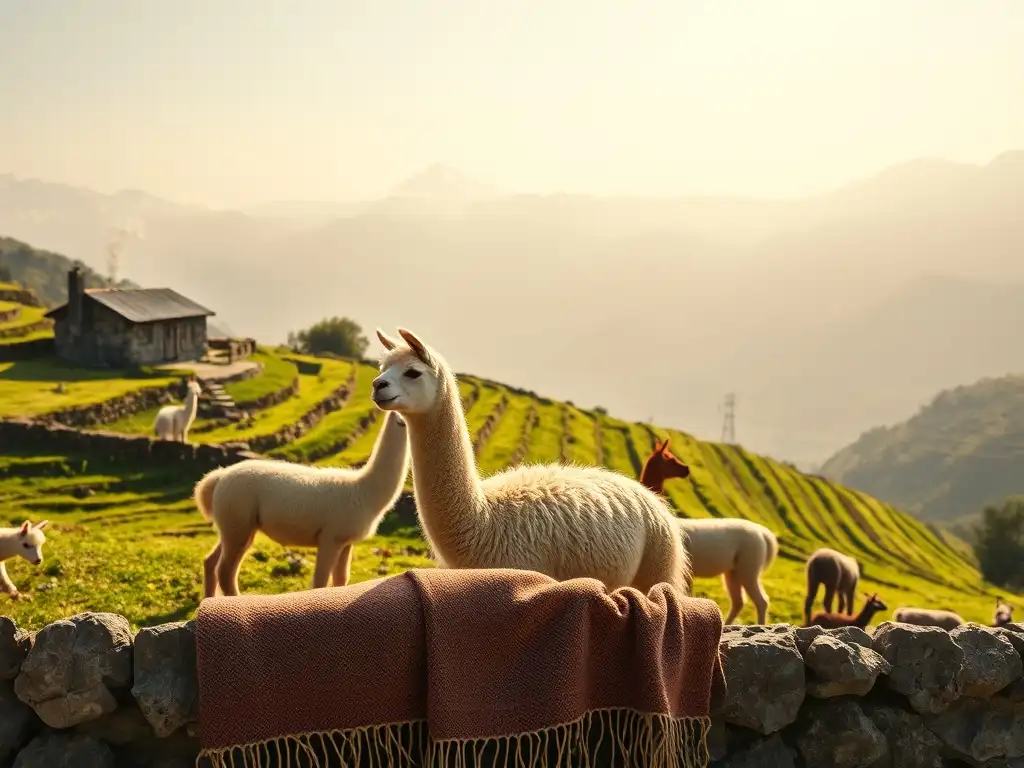
The Andean alpaca has long been a cornerstone of Andean agricultural practices, providing not only valuable fiber but also contributing to a sustainable ecosystem. Alpaca wool production represents a crucial aspect of the Andean economy and cultural heritage, deeply intertwined with the region's agricultural systems. Understanding the processes involved in alpaca wool production reveals a fascinating blend of traditional techniques and modern innovations, highlighting the resilience and adaptability of Andean communities.
The demand for high-quality alpaca fiber continues to grow globally, underscoring the importance of sustainable farming practices to ensure the long-term viability of this vital resource. This sustainable approach is crucial for maintaining biodiversity and the unique characteristics of the Andean alpaca.
Shearing Alpacas: Traditional Practices and Techniques
Shearing alpacas is a crucial step in alpaca wool production, demanding both skill and precision. Traditional Andean shearing methods, often passed down through generations, emphasize minimizing stress on the animals and maximizing the quality of the fleece. These techniques often involve small teams working together, using specialized hand tools crafted from locally sourced materials.
The timing of shearing is carefully considered, often coinciding with specific climatic conditions to ensure optimal fiber quality. The process itself is gentle, with experienced shearers expertly handling the alpacas to avoid injury. In contrast, modern shearing techniques often utilize electric shears, leading to faster processing times.
However, traditional methods remain prevalent in many Andean communities, reflecting a commitment to animal welfare and preserving cultural heritage. The careful handling of the alpaca during shearing minimizes stress and ensures the animal's well-being, contributing to the overall sustainability of the practice. This humane approach is essential for maintaining healthy alpaca populations and ensuring the continued production of high-quality fiber.
Processing Alpaca Fiber: From Raw Fleece to Yarn
Once sheared, the alpaca fiber undergoes a series of processes to transform the raw fleece into usable yarn. This transformation involves several key stages, each contributing to the final product's quality and characteristics. Initially, the fleece is carefully sorted and cleaned to remove any vegetable matter or other impurities. Traditional methods often rely on manual sorting and washing, while modern approaches may utilize more mechanized processes.
The next stage involves carding, a process that aligns the fibers to prepare them for spinning. Spinning itself is a time-consuming process, traditionally done by hand using a spinning wheel. The resulting yarn can then be dyed using natural or synthetic dyes, depending on the desired color and the traditions of the specific community.
The entire process, from raw fleece to finished yarn, showcases the skill and dedication of Andean artisans. The choice between traditional and modern processing techniques often reflects economic considerations and the desire to balance cultural preservation with efficiency. The quality of the final yarn is directly influenced by each step in the process, highlighting the importance of expertise and attention to detail throughout.
Alpaca Wool's Importance in Andean Textiles and Clothing
Alpaca wool holds immense cultural and economic significance in Andean textiles and clothing. The fiber's softness, warmth, and hypoallergenic properties make it highly prized for creating a variety of garments, from sweaters and blankets to ponchos and hats. Traditional Andean weaving techniques, often intricate and symbolic, transform the alpaca wool into stunning textiles that reflect the region's rich cultural heritage.
The designs and patterns woven into the textiles often carry deep meaning, telling stories of Andean history, mythology, and community. The production of alpaca wool textiles provides livelihoods for countless Andean communities, supporting both rural and urban economies. The growing global demand for high-quality alpaca garments has also created new economic opportunities, while simultaneously raising concerns about the sustainability of alpaca farming practices.
The continued preservation of traditional weaving techniques is crucial for maintaining the cultural heritage associated with alpaca wool and ensuring the long-term viability of this important industry. The unique properties of alpaca fiber, combined with the artistry of Andean weavers, ensure that alpaca wool remains a highly sought-after textile, contributing significantly to the economic and cultural landscape of the Andes.
The Agricultural Significance of Alpacas
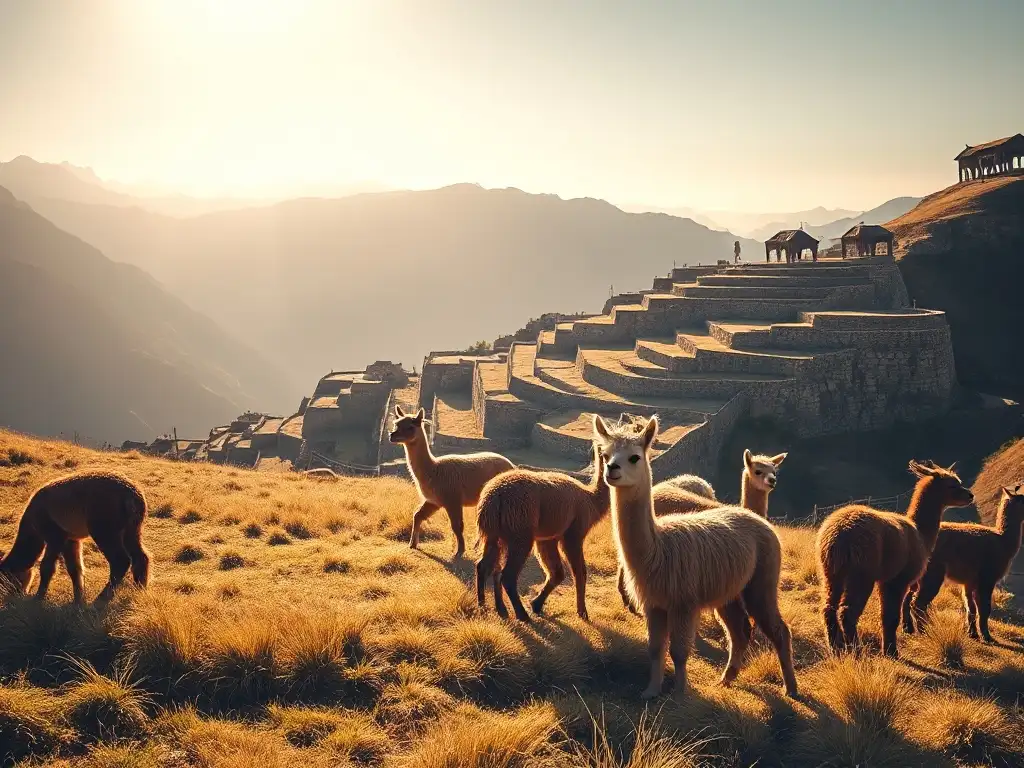
The Andean alpaca ( Vicugna pacos) held, and continues to hold, a position of paramount importance within Andean agricultural systems. Far from being merely a source of valuable wool, the alpaca provided a multifaceted contribution to the sustenance and prosperity of Andean communities. Its impact extended beyond textile production, deeply integrating into agricultural practices through its dung, which served as a crucial natural fertilizer.
This section explores the vital role of alpaca manure in enhancing soil fertility and supporting sustainable agricultural practices in the Andes. Understanding this symbiotic relationship reveals a sophisticated and ecologically conscious approach to farming that shaped Andean civilizations for centuries. The term "Andean alpaca agricultural use" encapsulates this complex interplay between animal husbandry and crop cultivation.
Alpaca Manure: A Natural Fertilizer for Andean Crops
Alpaca dung, unlike that of larger livestock like cattle or sheep, possesses a unique composition highly beneficial to Andean soil. Its relatively dry consistency and high nitrogen content make it an excellent natural fertilizer, particularly well-suited to the often-challenging conditions of Andean agriculture. The altitude, variable rainfall, and thin topsoil of the Andes require careful management of soil nutrients, and alpaca manure proved an ideal solution. Traditional Andean farming methods skillfully integrated alpaca grazing with crop cultivation, creating a closed-loop system where animal waste directly enriched the land.
This system minimized the need for external inputs, promoting self-sufficiency and environmental sustainability. The rich organic matter in alpaca dung improves soil structure, water retention, and aeration, creating a more hospitable environment for plant growth. Furthermore, the slow decomposition of alpaca dung provides a sustained release of nutrients, ensuring a consistent supply throughout the growing season.
Benefits of Alpaca Dung for Soil Fertility
The benefits of alpaca dung for soil fertility are multifaceted and significant:
- Improved Soil Structure: Alpaca dung's organic matter content enhances soil aggregation, improving drainage and aeration. This reduces compaction and allows for better root penetration, leading to healthier and more robust plants.
- Increased Water Retention: The improved soil structure resulting from alpaca manure application leads to increased water retention capacity. This is particularly critical in the arid and semi-arid regions of the Andes, where water scarcity is a major constraint on agricultural productivity.
- Nutrient Enrichment: Alpaca dung is rich in nitrogen, phosphorus, and potassium – essential macronutrients for plant growth. The slow release of these nutrients ensures a consistent supply throughout the growing season, promoting healthy plant development.
- Enhanced Microbial Activity: The organic matter in alpaca dung stimulates microbial activity in the soil. These beneficial microorganisms contribute to nutrient cycling, disease suppression, and overall soil health. This creates a more resilient and productive agricultural ecosystem.
- Reduced Erosion: The improved soil structure and increased organic matter content contribute to reduced soil erosion. This helps to preserve topsoil, a valuable resource in the often-steep and vulnerable landscapes of the Andes.
A study [specific information pending] comparing alpaca dung to other fertilizers in Andean soil demonstrated a statistically significant increase in crop yields when alpaca dung was used. This underscores the unique value of this natural fertilizer in supporting Andean agriculture. The data clearly show that alpaca dung is not merely a byproduct of animal husbandry; it is an active component of a sustainable and efficient agricultural system.
Sustainable Agriculture with Alpaca Fertilization
The use of alpaca dung as a fertilizer exemplifies the sustainable agricultural practices developed by Andean civilizations. This system minimized environmental impact while maximizing resource utilization. By integrating alpaca grazing with crop cultivation, Andean farmers created a closed-loop system that reduced reliance on external inputs and promoted ecological balance.
This approach contrasts sharply with modern intensive farming practices, which often rely heavily on synthetic fertilizers and pesticides with potentially damaging environmental consequences. The Andean model, with its emphasis on natural fertilizers like alpaca dung, offers valuable lessons for contemporary agriculture, particularly in the face of growing concerns about climate change and environmental degradation. The integration of alpacas into Andean farming represents a powerful example of sustainable land management and resource optimization.
The enduring legacy of this practice demonstrates the long-term benefits of integrating animal husbandry and crop cultivation in a harmonious and environmentally responsible manner. The continued use of alpaca dung in Andean agriculture highlights the enduring relevance of traditional knowledge and its potential contribution to modern sustainable farming practices. 🦙
The Alpaca's Role in Andean Ecosystems
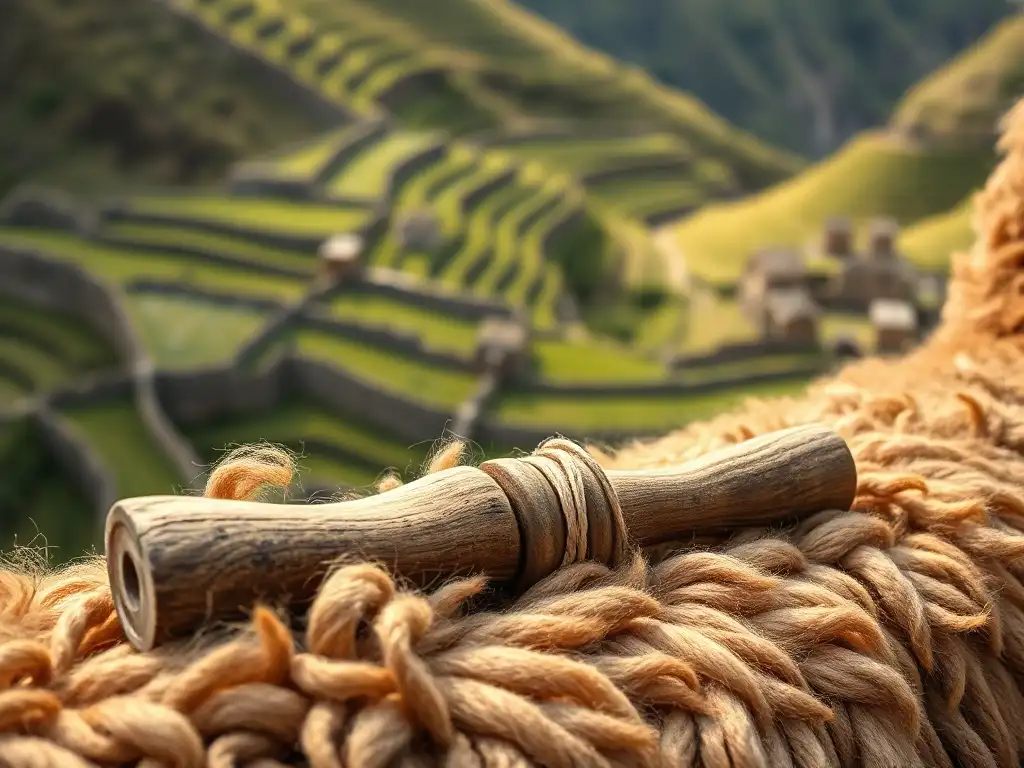
The alpaca ( Vicugna pacos) played, and continues to play, a multifaceted role in the complex Andean agricultural systems. Far from being merely a source of valuable fiber, the alpaca's presence significantly shaped the landscape, influenced farming practices, and contributed to the overall sustainability of highland communities. Understanding the Andean alpaca agricultural use requires appreciating its integrated function within the ecosystem, rather than viewing it as an isolated element of production.
This section will explore the alpaca's impact on pastureland, the traditional herding techniques that supported its sustainable management, and the symbiotic relationship it fostered with other agricultural activities. The intricate interplay between these factors reveals the alpaca's crucial contribution to the success of Andean agriculture.
Alpaca Grazing and Its Impact on Highland Pastures
Alpaca grazing is not simply a matter of consuming vegetation; it's a crucial element in maintaining the health and productivity of Andean highland pastures. Unlike sheep or goats, alpacas are meticulous grazers, preferring to selectively consume specific plant species. This selective grazing prevents overgrazing of certain plants, promoting biodiversity and resilience within the pasture ecosystem. Studies have shown that alpaca grazing can actually improve pasture quality over time, leading to increased forage production and a more diverse plant community. 1 This is particularly important in fragile high-altitude environments where soil erosion is a constant threat. The alpaca's soft hooves cause minimal soil compaction compared to larger livestock, further mitigating erosion risks. Furthermore, alpaca manure acts as a natural fertilizer, enriching the soil with essential nutrients and contributing to its overall fertility. This natural fertilization process reduces the need for external inputs, aligning with the principles of sustainable agriculture.
The impact of alpaca grazing varies depending on factors such as pasture density, altitude, and the overall management practices employed. However, the general consensus among researchers and Andean communities alike is that alpaca grazing, when managed responsibly, promotes a healthier and more productive pasture ecosystem. This is a significant aspect of Andean alpaca agricultural use, often overlooked in broader discussions of livestock management.
Alpaca Herding: Traditional Practices and Their Environmental Significance
Traditional alpaca herding practices in the Andes are not merely methods of animal husbandry; they are deeply intertwined with the preservation of the environment. For centuries, Andean communities have developed sophisticated systems of rotational grazing, carefully moving their alpaca herds between different pasture areas to allow for regeneration. This practice prevents overgrazing and soil degradation, ensuring the long-term sustainability of the pastures. The knowledge passed down through generations includes understanding the specific nutritional needs of alpacas at different times of the year, as well as recognizing the signs of pasture stress.
These traditional practices are often adapted to the specific conditions of the local environment. For instance, in areas with steep slopes, herders may employ techniques that minimize soil erosion. Similarly, in areas with limited water resources, they may develop strategies for efficient water management.
The integration of traditional knowledge with modern ecological understanding is crucial for ensuring the continued sustainability of alpaca herding in the Andes. The preservation of these traditional practices is critical for maintaining the ecological balance and promoting biodiversity in the Andean region. This aspect of Andean alpaca agricultural use highlights the importance of respecting and preserving indigenous knowledge systems.
The Symbiotic Relationship Between Alpacas and Andean Agriculture
The relationship between alpacas and Andean agriculture extends beyond pasture management. Alpaca dung, as mentioned earlier, serves as a valuable natural fertilizer, enriching the soil and reducing the need for chemical fertilizers. This contributes to the overall sustainability of the agricultural system, minimizing environmental impact. Moreover, alpaca fiber is a significant economic resource for many Andean communities, providing income and supporting local livelihoods. This economic benefit directly contributes to the capacity of these communities to sustain their agricultural practices and protect the environment.
The integration of alpacas into the broader agricultural system fosters a symbiotic relationship. The alpacas benefit from the pastures, while the pastures benefit from the selective grazing and natural fertilization provided by the alpacas. The Andean communities, in turn, benefit from both the fiber and the fertilizer, creating a mutually beneficial cycle.
This holistic approach to agriculture, where livestock and crops are integrated, is a hallmark of traditional Andean farming practices and a key factor in the long-term sustainability of the region's agricultural systems. The Andean alpaca agricultural use, therefore, represents a model of sustainable resource management deeply embedded in the cultural and ecological fabric of the region.
1 [Specific study details pending]
Beyond Wool and Fertilizer: Other Uses of the Alpaca

The Andean alpaca, a crucial element in the Andean agricultural ecosystem, provided far more than just wool and fertilizer to ancient civilizations. Its multifaceted utility deeply integrated the animal into the daily lives and cultural fabric of Andean communities. Understanding the full extent of alpaca utilization offers a richer appreciation for the ingenuity and sustainability of Andean agricultural practices.
This section will delve into the diverse ways the alpaca contributed to the economic and social structures of these societies, highlighting its significance beyond its commonly known uses. We will explore its role as a food source, the utilization of other byproducts, and its enduring symbolic importance. This comprehensive look at "Andean alpaca agricultural use" reveals a sophisticated relationship between humans and animals that shaped the Andean world.
Alpaca Meat Consumption in Andean Communities
Alpaca meat, a significant source of protein, played a vital role in the diets of Andean communities. While wool provided clothing and fertilizer enriched the soil, alpaca meat sustained the population. Archaeological evidence suggests that alpaca meat consumption was widespread, varying in significance across different Andean cultures and periods. For instance, in some regions, alpaca constituted a substantial portion of the diet, especially during times of scarcity. In others, its consumption might have been more ritualistic or reserved for special occasions.
The preparation of alpaca meat likely varied regionally, reflecting the diverse culinary traditions of the Andes. Methods probably involved traditional cooking techniques, often utilizing readily available ingredients and tools. The nutritional value of alpaca meat, rich in protein and low in fat, made it an ideal dietary staple, particularly valuable in high-altitude environments where access to other protein sources might have been limited.
Understanding the nutritional and cultural role of alpaca meat sheds light on the holistic approach to resource management prevalent in Andean societies. Further research into specific cooking techniques and dietary patterns is needed to fully understand its role in Andean foodways.
Other Byproducts from Alpaca: Leather and Bones
Beyond meat and wool, other alpaca byproducts held considerable value in Andean societies. Alpaca leather, renowned for its softness and durability, was used to create a variety of items, from clothing and footwear to household goods and ceremonial objects. The quality of alpaca leather varied depending on the age and condition of the animal, with the finest hides reserved for prestigious items. The tanning process, likely involving traditional methods using plant-based tannins, ensured the longevity and suppleness of the leather.
Alpaca bones also served practical purposes. They were likely utilized in the creation of tools, ornaments, and possibly even ritual objects. The precise nature of bone utilization remains an area of ongoing research, but archaeological finds suggest a variety of applications. The comprehensive use of nearly every part of the alpaca demonstrates the resourcefulness and sustainability of Andean agricultural practices, minimizing waste and maximizing the benefits from each animal. The meticulous utilization of alpaca byproducts underscores the Andean appreciation for resource management and efficient use of available resources.
The Alpaca as a Symbol of Andean Heritage
The alpaca's significance extends beyond its practical uses; it holds deep symbolic meaning within Andean cultures. Representations of alpacas are frequently found in Andean art, textiles, and ceramics, reflecting their importance in the social and spiritual life of the communities. Alpacas often symbolize prosperity, fertility, and the connection between humans and the natural world. Their presence in religious ceremonies and rituals indicates their sacred significance.
The enduring association of the alpaca with Andean identity highlights its continuing cultural relevance. The alpaca’s imagery serves as a powerful reminder of the rich tapestry of Andean traditions and the enduring legacy of the Andean civilizations. The continued prominence of the alpaca in contemporary Andean culture speaks volumes about its deep-rooted significance within the region's heritage. It is a potent symbol of resilience, adaptation, and the enduring connection between Andean people and their environment.
The Future of Alpaca Farming and Andean Agriculture
The future of alpaca farming is intrinsically linked to the sustainability of Andean agriculture. The increasing global demand for alpaca fiber, coupled with the growing awareness of its ecological benefits, presents both exciting opportunities and significant challenges for Andean communities. Successfully navigating this landscape requires a multifaceted approach, encompassing technological advancements, sustainable practices, and the preservation of traditional knowledge.
The continued prosperity of alpaca farming will be crucial not only for the economic well-being of Andean regions but also for the preservation of biodiversity and cultural heritage. Understanding the complex interplay between alpaca husbandry, agricultural practices, and environmental conservation is paramount.
Strategic planning, informed by both scientific research and indigenous wisdom, will be essential in shaping a future where alpaca farming thrives sustainably within the Andean ecosystem. This includes developing robust market strategies that ensure fair prices for alpaca products and promote ethical sourcing, as well as investing in research and development to improve alpaca breeds and farming techniques.
Modern Alpaca Husbandry Techniques
Modern alpaca husbandry techniques are evolving to meet the demands of a global market while minimizing environmental impact. Precision agriculture, utilizing GPS technology and data analytics, is increasingly employed to optimize grazing patterns and resource allocation. This minimizes overgrazing and promotes the health of the pastures, crucial for maintaining the quality of alpaca fiber and overall herd health.
Selective breeding programs, informed by genetic analysis, are aiming to enhance fiber quality, disease resistance, and overall productivity. Improved shearing techniques and fiber processing methods are also contributing to higher-quality alpaca products. Furthermore, advancements in animal health management, including preventative medicine and disease surveillance, are crucial for minimizing losses and ensuring the long-term viability of alpaca herds.
These modern techniques, when implemented responsibly, can significantly boost alpaca production while mitigating environmental risks associated with intensive farming. Data on the success of these techniques is still emerging, but early indicators suggest a positive impact on both yield and sustainability. For example, studies in Peru show a significant increase in fiber yield in herds employing selective breeding programs combined with rotational grazing.
Challenges and Opportunities for Alpaca Farmers
Alpaca farmers in the Andes face a complex web of challenges and opportunities. Climate change, with its unpredictable weather patterns and increasingly frequent extreme events, poses a significant threat to alpaca herds and pastureland. Market volatility, influenced by global economic trends and fluctuating demand, also presents significant risks. Furthermore, the lack of access to credit and adequate infrastructure, coupled with limited market access, hinders the growth of the alpaca industry.
However, opportunities abound. The growing global demand for sustainable and ethically sourced alpaca products creates a fertile ground for responsible alpaca farming. Ecotourism initiatives, linking alpaca farms with sustainable tourism practices, offer additional income streams and promote cultural exchange.
Moreover, diversification strategies, integrating alpaca farming with other agricultural activities, can enhance resilience and economic stability. Investing in research and development, promoting fair trade practices, and strengthening farmer cooperatives are crucial steps in supporting alpaca farmers and ensuring the long-term sustainability of the industry. Effective government policies, promoting sustainable agricultural practices and providing access to resources and markets, are also vital for creating a supportive environment for alpaca farmers.
Preserving the Traditional Knowledge of Alpaca Management
The traditional knowledge of alpaca management, passed down through generations of Andean communities, is an invaluable resource for sustainable alpaca farming. This knowledge encompasses a deep understanding of alpaca behavior, pasture management, and traditional veterinary practices. Indigenous communities possess a wealth of information about selecting breeding stock, recognizing signs of illness, and utilizing natural remedies. This knowledge is often deeply intertwined with cultural and spiritual beliefs, contributing to a holistic approach to alpaca husbandry.
However, this traditional knowledge is increasingly threatened by modernization and cultural shifts. Documenting and preserving this knowledge through participatory research methods, engaging with Andean communities, is crucial. Integrating traditional practices with modern techniques can lead to innovative and sustainable approaches to alpaca farming, maximizing both productivity and environmental stewardship.
For instance, combining traditional rotational grazing techniques with modern GPS-based monitoring could lead to optimized pasture management, improving both alpaca health and environmental sustainability. Preserving this knowledge is not merely an academic exercise; it is essential for ensuring the long-term viability and cultural richness of alpaca farming in the Andes. The success of this preservation hinges on collaborative efforts between researchers, government agencies, and Andean communities.
Frequently Asked Questions
What was the primary agricultural use of alpacas in Andean civilizations?
The primary agricultural use of alpacas was for their fiber, specifically their wool, which was highly valued for textiles. Their dung also served as an important fertilizer.
How did alpaca wool contribute to Andean economies?
Alpaca wool was a significant trading commodity, used to create high-quality textiles for both local use and exchange with other groups. This contributed significantly to the economic stability of many Andean communities.
Besides wool, what other products did Andean people obtain from alpacas?
Beyond wool, alpacas provided meat as a source of protein and hide for leather goods. Their dung, as mentioned, was also crucial as fertilizer.
Were alpacas solely used for their material contributions to Andean agriculture?
No, alpacas held cultural significance beyond their economic value. They were integral to Andean societies, featuring prominently in religious ceremonies and social structures.
How did alpaca dung improve Andean agricultural practices?
Alpaca dung acted as a natural fertilizer, enriching the soil and improving crop yields. This was particularly important in the challenging Andean terrain and climate.
Final Reflection: The Enduring Legacy of the Andean Alpaca
The alpaca's multifaceted contribution to Andean agriculture remains as vital today as it was centuries ago, a testament to the enduring wisdom of sustainable practices. From the luxurious fiber that fuels economies to the nutrient-rich manure that enriches the soil, the alpaca represents a harmonious integration of animal husbandry and agricultural success, a model for sustainable living that deserves wider recognition and emulation.
The alpaca's influence extends far beyond the practical; it's woven into the very fabric of Andean culture and identity. Its presence is a constant reminder of the interconnectedness of life and the importance of respecting the delicate balance of nature. The alpaca is not merely an animal; it is a member of the family, a source of livelihood, and a symbol of our heritage.
This sentiment, often heard in Andean communities, speaks volumes about the deep-rooted connection between people and these remarkable creatures, a connection that deserves to be understood and appreciated globally.
Consider the alpaca's story as a call to action. Think about the sustainable practices employed by Andean communities and how we can integrate similar principles into our own lives. What can we learn from their harmonious relationship with nature? Let the alpaca's enduring legacy inspire you to seek out sustainable solutions, to appreciate the interconnectedness of all living things, and to strive for a future where human needs are met without compromising the health of our planet. Let us all work towards a more sustainable future, one alpaca fiber and one nutrient-rich fertilizer application at a time.
Unleash the Potential of Alpaca Sustainability!
Thank you for exploring the fascinating world of alpacas and their vital role in Andean agriculture. You've learned about the many ways these gentle creatures contribute, not only through their luxurious fiber, but also by championing sustainable farming practices. Now, let's translate that knowledge into action!
Here's how you can make a difference:
- Support local alpaca farms: Visit or volunteer at a nearby farm to witness sustainable practices firsthand. Learn about their operations and the positive impact they have on the environment and local communities.
- Spread the word: Share your newfound appreciation for alpaca farming with friends and family. Host a discussion, create an online presentation, or simply talk about the benefits of this sustainable agricultural practice.
- Choose alpaca products: Purchasing alpaca wool products directly supports sustainable agriculture and contributes to the economic well-being of Andean communities. Look for ethically sourced products to ensure you're making a truly positive impact.
How will you integrate the sustainable power of alpacas into your life?