
The Inca's Agricultural Achievements: A Testament to Ingenuity

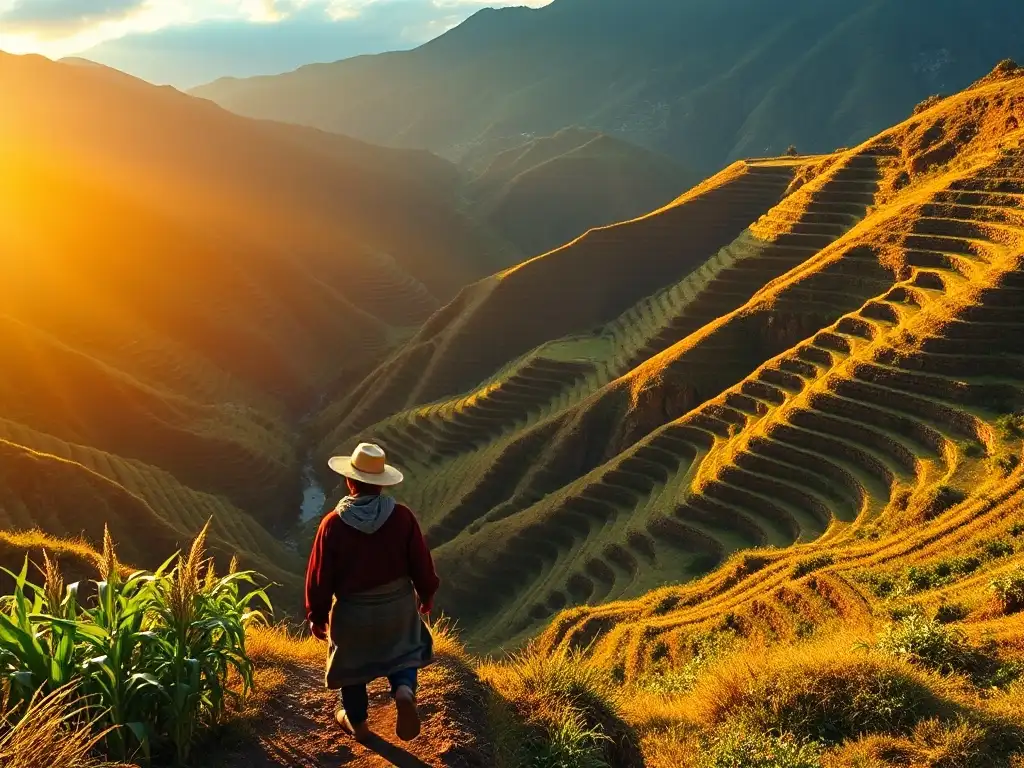
Uncover the secrets of a civilization that defied the Andes' harsh terrain! Journey through the breathtaking ingenuity of the ancient Andean world, where empires rose and fell, leaving behind a legacy of unparalleled artistry and innovation. Prepare to be amazed by the Inca agricultural techniques that transformed barren landscapes into thriving empires – a testament to their mastery of engineering and their deep connection with the land. Discover how they achieved such remarkable feats and delve into the fascinating story of their agricultural achievements. Read on to explore the captivating world of the Inca Empire and beyond!
The Inca Empire, renowned for its sophisticated social structures and impressive architectural feats, also boasted remarkably advanced agricultural techniques. This wasn't merely subsistence farming; it was a carefully engineered system that allowed them to thrive in the diverse and often challenging Andean terrain. From the high-altitude puna grasslands to the coastal deserts, the Inca's mastery of agriculture ensured food security for a vast population, a testament to their ingenuity and adaptability.
This article delves into the specific techniques employed by the Inca, exploring their innovative solutions to the problems posed by their environment and highlighting the lasting impact of their agricultural practices. Understanding Inca agricultural techniques provides invaluable insight into the empire's success and offers lessons for sustainable agriculture today. We will explore the key elements that contributed to their agricultural prowess, examining their ingenious methods of terracing, irrigation, and crop diversification.
Terracing: Conquering the Slopes
The dramatic Andean landscape, characterized by steep slopes and mountains, presented a significant challenge to farming. The Inca ingeniously overcame this obstacle through the widespread construction of terraces. These weren't simple steps carved into hillsides; they were meticulously engineered agricultural platforms, often supported by retaining walls of stone. These terraces served multiple crucial functions:
- Increased Cultivable Land: Terracing dramatically increased the amount of land suitable for farming, maximizing the use of available space.
- Soil Conservation: The terraced slopes prevented soil erosion, a major concern in mountainous regions. The terraces trapped topsoil, preventing its loss due to rainfall and runoff.
- Improved Drainage: The design of the terraces facilitated efficient drainage, preventing waterlogging and ensuring optimal soil moisture.
- Microclimate Control: Terraces also helped to regulate temperature and humidity, creating microclimates that were favorable to the growth of specific crops. The walls provided shelter from strong winds and intense sun.
The construction of these terraces was a massive undertaking, requiring immense labor and coordination. The precision and scale of these projects are truly remarkable, showcasing the Inca's organizational skills and engineering prowess. Evidence suggests that different types of terraces were built, adapted to the specific slope and soil conditions of each location. For instance, some terraces were built with retaining walls made of stone, while others utilized less sophisticated methods depending on the resources available.
Irrigation: Harnessing Water Resources
Water scarcity was another significant challenge in the Andean environment. The Inca developed sophisticated irrigation systems to overcome this limitation. They constructed canals, ditches, and aqueducts to channel water from rivers and streams to their fields, even across significant distances. These systems were often integrated with the terraced fields, ensuring an efficient and reliable water supply.
- Canal Construction: The Inca's expertise in stonework allowed them to build canals that were remarkably durable and effective. Some canals were lined with stones or other materials to prevent water leakage and erosion.
- Water Management: They developed techniques for regulating water flow, ensuring that the fields received the optimal amount of water at different times of the year.
- Reservoirs and Storage: In some areas, the Inca constructed reservoirs and storage facilities to collect and store water during the rainy season for use during drier periods.
The scale and complexity of these irrigation systems varied depending on the location and available resources. However, the ingenuity and planning involved are evident in their effectiveness in supporting agricultural production in arid and semi-arid regions. The precise methods of water management and distribution employed by the Inca remain a subject of ongoing research, but their ability to harness water resources was clearly a key factor in their agricultural success.
Crop Diversification and Crop Rotation: Ensuring Food Security
The Inca did not rely on a single crop; instead, they practiced crop diversification and crop rotation. This strategy minimized the risk of crop failure and ensured a stable food supply. They cultivated a wide variety of crops, adapted to different altitudes and environmental conditions.
- High-Altitude Crops: At higher altitudes, they cultivated potatoes, quinoa, and other cold-hardy crops.
- Mid-Altitude Crops: At mid-altitudes, they grew maize, beans, and squash.
- Coastal Crops: Along the coast, they cultivated cotton, fruits, and other crops suitable for warmer climates.
- Crop Rotation: Crop rotation was practiced to maintain soil fertility and prevent the depletion of essential nutrients.
By cultivating a diverse range of crops, the Inca minimized the risk of widespread famine in case of disease or adverse weather conditions. Their understanding of soil health and the importance of crop rotation was fundamental to their sustainable agricultural practices. This holistic approach to farming ensured food security for the vast population of the Inca Empire.
The integration of these techniques with their remarkable engineering feats demonstrates a deep understanding of ecological principles and a commitment to sustainable resource management. The legacy of Inca agricultural practices continues to inspire modern agricultural techniques, particularly in the Andes region, showcasing their enduring significance.
- Terracing: Conquering the Slopes
- Irrigation: Harnessing Water Resources
- Crop Diversification and Crop Rotation: Ensuring Food Security
- What innovative agricultural techniques did the Inca employ?
- How did terracing benefit Inca agriculture?
- What role did irrigation play in Inca agricultural success?
- Besides terracing and irrigation, what other methods did the Inca use to boost crop yields?
- How did Inca agricultural practices impact their society?
Inca Agricultural Techniques: Foundations of a Thriving Empire
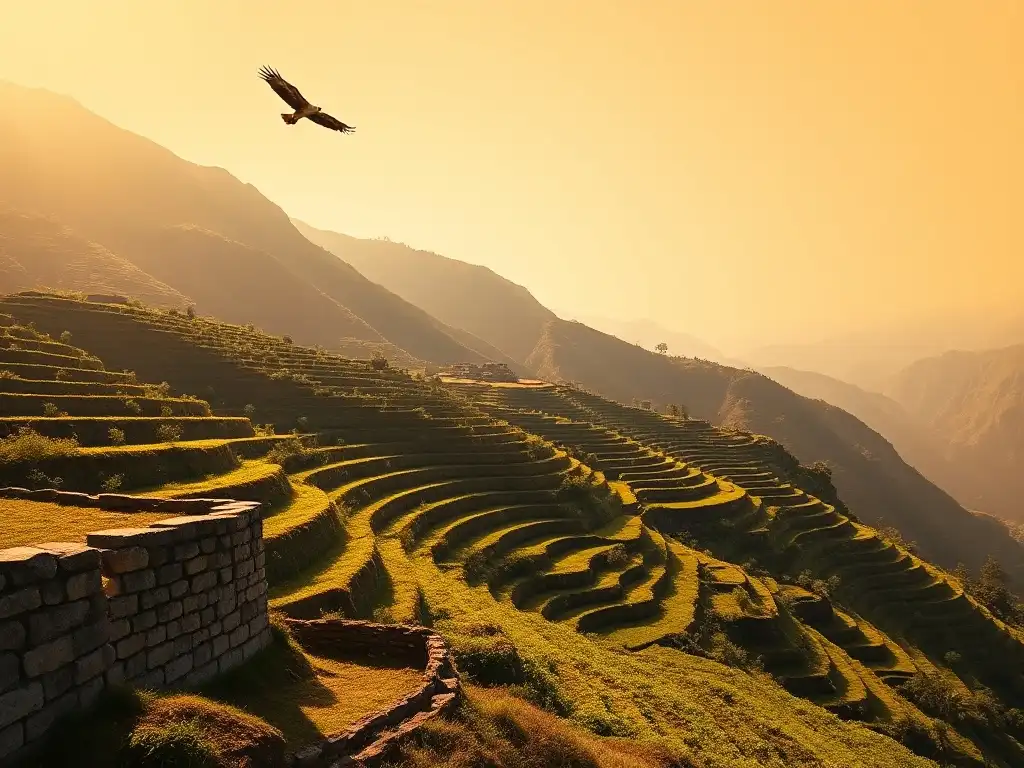
This section delves into the sophisticated agricultural techniques employed by the Inca, showcasing their remarkable adaptation to the challenging Andean environment and their ingenuity in maximizing food production to sustain a vast empire. Understanding these techniques is key to appreciating the Inca's remarkable achievements and their lasting impact on Andean agriculture.
We'll explore the strategies they used to overcome environmental hurdles and the societal significance of their agricultural prowess, examining how their innovative methods contributed to the stability and prosperity of the Inca civilization. The ingenuity displayed in their agricultural practices exemplifies their advanced understanding of environmental management and resource optimization, solidifying their position as masters of Andean agriculture.
Understanding the Andean Environment and its Challenges
The Andes Mountains present a formidable challenge to agriculture. Steep slopes, unpredictable weather patterns, varying altitudes resulting in microclimates, and limited arable land posed significant obstacles to food production. The Inca, however, were not deterred. They recognized the diverse ecological zones – from the puna highlands to the yungas cloud forests – and developed highly specialized techniques to exploit the unique characteristics of each.
The challenges were multifaceted:
- Altitude: High altitudes meant shorter growing seasons, intense solar radiation, and frost.
- Terrain: Steep slopes and rocky terrain limited flat land suitable for traditional farming.
- Water Scarcity: Access to water varied greatly depending on location and season, necessitating efficient irrigation systems.
- Soil Quality: Soil fertility could be poor in many areas, requiring innovative soil management practices.
To overcome these obstacles, the Inca developed a sophisticated understanding of their environment and implemented a range of ingenious solutions. They meticulously observed weather patterns, soil conditions, and water availability, adapting their methods accordingly. This deep understanding of their environment is a cornerstone of their agricultural success. Their ability to cultivate diverse crops at varying altitudes maximized food production, creating a resilient food system capable of sustaining a large population. This mastery of Inca agricultural techniques is a testament to their deep connection with and adaptation to their environment.
The Importance of Agriculture in Inca Society
Agriculture was not merely a means of subsistence for the Inca; it was the very foundation of their society. Their sophisticated agricultural practices were integral to their social structure, political power, and religious beliefs. The Inca state controlled and managed agricultural production, ensuring food security for its vast population and using surplus production to support its vast army, religious institutions, and administrative workforce. This centralized control facilitated the efficient distribution of resources and fostered social stability.
The Inca's agricultural prowess is evident in several key aspects:
| Aspect | Description | Impact |
|---|---|---|
| Terracing | Construction of terraced fields on hillsides to create level planting surfaces, maximizing arable land and preventing soil erosion. | Increased arable land, reduced soil erosion, allowed for efficient irrigation. |
| Irrigation Systems | Elaborate networks of canals, ditches, and aqueducts to divert water from rivers and streams to irrigate fields, ensuring consistent water supply. | Enabled cultivation in drier regions, increased crop yields, and stabilized food production. |
| Waru Waru (Raised Fields) | Elevated planting beds surrounded by water channels, improving drainage, soil fertility, and temperature regulation in high-altitude areas. | Enhanced crop yields in challenging environments, increased water retention, and mitigated frost damage. |
| Crop Diversification | Cultivation of a wide variety of crops, including potatoes, maize, quinoa, beans, and coca, to ensure food security and nutritional diversity. | Reduced risk of crop failure, provided a varied and nutritious diet, and supported economic diversification. |
The Inca's success in agriculture was not only due to their technical innovations but also to their sophisticated social organization. Their ability to mobilize labor for large-scale projects like terracing and irrigation construction was crucial to their agricultural success. The mita system, a form of mandatory labor service, played a significant role in the construction and maintenance of these impressive agricultural infrastructure projects.
The importance of agriculture permeated all aspects of Inca society, shaping its economy, politics, and even its religious beliefs, making it a truly integral part of their civilization. The study of Inca agricultural techniques offers valuable insights into the ingenuity and organizational capabilities of this remarkable civilization.
Ingenious Inca Farming Methods: Adapting to the Andes
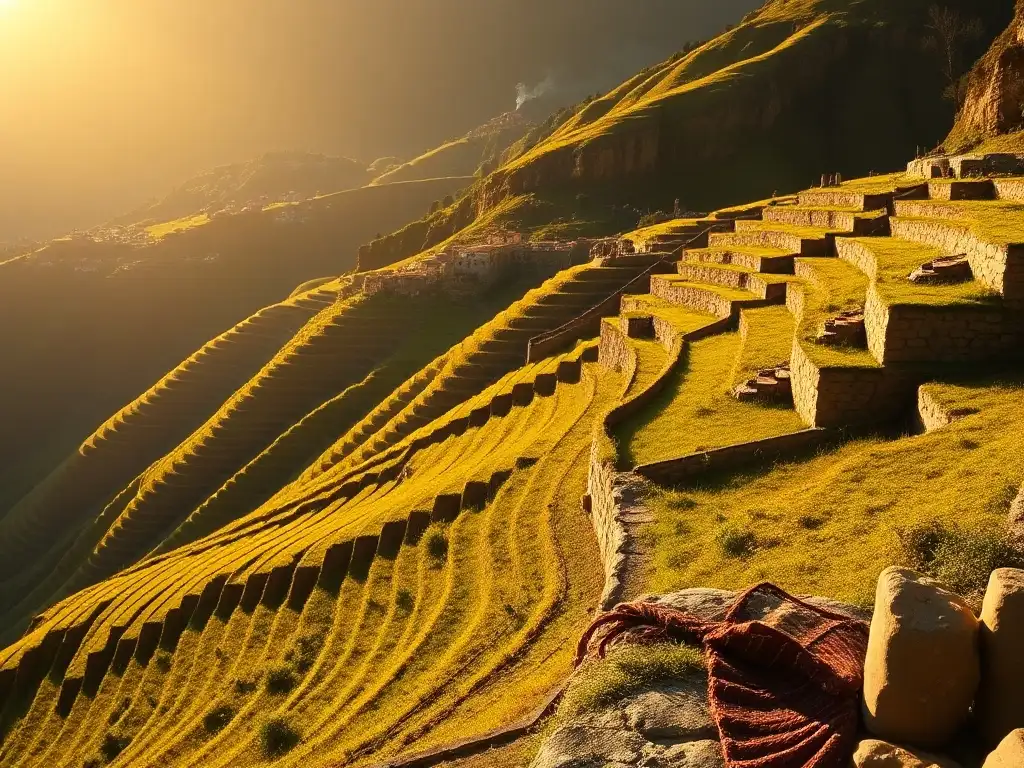
The Inca Empire, renowned for its sophisticated societal structures and impressive feats of engineering, also displayed remarkable ingenuity in its agricultural practices. Conquering and inhabiting a geographically diverse and challenging landscape, the Incas developed innovative farming techniques to maximize food production in the often-unforgiving Andes Mountains. Their success stemmed from a deep understanding of their environment and a commitment to sustainable resource management, resulting in a highly efficient and productive agricultural system.
This section will explore some of the key Inca agricultural techniques that allowed them to thrive in such a demanding environment, highlighting their mastery of water management and land adaptation. The ingenuity displayed in these techniques showcases the Inca's profound knowledge of ecology and their ability to transform the harsh Andean terrain into a productive agricultural powerhouse. Understanding these Inca agricultural techniques provides crucial insight into the empire's remarkable success and longevity.
Terraced Farming: Maximizing Arable Land
The steep slopes of the Andes posed a significant challenge to agriculture. To overcome this obstacle, the Incas developed a masterful system of terraced farming. These terraces, meticulously carved into the mountainsides, created level platforms for cultivation, dramatically increasing the amount of arable land available. The terraces were not merely flat surfaces; they were carefully designed with intricate drainage systems to prevent erosion and optimize water retention. This precision is evident in the surviving examples, which often incorporate retaining walls built from stone, meticulously fitted together without mortar, a testament to the Inca's exceptional stonemasonry skills.
The construction of these terraces required immense labor and meticulous planning. The size and scale of some terrace systems are breathtaking, showcasing the organizational capabilities of the Inca state. By creating these step-like formations, the Incas transformed previously unusable land into fertile fields, capable of supporting a large population.
The terraces also reduced soil erosion caused by rainfall, ensuring the long-term sustainability of their agricultural practices. Furthermore, the different altitudes of the terraces allowed for the cultivation of a variety of crops, maximizing agricultural diversity and ensuring a reliable food supply, even in times of hardship. The effectiveness of terraced farming is a key factor explaining the success of Inca agriculture.
Waru Waru Agriculture: Raised Fields for Water Management
Another remarkable Inca agricultural technique was waru waru, a system of raised fields constructed in swampy or wetland areas. These fields were built by digging canals between raised plots of land, creating a network of interconnected water channels. This ingenious system served several crucial purposes. Firstly, it improved drainage in waterlogged areas, making them suitable for cultivation. Secondly, it provided efficient irrigation, as water could be channeled directly to the raised fields. The water retained in the canals also regulated temperatures, protecting crops from frost damage, a significant concern at higher altitudes.
The construction of waru waru fields involved considerable engineering skill, requiring a deep understanding of hydrology and soil science. The raised beds acted as thermal buffers, protecting the plants from extreme temperature fluctuations. The canals between the fields also served as fish farms, providing an additional source of protein for the Inca population.
Evidence suggests that waru waru agriculture resulted in increased crop yields and enhanced biodiversity compared to traditional farming methods. The sustainability of this method is particularly noteworthy, as it demonstrates a sophisticated approach to resource management and environmental conservation. The impact of waru waru on Inca food security was substantial.
Irrigation Systems: Engineering Water Distribution
Water scarcity was a major concern in many parts of the Inca Empire. To address this challenge, the Incas developed sophisticated irrigation systems, channeling water from rivers and streams to their fields. These systems often involved complex networks of canals, aqueducts, and reservoirs, demonstrating a high level of engineering expertise. The canals were carefully graded to ensure a consistent flow of water, and they were often lined with stone or other materials to prevent leakage and erosion. Some of these irrigation systems were remarkably extensive, covering vast areas and providing water to numerous communities.
The construction and maintenance of these irrigation systems required significant organization and cooperation. The Inca state played a crucial role in managing these resources, ensuring equitable distribution and preventing conflicts over water access. The effectiveness of Inca irrigation systems is evidenced by the success of their agriculture in arid and semi-arid regions.
These systems not only increased crop yields but also contributed to the stability and prosperity of the Inca Empire. The precision and scale of Inca irrigation projects continue to impress researchers and engineers today, highlighting their advanced understanding of hydraulic engineering principles. The ingenuity of these water management solutions is a testament to Inca adaptability and resourcefulness.
The Role of Canals in Inca Agriculture
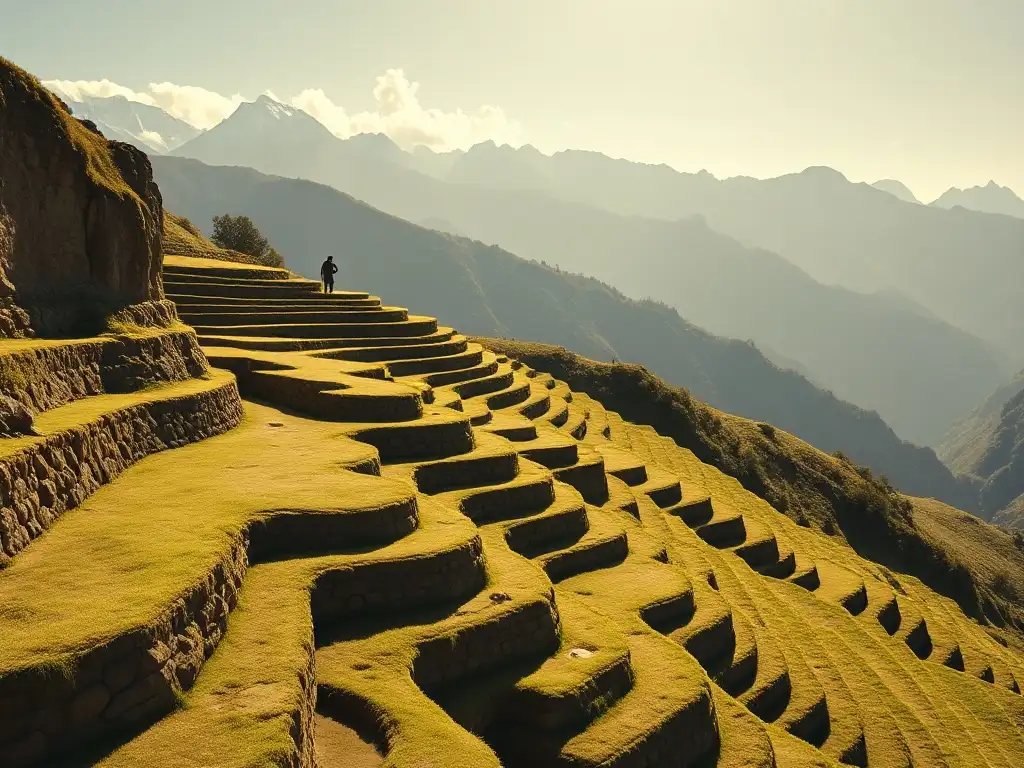
The Inca's mastery of water management is a cornerstone of their agricultural success in the challenging Andean terrain. Canals, meticulously engineered and maintained, played a crucial role in irrigating terraced fields, often located on steep slopes where water scarcity was a constant threat. These weren't simple ditches; they were sophisticated systems designed to distribute water efficiently and equitably across vast agricultural areas. The construction itself was a testament to Inca engineering prowess.
They utilized a combination of stonework, earthworks, and strategically placed diversion structures to channel water from rivers and streams to the fields. The precision with which these canals were built is remarkable, with many still visible today, a testament to their durability and the skill of the Inca builders. Their understanding of water flow and gradient allowed them to create systems that not only irrigated crops but also prevented erosion and soil degradation. The canals weren't just about quantity; they also ensured a reliable supply of water throughout the growing season, mitigating the risks associated with seasonal variations in rainfall.
This careful planning and execution helped ensure consistent crop yields, contributing significantly to the Inca Empire’s food security and stability. Furthermore, the construction and maintenance of these canals likely provided employment for many within the Inca society, demonstrating a sophisticated understanding of resource management and societal organization. The intricate network of canals serves as a powerful example of how the Inca adapted their agricultural practices to the unique challenges of their environment, showcasing their innovative approach to water resource management.
Inca Agricultural Tools and Technology
Inca agricultural tools and technology were remarkably efficient given the available resources and the challenging environment. While they lacked metal plows common in other parts of the world, the Inca developed their own sophisticated tools perfectly suited to their needs. The chaquitaclla, a foot-powered plow, was a particularly noteworthy innovation. This tool, made of wood and often fitted with a stone or metal tip, allowed for efficient tilling of the soil, even on steep slopes. Its design minimized soil disturbance, helping to conserve moisture and prevent erosion.
The Inca also used a variety of other tools, including hoes, spades, and digging sticks, crafted from wood, stone, or bone, depending on availability and the specific task. These tools were often highly specialized, reflecting a deep understanding of soil types and planting techniques. Beyond the tools themselves, the Inca demonstrated significant technological advancements in their agricultural practices. Their sophisticated terracing systems, for example, not only maximized arable land but also helped to control erosion and regulate water flow. The construction of these terraces involved significant engineering feats, often requiring the precise placement of stones and earth to create level platforms for planting.
Furthermore, the Inca developed advanced irrigation techniques, including the construction of canals, aqueducts, and reservoirs, to ensure a reliable water supply for their crops. These techniques, combined with their knowledge of crop rotation and fertilization, allowed the Inca to achieve high agricultural yields in a challenging environment, showcasing their remarkable adaptability and ingenuity in the face of natural constraints. The ingenuity of Inca agricultural technology is evident in their ability to sustainably cultivate crops in the Andes, providing a crucial foundation for the empire's growth and prosperity. Their tools and techniques continue to inspire modern agricultural practices, highlighting the enduring relevance of their innovations.
Crop Diversification and Storage: Ensuring Food Security
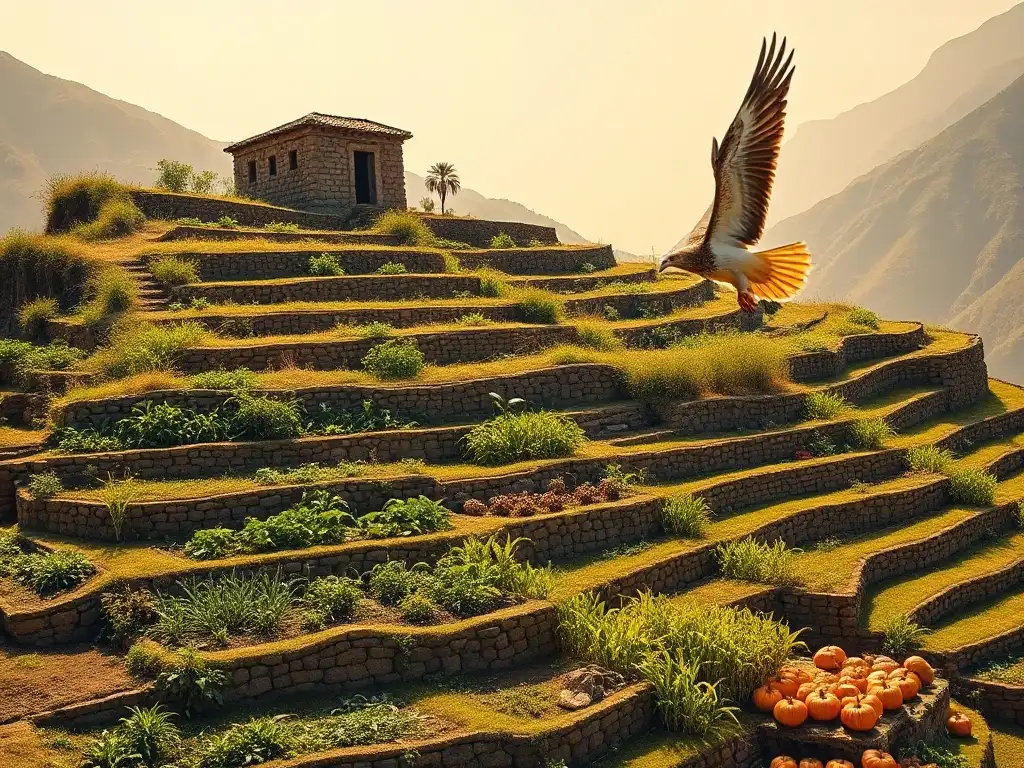
The Inca Empire's success hinged on its sophisticated agricultural techniques, which went far beyond simply cultivating a single staple crop. Inca agricultural techniques prioritized diversification as a cornerstone of food security. This wasn't simply a matter of having a varied menu; it was a crucial strategy to mitigate the risks associated with unpredictable weather patterns and potential crop failures. The high altitude and varied microclimates of the Andes presented unique challenges, and the Incas developed ingenious solutions to overcome them.
Their agricultural practices were remarkably adaptable, allowing them to cultivate a wide range of crops, from potatoes and maize to quinoa and beans, across diverse ecological zones. This approach minimized the impact of localized failures, ensuring a relatively consistent food supply for the vast empire. The effectiveness of this strategy is evidenced by the empire's long-term stability and its ability to support a large and densely populated population.
The Importance of Potatoes in the Inca Diet
The potato ( Solanum tuberosum) was, and remains, a dietary staple in the Andes. The Incas cultivated an astonishing variety of potato species, each adapted to specific altitudes and environmental conditions. Estimates suggest that they cultivated over 200 different potato varieties, showcasing a deep understanding of plant genetics and adaptation. These diverse potatoes not only provided nutritional variety but also offered resilience against disease and environmental stress.
The different varieties matured at different times, extending the harvest season and further ensuring food security. Their importance is reflected in the Inca's meticulous record-keeping and cultivation practices, which prioritized the preservation and propagation of these crucial crops. The potato wasn't just a food source; it was a cornerstone of their cultural and economic identity. The Inca's mastery of potato cultivation was a key factor in their ability to sustain a large population in a challenging environment.
Cultivating Corn and Other Andean Crops
While potatoes were central to the Inca diet, maize (corn) played a vital supporting role. Inca agricultural techniques for maize cultivation were equally impressive, employing sophisticated terracing and irrigation systems to maximize yields in challenging terrain. They developed various maize varieties suited to different altitudes and climates. Beyond potatoes and maize, the Incas cultivated a wide array of other crops, including quinoa, beans, squash, and various fruits.
This diversity was not only a matter of nutritional variety but also a crucial element of risk management. If one crop failed due to disease or weather, others were likely to thrive, ensuring the continued availability of food. The Inca's understanding of crop rotation and intercropping further enhanced the productivity and resilience of their agricultural system. They also developed specialized techniques for cultivating specific crops in different ecological zones, showcasing remarkable adaptation and ingenuity.
Inca Food Preservation Techniques: Extending Shelf Life
The Inca's success in managing food security wasn’t solely dependent on their impressive cultivation techniques; they also mastered a range of preservation methods to extend the shelf life of their harvests. These techniques were crucial for ensuring food availability during lean times, particularly in the high Andes where harsh weather conditions could disrupt planting and harvesting cycles. One common method was freeze-drying, a natural process facilitated by the high altitude and low humidity.
This allowed them to preserve potatoes and other crops for extended periods, significantly enhancing food security. They also utilized techniques like sun-drying and storage in underground cellars, which helped maintain the quality and edibility of various food products. These preservation methods, combined with their diverse agricultural practices, allowed the Inca to maintain a stable food supply year-round, supporting a complex and highly organized society.
The mastery of these preservation methods is a testament to the Inca's resourcefulness and their deep understanding of their environment. The sophistication of their agricultural practices, from cultivation to preservation, underscores their remarkable ingenuity and their ability to thrive in a challenging environment.
Storage Techniques for Agricultural Surplus
The Inca's success wasn't solely dependent on efficient farming practices; it was equally reliant on sophisticated storage techniques to safeguard their agricultural surplus against the unpredictable Andean climate and ensure year-round food security. They understood that even the most bountiful harvest could be lost without proper preservation. This understanding led to the development of a remarkably effective storage system, integral to their societal stability and resilience.
Their ingenious storage solutions weren't uniform across the vast empire; they adapted techniques to local conditions and available resources. However, some common elements united their diverse approaches. One key strategy involved the construction of qollqas, which were strategically placed storehouses built into the landscape. These weren't simple structures; their design incorporated principles of ventilation and insulation to maintain optimal conditions for preserving crops.
The precise construction techniques varied regionally, reflecting the ingenuity of local builders adapting to the specific environmental challenges of their area. Some qollqas were built into hillsides, utilizing natural rock formations to enhance insulation, while others were freestanding structures crafted from stone or adobe bricks. The size and number of qollqas varied depending on the community’s needs and the size of its harvest. Larger communities, naturally, possessed more extensive storage facilities.
Beyond the qollqas, the Inca also employed a variety of other preservation methods. Drying was a prevalent technique, particularly for fruits, vegetables, and meats. This involved sun-drying or using carefully controlled airflows within the qollqas to dehydrate food, extending its shelf life considerably. Freezing at high altitudes also played a role in preserving certain foods.
Furthermore, the Inca likely utilized fermentation techniques for some products, though the specifics of these methods remain partially undocumented. Archaeological evidence suggests the use of underground cellars in some regions to maintain a consistently cool temperature for perishable goods. The Inca's approach to food storage wasn't merely about preserving food; it was a crucial aspect of their economic and social organization, a testament to their deep understanding of agriculture and resource management. The meticulous organization of their storage system allowed for the redistribution of surplus food to support communities facing hardship, ensuring social stability and minimizing the impact of crop failures.
This sophisticated system of food storage was a fundamental component of the Inca Empire's remarkable success and longevity. The careful planning, construction, and maintenance of these storage facilities reflect the Inca's commitment to long-term sustainability and their ability to adapt to the challenges of their environment. Their innovative storage techniques are a compelling example of how Inca agricultural techniques contributed to the stability and prosperity of their empire.
Inca Agricultural Calendar: Harmony with Nature

The Inca Empire's success was inextricably linked to its mastery of agriculture. Their agricultural practices weren't haphazard; they followed a meticulously planned calendar deeply intertwined with the natural rhythms of the Andes. This calendar, although not a written document in the way we understand calendars today, dictated the timing of planting, harvesting, and other crucial agricultural activities.
Understanding this calendar is key to understanding the ingenuity of Inca agricultural techniques. It wasn't merely a matter of planting seeds; it was a carefully orchestrated dance with the environment. The Inca calendar wasn't static; it varied slightly based on altitude and microclimate, reflecting the incredible adaptability of their farming methods.
Understanding the Inca Agricultural Cycle
The Inca agricultural cycle wasn't simply a linear progression. It was a complex interplay of factors, including the altitude, rainfall patterns, and the specific crops being cultivated. For example, in higher altitudes, where the growing season was shorter, the planting and harvesting cycles were compressed. Lower altitudes, with their warmer climates and longer growing seasons, allowed for a more extended cycle and the cultivation of a broader range of crops. The Inca meticulously observed these variations, adapting their techniques to optimize yields in each unique environment. They developed sophisticated irrigation systems, terracing techniques, and crop rotation methods to maximize productivity. This meticulous attention to detail, coupled with their profound understanding of the Andean environment, allowed them to thrive in diverse and challenging conditions. Accurate records regarding specific crop yields and planting schedules for different altitudes are unfortunately scarce, but archaeological evidence strongly supports the sophisticated nature of their agricultural planning.
The Role of Astronomy in Inca Farming Practices
Astronomy played a pivotal role in the Inca agricultural calendar. Priests, who also served as agricultural advisors, closely observed celestial bodies. The movements of the sun, moon, and stars helped determine the optimal times for planting and harvesting. Specific constellations and solstices signaled the beginning and end of agricultural cycles.
This celestial guidance allowed the Inca to accurately predict weather patterns and seasonal changes, ensuring that their crops were planted and harvested at the most opportune times. Their understanding of the cosmos was not merely philosophical; it was deeply practical, directly impacting their food security. Further research is needed to fully delineate the precise astronomical observations used in various regions of the Inca Empire, as local variations undoubtedly existed.
Inca Agricultural Festivals and Rituals
Inca agricultural practices were not solely practical endeavors; they were deeply intertwined with religious beliefs and rituals. Numerous festivals throughout the year celebrated the agricultural cycle, marking key stages like planting, harvesting, and the storage of crops. These festivals involved elaborate ceremonies, offerings to the gods, and communal participation. These rituals weren't merely symbolic; they served to reinforce the importance of agriculture within Inca society and to ensure the continued fertility of the land.
The festivals promoted social cohesion and reinforced the collective effort required for successful farming. Specific details regarding the unique rituals associated with different crops and regions are still being uncovered through ongoing archaeological research, revealing the rich tapestry of Inca religious and agricultural practices. The integration of religious belief and agricultural practices highlights the holistic nature of Inca society, where the spiritual and material realms were inextricably linked.
The Legacy of Inca Agricultural Practices
The Inca Empire, renowned for its sophisticated social and political structures, also boasted remarkable agricultural achievements. Their success wasn't simply a matter of luck; it was the result of carefully developed and implemented techniques, honed over centuries, that allowed them to thrive in diverse and often challenging Andean environments. These techniques, adapted to the varied altitudes and climates of their vast empire, demonstrate an impressive understanding of ecology and resource management.
The legacy of Inca agricultural practices continues to inspire modern agricultural practices, offering valuable lessons in sustainability and efficiency. Understanding these techniques provides crucial insight into the Inca's ingenuity and their ability to support a large and complex population. The innovative strategies they employed, such as terracing, irrigation systems, and crop diversification, allowed them to maximize agricultural yields and ensure food security across their empire.
This enduring legacy offers invaluable lessons for sustainable agriculture in the 21st century. The study of Inca agricultural techniques illuminates not only their agricultural prowess but also their profound understanding of their environment.
Modern Applications of Inca Farming Techniques
Many of the Inca's innovative agricultural techniques are finding renewed relevance in modern agriculture. For example, the intricate terracing systems they created to cultivate steep slopes are being studied and adapted for use in contemporary hillside farming. These terraces, carefully constructed with retaining walls to create level platforms, minimized soil erosion and maximized usable land. Today, this method is being employed in various parts of the world to combat soil degradation and increase agricultural productivity in mountainous regions.
Furthermore, the Inca's sophisticated irrigation systems, which included canals, aqueducts, and reservoirs, are inspiring the development of more efficient and sustainable water management strategies. Their understanding of water distribution and conservation remains a valuable resource for modern agricultural engineers striving to reduce water waste and improve crop yields in arid and semi-arid environments. The Inca's approach to crop rotation and diversification is also being revisited as a key element in promoting soil health and resilience against pests and diseases.
By planting a variety of crops, they avoided depleting the soil of essential nutrients and reduced their vulnerability to crop failure. This holistic approach to farming is now recognized as a crucial component of sustainable agriculture. The integration of indigenous knowledge with modern agricultural science offers exciting possibilities for enhancing food security and environmental sustainability.
The Sustainability of Inca Agricultural Methods
A defining characteristic of Inca agricultural methods was their sustainability. Their practices weren't merely about maximizing short-term yields; they were designed to ensure long-term productivity and environmental harmony. The careful construction of terraces, for instance, not only prevented soil erosion but also helped to regulate water flow and improve soil fertility. The integration of diverse crops, through techniques like intercropping and crop rotation, enhanced soil health and biodiversity.
This contrasts sharply with many modern intensive farming practices that often lead to soil degradation, water depletion, and biodiversity loss. The Inca's understanding of ecological balance is evident in their careful management of water resources and their avoidance of practices that could damage the environment. Their systems were designed to work with nature, not against it, ensuring the long-term viability of their agricultural practices. This commitment to sustainability offers valuable lessons for modern agriculture, which is increasingly facing challenges related to climate change, resource scarcity, and environmental degradation.
Analyzing and adapting Inca techniques can contribute significantly to developing more environmentally friendly and resilient agricultural systems. The concept of ayllu, the community-based system of land management, also played a significant role in the sustainability of Inca agriculture. The shared responsibility for land management fostered cooperation and ensured the long-term health of the agricultural resources.
Lessons from the Inca for Modern Agriculture
The Inca's agricultural achievements offer numerous valuable lessons for modern agriculture. Firstly, their emphasis on sustainable practices highlights the importance of long-term planning and resource management. Modern agriculture needs to move away from short-sighted approaches that prioritize immediate profits over environmental sustainability. Secondly, the Inca's understanding of ecological principles, particularly their knowledge of water management and soil conservation, is crucial for addressing the challenges of climate change and resource scarcity.
Integrating indigenous knowledge with modern scientific techniques can lead to innovative and effective solutions. Thirdly, the Inca's focus on crop diversity and rotation demonstrates the importance of biodiversity in ensuring agricultural resilience and stability. Modern agricultural systems often rely heavily on monocultures, making them vulnerable to pests, diseases, and environmental fluctuations. Finally, the Inca's community-based approach to land management underscores the role of social organization in promoting sustainable agricultural practices.
Collaboration and shared responsibility are essential for creating resilient and equitable food systems. By studying and adapting Inca techniques, we can create a more sustainable and resilient agricultural future. The Inca's legacy serves as a powerful reminder that agricultural success is not just about technological innovation, but also about a deep understanding and respect for the environment and the community. Their ingenuity continues to inspire and inform modern efforts to build a more sustainable food system.
Frequently Asked Questions
What innovative agricultural techniques did the Inca employ?
The Inca utilized several ingenious techniques, including terracing to create level farming plots on steep slopes, irrigation systems to channel water to crops, and the creation of waru waru raised beds to improve drainage and retain moisture.
How did terracing benefit Inca agriculture?
Terracing dramatically increased farmable land in the mountainous Andes. It also helped to reduce soil erosion and optimize water usage.
What role did irrigation play in Inca agricultural success?
Canal systems and aqueducts were crucial for transporting water from rivers and streams to fields, particularly in drier regions. This ensured a consistent water supply for crops, even during dry seasons.
Besides terracing and irrigation, what other methods did the Inca use to boost crop yields?
The Inca employed techniques like crop rotation, fertilization with guano, and the cultivation of diverse crops to maximize yields and maintain soil fertility.
How did Inca agricultural practices impact their society?
Successful agriculture was fundamental to Inca social organization and power. It supported a large population and enabled the development of a complex, centralized empire.
Final Reflection: Echoes of the Andes: A Legacy of Ingenuity
The Inca's mastery of agriculture wasn't merely a feat of engineering; it was a testament to human adaptability and a powerful model for sustainable practices in the face of environmental challenges—a lesson profoundly relevant in our era of climate change. Their innovative techniques, from terraced farming to sophisticated irrigation systems, offer invaluable insights into how we can feed a growing global population while preserving our planet's resources. The ingenuity of the Inca remains a beacon of hope, reminding us of the potential for human innovation to overcome seemingly insurmountable obstacles.
The enduring impact of Inca agricultural practices is undeniable. Their methods continue to inspire modern agricultural techniques, particularly in challenging terrains. The Inca showed us that even in the harshest environments, with careful planning and understanding of nature, abundance can be achieved.
This quote, though not directly from an Inca source, encapsulates the spirit of their agricultural achievements and their lasting relevance. Their legacy challenges us to move beyond simply exploiting the land and instead to cultivate a deeper, more respectful relationship with the environment, mirroring the Inca's profound connection to their Andean home.
Consider the ingenuity of the waru waru system, or the intricate network of canals that channeled water to thirsty fields. These weren't just agricultural innovations; they were expressions of a deep understanding of ecological balance. You, the reader, are now equipped with this knowledge. What will you do with it?
Will you seek out sustainable practices in your own life? Will you advocate for policies that support environmentally conscious agriculture? The legacy of the Inca calls upon us to act, to build a future where ingenuity and sustainability go hand in hand, ensuring a bountiful harvest for generations to come.
Embrace the Legacy of Inca Ingenuity!
Thank you for exploring the remarkable world of Inca agricultural achievements! You've uncovered the innovative practices that sustained a thriving civilization and influenced agricultural techniques still relevant today. Now, let's delve deeper into this fascinating subject.
Here's how you can further connect with the legacy of the Incas:
- Explore Inca agricultural techniques: Research the sophisticated terracing and irrigation systems that maximized their agricultural output. A visit to a historical site or a guided tour offers an unforgettable firsthand experience of these ancient marvels.
- Grow traditional Inca crops: Cultivate quinoa, potatoes, or other ancestral crops in your garden. Share your experiences and discoveries with friends and on social media—inspire others to connect with this rich heritage!
- Join the conversation: Participate in online forums or local groups dedicated to Andean civilizations. Share your knowledge, ask questions, and learn from others to expand your understanding of this incredible culture.
What aspect of Inca agriculture captivates you most, and how will you incorporate that knowledge into your own life? Share your thoughts below!