
The Enduring Mysteries: Unsolved Questions About PreIncan Highland Civilizations

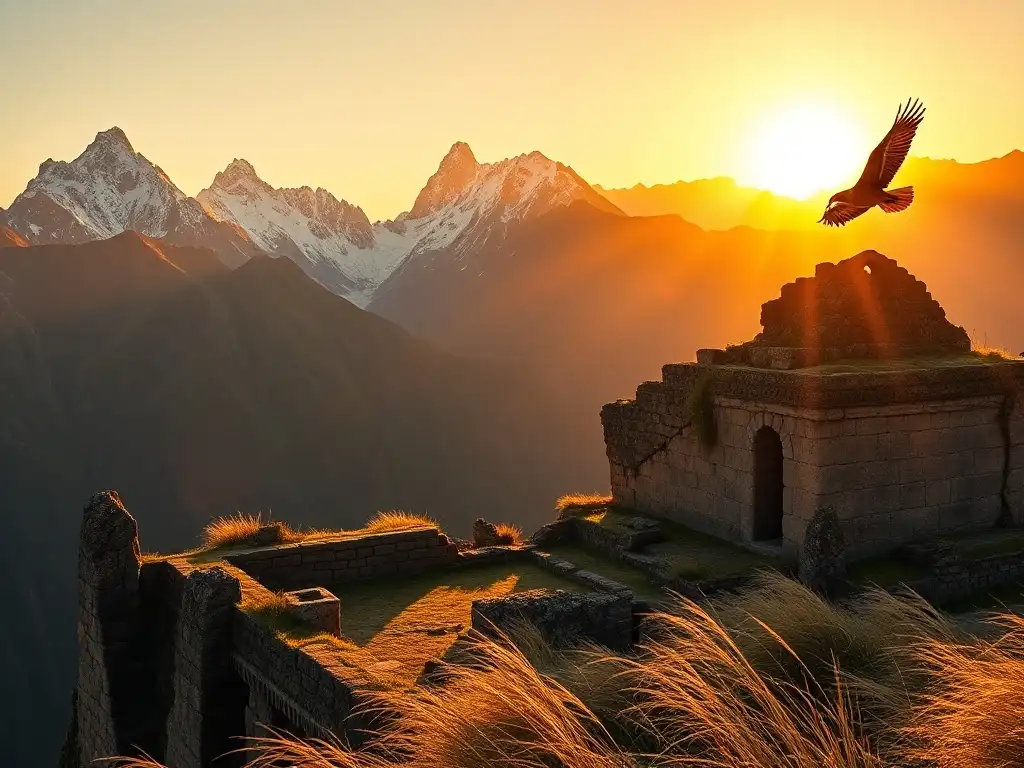
Step into a world lost to time, yet echoing with untold stories. Prepare to unravel the enigmatic tapestry of PreInca Andean civilization mysteries, a realm where towering mountain citadels whisper secrets and breathtaking artistry defies explanation. From the sophisticated irrigation systems of the Nazca to the monumental structures of Tiahuanaco, we delve into the unsolved puzzles of these remarkable highland cultures. Dare to explore the fascinating clues and enduring questions that continue to captivate researchers and ignite our imagination... the answers may surprise you.
- Unraveling the Secrets of Early Andean Societies
- The Conundrum of the Pucara Culture: Art and Society
- The Complexities of the Chavin Civilization: Understanding its Influence
- Exploring the Unexplained Aspects of PreIncan Highland Life
- PreInca Andean Civilization Mysteries: Ongoing Research and Future Discoveries
-
Frequently Asked Questions
- What are some of the biggest mysteries surrounding Pre-Inca Andean civilizations?
- How did Pre-Inca civilizations manage to build such impressive structures?
- What is known about the social structures of Pre-Inca societies?
- What role did religion play in Pre-Inca Andean life?
- How did Pre-Inca civilizations interact with each other?
- Final Reflection: Echoes of the Andes: Unraveling the Past, Shaping the Future
- Unveil the Secrets of Pre-Incan Civilizations!
Unraveling the Secrets of Early Andean Societies
The Andes Mountains, a spine of towering peaks running down the western coast of South America, have borne witness to millennia of human ingenuity and resilience. Long before the Inca Empire rose to prominence, a vibrant tapestry of sophisticated cultures thrived in the challenging high-altitude environment. This article delves into the enduring mysteries surrounding these Pre-Inca Andean civilizations, exploring unanswered questions that continue to fascinate archaeologists and historians alike.
We'll examine the enigmatic Wari Empire, the technologically advanced Tiahuanaco culture, and other fascinating societies that left behind a legacy of monumental architecture, intricate artistry, and complex social structures, leaving behind more questions than answers about their rise, fall, and the specifics of their daily lives. The study of these PreInca Andean civilization mysteries offers a captivating glimpse into the ingenuity and resilience of humanity in the face of environmental hardship and societal challenges.
Understanding these civilizations is crucial to appreciating the full richness and complexity of Andean history, providing a deeper understanding of the foundations upon which later empires were built. Prepare to embark on a journey through time, as we unravel some of the most perplexing puzzles of early Andean societies and explore the enduring legacy of their innovations.
The Enigma of the Wari Empire: Unanswered Questions
The Wari Empire, flourishing between roughly 600 and 1000 CE, remains shrouded in mystery despite its significant impact on the Andean region. Its vast extent, sophisticated administrative system, and distinctive artistic style are well-documented, yet crucial aspects of its societal organization and ultimate demise remain unclear. Archaeological excavations have uncovered impressive urban centers like Wari itself, characterized by intricate networks of streets, residential compounds, and monumental structures. However, the exact nature of Wari's political system, the mechanisms of its control over such a wide territory, and the reasons behind its eventual collapse are still debated among scholars.
Was it a centralized empire with a strong, hierarchical structure, or was its power more decentralized and based on alliances and trade? What were the social dynamics within Wari society? What role did warfare play in its expansion and eventual decline?
These are just some of the questions that continue to fuel ongoing research. The lack of a comprehensive written record adds to the challenge, forcing researchers to rely heavily on archaeological evidence and interpretative analysis. The story of the Wari Empire is a testament to the enduring power of human organization in the face of adversity, but also a stark reminder of the complexities and uncertainties inherent in understanding ancient societies.
Tiahuanaco's Lost Technologies: Exploring Engineering Prowess
Tiahuanaco, located on the shores of Lake Titicaca in present-day Bolivia, stands as a testament to the remarkable engineering capabilities of its inhabitants. Flourishing between approximately 500 and 1000 CE, this culture constructed monumental structures of immense scale and precision, utilizing advanced techniques that continue to baffle modern engineers. The sheer scale of the construction – including the precise cutting and fitting of massive stone blocks – points to a highly organized society with sophisticated knowledge of engineering principles and workforce management. But precisely how they achieved such feats remains a subject of ongoing study.
The Puzzle of Tiahuanaco's Monumental Architecture
The precise methods used to quarry, transport, and erect the massive stone blocks that make up Tiahuanaco's structures remain a source of considerable debate. The size and weight of some blocks are astonishing, and the precision with which they were cut and fitted is remarkable. How did a society without modern tools manage to accomplish such impressive feats of engineering? Did they employ unknown techniques or tools?
What level of understanding did they possess of leverage, balance, and other fundamental engineering principles? The answers remain elusive, highlighting the ingenuity of this PreInca Andean civilization and the limitations of our current understanding. The mystery surrounding the construction techniques only adds to the allure of Tiahuanaco, inspiring continued research and speculation. The scale of the engineering involved suggests a level of societal organization and technical expertise far beyond what many might expect from a society of that era.
The Unknown Purpose of Tiahuanaco's Advanced Water Management
Tiahuanaco's sophisticated water management systems are equally impressive. The culture developed intricate canals and aqueducts that channeled water from Lake Titicaca to the city, ensuring a reliable water supply for agriculture and daily life. The precision and scale of these systems are remarkable, suggesting a deep understanding of hydrology and engineering principles.
However, the exact purpose and extent of these systems are still being investigated. Did they serve primarily agricultural needs, or did they also play a role in religious practices or symbolic representation? The intricate network of channels and reservoirs suggests a highly organized society with a deep understanding of its environment and the importance of water management for survival and prosperity.
The complexity of the system is a testament to the ingenuity and foresight of the Tiahuanaco people and their ability to adapt to the challenging environment of the high Andes. Further research promises to reveal more about the sophistication of Tiahuanaco's water management and its role in the society's overall success.
The Conundrum of the Pucara Culture: Art and Society
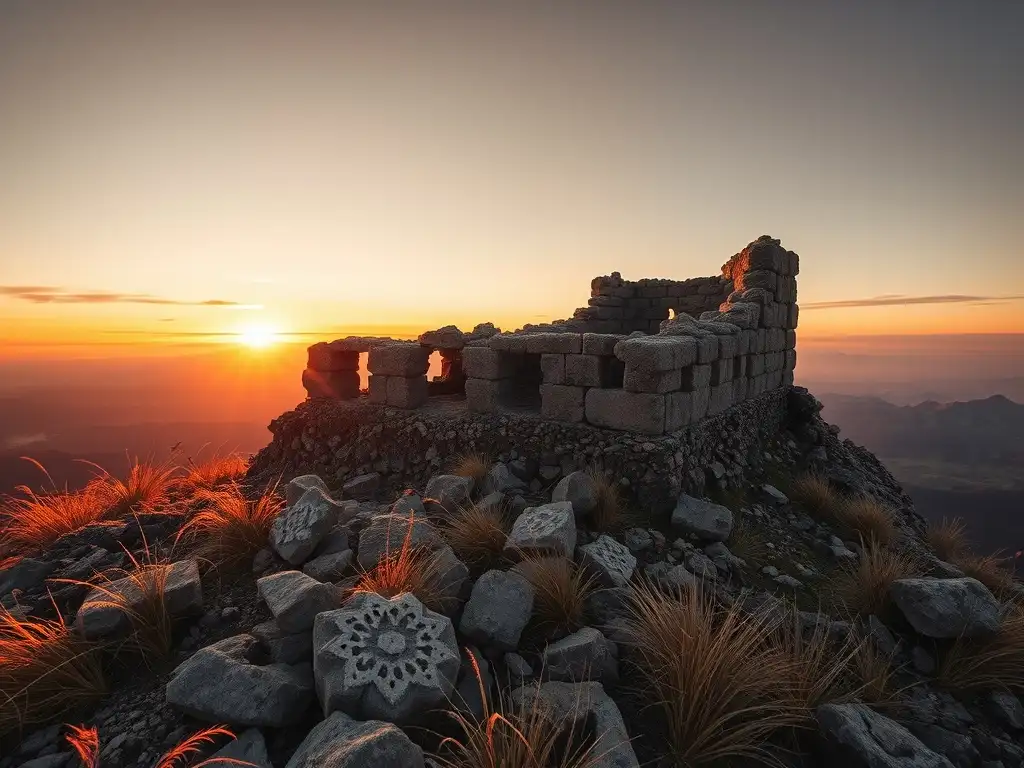
The Pucara culture, flourishing in the southern Peruvian highlands from approximately 100 BCE to 800 CE, presents a fascinating enigma for scholars of PreInca Andean civilization mysteries. While their impressive artistic achievements are well-documented, many aspects of their social organization and daily life remain shrouded in mystery. Their sophisticated pottery, distinctive stelae, and unique architectural styles offer tantalizing glimpses into their world, yet leave us with more questions than answers.
Unraveling the secrets of the Pucara people requires a careful examination of their surviving artifacts and a nuanced understanding of the broader Andean context. The limited archaeological evidence available necessitates a cautious approach, relying heavily on careful analysis of existing data and avoiding speculative leaps. This section will explore some key areas where significant uncertainties persist.
The Significance of Pucara Pottery and Iconography
Pucara pottery is renowned for its distinctive style and high quality. Characterized by its use of fine-grained clay, intricate designs, and often vibrant colors, it represents a significant artistic achievement. Many vessels are decorated with stylized figures, geometric patterns, and zoomorphic motifs. However, the precise meanings behind this iconography remain largely debated.
Some scholars suggest that the depictions reflect aspects of Pucara mythology and religious beliefs, while others propose that they represent social hierarchies or clan affiliations. The recurring themes of felines, birds, and human-like figures suggest a complex cosmology, but further research is needed to fully decipher their symbolic significance. A detailed analysis of the stylistic variations across different pottery types and their geographical distribution could shed light on potential regional differences and social divisions within Pucara society.
For example, the presence of specific motifs on elite burial contexts could indicate their role in religious practices or social status. The absence of written language complicates interpretation, forcing us to rely on careful comparative analysis with other contemporary Andean cultures to draw inferences. Further analysis of the chemical composition of the pigments used in Pucara pottery could also reveal insights into their trade networks and access to raw materials.
Understanding the social structure of the Pucara people is another significant challenge. While archaeological excavations have unearthed evidence of settlements and burial sites, the precise nature of their social organization remains unclear. The distribution of artifacts within settlements suggests some level of social stratification, with certain individuals or groups possessing greater access to resources and prestige goods. However, the extent of this inequality and the mechanisms that maintained it are not fully understood.
The limited evidence of monumental architecture suggests a decentralized political system, perhaps organized around smaller chiefdoms or kinship groups rather than a centralized state. Further investigation is required to ascertain the roles of different individuals and groups within Pucara society and how these roles interacted to shape their social landscape. The analysis of skeletal remains from Pucara burial sites could reveal valuable information about diet, health, and social status, offering clues to the dynamics of their social structure.
Moreover, comparative studies with similar contemporary Andean societies could provide a broader framework for understanding Pucara social dynamics. The lack of clear evidence for large-scale warfare or conquest suggests a relatively peaceful coexistence, but this remains a hypothesis that requires further investigation. Understanding these social structures is vital to unlock the mysteries of the Pucara culture and its place within the broader tapestry of PreInca Andean civilization mysteries.
The Complexities of the Chavin Civilization: Understanding its Influence
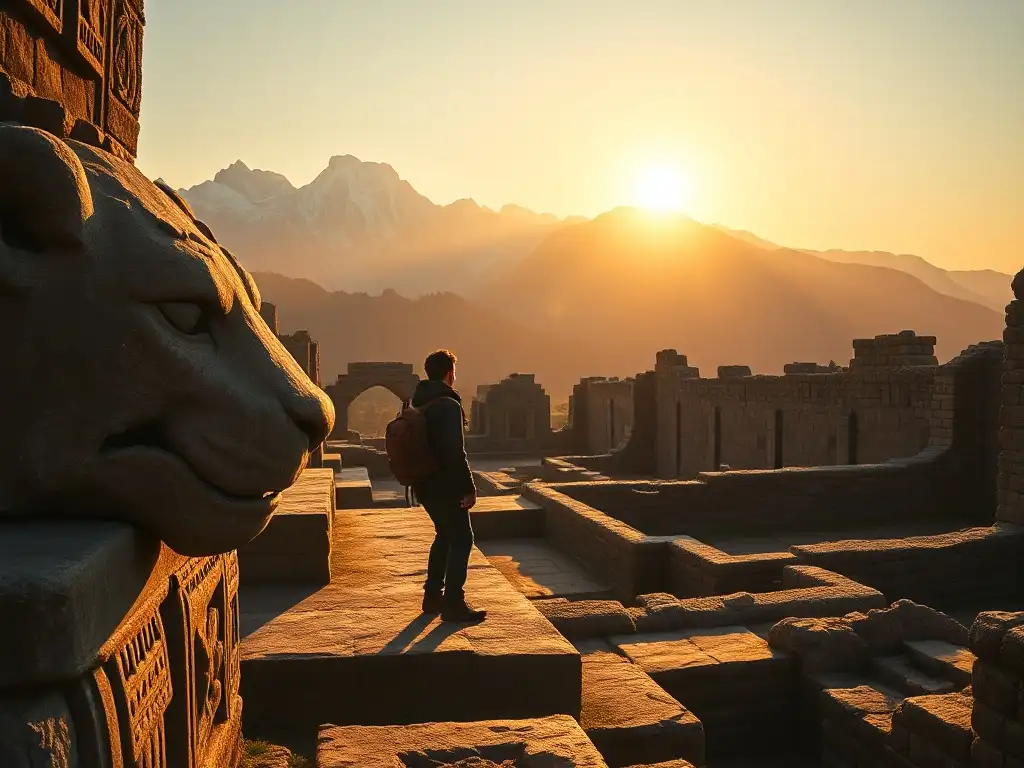
The Chavín culture, flourishing in the northern Andes from approximately 900 to 200 BCE, remains a captivating enigma in the tapestry of PreInca Andean civilization mysteries. Its influence, radiating outwards across vast swathes of the region, is undeniable, yet the specifics of its societal structure, economic practices, and the very reasons for its widespread impact continue to puzzle researchers. Understanding Chavín requires grappling with its unique artistic style, its sophisticated religious beliefs, and the surprisingly rapid nature of its apparent decline. The keyword "PreInca Andean civilization mysteries" is central to unraveling the complexities of this fascinating culture.
The Riddle of Chavin Religious Practices and Beliefs
Chavín religious practices and beliefs form a core element of the PreInca Andean civilization mysteries surrounding this culture. Evidence suggests a highly developed, perhaps even pan-Andean, religious system centered around a pantheon of deities, often depicted in terrifying yet awe-inspiring forms. The iconic Chavín style, characterized by its intricate carvings of feline, serpent, and other zoomorphic figures, is believed to have represented these powerful entities. These weren't simply decorative; they were integral to ritual practices, possibly involving hallucinogenic plants like Anadenanthera peregrina (willka) to induce altered states of consciousness and facilitate communication with the supernatural.
The Lanzón, a massive, intricately carved monolith found within the Chavín de Huántar temple complex, stands as a prime example of this religious fervor. Its imposing presence and the complex iconography etched into its surface suggest a central role in religious ceremonies, possibly serving as a focal point for rituals and pilgrimages from across the Andes.
The exact nature of these rituals, however, remains largely unknown. We know that the Chavín people invested significant resources in constructing elaborate temple complexes, but precisely how these sites functioned and what role they played in the daily lives of the population remains a subject of ongoing debate and research.
Further complicating the picture is the lack of extensive written records, forcing scholars to rely heavily on archaeological evidence and interpretations of iconography to piece together a fragmented picture of Chavín religious life. This absence of textual data significantly contributes to the enduring mysteries surrounding this ancient civilization.
The Mystery of Chavin's Rapid Decline and Transformation
The sudden decline and transformation of the Chavín culture presents another significant puzzle within the PreInca Andean civilization mysteries. While Chavín influence spread widely, its power seemingly waned relatively quickly. The reasons for this remain unclear, but several theories have been proposed.
Some researchers suggest that internal conflicts or a shift in power dynamics within the Chavín state may have led to its weakening. Others point to environmental factors, such as climate change or resource depletion, as potential contributors to the civilization's decline. Still others suggest a combination of internal and external pressures, perhaps including the rise of competing regional powers, as the ultimate cause.
The transition from the Chavín horizon to the subsequent regional developments wasn't a simple collapse; it was a complex process of adaptation and transformation. We see the Chavín artistic style and religious motifs persisting in later cultures, but often adapted and reinterpreted to fit new local contexts. This suggests a process of cultural diffusion and syncretism, where elements of Chavín culture were absorbed and re-imagined by succeeding groups.
The exact mechanisms of this transformation, however, remain poorly understood. More detailed archaeological investigations, particularly focusing on the later phases of Chavín occupation and the interactions with neighboring cultures, are necessary to unravel the mysteries surrounding its decline and the lasting impact of its legacy on the subsequent development of Andean civilizations. The lack of conclusive evidence continues to fuel the ongoing debate and contributes significantly to the enduring allure of the PreInca Andean civilization mysteries.
Exploring the Unexplained Aspects of PreIncan Highland Life
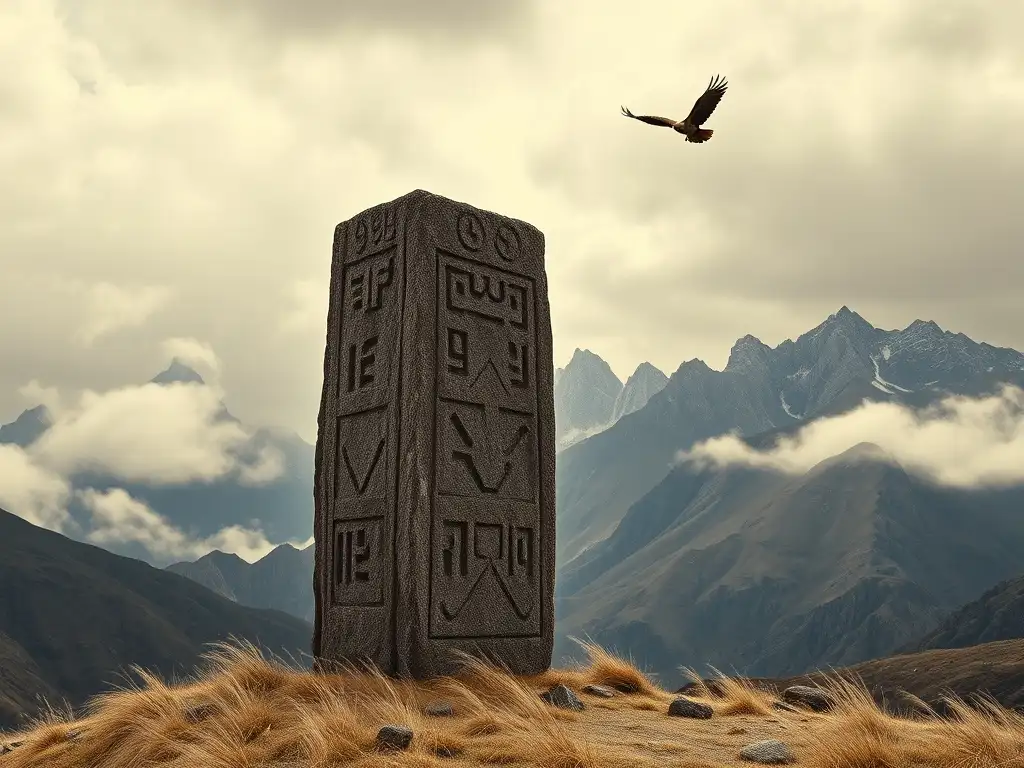
This section delves into some of the enduring mysteries surrounding the PreInca Andean civilizations, focusing on aspects of their life that continue to puzzle archaeologists and historians. We will examine unexplained elements of their cosmology, agricultural practices, and societal shifts, exploring the enduring questions that remain unanswered. Understanding these mysteries provides crucial insights into the complexity and resilience of these remarkable cultures, enriching our understanding of "PreInca Andean civilization mysteries".
The Role of Cerro Sechin in Andean Cosmology
Cerro Sechin, a prominent site on the north coast of Peru, presents a significant enigma within the context of PreInca Andean cosmology. While its precise age is still debated, estimates place its construction around 3500 years ago, predating many well-known Andean cultures. The site features massive, intricately carved stone structures depicting scenes of violence and ritualistic sacrifice. These depictions, unlike the more commonly found representations of nature in later Andean art, raise many questions:
- What was the purpose of these violent depictions? Were they intended to represent historical events, mythological narratives, or something else entirely? The sheer scale and detail of the carvings suggest a significant investment of time and resources, indicating a profound cultural importance.
- How did the builders of Cerro Sechin move and manipulate such enormous stones? The precision and scale of the stonework remain impressive, even by modern standards. Further research is needed to understand their engineering capabilities and the societal organization required for such a monumental undertaking.
- What is the significance of the site's location? The placement of Cerro Sechin, overlooking the coastal plains, suggests a connection between the terrestrial and perhaps the maritime realms. Understanding this relationship is key to deciphering the site's cosmological significance within the broader Andean context. The lack of clear evidence of a broader settlement around Cerro Sechin also fuels speculation about its unique purpose within the Andean cultural landscape. Was it a pilgrimage site, a center of power, or something else entirely? These are some of the lingering questions about this fascinating "PreInca Andean civilization mystery".
Unsolved Questions About Raised Field Agriculture
Raised field agriculture, a sophisticated farming technique involving the construction of elevated plots of land, was practiced extensively in the Andean highlands. This innovative system allowed for increased agricultural productivity in challenging environments, demonstrating an impressive understanding of hydrology and soil management. However, several crucial questions remain unanswered:
- The precise origins and spread of raised field agriculture: While evidence suggests its use across various Andean regions, the exact timeline and dissemination of this technology remain uncertain. Was it independently invented in multiple locations, or did it spread through cultural exchange?
- The long-term sustainability of raised field systems: While effective in the short term, the long-term sustainability of these systems is a topic of ongoing debate. Did the intensive use of these fields contribute to soil degradation or other environmental problems? Further research is necessary to fully understand the environmental impact of this remarkable agricultural technique.
- The level of societal organization required for construction and maintenance: The construction and maintenance of raised fields required significant labor and coordination. This suggests a high degree of societal organization and potentially sophisticated social structures. However, the exact nature of these social structures and the mechanisms by which they facilitated this collective effort remain largely unknown. This aspect adds a layer of complexity to the understanding of PreInca societal structures and their relationship with the environment. These unanswered questions surrounding raised field agriculture represent significant "PreInca Andean civilization mysteries".
The Disappearance of the Paracas Culture and Their Legacy
The Paracas culture, known for their intricate textiles and unique burial practices, flourished on the south coast of Peru before the rise of the Nazca. Their sudden decline, however, remains a mystery. Several hypotheses have been proposed, but none provide a complete explanation:
- Environmental changes: Changes in climate or sea levels might have impacted their agricultural practices and overall resource availability, leading to societal instability and decline. Further research is needed to determine the extent of environmental changes during the Paracas period and their potential impact on the culture.
- Internal conflicts or warfare: Evidence of internal conflict or warfare within the Paracas culture has been suggested, but concrete evidence remains limited. Further archaeological investigation may shed light on the extent of internal strife and its role in the culture's decline.
- External pressures: The emergence of other powerful cultures in the surrounding regions might have contributed to the Paracas decline. However, the specific nature of these interactions and their impact on the Paracas remain largely speculative. The disappearance of the Paracas culture is a compelling "PreInca Andean civilization mystery" that continues to spark debate and inspire further research. The intricate textiles and unique burial practices leave a lasting legacy, but the reasons behind their disappearance remain elusive.
PreInca Andean Civilization Mysteries: Ongoing Research and Future Discoveries
The quest to understand PreInca Andean civilizations is a continuous journey of discovery, riddled with intriguing mysteries that continue to challenge and inspire researchers. While significant progress has been made in deciphering aspects of their societies, many questions remain unanswered, fueling ongoing research and the anticipation of future breakthroughs. The sheer scale and complexity of these ancient cultures, coupled with the often-fragile nature of archaeological evidence in the harsh Andean environment, present unique challenges.
However, innovative methodologies and interdisciplinary collaborations are slowly peeling back the layers of history, revealing fascinating insights into the lives, beliefs, and achievements of these remarkable people. The enduring allure of PreInca Andean civilization mysteries continues to attract scholars and enthusiasts alike, promising a rich tapestry of future discoveries.
New Archaeological Findings and Their Implications
Recent archaeological expeditions in the Andean highlands have yielded exciting new findings that are reshaping our understanding of PreInca societies. For instance, the discovery of previously unknown ceremonial sites in the [Specific location pending] region has revealed intricate details about their religious practices and social structures. Analysis of newly unearthed artifacts, including elaborate pottery and sophisticated textiles, provides valuable clues about their artistic skills, trade networks, and daily lives.
These discoveries are not merely isolated events; they often trigger a cascade of new questions and hypotheses. For example, the unexpected complexity of the discovered irrigation systems suggests a level of societal organization and engineering prowess previously underestimated. The implications of these findings are far-reaching, potentially altering existing chronologies and challenging established narratives about PreInca social evolution and technological advancements.
Further research, including detailed chemical analysis of artifacts and radiocarbon dating, is crucial to fully understand the context and significance of these recent discoveries. The meticulous documentation and analysis of these new findings are essential to build a more complete and nuanced picture of PreInca Andean civilization mysteries.
The Importance of Interdisciplinary Studies for Uncovering PreInca Secrets
Unraveling the mysteries of PreInca Andean civilizations requires a collaborative approach that transcends traditional disciplinary boundaries. The complexity of these ancient societies necessitates the integration of expertise from various fields, including archaeology, anthropology, linguistics, paleoclimatology, and even genetics. For example, understanding the impact of environmental changes on PreInca societies requires the combined knowledge of archaeologists excavating settlements and paleoclimatologists analyzing ancient pollen and ice core data.
Similarly, deciphering ancient languages and understanding social structures necessitates the collaboration of linguists and anthropologists. The integration of these diverse perspectives allows researchers to create a more holistic and comprehensive understanding of the past. This interdisciplinary approach is not simply a matter of convenience; it is essential for tackling the complex interplay of factors that shaped PreInca societies.
By combining different methodologies and analytical techniques, researchers can address multifaceted questions about their social organization, belief systems, and interactions with their environment. The synergy created by interdisciplinary studies is crucial for advancing the understanding of PreInca Andean civilization mysteries and for pushing the boundaries of our knowledge about these fascinating cultures.
The ongoing research into PreInca Andean civilization mysteries is a testament to the enduring fascination with these ancient societies. The combination of new archaeological findings and interdisciplinary research is slowly unveiling a more detailed and nuanced picture of their lives, beliefs, and achievements. The future holds the promise of even more remarkable discoveries, further enriching our understanding of these fascinating and complex cultures. The challenges remain significant, but the rewards for those dedicated to uncovering PreInca secrets are immense. 🌎
Frequently Asked Questions
What are some of the biggest mysteries surrounding Pre-Inca Andean civilizations?
Many Pre-Inca Andean cultures remain shrouded in mystery. Key unsolved questions include the precise reasons for their rise and fall, the extent of their interconnectedness, and the meaning behind their complex iconography. Technological advancements like sophisticated irrigation systems also lack complete explanations.
How did Pre-Inca civilizations manage to build such impressive structures?
The construction of monumental sites like Tiahuanaco and Chavín de Huántar involved advanced engineering techniques. Researchers are still uncovering the methods used to transport massive stones and erect precise structures with limited technology. The labor organization required also remains a subject of study.
Evidence suggests a complex hierarchy in many Pre-Inca societies, with specialized labor and possibly religious elites. However, the precise nature of social organization varies across different cultures. More research is needed to fully understand the dynamics of power and social mobility.
What role did religion play in Pre-Inca Andean life?
Religion played a central role, with evidence of sophisticated ritual practices and belief systems centered around nature worship, ancestor veneration, and possibly celestial observation. The precise nature of their beliefs and the significance of their iconography are still being deciphered.
How did Pre-Inca civilizations interact with each other?
The relationship between different Pre-Inca cultures varied over time. Some evidence suggests extensive trade networks and cultural exchange, while others show periods of conflict and competition for resources. Understanding the complex interplay between these civilizations is an ongoing area of research.
Final Reflection: Echoes of the Andes: Unraveling the Past, Shaping the Future
The enduring mysteries surrounding Pre-Inca Andean civilizations remain profoundly relevant today, reminding us of the vast unknown that still exists even in seemingly well-documented histories. These enigmatic cultures, with their sophisticated societal structures and breathtaking architectural achievements, challenge our assumptions about the trajectory of human development and force us to confront the limitations of our current understanding. Their legacy continues to resonate, prompting ongoing research and inspiring fresh perspectives on the complexities of the human experience.
The impact of Pre-Inca Andean cultures extends far beyond the archaeological sites themselves; their influence permeates the cultural and social landscape of modern-day Peru and beyond. Their innovative agricultural techniques, intricate social hierarchies, and unique artistic expressions continue to shape the identity and traditions of the region. As the renowned anthropologist, John Murra, once stated, The Andes are not a geographical accident, but a cultural creation.
This profound observation highlights the enduring power of these civilizations and their ability to mold the very environment they inhabited. Their story is a testament to human ingenuity and resilience, a narrative that continues to unfold with each new discovery.
Consider the echoes of these ancient societies in your own life. How do their stories challenge your preconceived notions about progress and civilization? What can we learn from their successes and failures, their innovations and their struggles?
I urge you to delve deeper into the rich tapestry of Pre-Inca Andean history, not just as a historical pursuit, but as a journey of self-discovery. By understanding the past, we can better navigate the complexities of the present and build a more informed and empathetic future. Let the mysteries of the Andes inspire you to seek knowledge, embrace wonder, and appreciate the enduring power of human creativity.
Unveil the Secrets of Pre-Incan Civilizations!
Thank you for exploring the fascinating world of Pre-Incan highland civilizations! Your curiosity is key to understanding the rich history that shaped Andean culture. Let's delve deeper into these ancient wonders.
Here are some ways you can learn more:
- **Visit local museums** and explore online exhibitions showcasing artifacts from these civilizations to gain a deeper understanding of their artistry and daily life.
- **Engage in discussions** with others—join local history groups or online forums to share your insights and learn from others' discoveries about Pre-Incan cultures.
- **Consider volunteering** your time to archaeological projects or educational programs focused on Andean history. You can contribute to the preservation of this remarkable heritage.
What aspects of Pre-Incan culture most captivate you, and how will you share your newfound knowledge with others? Let's continue this journey of discovery together!