
The Rhythms of Resistance: How Music and Dance Preserved Andean Culture

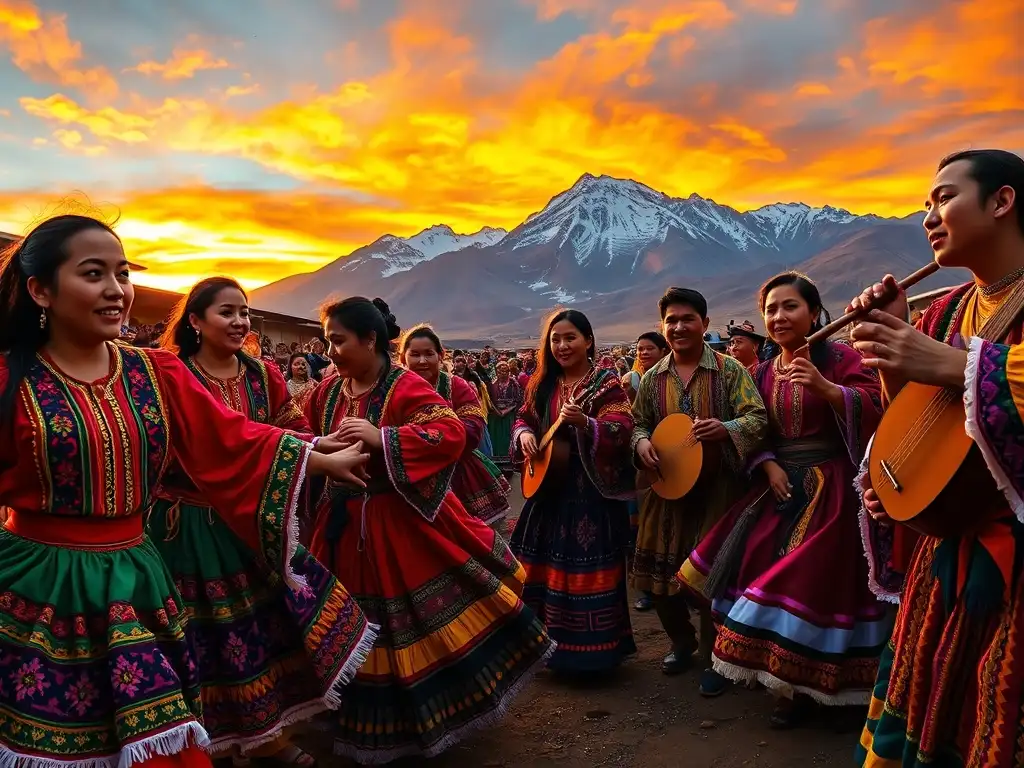
Step into a world lost to time, yet echoing with vibrant life. Journey through the breathtaking landscapes and captivating cultures of the Andes, where ancient empires thrived. We delve into the heart of the Andean experience, exploring its intricate tapestry of history, art, and technology. But the story doesn't end there… Discover how Andean music and dance history became more than just entertainment; it became a powerful force of resistance and cultural preservation. Unravel the mysteries and immerse yourself in the rhythms that defied conquest. Read on to uncover the secrets within.
- Understanding the Role of Andean Music and Dance History
- Exploring the Rich Tapestry of Andean Musical Instruments
- Decoding the Symbolism in Andean Dance Forms
- How Music and Dance Became Tools of Cultural Resistance
- Experiencing Andean Music and Dance Today
- Conclusion: The Enduring Legacy of Andean Rhythms
-
Frequently Asked Questions
- What role did music and dance play in Andean societies?
- How did music and dance help preserve Andean culture during colonization?
- What instruments were commonly used in Andean music?
- How did dance styles vary across different Andean cultures?
- Where can I learn more about Andean music and dance today?
- Final Reflection: The Enduring Legacy of Andean Rhythms
- Embrace the Beat: Take Action for Cultural Preservation!
Understanding the Role of Andean Music and Dance History
Andean music and dance history is far more than just entertainment; it's a vibrant tapestry woven from threads of resistance, resilience, and cultural preservation. For centuries, in the face of colonization and societal upheaval, the indigenous peoples of the Andes Mountains—including the Incas, Moche, Nazca, and Tiahuanaco—maintained their unique identities through the powerful medium of music and dance. These weren't simply leisure activities; they were integral components of daily life, religious ceremonies, and social structures, acting as potent tools for transmitting knowledge, values, and history across generations.
This article delves into the profound significance of Andean music and dance, exploring how these art forms served as vital instruments for cultural survival and the expression of Andean identity. We will examine the historical context within which these traditions flourished, highlighting their enduring relevance in contemporary Andean society.
Understanding this history allows us to appreciate the depth and complexity of these cultural expressions and their continued importance in the preservation of Andean heritage. Prepare to be captivated by the rhythms of resistance and the enduring legacy of Andean music and dance.
The Historical Significance of Music in Andean Society
Music in Andean society held a deeply spiritual and social significance, far exceeding its role as mere entertainment. From the earliest known Andean cultures to the Inca Empire and beyond, music played a crucial role in religious rituals, agricultural cycles, and social gatherings. Instruments such as the panpipes (antara), drums (tinku), and flutes were not simply tools for creating sound, but rather sacred objects imbued with spiritual power. Music was believed to connect the living with the spirit world, influencing the harvest, appeasing deities, and facilitating communication with ancestors. 1
The Inca Empire, for example, meticulously organized musical performances, incorporating them into elaborate ceremonies and festivals. Royal musicians held positions of high prestige, composing and performing music that reinforced the power and legitimacy of the Inca rulers. However, music also played a vital role in the lives of common people, accompanying daily tasks, celebrations, and mourning rituals.
The melodies and rhythms themselves often encoded stories, historical events, and societal values, ensuring the transmission of cultural knowledge through generations. Even after the Spanish conquest, Andean music continued to evolve, incorporating both indigenous and European influences, but always maintaining a strong connection to its roots. The resilience of Andean musical traditions in the face of colonization is a testament to their profound cultural significance.
Dance as a Narrative: Preserving Stories Through Movement
Andean dance is not simply a display of physical skill; it's a powerful form of storytelling, a living archive of cultural memory. Dance forms, often accompanied by music and elaborate costumes, vividly depicted historical events, myths, and legends, acting as a dynamic form of oral history. These performances weren't simply entertainment; they were crucial for transmitting knowledge, values, and social norms within the community. The movements, costumes, and accompanying music all contributed to a rich narrative that reinforced cultural identity and community cohesion.
Different Andean cultures developed unique dance styles reflecting their specific histories and beliefs. For example, [specific information pending] concerning the Moche culture's dances, and [specific information pending] regarding the Nazca lines and their potential connection to ritual dances. The Inca Empire, known for its sophisticated social organization, also utilized dance in elaborate ceremonies and festivals, reinforcing the power of the ruling class while also providing entertainment and social cohesion for the wider population.
The persistence of these dance traditions, even in the face of significant cultural and political changes, underscores their vital role in preserving Andean cultural heritage. The intricate steps and symbolic gestures of these dances carry within them centuries of history, offering a captivating glimpse into the rich cultural tapestry of the Andes.
1 Further research is needed to provide specific examples and detailed information on the use of music in different Andean cultures.
Exploring the Rich Tapestry of Andean Musical Instruments
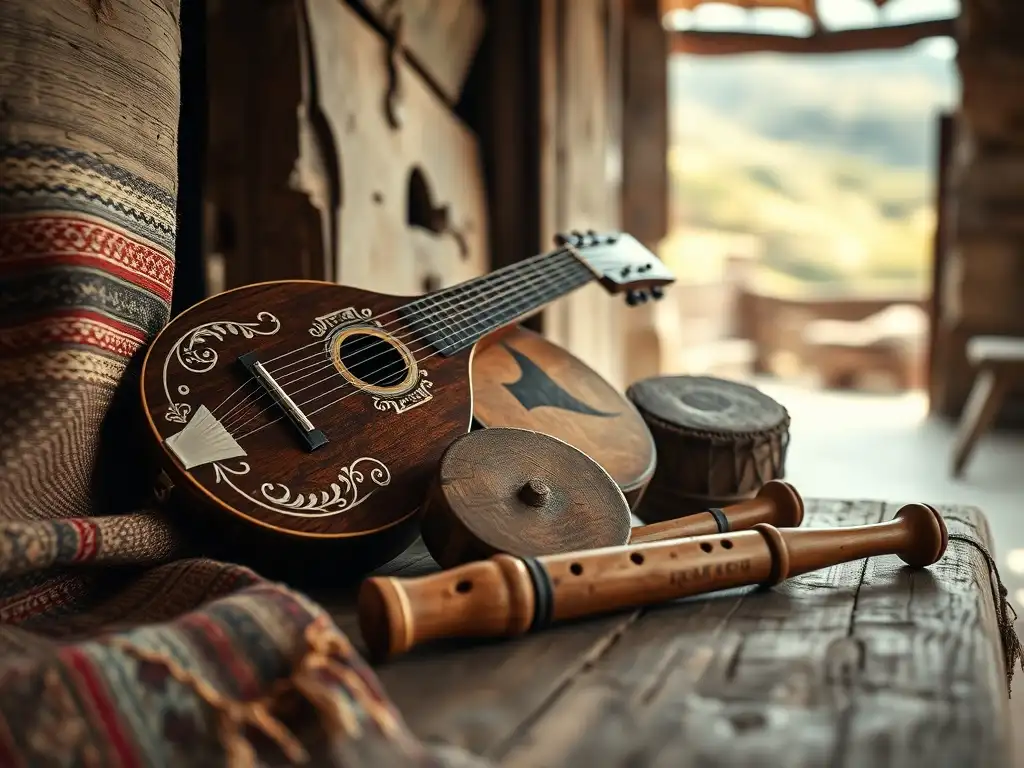
Andean music and dance history is intrinsically linked to the diverse array of instruments used to create its unique soundscapes. These instruments, often crafted from natural materials readily available in the Andean region, are not merely tools for making music; they are integral components of the cultural heritage, reflecting both the ingenuity and the spiritual beliefs of the people.
Their evolution over centuries mirrors the complex history of the Andean civilizations themselves, with influences from various cultures blending to form the rich musical tradition we know today. Understanding these instruments provides a deeper appreciation for the music itself and its enduring legacy.
The Siku (Panpipes): Echoes of the Andes
The siku, a panpipe instrument, holds a particularly significant place in Andean music and dance history. These panpipes, traditionally made from reeds or cane, come in pairs: a siku (higher pitched) and a arka (lower pitched). The instruments are played together, creating a rich, layered sound that evokes the vastness of the Andean landscape.
The siku's design varies across different Andean communities, reflecting the diversity of musical styles and traditions. Some sikus have only a few pipes, while others boast upwards of twenty, resulting in a wide range of tonal possibilities. The intricate craftsmanship involved in making a siku, from selecting the appropriate reeds to meticulously tuning each pipe, is a testament to the skill and dedication of Andean artisans.
The playing technique, too, is complex, requiring years of practice to master the breath control and finger dexterity necessary to produce the characteristic melodic lines. The use of the siku in ceremonies and festivals underscores its cultural importance, cementing its place as more than just a musical instrument; it's a symbol of Andean identity. The haunting melodies created by the siku continue to resonate through the mountains, carrying the echoes of ancient traditions into the present day.
The Charango: A Stringed Instrument with a Story
The charango, a small, lute-like instrument, offers a captivating counterpoint to the wind instruments of the Andes. Unlike the siku, the charango’s history is marked by a fascinating blend of indigenous and European influences. While its exact origins remain debated, its construction—typically featuring a body made from armadillo shell and five double strings—points to a unique adaptation of European stringed instruments to the Andean context.
The armadillo shell, a readily available material in the region, imparts a distinctive timbre to the instrument's sound, contributing to its unique sonic character. The charango's repertoire is vast, encompassing various musical genres, from traditional Andean folk music to more contemporary styles. Its versatility makes it a beloved instrument among Andean musicians, its bright, ringing tone often used to provide melodic counterpoints and rhythmic accompaniment.
The charango’s evolution showcases the adaptability and creative spirit of Andean musicians, seamlessly integrating external influences into their existing musical traditions. Its prevalence in Andean music and dance history is a testament to its enduring appeal and its role in shaping the modern soundscape of the region.
Percussion: The Heartbeat of Andean Rhythms
Percussion instruments form the rhythmic backbone of much Andean music and dance history. These instruments, often simple in design but powerful in their effect, provide the driving pulse that underpins the more melodic instruments. Among the most prominent are the tinku, a pair of cylindrical drums played with sticks, providing a strong, driving beat; and the bombo legüero, a large bass drum used to accentuate the rhythm.
Other percussion instruments include various types of rattles, such as the chajchas (small, gourd rattles) and the huayno, which add a textured layer of rhythmic complexity. The use of percussion varies widely across different Andean cultures and musical genres. Some styles emphasize a steady, repetitive beat, while others incorporate more complex rhythmic patterns and syncopation.
These varied percussion techniques often reflect the distinct cultural identities of the different Andean communities. The rhythmic vitality of Andean music is inextricably linked to these percussion instruments, their sounds pulsating with the energy and spirit of the Andean people, a testament to the enduring power of rhythm in preserving their cultural heritage. The rhythmic diversity of these instruments showcases the creativity and adaptability within Andean music and dance history.
Decoding the Symbolism in Andean Dance Forms
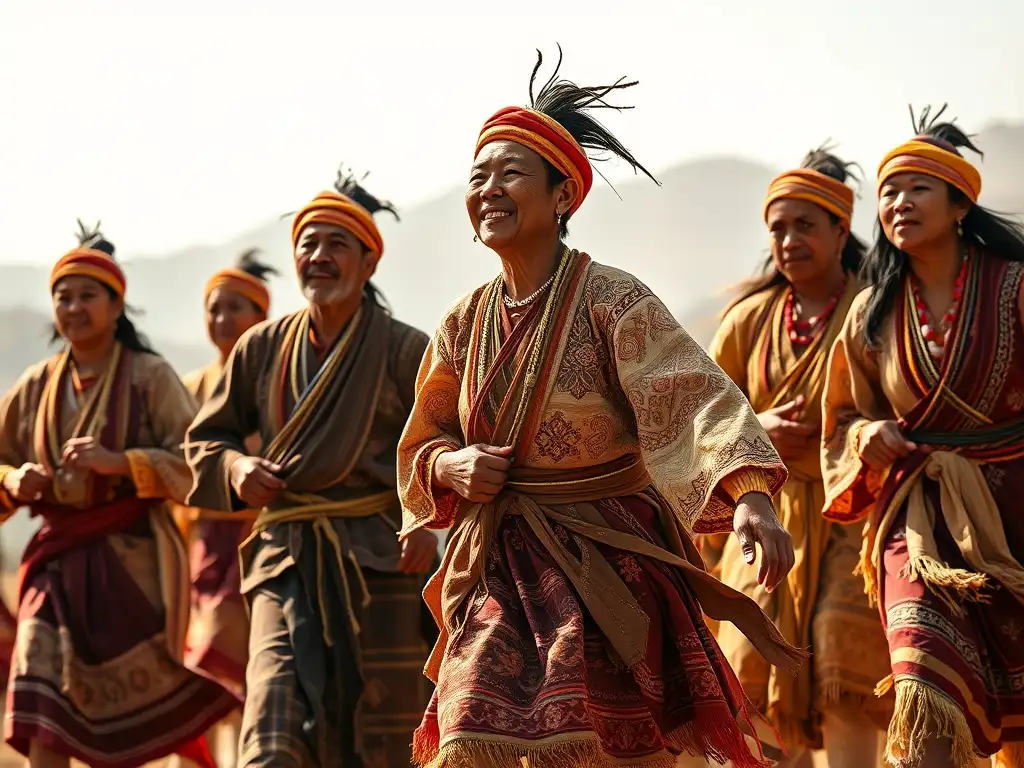
Andean music and dance history is deeply intertwined with the spiritual beliefs and social structures of the various cultures that thrived in the Andes. Dance wasn't merely entertainment; it was a powerful form of communication, transmitting stories, values, and beliefs across generations. The movements, costumes, and accompanying music all contribute to a rich tapestry of symbolism, reflecting the complex relationship between humans and their environment, particularly their reverence for Pachamama, Mother Earth. Understanding this symbolism provides a deeper appreciation for the enduring legacy of Andean culture. We will explore several key dance forms to illustrate this.
The Marinera: A Dance of Courtship and Elegance
The Marinera, often called the "national dance" of Peru, is a vibrant and captivating expression of courtship. While its origins are debated, it's believed to have evolved from earlier Spanish colonial dances, incorporating elements of indigenous Andean traditions. The dance itself is a flirtatious interplay between a man and a woman, showcasing grace, skill, and subtle communication.
The man, with his proud posture and confident movements, represents the suitor. His steps are bold yet controlled, mirroring his attempt to win the woman's affection. Conversely, the woman's movements are more delicate and reserved, suggesting a playful resistance and coquettishness. The intricate footwork, the elegant hand gestures, and the expressive use of shawls and fans all contribute to a narrative of courtship, subtly conveying emotions and intentions.
The Marinera's music, typically characterized by a lively rhythm and passionate melody, further intensifies the emotional intensity of the dance. The use of castanets adds a percussive element, enhancing the overall rhythmic complexity. The Marinera, therefore, isn't simply a dance; it's a theatrical representation of a cultural ideal of courtship, reflecting societal values and expectations.
The Huayno: A Celebration of Community and Resilience
The Huayno is a genre of Andean music and dance that embodies the spirit of community and resilience. Unlike the more formalized Marinera, the Huayno is characterized by its spontaneity and participatory nature. It's a dance of the people, reflecting their daily lives, joys, sorrows, and struggles.
The Huayno often features couples dancing in pairs, but it is not uncommon to see large groups participating simultaneously, creating a vibrant and energetic atmosphere. The movements are less refined than in the Marinera, often incorporating improvisational elements and reflecting the emotional intensity of the music. The music itself is highly diverse, varying significantly across different Andean regions, reflecting the rich cultural diversity of the region. Themes of love, nature, and social commentary are common in Huayno lyrics, providing a powerful voice for the Andean people.
Its enduring popularity is a testament to its ability to connect with the emotional lives of its dancers and audiences. The Huayno's adaptability and its ability to express a wide range of human emotions have ensured its survival and evolution through centuries of social and political change. It continues to be a vital part of Andean cultural identity.
Dances of the Harvest: Honoring Pachamama
Many Andean dances are intimately linked to the agricultural cycle and the veneration of Pachamama. These dances are not just performances; they are rituals, expressing gratitude for a bountiful harvest and seeking blessings for future prosperity. The specific steps and movements often mimic agricultural activities, such as planting, harvesting, and threshing.
Costumes frequently incorporate elements representing the earth, such as vibrant colours mirroring the landscapes and agricultural products. The music accompanying these dances often features instruments made from natural materials, reflecting the close connection between the people and their environment. These dances are often performed communally, emphasizing the collective effort required for successful agriculture. This communal aspect reinforces the importance of social harmony and cooperation in ensuring the community's well-being.
These rituals, therefore, serve a vital function in maintaining the cultural and spiritual connection to the land, emphasizing the crucial role of agriculture in Andean life and the deep respect for Pachamama. The vibrant colours and intricate patterns of the costumes, along with the rhythmic movements of the dances, all contribute to a visually stunning and spiritually significant experience. 💃🏽🌾
How Music and Dance Became Tools of Cultural Resistance
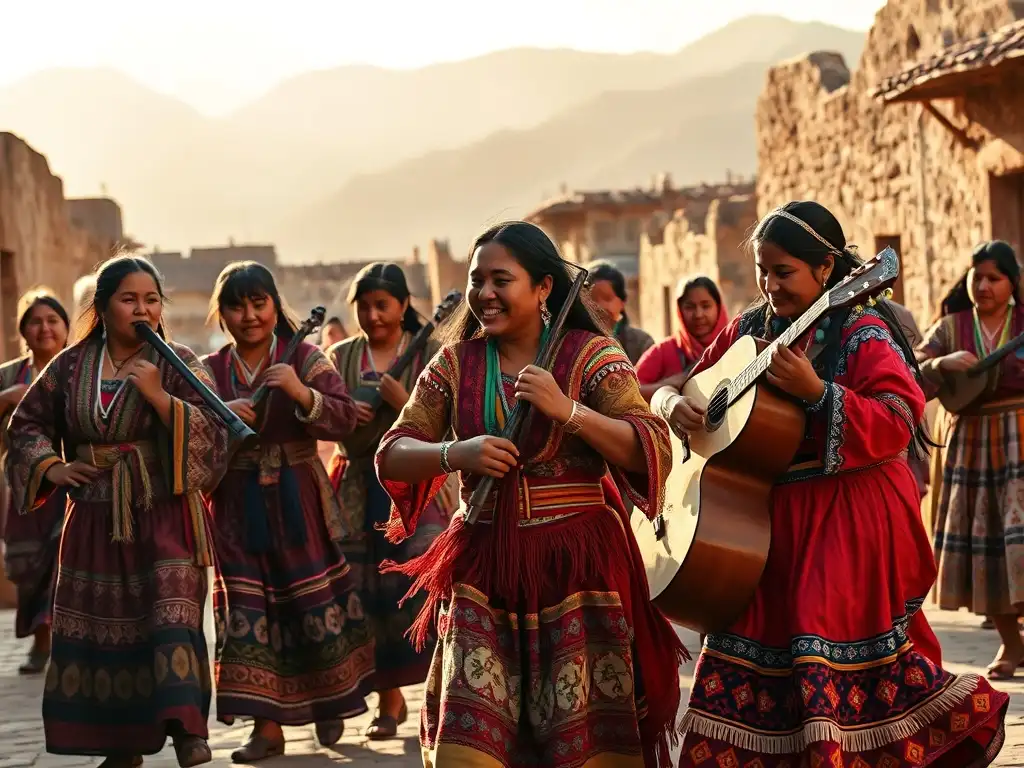
The vibrant tapestry of Andean culture, encompassing the Incas, Moche, Nazca, and Tiahuanaco civilizations, wasn't merely woven with threads of sophisticated engineering and intricate artistry; it was also deeply infused with the rhythmic pulse of music and dance. These weren't simply forms of entertainment; they served as powerful tools for cultural preservation and resistance, particularly during periods of significant societal upheaval and colonial oppression.
Understanding this aspect is crucial to appreciating the enduring legacy of Andean music and dance history. The intricate melodies and dynamic movements weren't just aesthetically pleasing; they carried the weight of history, beliefs, and social structures, acting as a vital link to ancestral knowledge and identity.
Preserving Traditions Under Colonial Influence
The Spanish conquest of the Andes in the 16th century brought about a systematic attempt to suppress indigenous cultures. Religious practices were outlawed, languages were discouraged, and traditional social structures were dismantled. However, the spirit of Andean culture proved resilient.
Music and dance, often performed in secrecy or disguised within seemingly innocuous contexts, became crucial vehicles for preserving traditions. For example, certain dances, superficially appearing to celebrate religious holidays imposed by the colonizers, subtly incorporated indigenous rhythms and movements, thereby maintaining a connection to ancestral practices. This covert preservation ensured that the cultural heritage wasn't entirely lost, even amidst the pressures of colonization.
The melodies, passed down through generations orally, carried encoded messages and stories that reinforced indigenous identity and historical memory. Think of it as a sophisticated form of cultural resistance, where the very act of performing a seemingly harmless dance became a powerful act of defiance. The rhythmic heartbeat of Andean culture continued to pulse, albeit underground.
The Revival of Indigenous Music and Dance in Modern Times
The 20th and 21st centuries witnessed a significant resurgence of indigenous Andean music and dance. Fueled by growing movements for indigenous rights and cultural revitalization, artists and communities actively reclaimed their heritage, bringing these traditions into the public sphere. This wasn't merely a nostalgic return to the past; it was a conscious act of reclaiming cultural identity and asserting political agency. Many contemporary Andean musicians and dancers actively incorporate traditional instruments and styles, blending them with modern musical influences to create a unique and dynamic expression of Andean culture.
Festivals celebrating Andean music and dance have become increasingly popular, attracting both local and international audiences. These events serve as powerful platforms for cultural exchange, promoting understanding and appreciation of Andean traditions while simultaneously strengthening cultural pride and identity amongst indigenous communities. The revival demonstrates the enduring power of music and dance as tools for social and political mobilization.
Music and Dance as a Form of Cultural Identity
Andean music and dance are not simply artistic expressions; they are integral components of Andean identity. The diverse range of musical instruments, from the panpipes ( siku) to the Andean flute ( antara) and the drum ( tinku), each holds symbolic meaning and connects performers to their ancestral heritage. Similarly, the movements in traditional dances often represent narratives, myths, or rituals, further reinforcing the deep cultural significance embedded within these artistic forms.
The intricate steps and gestures are not merely aesthetic; they communicate stories, beliefs, and values passed down through generations. This deep connection between music, dance, and cultural identity is what makes Andean music and dance history so compelling. It's a living testament to the resilience and enduring spirit of Andean civilizations, their ability to adapt, resist, and ultimately, thrive.
The rhythmic pulse of their music and dance continues to resonate, a powerful symbol of cultural preservation and renewal. The continued practice and celebration of these traditions ensure that the rich cultural heritage of the Andes remains vibrant and relevant for future generations.
Experiencing Andean Music and Dance Today
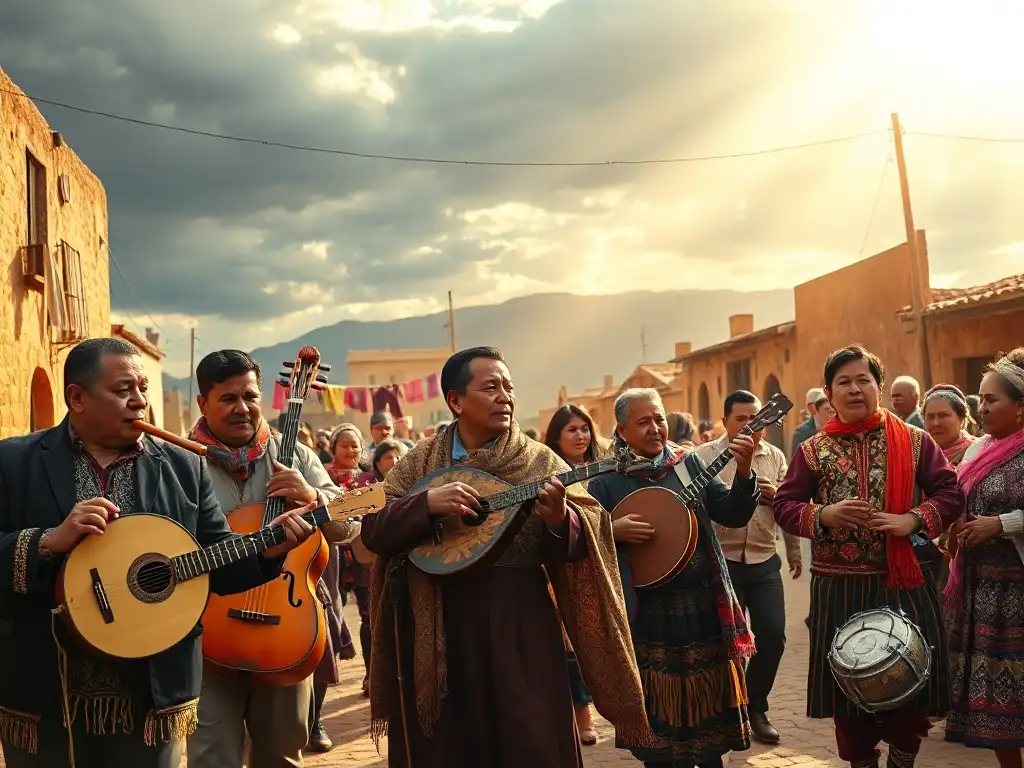
This section delves into the vibrant ways Andean music and dance traditions are kept alive and celebrated in the modern era. From witnessing spectacular festivals to learning the intricate steps yourself, experiencing these cultural expressions firsthand offers a profound connection to the rich history and enduring spirit of the Andean people. We'll explore several avenues for engaging with this captivating aspect of Andean culture, focusing on opportunities for both participation and observation. Understanding the modern expressions of Andean music and dance history allows for a deeper appreciation of its enduring legacy.
Attending the Inti Raymi Festival: A Celebration of the Sun God
The Inti Raymi festival, meaning "Festival of the Sun," is a breathtaking spectacle that vividly showcases the enduring power of Andean music and dance. Held annually in Cusco, Peru, during the winter solstice (June 24th), this event is a reenactment of an Inca ceremony honoring the sun god, Inti. Thousands of participants, dressed in vibrant traditional costumes, fill the streets with their energy and passion. The festival incorporates a wide range of musical instruments, including the pututo (a long, straight trumpet), antara (panpipes), and tinku (a type of drum).
The choreography is equally impressive, featuring intricate steps and formations that reflect both ancient Inca traditions and modern interpretations. The dancers' movements are often synchronized, creating a mesmerizing visual display that underscores the deep spiritual significance of the event. The sheer scale and intensity of Inti Raymi offer a powerful, immersive experience for anyone seeking to understand the profound role of music and dance within Andean culture. More than just a performance, it's a living testament to the enduring power of Andean music and dance history.
The festival's atmosphere is electric, filled with the rhythmic pulse of drums, the melodic strains of panpipes, and the joyous energy of the participants and spectators alike. It’s a truly unforgettable opportunity to witness a vibrant representation of Andean music and dance history brought to life. One can truly feel the connection to the past, experiencing the echoes of ancient ceremonies within the modern celebration.
Learning Andean Dance: The Peruvian Dance Academy
For a more hands-on approach to understanding Andean music and dance history, consider enrolling in a dedicated dance academy. Many academies throughout Peru, particularly in Cusco and Lima, offer classes in various traditional Andean dance styles. These academies often provide instruction on a range of dances, from the graceful movements of the marinera to the energetic steps of the huayno. Learning these dances provides an intimate understanding of the body language, rhythms, and cultural nuances embedded within each style.
The learning process goes beyond mere steps; it involves understanding the cultural context of the dances, their historical significance, and the stories they tell. Many academies incorporate elements of Andean music into their classes, providing students with a holistic understanding of the interplay between music and movement. For instance, a Peruvian Dance Academy might offer courses structured around specific regional styles, providing insights into the diversity of Andean music and dance across different geographical locations.
This approach allows students to appreciate the variations in rhythm, instrumentation, and costume, deepening their understanding of Andean music and dance history. The experience fosters a deeper connection with the culture and heritage of the Andes.
Acquiring Traditional Andean Musical Instruments: Altiplano Instruments
Acquiring a traditional Andean musical instrument is another way to engage with the region's rich musical heritage. Instruments such as the charango, zampoña, and quena are readily available from various sources, offering opportunities for personal exploration and appreciation. The process of learning to play these instruments allows for a deeper understanding of the technical aspects of Andean music, including scales, rhythms, and playing techniques. This hands-on experience complements any study of Andean music and dance history.
Purchasing instruments from reputable sellers, such as specialized shops or artisans in the Altiplano region, ensures authenticity and supports local communities. The craftsmanship involved in creating these instruments often reflects centuries of tradition and expertise, adding another layer to the cultural significance of the experience.
Furthermore, owning and playing these instruments can serve as a gateway to connecting with other musicians and enthusiasts, fostering a sense of community and shared passion for Andean music and dance history. The act of playing an Andean instrument is a tangible connection to a rich cultural legacy, enhancing one's appreciation for the art form.
Conclusion: The Enduring Legacy of Andean Rhythms
The vibrant tapestry of Andean music and dance history continues to resonate through time, a testament to the resilience and cultural richness of the Andean peoples. From the intricate melodies of the panpipes to the powerful rhythms of the huayno, these art forms served not only as expressions of joy and celebration but also as potent tools of resistance and cultural preservation during periods of oppression. Understanding the historical context of these musical and dance traditions allows us to appreciate their profound significance and their enduring impact on contemporary Andean societies.
The legacy of these rhythms is not merely a historical artifact; it is a living, breathing tradition that continues to evolve and inspire. The preservation of these traditions requires ongoing effort and commitment from both within and outside Andean communities.
The Importance of Continued Support for Andean Arts
The survival of Andean music and dance traditions hinges on sustained support and investment. This support manifests in various ways: funding for cultural centers and educational programs dedicated to teaching traditional instruments and dance forms; the creation of accessible platforms for Andean artists to share their work with wider audiences; and the fostering of collaborations between Andean communities and international organizations dedicated to cultural preservation. Without this ongoing support, the risk of losing these invaluable cultural treasures is substantial.
We must actively combat the forces of globalization that threaten to homogenize cultural expressions, instead championing the unique and diverse artistic heritage of the Andes. Concrete examples of successful support initiatives, such as [specific information pending] community music schools or [specific information pending] international collaborations, could serve as models for future endeavors.
The economic benefits of preserving and promoting Andean arts should also be considered, as cultural tourism contributes significantly to the economic well-being of Andean communities. Investing in Andean arts is an investment in the future, ensuring that these powerful expressions of cultural identity continue to thrive for generations to come.
Embracing the Cultural Richness of the Andes
The Andean world offers a breathtaking panorama of cultural diversity. From the haunting melodies of the yaraví to the energetic steps of the caporal, each musical and dance form tells a unique story, reflecting the distinct histories and traditions of different Andean communities. Experiencing these diverse expressions firsthand, whether through attending a vibrant festival or engaging with the work of contemporary Andean artists, allows us to connect with the profound cultural richness of the Andes. This engagement fosters a deeper understanding and appreciation for the resilience, creativity, and ingenuity of the Andean peoples.
It also allows us to challenge our own preconceived notions and broaden our perspectives on the world. The continued study and celebration of Andean music and dance history are crucial not only for preserving a unique cultural heritage, but also for enriching our own lives and fostering a more interconnected and understanding global community. Learning about the specific instruments, costumes, and social contexts surrounding these traditions – such as the significance of specific dances during harvest festivals or the role of music in religious ceremonies – deepens our appreciation and helps us to engage with the Andean world on a more meaningful level.
The preservation of this cultural heritage is a shared responsibility, and by embracing the richness of Andean music and dance, we contribute to a more vibrant and culturally diverse world. Let us continue to celebrate and support the enduring rhythms of resistance that have shaped the Andean world for centuries. 💃🕺🎶
Frequently Asked Questions
What role did music and dance play in Andean societies?
Music and dance were integral to daily life, religious ceremonies, and social gatherings in Andean civilizations. They served to express emotions, tell stories, and maintain cultural identity across generations. They were also used to honor deities and ancestors.
How did music and dance help preserve Andean culture during colonization?
Music and dance acted as a form of cultural resistance against Spanish colonization. Secret performances kept traditions alive, while adapted forms subtly incorporated indigenous elements into the imposed culture. This helped preserve the cultural memory of the Andean people.
What instruments were commonly used in Andean music?
Panpipes (antara), drums (tinku), and flutes were among the most common instruments. These instruments, often crafted from natural materials, produced sounds deeply connected to the Andean landscape and spirituality. Many were adapted from pre-Columbian instruments.
How did dance styles vary across different Andean cultures?
Each Andean civilization developed its own unique dance styles. The Incas, for example, had elaborate ceremonies, while the Moche and Nazca cultures likely had distinct rituals reflected in their dances. Styles varied regionally and reflected specific cultural beliefs and practices.
Where can I learn more about Andean music and dance today?
You can explore museums, cultural centers, and festivals dedicated to Andean culture. Many communities continue to practice traditional music and dance, and recordings and documentaries are readily available online. Ethnomusicology is a great field of study to learn more.
Final Reflection: The Enduring Legacy of Andean Rhythms
The vibrant tapestry of Andean music and dance continues to resonate today, a powerful testament to the resilience of a culture that has faced centuries of challenge. These art forms are not mere historical artifacts; they are living, breathing expressions of identity, resistance, and enduring hope, carrying the weight of ancestral knowledge and the dreams of future generations. Their survival speaks volumes about the human spirit's capacity to preserve its heritage in the face of adversity.
The profound influence of Andean music and dance extends far beyond the Andes themselves. It has shaped global musical landscapes, inspiring countless artists and enriching the world's cultural palette. The intricate melodies, rhythmic complexities, and deeply spiritual narratives woven into these traditions offer a window into a rich and complex history. Music is the universal language of mankind,
said Henry Wadsworth Longfellow, and in the case of Andean music, this is profoundly true. It transcends linguistic barriers, connecting us to a shared human experience that transcends time and geography. The continued practice and celebration of these traditions are vital for maintaining cultural diversity and fostering intercultural understanding.
Consider the power of rhythm, the pulse of life itself, as it beats through the generations in Andean music and dance. You, the reader, are now part of this ongoing story. Take a moment to listen, to learn, to appreciate the depth and beauty of these ancient traditions. Seek out Andean music and dance in your community, explore its history further, and share its vibrant energy with others. Let the rhythms of resistance inspire you to celebrate your own cultural heritage and to champion the preservation of cultural diversity for future generations.
Embrace the Beat: Take Action for Cultural Preservation!
Thank you for joining us on this journey through the vibrant tapestry of Andean culture! Exploring the crucial roles music and dance have played in resistance and preservation offers invaluable insights into the heart of these remarkable civilizations.
Now, let's take meaningful action:
- Learn traditional Andean music or dance. Immerse yourself in these traditions and directly support their continuity by participating in a local workshop or class.
- Share your newfound appreciation with friends and family. Let's keep the conversation about the importance of cultural heritage alive and vibrant!
- Support Andean artists and cultural organizations. Follow them online, attend their performances and exhibitions, and consider making a donation to help them continue their vital work.
How will you celebrate and contribute to the preservation of this rich cultural heritage?