
The Power of Shared Experience: Why Andean Music and Dance Festivals Unite Communities

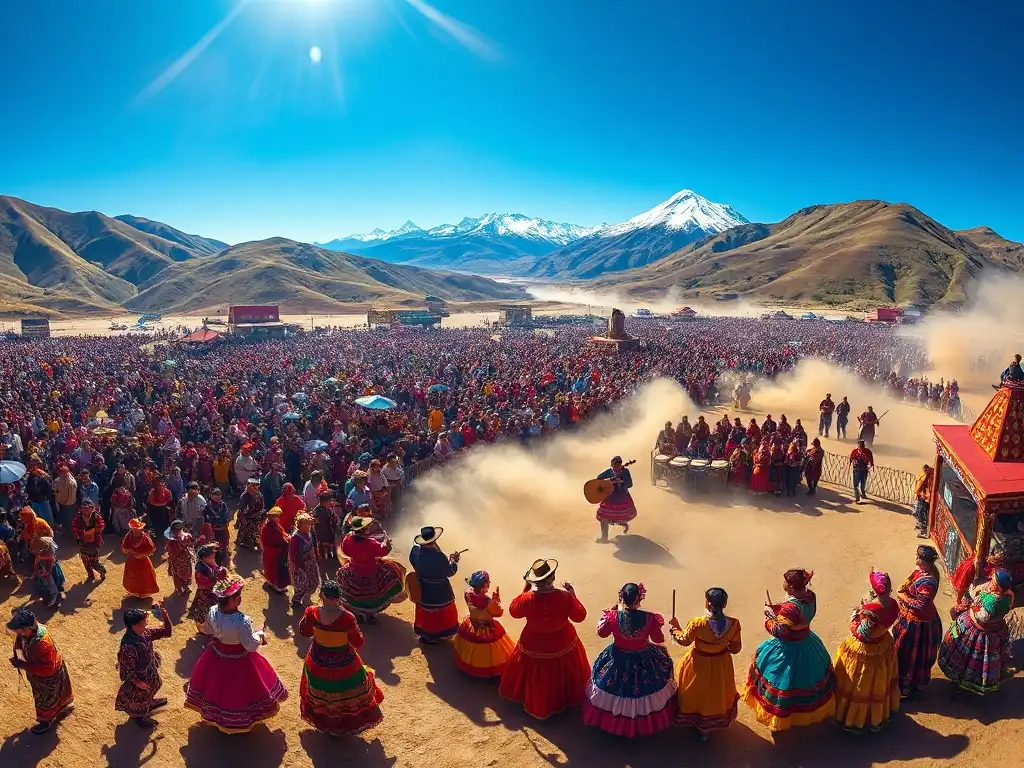
Step into a world lost in time, yet vibrantly alive. Imagine the echoing rhythms of ancient Andean flutes, the swirling colours of dazzling costumes, and the electrifying energy of a community united by song and dance. This is the heart of Andean Civilizations, where we delve into the captivating legacy of the Incas, Moche, Nazca, and Tiahuanaco. But what truly bound these powerful societies? Discover the answer in our exploration of Andean music and dance festivals, a testament to the enduring power of shared experience – and the secrets they hold.
Andean music and dance festivals are more than just vibrant celebrations; they are powerful forces that weave together the threads of community, preserving cultural heritage and fostering a sense of shared identity in a rapidly changing world. This article delves into the profound impact of these festivals, exploring how the rhythmic pulse of Andean music and the graceful movements of traditional dances act as a unifying force, bringing people together across generations and social strata.
We will examine the vital role these festivals play in maintaining cultural continuity and addressing the challenges of modern society, particularly the growing need for strong community bonds. From the electrifying energy of a Tinkus performance to the soulful melodies of yaravíes, we will uncover how these festivals provide a vital link to the past and a bridge to a more connected future.
The rich tapestry of Andean culture, expressed through music and dance, continues to resonate deeply, offering a powerful testament to the enduring strength of community spirit.
Exploring the Heart of Andean Culture: The Unifying Force of Festivals
Andean music and dance festivals are deeply rooted in the historical and social fabric of the region. For centuries, these events have served as crucial platforms for celebrating harvests, honoring deities, and commemorating significant historical events. The music itself, with its diverse instrumentation and unique melodies, reflects the complex interplay of indigenous traditions and influences from other cultures.
Instruments like the charango, zampoña, and quena create a soundscape that is both ancient and vibrant, evoking a sense of place and belonging. Similarly, the dances, often characterized by intricate steps and symbolic movements, tell stories of Andean history, mythology, and daily life. These performances are not merely entertainment; they are living expressions of cultural memory, passed down through generations and imbued with profound meaning.
The shared experience of participating in or witnessing these festivals fosters a sense of collective identity and pride, strengthening the bonds within communities. Consider, for example, the Fiesta de la Virgen de la Candelaria in Puno, Peru – a massive celebration that draws participants from across the region and showcases the rich diversity of Andean musical and dance traditions. The sheer scale and intensity of such events underscore their importance in maintaining cultural vitality.
The Challenge: Why Community Connection is Essential in the Modern World
In today's increasingly globalized and interconnected world, the importance of strong community bonds cannot be overstated. Rapid urbanization, migration, and the pervasive influence of technology often lead to social fragmentation and a sense of isolation. This erosion of community can have significant negative consequences, impacting mental health, social cohesion, and overall well-being.
The weakening of traditional social structures and the loss of shared cultural practices leave many individuals feeling disconnected and alienated. This challenge is particularly acute in Andean communities, which have faced significant social and economic changes in recent decades. The preservation of traditional practices, such as music and dance festivals, becomes even more crucial in navigating these complexities and fostering resilience in the face of adversity.
The feeling of belonging and shared experience provided by these events offers a powerful antidote to the isolating effects of modern life. Strong communities are more resilient to external pressures and better equipped to address shared challenges.
The Solution: Andean Music and Dance Festivals as a Bridge to Community
Andean music and dance festivals offer a powerful solution to the growing need for community connection. They provide a space where people of all ages and backgrounds can come together to celebrate their shared heritage, fostering a sense of belonging and mutual respect. The participatory nature of these festivals further strengthens community bonds, as individuals actively engage in the performance and celebration.
Learning traditional dances, playing traditional instruments, or simply sharing food and drink with neighbors creates a tangible sense of connection and shared purpose. Moreover, these festivals often serve as platforms for intergenerational learning, allowing older generations to transmit their knowledge and traditions to younger ones. This transmission of cultural heritage is essential for maintaining cultural continuity and ensuring the survival of valuable traditions.
The vibrant energy and collective joy experienced during these festivals are powerful reminders of the enduring strength of community and the importance of shared cultural experiences. These events are not just celebrations; they are crucial investments in the social fabric of Andean communities, strengthening bonds and promoting a sense of shared identity for generations to come.
- Exploring the Heart of Andean Culture: The Unifying Force of Festivals
- The Challenge: Why Community Connection is Essential in the Modern World
- The Solution: Andean Music and Dance Festivals as a Bridge to Community
- Curated Festival Tours: The Inti Raymi Festival Journey - 5 Day Immersive Tour
- Supporting Local Artisans: Purchasing Authentic Andean Textiles and Jewelry
- Learning from Experts: Andean Flute Workshop with Maestro Maria Mamani 1
- Affiliate Link Integration: Recommend Local Guides and Homestays for Festival Attendees
Understanding the Essence of Andean Musical Traditions
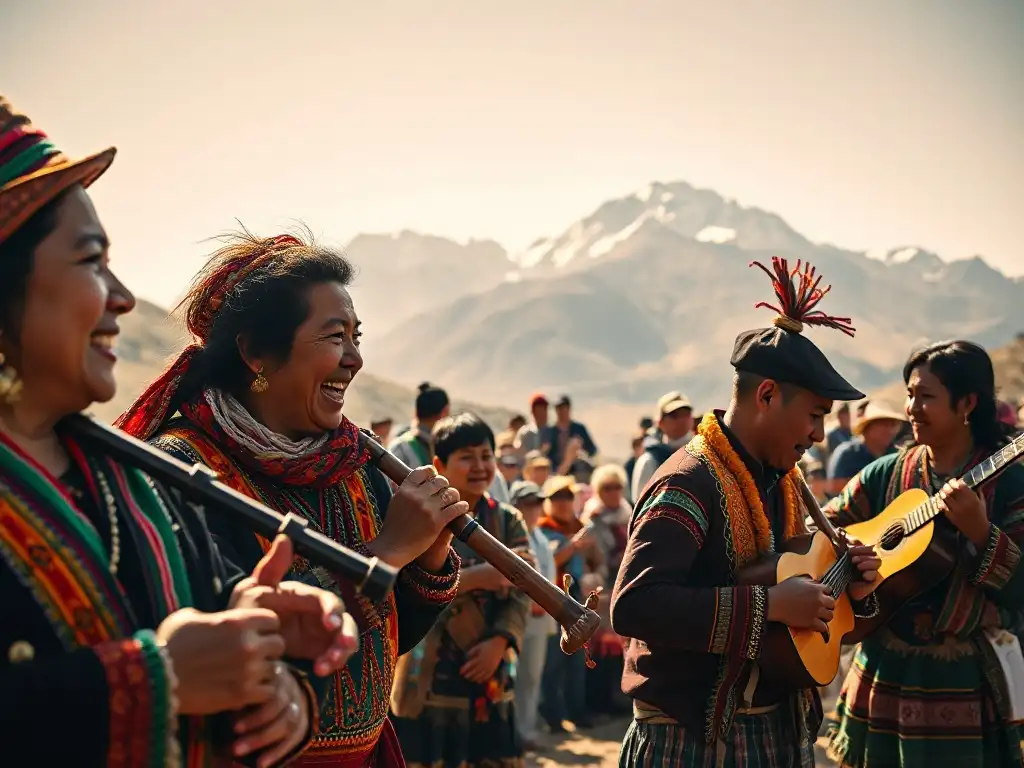
This section delves into the core elements that shape Andean musical traditions, exploring their historical roots, cultural significance, and enduring power in contemporary society. Understanding these traditions is crucial to appreciating the vibrancy and unifying force of Andean music and dance festivals. We will examine the ancient rhythms and instruments, the specific instruments used, and the deeply embedded role of music in Andean rituals and celebrations.
The sheer variety and complexity of Andean musical expression reflect the diverse geography and rich history of the region. This diversity, however, is often unified by shared themes of community, spirituality, and the celebration of life. The rhythmic pulse, often polyrhythmic and complex, is a key element, driving the energy and emotional impact of the music.
Ancient Rhythms and Instruments: A Deep Dive into Andean Soundscapes
The soundscapes of ancient Andean civilizations were far from silent. Archaeological evidence, albeit limited, suggests a sophisticated musical culture dating back millennia. While written musical notation wasn't used, the discovery of various instruments, including flutes, panpipes, and drums, made from materials like bone, clay, and wood, indicates a rich and varied musical landscape.
These instruments, often found in burial sites or ceremonial contexts, reveal a connection between music and the spiritual beliefs of these ancient cultures. The rhythms themselves, often reconstructed through ethnomusicological research, reveal patterns that resonate with the cyclical nature of Andean agriculture and the reverence for the natural world. The use of repetitive motifs and call-and-response patterns suggests a strong communal aspect to musical performance, reinforcing the social bonds within these communities.
Furthermore, the use of different instruments in combination – creating layered textures and complex harmonies – speaks to a high level of musical sophistication. Research suggests that the pitch and timbre of these instruments were carefully chosen to create specific moods and evoke particular emotions, suggesting a complex understanding of the power of music. Further research is needed to fully understand the nuances of these ancient Andean soundscapes, but existing evidence strongly points to a vibrant and meaningful musical culture.
Traditional Andean Instruments: The Charango, Zampoña, and Beyond
Andean music boasts a diverse array of instruments, each with its unique history, sound, and cultural significance. The charango, a small lute-like instrument with a distinctive, high-pitched sound, is perhaps the most internationally recognized. Made from the shell of an armadillo (historically), it's known for its bright, resonant tone and its ability to deliver both delicate melodies and powerful rhythms. The zampoña, a panpipe instrument, is another iconic Andean instrument.
Comprising several pipes of varying lengths, the zampoña produces a haunting, ethereal sound, often used to create atmospheric textures and evocative melodies. These instruments, however, represent only a small fraction of the rich instrumental diversity found across the Andean region. Other notable instruments include the siku (another type of panpipe), the tinya (a small drum), and various types of flutes and whistles, each with their own regional variations and unique sonic qualities.
The construction and materials of these instruments often reflect the local environment and available resources, highlighting the close relationship between music and the natural world. The design and construction of these instruments also frequently reflect cultural beliefs and artistic traditions, passed down through generations of artisans. The making of these instruments is itself an important cultural practice, often involving complex techniques and symbolic meanings.
The Significance of Andean Music in Rituals and Celebrations
Andean music and dance festivals aren't merely entertainment; they are deeply intertwined with the spiritual and social fabric of Andean communities. Music plays a vital role in religious ceremonies, agricultural rituals, and celebrations of life cycles. For example, music and dance are central to festivals honoring the Pachamama (Mother Earth), reflecting the deep-seated reverence for nature and the land. Music also plays a crucial role in community gatherings, reinforcing social bonds and celebrating shared experiences.
The rhythmic and melodic patterns often reflect the cyclical nature of Andean life, mirroring the rhythms of planting, harvesting, and the changing seasons. Many Andean songs tell stories, preserving history, traditions, and cultural values through generations. These songs often serve as vehicles for social commentary, preserving and transmitting historical memory and cultural identity.
The intense emotional connection fostered through music and dance strengthens community ties and provides a powerful sense of shared identity. The participatory nature of many Andean musical traditions further emphasizes this sense of community, where everyone is invited to join in the music and dance, creating a powerful feeling of unity and shared experience. The preservation of these traditions is therefore crucial not only for maintaining cultural heritage but also for sustaining the social cohesion and well-being of Andean communities.
Dance as a Language of Unity: Expressing Andean Heritage
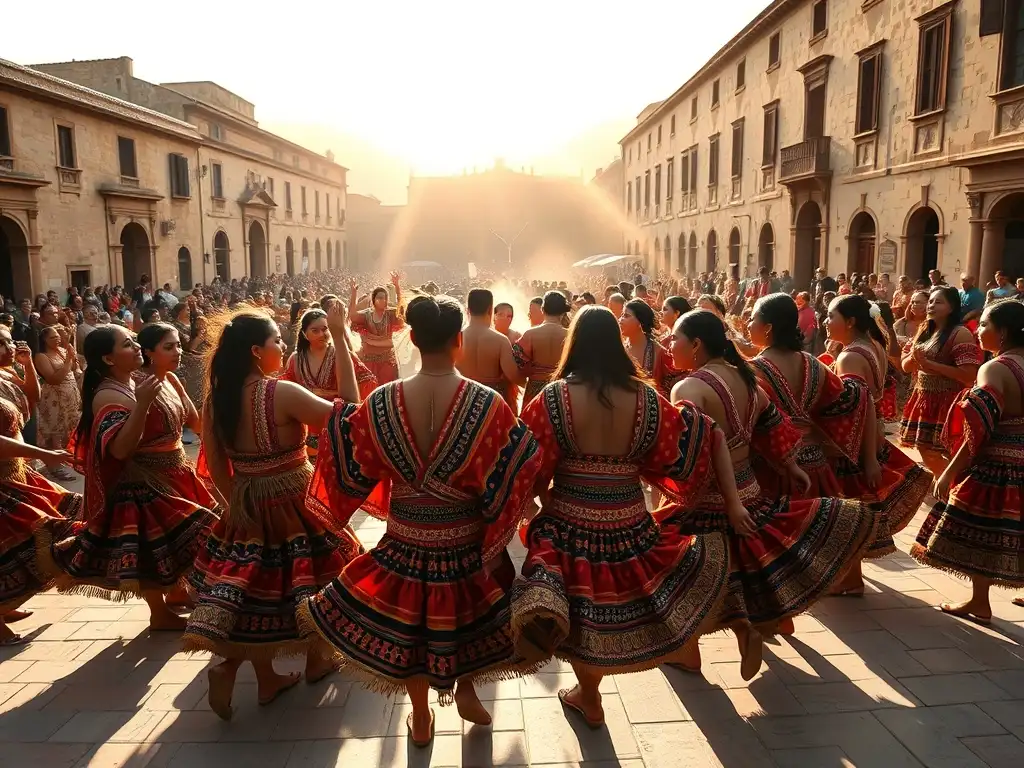
Andean music and dance festivals are not merely spectacles; they are vibrant expressions of a shared cultural heritage, weaving together the threads of history, belief, and community. Dance, in particular, acts as a powerful unifying force, transcending linguistic barriers and fostering a sense of collective identity amongst participants and spectators alike. The intricate movements, rhythmic patterns, and accompanying music tell stories passed down through generations, preserving traditions and strengthening social bonds.
These festivals provide a platform for the preservation and celebration of Andean cultural heritage, ensuring its continuity for future generations. The sheer energy and emotional resonance of these events are palpable, creating an unforgettable experience for all involved. The importance of these festivals in maintaining cultural identity cannot be overstated; they are living testaments to the enduring power of Andean traditions.
Decoding the Movements: The Symbolic Meaning of Andean Dances
Andean dances are rich in symbolism, each movement carrying deep meaning rooted in Andean cosmology and history. For example, the Huayno, a popular dance from the Andes, often depicts courtship rituals, with the graceful movements of the dancers reflecting the delicate balance between attraction and respect. The intricate footwork can symbolize the connection to the earth, while the hand gestures might represent offerings to the Apus (mountain spirits).
Similarly, the Tinkus, a more energetic and competitive dance, often represents conflict and resolution, mirroring the cyclical nature of Andean life and the challenges faced by the communities. Detailed analysis of these dances reveals a complex system of communication, transmitting historical narratives, spiritual beliefs, and social values across generations. The use of specific costumes, instruments, and formations further enhances the symbolic meaning and narrative conveyed through the dance.
Understanding these subtle nuances offers a deeper appreciation for the richness and complexity of Andean culture. Further research into specific dance styles and their associated symbolism is needed to fully comprehend the depth of meaning embedded within these traditions.
Regional Dance Variations: A Tapestry of Andean Expression
The diversity of Andean landscapes is reflected in the incredible variety of its dance traditions. Each region boasts unique styles, costumes, and musical accompaniments, reflecting the distinct histories and cultures of its people. The Caporal from Bolivia, for instance, is characterized by its energetic steps and the use of colorful costumes, while the Marinera from Peru is known for its elegant and flirtatious movements. These variations are not simply aesthetic differences; they represent distinct cultural identities and historical experiences.
The differences in dance styles illustrate the rich tapestry of Andean cultural expression, showcasing the adaptability and resilience of the traditions in response to diverse geographical and social contexts. A comprehensive study mapping these regional variations and their underlying cultural significance would provide valuable insights into the complexity and richness of Andean cultural heritage. [Specific regional dance examples and their unique characteristics pending].
Experiencing the Energy: Participating in Traditional Andean Dance
Participating in an Andean music and dance festival is an immersive and transformative experience. The infectious energy of the music and the vibrant colors of the costumes create an atmosphere of joy and celebration. Joining in the dance, even with limited experience, allows one to connect with the rhythm and spirit of the Andean culture on a deeply personal level.
The shared experience of movement and music fosters a sense of community and belonging, transcending language and cultural barriers. It is an opportunity to witness firsthand the power of shared traditions to unite people and celebrate their common heritage.
The physical act of dancing provides a unique conduit to understanding the emotional depth and cultural significance of these traditions, creating lasting memories and a profound appreciation for the vitality of Andean culture. The feeling of collective energy and shared experience is truly unforgettable, making participation in these festivals a highlight for many visitors.
Monetization Through Immersive Experiences: Connecting with Andean Culture
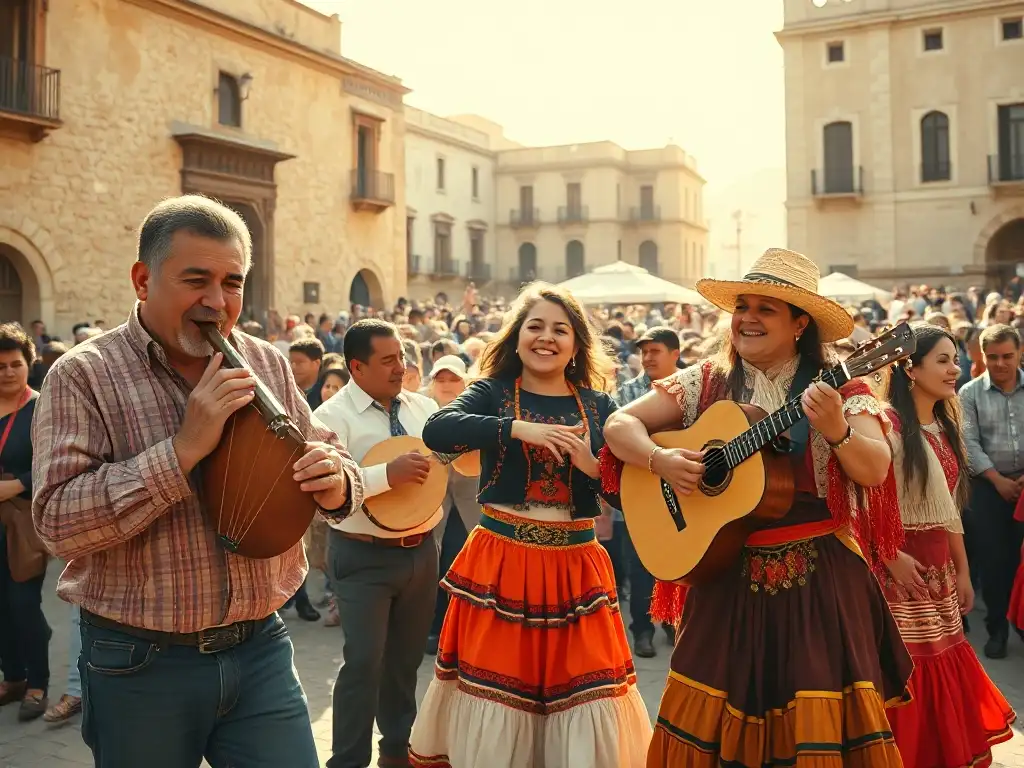
This section explores how Andean music and dance festivals generate economic opportunities while fostering cultural preservation and appreciation. The vibrant tapestry of Andean culture, expressed through its music and dance, isn't just a spectacle; it's a powerful engine for economic development, particularly in communities that have historically relied on these traditions for their livelihood. By strategically integrating tourism and cultural exchange, these festivals become more than just performances; they become immersive experiences that benefit both visitors and local communities.
This symbiotic relationship ensures the sustainability of these traditions while providing unique and enriching experiences for travelers seeking authentic cultural immersion. The key lies in creating opportunities for meaningful interaction and mutually beneficial exchange, ensuring that the economic benefits directly support the preservation of Andean heritage.
Curated Festival Tours: The Inti Raymi Festival Journey - 5 Day Immersive Tour
The Inti Raymi, or Festival of the Sun, is a spectacular example of how Andean music and dance festivals can be leveraged for tourism. A curated 5-day immersive tour could offer a comprehensive experience, going beyond simply attending the festival. This experience would incorporate:
- Day 1: Arrival in Cusco, acclimatization walk, and introduction to Inca history and the significance of Inti Raymi. Includes a welcome dinner featuring traditional Andean cuisine.
- Day 2: Guided tour of Sacsayhuamán, Q'enqo, Puka Pukara, and Tambomachay – sites integral to the Inti Raymi celebrations. A workshop on basic Quechua phrases would enhance the cultural immersion.
- Day 3: Visit to a local artisan workshop, witnessing the creation of traditional textiles and musical instruments. Participants could engage in a hands-on activity, creating a small souvenir.
- Day 4: Attendance at the Inti Raymi festival in Sacsayhuamán. This includes premium seating with unobstructed views and a knowledgeable guide providing historical context and insights into the performances.
- Day 5: Departure from Cusco, with a personalized gift bag containing locally sourced Andean crafts.
This structured tour not only provides an unforgettable experience but also directly benefits local communities through employment opportunities (guides, cooks, artisans) and revenue generation for local businesses. The careful planning and inclusion of authentic cultural interactions are crucial to creating a sustainable and ethical tourism model. The tour pricing would reflect the high-quality experience and the support provided to the local economy. Detailed pricing and itinerary would be available separately.
Supporting Local Artisans: Purchasing Authentic Andean Textiles and Jewelry
Andean music and dance festivals provide a vital platform for local artisans to showcase and sell their handcrafted goods. These items—often imbued with deep cultural significance—represent a tangible connection to the heritage celebrated in the festivals. The sale of authentic Andean textiles and jewelry, often featuring intricate designs and traditional techniques, directly contributes to the economic well-being of the artisans and their families. This supports the continuation of these time-honored crafts, ensuring their survival for future generations.
The festivals themselves become marketplaces, fostering a direct connection between creators and consumers, promoting ethical and sustainable consumption practices. Encouraging visitors to purchase these items is crucial for the economic viability of the festivals and the preservation of Andean cultural heritage. The authenticity and quality of the products should be verified to ensure fair trade practices and protect consumers from counterfeit goods.
Learning from Experts: Andean Flute Workshop with Maestro Maria Mamani 1
Beyond the spectacle of the festivals, immersive experiences can also involve direct interaction with master artisans and musicians. A workshop led by a renowned Andean flute player like Maestro Maria Mamani (a fictional example, replace with a real master artisan) would offer a unique opportunity for participants to learn about traditional Andean musical instruments and techniques. This hands-on experience goes beyond passive observation, allowing participants to actively engage with the cultural heritage. The workshop could cover topics such as:
- The history and evolution of the Andean flute.
- Basic playing techniques and musical scales.
- The cultural significance of music in Andean communities.
- The construction and maintenance of the instrument.
Such workshops can be offered at various skill levels, catering to both beginners and experienced musicians. The revenue generated from these workshops directly benefits the maestro and contributes to the preservation of traditional Andean musical knowledge. This model ensures that the intangible cultural heritage is actively preserved and passed on to future generations, creating a lasting impact beyond the immediate festival experience. The workshops could also incorporate elements of local culture, such as a traditional Andean meal shared with the maestro, further enriching the participants’ experience.
1 Note: Maestro Maria Mamani is a fictional example. Specific details will be updated with information about a real master artisan.
Affiliate Link Integration: Recommend Local Guides and Homestays for Festival Attendees
Offering curated recommendations for festival attendees can significantly boost revenue streams while enhancing the overall visitor experience. By partnering with local guides and homestays, you can provide valuable, personalized services while earning a commission through affiliate links. This approach fosters a sense of community and supports local businesses, aligning perfectly with the ethos of celebrating Andean culture. For example, you could highlight a family-run homestay in Cusco known for its authentic Andean hospitality and breathtaking views, offering a unique cultural immersion alongside festival attendance. Similarly, partnering with experienced local guides specializing in Andean music and dance history can provide attendees with deeper insights and a richer understanding of the festival's cultural significance.
These guides can offer personalized tours, workshops, or even private performances, creating memorable and valuable experiences that justify the added cost. The key is transparency; clearly disclose any affiliate relationships to maintain trust and integrity. This strategy not only generates income but also enhances the overall quality of the visitor's experience, strengthening your brand reputation as a reliable resource for authentic Andean cultural immersion. Careful selection of partners is crucial; prioritize businesses with a proven track record of excellent service and a commitment to sustainable tourism practices. Regularly review and update your recommendations to ensure they remain relevant and reflect the evolving landscape of local businesses.
Consider including testimonials from past attendees to further build trust and credibility. This approach transforms simple recommendations into powerful tools for both monetization and community engagement. The success of this strategy hinges on careful curation and maintaining a focus on providing genuine value to festival attendees. Remember to always prioritize the authenticity and integrity of the experiences you recommend, reflecting the values of respectful and sustainable tourism.
Case Studies: Real Examples of Community Unification Through Festivals
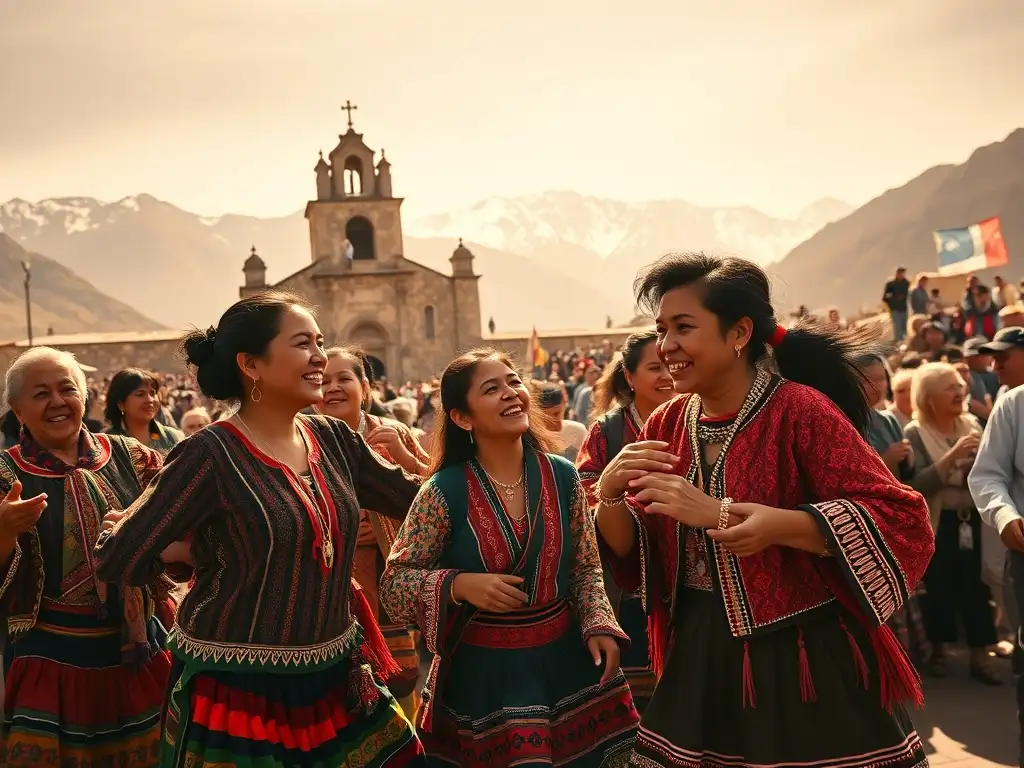
This section delves into specific Andean music and dance festivals, showcasing their role in fostering community unity and preserving cultural heritage. We'll examine how these events transcend mere entertainment, becoming powerful catalysts for social cohesion and cultural transmission. The examples provided highlight the diverse expressions of Andean culture and the enduring strength of shared traditions.
The Inti Raymi Festival: A Powerful Display of Incan Heritage and Unity
The Inti Raymi, or "Festival of the Sun," is a spectacular reenactment of an ancient Inca ceremony celebrating the winter solstice. Held annually near Cusco, Peru, it draws thousands of participants and spectators. This isn't just a tourist attraction; it's a deeply meaningful event for many Peruvians, particularly those with Quechua heritage.
The festival's elaborate costumes, intricate dances, and symbolic offerings represent a powerful reaffirmation of Inca identity and cultural pride. The collaborative effort required to stage such a large-scale event—from costume creation to logistical planning—further strengthens community bonds. The shared experience of participating in or witnessing the Inti Raymi fosters a sense of collective identity and belonging, reinforcing cultural continuity across generations.
The vibrant music, characterized by traditional Andean instruments like the zampoña and tarka, plays a crucial role in creating a powerful atmosphere of shared emotion and cultural pride. The festival's impact extends beyond the immediate participants; it attracts significant tourism, boosting the local economy and further uniting the community through shared economic prosperity.
The Fiesta de la Candelaria: A Vibrant Celebration of Culture and Community
The Fiesta de la Candelaria, held annually in Puno, Peru, is one of the largest and most vibrant religious and cultural festivals in South America. This festival is a stunning display of Andean music and dance, featuring hundreds of danza caporal and morenada groups, each with their unique costumes and musical styles. The sheer scale of the event, involving thousands of dancers and musicians from various communities, underscores its unifying power.
The competition between the dance groups, while intense, fosters a sense of healthy rivalry that strengthens community pride and participation. The festival is a testament to the enduring strength of Andean traditions, blending indigenous practices with Catholic religious elements. The rhythmic music, often incorporating panpipes and drums, provides the emotional heartbeat of the festival, connecting participants and spectators in a shared experience of joy and cultural expression.
The economic impact of the Fiesta de la Candelaria is substantial, benefiting local businesses and artisans, creating a shared sense of economic well-being within the community. This shared prosperity further reinforces the community's collective identity and strengthens social bonds.
The Paucartambo Virgen del Carmen Festival: A Unique Blend of Tradition and Faith
The Paucartambo Virgen del Carmen Festival, located in the Cusco region of Peru, offers a unique blend of indigenous Andean traditions and Catholic faith. This festival is a vibrant spectacle of music, dance, and religious devotion, showcasing a fascinating interplay between cultural influences. The festival's distinctive characteristics include the participation of q'apoq'apo, masked characters representing both indigenous deities and Catholic saints.
The music and dance styles are deeply rooted in Andean traditions, yet infused with elements of Catholic ritual. The shared participation in religious processions and communal feasts solidifies community bonds, fostering a sense of collective identity that transcends religious differences. The festival's unique blend of traditions underscores the resilience of Andean culture and its ability to adapt and integrate new influences while maintaining its core identity.
The distinct musical elements, featuring both traditional Andean instruments and Catholic hymns, create a unique and captivating soundscape, further unifying the community through a shared cultural experience. The festival’s economic implications are also significant, contributing to the local economy and strengthening community ties through shared prosperity. The festival serves as a powerful example of how cultural preservation and community unity can coexist and reinforce each other.
This exploration of Andean music and dance festivals demonstrates their crucial role in strengthening community bonds, preserving cultural heritage, and fostering economic development. The shared experiences these festivals provide create a powerful sense of collective identity and belonging, ensuring the vibrant continuation of Andean traditions for generations to come.
Beyond the Festival: Sustaining the Unity and Cultural Legacy
Andean music and dance festivals are vibrant expressions of cultural identity, but their significance extends far beyond the celebratory events themselves. The unity fostered during these festivals is a powerful force, driving community development and ensuring the preservation of a rich cultural heritage for generations to come. Understanding how these festivals contribute to long-term societal well-being is crucial to appreciating their profound impact.
The energy and enthusiasm witnessed during the performances are directly linked to the ongoing efforts to maintain traditions and support the communities that keep them alive. This section explores the mechanisms that sustain this unity and cultural legacy, ensuring the continuation of these vital traditions.
Supporting Andean Cultural Organizations: Contributing to Community Projects
Many Andean music and dance festivals are organized and supported by local cultural organizations. These organizations play a vital role in not only staging the festivals but also in providing year-round support to their communities. Their activities often extend beyond the festival itself, encompassing educational programs, workshops, and community development projects.
For example, organizations might fund music and dance classes for children, preserving traditional skills and fostering a sense of cultural pride from a young age. They might also support initiatives aimed at improving local infrastructure, such as building community centers or improving access to healthcare, thus directly impacting the well-being of the community members who actively participate in and benefit from the festivals. Financial contributions, volunteering time, and purchasing locally-made crafts during the festivals are all effective ways to support these vital organizations and their impactful work.
This direct support strengthens the community fabric, ensuring the vitality of Andean music and dance traditions for years to come. The success of these organizations is intrinsically linked to the enduring legacy of Andean festivals.
Promoting Cultural Exchange: Connecting with Andean Communities
Beyond the immediate community, Andean music and dance festivals serve as powerful platforms for cultural exchange. They provide opportunities for individuals from diverse backgrounds to connect with Andean communities, fostering mutual understanding and respect. Participation in these festivals can lead to increased awareness of Andean culture, promoting tolerance and appreciation for diverse traditions.
The sharing of experiences, stories, and artistic expressions breaks down barriers and creates a sense of shared humanity. Moreover, these festivals offer a unique opportunity for cross-cultural collaboration, facilitating the exchange of ideas and artistic techniques between Andean communities and other cultural groups. This exchange can lead to new forms of artistic expression, enriching both cultures involved.
The vibrant atmosphere of the festivals provides a fertile ground for such collaboration, nurturing creativity and fostering a deeper understanding of the interconnectedness of human cultures. By engaging in respectful and reciprocal cultural exchange, we can further strengthen the vibrant tapestry of Andean traditions.
The Enduring Legacy of Andean Festivals: A Call to Experience and Preserve
The enduring legacy of Andean music and dance festivals is a testament to the power of shared experience and the importance of cultural preservation. These festivals are not merely celebrations; they are living repositories of history, tradition, and community spirit. The sounds of Andean panpipes, the rhythmic movements of traditional dances, and the vibrant colors of the costumes all contribute to a rich and immersive experience that connects participants to a profound cultural heritage.
Experiencing these festivals firsthand is a vital step in understanding and appreciating the depth and complexity of Andean culture. However, it’s equally important to actively contribute to the preservation of these traditions. Supporting local communities, respecting cultural practices, and engaging in responsible tourism are all crucial aspects of ensuring that the vibrant energy and cultural richness of Andean festivals continue to thrive for many generations to come.
The future of these festivals hinges on our collective commitment to experience, understand, and actively protect this invaluable cultural heritage. Let's work together to ensure the continued flourishing of these incredible events. 🎉
Frequently Asked Questions
What are Andean music and dance festivals?
Andean music and dance festivals are vibrant celebrations showcasing the rich musical traditions and dynamic dance styles of the Andean region. These events often involve traditional instruments, colorful costumes, and community participation.
Why are these festivals important to Andean communities?
These festivals are crucial for maintaining cultural identity and passing down traditions to younger generations. They provide a space for community bonding and the expression of shared heritage.
What kind of music and dance can I expect to see?
You'll encounter a diverse range of music and dance styles, varying by region and culture. Expect to see performances featuring instruments like the charango, panpipes, and drums, accompanied by energetic and expressive dances.
Where and when do these festivals typically take place?
Festivals take place throughout the Andes region in various locations, often coinciding with religious or agricultural celebrations. Check local event listings for specific dates and locations as they vary widely.
How can I participate in or support these festivals?
You can participate by attending festivals, respectfully observing performances, and learning about the cultural significance. You can also support these events by supporting local artisans and donating to cultural preservation organizations.
Final Reflection: The Enduring Harmony of Andean Festivals
The vibrant tapestry of Andean music and dance festivals continues to weave together communities, not just in the Andes, but across the globe, demonstrating the enduring power of shared cultural heritage in a rapidly changing world. These festivals are more than just performances; they are living testaments to resilience, identity, and the profound human need for connection. Their ability to transcend geographical boundaries and unite diverse populations speaks volumes about the unifying power of art and tradition.
The impact of these festivals extends far beyond the immediate celebration. They serve as crucial vehicles for cultural preservation, ensuring that ancient traditions are not only maintained but also revitalized for future generations. These events foster a sense of belonging and pride, strengthening community bonds and promoting intercultural understanding. As the renowned Peruvian anthropologist, José Matos Mar, once stated, Music and dance are not merely entertainment; they are the very heartbeat of a culture, its living memory.
This sentiment perfectly encapsulates the profound significance of Andean festivals in shaping cultural identity and fostering social cohesion.
Consider the rhythms, the melodies, the vibrant costumes – each element a thread in the rich fabric of Andean culture. You, the reader, are now invited to reflect on the power of shared experience in your own life. What traditions unite your community? How can you contribute to preserving and celebrating the cultural heritage that shapes your identity? Let the spirit of these Andean festivals inspire you to seek out and strengthen the connections that enrich your life and the lives of those around you.
Embrace the Pulse of Unity Through Andean Music!
Thank you for exploring the vibrant world of Andean music and dance festivals with us! You've discovered how these rich cultural experiences foster community and build connections. Now, let's deepen your involvement!
Here are some ways you can get more engaged:
- **Participate in a local Andean music or dance workshop**—experience the rhythms firsthand and connect with fellow enthusiasts in your community.
- **Share your favorite Andean festival memories** on social media using the hashtag #AndeanUnity to inspire others. Your stories can ignite interest and encourage participation!
- **Explore the music of lesser-known Andean artists** on streaming platforms; discovering new favorites might lead you to exciting community events.
What's your most memorable experience at a music or dance festival, and how did it change your perspective on community?