
From Panpipes to Percussion: A Sonic Exploration of Andean Musical Diversity

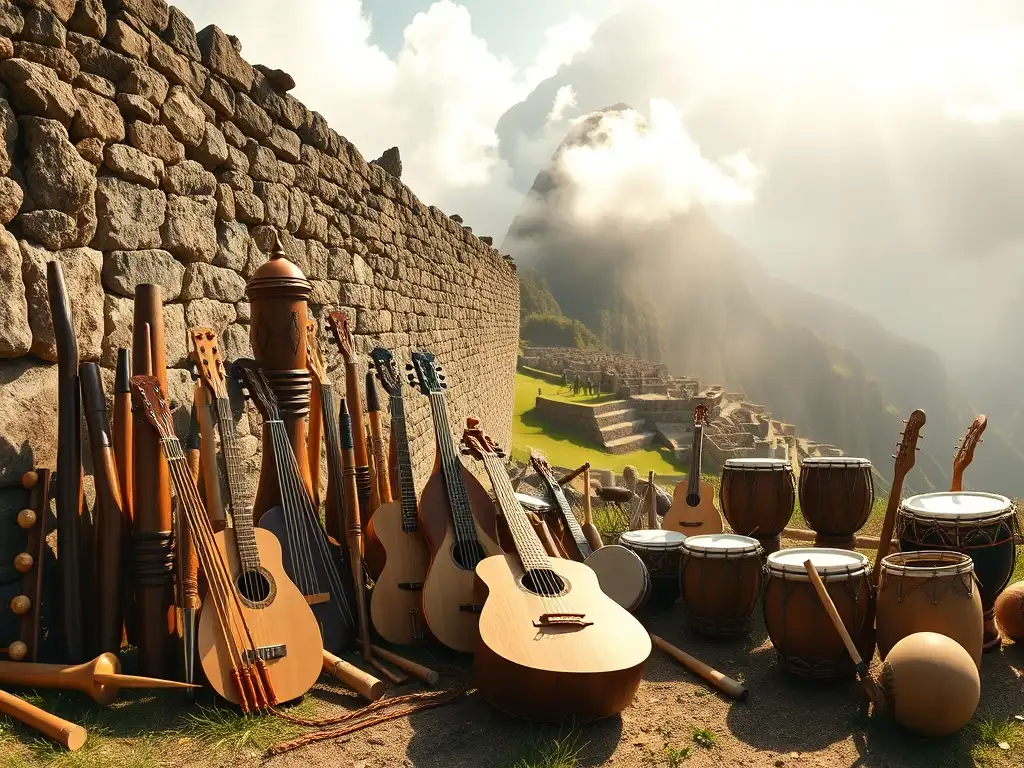
Uncover the echoes of empires! Journey with us through the vibrant tapestry of Andean Civilizations, where towering mountains held secrets whispered on the wind. From the intricate artistry of the Nazca lines to the ingenuity of Inca engineering, we delve into a world of wonder. But what instruments accompanied these ancient societies? Prepare to be captivated by the rich history of Andean music history instruments, a sonic exploration that reveals the heart and soul of a remarkable heritage. Discover the stories behind the sounds… your adventure begins here.
- Unveiling the Rich Tapestry of Andean Music History and Instruments
- The Iconic Instruments of Andean Music: A Deep Dive
- Experiencing Andean Music: Options for Immersion
- Monetization Opportunities within Andean Music
- Conclusion: Preserving the Legacy of Andean Music
-
Frequently Asked Questions
- What instruments were commonly used in ancient Andean music?
- How did Andean music reflect the culture and beliefs of the people?
- What is the significance of the panpipes (antara) in Andean musical history?
- How has Andean music evolved over time?
- Where can I learn more about the history of Andean musical instruments?
- Final Reflection: Echoes of the Andes: A Legacy of Sound
- Uncover the Rhythms of the Andes!
Unveiling the Rich Tapestry of Andean Music History and Instruments
The Andes Mountains, a spine of towering peaks running down the western edge of South America, are not only a breathtaking geographical feature but also a cradle of vibrant and diverse musical traditions. For millennia, the indigenous peoples of this region – including the Incas, Moche, Nazca, and Tiahuanaco – have woven intricate sonic tapestries reflecting their unique cultures, beliefs, and daily lives. This exploration delves into the fascinating history of Andean music, examining the evolution of instruments and their profound significance within Andean societies.
From the haunting melodies of panpipes to the rhythmic pulse of percussion instruments, we'll uncover the rich sonic heritage that continues to resonate today. This journey will illuminate the deep connection between Andean music history, its instruments, and the enduring spirit of these remarkable civilizations. Understanding this history allows us to appreciate the profound cultural legacy of Andean music and its continuing influence on the world stage.
We will explore the evolution of Andean musical instruments, tracing their development from ancient times to their present-day forms. Prepare to be captivated by the sounds of the Andes! 🎶
The Ancient Roots of Andean Musical Traditions
The earliest forms of Andean music are shrouded in the mists of time, but archaeological evidence suggests a long and continuous tradition dating back thousands of years. Pre-Columbian cultures developed sophisticated musical instruments crafted from readily available materials such as wood, bone, stone, and metal. These early instruments weren't merely for entertainment; they played vital roles in religious ceremonies, agricultural cycles, and social gatherings.
Evidence from sites like Chavín de Huántar reveals the presence of intricately carved flutes and ocarinas, indicating a high level of musical sophistication. The sounds produced by these ancient instruments likely accompanied rituals dedicated to honoring deities, ensuring successful harvests, and celebrating community events. Furthermore, the discovery of various percussion instruments, like drums and rattles, suggests a strong rhythmic element in their musical expressions.
These early forms of Andean music laid the foundation for the rich and diverse musical landscape we see today. The complexity and artistry of these ancient instruments testify to the ingenuity and cultural depth of these early Andean civilizations. Further research is needed to fully understand the nuances of their musical practices, but the available evidence paints a picture of a vibrant and deeply meaningful musical tradition.
Exploring the Significance of Music in Andean Civilizations
Music held a central position in the lives of Andean civilizations, extending far beyond mere entertainment. It was deeply intertwined with their spiritual beliefs, social structures, and daily routines. For example, the Incas, known for their vast empire, utilized music extensively in religious ceremonies and imperial celebrations. Music served as a tool to communicate with the gods, honor ancestors, and reinforce the power of the Inca rulers.
The panpipes, siku (panpipes), and pututu (a shell trumpet) were among the most prominent instruments used in Inca rituals, their sounds believed to possess spiritual power. Similarly, other Andean cultures, such as the Moche and Nazca, incorporated music into their agricultural practices and community festivals. Rhythmic drumming and chanting likely accompanied planting and harvesting rituals, while festive occasions involved elaborate musical performances showcasing the unique musical styles of each community.
This deep integration of music into the fabric of Andean life highlights its significance as a powerful force shaping their social identities and cultural expressions. Understanding this context is key to appreciating the true depth and richness of Andean musical heritage. The legacy of these ancient musical traditions continues to inspire and influence Andean music today, demonstrating the enduring power of music to connect people across time and generations.
The Iconic Instruments of Andean Music: A Deep Dive
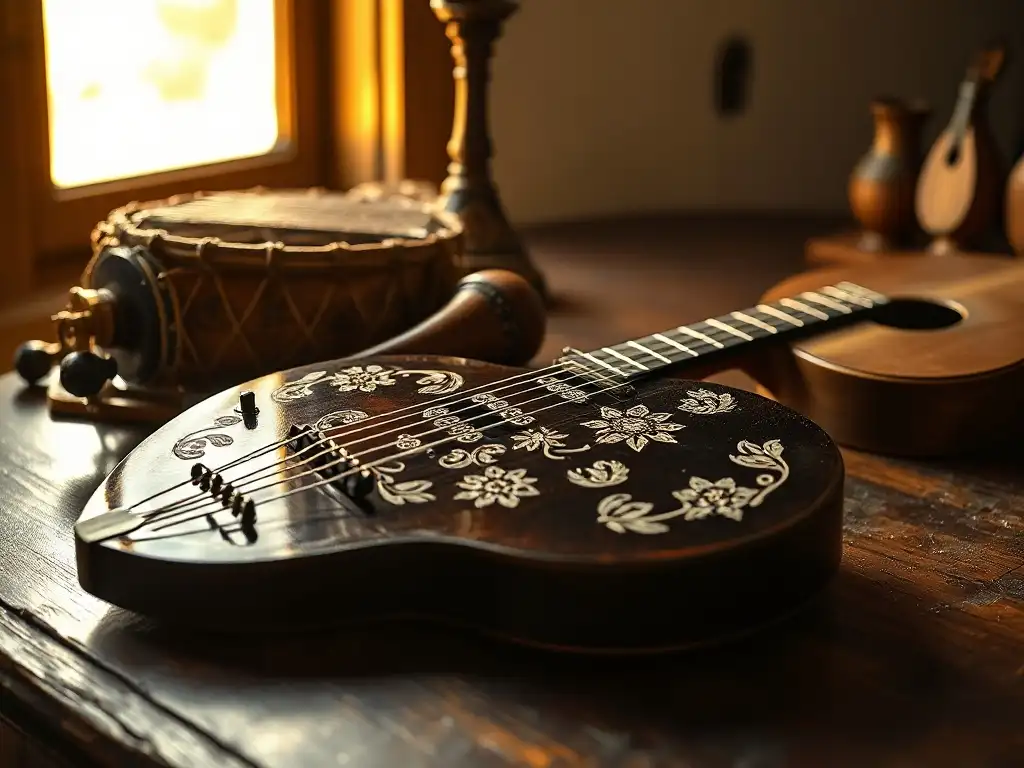
This section delves into the fascinating world of Andean instruments, exploring their unique characteristics, historical significance, and cultural impact within the broader context of Andean music history. We'll examine not only the sounds these instruments produce but also the craftsmanship, materials, and traditions surrounding their creation and performance. Understanding these instruments is key to appreciating the rich tapestry of Andean musical heritage. The keyword "Andean music history instruments" will be explored through detailed examples and analysis.
The Siku: Master of the Andean Panpipes
The siku, a panpipe instrument, is arguably the most recognizable symbol of Andean music. Its haunting melodies and intricate playing techniques have captivated audiences for centuries. The word "siku" itself encompasses a family of instruments, exhibiting variations in size, number of pipes, and regional styles. These differences reflect the diverse musical traditions across the Andes.
Features and Variations of the Siku
The siku typically consists of two panpipes, often referred to as arka (male) and ira (female), played simultaneously. The arka generally has a lower pitch and fewer pipes than the ira. The pipes are usually made from cane or bamboo, carefully selected and tuned to create a harmonious sound. Variations exist across different regions:
- Bolivian Siku: Known for its bright, clear tone and often features a larger number of pipes.
- Peruvian Siku: Characterized by a slightly softer, more mellow sound and sometimes utilizes different materials.
- Aymara Siku: Associated with specific Aymara communities and their unique musical traditions, often featuring distinctive tunings.
These are just a few examples; the diversity in siku design and playing styles is remarkable, reflecting the cultural richness of the Andean region. The meticulous crafting of each siku, a process passed down through generations, is a testament to the enduring value placed on this instrument within Andean music history. The skill required to play the siku proficiently adds another layer of complexity to its appeal.
Where to Buy High-Quality Siku
Acquiring a high-quality siku requires careful consideration. Many factors contribute to the instrument's sound and playability, including the materials used, the precision of the tuning, and the overall craftsmanship. It's advisable to seek out reputable artisans and instrument makers who specialize in traditional Andean instruments. Researching different makers and reading reviews can help ensure a satisfying purchase.
Consider the type of siku (Bolivian, Peruvian, etc.) you are interested in to find a maker specializing in that style. A well-made siku is a valuable investment that will provide years of musical enjoyment. Remember to prioritize quality over price to ensure a satisfying experience learning and playing this fascinating instrument.
Charango: The Soulful Voice of the Andes
The charango, a small, lute-like instrument, holds a special place in Andean music. Its distinctive sound, often described as bright and cheerful yet capable of expressing deep emotion, adds a unique character to Andean musical ensembles. Its history is intertwined with the cultural evolution of the Andes, making it an important symbol of Andean musical heritage and identity.
The History and Construction of the Charango
The charango's origins are somewhat debated, but its current form evolved during the colonial period, drawing inspiration from both European and indigenous Andean musical traditions. Traditionally, the charango's body is made from the shell of an armadillo, a unique feature that contributes to its distinctive sound. However, modern charangos may also use other materials, such as wood, maintaining the ten-string configuration. The strings are typically made of nylon or metal. The construction process involves meticulous craftsmanship, reflecting the instrument's cultural importance. Master charango makers meticulously select and prepare the wood or shell, ensuring the instrument's resonance and playability.
Choosing Your First Charango
Selecting your first charango requires careful consideration. Factors such as size, type of wood or shell, and string gauge will all influence the instrument's sound and playability. Beginners might find smaller charangos easier to handle, while more experienced players might prefer larger instruments with a broader tonal range. It's crucial to inspect the instrument for any defects, ensuring the strings are properly installed and the tuning pegs function smoothly.
Consider seeking guidance from experienced charango players or instructors when making your purchase. A well-chosen charango can be a rewarding companion on your musical journey, allowing you to explore the rich expressive possibilities of this captivating Andean instrument. Investing in quality will ensure years of enjoyment and musical exploration.
The Bombo: The Rhythm of Andean Percussion
The bombo, a large, double-headed bass drum, is arguably the most iconic percussion instrument in Andean music. Its deep, resonant sound forms the rhythmic backbone of countless traditional genres, providing a powerful and captivating pulse that drives the music forward. The sheer size and weight of the bombo—often reaching impressive dimensions—contribute to its profound sonic impact.
Its construction, typically from wood and stretched animal hide, further enhances its ability to produce rich, low-frequency tones that resonate deeply within the listener. The bombo's presence is not merely sonic; it’s a visual spectacle, often prominently displayed during performances, its size commanding attention and reinforcing its central role in the musical ensemble.
The craftsmanship involved in creating a bombo is a testament to the enduring connection between Andean communities and their musical heritage. Each drum is essentially a handcrafted work of art, reflecting the unique skills and traditions passed down through generations of artisans.
The Role of the Bombo in Andean Music Ensembles
The bombo’s role within Andean music ensembles is multifaceted and crucial. It doesn't simply keep time; it dictates the overall feel and energy of the performance. In many traditional styles, the bombo provides the foundational rhythmic structure, setting the tempo and pulse for other instruments to follow.
Its deep tones create a sense of grounding and stability, while its dynamic playing—from subtle rolls to powerful strikes—can build intensity and excitement. The interplay between the bombo and other percussion instruments, such as the tinya or the cajas, creates complex rhythmic textures that are characteristic of Andean music. Furthermore, the bombo's rhythmic patterns often reflect the cultural and social context of the performance, carrying symbolic meanings and communicating narratives through subtle variations in its playing style.
For instance, specific rhythmic motifs might be associated with particular dances, celebrations, or even historical events. The bombo is, therefore, not just an instrument; it's a vital component of the cultural fabric of the Andes.
Exploring Different Bombo Styles and Materials
While the basic design of the bombo remains consistent across Andean regions, variations exist in size, material, and playing techniques. The size of the bombo can vary significantly, from relatively smaller drums used in intimate settings to massive instruments employed in large-scale public performances. The materials used in its construction also differ; while animal hides are traditionally used for the drumheads, the type of animal skin can affect the sound, with some hides producing a brighter, sharper tone than others.
The wood used for the drum body can also influence the overall resonance and timbre of the instrument. Similarly, the way the bombo is played varies regionally. Some Andean communities employ specific striking techniques, using mallets or sticks of different sizes and materials to produce a range of sounds and textures.
These regional variations showcase the rich diversity of Andean musical traditions and the adaptability of the bombo to different musical contexts. The bombo's versatility is a testament to its enduring appeal and its continued relevance in contemporary Andean music.
Other Notable Andean Instruments and their Historical Significance
Beyond the bombo, a rich tapestry of instruments contributes to the vibrant soundscapes of Andean music. Each instrument, steeped in history and cultural significance, plays a unique role in shaping the distinctive character of the region's musical heritage. The use of these instruments often reflects the close relationship between Andean cultures and their environment, utilizing materials readily available in the surrounding landscape.
This deep connection between music and nature is central to understanding the profound cultural significance of Andean musical instruments. The diversity of these instruments across different Andean communities highlights the rich tapestry of traditions and cultural expressions that have evolved over centuries.
The Quena: A Traditional Andean Flute
The quena, a simple yet expressive end-blown flute, holds a prominent place in Andean music. Crafted from various materials, including wood and cane, its haunting melodies have resonated through the Andes for centuries. The quena's distinctive sound, characterized by its breathy tone and evocative melodies, is often used to create both melancholic and joyful expressions. Its relatively simple construction belies its expressive capabilities, allowing skilled players to produce a wide range of notes and intricate musical phrases.
The quena's enduring popularity is a testament to its versatility and its ability to convey a wide spectrum of emotions. It has been used in both traditional and contemporary Andean music, demonstrating its adaptability and enduring appeal. Many Andean musicians consider the quena an integral part of their cultural identity, passed down through generations of musicians.
The Wankara: A Powerful Bass Drum
The wankara, another significant percussion instrument, differs from the bombo in its size and construction. Generally smaller than the bombo, the wankara still delivers a powerful, resonant bass sound. Its compact size makes it more portable, making it suitable for a wider range of performance settings. The wankara's distinctive sound complements the bombo, adding depth and complexity to the rhythmic textures of Andean music ensembles.
While the bombo might provide the foundational pulse, the wankara adds subtle rhythmic variations and accents, enhancing the overall rhythmic intricacy. Its construction, often using similar materials to the bombo, contributes to its deep, resonant tone. Like the bombo, the wankara's craftsmanship reflects the enduring skill and artistry of Andean artisans. Its role in Andean music is vital, showcasing the importance of percussion in shaping the distinctive musical landscape of the region.
Experiencing Andean Music: Options for Immersion
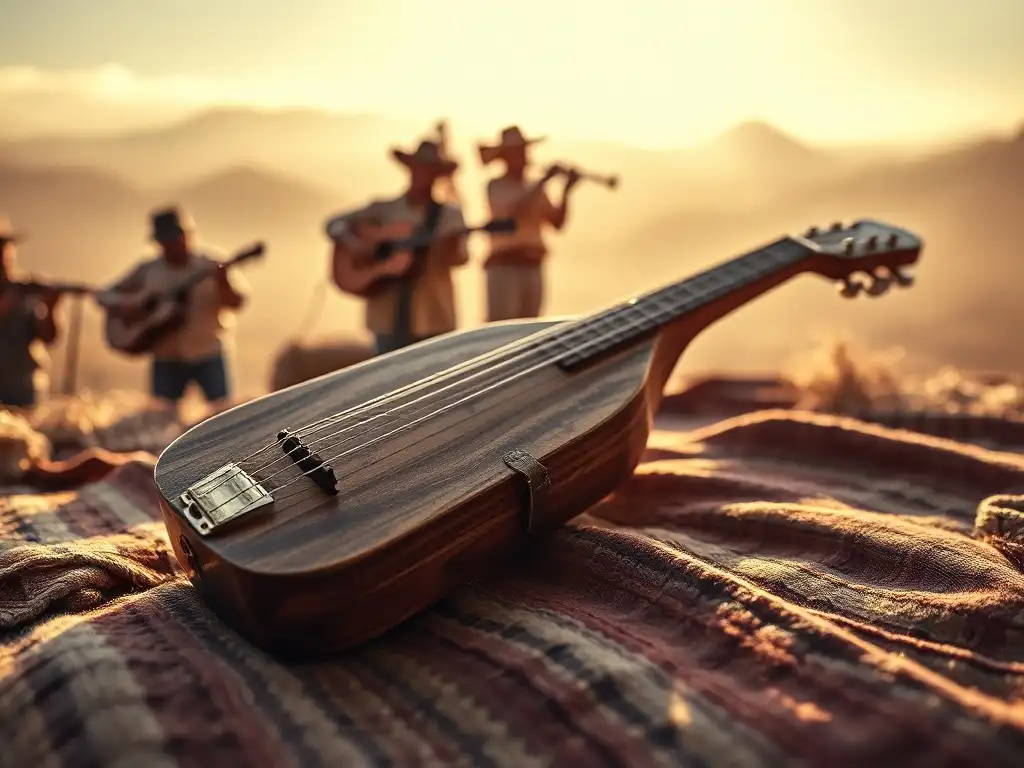
This section delves into the practical aspects of experiencing the vibrant soundscapes of Andean music firsthand. Beyond simply listening, immersive engagement offers a deeper understanding of the cultural significance and historical context of Andean music history instruments. We'll explore two key avenues: attending authentic festivals and learning to play the instruments yourself.
Attending Authentic Andean Music and Dance Festivals
Attending an Andean music and dance festival provides an unparalleled opportunity for immersion. These vibrant events showcase a diverse range of musical styles and instruments, often incorporating traditional dances and costumes. The energy is infectious, offering a powerful connection to the rich cultural heritage of the Andes. Many festivals celebrate specific Andean communities or historical events, enriching the experience with contextual information.
Tips for Choosing the Right Festival Experience
Choosing the right festival hinges on your priorities. Do you prioritize specific instruments, like the charango or zampoña? Are you interested in a particular Andean region's musical traditions, such as the Incan or Moche styles? Consider these factors when making your selection:
- Geographic Location: Festivals across the Andes offer diverse experiences. Some might focus on coastal traditions, while others highlight high-altitude Andean music history instruments and styles.
- Festival Size and Scope: Smaller, more intimate festivals can offer a closer connection with performers and a more personal experience. Larger festivals provide greater variety but might feel less intimate.
- Focus and Theme: Many festivals center around specific themes, such as a particular instrument family or a historical period. Choose a festival that aligns with your interests.
- Time of Year: Festival schedules vary widely. Research carefully to find a festival that fits your travel plans.
Remember to check for accessibility information and plan your transportation and accommodation in advance. A well-planned trip ensures a truly memorable experience, allowing you to fully appreciate the depth and beauty of Andean music and dance.
Learning to Play Andean Instruments: Online Courses and Workshops
For a more hands-on approach, learning to play Andean instruments offers a unique pathway to understanding their cultural significance. While mastering these instruments takes time and dedication, even a basic understanding can deepen your appreciation for the nuances of Andean music history instruments and their role in Andean culture. Many resources are now available online and in person.
Recommended Learning Resources and Tutors
Several options exist for those interested in learning. Online platforms offer courses on various Andean instruments, providing structured learning experiences with video tutorials and interactive exercises. These courses cater to different skill levels, from beginners to advanced players. Additionally, many experienced Andean musicians offer private or group workshops, providing personalized instruction and valuable insights into the cultural context of the music.
Seeking out a tutor with a strong understanding of the instrument's history and cultural significance is crucial for a complete learning experience. Look for instructors with proven experience and positive reviews from previous students. The investment in time and resources will be richly rewarded by the deeper understanding and enjoyment derived from playing these fascinating instruments. Remember to consider the specific instrument you wish to learn, as each presents its own unique challenges and rewards within the broader context of Andean music history instruments.
Purchasing High-Quality Andean Music Recordings and Instruments
Acquiring authentic Andean music recordings and instruments can be a rewarding experience, enriching your understanding and appreciation of this vibrant musical tradition. However, navigating the market requires discernment to ensure you're obtaining high-quality items that reflect the cultural heritage accurately. The market is diverse, ranging from mass-produced souvenirs to meticulously crafted instruments from skilled artisans. It's crucial to approach your search with awareness and a critical eye.
One key aspect is identifying reputable sources. Avoid purchasing from vendors who lack transparency about the origin and craftsmanship of their products. Look for sellers who can provide detailed information about the instruments' materials, construction techniques, and the artisans involved. Online marketplaces can be helpful, but always prioritize sellers with positive reviews and a commitment to authenticity. Physical stores specializing in world music or ethnic instruments often offer a more curated selection and the opportunity to examine items firsthand. This allows for a more informed decision, considering factors such as the instrument's sound quality, craftsmanship, and overall condition.
The quality of recordings varies significantly. While readily available digital downloads offer convenience, the sonic characteristics might be compromised. Consider seeking out recordings produced by reputable labels specializing in Andean music. These labels often invest in high-quality recording techniques and employ skilled sound engineers who understand the nuances of Andean instruments and musical styles.
Physical media, such as vinyl records or CDs, can offer a warmer, more nuanced sound compared to compressed digital formats. Reading reviews from music critics and enthusiasts familiar with Andean music can be invaluable in making informed choices. Look for recordings that feature traditional instrumentation and performance styles, reflecting the richness and diversity of the Andean musical landscape.
Remember, supporting ethical and sustainable practices is paramount. Choose sellers committed to fair trade principles and the preservation of traditional craftsmanship. By making conscious purchasing decisions, you contribute to the continued vitality of Andean musical traditions and support the communities that create this beautiful music. Careful consideration of these factors ensures a rewarding experience, adding authentic Andean sounds and instruments to your collection.
Finding Authentic Andean Instruments: A Guide for Collectors
The quest for authentic Andean instruments can be an enriching journey, connecting you directly with the region's rich musical heritage. However, discerning authenticity requires careful attention to detail and a thorough understanding of the instruments' construction and materials. Many instruments are crafted using traditional techniques passed down through generations, making the identification of genuine articles crucial.
One of the primary factors to consider is the materials used. Traditional Andean instruments often employ locally sourced materials, such as specific types of wood, reeds, or animal hides. For example, panpipes ( siku) are traditionally made from various reeds, each carefully selected for its unique sonic properties. Similarly, drums ( tinku) may utilize specific animal skins for their characteristic sound.
Investigating the materials used in the construction can provide valuable clues to an instrument's authenticity. Look for evidence of traditional techniques, such as hand-carving or intricate weaving. Machine-produced instruments often lack the subtle nuances and imperfections found in handcrafted pieces.
Beyond the materials, the construction techniques themselves are key identifiers. Traditional methods are often passed down through families and communities, resulting in unique characteristics that are difficult to replicate. For instance, the precise tuning and arrangement of pipes in a siku reflect centuries of accumulated knowledge.
Similarly, the construction of a charango, a small lute-like instrument, involves meticulous craftsmanship and specialized tools. Examine the instrument carefully for signs of traditional techniques, paying attention to details like the joins, finishes, and overall construction. Images and descriptions of authentic instruments found in reputable books and academic resources can be invaluable in comparison.
Provenance is another crucial factor to consider. If possible, try to trace the instrument's history. Knowing the artisan who crafted it, the region of origin, and any previous owners can significantly enhance its value and authenticity. Documents or certificates of authenticity from reputable sources can provide added assurance.
However, even without formal documentation, a clear understanding of the instrument's history can significantly contribute to its value for collectors. Remember, purchasing from reputable dealers or directly from artisans provides greater assurance of authenticity and supports the preservation of traditional craftsmanship. The search for authentic Andean instruments is a journey of discovery, rewarding those who approach it with patience, knowledge, and respect for the cultural heritage it embodies.
Monetization Opportunities within Andean Music
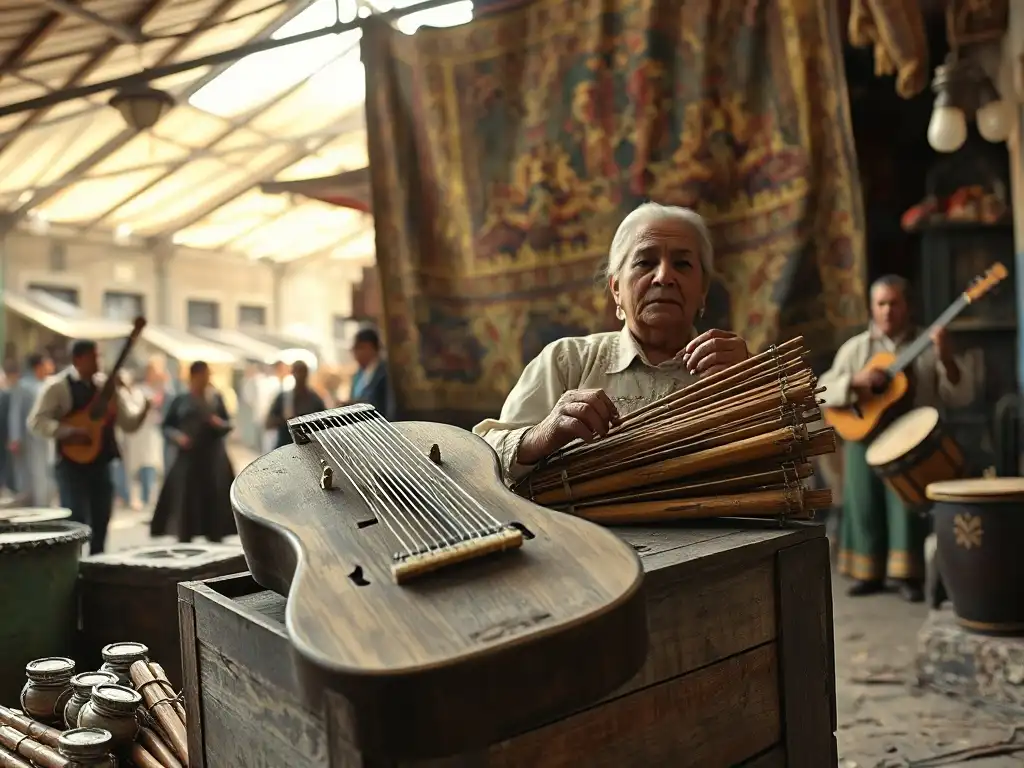
This section explores potential revenue streams for websites and businesses focusing on Andean music, specifically targeting the keyword phrase "Andean music history instruments" and its related long-tail variations. Understanding the market and leveraging digital marketing strategies is crucial for success. We'll examine two key avenues: affiliate marketing and high CPC keyword targeting.
Affiliate Marketing: Partnering with Instrument Makers and Music Platforms
Affiliate marketing presents a significant opportunity to generate revenue by promoting relevant products and services. This involves partnering with reputable instrument makers, music retailers, and online learning platforms specializing in Andean music. By strategically placing affiliate links within your content, you can earn a commission on sales generated through your website.
Linking to reputable sellers of Andean Instruments
Identifying and partnering with trustworthy sellers of Andean instruments is paramount. This requires due diligence to ensure the authenticity and quality of the products you promote. Consider factors such as:
- Instrument craftsmanship: Partnering with artisans known for their high-quality craftsmanship will enhance your credibility and attract a discerning audience. Promoting instruments made with traditional techniques and materials will resonate with enthusiasts seeking authentic Andean instruments.
- Customer service: A positive customer experience is vital. Choose partners with excellent customer service ratings and responsive support channels. This protects your reputation and fosters user trust.
- Product diversity: Collaborate with sellers offering a wide variety of Andean instruments, from panpipes and zampoñas to charangos, sikus, and percussion instruments like the bombo legüero. A diverse product catalog caters to a broader audience.
- Ethical sourcing: Prioritize sellers committed to ethical and sustainable practices in sourcing materials and manufacturing their instruments. This aligns with the growing consumer interest in ethical consumption.
Promoting online courses and educational resources
Beyond instruments, affiliate marketing extends to educational resources. Partnering with platforms offering online courses on Andean music theory, instrument playing, and cultural context can generate additional revenue. This is particularly relevant for users researching "Andean music history instruments," as understanding the history enriches the learning experience. Look for courses that cover:
- Instrument-specific tutorials: Courses focusing on specific instruments like the charango, siku, or quena will appeal to niche audiences.
- Andean music theory and composition: Courses covering theoretical aspects of Andean music are valuable for those seeking a deeper understanding.
- Cultural context and history: Courses contextualizing Andean music within its rich cultural and historical background will attract a wider audience interested in the historical aspects of "Andean music history instruments."
High CPC Keywords: Targeting Specific Instruments and Musical Styles
High CPC (Cost Per Click) keywords represent valuable targets for paid advertising campaigns. By strategically targeting specific instruments and musical styles, you can attract highly engaged users actively searching for related products and services.
Leveraging keywords like "charango lessons", "siku for sale", "Andean percussion instruments"
Targeting long-tail keywords like "charango lessons," "siku for sale," and "Andean percussion instruments" allows for precise targeting of specific user searches. These keywords indicate a high purchase intent, increasing the likelihood of conversions. Consider these additional strategies:
- Keyword research tools: Utilize keyword research tools to identify additional high-performing keywords related to specific Andean instruments and musical styles. This ensures you're targeting the most relevant and effective terms.
- Contextual advertising: Implement contextual advertising strategies to display ads on relevant websites and platforms frequented by your target audience. This method ensures your ads appear to users actively engaged with Andean music-related content.
- Search engine optimization (SEO): Optimize your website content for relevant keywords to improve organic search rankings. This is a long-term strategy that complements paid advertising efforts. This approach is vital for establishing your website as a reputable source of information on "Andean music history instruments."
By implementing these monetization strategies, your website can generate sustainable revenue while providing valuable content and resources to enthusiasts of Andean music. Remember that a consistent focus on high-quality content and user experience is key to long-term success.
Creating and Selling Original Andean Music Content
The vibrant tapestry of Andean music offers a fertile ground for creative entrepreneurs. Crafting original compositions inspired by traditional Andean rhythms and melodies, but with a modern twist, presents a significant monetization opportunity. This could involve creating instrumental pieces showcasing the unique timbres of Andean instruments like the charango, zampoña, and tarka, or composing songs incorporating traditional Andean scales and harmonies with contemporary lyrical themes. The key lies in striking a balance between honoring the heritage and appealing to a modern audience.
Successful artists will carefully consider their target market – are they aiming for a niche audience of traditionalists or a broader appeal to contemporary world music fans? This decision will heavily influence the style and production of their music. Furthermore, consider collaborating with other musicians, both Andean and international, to expand your reach and create unique sonic landscapes.
This collaborative approach can also lead to increased exposure and access to new markets. For example, a collaboration between a traditional Andean panpipes player and a contemporary electronic musician could create a truly unique and marketable product. The possibilities for innovation and creative expression are vast within the Andean musical tradition.
Selling digital sheet music and tutorials
Beyond creating and selling recordings, there's a strong market for digital sheet music and tutorials focused on Andean instruments and musical styles. Many aspiring musicians are eager to learn to play traditional Andean instruments, but access to quality instruction can be limited. Offering downloadable sheet music for popular Andean songs, or even creating original compositions specifically for educational purposes, can generate a steady stream of income.
Further monetization opportunities exist by creating video tutorials demonstrating playing techniques on specific instruments, offering detailed explanations of Andean musical theory (scales, rhythms, harmonies), and providing insights into the cultural context of the music. These tutorials can be sold individually or bundled together as comprehensive learning packages. Platforms like Gumroad, Etsy, and even dedicated online music stores offer accessible avenues for distribution and sales.
High-quality video production and clear, concise instruction are crucial for attracting and retaining customers. Consider offering various price points to cater to different budget levels, perhaps offering individual tutorials at a lower price and comprehensive packages at a higher price. This tiered approach can maximize sales and reach a wider audience.
Offering online workshops and private lessons
The demand for online music education is continually growing, presenting a lucrative opportunity for skilled Andean musicians. Offering online workshops and private lessons provides a flexible and scalable way to share expertise and generate income. Workshops could focus on specific aspects of Andean music, such as learning to play a particular instrument, understanding traditional rhythms, or exploring the cultural significance of specific songs. Private lessons offer a more personalized learning experience, allowing for tailored instruction based on the student's individual needs and goals.
Platforms like Zoom, Skype, and specialized online music teaching platforms provide convenient tools for conducting these sessions. Marketing these services effectively is crucial; leveraging social media, online music communities, and collaborations with other music educators can help to attract students. Offering introductory discounts or trial lessons can also incentivize potential students to sign up.
The key to success lies in providing high-quality instruction, creating a supportive learning environment, and building strong relationships with students. Gathering testimonials and reviews from satisfied students can significantly boost credibility and attract new clientele. Consider also offering group discounts for students who sign up together, creating a sense of community and encouraging word-of-mouth referrals.
Conclusion: Preserving the Legacy of Andean Music
The vibrant tapestry of Andean music, woven from centuries of tradition and innovation, stands as a testament to the enduring spirit of the Andean peoples. From the haunting melodies of the panpipes to the rhythmic pulse of the tinku, the music reflects not only the diverse landscapes but also the complex social and spiritual life of these ancient civilizations. Understanding the history of Andean musical instruments is crucial to appreciating the depth and richness of this cultural heritage.
This sonic legacy, however, faces challenges in the modern world. The encroachment of globalization, the pressures of modernization, and the loss of traditional knowledge threaten the delicate balance of this musical ecosystem. Active preservation efforts are therefore paramount to ensure that the sounds of the Andes continue to resonate for generations to come.
The Importance of Supporting Andean Musicians and Artisans
The survival of Andean music is intrinsically linked to the well-being of its creators. Supporting Andean musicians and artisans is not merely an act of cultural preservation; it is an investment in the future. Many traditional instrument makers, often working with limited resources and facing economic hardships, are the custodians of invaluable knowledge and techniques passed down through generations.
Their skills are essential for maintaining the authenticity and quality of Andean musical instruments. This support can take many forms: attending concerts and festivals, purchasing handcrafted instruments, supporting community music programs, and advocating for policies that protect traditional arts and crafts. Furthermore, documenting the lives and experiences of these artisans through oral histories and recordings is vital for preserving their invaluable contributions to Andean musical heritage.
We must actively promote fair trade practices, ensuring that the artisans receive just compensation for their work, thus fostering a sustainable environment for the creation and dissemination of Andean music. The economic viability of Andean music is directly proportional to the support it receives, making patronage a crucial factor in its long-term survival.
Future of Andean Music: A Continuing Legacy
The future of Andean music is not merely a continuation of past traditions; it is a dynamic process of evolution and adaptation. While preserving the authenticity of traditional forms is crucial, embracing innovation and collaboration is equally important. We are witnessing a fascinating fusion of traditional Andean sounds with contemporary genres, resulting in exciting new musical expressions. This creative interplay ensures the continued relevance and appeal of Andean music to a global audience.
The integration of modern technologies, such as digital recording and online platforms, offers unprecedented opportunities for dissemination and access to Andean music. However, it is vital to ensure that this technological integration does not compromise the cultural integrity of the music. Careful consideration must be given to the ethical implications of digital distribution and the preservation of intellectual property rights. The future of Andean music rests on a delicate balance between honoring its rich past and embracing its vibrant future, ensuring that the unique sounds of the Andes continue to inspire and captivate audiences worldwide.
The continued research and documentation of Andean music history instruments will be key to understanding this evolution. The legacy of Andean music is not merely a collection of sounds; it is a living, breathing testament to the resilience and creativity of a remarkable culture. 🎶
Frequently Asked Questions
What instruments were commonly used in ancient Andean music?
Ancient Andean music featured a diverse range of instruments. Panpipes (antara) were prevalent, alongside percussion instruments like drums (tinku) and rattles. Aerophones such as flutes and trumpets also played significant roles.
How did Andean music reflect the culture and beliefs of the people?
Andean music was deeply intertwined with daily life, religious rituals, and social structures. Musical styles varied regionally, reflecting the diverse cultures of the Andes. Music often accompanied ceremonies, agricultural cycles, and celebrations.
What is the significance of the panpipes (antara) in Andean musical history?
The panpipes (antara) are arguably the most iconic Andean instrument. They were used extensively for both ceremonial and secular purposes, representing a key element of Andean musical identity. Their unique sound is instantly recognizable.
How has Andean music evolved over time?
Andean music has undergone significant evolution, influenced by both indigenous traditions and outside forces. While ancient forms persist, modern Andean music incorporates Western instruments and musical styles, creating a rich fusion.
Where can I learn more about the history of Andean musical instruments?
You can explore museums showcasing Andean artifacts, research online resources dedicated to Andean culture, and delve into books and scholarly articles on Andean music history and ethnomusicology. Academic databases offer extensive research on the topic.
Final Reflection: Echoes of the Andes: A Legacy of Sound
The vibrant tapestry of Andean music, woven from centuries of tradition and innovation, continues to resonate globally, a testament to its enduring power and cultural significance. Its instruments, from the haunting panpipes to the rhythmic percussion, are not merely artifacts of the past; they are living vessels carrying the stories, struggles, and joys of a rich civilization. Understanding this sonic heritage allows us to appreciate the depth and complexity of Andean culture in a way that transcends mere historical analysis.
The evolution of Andean music, its adaptation to changing times while maintaining its core identity, is a powerful reminder of the resilience of cultural expression. Music is the universal language of mankind.
– Henry Wadsworth Longfellow. This quote, while perhaps simplistic, highlights the profound ability of music to connect us across geographical and cultural boundaries. The enduring appeal of Andean music, with its unique instrumentation and captivating melodies, proves this point powerfully. My own journey in researching this topic has been one of profound discovery, revealing the intricate relationship between music, history, and the human spirit.
Consider the echoes of these ancient sounds in your own life. What music moves you deeply? What stories does it tell? I encourage you to delve further into the world of Andean music, to explore the diverse instruments and their cultural contexts. Listen actively, not just to the notes, but to the history, the emotion, and the enduring spirit that breathes life into each melody. Let the sounds of the Andes inspire you, challenge you, and connect you to a vibrant cultural heritage that continues to shape our world.
Uncover the Rhythms of the Andes!
Thank you for exploring the vibrant world of Andean music with us! You've discovered the rich tapestry of sounds that define Andean culture, and now it's time to deepen your experience.
Here are some exciting ways to connect more deeply with this musical heritage:
- Immerse Yourself: Create a playlist featuring diverse Andean instruments and styles to truly feel the pulse of the Andes. Explore the unique sounds of the charango, panpipes, and zampoña, and discover your favorites.
- Share the Music: Share this article with friends or on social media to spread the joy of Andean music and inspire others to explore its rich diversity.
- Experience it Live: Attend a local Andean music concert or workshop to experience the sounds live—it's the best way to connect with the culture!
Which Andean instrument resonates most with you, and how will you incorporate its sounds into your life?