
The Stories They Tell: Unlocking the Narratives Woven into Andean Music and Dance

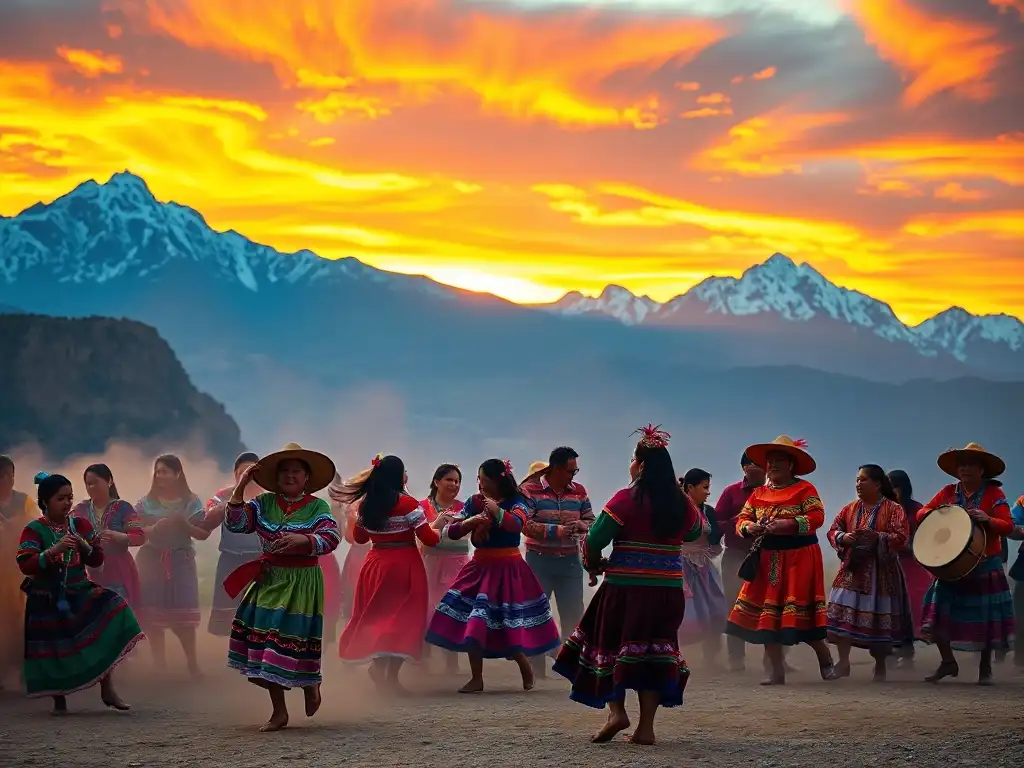
Step into a world lost to time, yet echoing with vibrant life. Imagine the soaring melodies and rhythmic movements of the Andes, carrying centuries of stories within their intricate patterns. This is more than just music and dance; it’s a window into the soul of the ancient Andean civilizations. Unravel the mysteries behind Andean music and dance history – and discover how these captivating expressions reflect the rich tapestry of Inca, Moche, Nazca, and Tiahuanaco cultures. Prepare to be enthralled.
Andean music and dance history is a vibrant tapestry woven from threads of ancient rituals, social structures, and spiritual beliefs. For centuries, the rhythmic pulse of Andean music and the graceful movements of its dances have served as powerful vehicles for storytelling, preserving cultural heritage, and transmitting knowledge across generations. This exploration delves into the rich history of Andean musical and dance traditions, revealing the intricate narratives embedded within their melodies, rhythms, and choreography.
We will uncover the historical roots of these art forms, examining the ancient instruments used and their profound significance within Andean culture. From the haunting melodies of the panpipes to the energetic steps of the huayno, we will discover how music and dance continue to play a vital role in shaping Andean identity and cultural expression.
This journey promises to illuminate the profound connections between the past and present, showcasing the enduring legacy of Andean artistic traditions. Prepare to be captivated by the stories they tell!
Experiencing the Rhythms: An Introduction to Andean Music and Dance History
Andean music and dance are not merely forms of entertainment; they are integral aspects of Andean life, deeply intertwined with the region's history and social fabric. The diverse musical styles and dance forms found across the Andes reflect the region's rich cultural diversity, shaped by geographical variations and the interplay of indigenous traditions with influences from Spanish colonization and other cultural exchanges. Understanding Andean music and dance history requires acknowledging the multifaceted nature of these traditions, which have evolved over millennia, adapting to new contexts while retaining core elements of their ancient origins.
For example, the huayno, a lively genre popular throughout the Andes, incorporates both indigenous musical elements and influences from Spanish colonial music. Similarly, Andean dances often reflect specific agricultural cycles, religious rituals, or community celebrations.
The intricate steps and formations of these dances, often accompanied by vibrant costumes and symbolic gestures, communicate complex narratives about history, beliefs, and social interactions. The legacy of these traditions is evident in the continued popularity of Andean music and dance festivals, which serve as vital spaces for cultural preservation and community building.
Understanding the Historical Roots of Andean Musical Traditions
The origins of Andean musical traditions can be traced back to pre-Columbian times, with evidence suggesting sophisticated musical practices among various Andean cultures, including the Incas, Moche, and Nazca. Archaeological discoveries have unearthed various musical instruments, such as clay flutes, ocarinas, and drums, providing valuable insights into the musical landscape of these ancient civilizations. These instruments were not simply tools for entertainment; they played crucial roles in religious ceremonies, agricultural rituals, and social gatherings.
The music itself likely served as a means of communication, storytelling, and expressing spiritual beliefs. The arrival of the Spanish in the 16th century profoundly impacted Andean musical traditions, introducing new instruments, musical styles, and compositional techniques. However, indigenous musical elements persisted, often blending with European influences to create unique hybrid forms.
This syncretism is evident in many contemporary Andean musical styles, which incorporate both indigenous and European musical elements. The persistence of these indigenous musical traditions highlights the resilience and adaptability of Andean culture in the face of colonization and other historical changes.
Ancient Instruments and Their Significance in Andean Culture
The instruments used in Andean music hold deep cultural significance, often imbued with symbolic meaning and associated with specific rituals or ceremonies. The panpipes, for example, are iconic Andean instruments, frequently associated with pastoral scenes and spiritual practices. Their haunting melodies often evoke a sense of tranquility and connection with nature.
Other important instruments include the charango (a small lute-like instrument), the zampoña (a type of panpipes), and various types of drums and percussion instruments. The tinku, a traditional Andean dance often accompanied by powerful percussion rhythms, symbolizes the clash between opposing forces, reflecting complex social dynamics and cosmological beliefs. Many of these instruments are handcrafted using traditional techniques, passing down knowledge and skills through generations of artisans.
The use of specific instruments in particular ceremonies or dances highlights their integral role in maintaining the continuity of Andean cultural practices and their enduring connection to the past. The continued creation and use of these instruments demonstrate the vitality and dynamism of Andean musical traditions. The sounds of these instruments continue to resonate, carrying the stories and traditions of the Andes to the present day.
The Evolution of Andean Dance Forms Through Time
Andean dance, a vibrant tapestry woven from centuries of tradition, hasn't remained static. Its evolution reflects the dynamic interplay of cultural exchange, societal shifts, and environmental influences. Early forms, often tied to agricultural cycles and religious rituals, were likely simpler, focusing on movements mimicking planting, harvesting, or animal behavior.
Archaeological evidence, though limited in directly depicting dance, suggests the presence of ceremonial dances through depictions on pottery and textiles from cultures like the Nazca and Moche. These early representations hint at a strong connection between dance and the spiritual world, with movements possibly mirroring the perceived actions of deities or the forces of nature.
The arrival and influence of the Inca Empire significantly impacted Andean dance. The Inca, known for their centralized administration, standardized many aspects of life, including ritual practices and artistic expressions. While regional variations undoubtedly persisted, the Inca imposed a degree of uniformity, resulting in certain dance forms becoming more widespread throughout their vast empire.
These Inca-influenced dances often incorporated military themes, reflecting the empire's power and might, or celebrated agricultural abundance, emphasizing the importance of food production for the empire's survival. The use of specific instruments and costumes also became more regulated during this period, contributing to a more unified aesthetic.
Following the Spanish conquest, Andean dance underwent another transformative phase. The fusion of indigenous traditions with European influences created a unique hybrid style. Spanish dances and musical instruments were integrated into existing Andean forms, resulting in a complex blend.
This syncretism is evident in many contemporary Andean dances, where elements of both indigenous and European styles coexist, creating a vibrant and dynamic artistic expression. For example, the incorporation of Spanish musical instruments like guitars alongside traditional Andean instruments like panpipes illustrates this cultural fusion. This period also saw the emergence of dances that incorporated elements of resistance and protest, subtly or overtly conveying messages of cultural preservation and defiance against colonial rule.
The 20th and 21st centuries have witnessed the continued evolution of Andean dance, with ongoing innovations and reinterpretations. While traditional forms are carefully preserved and celebrated, contemporary choreographers and dancers are exploring new ways to express themselves through movement, often blending traditional styles with modern influences. This reflects the ongoing dynamism of Andean culture and its capacity to adapt and evolve while retaining its core identity.
The rise of tourism and global cultural exchange has also played a role, exposing Andean dance to wider audiences and stimulating new creative explorations. This ongoing evolution ensures that Andean dance remains a living tradition, constantly adapting and reinventing itself while preserving its rich history and cultural significance.
- Experiencing the Rhythms: An Introduction to Andean Music and Dance History
- Understanding the Historical Roots of Andean Musical Traditions
- Ancient Instruments and Their Significance in Andean Culture
- The Evolution of Andean Dance Forms Through Time
- What is the relationship between Andean music and dance and the region's history?
- How did Inca influence shape Andean music and dance traditions?
- What are some of the key instruments used in traditional Andean music?
- How did the Spanish conquest impact Andean music and dance?
- Where can I learn more about the diverse styles of Andean music and dance?
How to Immerse Yourself in Andean Music and Dance
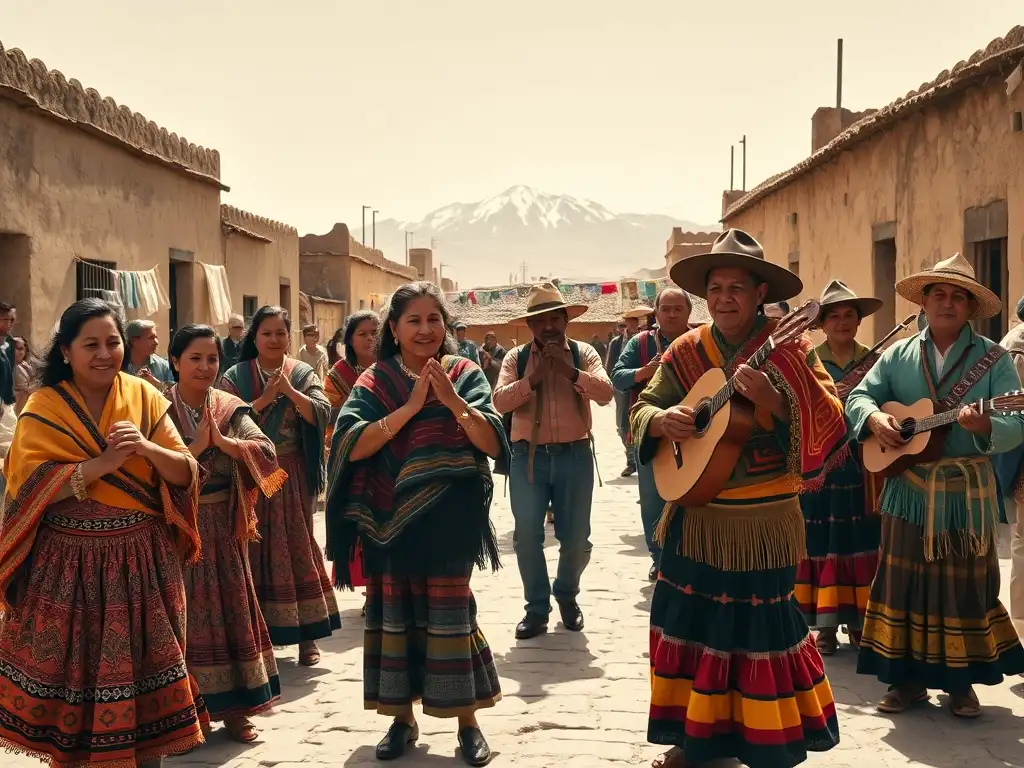
This section delves into practical ways to experience the vibrant world of Andean music and dance, offering a deeper understanding of its history and cultural significance. We'll explore how to find authentic performances, learn the basics of Andean dance and instruments, and even create your own immersive experience. Understanding the nuances of Andean music and dance history allows for a richer, more meaningful engagement with this captivating art form.
Finding Authentic Andean Music and Dance Performances
Locating truly authentic Andean music and dance performances requires careful consideration. Avoid tourist traps that offer diluted or commercialized versions. Instead, seek out events organized by local communities or cultural centers. Look for performances featuring traditional instruments like the charango, zampoña, quena, and tarka, and dances that reflect the specific styles of different Andean regions, such as the huayno from the Andes highlands or the marinera from the coastal regions.
Authenticity is key to understanding the true spirit of Andean music and dance history. Consider these tips:
- Check local event listings: Many cities with significant Andean populations host regular cultural events. Look for community calendars or online listings focusing on cultural performances.
- Seek out community centers: These often host events showcasing traditional Andean music and dance. This is a great way to support local artists and experience a more intimate setting.
- Attend festivals: Andean music and dance festivals are a fantastic opportunity to witness numerous performances in one location. Research festivals dedicated to celebrating Andean culture.
- Word of mouth: If you know anyone familiar with Andean culture, ask for their recommendations on authentic performances. Personal recommendations often lead to the most rewarding experiences.
Learning the Basics of Andean Dance and Musical Instruments
While attending performances offers a passive appreciation, actively learning the basics of Andean dance and music provides a much deeper connection. Many communities offer workshops and classes where you can learn traditional steps and instrument playing techniques. This hands-on experience allows you to appreciate the intricacies of the movements and rhythms, deepening your understanding of Andean music and dance history.
Here are some avenues to explore:
- Local dance studios: Search for studios specializing in Latin American or Andean dance styles. They often offer beginner-friendly classes.
- Community colleges or universities: Educational institutions may offer courses or workshops on Andean music and dance.
- Private instructors: Many experienced dancers and musicians offer private lessons, providing personalized instruction.
- Online resources: While not a replacement for in-person instruction, online videos and tutorials can offer a basic introduction to some steps and instrument techniques. However, always prioritize in-person learning for a richer experience.
Creating Your Own Andean Music and Dance Experience
For a truly immersive experience, consider organizing your own small-scale Andean music and dance event. This could involve inviting friends, researching traditional Andean recipes for a themed meal, and perhaps even hiring a local Andean musician or dance group for a short performance. This initiative allows you to curate an experience tailored to your interests, further enriching your appreciation of Andean music and dance history.
Here are some ideas to incorporate:
- Themed meal: Research traditional Andean dishes and create a menu that complements the atmosphere.
- Decor: Use traditional Andean textiles, pottery, or other artifacts to decorate the space, creating an immersive environment.
- Guest speakers: Invite someone knowledgeable about Andean culture to share insights and stories.
- Interactive elements: Include elements that encourage participation, such as a simple dance lesson or a charango demonstration. This fosters a more engaging and memorable event.
Remember that respectful engagement with Andean culture is paramount. Avoid cultural appropriation and always seek to learn and appreciate the artistry from a place of genuine interest and respect for its rich history and traditions. By embracing these methods, you can create a truly unique and meaningful experience that celebrates the beauty and depth of Andean music and dance.
The Power of Andean Music and Dance: Preserving Culture and History
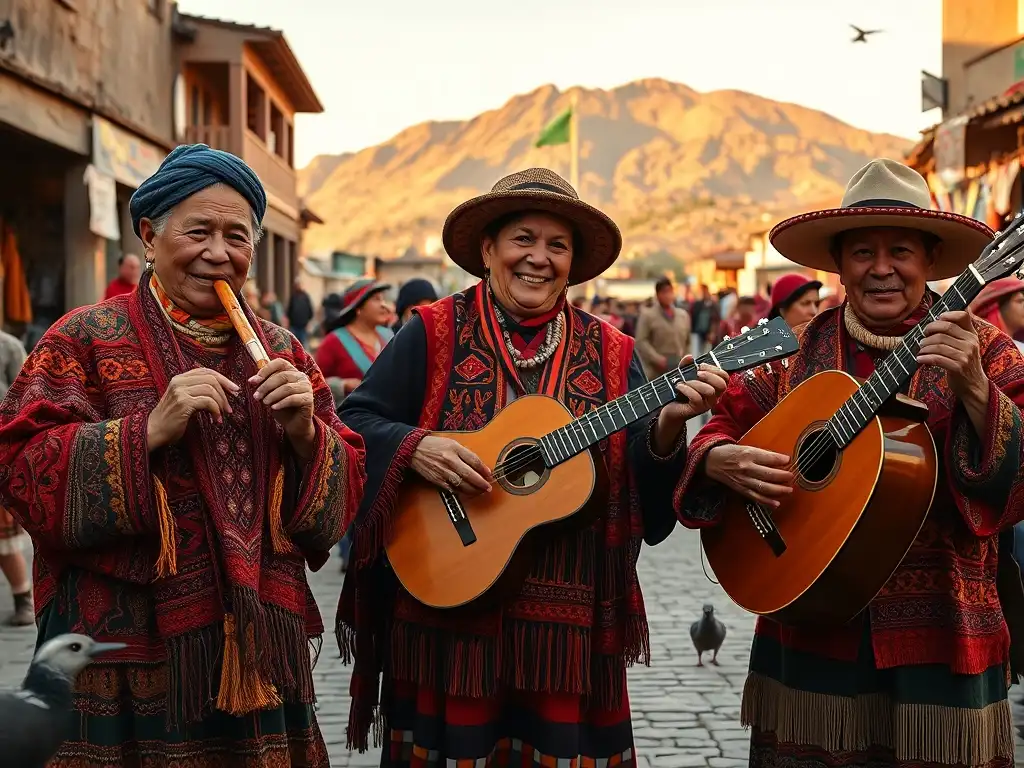
Andean music and dance history is intrinsically linked to the survival and evolution of Andean cultures. For centuries, these art forms have served as powerful vehicles for transmitting knowledge, beliefs, and traditions across generations, effectively preserving cultural heritage in the face of colonization and societal shifts. The rhythmic pulse of a huayno, the intricate steps of a yaraví, or the haunting melodies of a sicuri flute ensemble – each carries a weight of history, echoing stories of ancient rituals, agricultural cycles, and the enduring spirit of the Andean people.
The vibrant textiles, often incorporated into costumes, further enrich this narrative, weaving in visual symbols that deepen the cultural significance of the performances. This preservation isn't merely passive; it's an active, dynamic process, constantly adapting and evolving while maintaining its core essence.
The Role of Andean Music and Dance in Cultural Preservation
The role of Andean music and dance in cultural preservation is multifaceted. It's not simply a matter of entertainment; it's a living archive. Consider the capullanas, traditional Andean dances often performed during religious festivals. These dances, with their specific costumes and movements, recount historical events, myths, and legends, ensuring the continuity of these stories.
The precise choreography, passed down through generations, acts as a mnemonic device, solidifying the narratives in the collective memory. Furthermore, the music itself often incorporates ancient melodies and instruments, preserving sonic legacies that might otherwise be lost. The use of traditional instruments like the zampoña (panpipes), charango (a small lute), and tarka (a type of flute) actively maintains traditional craftsmanship and musical techniques.
The continued creation of new music and dance, inspired by these traditions, demonstrates the enduring vitality of Andean culture and its capacity for adaptation and innovation. This living tradition is a testament to the power of art to bridge the past and the present. The meticulous documentation and study of these performances are also crucial for Andean music and dance history researchers, helping to build comprehensive archives and ensure the preservation of this rich legacy for future generations.
Discovering the Spiritual Significance in Andean Rhythms and Movements
Andean rhythms and movements are deeply intertwined with spiritual beliefs and practices. The music and dance are not merely aesthetic expressions; they are integral parts of religious ceremonies, agricultural rituals, and community celebrations. For example, the tinkus, a vibrant and energetic dance from the Bolivian Andes, is often associated with fertility rites and the celebration of the harvest.
The powerful rhythms and synchronized movements reflect the collective energy and shared faith of the community. Similarly, many Andean dances involve symbolic gestures and postures that carry specific spiritual meanings, often related to the worship of nature spirits, ancestors, or deities. These movements, often performed in specific locations with significant spiritual importance, reinforce the connection between the performers and the sacred landscape.
The use of specific colors in costumes, the incorporation of sacred objects into performances, and the chanting of ancient prayers further underscore the spiritual dimension of these artistic expressions. Understanding the spiritual context of Andean music and dance is crucial for appreciating their true depth and significance; it reveals the profound connection between art, spirituality, and the Andean worldview. The study of Andean music and dance history thus involves a careful examination of both the artistic and spiritual aspects of these traditions.
Conclusion: Continuing the Legacy of Andean Music and Dance
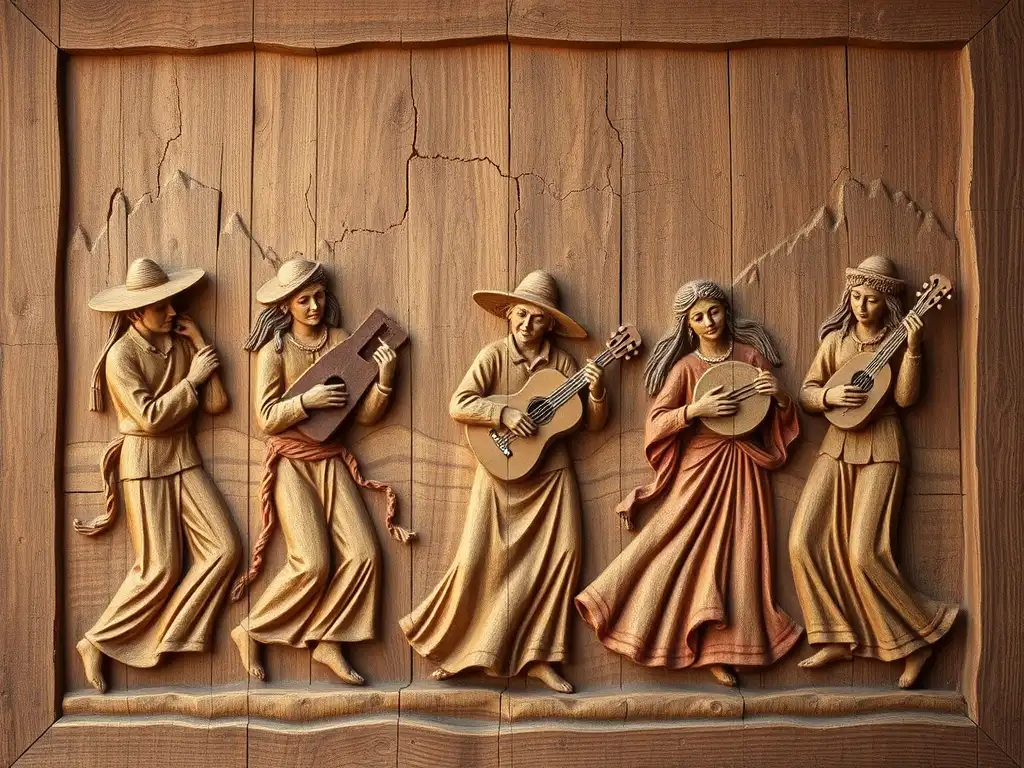
This exploration of Andean music and dance history has only scratched the surface of the rich tapestry woven by generations of Andean peoples. The vibrant rhythms, intricate steps, and deeply symbolic narratives embedded within these art forms offer a powerful window into their beliefs, social structures, and daily lives. From the haunting melodies of the panpipes echoing through the Andes mountains to the energetic movements of celebratory dances, Andean music and dance remain a vital part of their cultural identity, a living legacy passed down through centuries.
Understanding this heritage requires appreciating not just the aesthetic beauty but also the historical context and social significance embedded within each note and each step. The continuity of these traditions speaks volumes about the resilience and enduring spirit of Andean cultures.
Further research into specific instruments, regional variations, and the evolution of dance styles will reveal even deeper layers of meaning and complexity. The preservation and celebration of Andean music and dance are crucial for maintaining cultural diversity and fostering a deeper understanding of these remarkable civilizations.
Where to Go Next in Your Exploration of Andean Culture
Having delved into the captivating world of Andean music and dance history, your journey of discovery can continue in several exciting directions. Consider deepening your understanding by exploring these avenues:
- Regional Variations: Delve into the unique musical and dance traditions of specific Andean regions. The styles and instruments vary significantly between the highlands and lowlands, between the Inca empire and pre-Inca cultures. Researching these regional differences will paint a richer picture of the diverse cultural landscape. For example, the music of the northern Andes differs significantly from that of the southern Andes, reflecting the unique historical and environmental factors of each area.
- Specific Instruments: Focus your research on individual instruments like the charango, zampoña, or tarka. Investigate their origins, construction techniques, and the role they play within different musical genres. Understanding the craftsmanship and symbolism associated with these instruments adds another layer to your appreciation of Andean music. For instance, the charango, a small lute-like instrument, holds a significant place in Andean musical history, evolving from earlier instruments and adapting to various musical styles.
- The Role of Dance in Ritual and Ceremony: Explore the deeply symbolic nature of Andean dance. Many dances are intimately linked to religious ceremonies, agricultural cycles, or social events. Understanding these connections provides valuable insights into the worldview and spiritual practices of Andean cultures. Researching the dances of specific festivals will illustrate the complex interplay between music, dance, and religious beliefs.
- The Influence of Andean Music and Dance on Contemporary Culture: Trace the impact of Andean musical traditions on contemporary music scenes both within the Andes and globally. Many modern artists draw inspiration from traditional Andean styles, creating a dynamic fusion of old and new. This exploration can demonstrate the enduring power and adaptability of Andean artistic expressions.
| Area of Focus | Suggested Research Topics | Potential Resources |
|---|---|---|
| Regional Variations | Aymara music vs. Quechua music; Highland vs. Lowland styles | Ethnographic studies; Musical recordings; Archives |
| Specific Instruments | Charango construction; Zampoña repertoire; Tarka history | Instrument makers; Museum collections; Scholarly articles |
| Ritual and Ceremony | Inca festival dances; Pachamama celebrations; Harvest rites | Anthropological studies; Historical accounts; Folklore |
| Contemporary Influence | Andean fusion music; World music genres; Modern dance forms | Contemporary music reviews; Dance performances; Interviews |
This continued exploration will enrich your understanding of Andean music and dance history, revealing the depth and complexity of these captivating art forms. The journey of discovery is ongoing, with endless opportunities to learn and appreciate the vibrant cultural heritage of the Andes. 🎵💃
Frequently Asked Questions
What is the relationship between Andean music and dance and the region's history?
Andean music and dance are deeply intertwined with the region's history. They often tell stories of daily life, mythology, and significant historical events, passed down through generations. The styles vary greatly between different Andean cultures.
How did Inca influence shape Andean music and dance traditions?
The Inca Empire's vast reach significantly impacted Andean music and dance. Inca rituals and ceremonies heavily featured music and dance, influencing the development of many styles still practiced today. Imperial control also led to the standardization of certain musical instruments and dance forms.
What are some of the key instruments used in traditional Andean music?
Traditional Andean music utilizes a variety of instruments, including the panpipes (antara), the flute (quenacho), drums (tinku), and stringed instruments like the charango. The specific instruments used often vary depending on the region and tradition.
How did the Spanish conquest impact Andean music and dance?
The Spanish conquest had a profound and lasting effect, leading to the fusion of indigenous and European musical styles. Many traditional forms survived, but often incorporated new instruments and rhythms. Religious practices also influenced the evolution of music and dance.
Where can I learn more about the diverse styles of Andean music and dance?
To delve deeper, explore ethnomusicology resources, museums focusing on Andean cultures, and documentaries. You can also find many examples of Andean music and dance on online platforms, which showcase the rich diversity across the Andean region.
Final Reflection: The Enduring Echo of Andean Voices
The vibrant tapestry of Andean music and dance isn't merely a historical artifact; it's a living testament to resilience, cultural survival, and the enduring power of storytelling. These ancient traditions, passed down through generations, continue to resonate deeply in contemporary society, shaping identities and offering a powerful connection to a rich past. Understanding their history is crucial to appreciating their continued relevance and beauty.
The profound impact of Andean music and dance on the cultural landscape is undeniable. It's a powerful force that transcends geographical boundaries, weaving its way into global conversations about cultural preservation and the importance of indigenous voices. Music is the universal language of mankind.
– Henry Wadsworth Longfellow. This quote, while not specifically about Andean music, perfectly encapsulates the ability of these traditions to connect us across time and cultures, fostering empathy and understanding. The ongoing struggle for recognition and respect for indigenous cultures is intrinsically linked to the preservation and celebration of these artistic expressions.
Consider the stories embedded within each rhythmic beat, each graceful movement. How do these narratives resonate with your own life? What stories do you carry within you, and how might you share them with the world?
I encourage you to actively seek out opportunities to experience Andean music and dance firsthand – whether through attending a performance, listening to recordings, or learning about the rich history behind each tradition. Let the echoes of these ancient voices inspire you to explore your own heritage and find your own unique way to contribute to the ongoing conversation about cultural preservation and the power of storytelling.
Unveil Your Connection to Andean Culture!
Thank you for exploring the vibrant tapestry of Andean music and dance! You've delved into a rich cultural heritage. Now, it's your turn to embrace and share this extraordinary legacy.
To continue your journey, consider these steps:
- **Join a local Andean dance or music workshop** to experience the rhythms firsthand.
- **Share this article** with friends and family to spark conversations about the magic of Andean culture.
- Explore **authentic Andean music online** to deepen your appreciation—let the melodies transport you.
How will you integrate the stories of Andean music and dance into your life today?