
A Symphony of Cultures: Experiencing the Fusion of Indigenous and Modern Rhythms

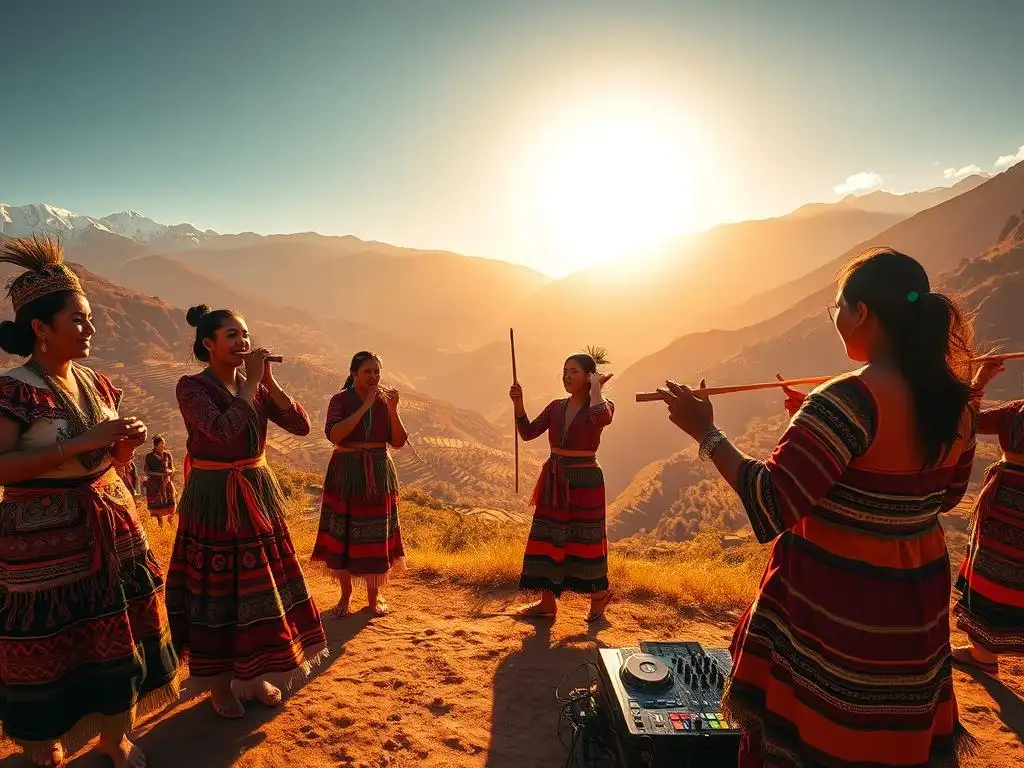
Step into a world lost in time, yet vibrantly alive. Discover the breathtaking tapestry of Andean civilizations, where the echoes of Inca ingenuity, Moche artistry, and Nazca mystique intertwine. Prepare to be captivated by the Andean civilizations cultural fusion, a symphony of traditions spanning millennia. This journey into the heart of the Andes promises to unravel the secrets of their remarkable heritage; are you ready to uncover the surprising connections between ancient practices and the vibrant modern world?
The Andes Mountains, a majestic spine running down the western edge of South America, have nurtured a vibrant tapestry of cultures for millennia. From the sophisticated Inca Empire to the enigmatic Nazca lines and the masterful artistry of the Moche, the Andean region boasts a legacy of innovation and artistic expression that continues to resonate today. This article delves into the fascinating fusion of indigenous traditions and modern influences in Andean music and dance, exploring how these ancient rhythms have adapted and evolved while retaining their core identity.
We will uncover how the legacy of the Andean civilizations, particularly their rich musical and dance traditions, remains a powerful force shaping contemporary Andean culture, demonstrating the enduring impact of these ancient societies on the modern world. This exploration of "Andean civilizations cultural fusion" will reveal the dynamic interplay between past and present, showcasing the vibrant and ever-evolving cultural landscape of the Andes.
Prepare to be captivated by the enduring spirit and transformative power of Andean music and dance! 🎉
Exploring the Rich Tapestry of Andean Civilizations Cultural Fusion
The cultural fusion evident in modern Andean music and dance is not a recent phenomenon; it's a continuous process spanning centuries. The arrival of European colonizers dramatically altered the Andean landscape, introducing new instruments, musical styles, and religious practices. However, rather than being supplanted, indigenous traditions adapted and incorporated these new elements, creating a unique blend that reflects both continuity and change.
This process of syncretism is vividly illustrated in the diverse musical forms found throughout the Andes today. For example, traditional Andean instruments like the panpipes ( siku) and the charango often feature prominently alongside guitars, violins, and other instruments of European origin. This blending of instrumentation is mirrored in the musical styles themselves, with traditional melodies often infused with European harmonies and rhythms.
The impact of globalization in recent decades has further enriched this cultural fusion. Modern Andean musicians frequently incorporate elements of world music, jazz, and even rock into their compositions, creating a truly globalized sound that remains deeply rooted in Andean traditions. This innovative approach ensures that Andean music remains relevant and engaging for a modern audience while preserving its unique cultural heritage. The result is a vibrant and dynamic musical landscape that reflects the complex history and diverse cultural influences of the Andean region.
The Enduring Power of Andean Dance Traditions
Andean dance, like the music, is a powerful expression of cultural identity and a testament to the enduring legacy of ancient traditions. Traditional dances often depict historical events, mythological narratives, or agricultural cycles, providing a window into the beliefs and practices of Andean communities. These dances, often performed in elaborate costumes, are characterized by their rhythmic complexity, graceful movements, and powerful emotional expression. Many traditional dances are still performed today, often during religious festivals or community celebrations.
However, like Andean music, the dance traditions have also undergone significant evolution. Modern choreographers often incorporate elements of contemporary dance, creating new and innovative interpretations of traditional forms. This fusion of styles allows Andean dance to remain relevant and engaging while preserving its cultural heritage. The incorporation of modern elements, however, is always done with careful consideration to avoid trivialization or misrepresentation of the original traditions. The preservation of the essence of these ancient movements remains paramount.
Modern Festivals: Showcasing the Fusion
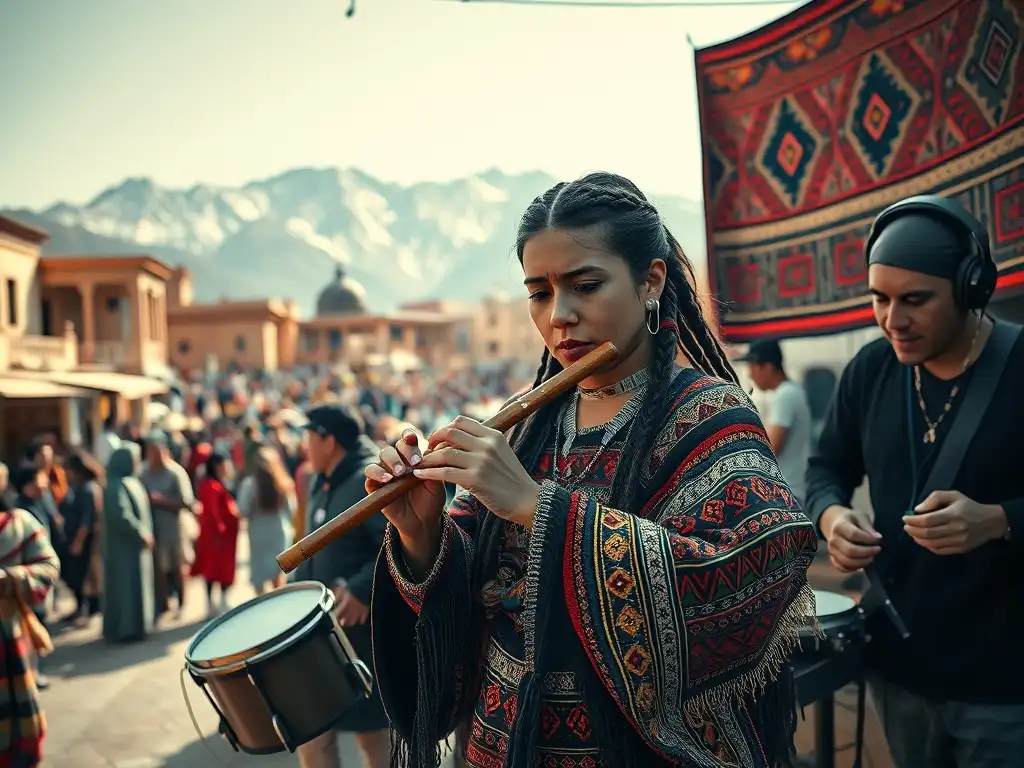
Modern Andean music and dance festivals provide a captivating platform for experiencing this vibrant cultural fusion firsthand. These festivals often feature a diverse array of performers, showcasing both traditional and contemporary styles. Attendees can witness the breathtaking artistry of traditional Andean dancers, hear the mesmerizing sounds of ancient instruments, and experience the energy of modern interpretations of these ancient forms. These festivals are not merely performances; they are living testaments to the enduring spirit of Andean culture and its capacity for adaptation and innovation.
The sheer diversity of musical styles and dance forms presented at these festivals is a testament to the strength and resilience of Andean cultural identity. The atmosphere is infectious, filled with joy, pride, and a deep sense of community. It’s an experience that leaves a lasting impression on all who attend. 💃🕺
The Future of Andean Cultural Fusion
The future of Andean cultural fusion is bright and dynamic. As Andean communities continue to navigate the complexities of globalization and modernization, their musical and dance traditions will undoubtedly continue to evolve. However, the core values and principles that underpin these traditions – community, spirituality, and a deep connection to the land – will likely remain central to their identity.
The ongoing creative exploration of this fusion promises a wealth of new and exciting artistic expressions, ensuring that the rich cultural heritage of the Andes continues to inspire and captivate audiences for generations to come. The preservation and celebration of this cultural heritage is not merely a matter of preserving the past; it’s about creating a vibrant and sustainable future for Andean communities.
- Exploring the Rich Tapestry of Andean Civilizations Cultural Fusion
- The Enduring Power of Andean Dance Traditions
- Modern Festivals: Showcasing the Fusion
- The Future of Andean Cultural Fusion
The Heartbeat of the Andes: Understanding Indigenous Musical Traditions

The Andes Mountains, a spine of towering peaks running down the western edge of South America, have nurtured a vibrant tapestry of indigenous cultures for millennia. This rich history is deeply interwoven with the music and dance of the region, a powerful expression of spirituality, community, and daily life. Understanding the indigenous musical traditions of the Andes is key to appreciating the complex cultural fusion that characterizes the region today. The term "Andean civilizations cultural fusion" truly comes alive when we examine the enduring legacy of these ancient rhythms and their evolution through time.
Ancient Andean Rhythms: The Roots of Cultural Expression
The musical traditions of the Andean civilizations predate the Inca Empire, with evidence suggesting sophisticated musical practices among earlier cultures like the Moche and Nazca. Archaeological discoveries have unearthed various instruments, including flutes, panpipes, and drums, indicating a diverse and developed musical landscape. These early rhythms, often characterized by repetitive patterns and simple melodies, served both practical and spiritual purposes.
Agricultural cycles, for example, were frequently marked by specific musical performances, reflecting a deep connection between music and the natural world. Furthermore, the use of specific instruments and rhythmic patterns varied between different Andean communities, reflecting the diverse regional identities that existed even before the Inca expansion. The rhythmic complexity increased over time, influenced by the integration of different groups and the development of new instruments.
This foundational layer of musical expression forms the bedrock upon which the later, more complex Andean musical styles were built. Understanding these ancient rhythms provides crucial context for appreciating the evolution of Andean music and the rich cultural heritage it represents.
The Significance of Traditional Instruments in Andean Music: The Siku
The siku, a panpipe made of reeds or cane, stands as a prime example of the significance of traditional instruments in Andean music. This instrument, with its haunting and evocative sound, is deeply embedded in Andean culture and spirituality. Different siku sizes and arrangements create diverse tonal qualities, allowing for intricate musical textures.
The siku is not merely an instrument; it is a symbol of identity, community, and ancestral heritage. Its construction and playing are often passed down through generations, perpetuating musical traditions and fostering a sense of continuity across time. The siku’s importance extends beyond musical performance; it is often used in ceremonies and rituals, reinforcing its spiritual significance.
Many modern Andean musicians continue to incorporate the siku into their compositions, demonstrating the enduring relevance of this ancient instrument in the ongoing fusion of indigenous and modern musical styles. The siku's distinctive sound, readily identifiable within the broader context of Andean music, remains a powerful symbol of Andean cultural identity.
The Role of Music and Dance in Andean Ceremonies and Rituals
Music and dance are inextricably linked in Andean culture, serving as integral components of religious ceremonies, agricultural rituals, and social gatherings. The rhythmic precision and expressive movements of Andean dances often tell stories, convey emotions, and honor deities or ancestors. These performances are not merely entertainment; they are vital expressions of faith, community cohesion, and cultural transmission.
Ceremonies often involve specific musical pieces and dance styles, reflecting the unique traditions and beliefs of different Andean communities. The integration of music and dance in these contexts highlights their profound social and spiritual significance within Andean societies, past and present. The continued practice of these traditions underscores the enduring importance of these art forms in shaping Andean identity and maintaining a connection to the past.
The vibrant energy of these performances is a testament to the enduring power of Andean cultural heritage and its role in shaping the modern cultural landscape. Observing these ceremonies offers a unique window into the deeply rooted spiritual beliefs and communal practices that have shaped Andean civilizations for centuries. The fusion of ancient ritual with contemporary expressions is a compelling aspect of Andean culture.
The Modern Echo: Contemporary Influences on Andean Music and Dance
This section delves into the fascinating interplay between ancient Andean musical traditions and the modern world, exploring how globalization and technological advancements have shaped the sounds and dances of the Andes today. The vibrant tapestry of Andean cultural expression is not static; it's a living, breathing entity constantly evolving and adapting. Understanding this evolution requires acknowledging the significant impact of external influences while appreciating the enduring strength of indigenous musical heritage. The keyword "Andean civilizations cultural fusion" is central to this ongoing process.
The Impact of Global Music Trends on Traditional Andean Sounds
The influx of global music trends has undeniably influenced Andean music. While traditional instruments like the charango, panpipes, and zampoña remain central, their integration with modern instruments like electric guitars, synthesizers, and drum machines has created a unique sonic landscape. This fusion isn't simply about adding modern instruments; it's about reimagining traditional melodies and rhythms within a contemporary context. For instance, some Andean musicians incorporate elements of rock, pop, and even electronic dance music into their compositions, resulting in vibrant and unexpected sounds.
This blending often leads to a captivating juxtaposition of ancient and modern, creating a unique and engaging listening experience. The resulting music retains its Andean soul but resonates with a broader, global audience. The impact is multifaceted, leading to both increased accessibility and potential dilution of traditional forms, a challenge constantly navigated by Andean musicians and communities.
Fusion Genres: Blending Indigenous Melodies with Modern Rhythms
Several contemporary Andean music genres exemplify this cultural fusion. Andean rock, for example, seamlessly blends traditional Andean instrumentation with the energy and dynamism of rock music. Similarly, Andean fusion incorporates elements from various global genres, creating a rich and diverse soundscape. These genres are not merely stylistic blends; they reflect the complex social and cultural realities of modern Andean communities.
They represent a conscious effort to maintain cultural identity while embracing the opportunities presented by globalization. The integration of modern rhythms often serves to revitalize traditional melodies, bringing them to a new generation of listeners and ensuring their continued relevance. The success of these fusion genres highlights the adaptability and enduring appeal of Andean musical heritage. We can observe a similar fusion in dance, where traditional steps are combined with contemporary choreography to create dynamic and visually striking performances.
Case Study: Yma Sumac - A bridge between tradition and modernity
Yma Sumac stands as a powerful example of an artist who successfully bridged the gap between traditional Andean music and the wider world. Her unique vocal range and innovative approach to blending indigenous melodies with Western musical styles made her a global phenomenon. While her career highlights the potential for international recognition of Andean music, it also raises important questions about authenticity and representation.
Her music, while undeniably captivating, was often packaged and marketed in a way that emphasized the exotic and "primitive," potentially overlooking the rich cultural context and artistic sophistication of her work. Her story serves as a nuanced reminder of the complexities of cultural exchange and the importance of responsible representation in the global music industry.
Analyzing her impact requires a critical lens, acknowledging both her contributions to the global visibility of Andean music and the potential pitfalls of exoticizing indigenous art forms. Her legacy remains a complex and fascinating case study in Andean civilizations cultural fusion.
Experiencing the Cultural Fusion Firsthand: Andean Music and Dance Festivals
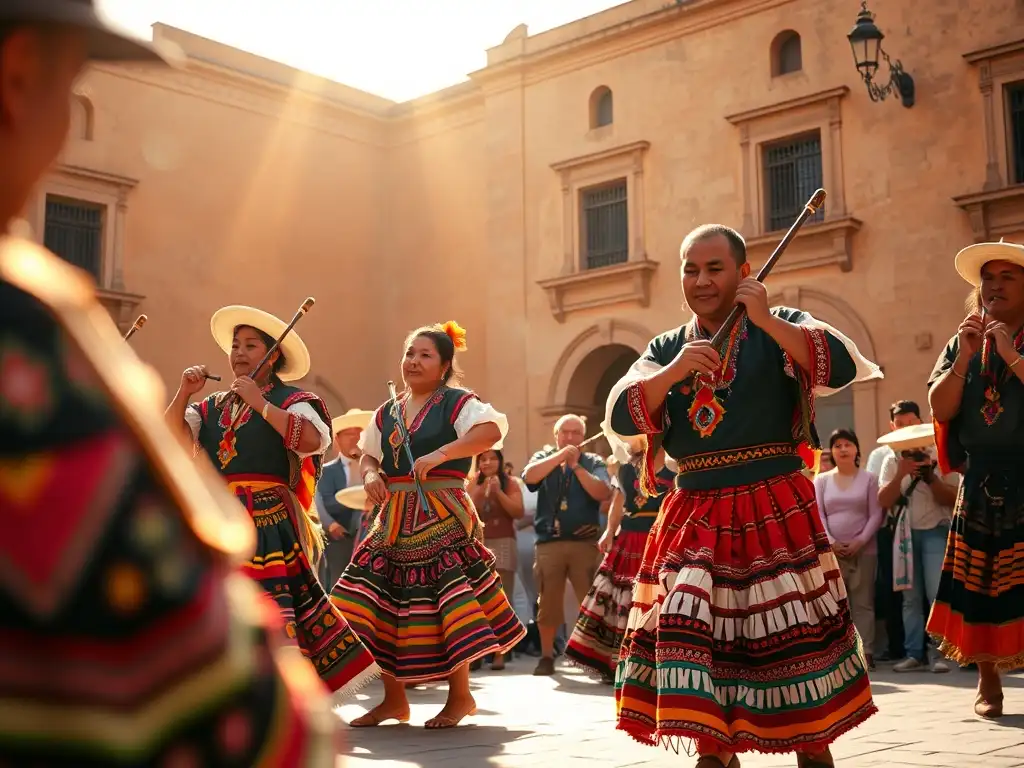
This section delves into the vibrant tapestry of Andean music and dance festivals, showcasing how these events serve as powerful platforms for experiencing the fusion of indigenous traditions with modern influences. These festivals aren't just performances; they are living, breathing expressions of Andean civilizations cultural fusion, offering a unique opportunity to witness the dynamic interplay between ancient heritage and contemporary creativity.
Understanding this fusion requires more than just listening to the music; it involves immersing oneself in the atmosphere, observing the intricate dance movements, and engaging with the local communities that keep these traditions alive. The energy is palpable, a tangible connection to the past resonating within the vibrant present.
Immersive Experiences: Attending Andean Festivals to Witness the Fusion
Attending an Andean music and dance festival is an immersive experience unlike any other. It's a sensory overload in the best possible way: the vibrant colors of traditional clothing, the rhythmic pulse of ancient instruments mingling with modern sounds, the infectious energy of the dancers, and the palpable sense of community. More than just a performance, these festivals offer a window into the soul of Andean culture.
Participants actively engage with the traditions, often joining in the dancing or participating in workshops that teach traditional crafts or musical instruments. This active participation strengthens the connection between the audience and the performers, fostering a deeper appreciation for the cultural heritage on display.
For example, many festivals incorporate interactive elements, allowing visitors to try their hand at traditional weaving techniques or learn a few basic steps of a specific Andean dance. This direct engagement transforms the experience from passive observation to active participation, enriching the understanding of Andean civilizations cultural fusion.
The sheer scale of many of these events is also noteworthy. Thousands of people gather, creating a vibrant and bustling atmosphere. This collective experience amplifies the impact of the performances, creating an almost electric energy that is both exhilarating and deeply moving. The communal aspect of these events is a crucial element of the cultural fusion, demonstrating how these traditions continue to thrive and evolve through shared participation and collective celebration. This shared experience transcends mere entertainment; it's a reaffirmation of cultural identity and a testament to the enduring power of tradition.
Recommended Festivals: Paucartambo Festival and Its Unique Cultural Expression
The Paucartambo Festival in Peru is a prime example of a celebration that masterfully blends indigenous traditions with modern expressions. Held annually in July, this festival honors the Virgin of Carmen and features a unique fusion of Catholic and indigenous Andean beliefs and practices. The festival boasts a spectacular parade featuring vibrant costumes, intricate dances, and traditional music. The costumes themselves are a testament to the cultural fusion, often incorporating elements of both indigenous design and modern materials.
The music, a captivating blend of panpipes, drums, and other traditional instruments, often incorporates modern musical influences, creating a truly unique soundscape. This fascinating interplay creates a rich, layered experience that encapsulates the essence of Andean civilizations cultural fusion. Detailed descriptions of the costumes and the musical arrangements, including specific instruments and rhythms, would further enhance this section. [Specific information pending on costume details and musical analysis of Paucartambo Festival].
The festival's unique cultural expression extends beyond its visual and auditory elements. It involves intricate rituals and traditions passed down through generations, demonstrating the enduring strength of indigenous Andean beliefs in the face of modernization. The festival's longevity and continued popularity demonstrate the enduring relevance of these traditions within contemporary Andean society.
The blending of religious and indigenous elements reflects the complex historical and cultural evolution of the region, underscoring the organic nature of Andean civilizations cultural fusion. Further research into the historical evolution of the festival would enrich this section. [Specific information pending on the historical evolution of the Paucartambo Festival].
The Power of Live Performances: Witnessing the Blend of Ancient and Modern
The live performances at Andean festivals are not simply entertainment; they are living testaments to the enduring power of cultural fusion. Witnessing these performances firsthand offers an unparalleled opportunity to understand the depth and complexity of Andean cultural heritage. The dancers' movements, often imbued with symbolic meaning reflecting ancient myths and legends, are a captivating spectacle.
The precision and artistry involved are truly awe-inspiring, showcasing the dedication and skill passed down through generations. The musicians, with their mastery of traditional instruments, create a sonic landscape that transports listeners to another time and place. The interplay of ancient and modern elements within these performances is palpable; traditional instruments might be accompanied by modern percussion, or ancient dance steps might be adapted to incorporate modern movements.
This blending of styles is not a mere juxtaposition; it's a seamless integration that reflects the dynamic and evolving nature of Andean culture. It demonstrates the capacity of tradition to adapt and thrive in a modern context, showcasing the resilience and vitality of Andean cultural heritage. The performances are not just a display of skill; they are a powerful expression of cultural identity, a vibrant celebration of heritage, and a living testament to the enduring legacy of Andean civilizations cultural fusion. A deeper analysis of specific examples of musical and dance fusion in different festivals would greatly enrich this section. [Specific information pending on examples of musical and dance fusion in Andean festivals]. The emotional impact of these performances is profound, leaving a lasting impression on all who witness them. The collective energy created by the performers and the audience alike is a powerful force, creating a truly unforgettable experience.
Instruments That Bridge the Ages: Highlighting Key Andean Instruments
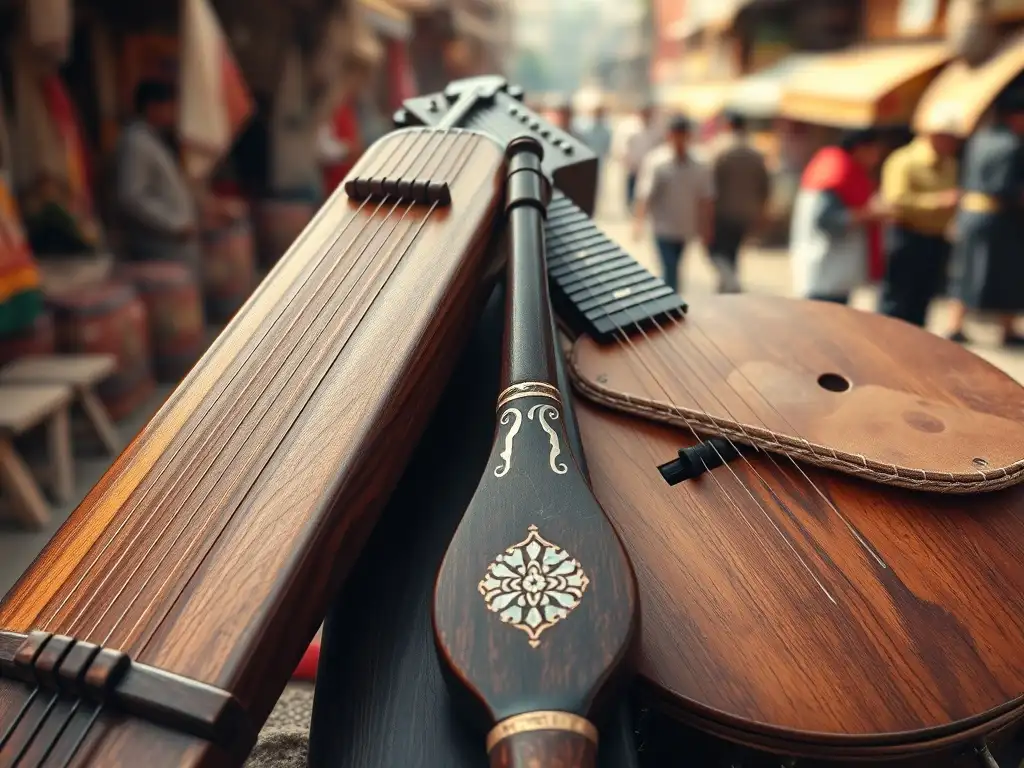
This section delves into the fascinating world of Andean musical instruments, showcasing how ancient traditions continue to resonate in modern musical expressions, a testament to the enduring power of Andean civilizations cultural fusion. We'll explore some key instruments that exemplify this blend of past and present, highlighting their unique characteristics and enduring legacy. Understanding these instruments is crucial to appreciating the vibrant tapestry of Andean music and dance.
The Charango: A Symbol of Andean Musical Heritage
The charango, a small, lute-like instrument, holds a special place in Andean musical heritage. Its distinctive sound, characterized by a bright, almost metallic timbre, is instantly recognizable. Traditionally crafted from armadillo shell (though modern versions often use wood), the charango's construction reflects a deep connection to the Andean landscape. Its small size belies its expressive capabilities, making it ideal for both intimate solo performances and lively ensemble pieces.
The charango's repertoire is vast, encompassing traditional Andean melodies and contemporary compositions, demonstrating its adaptability and enduring appeal. Its popularity has transcended geographical boundaries, with charango players found throughout Latin America and beyond. The instrument's evolution reflects the dynamic nature of Andean civilizations cultural fusion, incorporating elements from European musical traditions while retaining its core Andean identity. This enduring legacy makes it a powerful symbol of cultural resilience and artistic innovation.
Where to Find Authentic Charangos: [Link to a reputable seller]
The Zampoña: The Iconic Pan Flute of the Andes
The zampoña, or pan flute, is perhaps the most iconic Andean instrument. This collection of vertically arranged pipes, each producing a different note, creates a haunting and ethereal sound. Zampoñas come in various sizes and configurations, with the siku being a particularly popular type, often played in pairs.
The precise arrangement of pipes and the unique crafting techniques passed down through generations contribute to the zampoña's distinctive sonic character. The instrument's history is deeply intertwined with Andean cosmology and spirituality, with its melodies often associated with nature, ritual, and celebration. Modern zampoña players continue to innovate, incorporating the instrument into diverse musical genres, showcasing its versatility and adaptability.
The zampoña's enduring presence in both traditional and contemporary Andean music underscores the ongoing relevance of ancient musical traditions in a rapidly changing world. The continued use of the zampoña is a powerful example of the successful integration of ancient traditions into modern life, a key aspect of Andean civilizations cultural fusion.
[Link to a reputable seller of Zampoñas] and their variations
The diverse range of zampoñas available reflects the rich tapestry of Andean musical traditions. From the simple, rustic instruments crafted by local artisans to more elaborate, professionally-made versions, each zampoña possesses a unique voice. Variations in size, number of pipes, and materials used contribute to the instrument's sonic diversity, allowing for a wide range of musical expression.
Choosing a zampoña often depends on personal preference and intended use, highlighting the instrument’s adaptability and its versatility within the broader context of Andean music. The enduring popularity of the zampoña underscores its importance as a central element in the vibrant musical landscape of the Andes. 🎼
Percussion Instruments: The Driving Force of Andean Rhythms
Percussion instruments form the backbone of Andean music, providing the rhythmic pulse that drives the melodies and dances. Their raw, powerful sounds resonate with the landscapes of the Andes, reflecting the energy and spirit of the people. The diverse range of percussion instruments used across different Andean cultures showcases a rich history of innovation and adaptation.
From simple hand drums to complex ensembles, these instruments are integral to both traditional and modern musical expressions. The use of percussion varies greatly depending on the specific region and cultural group, with some favoring specific instruments while others incorporate a wider array. This diversity is a testament to the richness and complexity of Andean musical traditions, a true reflection of the "Andean civilizations cultural fusion" that has occurred over centuries.
The vibrant soundscapes created by these instruments contribute significantly to the overall experience of Andean music festivals, transporting listeners to another time and place. The rhythmic complexity and energy are infectious, often leading to spontaneous participation from the audience.
The rhythmic intricacies and variations within Andean percussion are a fascinating study in themselves. Many pieces utilize complex polyrhythms, where multiple rhythmic patterns are layered on top of each other, creating a rich and textured sound. This layering often reflects the social structures and interactions within the communities that create the music.
Furthermore, the use of different materials and techniques in instrument construction leads to a wide range of tonal qualities, further enriching the sonic tapestry. The incorporation of modern techniques and instruments alongside traditional ones is also a significant aspect of the evolving Andean musical landscape. This fusion demonstrates the adaptability and dynamism of Andean culture in the face of globalization and modernization.
The Wankara
The wankara, a cylindrical drum typically made from llama or alpaca hide stretched over a wooden frame, is a quintessential example of Andean percussion. Its deep, resonant sound is instantly recognizable and evokes a sense of ancient power and tradition. The wankara is not merely a musical instrument; it is deeply embedded in the cultural fabric of many Andean communities.
Its presence is often linked to ceremonial occasions, religious rituals, and celebrations, reflecting its profound spiritual significance. The size and construction of the wankara can vary significantly depending on the region and intended use, with some being quite large and requiring multiple players, while others are smaller and more easily portable. This variation speaks to the adaptability of the instrument and its integration into diverse cultural contexts.
The playing technique also varies, with some performers using mallets while others strike the drum directly with their hands, creating different tonal qualities and rhythmic possibilities. Learning to play the wankara often involves an apprenticeship, passing down traditional techniques and knowledge through generations, further emphasizing its cultural importance and connection to the history of Andean civilizations. The deep, resonant tones of the wankara often serve as the foundation for complex musical arrangements, highlighting its crucial role in the "Andean civilizations cultural fusion" by providing a grounding rhythm for both traditional and modern musical styles.
The Art of Andean Dance: A Visual Representation of Cultural Fusion
Andean dance, a vibrant tapestry woven from centuries of tradition and modern innovation, serves as a powerful testament to the enduring legacy of Andean civilizations cultural fusion. It’s more than just movement; it's a storytelling medium, a ritualistic practice, and a celebration of life, reflecting the complex interplay between indigenous heritage and contemporary influences. The rhythmic pulse of the huayno, the graceful elegance of the yaraví, and the energetic dynamism of the marinera are not merely dance forms; they are living embodiments of Andean identity, constantly evolving while retaining their core essence.
The very act of dancing allows for a profound connection with the past, present, and future of Andean culture. Understanding these dances provides a window into the societal structures, spiritual beliefs, and artistic expressions of these remarkable civilizations.
Traditional Andean Dance Forms: Their Significance and Origins
Traditional Andean dances are deeply rooted in agricultural cycles, religious ceremonies, and social gatherings. Their origins often trace back to pre-Columbian times, with movements and rituals passed down through generations. For example, the tinkus, a vigorous dance from the Bolivian Andes, is believed to have originated as a ritualistic expression related to agricultural fertility and community bonding. Its powerful, synchronized movements and dramatic costumes reflect the intensity of the Andean landscape and the strength of its people.
Similarly, the diablada, a dramatic dance from Oruro, Bolivia, incorporates elements of both indigenous and Spanish colonial influences, showcasing a fascinating blend of cultural heritage. The costumes, often featuring elaborate devil masks and vibrant colors, symbolically represent the struggle between good and evil, mirroring the historical and cultural complexities of the region. These dances, often accompanied by traditional Andean instruments like panpipes and drums, create a captivating auditory and visual experience.
The intricate steps and gestures are not merely decorative; they convey narratives, communicate emotions, and perpetuate cultural memory. The rhythmic patterns and musical accompaniment further enhance the experience, creating a powerful sense of community and shared identity. The use of specific costumes, often handcrafted with intricate details, adds another layer of cultural significance, showcasing the artistic skills and traditions of the Andean people.
Modern Interpretations of Andean Dance: Innovation and Evolution
While deeply rooted in tradition, Andean dance continues to evolve, demonstrating the dynamic nature of Andean civilizations cultural fusion. Modern choreographers and dancers are reinterpreting traditional forms, incorporating contemporary influences while preserving the essence of the original styles. This innovative approach ensures that these dances remain relevant and engaging for younger generations while still honoring their historical significance.
We see this in the fusion of traditional Andean rhythms with contemporary dance styles like jazz and ballet, creating unique and captivating performances. The incorporation of modern music and lighting design further enhances the visual spectacle, appealing to a broader audience. This innovative blending of old and new not only expands the reach of Andean dance but also fosters a deeper appreciation for its rich cultural heritage.
This dynamic process of adaptation and reinvention ensures that Andean dance remains a living, breathing art form, capable of expressing the multifaceted experiences of the Andean people in the 21st century. The integration of new technologies, such as video projections and digital effects, further enhances this fusion, adding another dimension to the art form. This modern approach demonstrates the vitality and adaptability of Andean culture, ensuring its continued relevance and appreciation in the global community.
Dance Workshops: Immerse Yourself in the Movement of Andean Culture - [Link to a dance workshop provider]
Participating in a dance workshop offers an unparalleled opportunity to actively engage with Andean culture. These workshops provide a hands-on experience, allowing participants to learn the steps, rhythms, and cultural significance of various Andean dance forms. Experienced instructors guide participants through the intricacies of the movements, often sharing stories and insights into the history and traditions behind each dance.
Beyond the technical aspects of dance, these workshops offer a deeper understanding of Andean culture, fostering appreciation for its artistic expressions and its enduring spirit. Learning the dances firsthand allows for a more profound connection to the rich heritage of the Andean civilizations, providing a unique and immersive cultural experience. These workshops often include opportunities to interact with local musicians and artisans, further enriching the overall learning experience and fostering a deeper appreciation for the vibrant tapestry of Andean culture.
Whether you are a seasoned dancer or a complete beginner, a dance workshop provides a unique and memorable way to connect with the heart and soul of Andean traditions. The shared experience of learning and performing these dances fosters a sense of community and belonging, further enriching the cultural exchange.
Monetizing the Andean Culture Experience
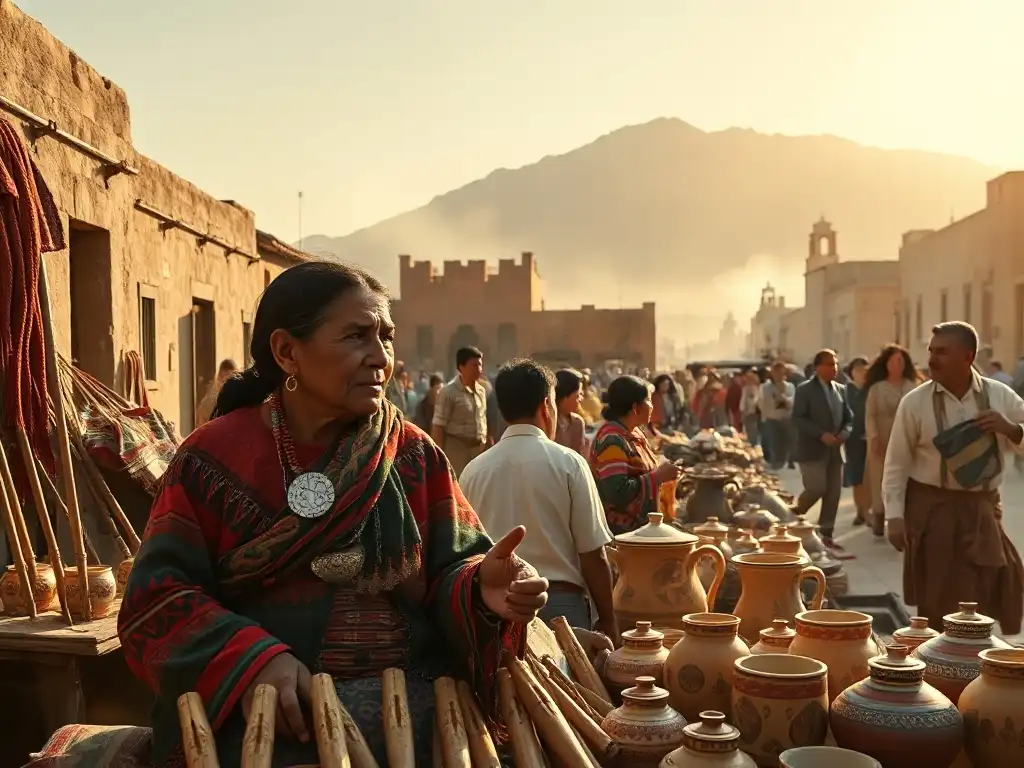
The vibrant tapestry of Andean civilizations cultural fusion offers a unique opportunity for revenue generation. By leveraging the inherent interest in Andean music and dance, businesses can create sustainable income streams while promoting cultural preservation and appreciation. This section explores various monetization strategies, focusing on ethical and responsible approaches that benefit both the entrepreneurs and the Andean communities.
Affiliate Opportunities: Promoting Authentic Andean Musical Instruments and Experiences
Affiliate marketing provides a powerful avenue for monetizing the Andean culture experience. By partnering with artisans and businesses that offer authentic Andean musical instruments (like charangos, zampoñas, and quenas), traditional clothing, handcrafted jewelry, and immersive cultural experiences (such as workshops on Andean music or dance), you can earn commissions on sales generated through your website or social media channels. This strategy requires careful selection of partners; prioritizing those committed to ethical sourcing, fair trade practices, and community involvement is crucial. Success hinges on building trust with your audience by showcasing high-quality products and experiences that genuinely reflect the richness of Andean culture.
Transparency is key; clearly disclosing affiliate relationships builds credibility and fosters long-term engagement. A well-structured affiliate program with clear tracking mechanisms is essential for effective management and performance analysis. Consider offering tiered commission structures to incentivize higher sales volumes and promote a wider range of products.
High CPC Keywords: Targeting Enthusiasts of Andean Culture and Music
Effectively monetizing a website focused on Andean civilizations cultural fusion necessitates a strategic approach to keyword selection. High CPC (Cost-Per-Click) keywords are crucial for maximizing advertising revenue. Focusing on niche keywords related to specific Andean musical instruments, dance styles, festivals, or regions will attract a highly engaged audience willing to pay more for targeted advertising.
Examples include: " Learn to play the charango", " Authentic Andean music festivals", " Bolivian folk dance classes", " Inca inspired jewelry", " Traditional Andean clothing online". Analyzing keyword search volume and competition using SEO tools is essential for identifying high-potential keywords with manageable competition. Incorporating long-tail keywords (more specific phrases) improves targeting and reduces competition.
By strategically integrating these keywords into your website content, you can attract highly qualified traffic and increase the likelihood of converting visitors into paying customers or engaging with your affiliate links. Regular keyword research and optimization are vital to adapt to evolving search trends and maintain a competitive edge.
Creating Content That Drives Revenue: Engaging with the Audience through Authentic Stories and Experiences
Generating revenue from a website about Andean civilizations cultural fusion requires more than just affiliate links and ads. Creating high-quality, engaging content is paramount. This includes detailed articles on specific aspects of Andean music and dance, interviews with musicians and artisans, behind-the-scenes glimpses into festivals, and personal narratives that connect the audience emotionally with the culture.
Videos showcasing the beauty and vibrancy of Andean music and dance can significantly boost engagement and attract a wider audience. Interactive elements such as quizzes, polls, and downloadable resources (e.g., sheet music, dance tutorials) can enhance user experience and encourage repeat visits. High-quality photography and videography are essential for creating visually appealing content.
Consider offering exclusive online courses or workshops on Andean music or dance, providing a premium offering that generates recurring revenue. The key is to foster a sense of community and build relationships with your audience, turning casual visitors into loyal followers who are more likely to support your efforts through purchases or subscriptions. Authenticity and respect for Andean culture are paramount; ensuring accurate information and responsible representation are essential for ethical and sustainable monetization.
Preserving Andean Cultural Heritage Through Cultural Fusion
The vibrant tapestry of Andean civilizations, encompassing the Incas, Moche, Nazca, and Tiahuanaco, among others, is not static. It's a dynamic interplay between ancient traditions and modern expressions, a testament to the enduring spirit of cultural fusion. This fusion, however, requires careful nurturing to ensure the preservation of the unique heritage of the Andes. The challenge lies in balancing the celebration of traditional forms with the incorporation of contemporary influences, preventing the dilution or outright loss of ancestral knowledge and practices.
This delicate dance between past and present is crucial for the continued vitality of Andean culture. The very survival of numerous aspects of Andean heritage, from intricate weaving techniques to ancient musical instruments, depends on this ongoing process of adaptation and innovation. Failing to embrace this fusion risks the erasure of invaluable cultural treasures.
The Importance of Supporting Andean Artists and Craftsmen
Supporting Andean artists and craftsmen is paramount to preserving their cultural heritage. These individuals are the living embodiment of tradition, passing down skills and knowledge through generations. Their work, whether it's intricate textiles, hand-carved wooden sculptures, or the creation of traditional musical instruments, represents a direct link to the past.
Without sustained support, these invaluable skills risk being lost forever. This support manifests in various ways: purchasing authentic handicrafts directly from artisans, ensuring fair wages and working conditions, and advocating for policies that protect their intellectual property rights. For example, the growing popularity of chullo hats, traditionally worn in the Andes, provides economic opportunities for Andean communities.
However, mass-produced imitations often undercut these artisans, highlighting the need for consumers to be discerning and prioritize authentic products. Furthermore, the promotion of Andean art and craftsmanship in both domestic and international markets is crucial for providing sustainable livelihoods and incentivizing the continuation of these traditions. The economic viability of maintaining these traditions is directly linked to the level of support received by these craftspeople.
The Role of Education and Awareness in Maintaining Cultural Traditions
Education and awareness play a critical role in preserving Andean cultural traditions. By educating future generations about the significance of their heritage, we empower them to become active participants in its preservation. This requires integrating Andean history, art, music, and dance into school curricula, fostering a sense of pride and ownership among young people.
Furthermore, public awareness campaigns can highlight the importance of supporting Andean artists and protecting cultural sites. Initiatives that showcase traditional Andean practices, like weaving workshops or musical performances, can effectively engage the public and foster appreciation for the richness of Andean culture. The increased visibility of Andean culture in mainstream media also contributes to broader awareness and understanding.
For instance, documentaries showcasing the intricate details of traditional Andean weaving techniques or the significance of Andean music festivals can create a powerful impact, helping to educate a wider audience and promote respect for the traditions. Ultimately, a well-informed and engaged public is essential for the long-term sustainability of Andean cultural heritage.
How to Contribute to the Preservation of Andean Heritage - [Link to a relevant NGO]
Contributing to the preservation of Andean heritage is not just the responsibility of governments or institutions; it's a collective endeavor. Individuals can make significant contributions in various ways. One effective method is supporting organizations dedicated to protecting and promoting Andean culture.
These NGOs often work directly with communities, providing resources and support for cultural preservation projects. [Link to a relevant NGO] Furthermore, responsible tourism practices are crucial. This involves respecting local customs, supporting local businesses, and avoiding activities that could damage cultural sites or the environment.
Learning basic Quechua phrases can show respect and foster deeper connections with the local communities. Beyond this, advocating for policies that protect Andean cultural heritage and supporting initiatives that promote intercultural dialogue and understanding can make a substantial difference in ensuring the vibrant legacy of Andean civilizations endures for generations to come. The collective efforts of individuals, communities, and organizations are crucial in ensuring that the rich tapestry of Andean cultures continues to thrive.
Conclusion: The Enduring Legacy of Andean Civilizations Cultural Fusion
The vibrant tapestry of Andean music and dance isn't just a historical artifact; it's a living, breathing testament to the enduring legacy of Andean civilizations cultural fusion. The intricate interplay of indigenous traditions and external influences has resulted in a unique and captivating artistic expression that continues to evolve and inspire. This fusion, far from being a static entity, is a dynamic process shaped by ongoing social, economic, and technological changes. Understanding this ongoing evolution is key to appreciating the depth and complexity of Andean cultural heritage.
The Ongoing Evolution of Andean Music and Dance
The rhythmic pulse of Andean music and dance continues to beat strongly, adapting and innovating with each passing generation. While traditional instruments like the charango, panpipes, and zampoña remain central, their sounds are increasingly blended with modern instruments, creating a captivating sonic landscape. Contemporary Andean musicians seamlessly integrate elements of rock, pop, and even electronic music into their compositions, demonstrating the remarkable adaptability of these ancient traditions.
This isn't simply a matter of adding new instruments; it's about reinterpreting traditional melodies and rhythms in fresh and exciting ways. For example, many contemporary artists incorporate elements of huayno, a genre of Andean folk music, into their pop songs, reaching a wider audience and ensuring the genre’s survival and growth. This fusion is not without its critics, of course, with some purists lamenting the "dilution" of traditional forms.
However, this evolution is an undeniable reflection of the changing social and cultural contexts in which Andean music and dance exist, proving their resilience and adaptability. The fusion is also visible in dance styles; traditional steps are often combined with contemporary choreography, resulting in performances that are both respectful of heritage and strikingly modern. The result is a vibrant, constantly evolving art form that reflects the dynamism of Andean society itself.
A Call to Experience the Rich Cultural Tapestry of the Andes
Experiencing the fusion of indigenous and modern rhythms in Andean music and dance festivals offers an unparalleled opportunity to connect with a rich and complex cultural heritage. It's a chance to witness firsthand the enduring power of tradition, the creativity of innovation, and the remarkable resilience of the Andean spirit. Whether you are drawn to the haunting melodies of the yaraví, the energetic rhythms of the huayno, or the captivating grace of Andean dances, a journey to the Andes promises an unforgettable immersion into a world of vibrant sounds and captivating movements.
Beyond the music and dance, these festivals often offer a broader glimpse into Andean culture, including traditional crafts, cuisine, and storytelling. Attending these events is not merely entertainment; it's a powerful way to engage with a living culture, learn about its history, and appreciate the ongoing creativity of its people. The experience offers a profound understanding of the unique and enduring legacy of Andean civilizations cultural fusion, leaving a lasting impression on the soul.
So, embrace the opportunity to delve into this rich cultural tapestry; you won't regret it. The Andes await.
Frequently Asked Questions
What is meant by "Andean civilizations cultural fusion"?
This refers to the blending of indigenous Andean traditions with influences from later cultures, particularly Spanish colonization and modern global trends. This fusion is evident in art, music, language, and daily life.
How did Spanish colonization impact Andean culture?
Spanish colonization significantly impacted Andean cultures, leading to a complex fusion of indigenous and European traditions. While many indigenous practices were suppressed, others adapted and blended with Spanish influences, creating new hybrid forms.
What are some examples of Andean cultural fusion in art?
Examples include hybrid artistic styles that combine pre-Columbian motifs with European techniques, as well as contemporary Andean art that reinterprets traditional forms in modern contexts. Textiles often showcase this fusion vividly.
How is this cultural fusion reflected in modern Andean music?
Modern Andean music often incorporates traditional instruments and melodies with Western musical styles, creating unique soundscapes that reflect the rich history and ongoing evolution of the region's musical heritage.
Where can I learn more about Andean civilizations cultural fusion?
You can explore further through museums, archaeological sites, and academic resources focused on Andean history and culture. Many books and documentaries also delve into this fascinating topic.
Final Reflection: The Enduring Echo of Andean Rhythms
The vibrant fusion of Indigenous Andean music with modern styles isn't just a historical curiosity; it's a powerful testament to the enduring spirit of a culture that refuses to be silenced. This dynamic interplay, explored throughout this article, continues to shape musical landscapes globally, influencing artists and audiences alike, and demonstrating the resilience of cultural heritage in the face of modernization.
The impact of this cultural fusion is profound, extending far beyond the realm of music itself. It speaks to the broader themes of identity, preservation, and the ongoing negotiation between tradition and progress. The past is never dead. It's not even past.
– William Faulkner. This quote perfectly encapsulates the enduring relevance of Andean musical traditions, which continue to inform and inspire contemporary artists, ensuring that the echoes of ancient rhythms resonate in the modern world. The blending of these sounds is a powerful symbol of cultural survival and adaptation, a testament to the strength and flexibility of Andean civilization.
Consider, for a moment, the power of rhythm. It's a fundamental element of human experience, connecting us across time and cultures. You, the reader, are now invited to actively listen to the music around you, to seek out the echoes of Andean influence, and to appreciate the beauty and complexity of this cultural fusion. Let the rhythms inspire you to explore your own cultural heritage, to celebrate the diversity of human expression, and to understand the enduring power of music to bridge divides and connect us all.
Unveil the Rhythm of Cultures!
Thank you for exploring the vibrant world of indigenous and modern music. We hope you've discovered the beauty of cultural fusion and the unique stories each musical style reveals. Now, let's turn inspiration into action!
Here are some ways to further immerse yourself in this rich cultural experience:
- **Attend local music events** featuring indigenous and contemporary artists—experience the rhythm firsthand!
- **Share your newfound appreciation** for cultural fusion with friends and family, or inspire others on social media.
- **Join an online community** dedicated to world music; learn from others and share your own insights.
Which musical style resonates most with you, and how will you celebrate this cultural fusion in your life?