
When the Earth Moves: Witnessing the Power of Andean Dance in Full Spectacle

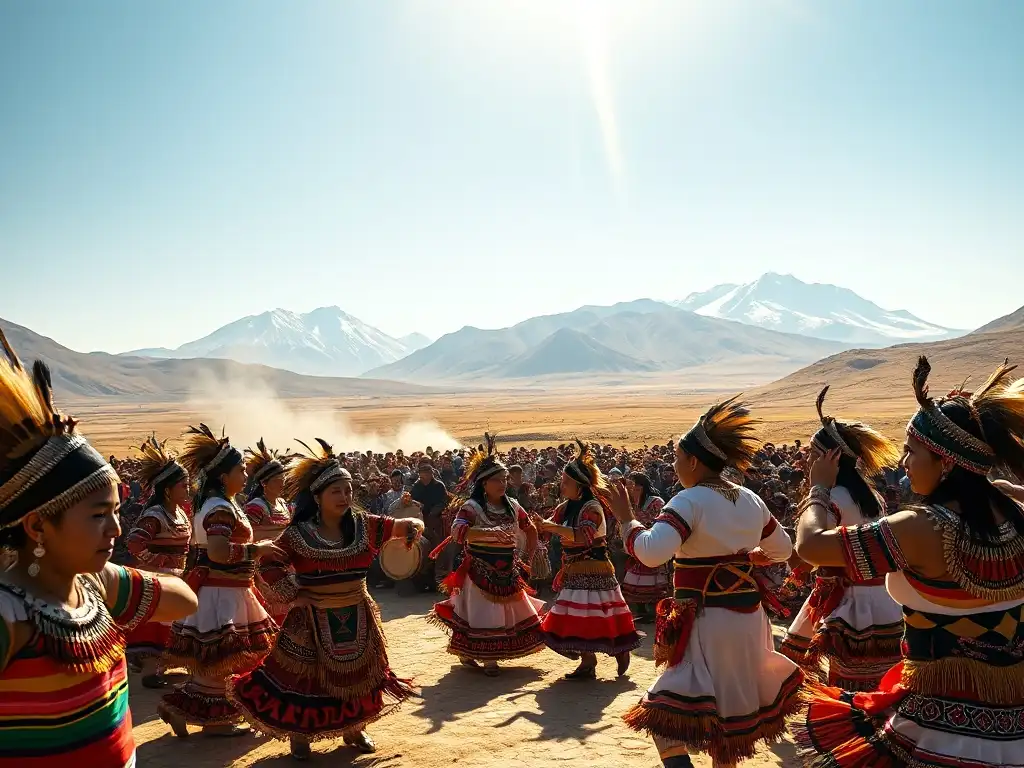
Unravel the mysteries of a world where the mountains whisper ancient secrets. Journey with us into the heart of the Andes, where vibrant cultures flourished and breathtaking artistry thrived. Prepare to be captivated by the legacy of civilizations like the Incas, Moche, and Nazca, but especially by the powerful storytelling of Andean dance performance history. Discover how these mesmerizing movements connected people to their gods and their land – a story that continues to resonate today. Are you ready to witness the earth move?
The Andes Mountains, a spine of earth stretching along the western edge of South America, have borne witness to millennia of vibrant cultures. Among the most captivating aspects of these ancient civilizations is their dance—a powerful expression of spirituality, storytelling, and social cohesion. This article delves into the rich history of Andean dance performance, exploring its evolution, significance, and enduring legacy.
We'll journey through the mesmerizing movements, uncovering the deep connection between the dancers, the music, and the very landscape that shaped their traditions. From the intricate steps of the Incas to the expressive gestures of the Moche, we will uncover the profound meaning embedded within each performance, revealing how Andean dance continues to resonate with communities and captivate audiences worldwide.
This exploration seeks to illuminate the historical context of Andean dance, demonstrating its importance not just as entertainment, but as a vital part of Andean cultural heritage and a powerful testament to the resilience of its people. Prepare to be transported to a world where the earth moves to the rhythm of ancient traditions.
Immersive Andean Experiences: A Journey Through Movement
Andean dance is far more than mere entertainment; it's a living testament to the enduring spirit of Andean cultures. These dances weren't simply performed for leisure; they held profound religious, social, and agricultural significance. For example, many dances were integral parts of ceremonies dedicated to ensuring a successful harvest or appeasing powerful deities.
The movements themselves often mirrored agricultural practices, mimicking the planting, growth, and harvesting of crops. This connection between dance and daily life is a key element in understanding the depth and complexity of these traditions. The costumes, too, played a crucial role, often incorporating symbolic colors, materials, and adornments that held specific meanings within the community.
Detailed anthropological studies have revealed intricate layers of symbolism within the choreography, costumes, and musical accompaniment, highlighting the sophisticated understanding of the cosmos and the natural world held by Andean peoples. We can see echoes of these ancient practices in contemporary Andean dance performances, which continue to embody the rich cultural heritage of the region.
Consider the intricate footwork and precise hand gestures often seen in traditional Andean dances. These weren't developed arbitrarily; they were carefully choreographed to tell stories, transmit knowledge, and honor ancestral spirits. The use of specific rhythms and musical instruments further enhances the storytelling capacity of the performance, creating a truly immersive and captivating experience.
The rhythmic pounding of drums, the haunting melodies of panpipes, and the vibrant energy of the dancers all work in concert to create a powerful and unforgettable spectacle. The legacy of these dances continues to thrive in modern performances, offering a glimpse into the heart and soul of Andean cultures.
Further Exploration: Specific Dance Styles
While a comprehensive overview of every Andean dance style is beyond the scope of this section, we can briefly mention some examples to illustrate the diversity of these traditions. For example, the huayno, a lively and energetic dance, is popular throughout the Andes. Different regions have their own variations of the huayno, showcasing regional diversity and cultural nuances.
Other examples include the more ceremonial yaraví, often associated with themes of love and sorrow, and the powerful caporal, a dance that celebrates Andean masculinity and strength. Each dance style has its own unique characteristics, reflecting the specific cultural context and historical influences of its region of origin. Further research into specific Andean communities and their dance traditions will reveal even greater depth and complexity.
The enduring power of Andean dance lies not only in its aesthetic beauty but also in its capacity to connect people to their history and heritage. It is a living tradition, constantly evolving yet deeply rooted in the past. Witnessing a full-scale Andean dance performance is to experience a powerful connection to the heart of Andean culture – a truly immersive and unforgettable experience.
- What is the significance of dance in Andean cultures?
- How did Andean dance evolve throughout history?
- What are some key characteristics of traditional Andean dance?
- Where can I see a traditional Andean dance performance today?
- How does the "When the Earth Moves" article relate to the history of Andean dance performance?
Decoding the Rhythms: An Overview of Andean Dance Performance History
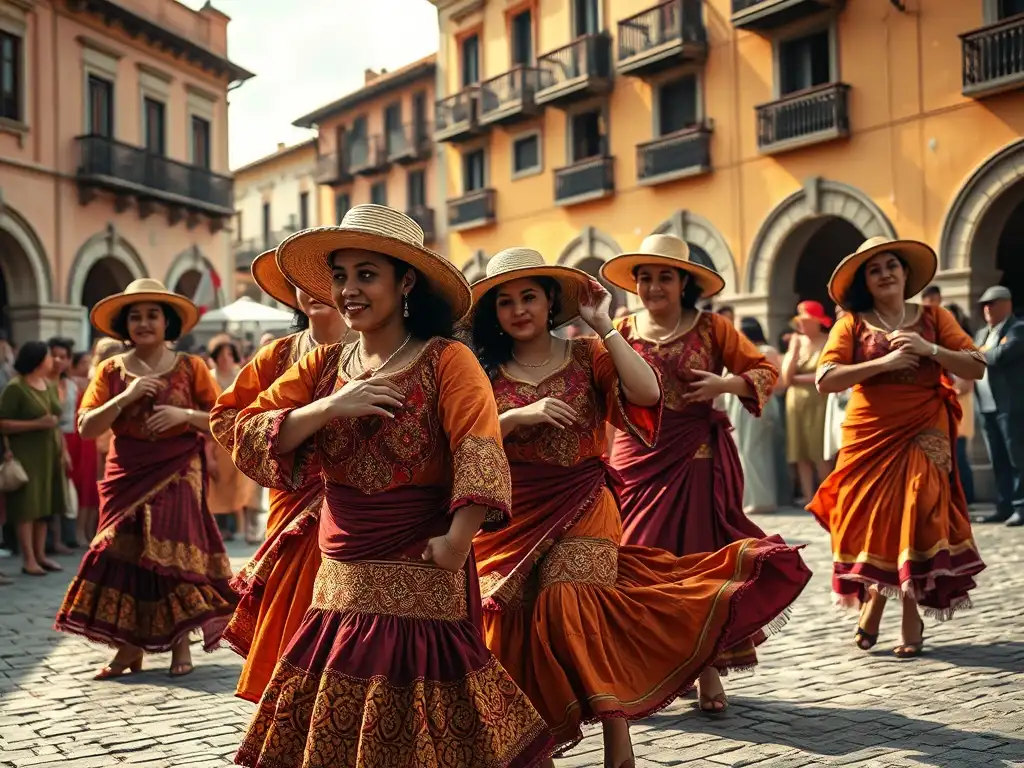
This section delves into the captivating history of Andean dance performances, exploring their evolution from sacred rituals to vibrant spectacles. We'll trace the origins of various dance forms, examining their cultural significance and how they've adapted over centuries. Understanding this rich history provides crucial context for appreciating the power and artistry of Andean dance today. The vibrant tapestry of Andean dance performance history is woven with threads of religious ceremony, social celebration, and artistic expression, a legacy passed down through generations.
A Legacy of Movement: Tracing the Origins of Andean Dance Forms
Andean dance, a powerful expression of cultural identity, boasts a history as rich and layered as the Andes themselves. Its origins are deeply rooted in pre-Columbian rituals and ceremonies. Archaeological evidence, including depictions on pottery and textiles, suggests the existence of elaborate dances dating back millennia.
These early forms were intrinsically linked to agricultural cycles, honoring deities associated with fertility, harvest, and the earth's bounty. Think of the intricate movements mimicking the planting and harvesting of crops, a testament to the deep connection between the Andean people and their environment. The rhythmic patterns and gestures were not merely aesthetic; they served as a vital means of communication, storytelling, and maintaining social cohesion within communities.
Many of these ancient dance forms, though adapted and evolved, still resonate in contemporary performances, showcasing the enduring power of tradition. For example, certain movements and postures found in modern huayno dances bear striking resemblance to those depicted in ancient artifacts. Further research is needed to fully understand the nuances of these ancient forms, but the evidence clearly points to a long and continuous tradition of Andean dance.
The Evolution of Andean Dance: From Rituals to Spectacles
The Spanish conquest significantly impacted Andean culture, including its dance traditions. While many indigenous forms were suppressed or altered, they were not eradicated. Instead, they often adapted and blended with European influences, resulting in a fascinating syncretism. Religious rituals were adapted to incorporate elements of Catholicism, while traditional movements were combined with new musical instruments and dance styles.
This process of cultural fusion gave birth to new Andean dance forms that reflected the changing social and political landscape. The yaraví, for instance, evolved from a lament expressing sorrow and longing into a broader genre encompassing various themes and styles. The incorporation of European instruments like the guitar and violin added new dimensions to the music accompanying the dances.
The evolution continued throughout the colonial period and beyond. As Andean societies developed, so did their dance traditions. What began as primarily ritualistic performances gradually evolved into more secular forms, often associated with celebrations, festivals, and social gatherings. The development of urban centers brought new audiences and opportunities for Andean dancers to showcase their skills.
Today, Andean dance performances are not only a celebration of heritage but also a vibrant art form enjoyed by audiences worldwide. The spectacle of color, music, and movement continues to captivate and inspire, showcasing the enduring legacy of Andean dance performance history. The diversity of Andean dance forms today, from the energetic caporal to the graceful marinera, is a testament to this rich and complex history, a living legacy of adaptation and innovation.
The Best Andean Dance Performances: A Guide to Experiencing the Spectacle
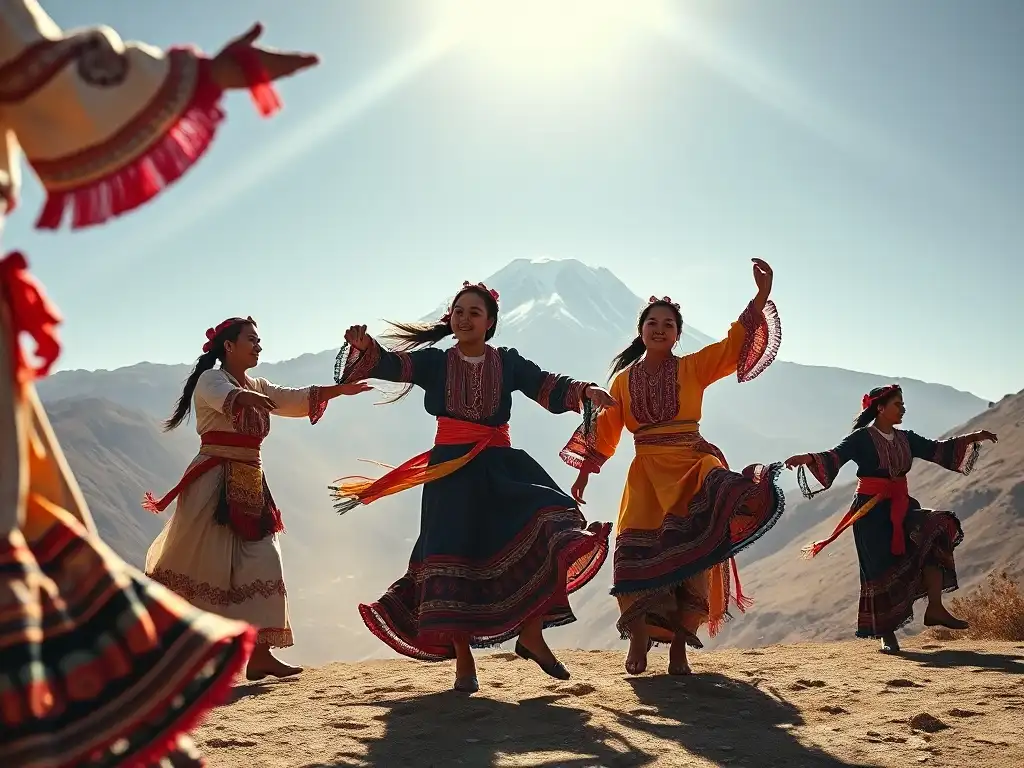
This section delves into the vibrant world of Andean dance performances, offering a curated selection of exceptional events that showcase the rich history and cultural significance of this ancient tradition. Understanding the nuances of Andean dance performance history requires experiencing these events firsthand. We'll explore two distinct examples, highlighting their unique characteristics and providing practical advice for those wishing to witness these spectacular displays.
Option 1: The Paucartambo Fiesta in Cusco, Peru - A Celebration of the Virgin Carmen
The Paucartambo Fiesta, held annually in July, is a breathtaking spectacle of Andean dance and religious fervor. This vibrant celebration honors the Virgin Carmen, a significant figure in Andean Catholicism, and features a series of elaborate processions, dances, and rituals. Its history intertwines indigenous traditions with Spanish colonial influences, creating a unique cultural fusion that is captivating to behold. The sheer scale and intensity of the event make it a truly unforgettable experience for any visitor interested in Andean dance performance history.
Witnessing the Colorful Procession: Key Aspects of the Paucartambo Fiesta
The heart of the Paucartambo Fiesta lies in its processions. These aren't simple parades; they are meticulously choreographed displays of Andean dance, featuring hundreds of participants in dazzling costumes. The procession winds through the streets of Paucartambo, accompanied by vibrant music played on traditional Andean instruments like panpipes, drums, and flutes.
The energy is palpable, a blend of religious devotion and exuberant celebration. Key aspects include the intricate movements of the dancers, the symbolic use of colors in their costumes, and the powerful emotional resonance of the event. The procession itself is a living testament to the enduring power of Andean traditions.
The Costumes and Choreography of Paucartambo: Understanding the Symbolic Representations
The costumes worn during the Paucartambo Fiesta are incredibly significant, representing a complex interplay of Andean symbolism and religious iconography. Elaborate headdresses, vibrant textiles, and intricate masks all contribute to the overall visual spectacle. The choreography itself is equally rich in meaning, with specific movements and gestures conveying narratives related to Andean mythology, history, and religious beliefs. Detailed research into these symbolic representations reveals the depth and complexity of the Andean dance performance history.
For example, the use of specific colors often signifies particular deities or natural elements. Further research is needed to fully catalogue the symbolic meaning of each costume element and dance movement. [Specific information pending on detailed costume analysis].
How to Experience the Paucartambo Fiesta: Travel Tips and Local Insight
Planning a trip to witness the Paucartambo Fiesta requires careful consideration. Accommodation in Paucartambo books up quickly, so advance planning is essential. It's recommended to engage a local guide to gain a deeper understanding of the cultural significance of the events. Learning a few basic Quechua phrases can also enhance your experience and show respect for the local culture.
Remember to dress respectfully, and be prepared for large crowds and potentially challenging weather conditions. Respecting local customs and traditions is paramount to a positive and enriching experience. The fiesta is a powerful display of Andean culture, and approaching it with sensitivity and respect will allow for a deeper appreciation of its significance.
Option 2: The Llamerada Dance of Bolivia - A Tribute to the Llama and Andean Herding
The Llamerada, a traditional Bolivian dance, celebrates the llama, a vital animal in Andean culture, and the traditions of Andean herding. Unlike the Paucartambo Fiesta's religious focus, the Llamerada is a more secular celebration of Andean pastoral life and its deep connection to the land. Its history is rooted in the everyday lives of Andean communities, showcasing their resilience and deep-seated relationship with their environment. This unique Andean dance performance history reflects the importance of the llama in the Andean economy and spiritual life.
The Significance of the Llama: Understanding the Llamerada's Symbolism
The llama holds immense cultural and economic significance for Andean communities. It is a source of food, wool, and transportation, and its presence is deeply interwoven with Andean spirituality. In the Llamerada, the llama is not merely a symbol; it is a central character, representing the connection between humans and nature, the spirit of the Andes, and the enduring strength of Andean communities.
The dance often depicts scenes of llama herding, highlighting the skills and knowledge required for this traditional way of life. The llama's symbolic representation within the Llamerada underscores the deep respect and reverence for the animal within Andean culture.
The Music and Rhythms of the Llamerada: Exploring the Andean Soundscape
The music accompanying the Llamerada is characterized by its lively rhythms and traditional Andean instruments. Panpipes, flutes, drums, and charangos create a vibrant soundscape that perfectly complements the energetic movements of the dancers. The music often incorporates elements of both indigenous and Spanish colonial influences, reflecting the rich cultural fusion that characterizes Andean music. The rhythmic complexity and emotional intensity of the music are crucial components of the overall performance, enhancing the narrative and creating a powerful and immersive experience. The music itself is a key element in understanding the broader Andean dance performance history.
Planning Your Trip to Experience the Llamerada: Best Locations and Cultural Centers
To experience the Llamerada, travel to the altiplano regions of Bolivia, where this tradition is most prevalent. Many communities hold their own Llamerada celebrations throughout the year, offering unique opportunities to witness this vibrant dance. Researching local festivals and contacting cultural centers in advance can help you plan your trip effectively. Learning some basic Spanish will greatly enhance your interaction with local communities. Remember to be respectful of local customs and traditions, and always seek permission before taking photographs or videos. The Llamerada is a living tradition, and its preservation depends on the responsible engagement of visitors.
The Huayno, a vibrant and energetic Andean dance, offers a captivating glimpse into the heart of Andean social life. Unlike some more ritualistic dances, the Huayno is deeply rooted in community and everyday expression. Its infectious rhythms and lively steps are a testament to the joy and resilience of the Andean people, reflecting their history, struggles, and triumphs through movement. The dance itself is characterized by its playful interaction between partners, often involving flirtatious steps and playful gestures.
This dynamic interplay underscores the social function of the Huayno, fostering connection and camaraderie within the community. The music, typically played on instruments like the charango and the zampoña, further enhances the celebratory and communal atmosphere. The Huayno isn't just a dance; it's a living tradition that continues to evolve, adapting to modern influences while retaining its core essence.
The Heart of Andean Social Life: Understanding the Role of Huayno
For centuries, the Huayno has served as a crucial element in Andean social gatherings. It's not merely entertainment; it's a vital part of celebrations, festivals, and even everyday life. In rural communities, the Huayno often accompanies communal work, providing a rhythmic backdrop to shared labor. It's a way to build morale, foster cooperation, and strengthen bonds within the community.
Furthermore, the Huayno has historically served as a means of social commentary and storytelling. Through its lyrics and movements, the dance can subtly convey messages about social issues, historical events, or even personal experiences. This ability to communicate on multiple levels makes the Huayno a powerful tool for cultural preservation and social expression. The evolution of Huayno lyrics also reflects changing social dynamics and the ongoing adaptation of the dance form to contemporary Andean life.
Huayno Dance Lessons: Learning the Steps and Rhythms
Learning the Huayno is an engaging and rewarding experience. Many communities and cultural centers offer classes for both beginners and experienced dancers. These lessons typically focus on the fundamental steps, the rhythmic patterns, and the proper posture. Experienced instructors often emphasize the importance of understanding the cultural context behind the dance, ensuring that participants appreciate the Huayno's historical significance and social function.
Beyond the technical aspects, learning the Huayno involves developing a sense of rhythm and coordination, as well as an appreciation for the intricate footwork and body movements. The steps, while seemingly simple, require practice and precision to execute effectively. Many online resources also offer tutorials and instructional videos for those who prefer to learn at their own pace. The process of learning the Huayno is as much about cultural immersion as it is about mastering the dance itself.
Huayno Festivals and Performances: Where to Experience Authentic Huayno
Experiencing a live Huayno performance is an unforgettable event. Numerous festivals throughout the Andes region celebrate this traditional dance, offering a vibrant and immersive cultural experience. These festivals often feature renowned Huayno groups, showcasing their skills and artistry. The atmosphere is typically electric, filled with the energy of the dancers, the lively music, and the enthusiastic participation of the audience.
Many festivals also incorporate other Andean traditions, such as food, crafts, and storytelling, enriching the overall experience. Attending a Huayno festival provides an opportunity to witness the dance in its authentic context, surrounded by a community that deeply values this cultural heritage. Finding specific festival dates and locations requires some research, as schedules vary from year to year, but information is readily available through local tourism boards and cultural organizations. Planning a trip around a Huayno festival guarantees an authentic and unforgettable encounter with Andean dance performance history.
Maximizing Your Andean Dance Experience: Essential Tips and Resources
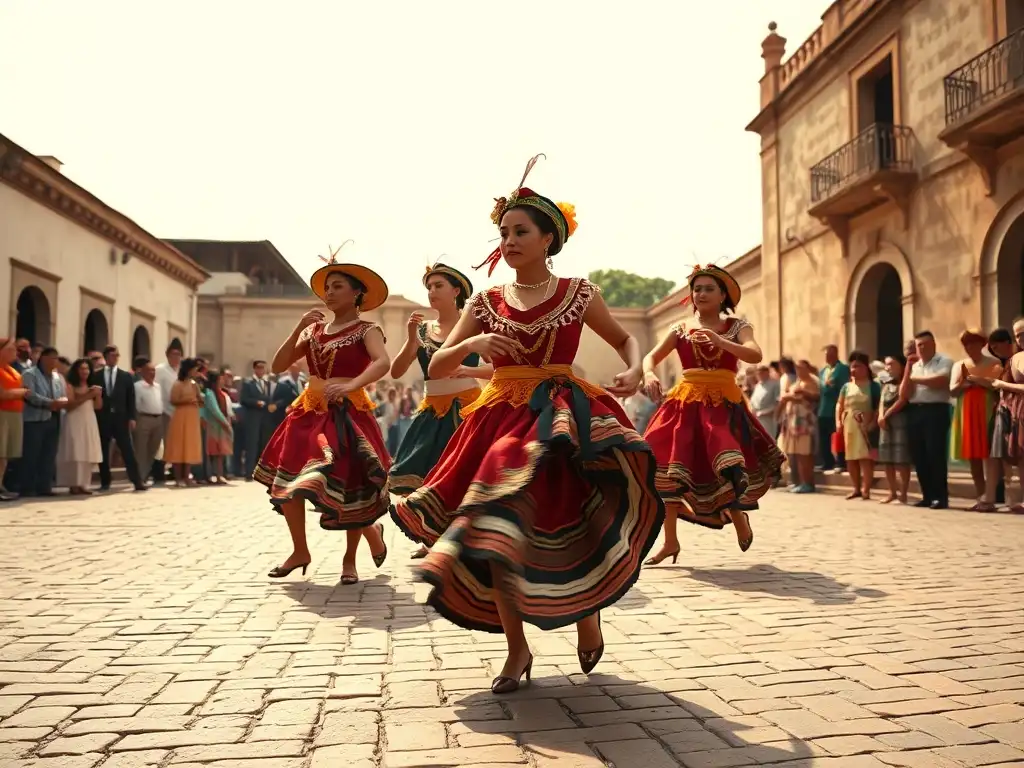
This section provides practical advice for maximizing your enjoyment and understanding of Andean dance performances, helping you truly appreciate the rich history and cultural significance embedded within each movement. We'll explore the music, offer tips for capturing the spectacle, and provide resources to deepen your appreciation of this vibrant art form. Understanding the nuances of Andean dance performance history is key to unlocking a truly immersive experience.
Understanding Andean Dance Music: Discovering the Sounds that Move the Andes
The music accompanying Andean dance is not merely background; it's the very heartbeat of the performance. It dictates the rhythm, the emotion, and the narrative woven into each step. To fully appreciate the dance, it's crucial to understand the music that fuels it. The soundscape of the Andes is diverse and rich, reflecting the varied geography and cultural influences across the region.
Andean Musical Instruments: The Charango, Zampoña and More
The unique sounds of Andean music are largely shaped by its distinctive instruments. The charango, a small lute-like instrument with a distinctive, bright tone, is a staple. Its rapid-fire strumming often provides the rhythmic backbone of many dances. Then there's the zampoña, a panpipe instrument, whose haunting melodies add layers of depth and emotion.
Other crucial instruments include the tarka (a type of flute), the quena (another flute, often used for high-pitched melodies), and various percussion instruments like drums and rattles. The interplay of these instruments creates a rich tapestry of sound, perfectly complementing the energetic movements of the dancers. The specific instruments used often vary depending on the region and the specific type of Andean dance being performed. For instance, a huayno from the highlands might feature a different instrumentation than a marinera from the coast.
Exploring Andean Musical Genres: From Yaraví to Sikuri
Andean music encompasses a vast array of genres, each with its own character and associated dance styles. The yaraví, for instance, is a slow, melancholic genre often associated with themes of love and loss, its music reflecting the somber mood of the dance. In contrast, the huayno, a lively and upbeat genre, inspires energetic and joyful dances.
The sikuris, played on panpipes, often accompany ceremonial dances and are characterized by their repetitive, hypnotic rhythms. Understanding these diverse musical genres is essential to comprehending the context and emotional depth of the accompanying dance. The specific genre significantly influences the style, tempo, and overall feeling of the Andean dance performance.
Capturing the Magic: Photography and Videography Tips for Andean Dance Performances
Recording Andean dance performances allows you to revisit the vibrant energy and cultural richness long after the event concludes. However, capturing the essence of these dynamic performances requires careful planning and execution.
Essential Gear for Capturing the Movement: Recommendations for Cameras and Lenses
For photography, a fast lens (e.g., f/2.8 or faster) is crucial for capturing sharp images in low-light conditions, often present in outdoor or dimly lit performance spaces. A telephoto lens will allow you to get closer to the action without disturbing the performers. For videography, a camera capable of shooting high-resolution video at a high frame rate (at least 60fps) is recommended to ensure smooth, detailed footage that captures the rapid movements of the dancers.
A tripod is essential for both photography and videography to avoid blurry images and videos. Consider investing in a high-quality external microphone to capture the rich sounds of the Andean music clearly.
Post-Processing Tips for Highlighting the Vibrancy of Andean Culture
Post-processing is key to enhancing the visual impact of your photos and videos. For photos, adjusting the white balance to accurately represent the colors of the costumes and setting is crucial. Subtle adjustments to contrast and saturation can also enhance the vibrancy of the images. For videos, color grading can be used to create a consistent and appealing visual style.
Experiment with different color palettes to highlight the diverse textures and colors of the costumes and setting. Remember to respect the cultural significance of the performance when editing your work; avoid over-processing or making changes that distort the authenticity of the event. 💃🕺
Conclusion: The Enduring Legacy of Andean Dance Performance and its Cultural Impact
Andean dance, far from being a mere spectacle, represents a vibrant tapestry woven from threads of history, spirituality, and social cohesion. Its enduring legacy is a testament to the ingenuity and resilience of Andean cultures. From the intricate steps of the huayno to the powerful movements of the caporal, each dance carries within it centuries of tradition, narrating stories of triumphs, struggles, and the deep connection between the Andean people and their environment.
Understanding the history of Andean dance performance is crucial to appreciating its profound cultural significance. The evolution of these dance forms mirrors the complexities of Andean societies, reflecting shifts in power dynamics, religious beliefs, and social structures. Analyzing this evolution reveals not only the artistry but also the societal values and beliefs embedded within each movement and rhythm.
The study of Andean dance performance history provides a window into the soul of these ancient civilizations, allowing us to connect with their past and appreciate the richness of their cultural heritage. The continued practice and preservation of these dances are essential for maintaining cultural identity and transmitting invaluable traditions to future generations.
Why Experience Andean Dance? The Transformative Power of Movement
Witnessing an Andean dance performance is a deeply transformative experience. It's more than just watching; it's about feeling the rhythm pulse through your body, connecting with the energy of the performers, and experiencing a cultural immersion unlike any other. The vibrant costumes, the intricate choreography, and the powerful music create an atmosphere of intense emotion and shared experience. The dances themselves often tell stories, conveying narratives of historical events, myths, and legends.
For example, the Tinkus dance, characterized by its energetic and sometimes aggressive movements, depicts a battle between two rival factions, symbolizing the ongoing struggle between opposing forces in life. Observing such performances offers a unique opportunity to connect with the spiritual and emotional core of Andean culture. Beyond the aesthetic pleasure, experiencing Andean dance offers a profound sense of connection to a rich and ancient heritage. The rhythmic movements can be meditative, fostering a sense of calm and well-being.
Many participants report feeling a renewed sense of energy and vitality after witnessing a performance. The transformative power of Andean dance is undeniable, enriching the lives of both performers and spectators alike. Participating actively, even just through observation, allows one to gain a deeper understanding and appreciation for the artistry and cultural significance of this ancient tradition. The emotional impact is undeniable – a powerful testament to the enduring power of Andean cultural expression.
Continuing the Legacy: Supporting Andean Artists and Cultural Preservation Initiatives
The preservation of Andean dance traditions requires ongoing commitment and support. Many initiatives are working to protect and promote these invaluable cultural assets, and active participation is crucial. Supporting Andean artists directly by attending performances, purchasing handcrafted items, and contributing to cultural organizations helps ensure the continuity of these traditions. Documenting and archiving dance performances, through video recordings and detailed ethnographic studies, is vital for preserving the knowledge and techniques passed down through generations.
Educational programs that teach Andean dance to younger generations are essential for ensuring that these traditions continue to thrive. Funding for these programs, whether through individual donations or government grants, is critical to their success. Furthermore, promoting cultural tourism that respects and benefits local communities contributes significantly to the preservation of Andean dance. This responsible tourism model ensures that the economic benefits of cultural preservation reach those who are directly involved in keeping these traditions alive.
By actively engaging with and supporting these initiatives, we can help ensure that the vibrant legacy of Andean dance continues to inspire and enrich lives for generations to come. The future of Andean dance performance history depends on our collective commitment to its preservation and celebration. 🇿🇦
Frequently Asked Questions
What is the significance of dance in Andean cultures?
Andean dance holds immense spiritual and social significance. It's deeply intertwined with religious ceremonies, agricultural cycles, and community celebrations, reflecting the people's connection to the land and their deities.
How did Andean dance evolve throughout history?
Andean dance traditions evolved over millennia, influenced by various cultures and empires like the Incas, Moche, and Nazca. Styles and costumes changed, reflecting shifts in beliefs and social structures.
What are some key characteristics of traditional Andean dance?
Traditional Andean dances often feature rhythmic movements, vibrant costumes, and the use of musical instruments like panpipes and drums. Many dances tell stories or depict historical events.
Where can I see a traditional Andean dance performance today?
Traditional Andean dances are still performed today in many Peruvian and Bolivian communities. You can find performances at cultural festivals, tourist events, and even in some villages.
How does the "When the Earth Moves" article relate to the history of Andean dance performance?
The article, "When the Earth Moves," explores the power and spectacle of Andean dance, providing context to its historical significance and ongoing cultural relevance. It highlights the artistry and continuing traditions.
Final Reflection: The Enduring Legacy of Andean Dance
The vibrant rhythms and breathtaking movements of Andean dance are not merely historical artifacts; they are a living testament to resilience, cultural preservation, and the enduring power of artistic expression. These dances, passed down through generations, continue to shape communities and inspire awe, reminding us of the profound connection between humanity and the natural world. Their survival in the face of colonialism and globalization is a powerful symbol of hope and cultural continuity.
The impact of Andean dance extends far beyond the performance itself. It's a vital thread in the rich tapestry of Andean culture, weaving together narratives of history, spirituality, and social identity. These dances are not just entertainment; they are a form of storytelling, a way of preserving ancestral knowledge, and a powerful tool for community building. As the renowned anthropologist, Clifford Geertz, stated, Man is an animal suspended in webs of significance he himself has spun.
Andean dance, in its intricate choreography and symbolic gestures, is a prime example of this web, a testament to the human capacity to create meaning and beauty in the face of adversity.
Consider the profound stories embedded within each step, each costume, each song. Let the energy and passion of these dances resonate within you. You, too, can become a custodian of this rich cultural heritage by seeking out performances, supporting Andean artists, and sharing the beauty and significance of these traditions with others. Let the spirit of the Andes inspire you to celebrate the power of art to connect us across time and cultures.
Experience the Rhythm: Join the Andean Dance Movement!
Thank you for exploring the captivating world of Andean dance. You've experienced a glimpse of the vibrant energy and rich culture this art form embodies. Now, let's dive deeper and celebrate the dynamic heritage of the Andes!
Here are some ways to connect more deeply with Andean culture:
- **Take an Andean dance class** and feel the rhythm of the Andes in your own body—**discover the joy of movement! **
- **Share this article** on social media, using the hashtag #AndeanDance, and invite your friends to explore this lively tradition.
- **Organize an Andean dance event** with your community—include local music and invite others to join the fun.
What aspect of Andean dance resonates most with you, and how will you incorporate it into your life or share it with others?