
Become Part of the Rhythm: Finding Connection Through Participation in Andean Festivals

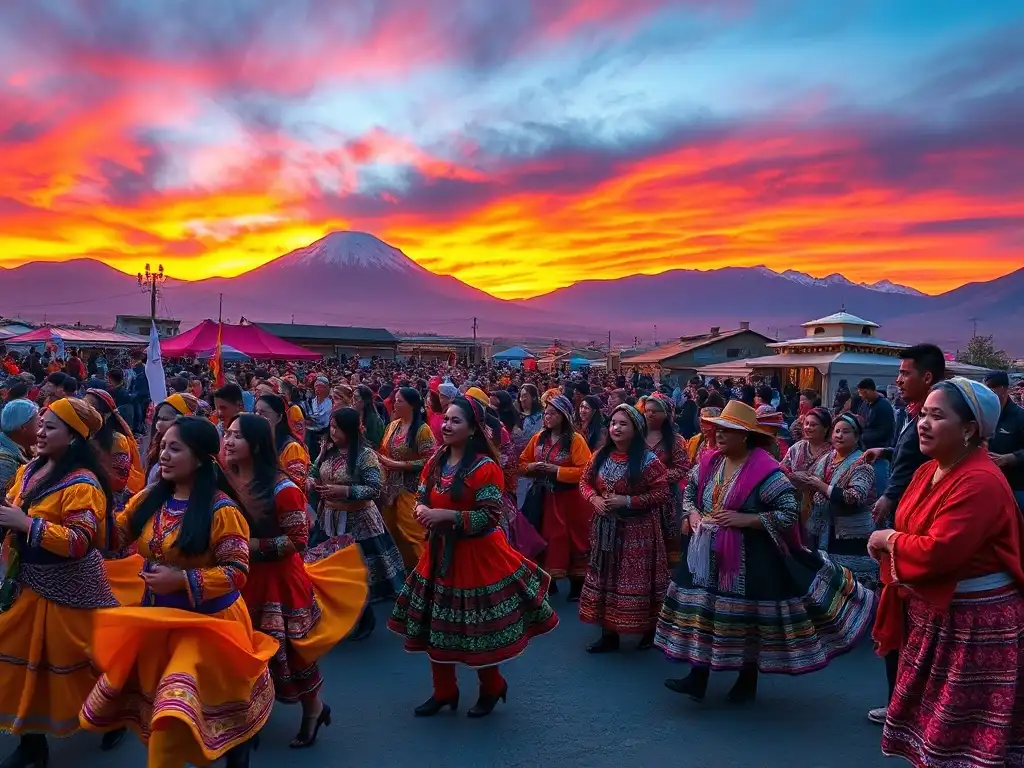
Unravel the mysteries of the Andes! Journey beyond the breathtaking landscapes and discover a vibrant tapestry of ancient cultures. From the intricate artistry of the Nazca lines to the sophisticated engineering of Machu Picchu, this website unlocks the secrets of the Andean civilizations. But there's more... prepare to be captivated by the electrifying energy of Andean festival participation, an immersive experience that connects you to a legacy thousands of years old. Dare to discover the rhythm?
- Become Part of the Rhythm: Finding Connection Through Andean Festival Participation
- Understanding the Significance of Andean Festivals: More Than Just a Celebration
-
Planning Your Andean Festival Adventure: A Practical Guide
- Researching Authentic Andean Festival Dates and Locations
- Choosing the Right Andean Festival for Your Interests: Inti Raymi vs. Qoyllur Rit'i
- Securing Transportation and Accommodation for Your Andean Festival Journey
- Essential Gear and Attire for Andean Festival Participation: Warm layers, Sun hat, Comfortable trekking shoes
-
Experiencing the Magic: What to Expect at an Andean Festival
- Witnessing the Vibrant Costumes and Traditional Attire
- Participating in Andean Rituals and Ceremonies: Offerings to Pachamama
- Learning Traditional Andean Dances and Rhythms: Zampoña and Charango
- Sampling Andean Cuisine and Local Delicacies: Pachamanca, Cuy
- Connecting with Local Communities Through Shared Festival Experiences
-
Maximizing Your Andean Festival Participation: Tips and Recommendations
- Respecting Local Customs and Traditions During Andean Festivities
- Learning Basic Quechua Phrases for Enhanced Interactions
- Engaging with Local Artisans and Purchasing Authentic Crafts: Handwoven textiles
- Capturing the Moment: Photography and Videography Guidelines at Andean Festivals
- Supporting Local Businesses and Contributing to Community Tourism
-
Monetizing Your Andean Festival Experience: Opportunities for Revenue
- Affiliate Marketing: Promoting Authentic Andean Crafts and Tours
- High CPC Content: Creating Detailed Guides on Specific Andean Festivals
- Offering Photography or Videography Services Focused on Andean Cultural Events
- Creating and Selling Ebooks or Online Courses on Andean Festival Participation
- Partnerships with Local Tour Operators and Accommodation Providers
- The Lasting Impact of Andean Festival Experiences: Beyond the Celebration
- Frequently Asked Questions
- Final Reflection: The Enduring Beat of Andean Connection
- Join the Celebration: Immerse Yourself in Andean Culture!
Become Part of the Rhythm: Finding Connection Through Andean Festival Participation
The Andes Mountains, a spine of majestic peaks running down the western edge of South America, are not just a geographical feature; they are the cradle of vibrant and enduring cultures. For centuries, Andean civilizations—the Incas, Moche, Nazca, Tiahuanaco, and many others—have expressed their spirituality, history, and daily life through intricate rituals and celebrations.
Today, these traditions continue to thrive in the form of colorful, energetic festivals, offering a unique opportunity for visitors to connect with the heart of Andean culture on a deeply personal level. This article explores the profound experience of participating in Andean festivals, highlighting the ways in which active involvement can foster a deeper understanding and appreciation of this rich heritage.
We will delve into the significance of participation, offering practical advice and insights to help you plan your own immersive Andean festival experience and truly “become part of the rhythm.” This is more than just observing; it's about engaging with a living culture, feeling its pulse, and forging a genuine connection with its people and traditions. Participating in an Andean festival is an unforgettable journey into the soul of the Andes.
Immersing Yourself in Andean Culture Through Festival Experiences
Participating in an Andean festival is far more than simply witnessing a performance; it's about actively engaging with a living tradition. It's about feeling the earth tremor beneath your feet as dancers move in synchronized steps, the vibrant energy radiating from the colorful costumes, and the infectious rhythm of the music pulsating through your body. The experience transcends the visual and auditory; it's a multi-sensory immersion into a world where ancient rituals and modern celebrations intertwine.
From the intoxicating aromas of traditional foods to the palpable sense of community, every aspect of the festival contributes to a holistic and deeply enriching experience. Many festivals involve participatory elements, allowing you to join in the dancing, singing, or even helping with preparations. This active engagement fosters a sense of belonging and allows for a more profound connection with the local community and their cultural heritage.
Think of it as a living museum, where history, artistry, and community come together in a breathtaking display of human expression. The sheer energy and joy are infectious, leaving a lasting impact long after the festival concludes.
The benefits of participating extend beyond personal enrichment. It fosters cultural exchange, promoting understanding and appreciation between different cultures. It supports local communities by contributing to their economy and preserving their traditions.
It's an opportunity to learn about Andean history, beliefs, and values firsthand, moving beyond the textbook and into the realm of lived experience. By actively participating, you become a part of the story, contributing to the continuation of a vibrant and enduring cultural legacy. The experience is transformative, offering a chance to step outside your comfort zone, embrace new perspectives, and connect with something far greater than yourself.
Understanding the Significance of Andean Festivals: More Than Just a Celebration
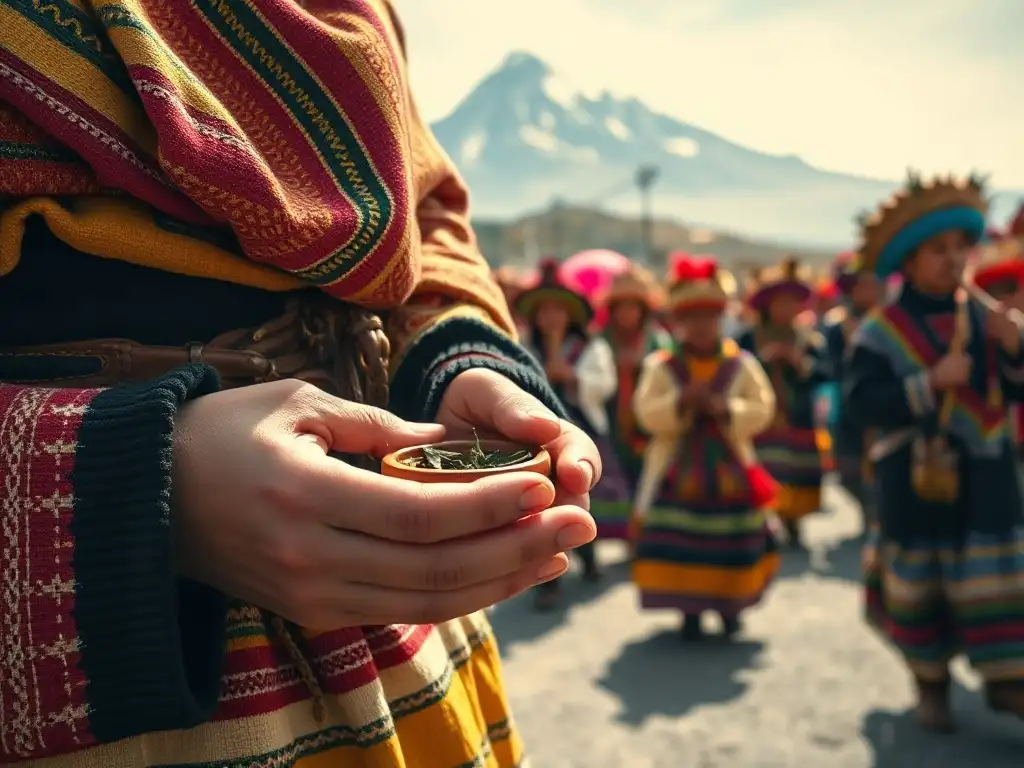
Andean festivals are vibrant expressions of a rich cultural heritage, extending far beyond mere celebrations. They represent a profound connection to ancestral traditions, a reinforcement of community bonds, and a powerful demonstration of cultural identity. Understanding this deeper significance is key to appreciating the transformative experience of participating in these events. Active participation allows for a more meaningful engagement with Andean culture, moving beyond passive observation to genuine immersion. This section delves into the historical roots, communal aspects, and the crucial role of music and dance in shaping these unique festivals.
The Historical Roots of Andean Rituals and Celebrations
Andean festivals are deeply rooted in ancient traditions, often tracing back to pre-Inca civilizations. Many rituals and ceremonies observed today are echoes of practices carried out for centuries, passed down through generations. These rituals were, and continue to be, intrinsically linked to the agricultural cycle, the veneration of deities associated with nature (e.g., the sun, Pachamama – Mother Earth), and the celebration of life's significant milestones.
For example, the Inti Raymi, the Inca festival celebrating the solstice, is a prime example of a tradition that has endured, adapted, and been revived in modern times. The rituals involved, from the offerings to the elaborate costumes, reflect a continuity of spiritual beliefs and practices. Detailed ethnographic studies reveal intricate connections between ancient iconography found in pottery, textiles, and other artifacts, and the symbolic actions performed during contemporary festivals.
Archaeological evidence further supports this continuity, showing similar patterns in ceremonial sites and offerings across different eras. The persistence of these traditions underscores their enduring importance in shaping Andean identity and worldview. The vibrant colors, intricate designs, and symbolic gestures all carry layers of meaning accumulated over centuries.
Andean Festivals as Expressions of Community and Identity
Beyond their historical significance, Andean festivals serve as powerful expressions of community and shared identity. Participation fosters a strong sense of belonging and collective pride. These events are not merely spectacles for tourists; they are active engagements where community members actively participate in every aspect, from the preparation and execution of rituals to the creation of costumes and musical performances. The collaborative nature of these festivals reinforces social bonds and strengthens community ties.
For instance, the preparation for a significant festival often involves the entire community, with individuals contributing their skills and resources. This collective effort creates a shared experience that transcends individual differences, promoting unity and solidarity. The festivals serve as a platform for the transmission of cultural knowledge and values from one generation to the next, ensuring the continuation of traditions.
This intergenerational exchange is critical for maintaining cultural vibrancy and preventing the erosion of traditional practices. Observing the intricate coordination and the evident joy shared among participants vividly illustrates the unifying power of these celebrations. The strong sense of collective identity fostered by these festivals is a crucial element in maintaining cultural continuity and resilience.
The Role of Music and Dance in Andean Cultural Practices
Music and dance are integral components of Andean festivals, acting as powerful vehicles for expressing cultural identity and transmitting historical narratives. The diverse musical styles and dance forms, unique to different Andean regions, reflect the rich tapestry of cultures that comprise the Andean world. The rhythmic patterns, melodies, and instrumentation often carry symbolic meanings related to nature, spirituality, and social structures. For example, the use of panpipes and other traditional instruments evokes the sounds of the Andes, connecting participants to the environment and ancestral heritage.
The dances themselves frequently tell stories, depicting historical events, mythological figures, or agricultural practices. The movements, costumes, and accompanying music all contribute to a holistic experience that encapsulates the essence of Andean culture. Detailed analyses of the music and dance reveal intricate connections to historical events, social structures, and spiritual beliefs.
The precise steps, gestures, and musical phrases are not merely decorative; they are carefully preserved expressions of a living cultural tradition. The preservation and performance of these musical and dance traditions are crucial for maintaining cultural heritage and ensuring its transmission to future generations. The energy and passion displayed during performances are testaments to the vital role of music and dance in shaping Andean identity and experience.
Planning Your Andean Festival Adventure: A Practical Guide
Embarking on a journey to participate in an Andean festival is an enriching experience, offering a deep dive into the vibrant heart of Andean culture. However, proper planning is crucial to ensure a smooth and fulfilling trip. This section provides a practical guide to help you navigate the logistics and maximize your immersive experience. Successful Andean festival participation hinges on meticulous preparation.
Researching Authentic Andean Festival Dates and Locations
Pinpointing the precise dates and locations of authentic Andean festivals requires diligent research. Many festivals are deeply rooted in the agricultural calendar and are tied to specific geographical locations, reflecting the unique traditions of each region. For instance, the Inti Raymi, the Inca festival celebrating the winter solstice, takes place annually near Cusco, Peru, on June 24th. However, smaller, equally vibrant celebrations honoring local deities or agricultural cycles may occur throughout the year in various communities.
To uncover these hidden gems, consider the following strategies:
- Consult specialized travel agencies: Many agencies specializing in Andean travel offer curated tours that include participation in festivals. These tours often handle logistics, providing valuable insights into less-known celebrations.
- Explore online forums and communities: Online forums dedicated to travel in the Andes, or those focused on cultural immersion, are excellent resources. Experienced travelers often share tips and details on lesser-known festivals, offering firsthand accounts and valuable advice.
- Engage with local communities directly: If you have contacts in Andean communities, reaching out directly can provide invaluable information. Local knowledge will offer the most accurate and up-to-date details on festival dates and locations.
Remember to verify information from multiple sources to ensure accuracy, as dates and locations can sometimes change. Flexibility is key when planning your Andean festival participation.
Choosing the Right Andean Festival for Your Interests: Inti Raymi vs. Qoyllur Rit'i
The choice of which Andean festival to attend is deeply personal and depends on your interests. Two of the most well-known festivals, Inti Raymi and Qoyllur Rit'i, offer vastly different experiences.
| Feature | Inti Raymi | Qoyllur Rit'i |
|---|---|---|
| Theme | Inca Sun Festival; celebration of the solstice | Catholic-Inca syncretic festival; pilgrimage |
| Location | Cusco, Peru | Ausangate Mountain, Peru |
| Atmosphere | Grand spectacle; large-scale, tourist-oriented | More intimate; spiritual and deeply rooted |
| Participation | Primarily observation; some ceremonial roles | More active participation; pilgrimage aspect |
| Accessibility | Relatively easy to access | Requires physical fitness; high altitude |
Inti Raymi is a spectacular, large-scale event with a focus on historical reenactment and vibrant performances. It's ideal for those seeking a visually stunning and culturally significant experience. Qoyllur Rit'i, on the other hand, is a more intimate and spiritually charged pilgrimage to a high-altitude mountain shrine. This festival demands physical endurance and a deeper interest in Andean spirituality and syncretism. The choice hinges on your preferences for scale, accessibility, and the level of participation you seek.
Securing Transportation and Accommodation for Your Andean Festival Journey
Securing transportation and accommodation well in advance is crucial for a successful Andean festival journey. The popularity of these events, particularly the larger ones, can lead to limited availability, especially during peak season.
- Transportation: Consider your travel style and the festival's location. For easily accessible festivals, buses or trains may suffice. However, for remote festivals, hiring a private driver or joining a guided tour is often necessary. Booking transportation early, especially for intercity travel, is highly recommended.
- Accommodation: Accommodation options vary widely depending on the festival location. In larger cities, hotels and hostels offer a range of choices. However, for remote festivals, homestays or community-based lodging might be the only options. Booking in advance is crucial, as availability near festival sites can be limited.
Planning for potential disruptions is also vital. Consider having backup plans for transportation and accommodation, as unexpected events can occur. Thorough preparation will ensure a smooth and enjoyable Andean festival experience, allowing you to fully immerse yourself in the rich cultural tapestry of the Andes.
Essential Gear and Attire for Andean Festival Participation: Warm layers, Sun hat, Comfortable trekking shoes
Participating in an Andean festival is an immersive experience, and being prepared for varying weather conditions and terrain is crucial for maximizing your enjoyment. The Andes mountain range boasts diverse microclimates, meaning temperatures can fluctuate dramatically throughout the day, even within a single festival location. Packing strategically will ensure you're comfortable and ready for anything.
One of the most important aspects of your packing list is layering your clothing. Even during the warmest months, nights in the Andes can be surprisingly chilly. Start with a breathable base layer, such as merino wool or synthetic material, to wick away sweat. Add a mid-layer, perhaps a fleece jacket or lightweight down vest, for insulation. Finally, pack a waterproof and windproof outer layer, such as a shell jacket, to protect yourself from unexpected showers or strong winds. Remember, it's always better to have too many layers than too few!
A sun hat is another essential item. The high altitude and intense sun at many Andean festival locations can lead to sunburn and heatstroke if you're not adequately protected. Opt for a wide-brimmed hat that provides ample shade for your face, neck, and ears. Consider a hat with a chin strap to prevent it from blowing away in the wind. Don't forget sunglasses with UV protection to shield your eyes from the strong Andean sun.
Finally, comfortable trekking shoes are a must. Many Andean festivals take place in mountainous or uneven terrain. Sturdy, broken-in hiking boots or trail runners will provide the support and stability you need to navigate the often challenging ground. Avoid wearing new shoes, as blisters can quickly ruin your festival experience.
Remember to pack extra socks, as damp or sweaty feet can cause discomfort and even lead to health issues at altitude. Proper footwear is key to ensuring you can fully participate in the festivities without physical limitations. Choosing the right gear ensures you can fully focus on the vibrant culture and electrifying energy of the festival.
Experiencing the Magic: What to Expect at an Andean Festival
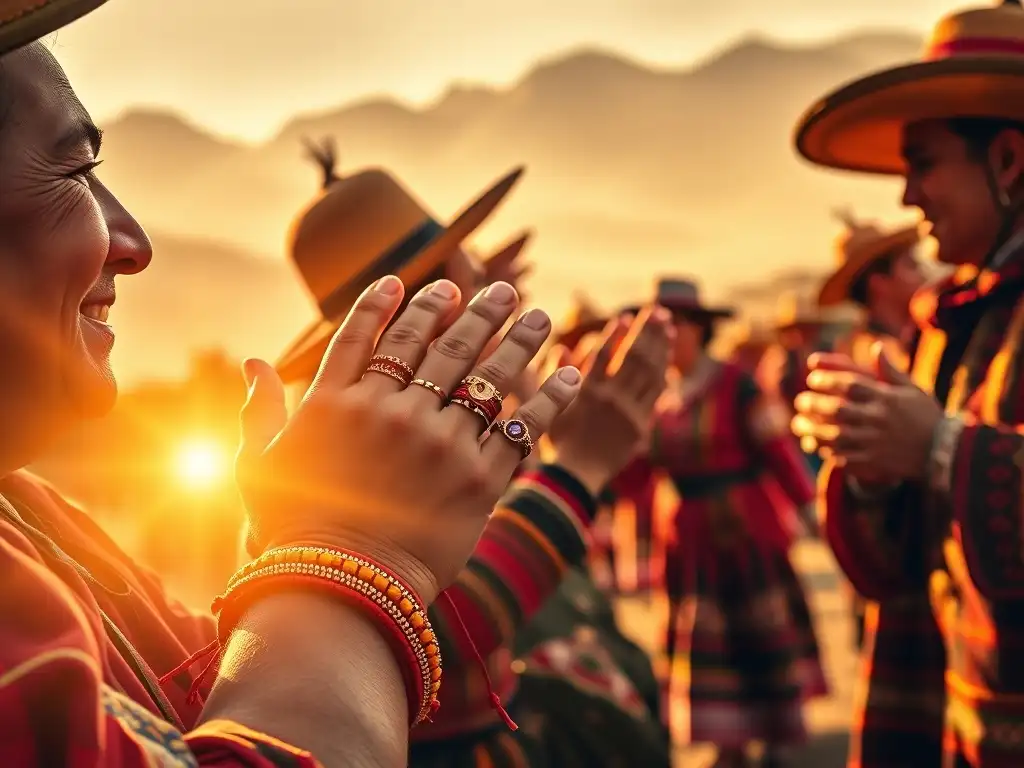
This section delves into the immersive experience of attending an Andean festival, focusing on what participants can anticipate and how to best engage with the culture. Understanding the nuances of these events is key to maximizing your "Andean festival participation" and fostering a deeper connection with Andean traditions.
Witnessing the Vibrant Costumes and Traditional Attire
Andean festivals are a kaleidoscope of color and artistry, with participants adorning themselves in incredibly detailed and vibrant costumes. These aren't simply clothes; they are living expressions of cultural identity, history, and spiritual beliefs. The intricate weaving, embroidery, and adornments often tell stories, passed down through generations, reflecting specific communities and their unique traditions. For instance, the use of specific colors in the textiles might signify a particular deity or a significant event in the community's history. You might see:
- Chumpi: Elaborate woven belts, often adorned with intricate designs and symbolic motifs.
- Lliclla: A shawl or rectangular cloth, frequently worn by women, showcasing stunning patterns and colors.
- Monteras: Traditional hats, often made of felt or straw, and sometimes decorated with feathers or other embellishments, vary greatly depending on the region and the specific festival.
- Ayllu-specific attire: Many communities have their own unique styles of dress, further emphasizing the diversity of Andean cultures.
Observing these costumes offers a window into the rich tapestry of Andean societies. Take the time to appreciate the craftsmanship and the stories encoded within each garment. Remember to be respectful; asking to photograph someone should always be done with permission and politeness. A simple "Buenos días" and a smile can go a long way in demonstrating your respect for their traditions.
Participating in Andean Rituals and Ceremonies: Offerings to Pachamama
Many Andean festivals incorporate rituals and ceremonies honoring Pachamama, the Earth Mother. These ceremonies often involve offerings of food, drink, coca leaves, and other items to show respect and gratitude for the bounty of the land. The rituals vary depending on the specific community and the festival being celebrated, but often involve prayers, music, and dance. Understanding the significance of these ceremonies is crucial for respectful participation.
While active participation in some rituals might be reserved for community members, observing these ceremonies with respect and understanding is a valuable experience. It allows you to witness a direct connection to ancient beliefs and practices, enriching your understanding of Andean spirituality. It's important to remember that these are sacred events; maintain a respectful distance and avoid disruptive behavior. Observe quietly and appreciate the solemnity of the occasion.
Learning Traditional Andean Dances and Rhythms: Zampoña and Charango
Andean festivals are alive with music and dance. The zampoña, a panpipe instrument, and the charango, a small lute-like instrument, are frequently featured, creating enchanting melodies that accompany vibrant dances. These dances often tell stories, reenact historical events, or express spiritual beliefs. Many festivals offer workshops or opportunities to learn basic steps and rhythms. Participating in these activities provides an even deeper level of engagement and allows you to actively connect with the heart of Andean culture.
Learning even a few basic steps can greatly enhance your experience. It’s a chance to connect with the rhythm and energy of the festival on a physical level. Even if you are not a seasoned dancer, the welcoming atmosphere of most Andean festivals encourages participation. Don't be afraid to try! The focus is on shared experience and cultural exchange. The joy and energy are infectious, and even simple participation will be met with warmth and encouragement. Remember that active participation, even in a small way, significantly enhances the overall experience of "Andean festival participation."
Sampling Andean Cuisine and Local Delicacies: Pachamanca, Cuy
Participating in an Andean festival offers a unique opportunity to immerse yourself in the region's rich culinary traditions. Beyond the vibrant sights and sounds, the flavors of Andean cuisine are a crucial part of the cultural experience. One of the most iconic dishes you might encounter is Pachamanca, a traditional Andean feast prepared in an underground oven. Meat, vegetables, and tubers are cooked slowly using heated stones, resulting in incredibly tender and flavorful food.
The process itself is a spectacle, often involving the community in the preparation and sharing of the meal. It's a communal event, strengthening bonds and fostering a sense of shared heritage. The aroma alone is enough to transport you to the heart of Andean culinary history.
Another noteworthy dish, though perhaps not for the faint of heart, is cuy – roasted guinea pig. While it might seem unusual to those unfamiliar with Andean cuisine, cuy is a staple in many communities and holds significant cultural importance. It's often served during special occasions and festivals, symbolizing prosperity and abundance.
The preparation methods vary, but the result is a crispy, flavorful meat with a unique taste. Trying cuy is a chance to step outside your comfort zone and truly appreciate the diversity of Andean gastronomy. Remember to approach it with an open mind and a willingness to engage with the local culture; the experience is as much about the cultural context as the taste itself.
Sampling these dishes is not merely about eating; it's about participating in a centuries-old tradition and connecting with the Andean people on a deeper level. The shared meal becomes a powerful symbol of community and cultural exchange.
Andean festivals are not merely spectacles to be observed; they are living, breathing expressions of community. Active participation is key to truly understanding and appreciating the depth of the cultural experience. Engaging with the local community transcends passive observation; it's about sharing in the collective joy, participating in the dances, and learning from the elders. Many festivals involve collaborative activities, such as preparing food, decorating streets, or assisting with the ceremonial aspects. These shared experiences create a sense of belonging and allow visitors to forge meaningful connections with the people who are the heart of the festival.
Learning a few basic Quechua phrases can significantly enhance your interactions. Even a simple "gracias" or "sumaj" (beautiful) can go a long way in showing respect and appreciation. Being mindful of local customs and traditions is also essential. Observe how locals interact, and follow their lead. Avoid intrusive photography or behavior that might be considered disrespectful.
Remember that you are a guest in their community, and showing respect is paramount. By actively engaging and demonstrating genuine interest, you'll find that the community welcomes you with open arms, offering insights and experiences that go far beyond the typical tourist encounter. The true magic of Andean festival participation lies in the human connections forged through shared experiences, creating memories that last a lifetime. This genuine interaction fosters deeper understanding and appreciation for the rich tapestry of Andean culture, transforming a simple festival attendance into a profoundly enriching experience.
Maximizing Your Andean Festival Participation: Tips and Recommendations
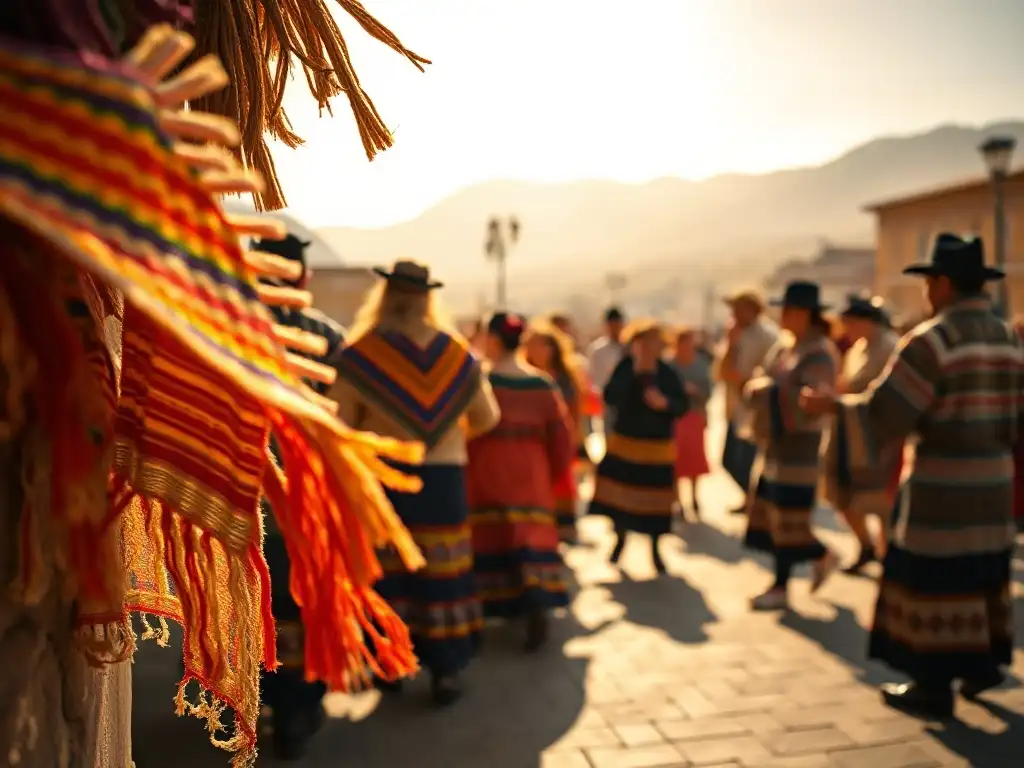
This section provides practical advice to ensure a respectful, enriching, and memorable experience at Andean festivals. Participating in these vibrant events offers a unique opportunity to connect with the heart of Andean culture, but preparation and sensitivity are key to maximizing your engagement. Understanding local customs and traditions, even learning a few basic phrases, can significantly enhance your interactions and deepen your appreciation for the Andean way of life.
Respecting Local Customs and Traditions During Andean Festivities
Andean festivals are deeply rooted in centuries-old traditions and spiritual beliefs. Showing respect for these customs is paramount. Before attending any festival, research the specific traditions associated with it. This might involve understanding the significance of certain rituals, clothing, or offerings. For example, some festivals involve specific offerings to Pachamama (Mother Earth), and understanding these practices demonstrates your respect.
Observing local etiquette is crucial. Dress modestly, especially when visiting religious sites or participating in ceremonies. Avoid loud or disruptive behavior that might distract from the solemnity of the event. Photography should be approached with sensitivity; always ask permission before taking pictures of individuals or participating in sacred rituals. Remember, you are a guest in a vibrant culture; your respectful behavior contributes to a positive exchange.
Many festivals involve specific foods and drinks. While trying local delicacies is encouraged, do so with awareness. Some foods might have cultural or religious significance, and consuming them respectfully is important. Observe how locals participate and follow their lead. This mindful approach ensures you participate authentically and avoid unintentional offense. For instance, in some communities, sharing food and drink is a significant act of bonding, while in others, certain foods are reserved for specific occasions.
Understanding the nuances of Andean culture is key to genuine engagement. This includes appreciating the importance of community and reciprocity. Andean festivals are often collective experiences, and participating respectfully within this framework enhances the overall experience for everyone involved.
Learning Basic Quechua Phrases for Enhanced Interactions
Learning even a few basic Quechua phrases can significantly enhance your interactions with locals during Andean festivals. While Spanish is widely spoken in many areas, Quechua remains the primary language for many Andean communities, and using it demonstrates respect and a genuine interest in their culture. Simple phrases like "Sumaj kawsay" (good life), "Gracias" (thank you), and "Allin" (good) can go a long way in building positive relationships.
Consider carrying a small phrasebook or using a translation app on your phone. However, be aware that Quechua has different dialects, so focusing on common phrases is more effective than trying to master a specific dialect. Even a simple attempt to communicate in Quechua will be appreciated, showing your willingness to connect on a deeper level.
Learning a few greetings and polite phrases can make a significant difference in your interactions, opening doors to more meaningful conversations and a richer cultural immersion. This simple act of learning a few words can be a powerful bridge to connect with the heart of the Andean culture.
Engaging with Local Artisans and Purchasing Authentic Crafts: Handwoven textiles
Andean festivals provide a wonderful opportunity to engage directly with local artisans and purchase authentic crafts. Handwoven textiles, particularly those made from alpaca or llama wool, are iconic Andean products representing centuries of tradition and skill. Purchasing these items directly from the artisans not only supports their livelihoods but also allows you to learn about the techniques and stories behind their creations.
When purchasing crafts, take the time to appreciate the artistry and craftsmanship involved. Ask questions about the materials, techniques, and inspiration behind the pieces. This interaction shows respect for the artisan's skill and allows you to learn more about the cultural significance of their work. Buying directly from the artisans ensures fair prices and avoids contributing to exploitative practices.
Look for artisans who are actively participating in the festival, showcasing their work and sharing their stories. This direct engagement enhances the experience and ensures that your purchase directly supports the local community and their cultural heritage. The vibrant colors and intricate designs of Andean textiles tell a story of resilience, creativity, and cultural continuity, making them treasured souvenirs of your Andean festival experience. Supporting these artisans helps to preserve these valuable traditions for future generations, enriching the cultural landscape of the Andes.
Capturing the Moment: Photography and Videography Guidelines at Andean Festivals
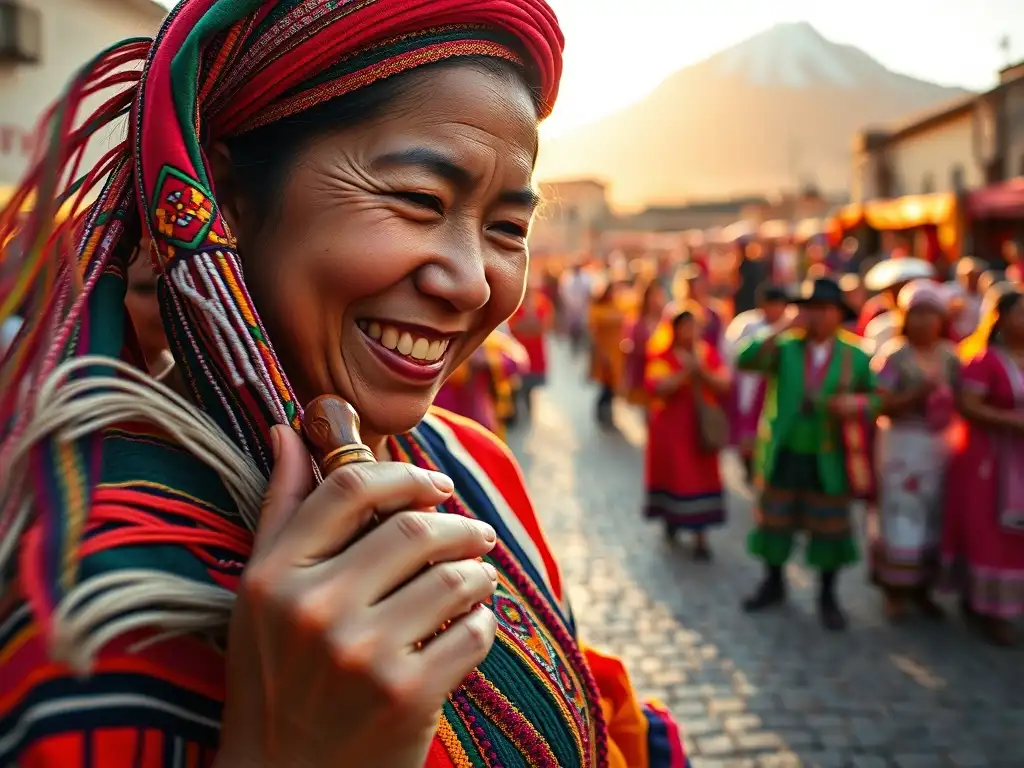
Andean festivals are vibrant spectacles of color, music, and movement, offering unparalleled photographic and videographic opportunities. However, respectful engagement is paramount. Before you raise your camera or phone, remember you are a guest in a living cultural tradition. Avoid intrusive behavior; don't block views or get in the way of dancers or performers. Obtain permission before taking close-up shots of individuals, especially those in ceremonial roles.
A simple smile and a gesture indicating you'd like to take their picture often suffices. Remember that flash photography can be disruptive and even offensive in some contexts; opt for natural light whenever possible. Consider the overall ambiance; a wide shot capturing the energy of the entire festival might be more impactful than numerous close-ups. Respect the sacredness of certain rituals and ceremonies; refrain from filming or photographing events that seem private or restricted.
Finally, be mindful of your equipment; keep it secure and avoid drawing undue attention to yourself. Remember, the goal is to capture the spirit of the festival, not to dominate it. The best photos and videos will reflect a thoughtful and respectful approach to this rich cultural experience. Consider the ethical implications of sharing your content online; ensure that your images and videos do not misrepresent or exploit the community.
Supporting Local Businesses and Contributing to Community Tourism
Participating in Andean festivals is not just about experiencing the spectacle; it's about engaging with the local community. One of the most impactful ways to do this is by supporting local businesses. From purchasing handicrafts directly from artisans to enjoying meals prepared with traditional ingredients at local restaurants, your spending directly contributes to the economic well-being of the community. Look for opportunities to buy souvenirs and crafts from local vendors rather than mass-produced items.
Engage with the artisans, learn about their techniques, and appreciate the stories behind their work. This not only supports their livelihoods but also fosters a deeper understanding and appreciation of Andean culture. Choosing to eat at locally owned restaurants supports not only the business owners but also the local food system. By patronizing these establishments, you contribute to the preservation of traditional culinary practices and support sustainable agriculture.
Moreover, opting for locally guided tours ensures that a larger portion of your tourism spending stays within the community, directly benefiting its inhabitants. Remember, responsible tourism is about creating mutually beneficial relationships between visitors and the communities they visit. Your participation in Andean festivals should be a positive experience for both you and the people who share their culture with you. Consider the long-term impact of your choices; responsible spending ensures the sustainability of these vibrant traditions for generations to come.
Monetizing Your Andean Festival Experience: Opportunities for Revenue
Participating in Andean festivals is a deeply enriching experience, connecting you to a vibrant culture rich in history and tradition. But beyond the personal rewards, there are also opportunities to generate income from your involvement. This section explores several avenues for monetizing your Andean festival experience, transforming your passion into a sustainable source of revenue. The key is to leverage your unique access and perspective to create valuable products and services for fellow enthusiasts seeking authentic Andean cultural experiences. This approach directly relates to the keyword "Andean festival participation," showcasing the practical benefits beyond mere enjoyment.
Affiliate Marketing: Promoting Authentic Andean Crafts and Tours
One lucrative strategy is affiliate marketing. Many artisans and tour operators specializing in Andean experiences would gladly collaborate. By becoming an affiliate, you earn a commission on each sale generated through your unique referral link. This approach requires identifying reputable businesses offering high-quality, ethically sourced products and tours that align with your values and the spirit of Andean culture.
Consider focusing on specific niches within the broader Andean market. For example, you could specialize in promoting:
- Handwoven textiles: Showcase the intricate designs and the stories behind the craftsmanship of textiles from specific Andean regions like Cusco or the Lake Titicaca region.
- Traditional musical instruments: Highlight the unique sounds and history of instruments such as the charango or the panpipes.
- Authentic Andean tours: Partner with reputable tour operators who prioritize sustainable tourism and cultural sensitivity. Promote tours that offer immersive experiences, such as participation in traditional ceremonies or workshops.
Careful curation is crucial. Promote only products and services that you genuinely believe in, ensuring your recommendations resonate with authenticity and integrity. Track your affiliate links diligently to analyze performance and optimize your marketing strategy. This allows you to refine your approach, focusing on the most successful collaborations and products, maximizing your revenue potential.
High CPC Content: Creating Detailed Guides on Specific Andean Festivals
High-cost-per-click (CPC) keywords related to specific Andean festivals offer another avenue for monetization. By creating comprehensive, detailed guides on individual festivals like Inti Raymi or Fiesta de la Candelaria, you can attract a targeted audience willing to pay for valuable information. These guides can be monetized through various methods:
- Blogging: Create detailed blog posts, enriched with high-quality images and videos, covering logistical information, cultural insights, and insider tips. Use relevant keywords strategically throughout the text to improve search engine ranking.
- Ebooks and Guides: Compile your expertise into downloadable ebooks or comprehensive guides offering even more in-depth information than blog posts. These can be sold directly or through platforms like Amazon Kindle Direct Publishing.
- Online Courses: For a more advanced approach, create online courses offering a deeper dive into specific aspects of the festivals, such as Andean music, dance, or cuisine.
The key is to offer unique, valuable content that goes beyond readily available information. Provide insider perspectives, practical tips for navigating the festivals, and cultural insights that enrich the reader's understanding and experience. This approach requires thorough research and a deep understanding of the festivals you cover, but the potential return on investment can be substantial. Remember to regularly update your content to reflect any changes in festival dates, locations, or regulations.
Offering Photography or Videography Services Focused on Andean Cultural Events
Your passion for Andean festivals can translate into a professional service: photography or videography. Many individuals and organizations attending these events need high-quality visual documentation. By offering your skills, you can capture the vibrant energy and cultural richness of these events, creating lasting memories for your clients.
Consider specializing in:
- Event Photography: Capture stunning images of the festival's highlights, from vibrant costumes to intricate rituals.
- Drone Photography/Videography: Offer unique aerial perspectives of the festival, providing breathtaking visuals of the event's scale and atmosphere.
- Time-lapse Photography: Create mesmerizing time-lapses showcasing the evolution of the festival over time.
Marketing your services effectively is key. Network with festival organizers, tourism agencies, and local businesses to promote your offerings. Building a strong portfolio showcasing your best work will be crucial in attracting clients. Clearly define your pricing structure and service packages, ensuring transparency and professionalism. This approach leverages your artistic skills and passion for Andean culture to generate income while contributing to the preservation and promotion of these important events. Remember to obtain necessary permissions before filming or photographing any event or individual.
Creating and Selling Ebooks or Online Courses on Andean Festival Participation
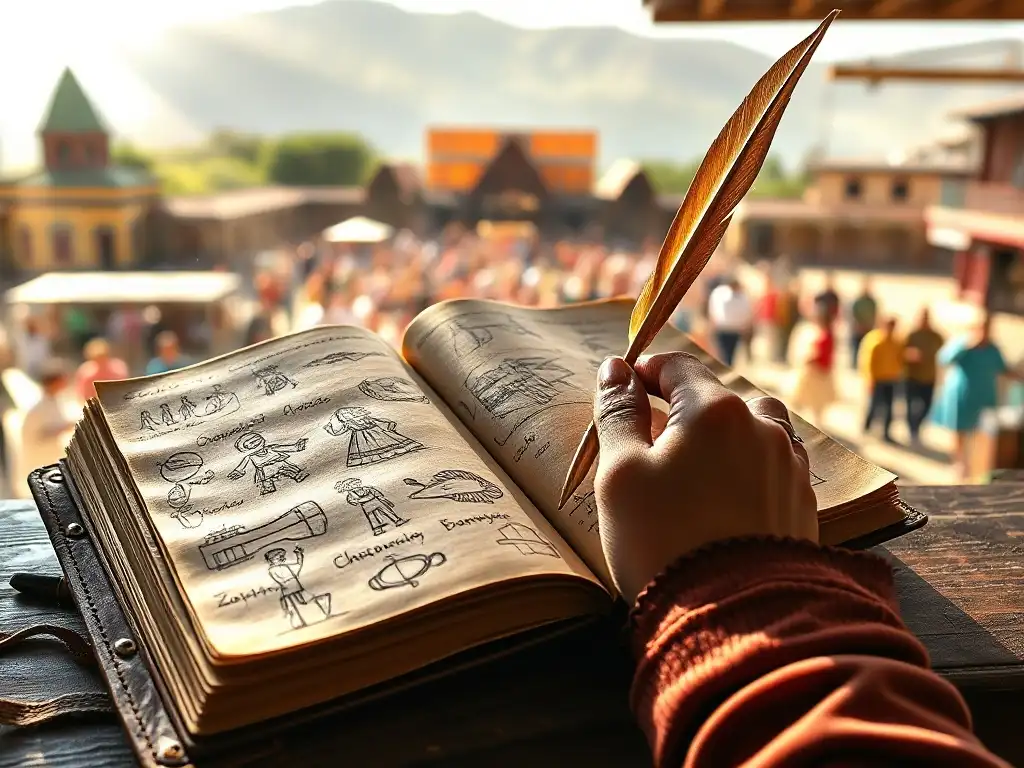
Creating and selling ebooks or online courses offers a fantastic avenue for monetizing your Andean festival experience. Think beyond simple travel guides. Instead, focus on providing in-depth, unique content that caters to a niche audience interested in truly experiencing Andean festivals. This could involve detailed guides on festival etiquette, recommendations for specific festivals based on individual interests (e.g., a course focusing solely on the Inti Raymi festival), or even tutorials on Andean dance steps or musical instrument playing.
One successful approach could be a series of ebooks focusing on different aspects of Andean festival participation. One ebook might detail the history and significance of specific festivals, another could provide a practical guide to planning a trip, including budgeting and logistics, and a third could offer a deep dive into the cultural nuances and etiquette surrounding participation. This tiered approach allows you to offer various price points and cater to different levels of interest and experience.
Online courses, delivered via platforms like Udemy or Teachable, offer a more interactive and engaging format, allowing you to incorporate video tutorials, downloadable resources, and even live Q&A sessions. Marketing these products through social media channels and targeted advertising can help reach a wider audience of potential customers eager to learn more about Andean festival participation. Remember to showcase high-quality photography and videography to capture the vibrancy and energy of the festivals.
Partnerships with Local Tour Operators and Accommodation Providers
Collaborating with local tour operators and accommodation providers presents another significant opportunity to generate revenue from your Andean festival experience. These partnerships can take many forms, from affiliate marketing to co-creating unique packages. For instance, you could partner with a tour operator to create a specialized tour package that incorporates your expertise in Andean festivals. This package could include guided tours, workshops, and access to exclusive events, all while generating revenue for both you and your partners.
Similarly, collaborations with accommodation providers can offer mutually beneficial outcomes. You could offer workshops or guided festival experiences directly to their guests, creating additional value for the accommodation and attracting a more discerning clientele. Consider creating a curated list of recommended accommodations near festival locations, featuring those that offer special rates or packages to participants. This could generate commission for you while providing valuable information to your audience.
The key to successful partnerships lies in identifying businesses with aligned values and a shared commitment to authentic cultural experiences. Clearly defined contracts and transparent revenue-sharing agreements are crucial for ensuring a sustainable and mutually beneficial partnership. Remember to highlight the unique aspects of each partnership to showcase the value proposition to your audience.
The Lasting Impact of Andean Festival Experiences: Beyond the Celebration
Participating in an Andean festival offers far more than just a fleeting moment of entertainment; it's a transformative experience with lasting impacts on your understanding of Andean culture and your personal growth. This section explores the profound ways in which active participation in these vibrant events shapes perspectives and fosters deeper connections. Engaging in Andean festival participation isn't just about observing; it's about becoming part of the living tapestry of Andean traditions. This immersive approach unlocks a richer understanding than any passive observation could ever achieve.
Deepening Your Understanding of Andean Civilization and Culture
Active participation in an Andean festival provides unparalleled insight into the intricacies of Andean civilization and culture. Witnessing the rituals, dances, and music firsthand allows for a level of comprehension that textbooks and documentaries simply cannot replicate. For example, observing the precise movements and symbolic gestures within a traditional huayno dance offers a tangible connection to centuries of Andean storytelling and social structures.
The vibrant colors of the textiles, the intricate designs, and the stories woven into their patterns provide a glimpse into the rich history and symbolism embedded within Andean artistry. You'll begin to understand the significance of specific instruments, the meaning behind the songs, and the social roles played by different participants within the festival context.
This firsthand experience allows for a nuanced and deeply personal understanding of Andean cultural heritage, far exceeding the limitations of secondhand accounts. Understanding the nuances of Andean festival participation significantly enhances your appreciation for the depth and complexity of the culture.
Creating Meaningful Connections with People and Places
Beyond the cultural immersion, Andean festival participation fosters meaningful connections with both people and places. The shared experience of music, dance, and celebration creates a sense of community and belonging. You’ll interact with locals, share stories, and learn from their firsthand knowledge.
These interactions build bridges between cultures, fostering empathy and understanding. The atmosphere of shared joy and camaraderie transcends language barriers, creating lasting bonds that enrich both your life and the lives of those you encounter. For instance, participating in a community pachamama offering allows for direct interaction with local participants, offering a unique opportunity to learn about their beliefs and practices.
Moreover, the physical setting of the festival—be it a mountain village or a bustling city square—itself becomes a significant part of the experience, enriching your understanding of the geographical and social context of Andean culture. The memories forged amidst the vibrant energy of these events provide a lasting connection to the land and its people.
Promoting the Preservation of Andean Traditions and Heritage
By participating in Andean festivals, you actively contribute to the preservation of these invaluable traditions. Your presence demonstrates a global appreciation for Andean culture, encouraging its continuation and evolution. The economic support provided by tourism associated with festival participation helps sustain local communities and artisans who rely on these events for their livelihoods. Furthermore, your engagement with the traditions helps raise awareness and appreciation among a wider audience, fostering a sense of responsibility for the preservation of this rich heritage.
For example, purchasing handcrafted items directly from artisans at the festival ensures that the traditional skills and knowledge are valued and supported. This active participation in the economic life of the community directly contributes to the sustainability of the traditions, ensuring that these vibrant expressions of Andean culture continue to thrive for generations to come. Your role in Andean festival participation becomes a significant contribution to cultural preservation efforts.
Inspiring Others to Explore the Richness of Andean Culture through Festival Participation
Participating in an Andean festival isn't just a personal journey; it's an opportunity to become an ambassador for this vibrant culture. The infectious energy, the captivating music, and the sheer beauty of the traditions are incredibly powerful tools for sparking interest in others.
Sharing your experiences – through photos, stories, or even simply enthusiastic conversation – can plant seeds of curiosity in the minds of friends, family, and colleagues who might never have considered exploring Andean culture otherwise. The vivid memories you create become potent narratives, capable of igniting a passion for Andean heritage in others.
Think of the impact: a shared photo on social media showcasing the intricate detail of a traditional costume, a captivating anecdote of a lively dance performance, or simply the heartfelt expression of personal connection to the vibrant community you encountered. These actions can inspire others to delve deeper, to learn more, and perhaps even to plan their own enriching Andean adventure.
The ripple effect of your participation extends far beyond your immediate circle. Consider the economic benefits to the local communities who depend on tourism related to these festivals. By participating, you contribute directly to the sustainability of these traditions, helping to ensure that the unique cultural heritage of the Andes continues to thrive for generations to come. Your active participation becomes a testament to the value of preserving these living traditions, inspiring others to support and appreciate them as well.
This active engagement is not just about personal enrichment; it's about contributing to the preservation and promotion of a rich and diverse cultural landscape. Your enthusiasm becomes a powerful catalyst, encouraging others to engage in a meaningful and enriching exchange with the Andean world. The more people who participate, the more sustainable and vibrant these celebrations will become, ensuring their continued existence for future generations to enjoy.
Frequently Asked Questions
What makes Andean festivals unique?
Andean festivals are unique due to their vibrant blend of indigenous traditions, ancient rituals, and modern celebrations. They offer a powerful connection to the past while showcasing the richness of Andean culture.
How can I participate in an Andean festival?
Participation varies by festival. Some involve passive observation, while others encourage active involvement through dancing, music, or food preparation. Research specific festivals for details on participation.
Are there any specific festivals recommended for first-time participants?
For first-timers, the Inti Raymi (Inca Sun Festival) or local village festivals are good starting points. These offer a balance of spectacle and accessibility, easing you into the Andean festival experience.
What should I expect when attending an Andean festival?
Expect vibrant colors, energetic music, delicious food, and a deep sense of community. Be prepared for crowds, especially during larger, more well-known festivals. Dress respectfully and be mindful of local customs.
What is the best way to learn more about Andean festival etiquette?
Researching the specific festival you plan to attend is crucial. Look for information on appropriate attire, cultural sensitivities, and any specific customs or traditions to observe. Respect for local culture is paramount.
Final Reflection: The Enduring Beat of Andean Connection
The vibrant pulse of Andean festivals continues to resonate, offering a powerful antidote to the isolating forces of modern life. These celebrations are not merely spectacles; they are living testaments to the enduring strength of community, the preservation of ancient traditions, and the transformative power of shared experience. Their relevance today is undeniable, as we increasingly seek authentic connection in a digitally-driven world.
Participating in these festivals profoundly shifted my perspective on community and belonging. The sheer joy, the unwavering hospitality, and the deep-rooted sense of shared history were overwhelming. The best mirror is an old friend.
This ancient wisdom rings true in the context of Andean festivals, where generations come together, reflecting each other's stories and strengthening the bonds that hold their communities together. The experience highlighted the importance of active participation, not just as a spectator, but as a contributor to the vibrant tapestry of Andean culture.
Now, consider your own life. What rhythms are you a part of? Where do you find connection and a sense of belonging? I invite you to seek out opportunities for meaningful participation, to find your own beat within a community, and to experience the transformative power of shared celebration. Let the enduring spirit of Andean festivals inspire you to actively engage with the world around you, fostering deeper connections and enriching your life in unexpected ways.
Join the Celebration: Immerse Yourself in Andean Culture!
Thank you for exploring the vibrant world of Andean festivals! We've uncovered the rich traditions and deep community bonds these celebrations create. Now, it's your turn to participate in this lively cultural tapestry!
Here are a few ways you can get involved:
- Attend a local Andean festival or celebration. Look for events in your area, or plan a trip to experience these colorful gatherings firsthand.
- Share your discoveries! Write a blog post or share your experiences on social media, detailing what you've learned and how you connected with Andean culture.
- Connect with the community. Join online forums or local groups dedicated to Andean traditions to learn more and exchange insights with others.
What aspect of Andean festivals most captivates you, and how will you engage with this rich culture?