
Beyond the Flute: Decoding the Secret Language of Andean Musical Instruments

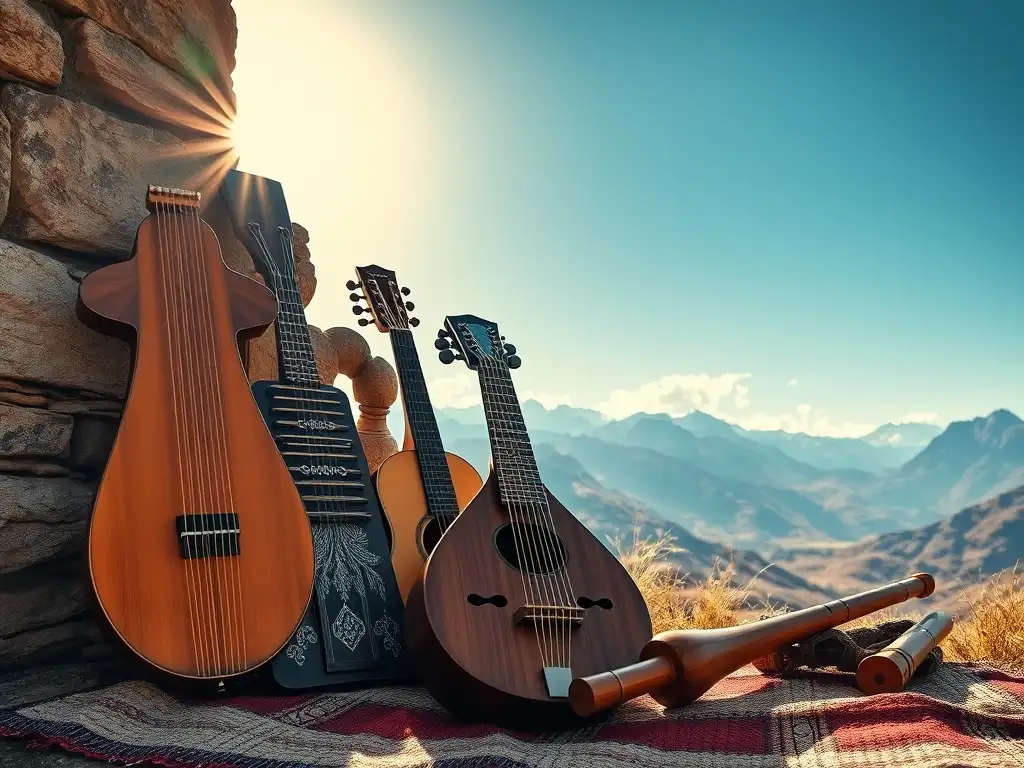
Step into a world lost to time, yet echoing with vibrant melodies. Imagine the soaring sounds of the Andes, not just as music, but as a language – a complex tapestry woven from centuries of history and culture. This is the story of Andean musical instrument history, a journey far beyond the familiar flute.
Prepare to unravel the secrets embedded within the intricate designs and haunting sounds of these ancient instruments, revealing the heart and soul of the Andean civilizations. Discover how music shaped their lives, their beliefs, and their legacy. Dive in and explore the Immersive Andean Experiences that await.
The Andes Mountains, a spine of majestic peaks running down the western coast of South America, are not only a breathtaking geographical feature but also the cradle of a rich and complex musical heritage. For centuries, the diverse Andean cultures – from the Inca Empire to the pre-Columbian societies of the Moche, Nazca, and Tiahuanaco – have expressed themselves through a captivating array of musical instruments.
This article delves into the fascinating history of these instruments, exploring their construction, cultural significance, and the stories they whisper across the ages. We'll move beyond the familiar panpipes and explore the deeper meanings embedded within the sounds produced by these remarkable creations, revealing how Andean musical instrument history is interwoven with the very fabric of Andean civilization.
Understanding this history allows us to appreciate the enduring power of Andean music and its continued relevance in contemporary society. Prepare to embark on a journey that transcends the simple act of listening, transforming into a profound exploration of Andean culture and its intricate relationship with its musical traditions.
Exploring the Rich Tapestry of Andean Musical Instrument History
The history of Andean musical instruments is a long and winding road, reflecting the diverse cultures and societies that have inhabited the Andes over millennia. Archaeological discoveries continually enrich our understanding, revealing intricate details about the materials used, the craftsmanship involved, and the social contexts in which these instruments were played. For example, evidence suggests that instruments like the pututu (a shell trumpet) were used in ceremonial contexts, possibly for communication across vast distances or to announce important events.
The precise methods of construction and the specific materials used varied across different cultures and time periods, reflecting the unique artistic sensibilities and technological capabilities of each group. Many instruments were not merely functional but also held deep symbolic meaning, acting as conduits to the spiritual world or representing social status and power. Early instruments were often made from readily available natural materials like wood, bone, shells, and gourds, showcasing remarkable ingenuity and an intimate connection to the environment.
Later, with the rise of more complex societies, the use of metals like gold and silver became more prevalent, adding another layer of sophistication and symbolic weight to the instruments. The development of Andean musical instrument history is therefore not a linear progression but rather a vibrant tapestry woven from the threads of diverse cultural practices and technological advancements.
The study of Andean musical instrument history often involves painstaking analysis of archaeological artifacts, alongside careful examination of historical accounts and ethnomusicological research. This multidisciplinary approach is crucial for piecing together a complete picture of how these instruments were made, used, and understood within their respective cultural contexts. Moreover, the study is continuously evolving as new discoveries are made and new interpretations emerge. This ongoing process of discovery underscores the dynamic and ever-evolving nature of Andean musical traditions.
The Enduring Legacy of Andean Music: More Than Just Sounds
Andean music is more than just a collection of pleasing sounds; it's a powerful expression of cultural identity, history, and spirituality. The instruments themselves are imbued with symbolic meaning, often representing specific deities, animals, or natural phenomena. The melodies played on these instruments tell stories, recounting historical events, expressing emotions, and conveying spiritual messages. The rhythms and harmonies reflect the unique characteristics of Andean cultures, demonstrating a deep understanding of the relationship between music and the natural world.
The legacy of Andean music extends far beyond the historical context of its creation. Traditional Andean instruments and musical styles continue to be performed and appreciated today, both within Andean communities and on a global scale. Contemporary musicians often incorporate traditional elements into their work, bridging the gap between past and present and keeping the rich traditions alive.
This enduring legacy is a testament to the power of music to transcend time and connect people across generations. The sounds of the Andes continue to resonate, echoing the stories, beliefs, and experiences of a people deeply connected to their land and their history. This continuity is a vibrant reminder of the importance of cultural preservation and the ongoing relevance of traditional art forms.
Unveiling the Diverse World of Andean Instruments
The Andes boast an astonishing diversity of musical instruments, each with its unique characteristics and cultural significance. From the haunting melodies of the antara (panpipes) to the powerful calls of the pututu, the soundscape of the Andes is incredibly rich and varied. Many instruments are idiophones, meaning they produce sound through the vibration of the instrument itself, such as the tinku (a percussion instrument made of two stones struck together). Others are aerophones, producing sound through vibrating air columns, like the quena (a flute).
Membranophones, using stretched membranes to create sound, are also represented in the rich Andean musical tradition, with examples like the tambor. The materials used in their construction vary widely; some are made from simple natural materials, while others incorporate precious metals or intricate carvings. This diversity reflects the vast range of cultural traditions and technological advancements across the Andean region. Each instrument holds a unique place within its cultural context, serving different purposes and carrying different symbolic meanings.
Understanding this diversity is key to appreciating the full richness and complexity of Andean musical heritage. Further research is needed to fully document the full range of instruments and their associated cultural practices, particularly for less-studied communities and historical periods. The ongoing discovery of new instruments and the deeper understanding of existing ones continue to enrich our appreciation of this vibrant musical tradition. The study of Andean musical instruments is a journey of discovery that continues to unfold, revealing ever-more intricate details about the rich cultural heritage of the Andes.
- Exploring the Rich Tapestry of Andean Musical Instrument History
- The Enduring Legacy of Andean Music: More Than Just Sounds
- Unveiling the Diverse World of Andean Instruments
- What types of musical instruments were used by Andean civilizations?
- How did Andean music relate to their culture and beliefs?
- What is the significance of the pututu in Andean culture?
- How has the history of Andean musical instruments been preserved?
- Where can I learn more about the history of Andean musical instruments?
Discovering the Soul of the Andes: Key Instruments and Their Stories
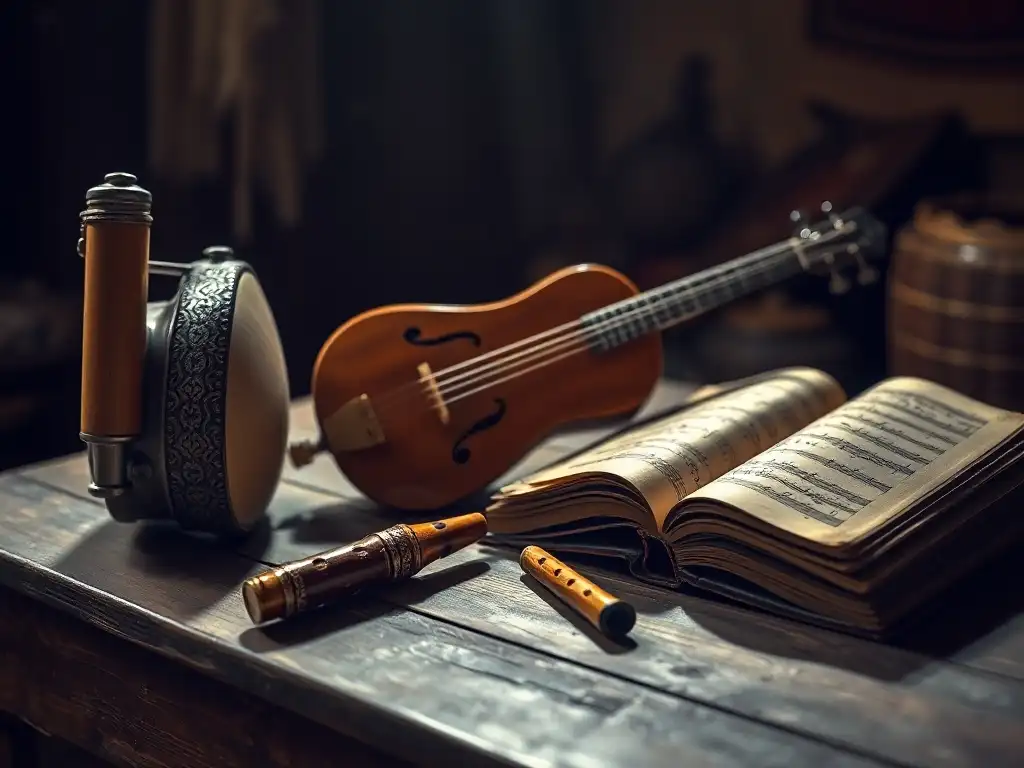
This section delves into the fascinating history and cultural significance of several key Andean musical instruments, exploring their construction, musicality, and enduring role in Andean traditions. Understanding these instruments provides a deeper appreciation for the rich tapestry of Andean musical heritage, a heritage deeply intertwined with their history and beliefs. We will journey through the soundscapes of the Andes, uncovering the stories embedded within each instrument. This exploration will enhance your understanding of Andean musical instrument history, going beyond simple descriptions to reveal the soul of the music.
The Iconic Siku (Panpipe): History, Construction, and Musicality
The siku, a panpipe instrument, is arguably the most recognizable symbol of Andean music. Its haunting melodies have echoed across the mountains for centuries, interwoven with the lives and rituals of Andean communities. The siku's history is deeply rooted in pre-Columbian times; archaeological evidence suggests its presence in Andean cultures long before the Inca Empire. Different variations of the siku exist, each with unique tonal characteristics and cultural associations.
The construction of the siku is a testament to the ingenuity of Andean artisans. Typically made from reeds or cane, the pipes are carefully cut and tuned to produce a harmonious set of notes. The instrument's construction is not merely a technical process; it is a ritual, reflecting the deep spiritual connection between the artisan, the materials, and the music produced. The process of creating a siku often involves intricate knowledge passed down through generations, ensuring the continuity of this ancient tradition.
Musically, the siku is incredibly versatile. It can produce both delicate, melancholic melodies and vibrant, rhythmic passages. Its use is widespread in various Andean musical genres, ranging from traditional folk music to contemporary compositions. The siku's unique timbre, characterized by its ethereal and haunting quality, contributes to the distinctive character of Andean music. It's more than just an instrument; it's a voice, a storyteller, and a vital part of Andean cultural identity. Understanding its construction and history illuminates the profound relationship between the Andes' people and their music.
The Charango: A Miniature Marvel of Andean Stringed Instruments
The charango, a small, lute-like instrument, stands out as a unique example of Andean ingenuity and adaptation. Unlike many other Andean instruments with pre-Columbian roots, the charango's origins are relatively recent, emerging in the colonial period. Its distinctive sound, a blend of bright, high-pitched notes and resonant warmth, is instantly recognizable.
This miniature marvel of Andean stringed instruments is typically constructed from the carapace of an armadillo, a testament to the resourceful use of available materials. The use of armadillo shell contributes to the instrument's unique tonal quality. This fascinating choice of material speaks volumes about the resourcefulness and adaptability of Andean artisans who creatively incorporated available resources to create musical instruments. The body is often adorned with intricate carvings and inlaid decorations, further reflecting the artistry and cultural significance embedded within the instrument.
The charango's five strings, usually tuned in a manner similar to a guitar, produce a wide range of expressive tones. It is frequently used to accompany vocals and other instruments in various Andean musical styles. Its portability and relatively simple construction have contributed to its widespread popularity across the Andean region, making it an accessible and beloved instrument for both professional musicians and amateurs alike. The charango's relatively recent emergence, compared to the siku, makes it a fascinating example of how musical traditions adapt and evolve in response to cultural changes.
The Bombo: The Heartbeat of Andean Rhythms
The bombo, a large, double-headed drum, provides the rhythmic foundation for much of Andean music. Its deep, resonant sound serves as the heartbeat of many traditional Andean dances and celebrations. Unlike the siku and charango, whose evolution is more clearly documented, the precise origins of the bombo are less clear, yet its presence in Andean musical traditions is undeniable. Its size and construction vary across different Andean regions, reflecting regional variations in musical styles and preferences.
The bombo is typically constructed from wood, with stretched animal hides forming the drumheads. The size and tension of the hides influence the pitch and tone of the drum. The construction process, often passed down through generations within families or communities, is a skilled craft requiring considerable expertise. This expertise ensures the creation of instruments with the resonant qualities necessary for their role in Andean music.
The bombo’s role in Andean music is primarily percussive. Its deep, powerful sound provides the rhythmic drive for dances and musical ensembles. The rhythmic patterns created by the bombo are integral to the overall musical structure, adding a powerful and visceral element to the performance.
Its sound is often described as both powerful and grounding, reflecting the strength and stability of Andean culture itself. The bombo's consistent presence in diverse Andean musical contexts underscores its enduring importance as the heart of Andean rhythms. The bombo, along with the siku and the charango, offers a deeper understanding of the Andean musical instrument history.
The Quena: An Ancient Flute with a Melancholic Voice
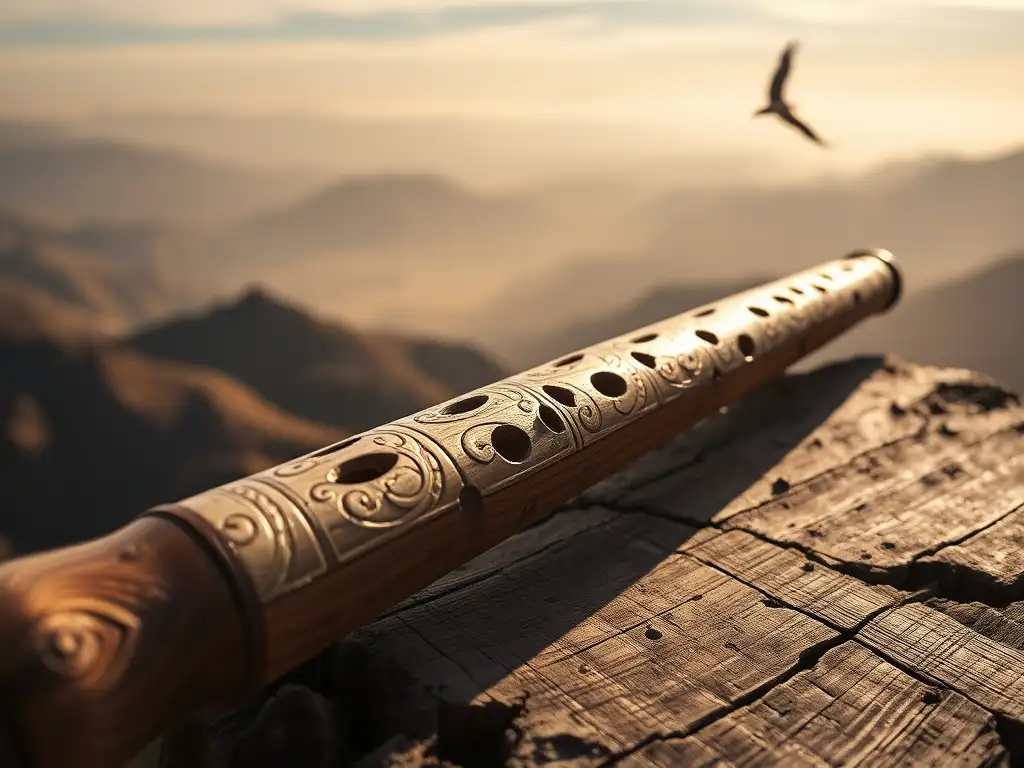
The quena, a quintessential Andean musical instrument, holds a significant place in the region's rich musical history. This end-blown flute, typically made from cane or wood, produces a haunting, melancholic sound that resonates deeply with the Andean landscape. Its simple design belies its complex role in Andean culture, extending far beyond mere musical expression. Archaeological evidence suggests the quena's presence dates back centuries, with examples found in pre-Columbian sites across the Andes.
Its enduring popularity speaks to its versatility; it's used in a wide range of musical genres, from traditional folk music to contemporary Andean fusion. The quena's sound, often described as both plaintive and uplifting, is deeply intertwined with the spiritual and emotional life of Andean communities. Its use in ceremonies, festivals, and everyday life underscores its profound cultural significance. Different regions boast unique variations in quena construction and playing styles, reflecting the diversity of Andean musical traditions.
The distinct timbre of each quena, influenced by the material used and the craftsman's skill, adds to the instrument's rich sonic tapestry. Master quena players are often highly respected within their communities, their skill seen as a reflection of their connection to Andean heritage. Learning to play the quena is often a journey of cultural immersion, connecting the player to generations of Andean musicians. The instrument's enduring appeal lies not only in its beautiful sound but also in its deep cultural resonance.
Beyond the Mainstream: Lesser-Known Andean Instruments
While the quena and panpipes often steal the spotlight, the Andean musical landscape is far more diverse. A fascinating array of lesser-known instruments adds depth and complexity to the region's sonic tapestry. The tarka, a smaller, slightly higher-pitched flute often played alongside the quena, provides a delightful counterpoint. Its bright, cheerful tone contrasts beautifully with the quena's more somber sound, creating a dynamic interplay. The antara, a panpipe instrument with a varied number of pipes, contributes a richer, more layered sound than the simpler panpipes.
Different sizes and arrangements of pipes create a unique tonal palette, capable of expressing a wide range of emotions. Another intriguing instrument is the pututo, a long, straight trumpet made from a conch shell. Its deep, resonant sound was traditionally used for ceremonial purposes, its powerful tones echoing across valleys and mountains. The charango, a small lute-like instrument with a distinctive, high-pitched sound, is another example of Andean musical ingenuity. Its unique construction, often employing armadillo shell for its soundboard, gives it a bright and vibrant tone.
The rhythmic percussion instruments, such as the bombo legüero (a large bass drum) and the tinyas (small hand drums), provide a driving beat that underpins much of Andean music. These instruments, though less frequently featured in mainstream presentations of Andean music, are crucial to understanding the full scope of the region's musical traditions. Their sounds, often interwoven intricately with the melodies of the flutes and panpipes, create a vibrant and complex soundscape. Exploring these lesser-known instruments offers a deeper appreciation for the Andean musical heritage and its extraordinary diversity. The study of "Andean musical instrument history" reveals a rich and complex relationship between music, culture, and the environment.
Immersing Yourself in the Music: How to Experience Andean Instruments
This section delves into the practical aspects of experiencing the rich soundscapes of Andean musical instruments. Understanding their historical context is only half the battle; truly appreciating them requires active engagement. We'll explore ways to immerse yourself in this vibrant musical tradition, moving beyond passive listening to a deeper, more meaningful connection.
Experiencing Live Andean Music: Festivals and Performances
Attending live Andean music performances offers an unparalleled opportunity to witness the instruments in action, experiencing the nuances of their sound within a cultural context. These events often feature a variety of instruments, allowing for a comprehensive appreciation of their diversity. The energy of a live performance is infectious; the rhythmic pulse of the bombo, the haunting melodies of the antara, and the vibrant sounds of the charango combine to create a truly unforgettable experience.
Many festivals across the Andes region showcase traditional music and dance, offering a rich tapestry of sounds and visuals. Consider researching festivals specific to the Andean civilization you are most interested in – the Incas, Moche, Nazca, or Tiahuanaco – as each culture had its unique musical styles and instrumentation.
For example, a festival celebrating Inca heritage might feature pututus (long horns), while a Moche-themed event could highlight the use of panpipes. The sheer variety of Andean musical instrument history is breathtaking.
The impact of experiencing Andean music live is profound. It’s not just about hearing the notes; it's about feeling the rhythm, witnessing the skill of the musicians, and understanding the cultural significance embedded within each performance. This immersive experience fosters a deeper appreciation for the artistry and cultural heritage represented in each note. Note that the availability and frequency of these events can vary depending on the time of year and specific location.
Learning to Play Andean Instruments: Resources and Opportunities
For those seeking a more active engagement, learning to play an Andean instrument offers a unique pathway to understanding their intricacies. While mastering an instrument like the zampoña requires dedication and practice, the rewards are immense. The process itself provides a deeper understanding of the instrument's construction, the techniques involved in playing it, and the cultural context in which it's used.
Several resources are available for aspiring musicians. Many online tutorials and instructional videos provide guidance on playing various instruments. Workshops and classes, often led by experienced musicians from Andean communities, offer hands-on learning experiences. These workshops provide valuable insights into traditional playing techniques and the cultural significance of the music.
Furthermore, finding a local Andean community or cultural center can provide opportunities for mentorship and collaboration with experienced players. Remember, the journey of learning an Andean instrument is as much about cultural immersion as it is about musical skill development. This active engagement expands your understanding of Andean musical instrument history far beyond theoretical knowledge.
Curating Your Andean Music Collection
Building a personal collection of Andean music allows for continued exploration and appreciation. This collection can serve as a resource for learning, a source of inspiration, and a testament to the rich musical heritage of the Andes.
Consider diversifying your collection to include recordings from different Andean civilizations and regions. This will expose you to the unique characteristics of each musical tradition. Look for recordings that feature both traditional and contemporary interpretations of Andean music.
This allows you to trace the evolution of musical styles and appreciate the adaptation of traditional forms to modern contexts. Beyond commercially available recordings, exploring independent artists and smaller labels can uncover hidden gems and support the preservation of traditional musical practices. The curation of your collection becomes a journey of discovery, reflecting your growing appreciation for the depth and diversity of Andean musical instrument history.
Remember to note the specific instruments featured on each recording to enhance your understanding of their various roles and sounds within the broader musical landscape. A well-curated collection is a dynamic resource that continues to enrich your understanding and appreciation of Andean music for years to come.
The Cultural Significance of Andean Musical Instrument History
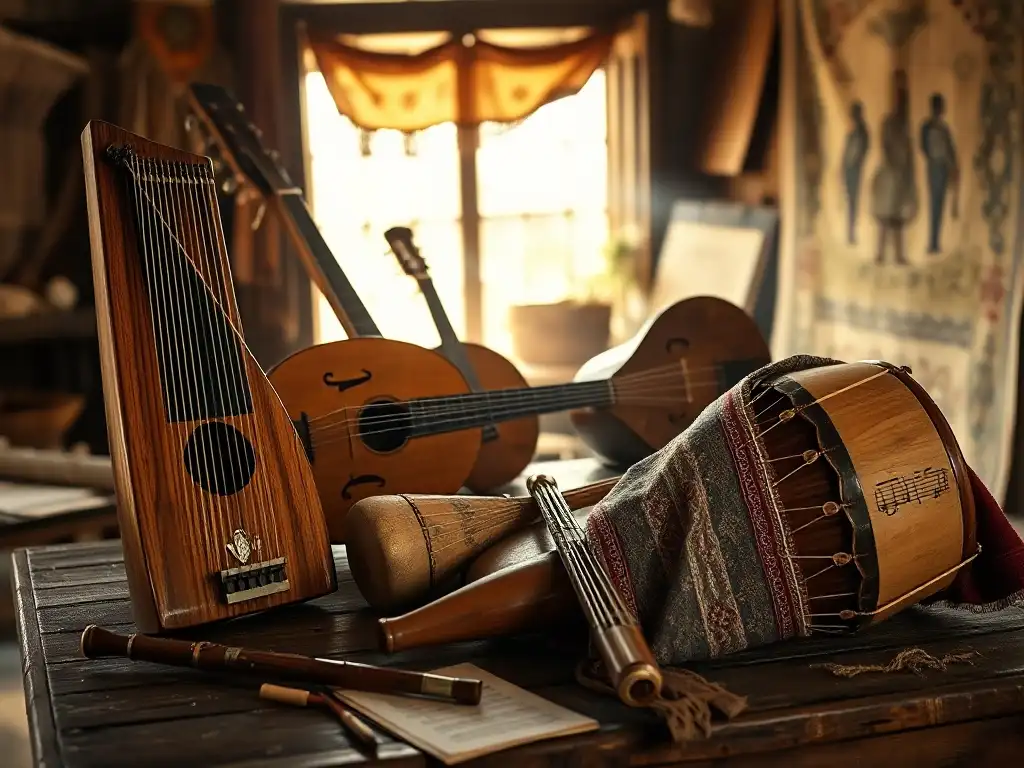
The history of Andean musical instruments is deeply intertwined with the spiritual beliefs, social structures, and daily lives of the Andean peoples. Understanding this history provides a crucial window into the rich tapestry of their culture, revealing not only the technical advancements in instrument making but also the profound symbolic meanings embedded within each instrument's form and function.
The legacy of these instruments extends far beyond mere sound; they are tangible links to a past that continues to resonate in contemporary Andean societies. This section explores the vital role these instruments played, and continue to play, in shaping Andean identity and cultural expression.
Analyzing their evolution helps us appreciate the enduring power of music as a vehicle for transmitting knowledge, beliefs, and traditions across generations. The study of "Andean musical instrument history" therefore reveals far more than just the instruments themselves; it unveils the very heart and soul of Andean civilization.
The Spiritual Connection to Music and Instruments in Andean Culture
Andean cultures viewed music and instruments not simply as forms of entertainment, but as powerful tools connecting the earthly realm with the spiritual world. Many instruments were believed to possess inherent spiritual power, acting as conduits for communication with deities and ancestors. For example, the pututu, a long shell trumpet, was often used in religious ceremonies, believed to carry prayers and offerings to the gods.
The sounds produced were not simply auditory; they were considered vibrational forces capable of influencing the natural world and human destiny. Ceremonial occasions often involved complex musical performances, orchestrating a harmonious blend of sounds intended to appease deities, ensure successful harvests, or invoke healing. This profound spiritual connection shaped the design, materials, and use of Andean instruments, highlighting their sacred significance within the broader cosmological framework.
The careful selection of materials—often incorporating elements from nature such as wood, bone, shells, and metals—further emphasized the instruments' connection to the natural world and its spiritual energies. The intricate craftsmanship also reflected a deep respect for the instruments' sacred purpose.
Instruments as Tools of Communication and Ritual
Beyond their spiritual significance, Andean musical instruments served as essential tools for communication and ritual. Different instruments were associated with specific social roles and occasions. Panpipes, for instance, were frequently used by herders and farmers, their melodies echoing across the landscape. The antara, a set of panpipes, was particularly significant, often used in both secular and religious contexts.
The complexity of the melodies played on these instruments could convey a range of messages, from simple announcements to complex narratives. Drumming played a vital role in social gatherings, marking important events like harvests, weddings, and funerals. The rhythmic beats of drums not only punctuated the rhythm of life but also served as a powerful means of unifying communities.
The distinct sounds of different instruments helped to identify social groups, marking regional identities and cultural affiliations. The use of instruments in ritual contexts further solidified their importance within the social fabric, reflecting the deep integration of music into the daily lives of Andean communities. Detailed ethnographic studies reveal the precise ways in which these instruments were used to communicate and reinforce social structures.
Andean Music as a Living Heritage: Preservation and Evolution
Despite the passage of centuries, Andean music and its associated instruments remain a vibrant part of Andean culture. While some instruments have evolved, many traditional forms continue to thrive, testament to the enduring legacy of Andean musical traditions. The transmission of musical knowledge across generations, often through oral traditions and apprenticeships, ensures the survival of these invaluable cultural assets.
Contemporary Andean musicians continue to create new music while honoring the rich history of their musical heritage. This ongoing evolution is a dynamic process, reflecting the adaptability and resilience of Andean culture. Efforts to preserve and promote Andean musical traditions are crucial for maintaining cultural identity and fostering a sense of community.
These efforts range from community-based initiatives to academic research, all contributing to the safeguarding of this precious cultural heritage for future generations. The study of "Andean musical instrument history" is therefore not just a historical endeavor; it is a vital contribution to the ongoing preservation of a living tradition. The vibrant sounds of Andean instruments continue to resonate, connecting the past to the present and inspiring future generations.
Conclusion: Embracing the Rich Sonic Landscape of the Andes
The study of Andean musical instrument history unveils not just a timeline of technological advancements, but a profound tapestry woven with cultural beliefs, social structures, and spiritual practices. From the simple panpipes echoing across the altiplano to the intricate design of the antara, each instrument speaks volumes about the ingenuity and artistry of Andean civilizations. Understanding this history allows us to appreciate the depth and complexity of Andean music, moving beyond simple melodies to grasp the rich cultural context that gives them meaning. The soundscapes of the Andes are not merely auditory experiences; they are living embodiments of history, tradition, and enduring cultural identity.
By exploring the evolution and significance of these instruments, we gain a deeper understanding of the Andean worldview and the enduring legacy of these remarkable civilizations. Preserving and celebrating this musical heritage is crucial, not only for historical accuracy but also for the continued vitality of Andean culture in the modern world. The vibrant sounds of the Andes continue to resonate, reminding us of the enduring power of music to connect us to the past and inspire us for the future. The legacy of Andean musical instrument history is a testament to human creativity and the enduring power of cultural expression.
Further research into specific instrument types, regional variations, and the impact of cultural exchange will undoubtedly enrich our understanding of this fascinating field. The journey of discovery is far from over, and each new piece of information adds another layer to the rich sonic landscape of the Andes. Let us continue to listen, learn, and appreciate the profound cultural significance embedded within the music of this extraordinary region.
Frequently Asked Questions
What types of musical instruments were used by Andean civilizations?
Andean civilizations utilized a diverse range of instruments. These included wind instruments like flutes and panpipes, percussion instruments such as drums and rattles, and string instruments including various types of lyres and harps. The specific instruments varied between cultures and time periods.
How did Andean music relate to their culture and beliefs?
Music played a vital role in Andean religious ceremonies, agricultural cycles, and social gatherings. Instruments were often associated with specific deities or rituals, and music was believed to have spiritual power. It was integral to their daily lives.
What is the significance of the pututu in Andean culture?
The pututu, a shell trumpet, held significant ceremonial importance. It was used to communicate over long distances and to announce important events, such as religious festivals or military victories. Its sound was believed to possess spiritual significance.
How has the history of Andean musical instruments been preserved?
Archaeological discoveries of actual instruments and depictions on ceramics and textiles provide valuable insights. Furthermore, ethnomusicological studies of surviving traditions and oral histories contribute to our understanding. Colonial records also offer some clues.
Where can I learn more about the history of Andean musical instruments?
You can explore museums with Andean collections, research academic journals and books on Andean archaeology and ethnomusicology, and consult online resources dedicated to Andean culture and history. Many documentaries are also available.
Final Reflection: Echoes of the Andes: A Legacy of Sound
The intricate soundscapes woven by Andean musical instruments are not merely relics of the past; they are vibrant threads in the tapestry of contemporary cultural identity. Their enduring power speaks volumes about the resilience and adaptability of Andean traditions, demonstrating how music transcends time and continues to shape communities today. Understanding their history is crucial to appreciating the richness and complexity of Andean culture, both past and present.
The profound impact of these instruments extends far beyond their immediate sonic presence. They are vessels of storytelling, carrying within their melodies the echoes of ancient rituals, struggles for liberation, and the enduring spirit of a people. Their evolution reflects the dynamic interplay between indigenous traditions and external influences, a testament to the enduring power of cultural adaptation. Music is the universal language of mankind,
said Henry Wadsworth Longfellow, and in the Andes, this language speaks volumes about history, identity, and the human spirit. The instruments themselves become tangible links to this rich heritage, connecting past generations with the present.
Consider the stories embedded within the wood, the metal, the reeds – each instrument a miniature history lesson waiting to be discovered. You, the reader, now hold a key to unlocking this rich musical heritage. Explore further, listen deeply, and allow the sounds of the Andes to resonate within you. Let the legacy of these instruments inspire you to delve deeper into the cultural tapestry of a region that continues to captivate and amaze with its vibrant traditions and enduring spirit.
Unlock the Mysteries of Andean Music!
Thank you for exploring the enchanting world of Andean musical instruments with us! We hope you've gained a deeper understanding of their rich history and cultural significance. Now, let's continue your journey into this vibrant heritage.
Here's how you can delve even deeper:
- Explore the Sounds: Immerse yourself in the captivating sounds of traditional Andean music online, identifying the instruments we discussed. Let the melodies ignite your creativity!
- Get Involved: Attend local music workshops or cultural events to experience the energy of Andean music firsthand. Connect with fellow enthusiasts and share your passion!
- Share Your Insights: Share your newfound appreciation by posting a video of yourself playing an Andean instrument or discussing the music's impact on social media. Let's spark conversations and celebrate this beautiful art form together!
Which aspect of Andean music resonates most with you, and how will you integrate it into your life? We'd love to hear your thoughts in the comments below!