
Sacred Sounds and Steps: A Deep Dive into the Religious Aspects of Andean Festivals

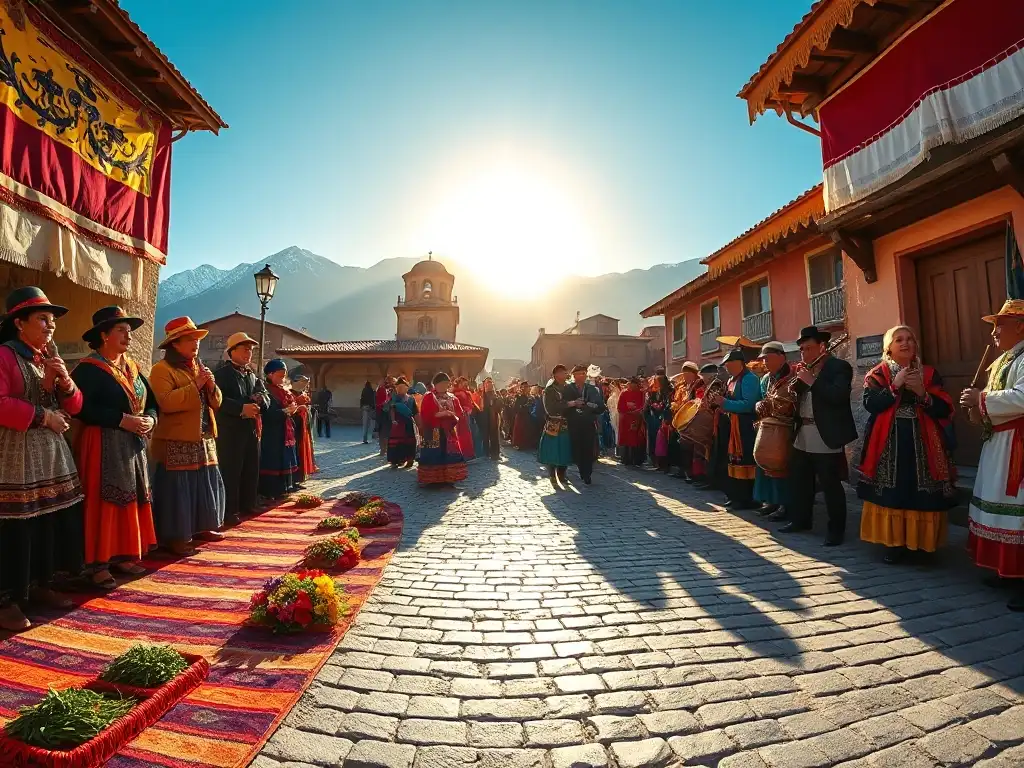
Uncover the mysteries woven into the vibrant tapestry of Andean life. Journey beyond the breathtaking landscapes and delve into the sacred heart of ancient Andean civilizations. From the sun-drenched heights of the Andes to the fertile valleys below, discover the profound significance of Andean religious festivals, rituals that shaped empires and continue to resonate today. Prepare to be captivated by a world of vibrant ceremonies, intricate symbolism, and enduring spiritual practices – a world waiting to be explored.
The Andes Mountains, a spine of towering peaks running down the western edge of South America, are not just a geographical feature; they are the very foundation of a rich tapestry of ancient cultures and vibrant traditions. For millennia, Andean civilizations – including the Incas, Moche, Nazca, and Tiahuanaco – have interwoven their spiritual beliefs with their daily lives, resulting in a profound and enduring connection between the sacred and the secular. This article delves into the deeply religious aspects of Andean festivals, exploring the spiritual heart of these celebrations and dispelling common misconceptions surrounding their cultural significance.
We'll move beyond surface-level observations to uncover the intricate layers of meaning embedded within these captivating rituals, offering a more nuanced understanding of the Andean worldview and its enduring impact on contemporary Andean life. Understanding these festivals requires appreciating their profound religious context, moving beyond mere spectacle to engage with the spiritual essence that fuels them. This exploration will illuminate the powerful role of music, dance, and ritual in shaping Andean identity and preserving a rich spiritual heritage.
We will examine specific examples from various Andean cultures, highlighting the diversity and complexity of Andean religious practices. Prepare to embark on a journey into the heart of Andean spirituality, where the sounds of ancient traditions resonate with the steps of enduring faith.
Understanding the Spiritual Heart of Andean Celebrations
Andean religious festivals are not merely occasions for merrymaking; they are deeply rooted in a complex cosmology that encompasses a profound respect for nature, ancestors, and the interconnectedness of all living things. The Pachamama, or Mother Earth, is a central figure in this worldview, revered as the source of life and sustenance. Many festivals are timed to coincide with agricultural cycles, reflecting a deep-seated dependence on the land and a recognition of its inherent power.
These celebrations involve elaborate rituals, often involving offerings to the Pachamama, prayers for a bountiful harvest, and symbolic acts that reinforce the cyclical nature of life, death, and rebirth. Music plays a vital role, with traditional instruments like the charango, panpipes, and drums creating an atmosphere of reverence and celebration. Dance, too, is integral, with movements often mimicking the cycles of nature or depicting stories from Andean mythology.
The vibrant colors of traditional clothing and the intricate designs of textiles further enhance the visual spectacle, but importantly, they also carry symbolic meaning, often representing specific deities, ancestral spirits, or elements of the natural world. Understanding the spiritual heart of these celebrations requires appreciating the intricate web of beliefs and practices that underpin them.
The significance of these festivals extends beyond the immediate community; they serve as powerful reminders of shared identity and cultural heritage. Participation in these events strengthens social bonds and reinforces a sense of belonging within the larger Andean community. The transmission of knowledge and traditions from one generation to the next is also crucial, ensuring the continuity of these vibrant cultural expressions. Moreover, these festivals are a testament to the resilience and adaptability of Andean cultures, which have successfully integrated ancient traditions with contemporary realities.
The Problem: Misinterpreting the Cultural Significance of Andean Rituals
A common pitfall when observing Andean religious festivals is to interpret them solely through a Western lens, reducing their complexity to mere entertainment or folklore. This superficial understanding disregards the profound spiritual significance embedded within each ritual, song, and dance. For instance, the seemingly joyful celebrations often mask underlying anxieties related to the harvest, the health of the community, or the appeasement of powerful deities.
Misinterpretations arise from a lack of contextual understanding, overlooking the intricate symbolism and the deep-seated beliefs that inform these practices. Ignoring the religious dimensions diminishes the richness and complexity of Andean culture, reducing it to a simplistic caricature.
It is crucial to approach the study of these festivals with humility and respect, recognizing the limitations of our own cultural perspectives and actively seeking to understand the Andean worldview on its own terms. This requires engaging with indigenous scholars, community members, and anthropological research to gain a more accurate and nuanced understanding.
Andean Rituals: Beyond Surface-Level Observation
To truly appreciate the religious depth of Andean festivals, one must move beyond surface-level observations and delve into the intricate details of the rituals themselves. For example, the offering of coca leaves is not merely a symbolic gesture; it is a sacred act intended to communicate with the Pachamama and other spiritual entities. Similarly, the use of specific colors, patterns, and musical instruments carries significant symbolic weight, often reflecting specific beliefs and cosmological concepts.
Detailed ethnographic studies have revealed the profound meanings embedded in seemingly simple actions. [Specific examples of rituals and their interpretations from various Andean communities pending]. The careful observation of these details reveals a rich tapestry of beliefs and practices that have been carefully preserved and transmitted across generations.
This detailed approach allows for a deeper appreciation of the intricate connection between the physical and spiritual realms within the Andean worldview. By understanding the nuances of these rituals, we gain a deeper understanding of the Andean concept of time, space, and the interconnectedness of all things. The vibrant rituals aren't merely performances; they are active engagements with the spiritual world, shaping the lives and identities of those who participate.
The Solution: Unveiling the Sacred Symbolism in Andean Festivals
Andean religious festivals are not merely vibrant displays of music and dance; they are deeply rooted in a complex system of sacred symbolism. Understanding this symbolism unlocks a deeper appreciation for the spiritual significance of these events, transforming a simple observation into a profound engagement with Andean culture. The seemingly simple movements, costumes, and musical instruments are laden with meaning, reflecting centuries of tradition and belief.
For example, the intricate weaving patterns on traditional clothing often depict cosmological narratives, connecting the wearer to the ancestral spirits and the cosmos itself. The colors themselves hold significance, with specific hues representing different deities, energies, or elements of nature. Red might symbolize the earth's power, while yellow signifies the sun's life-giving energy.
The music played during these festivals is far from mere entertainment. The rhythms, melodies, and instruments used are carefully selected to evoke specific spiritual states and invoke the presence of deities. Panpipes, for instance, are often associated with the breath of life and the wind's mystical power, while drums represent the heartbeat of the earth and the rhythmic pulse of existence. The songs themselves often recount myths, legends, and prayers, transmitting ancient knowledge and beliefs across generations. These oral traditions, passed down through centuries, serve as a vital link to the past, ensuring the continuity of Andean spiritual practices.
Furthermore, the location of these festivals is not arbitrary. Many are held in sacred sites, such as mountain peaks, ancient ruins, or sites with significant cosmological meaning. The choice of location reinforces the connection between the festival's spiritual purpose and the landscape, further emphasizing the inherent sacredness of the environment and its role in Andean cosmology.
The specific rituals performed, the offerings presented (like coca leaves or chicha), and even the timing of the festival—often aligned with the agricultural cycle or celestial events—all contribute to the complex tapestry of meaning woven into the fabric of these Andean religious celebrations. By carefully observing these details, we can begin to unravel the layers of symbolism and gain a more profound understanding of the deeply held beliefs that underpin these vibrant and awe-inspiring events.
Understanding the symbolism is key to appreciating the profound connection between Andean people, their spirituality, and the natural world. It allows us to move beyond mere observation to a deeper engagement with the rich cultural heritage of the Andes.
- Understanding the Spiritual Heart of Andean Celebrations
- The Problem: Misinterpreting the Cultural Significance of Andean Rituals
- Andean Rituals: Beyond Surface-Level Observation
- The Solution: Unveiling the Sacred Symbolism in Andean Festivals
- Andean Music Albums: Exploring the Sounds of the Andes
- Authentic Andean Instruments: Purchase a Handcrafted Siku
- Ethically Sourced Andean Textiles and Clothing: Experiencing Andean Culture
- Guided Tours Led by Andean Scholars and Elders: Immersive Cultural Experiences
- Travel Packages Focused on Andean Religious Festivals: A 7-Day Inti Raymi Festival Experience
- What role did religion play in Andean festivals?
- Which Andean civilizations had significant religious festivals?
- What were some common elements of Andean religious festivals?
- How did Andean religious festivals reflect the relationship between humans and nature?
- Where can I learn more about specific Andean religious festivals?
Key Elements of Andean Religious Festivals and their Sacred Meanings
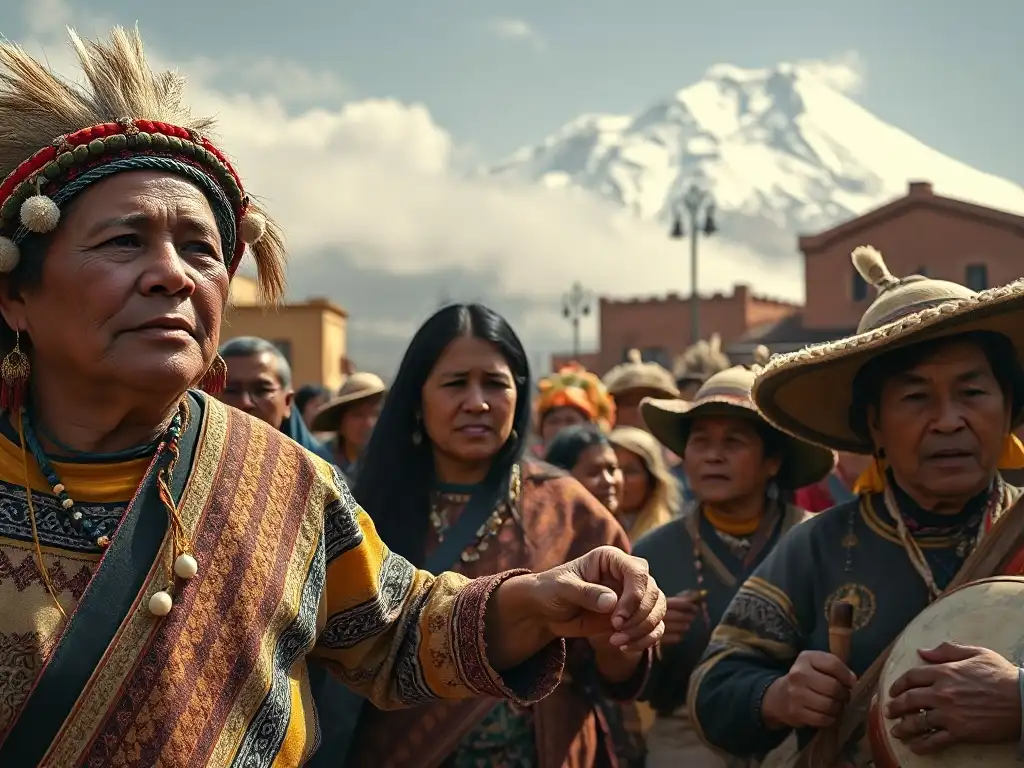
Andean religious festivals, a vibrant tapestry woven from ancient traditions and beliefs, are far more than mere celebrations; they are deeply spiritual experiences that connect the living with the ancestors and the earthly realm with the sacred cosmos. These festivals, often tied to the agricultural cycle and the movements of celestial bodies, are rich in symbolism and ritual, reflecting a profound understanding of the interconnectedness of all things. Understanding these festivals requires appreciating the intricate interplay of music, dance, offerings, and the profound reverence for apus (mountain spirits) and pachamama (Mother Earth). The very air vibrates with a palpable sense of sacredness during these events, a testament to the enduring power of Andean spirituality. The intensity of these experiences varies depending on the specific festival and community, ranging from intimate family gatherings to large-scale public celebrations. However, the underlying spiritual core remains consistent: a profound connection to the Andean worldview.
The Role of Music and Dance in Andean Rituals
Music and dance are not mere entertainment in Andean religious festivals; they are integral components of the ritual itself, acting as conduits to the spiritual realm. The rhythmic beats of drums, the haunting melodies of panpipes, and the graceful movements of dancers all work in concert to create a powerful atmosphere of reverence and communion. Music, particularly, is believed to possess the power to influence the supernatural world, to appease deities, and to ensure a bountiful harvest. The melodies and rhythms are often deeply symbolic, reflecting the cycles of nature, the movements of the stars, and the stories of the ancestors.
For example, the repetitive patterns in some songs might represent the cyclical nature of life and death, while the soaring melodies could reflect the aspiration towards spiritual transcendence. Similarly, dance plays a crucial role in enacting myths, honoring deities, and communicating with the spiritual world. The steps, gestures, and costumes all carry symbolic weight, often telling stories of creation, struggle, and triumph.
The dancers themselves often enter into a trance-like state, becoming vessels for the spirits they embody. This intricate interplay of music and dance creates a powerful synergy that elevates the festival from a simple celebration to a deeply spiritual experience, strengthening the connection between the physical and spiritual realms. The energy generated is palpable, a powerful testament to the enduring power of Andean traditions.
Ancient Andean Musical Instruments: The Siku, the Pinkillu, and the Wankar as Sacred Tools
The musical instruments used in Andean religious festivals are not simply tools for making music; they are sacred objects imbued with spiritual significance. The siku, a panpipe, is perhaps the most iconic instrument, its haunting melodies believed to communicate with the apus and other spiritual entities. The pinkillu, another type of panpipe, often accompanies the siku, adding depth and complexity to the musical tapestry.
The wankar, a type of drum, provides the rhythmic heartbeat of many rituals, its powerful sound believed to resonate with the earth itself. These instruments are often crafted with meticulous care, using traditional techniques passed down through generations. The materials themselves – wood, reeds, animal hides – are often chosen for their symbolic significance, reflecting the close relationship between the Andean people and the natural world.
The creation of these instruments is often a ritual in itself, infused with prayers and offerings to ensure that the instrument will be a worthy conduit for spiritual energy. The sounds produced by these instruments are not just heard; they are felt, resonating deep within the listener, creating a powerful connection to the ancient traditions and beliefs of the Andes. The intricate craftsmanship and spiritual significance of these instruments highlight the deep respect for tradition and the sacred role music plays in Andean culture.
Interpreting the Dances: Connecting with Andean Cosmology
The dances performed during Andean religious festivals are not merely artistic expressions; they are powerful enactments of Andean cosmology, revealing intricate connections between the human world, the natural world, and the spiritual realm. Each movement, gesture, and costume element holds symbolic meaning, often representing specific deities, natural forces, or mythological narratives. For example, the movements might mimic the flight of a condor, the flow of a river, or the growth of crops, reflecting the close relationship between the Andean people and their environment.
The costumes often incorporate vibrant colors and intricate designs, representing the diversity of the Andean landscape and the rich tapestry of Andean beliefs. The dances themselves often tell stories, re-enacting creation myths, honoring ancestors, or commemorating significant historical events. Interpreting these dances requires understanding the specific context of the festival and the cultural knowledge embedded within the community.
Ethnomusicologists and anthropologists continue to study these dances, unraveling their complex symbolism and their profound connection to the Andean worldview. The dances are a living testament to the enduring power of Andean traditions, offering a window into a rich and complex cosmology. Observing these dances provides a powerful and visceral connection to the spiritual heart of Andean culture.
The Significance of Costumes and Masks in Religious Festivities
Costumes and masks are not mere adornments in Andean religious festivals; they are powerful symbols deeply interwoven with the spiritual fabric of the celebrations. These garments and masks serve as transformative tools, allowing participants to embody deities, spirits, or ancestral figures, facilitating communication with the supernatural realm. The vibrant colors, intricate designs, and specific materials used all hold significant meaning, often referencing agricultural cycles, mythical beings, or specific deities venerated within a particular community.
For instance, the diablada, a popular dance drama featured in many Andean festivals, features dancers dressed as devils (diablos) and angels (ángeles). These costumes, far from being simply theatrical, represent a complex interplay of good and evil, reflecting the Andean worldview's understanding of duality and the constant struggle between opposing forces in nature and society. The devils' elaborate masks, often grotesque and fearsome, are not meant to inspire terror alone, but rather to symbolize the chaotic forces that must be controlled and ultimately overcome through ritual and prayer.
The angels, in contrast, represent order, harmony, and the divine intervention necessary for balance. The interplay between these opposing forces during the diablada is a powerful enactment of the Andean understanding of the cosmos.
Furthermore, the creation of these costumes and masks is often a communal process, involving families and entire communities. This shared experience strengthens social bonds and reinforces the collective identity of the group celebrating the festival. The meticulous craftsmanship involved in creating these pieces, passed down through generations, ensures the continuity of traditional knowledge and artistic practices, preserving a vital aspect of Andean cultural heritage. The materials used—often feathers, textiles, and precious metals—further underscore the sacred nature of the costumes and masks, highlighting the profound spiritual significance attributed to them.
The use of specific colors, for example, might represent specific elements (such as the earth or the sun) or deities. This intricate symbolism underscores the deep connection between the costumes, the rituals, and the Andean worldview. The wearing of these garments is not simply a performance; it's a sacred act, connecting the wearer to a rich spiritual and cultural legacy.
How to Experience Andean Religious Festivals Respectfully and Authentically
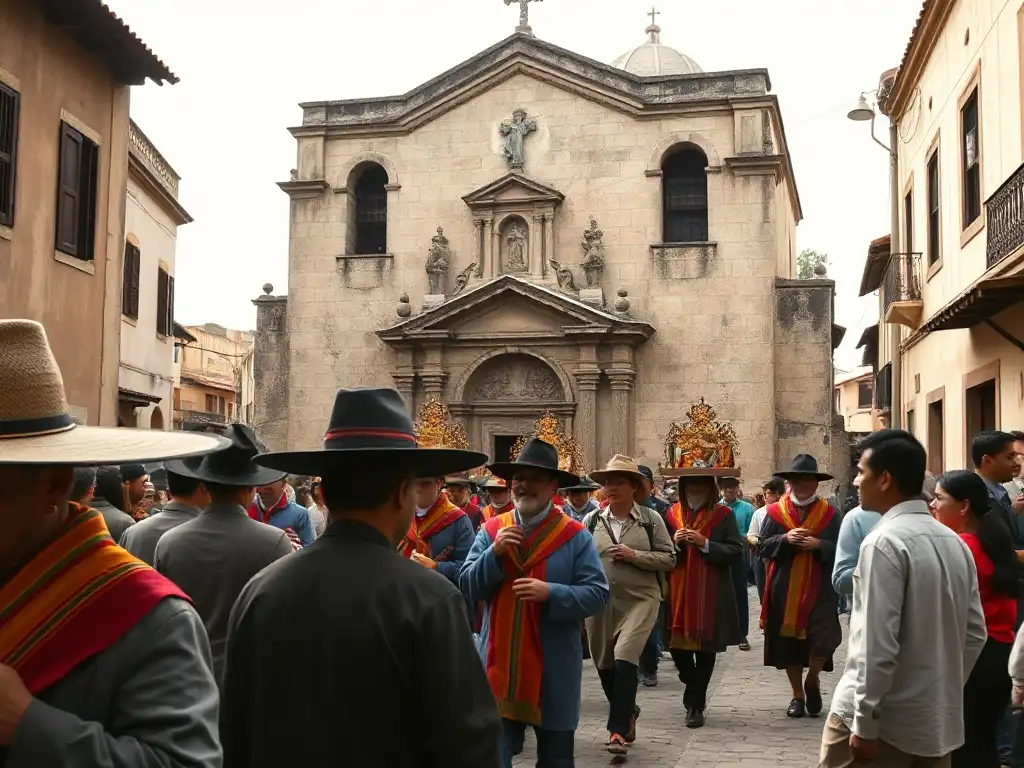
This section delves into the crucial aspects of experiencing Andean religious festivals with respect and authenticity. Understanding the cultural nuances is paramount to ensuring a positive and enriching experience for both the visitor and the local community. Approaching these events with sensitivity guarantees a deeper appreciation of the rich traditions involved. Remember, these are not mere spectacles; they are deeply held spiritual practices.
Participating in Andean Religious Festivals: A Guide for Visitors
Participating respectfully in Andean religious festivals requires mindful preparation and behavior. Before attending any festival, research the specific traditions associated with it. For instance, the Inti Raymi festival in Cusco involves specific rituals and attire that should be understood before participating. Dress modestly, avoiding revealing clothing. Observe the customs and rituals of the local people; refrain from intrusive photography or videography, especially during sacred ceremonies. Asking permission before taking photos is a sign of respect. Remember that many ceremonies are private and not open to public participation.
It's also vital to be aware of appropriate etiquette during the celebrations. Loud or disruptive behavior is generally frowned upon. Participate in the festivities with a sense of humility and reverence. Learn a few basic Quechua phrases to show your respect for the local language and culture. This simple gesture can greatly enhance your interaction with the community. Finally, remember that these festivals are opportunities for learning and cultural exchange, not for self-promotion or exploitation. Avoid behaviors that could be interpreted as disrespectful or insensitive. Engage with the community with an open mind and a willingness to learn.
Choosing Authentic Andean Experiences: Community-Based Tourism Initiatives
Choosing authentic Andean experiences often means supporting community-based tourism initiatives. These initiatives directly benefit local communities by providing economic opportunities while preserving cultural heritage. Many communities organize festivals and tours managed by locals, ensuring that the profits directly support the preservation of their traditions and the well-being of their members. These experiences provide a more intimate and meaningful interaction with the Andean culture, offering a deeper understanding of the religious significance of the celebrations. Look for organizations that prioritize sustainable practices and fair wages for their employees. By choosing these types of experiences, you're actively contributing to the preservation of Andean cultural heritage while avoiding exploitative tourism practices. This ensures that the traditions are not commodified but instead celebrated and protected for future generations. Consider the impact of your choices – every tourist dollar has the potential to either support or undermine the community's efforts to preserve their cultural heritage.
Supporting Local Artisans: Purchasing Ethically Made Andean Crafts
Supporting local artisans is another crucial aspect of respectful engagement with Andean culture. During festivals, you’ll often find stalls showcasing intricate handicrafts, reflecting the deep spiritual and symbolic meaning embedded in Andean art. Purchasing these crafts directly from the artisans provides them with a sustainable income and helps preserve traditional crafts.
These items are often imbued with symbolic meaning related to Andean cosmology and spirituality, making them more than just souvenirs; they are tangible connections to the rich history and beliefs of the Andean people. When purchasing, be aware of potential counterfeits or mass-produced items that undermine the efforts of local artisans. Engage with the artisans, learn about their craft, and appreciate the time and skill involved in creating these unique pieces.
In doing so, you're not only acquiring a beautiful item but also contributing to the economic well-being of the community and the preservation of its cultural heritage. Remember, your purchases have a direct impact on the lives of these artisans and the sustainability of their traditions. Choose ethically made crafts to ensure your support contributes positively to the Andean communities.
Recommended Reading: Academic Texts on Andean Spirituality and Festivals
Understanding the depth and complexity of Andean religious festivals requires engaging with scholarly work that goes beyond tourist brochures. Several excellent academic texts offer insightful perspectives on Andean spirituality and the significance of their festivals. These resources provide crucial context, helping visitors appreciate the nuanced cultural and religious meanings embedded within these vibrant celebrations. A deeper understanding fosters a more respectful and authentic experience.
For those seeking a broad overview, a comprehensive introduction to Andean religions and their ritual practices is essential. Such a text would likely trace the evolution of Andean spiritual beliefs from pre-Inca times through the colonial period and into the contemporary era, highlighting the continuities and changes in religious expression. This would include detailed analyses of the iconography, symbolism, and rituals associated with various deities and ancestral figures, providing a strong foundation for understanding the festivals.
Focusing specifically on festivals, researchers should look for works that analyze the social, political, and economic functions of these events. These studies would explore how festivals serve as crucial mechanisms for community building, social cohesion, and the reaffirmation of cultural identity. Academic research often delves into the intricate details of specific festivals, examining their unique characteristics, rituals, and symbolic meanings within their respective cultural contexts. For example, a detailed study might focus on the Fiesta de la Virgen de la Candelaria in Puno, Peru, analyzing its blend of indigenous and Catholic traditions.
Furthermore, researchers might uncover valuable information by exploring interdisciplinary studies that combine anthropological, archaeological, and historical perspectives. Such studies would integrate archaeological evidence of past ritual practices with ethnographic accounts of contemporary festivals, providing a richer understanding of the historical evolution and cultural continuity of Andean religious traditions. This approach helps to avoid superficial interpretations and offers a more nuanced comprehension of the festivals' significance.
Finally, engaging with works that explore the impact of globalization and modernization on Andean religious festivals is crucial. These studies would examine how these events adapt and evolve in response to external influences while maintaining their core cultural and spiritual values. This perspective is vital for understanding the contemporary context of Andean religious festivals and engaging with them responsibly. A thorough understanding of these academic resources empowers visitors to approach these events with the respect and sensitivity they deserve.
Products and Services to Enhance your Andean Religious Experience
This section explores opportunities to deepen your understanding and appreciation of Andean religious festivals beyond the immediate experience. By engaging with the sounds, instruments, and textiles associated with these vibrant celebrations, you can extend the spiritual and cultural resonance long after the festival concludes. We'll explore avenues to acquire authentic artifacts and recordings that provide a tangible connection to the rich traditions of Andean religious life.
Andean Music Albums: Exploring the Sounds of the Andes
Immerse yourself further in the spiritual heart of Andean religious festivals through carefully curated music albums. These recordings capture the essence of Andean musical traditions, often featuring instruments and vocal styles integral to religious ceremonies. Many albums focus on specific festivals, providing a sonic landscape that complements and enriches your understanding of the rituals and beliefs involved.
Look for albums featuring traditional Andean instruments like the siku (panpipes), charango (a small Andean lute), and zampoña (vertical panpipes), often accompanied by captivating vocals that evoke the sacred atmosphere of these events. The rhythmic complexities and melodic nuances reflect the deep spiritual connection between music and the Andean worldview. Consider exploring albums featuring yaravíes, melancholic songs often associated with themes of love, loss, and spiritual yearning, frequently present in Andean religious contexts.
By listening attentively, you can begin to discern the subtle differences in musical styles across different regions and festivals, enhancing your appreciation for the diversity of Andean culture. High-quality recordings allow for detailed analysis of the musical elements, providing an insightful complement to your firsthand experiences.
Authentic Andean Instruments: Purchase a Handcrafted Siku
Owning an authentic Andean instrument, like a handcrafted siku, offers a unique and tangible link to the rich musical heritage of the region. The siku, a panpipe central to many Andean religious ceremonies, is more than just a musical instrument; it's a conduit to the spiritual world. Purchasing a handcrafted siku directly supports Andean artisans and their communities, preserving traditional craftsmanship and cultural practices.
When choosing a siku, consider the type of wood used (different woods produce varying tones), the number of pipes (which affects the range and complexity of melodies), and the overall craftsmanship. Look for instruments made with sustainable materials and ethically sourced components. The process of learning to play the siku, even at a basic level, can foster a deeper understanding of the musical traditions associated with Andean religious festivals.
The act of playing the instrument itself can become a meditative practice, connecting you to the spiritual essence of the music and the culture it represents. Beyond its musical value, a handcrafted siku serves as a beautiful and meaningful piece of Andean art, a lasting reminder of your experience.
Ethically Sourced Andean Textiles and Clothing: Experiencing Andean Culture
Andean textiles are renowned for their vibrant colours, intricate designs, and deep cultural significance. Many textiles incorporate symbolic motifs and patterns directly related to Andean religious beliefs and practices. Purchasing ethically sourced textiles and clothing provides a meaningful way to support Andean artisans while enriching your understanding of Andean culture.
These textiles often tell stories, reflecting ancient traditions, beliefs, and cosmological views. Look for pieces that incorporate traditional Andean designs, such as geometric patterns, animal representations, and stylized depictions of deities or sacred landscapes. By wearing or displaying these textiles, you carry a piece of Andean culture with you, a tangible reminder of the vibrant religious festivals you've witnessed.
The intricate weaving techniques, often passed down through generations, are a testament to the deep-rooted traditions and spiritual beliefs of Andean communities. Choosing ethically sourced textiles ensures that you are supporting fair trade practices and contributing to the preservation of traditional Andean craftsmanship. This adds another layer of meaning to your experience, extending the cultural exchange beyond the immediate timeframe of the festival.
Guided Tours Led by Andean Scholars and Elders: Immersive Cultural Experiences
Engaging with Andean religious festivals on a deeper level requires more than just observation; it necessitates understanding the cultural context and significance. That's where our guided tours, led by esteemed Andean scholars and community elders, truly shine. These aren't your typical tourist excursions. Instead, these immersive experiences offer unparalleled access to the heart of Andean spirituality.
Our expert guides, many of whom are descendants of ancient Andean communities, possess an intimate knowledge of the traditions, rituals, and symbolism inherent in these vibrant festivals. They don't just recount historical facts; they share living traditions, weaving together personal narratives and ancestral wisdom. Imagine participating in a q'oa ceremony 1 guided by someone who has inherited this practice for generations, understanding the nuances of the offerings and the significance of the chants. This level of insight is invaluable for a truly enriching experience. The tours are carefully designed to be respectful and participatory, allowing visitors to engage respectfully with local communities and gain a profound appreciation for the living culture. We prioritize ethical and sustainable tourism practices, ensuring that our interactions benefit the communities we visit. The size of the tour groups is kept small to foster a more intimate learning environment and to minimize the environmental impact.
Participants can expect a combination of historical lectures, interactive workshops, and hands-on participation in selected activities, all within a framework of mutual respect and cultural sensitivity. For example, a tour focusing on the Capac Raymi festival might include a visit to a local artisan crafting traditional instruments used in the celebrations, followed by a guided explanation of the musical pieces performed during the festival. This provides a holistic understanding of the festival, connecting the tangible aspects—the instruments—with the intangible—the spiritual meaning behind the music.
Travel Packages Focused on Andean Religious Festivals: A 7-Day Inti Raymi Festival Experience
For those seeking a comprehensive immersion into the splendor of Andean religious festivals, we offer meticulously crafted travel packages. Our flagship offering, the 7-Day Inti Raymi Festival Experience, is a curated journey designed to provide an unforgettable exploration of this significant Inca celebration. This isn't merely a trip; it's a transformative experience.
The package includes:
- Accommodation: Seven nights in comfortable, culturally relevant lodging, chosen for their proximity to the festival activities and their commitment to sustainability. Options range from charming boutique hotels to eco-lodges nestled within breathtaking Andean landscapes.
- Guided Tours: Daily guided excursions led by experienced Andean scholars, focusing on the history, symbolism, and cultural significance of Inti Raymi and related Andean traditions. These tours provide detailed insights into the festival's rituals, costumes, and music.
- Festival Access: Guaranteed access to the main Inti Raymi events, including prime viewing locations for the spectacular performances and processions. We handle all the logistics, ensuring a smooth and hassle-free festival experience.
- Cultural Immersion: Opportunities to interact with local artisans, learn traditional crafts, and participate in authentic Andean ceremonies (where appropriate and with the full consent and participation of the local community). This ensures a multi-sensory exploration of Andean culture.
- Gastronomic Delights: A curated selection of meals featuring traditional Andean cuisine, showcasing the region's rich culinary heritage. This aspect of the package is designed to enhance the cultural immersion and understanding.
This carefully designed itinerary allows for a complete understanding and appreciation of the Inti Raymi festival. From the historical context to the vibrant performances, participants gain a deep respect for the richness and complexity of Andean religious traditions. Each element is designed to create a holistic and memorable experience, leaving participants with a profound understanding of Andean spirituality and culture.
We tailor our packages to meet individual needs and preferences, ensuring a personalized journey for every traveler. The 7-Day Inti Raymi experience is just one example of our commitment to providing unparalleled access to the heart of Andean religious festivals.
1 q'oa: A traditional Andean ceremony involving offerings and prayers.
Frequently Asked Questions
What role did religion play in Andean festivals?
Andean festivals were deeply intertwined with religious beliefs and practices. They served to honor deities, ensure good harvests, and maintain cosmic balance, often involving elaborate rituals and sacrifices. Many festivals were tied to the agricultural cycle.
Which Andean civilizations had significant religious festivals?
Many Andean cultures celebrated religious festivals, including the Incas, Moche, Nazca, and Tiahuanaco. Each civilization had its unique traditions and deities, reflected in the specific rituals and ceremonies performed during their festivals. The Inca's Inti Raymi is a prime example.
What were some common elements of Andean religious festivals?
Common elements included music, dance, costumes, offerings, and processions. These festivals often involved community participation, reinforcing social bonds and reaffirming shared beliefs. Ritual sacrifices were also a significant aspect in some cultures.
How did Andean religious festivals reflect the relationship between humans and nature?
Andean festivals strongly emphasized the interconnectedness between humanity and the natural world. Festivals were often timed to coincide with agricultural cycles, highlighting the dependence on nature for survival and prosperity. Prayers and offerings were made to ensure fertile lands and abundant harvests.
Where can I learn more about specific Andean religious festivals?
To delve deeper, explore resources on specific Andean civilizations like the Incas (Inti Raymi), Moche, and Nazca. You can find information in academic journals, books, and museum exhibits focusing on Andean archaeology and anthropology. Many online resources also provide valuable insights.
Final Reflection: The Enduring Echo of Andean Spirituality
The vibrant tapestry of Andean religious festivals continues to resonate, a powerful testament to the enduring strength of indigenous traditions in the face of globalization and modernization. These celebrations, far from being relics of the past, offer a vital connection to a rich spiritual heritage and a potent reminder of the interconnectedness between humanity and the natural world. Their continued practice speaks volumes about the resilience of cultural identity and the enduring power of belief.
The profound impact of these festivals extends beyond the immediate communities that celebrate them; they offer a window into a worldview that prioritizes harmony with nature, community, and the sacred. Their intricate rituals, music, and dances speak to a deep-seated spiritual understanding that challenges the dominant narratives of our time. The mountains are not just mountains, but living beings, full of spirits and energy,
a Quechua elder once told me, encapsulating the profound reverence for the natural world that underpins these celebrations. This perspective, so different from our often anthropocentric view, offers a valuable lesson in humility and interconnectedness.
Consider, for a moment, the echoes of these ancient practices in your own life. How can you cultivate a deeper connection with the natural world around you? How can you foster a stronger sense of community and shared purpose?
Let the vibrant energy and profound spirituality of Andean festivals inspire you to find your own path towards a more meaningful and connected existence. Embrace the lessons of harmony, reverence, and community that these celebrations so powerfully embody. Let the sacred sounds and steps of the Andes resonate within your own heart, guiding you towards a richer and more fulfilling life.
Embrace the Spirit of Andean Festivals!
Thank you for exploring the vibrant tapestry of Andean festivals with us! We hope you've gained a deeper appreciation for the rich traditions and the sacred sounds and movements that define them. Now, let's put that inspiration into action.
Here's how you can connect with and enrich your experience:
- **Join a Local Festival:** Immerse yourself in the traditions by attending a nearby Andean festival or cultural event. Feel the rhythm, participate in the celebrations, and experience the vibrant community spirit firsthand.
- **Share Your Insights:** Share the beauty of Andean spirituality with friends and family. Discuss this article, or recount a favorite festival memory or story that resonated with you.
- **Explore Further:** Deepen your understanding of Andean cultures and their sacred practices by exploring documentaries, books, or online courses.
What aspect of Andean culture inspires you most, and how will you integrate those values into your life?