
Unveiling the Soul of the Andes: A Journey Through Ancient Rhythms and Rituals

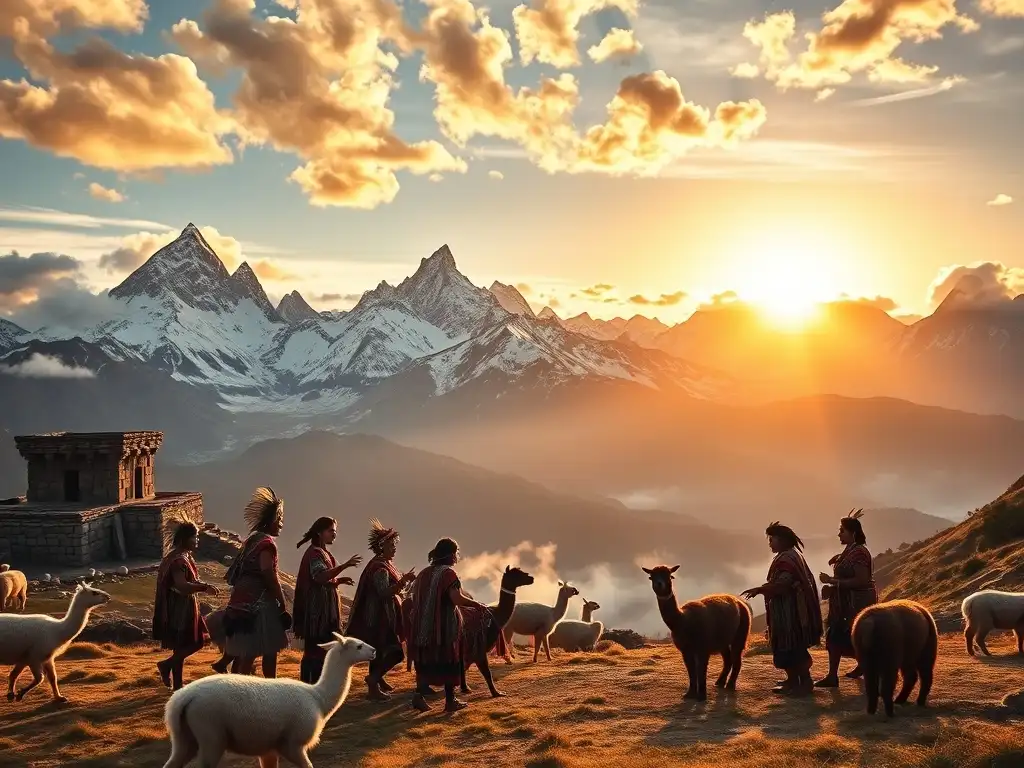
Step into a world lost to time, yet echoing with vibrant life. Imagine the breathtaking landscapes of the Andes, steeped in the mystery of Ancient Andean rituals and traditions. This is more than just history; it’s a journey into the heart of a civilization that shaped the very soul of South America. Prepare to be captivated as we unveil the secrets of the Incas, Moche, Nazca, and Tiahuanaco, revealing the intricate tapestry of their beliefs and practices. Dare to explore the unseen forces that fueled their empires... Begin your immersive Andean experience now.
The Andes Mountains, a spine of towering peaks running down the western edge of South America, are not merely a geographical feature; they are the cradle of vibrant and enduring civilizations. For millennia, cultures like the Inca, Moche, Nazca, and Tiahuanaco have shaped the landscape and left behind a legacy etched in stone, woven into textiles, and resonating in the rhythms of their music and dance.
This article delves into the captivating world of Ancient Andean rituals and traditions, offering a glimpse into the spiritual heart of these remarkable societies and preparing you for an immersive experience at one of the many Andean music and dance festivals. We will explore the profound connection between ancient Andean rhythms, rituals, and the vibrant cultural expressions that persist to this day.
Understanding these traditions enhances the appreciation of the modern festivals, allowing for a more meaningful and respectful participation. Prepare to be transported to a world where the echoes of the past resonate powerfully in the present.
Discovering the Heartbeat of Andean Culture: An Introduction to Ancient Rhythms and Traditions
Ancient Andean rituals and traditions were deeply intertwined with their cosmology, agriculture, and social structures. Their beliefs, often expressed through elaborate ceremonies and intricate artistic expressions, reflected a profound connection with the natural world. Many rituals centered around the agricultural cycle, ensuring bountiful harvests and appeasing the spirits of the mountains and the earth.
Music and dance played a crucial role in these ceremonies, acting as conduits to the spiritual realm. Instruments like the panpipes, charango, and tinku drums were not merely musical instruments but sacred objects, imbued with spiritual significance. The rhythmic patterns and melodic structures often mirrored the cycles of nature, reflecting the cyclical rhythms of life, death, and rebirth.
Specific dances, often accompanied by intricate costumes and symbolic gestures, represented agricultural cycles, animal spirits, or honored deities. The legacy of these ancient traditions is still palpable in contemporary Andean music and dance festivals, providing a powerful connection to the past. Understanding these historical roots allows for a richer appreciation of the cultural expressions witnessed at these events.
Preparing for Your Immersive Andean Experience: Essential Gear and Resources
Planning for an immersive Andean experience requires careful consideration of both practical and cultural aspects. The high altitude, varied climates, and cultural sensitivities demand preparation to ensure both your comfort and respectful engagement with the local communities. By taking the time to prepare adequately, you can fully immerse yourself in the experience and show respect for the rich Andean heritage. This section will provide guidance on necessary gear, useful resources, and culturally sensitive practices to ensure a meaningful and enriching journey.
Packing List for Andean Festivals: Ensuring Comfort and Respect
Preparing for Andean festivals requires a thoughtful packing list that considers the diverse climates and cultural norms. The altitude can significantly impact your comfort, so packing layers is essential. Think lightweight, moisture-wicking fabrics for base layers, fleece or wool mid-layers, and a waterproof outer shell. Comfortable hiking boots are a must, along with sturdy socks. A sun hat, sunglasses, and high-SPF sunscreen are crucial for protection from the strong Andean sun.
Remember to pack insect repellent, a first-aid kit, and any personal medications. Respectful clothing is important; avoid overly revealing attire. Modest clothing, such as long pants and long-sleeved shirts, is generally appreciated. Consider bringing a small gift, such as a notebook or pen, to offer as a token of appreciation to local artisans or community members. Remember to pack a reusable water bottle to stay hydrated.
Learning Basic Quechua Phrases: Enhancing Your Cultural Interaction
While Spanish is widely spoken in many Andean regions, learning a few basic phrases in Quechua, the indigenous language of the Inca Empire, can significantly enhance your cultural interaction. Even a simple "Sumaj kawsay" (beautiful life) or "Gracias" (thank you) can demonstrate respect and foster deeper connections with local people. Learning a few basic greetings and polite phrases shows your interest in their culture and can open doors to more authentic experiences.
Many online resources and language learning apps offer Quechua lessons, making it accessible to learn even a few basic phrases before your trip. This small effort can significantly enrich your experience and demonstrate respect for the indigenous cultures of the Andes. Consider carrying a small phrasebook for easy reference.
Immersing Yourself in Andean Festivals: A Guide to Experiencing Authentic Rituals
Andean festivals offer a unique opportunity to witness ancient rituals firsthand. These vibrant celebrations, often tied to agricultural cycles or religious beliefs, are deeply ingrained in the cultural fabric of the Andes. From the joyous sounds of panpipes to the mesmerizing movements of traditional dances, festivals provide a powerful connection to the past. The intensity of these events varies greatly depending on the specific festival and location.
Some are intimate community gatherings, while others draw thousands of participants and spectators. Careful planning is essential to maximize your experience and ensure respectful participation. Understanding the significance of the rituals, the music, and the dances allows for a deeper appreciation of the Andean cultural heritage.
Preparation is key; research the specific festival you plan to attend to understand its unique traditions and customs. This will allow you to fully immerse yourself in the experience and avoid any unintentional cultural missteps. Remember that these aren't mere performances; they are living traditions that continue to shape Andean communities today.
Understanding the Significance of Andean Music: Instruments and Their Role
Andean music is far more than just entertainment; it's a vital component of their spiritual and social life. Instruments like the charango, a small lute, and the zampoña, a panpipe, play crucial roles in ceremonies and celebrations. The haunting melodies and rhythms often reflect the landscape, the emotions, and the beliefs of the Andean people.
The siku, another type of panpipe, is frequently used in ensembles, creating rich and complex soundscapes. The music's purpose extends beyond mere entertainment; it's used to invoke spirits, tell stories, and express communal identity. Different instruments are associated with specific deities or ceremonies, adding layers of symbolic meaning to the music.
For example, the deep resonant tones of the tarka, a type of flute, might be used in ceremonies related to the earth and fertility. The rhythmic complexity of the music often mirrors the intricate social structures and beliefs of the Andean communities. By understanding the instruments and their roles, one can gain a more profound appreciation for the depth and richness of Andean musical traditions.
Andean Dance: Decoding the Movement and Symbolism
Andean dances are not simply graceful movements; they are powerful expressions of history, mythology, and spirituality. Each step, each gesture, carries symbolic weight, often telling stories of ancient myths, agricultural cycles, or social structures. The costumes, often vibrant and elaborate, further enhance the storytelling aspect of the dances.
Feathers, intricate weavings, and specific colors all contribute to the rich visual tapestry of Andean dance. Observing the movements closely reveals a deep connection to the land and the cosmos. The dances often mimic the movements of animals or natural phenomena, reflecting the Andean worldview that sees humans as deeply intertwined with nature.
These dances are not performed for mere entertainment but serve as vital components of rituals and ceremonies, reinforcing social bonds and expressing communal identity. The energy and passion displayed by the dancers reflect the profound significance of these traditions within their culture. Understanding the symbolism allows for a deeper engagement with the performance and a greater appreciation for the enduring legacy of Andean dance.
Participating Respectfully in Ancient Andean Rituals: Guidelines for Visitors
Respectful participation in Andean festivals is paramount. Approaching these events with humility and a genuine desire to learn is crucial. Observing proper etiquette, such as dressing modestly and refraining from disruptive behavior, demonstrates respect for the traditions and the community. Photography should be approached with sensitivity, always asking permission before taking pictures of individuals or sacred objects. Avoid intrusive behavior; observe from a respectful distance and allow the community to maintain the integrity of their rituals.
Learning a few basic Quechua phrases can also be a meaningful gesture of respect, showing an effort to connect with the local culture. Remember that these are living traditions, not tourist attractions. Engaging with them respectfully ensures that these rich cultural practices continue to thrive for generations to come. Above all, approach these experiences with an open mind and a willingness to learn and appreciate the rich cultural heritage of the Andes.
Maximizing Your Andean Experience: Combining Festivities with Cultural Exploration
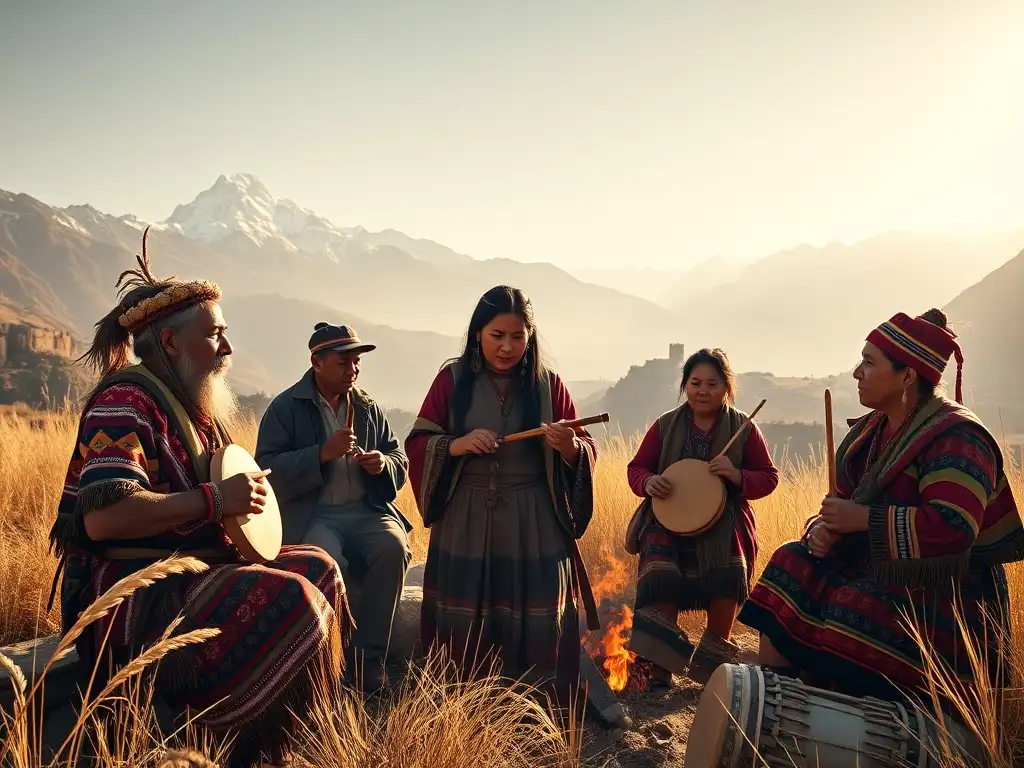
Attending Andean festivals provides an unparalleled opportunity to immerse oneself in the region's rich cultural heritage. However, combining these experiences with explorations of historical sites and local artisans further enriches the journey. This holistic approach allows for a deeper understanding of the context in which these traditions thrive.
Exploring Historical Sites: Supplementing Festival Experiences with Ancient Ruins
Visiting ancient ruins such as Machu Picchu or Sacsayhuamán provides a tangible link to the past, offering a deeper understanding of the historical context of the festivals. Seeing the architectural marvels and appreciating the ingenuity of past civilizations enriches the experience of witnessing their cultural descendants celebrating ancient traditions. The connection between the past and the present becomes evident, highlighting the enduring power of Andean culture.
Exploring these sites before or after a festival offers a more complete perspective on the Andean civilization and its lasting impact. The ruins provide a physical manifestation of the history and beliefs that continue to shape the festivals and traditions you witness.
Tasting Andean Cuisine: A Culinary Journey Through Local Flavors
Andean cuisine offers a delicious and integral part of the cultural experience. Sampling local dishes, often prepared with traditional techniques and ingredients, allows for a sensory immersion into the region's rich culinary heritage. From hearty stews to flavorful roasted meats, the food reflects the region’s geography and agricultural practices.
The flavors and textures tell a story of adaptation and ingenuity, reflecting the Andean people's resilience and connection to their environment. Exploring local markets and trying regional specialties adds another layer to the cultural exploration, providing insights into the daily lives and traditions of the Andean communities. Sharing a meal with locals offers a chance to connect on a personal level, gaining a deeper understanding of their culture and way of life.
Supporting Local Artisans: Purchasing Authentic Andean Crafts
Purchasing authentic Andean crafts directly from local artisans supports their communities and preserves traditional skills. The intricate textiles, pottery, and jewelry often tell stories, reflecting ancient myths and beliefs. Supporting these artisans helps to maintain the vitality of their craft and contributes to the preservation of a rich cultural heritage.
Engaging with artisans allows for a personal connection, learning about the techniques and inspiration behind their work. The purchase of these items becomes more than just a souvenir; it represents a contribution to the cultural preservation efforts and a direct support of the communities that create them. By choosing to purchase authentic crafts, you are actively participating in the preservation of Andean cultural heritage and supporting the livelihoods of talented artisans.
Post-Festival Reflection: Preserving Memories and Continuing the Journey
Participating in an Andean music and dance festival is a deeply immersive experience, leaving a lasting impact long after the final notes fade. The vibrant colors, the infectious rhythms, the shared energy—these elements weave themselves into the fabric of your memory. However, to truly appreciate and preserve the richness of this cultural encounter, a conscious effort towards reflection is crucial. This post-festival reflection isn't just about reminiscing; it's about solidifying the learning and fostering a deeper understanding of ancient Andean rituals and traditions.
Consider the impact the festival had on your personal perspective. Did it challenge your preconceived notions? Did it spark new questions about Andean culture? Allow yourself time for quiet contemplation, allowing the experience to settle and resonate within you.
Journaling Your Experiences: Capturing the Essence of Andean Culture
One of the most effective ways to preserve the memories and insights gained from an Andean festival is through journaling. A detailed journal becomes a living record of your journey, capturing not only the visual spectacle but also the emotional and intellectual responses evoked by the experience. Describe the costumes, the music, the dances – use vivid language to paint a picture for your future self. Note down specific details: the names of the dances, the instruments played, the stories shared.
Don't hesitate to include personal reflections; how did the music make you feel? What resonated most strongly with you? What questions did the experience raise? This detailed documentation will enrich your understanding of ancient Andean rituals and traditions, transforming a fleeting memory into a lasting source of knowledge and inspiration.
Sharing Your Experiences: Inspiring Others to Explore Andean Traditions
The beauty of Andean culture lies in its power to connect people. After experiencing the vibrant energy of a festival, consider sharing your journey with others. This act of sharing not only preserves the memory but also contributes to a broader appreciation of ancient Andean rituals and traditions. You can share your experiences through various channels: write a blog post, create a photo album, or simply recount your stories to friends and family.
By sharing your personal narrative, you become an ambassador for Andean culture, inspiring others to delve deeper into its rich tapestry. Consider creating a presentation with photos and videos to share with community groups or schools. Your enthusiasm can ignite a spark of interest in others, fostering a wider appreciation for this incredible cultural heritage.
Continuing Your Learning: Resources for Further Exploration
The end of a festival doesn't signify the end of your journey into Andean culture. The experience should serve as a catalyst for further exploration, deepening your understanding of ancient Andean rituals and traditions. Numerous resources are available to continue your learning: explore books and documentaries focusing on Andean music, dance, and history. Look for academic papers and articles that delve into the anthropological and sociological aspects of Andean culture.
Seek out online resources, museums, and cultural centers dedicated to preserving and promoting Andean heritage. Consider learning Quechua, the language spoken by many Andean communities, to gain a deeper connection with the culture. By actively seeking out further knowledge, you can ensure that the memories and insights gained from the festival remain vibrant and meaningful, fostering a lifelong appreciation for the soul of the Andes.
- Discovering the Heartbeat of Andean Culture: An Introduction to Ancient Rhythms and Traditions
- Preparing for Your Immersive Andean Experience: Essential Gear and Resources
- Immersing Yourself in Andean Festivals: A Guide to Experiencing Authentic Rituals
- Maximizing Your Andean Experience: Combining Festivities with Cultural Exploration
- Post-Festival Reflection: Preserving Memories and Continuing the Journey
- What were some common ancient Andean rituals?
- How did the Incas incorporate religion into their daily lives?
- What role did sacrifices play in ancient Andean cultures?
- How did ancient Andean art reflect their rituals and beliefs?
- What evidence exists to support our understanding of ancient Andean rituals?
Frequently Asked Questions
What were some common ancient Andean rituals?
Ancient Andean rituals were diverse, but common themes included ancestor veneration, agricultural cycles, and appeasing deities. Many involved offerings, ceremonies, and specific clothing or adornments.
How did the Incas incorporate religion into their daily lives?
Inca religion permeated daily life. Religious festivals were frequent, and religious leaders held significant power, influencing everything from agriculture to governance. Huacas, or sacred places, were revered and incorporated into the landscape.
What role did sacrifices play in ancient Andean cultures?
Sacrifices, including human sacrifice in some cultures, were performed to honor deities, ensure successful harvests, or appease powerful forces. The significance and frequency varied greatly between different Andean cultures.
How did ancient Andean art reflect their rituals and beliefs?
Ancient Andean art, from textiles to pottery to monumental architecture, often depicted scenes of rituals and mythological figures. These works provide crucial insights into their beliefs and practices. Iconography played a key role in conveying religious meaning.
What evidence exists to support our understanding of ancient Andean rituals?
Archaeological discoveries, such as mummies, sacrificial sites, and religious artifacts, provide invaluable evidence. Ethnohistorical accounts and analysis of iconography further illuminate these ancient practices and beliefs.
Final Reflection: Echoes of the Andes, Whispers of the Future
The ancient rhythms and rituals of the Andes are not relics of a bygone era; they are living threads woven into the vibrant tapestry of contemporary Andean life. Their enduring power speaks to the profound connection between humanity and the natural world, a connection we are only beginning to fully appreciate in our increasingly disconnected age. The echoes of these traditions resonate with a strength that challenges us to reconsider our own relationship with the earth and with spirituality.
The enduring legacy of Andean culture profoundly impacted my understanding of the interconnectedness of all things. The intricate ceremonies, the deep reverence for the mountains and the cosmos, and the profound respect for the cyclical nature of life – all these elements challenged my Western, linear worldview. The mountains are not just stones, but living beings, full of spirit and power,
a Quechua elder once told me, a sentiment that continues to resonate deeply within me. This understanding extends beyond the Andes, reminding us that all cultures hold invaluable wisdom about our place in the universe.
Consider the wisdom embedded within these ancient practices. How can we, in our modern world, rediscover a deeper connection with the natural world and with the spiritual dimensions of life?
I invite you to reflect on the enduring power of tradition, to seek out the wisdom held within diverse cultures, and to explore the ways in which these ancient rhythms might inform your own journey towards a more meaningful and fulfilling life. Let the echoes of the Andes inspire you to find your own path towards a more harmonious existence, one that respects the earth and honors the interconnectedness of all beings.
Embrace the Spirit of the Andes Today!
Thank you for joining us on this enlightening journey through the rich traditions and vibrant culture of the Andean civilizations. You've discovered the ancient wisdom and cultural significance that shapes this magnificent region. Now, let's bring those insights into your daily life!
Here are some ways to deepen your connection with Andean culture:
- Connect with a local or online Andean community to learn more about their traditions and share your experiences. You might find groups dedicated to specific aspects of Andean culture, such as music, textiles, or spirituality.
- Attend a cultural event or workshop featuring Andean music or dance—immerse yourself in the vibrant rhythms! Many cities host festivals or offer classes that provide a hands-on experience.
- Start a journal to record your reflections on the Andean way of life. Consider what aspects resonate most deeply with you and how you might integrate them into your own perspective.
What aspect of Andean culture captivates you most, and how will you integrate it into your life? Share your thoughts—let's continue the discussion!