
Echoes of the Ancestors: Immersive Dance Festivals That Resonate Through Time

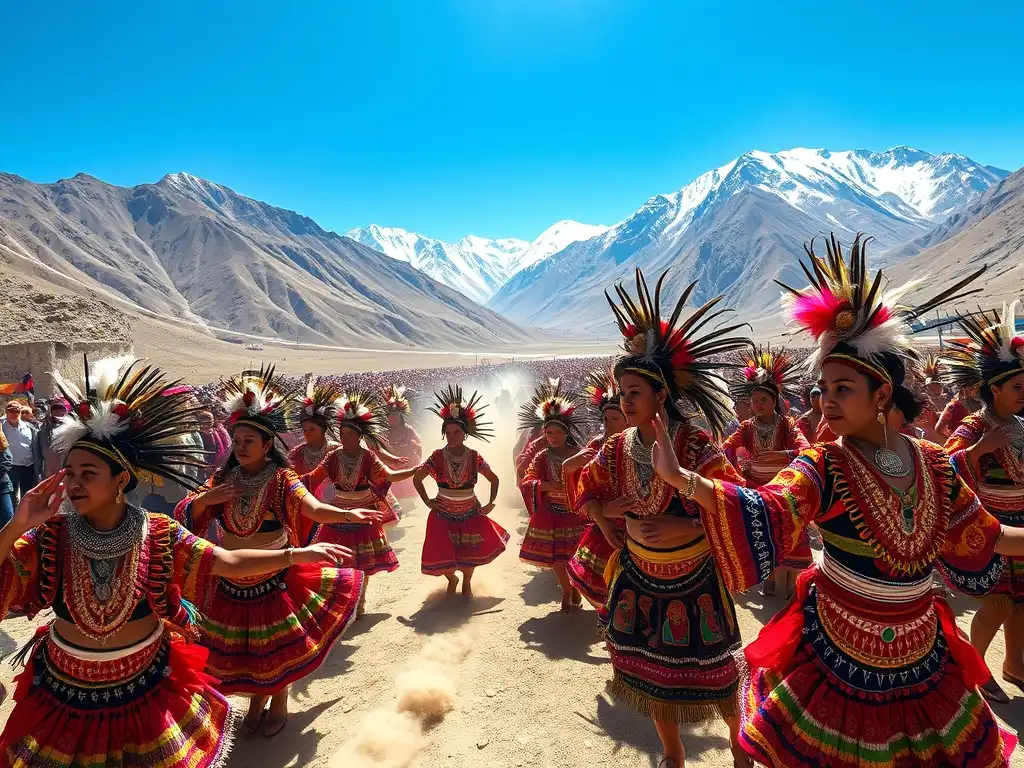
Step into a world lost to time, yet echoing with vibrant life. Imagine the breathtaking spectacle of Andean dance festivals, a captivating legacy passed down through generations. From the sun-drenched plazas to the soaring heights of the Andes, we unravel the rich history and cultural significance woven into these mesmerizing traditions. Discover how the rhythmic pulse of these ancient celebrations continues to resonate today, and prepare to be transported by the unforgettable power of Andean heritage. Explore the depths of their history now and delve into the mysteries of "Andean dance festivals history."
The Andes Mountains, a majestic spine running down the western edge of South America, are not only a breathtaking geographical feature but also the cradle of vibrant and enduring cultures. For millennia, the inhabitants of this awe-inspiring landscape have expressed their spirituality, history, and social structures through captivating music and dance.
This article delves into the rich tapestry of Andean dance festivals, exploring their historical roots, the enduring legacy of ancient traditions, and their continued relevance in contemporary Andean society. We'll journey through time, uncovering the echoes of the ancestors that resonate in these powerful and mesmerizing performances, providing a deeper understanding of "Andean dance festivals history."
Prepare to be transported to a world where ancient rituals meet modern expression, where the rhythm of the earth beats in harmony with the steps of the dancers. We will examine the evolution of these festivals, from their origins in ancient ceremonies to their current forms, highlighting their significance as both cultural preservation and vibrant artistic expressions.
Exploring the Rich History of Andean Dance Festivals
Andean dance festivals are not merely spectacles; they are living testaments to a rich and complex history. Their roots lie deep in the pre-Columbian era, intertwined with the agricultural cycles, religious beliefs, and social structures of various Andean civilizations. For instance, the Inca Empire, known for its sophisticated organization and extensive road network, incorporated elaborate dances into their religious ceremonies and state celebrations. These dances, often performed by highly trained groups, served to honor deities, celebrate harvests, and reinforce social hierarchies.
Evidence suggests that specific dances were associated with specific deities or agricultural events, indicating a deep connection between ritualistic performance and the cyclical nature of Andean life. The intricate costumes, often adorned with feathers, precious metals, and textiles, further emphasized the sacred nature of these performances. Beyond the Inca, other Andean cultures, such as the Moche, Nazca, and Tiahuanaco, developed their own unique dance traditions, each reflecting their distinct cultural identities and beliefs.
Archaeological findings, including pottery depicting dancers and textual accounts from Spanish chroniclers, offer glimpses into the diversity and complexity of these ancient practices. Understanding these historical contexts is crucial to appreciating the profound significance of contemporary Andean dance festivals. We can see clear connections between the ancient rituals and the modern celebrations, demonstrating the enduring power of tradition.
The Enduring Legacy of Ancient Andean Dance Traditions
Despite the passage of centuries and the impact of colonization, Andean dance traditions have remarkably persevered. Many contemporary festivals retain elements of pre-Columbian dances, albeit often adapted and integrated with later influences. The vibrant costumes, for example, still incorporate traditional textiles and designs, reflecting a continuity of artistic practices.
Similarly, the musical instruments used – panpipes, flutes, drums – often echo the sounds of ancient Andean music. However, it's important to note that these traditions are not static; they are dynamic and evolving, reflecting the changing socio-cultural landscape of the Andes. Contemporary Andean dance festivals often incorporate elements of modern music and choreography, demonstrating a capacity for adaptation and innovation while preserving the core essence of their ancestral heritage.
This blend of tradition and modernity is evident in the diverse range of festivals celebrated across the Andes, each with its unique characteristics and regional variations. The continued practice of these dances is a testament to the resilience of Andean cultures and their ability to adapt and evolve while honoring their past. The vibrant energy and emotional depth of these performances continue to captivate audiences, both within the Andean region and globally, serving as a powerful reminder of the enduring strength and cultural richness of these ancient traditions.
- Exploring the Rich History of Andean Dance Festivals
- The Enduring Legacy of Ancient Andean Dance Traditions
- What is the significance of dance in Andean cultures?
- How did Andean dance festivals evolve over time?
- Which Andean civilizations had the most elaborate dance traditions?
- Are there any modern Andean dance festivals that reflect ancient traditions?
- Where can I find information on specific Andean dance festivals and their history?
The Best Andean Dance Festivals for an Immersive Experience
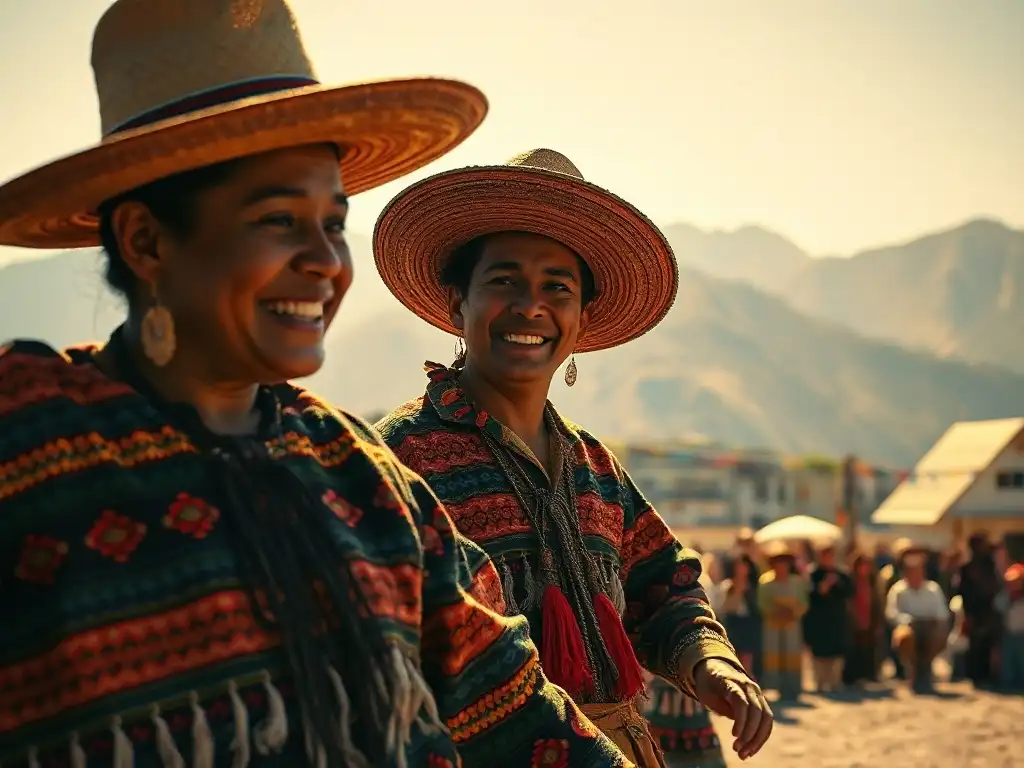
This section delves into the captivating world of Andean dance festivals, providing detailed insights into two of the most significant celebrations: Inti Raymi and the Paucartambo Festival. These events offer unparalleled opportunities to witness the vibrant cultural heritage of the Andes, experiencing the echoes of ancestral traditions through mesmerizing music, dance, and vibrant costumes. Understanding their history and significance is key to fully appreciating the immersive experience they offer. We explore the best times to visit, accommodation options, and ways to enhance your journey, ensuring an unforgettable encounter with Andean culture.
Inti Raymi: The Sun Festival's Grand Spectacle
History of Inti Raymi and its Significance
Inti Raymi, meaning "Festival of the Sun" in Quechua, is a spectacular Inca celebration that honors the sun god, Inti. While suppressed during the Spanish colonial era, it was revived in the 20th century, becoming a powerful symbol of Andean cultural identity. The festival's historical roots are deeply intertwined with the Inca empire's agricultural cycle and cosmology. The Inca believed Inti's favor ensured bountiful harvests and prosperity.
The festival's rituals, originally performed in the sacred Plaza de Armas of Cusco, involved elaborate ceremonies, sacrifices (now symbolic), and processions that showcased the empire's power and reverence for the sun. The modern-day Inti Raymi retains much of this ancient symbolism, offering a glimpse into the heart of Inca beliefs and traditions. Its revival has been instrumental in promoting Andean cultural pride and tourism, playing a significant role in the preservation of indigenous heritage.
Immersive Experiences: Guided Tours and Authentic Costumes
To truly immerse yourself in the Inti Raymi experience, consider a guided tour. Experts can provide valuable context, explaining the historical significance of each ritual and performance. Many tour operators offer packages that include access to prime viewing locations and transportation. Furthermore, experiencing the festival in authentic Andean costume adds another layer of immersion.
Numerous vendors offer rentals, allowing participants to feel a deeper connection to the celebration. However, it's crucial to be respectful of the cultural significance of the costumes and avoid any inappropriate use or mockery. This respectful engagement enhances the overall experience and shows appreciation for the rich Andean heritage.
Best Time to Visit and Recommended Accommodations
Inti Raymi takes place annually on June 24th, coinciding with the winter solstice in the Southern Hemisphere. This date is significant because it marks the shortest day of the year and the subsequent return of the sun's strength. Planning your trip well in advance is crucial, as accommodation in Cusco fills up rapidly.
A wide range of hotels, hostels, and guesthouses cater to various budgets. Consider booking your accommodation months in advance, especially if you prefer a specific location or type of lodging. Researching accommodation options that offer convenient access to the festival's main events will further enhance your experience.
Paucartambo Festival: A Blend of Tradition and Spectacle
The Cultural Roots of the Paucartambo Celebration
The Paucartambo Festival, held annually in July, is a vibrant blend of indigenous Andean traditions and Catholic influences. This unique fusion reflects the complex history of the region, where indigenous beliefs and Spanish colonial practices intertwined over centuries. The festival's roots can be traced back to pre-Columbian times, featuring rituals and dances that honor Pachamama (Mother Earth) and other Andean deities. The integration of Catholic elements, such as processions honoring the Virgin of Carmen, demonstrates the syncretism that characterizes much of Andean religious practice. The festival's deep cultural roots are reflected in its intricate rituals, music, and dance styles.
Unique Characters and Symbolic Dance Performances
A hallmark of the Paucartambo Festival is its colorful and symbolic dance performances. Participants don elaborate costumes representing various characters, including mythical figures and historical personalities. These dances often tell stories, conveying messages about Andean history, beliefs, and social structures. The "Qhapaq Qochapata" dance, for instance, depicts the mythical encounter between the Inca emperor and the mountain spirits.
Other dances showcase traditional agricultural practices and community life. Observing these unique performances offers a profound understanding of Andean cultural values and their complex relationship with the natural world. The vibrant costumes and rhythmic movements are truly captivating, leaving a lasting impression on visitors.
Recommended Travel Packages and Local Guides for the Paucartambo Festival
Given the remote location of Paucartambo, engaging with a travel package or local guide is highly recommended. These services can handle logistics, including transportation to and from Cusco, accommodation in Paucartambo, and guided tours of the festival. Local guides offer invaluable insights into the cultural nuances of the celebration, providing a richer and more meaningful experience.
Choosing a responsible tourism operator ensures the preservation of local traditions and benefits the community. Researching different options and reading reviews can help you choose a package or guide that aligns with your preferences and budget. Remember that engaging with local communities respectfully and sustainably contributes to the preservation of their invaluable cultural heritage.
Qoyllur Rit'i: Pilgrimage and Dance in the Andes
The Qoyllur Rit'i festival, held annually in the Ausangate mountain range in Peru, is a truly unique and unforgettable experience. This isn't simply a dance festival; it's a vibrant pilgrimage blending Andean traditions, Catholicism, and a profound connection with the sacred mountains. Thousands of pilgrims, many dressed in colorful traditional attire, embark on a challenging journey to reach the glacial lake of Sinakara, the heart of the celebration.
The festival itself is a mesmerizing spectacle of music, dance, and ritual, representing a powerful fusion of indigenous beliefs and the religious practices introduced during the Spanish colonial period. The sheer scale of the event, the devotion of the participants, and the breathtaking Andean landscape combine to create an atmosphere unlike any other. The festival is a testament to the enduring strength of Andean cultural practices and their adaptation through time.
Its remote location adds to its mystique, making it a truly authentic and immersive experience for those who make the journey. The energy is palpable, a blend of spiritual devotion, communal celebration, and the raw beauty of the Andes.
The Spiritual Meaning of the Qoyllur Rit'i Celebration
At the heart of Qoyllur Rit'i lies a profound spiritual significance. The festival is deeply rooted in Andean cosmology, with the Ausangate mountain revered as a sacred Apu (mountain spirit). The celebration involves paying homage to this powerful deity, seeking blessings, and expressing gratitude for the bounty of the land.
The festival's narrative incorporates both indigenous beliefs and Catholic elements, demonstrating the syncretism that characterizes much of Andean religious practice. The snow-capped peaks, the glacial lake, and the surrounding landscape all play vital roles in the spiritual narrative, serving as sacred spaces where the earthly and spiritual realms intertwine. Legends and stories passed down through generations add layers of meaning to the rituals and dances performed during the festival.
Understanding these underlying spiritual dimensions enhances one's appreciation of the Qoyllur Rit'i's significance and the depth of Andean spiritual beliefs. For participants, it's not just a celebration; it's a deeply personal and transformative experience.
Dance and Music as Expressions of Faith and Community
Music and dance are integral to the Qoyllur Rit'i experience, serving as powerful mediums for expressing faith, community, and devotion. The rhythmic beats of traditional Andean instruments, such as the tinya, tarka, and zampoña, fill the air, creating an atmosphere of both reverence and joyous celebration. The dances themselves are complex and symbolic, often depicting stories from Andean mythology or portraying the relationship between humans and the sacred mountain.
Different groups, often representing specific communities or families, perform their unique dances, showcasing a rich diversity of styles and traditions. The music and dance are not mere entertainment; they are essential elements of the ritual, helping to connect the participants to the spiritual heart of the celebration and fostering a strong sense of community among the pilgrims.
The vibrant colors of the costumes and the energetic movements of the dancers further enhance the visual spectacle, adding to the overall immersive quality of the experience. Observing these performances provides a window into the heart of Andean culture and its enduring connection to its spiritual heritage.
Planning Your Trip: Travel Agencies and Necessary Gear
Planning a trip to Qoyllur Rit'i requires careful consideration, as it takes place in a remote and high-altitude location. Specialized travel agencies offering guided tours are highly recommended. These agencies typically handle logistics, including transportation to the festival site (often involving a challenging journey), accommodation, and assistance with navigating the sometimes-challenging terrain. For those planning a more independent journey, thorough research and preparation are crucial.
The altitude can pose challenges, so acclimatization is essential. Packing appropriate gear is also vital: sturdy hiking boots, warm layers of clothing (temperatures can fluctuate significantly), rain gear, sunscreen, and a hat are all necessary. Remember to bring enough water and high-energy snacks.
Additionally, respecting the local culture and traditions is paramount; dressing modestly and being mindful of the spiritual nature of the event are crucial aspects of a respectful and enriching experience. Careful planning will ensure a safe and memorable journey to this incredible Andean festival. Remember to book well in advance, as the festival attracts a large number of participants.
Understanding the Meaning Behind the Movements in Andean Dance
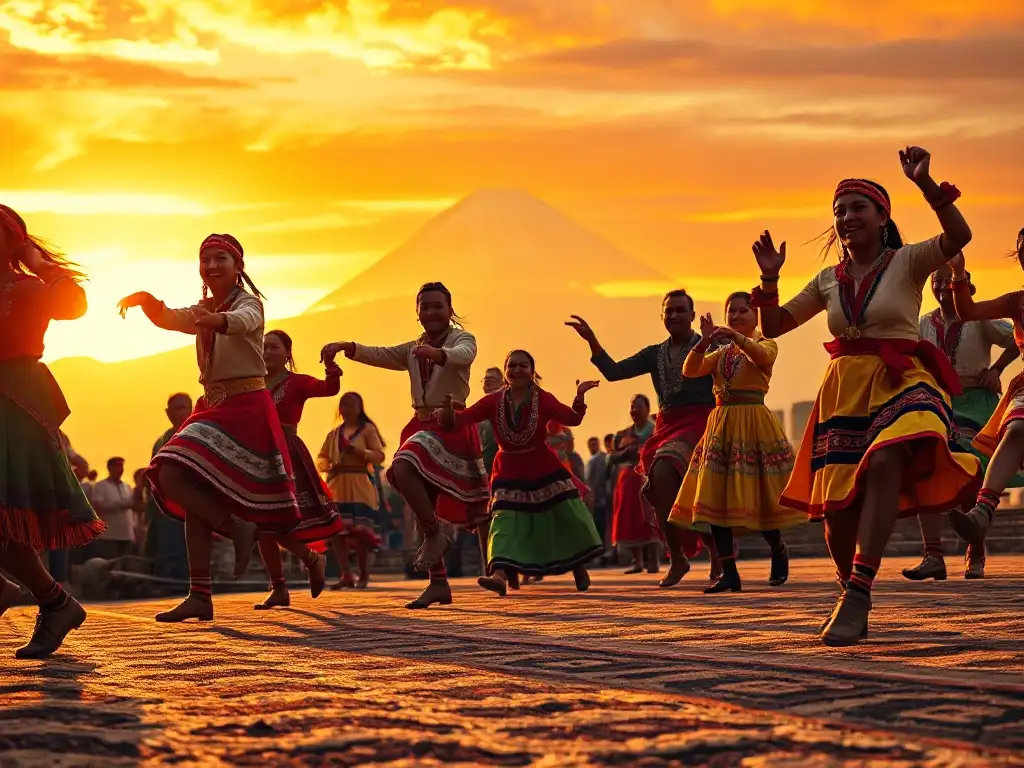
Andean dance festivals aren't merely spectacles; they're living testaments to a rich cultural heritage, a vibrant tapestry woven from centuries of tradition. Understanding the meaning behind the movements is crucial to appreciating the depth and complexity of these performances. The seemingly simple steps and gestures are, in fact, imbued with profound symbolism, often reflecting narratives of mythology, agricultural cycles, or social structures. Each sway of the body, each precise footwork, tells a story.
The careful study of Andean dance reveals a sophisticated system of communication, passed down through generations, preserving vital aspects of Andean identity. Analyzing these movements provides a window into the beliefs, values, and worldview of the ancient Andean civilizations. The meticulous choreography isn't arbitrary; it's a carefully constructed language expressing profound meanings.
Decoding the Symbolism in Andean Dance Gestures
The gestures in Andean dances are far from random. For example, specific hand movements might represent offerings to the gods, the planting of crops, or the harvesting of the land. Consider the Tinkus dance, a vigorous and powerful performance often associated with the Bolivian Andes.
The rapid, stomping footwork might symbolize the pounding of the earth during agricultural preparations, while the raised arms could depict the supplication to the gods for a bountiful harvest. Similarly, in other dances, the use of specific head movements could represent reverence, submission, or even communication with the spirit world. Detailed ethnographic studies are required to fully understand the nuances of these gestures, as their meaning can vary significantly based on the specific region, community, and even the individual dancer's interpretation.
Unfortunately, much of this knowledge is transmitted orally, making documentation and preservation crucial for future generations. Researchers are actively working to catalogue and analyze these gestures, adding to our understanding of the rich symbolism embedded within Andean dance. The challenge lies in balancing the preservation of traditional knowledge with the need for scholarly analysis and interpretation.
The Role of Music in Complementing Andean Dance Performances
Andean dance and music are inextricably linked; one cannot exist without the other. The music isn't simply background accompaniment; it's an integral part of the performance, driving the dancers' movements, enhancing the emotional impact, and deepening the narrative. The rhythm, tempo, and melody of the music dictate the pace and style of the dance, creating a harmonious blend of movement and sound.
The music often mirrors the themes portrayed in the dance, amplifying the emotions and creating a more immersive experience for both the performers and the audience. For instance, a slow, melancholic melody might accompany a dance depicting a lament, while a fast-paced, upbeat rhythm could accompany a celebratory performance. The intensity and energy of the music directly influence the dancers' energy and expression, creating a powerful synergy.
The interaction between music and dance is truly symbiotic, creating a holistic and deeply moving artistic expression. This symbiotic relationship is a key element in understanding the overall impact and cultural significance of Andean dance festivals.
The Instruments of Andean Music: Sikus and Bombos
The distinctive sounds of Andean music are largely shaped by traditional instruments, some of which have been used for centuries. Two of the most prominent are the sikus and the bombos. The siku is a panpipe, typically played in pairs, creating a rich and layered sound.
The different sizes and arrangements of pipes within the siku produce a wide range of notes and tones, capable of expressing a broad spectrum of emotions. The bombos, large double-headed drums, provide the rhythmic foundation for many Andean dances. Their deep, resonant sound adds power and intensity to the performances, often providing the driving beat that the dancers follow.
The combination of the siku's melodic complexity and the bombo's powerful rhythm creates a dynamic and captivating musical landscape that underscores the emotional depth of the dance. Other instruments, such as the charango (a small, Andean lute), and various flutes also contribute to the rich sonic tapestry of Andean music, further enhancing the immersive experience of the dance festivals. The unique sounds of these instruments are essential to understanding the cultural context and historical significance of Andean dance.
Preserving and Promoting Andean Dance Festival Heritage
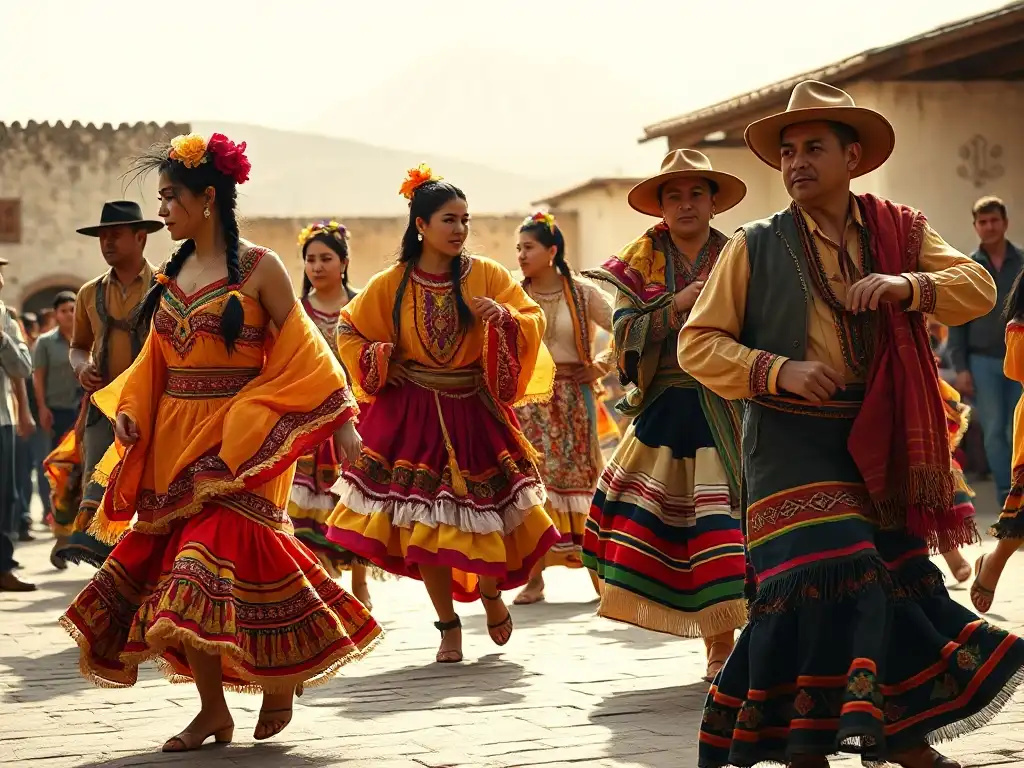
The vibrant tapestry of Andean dance festivals, a powerful testament to the enduring legacy of ancient civilizations, faces the ever-present challenge of preservation in the modern world. The intricate steps, symbolic costumes, and accompanying music represent not merely entertainment, but a living archive of cultural knowledge, spiritual beliefs, and historical narratives. Understanding the historical context of these festivals is crucial to appreciating their significance and ensuring their continuity for future generations.
The transmission of these traditions, often passed down orally through families and communities, is vital for their survival. However, factors like urbanization, globalization, and the allure of modern entertainment threaten to erode these precious cultural practices. Therefore, proactive measures are necessary to safeguard this invaluable heritage.
This involves a multi-pronged approach that encompasses community involvement, governmental support, and educational initiatives. The success of these efforts hinges on recognizing the intrinsic value of these traditions and fostering a sense of collective responsibility for their preservation. This is not simply a matter of archiving history; it's about keeping a living culture alive and thriving.
Community Efforts to Maintain Traditional Andean Dance Forms
Many Andean communities are actively engaged in preserving their unique dance traditions. These efforts often involve dedicated dance groups, workshops, and festivals organized at the local level. For example, in the highlands of Peru, communities meticulously maintain the intricate steps and costumes of dances like the huayno and the yaraví. These dances are not merely performed; they are rehearsed and taught to younger generations, ensuring the continuity of the tradition.
Furthermore, many communities have established cultural centers dedicated to preserving and promoting their dance heritage. These centers often offer classes, workshops, and performances, not only for locals but also for tourists interested in learning about Andean culture. The dedication and passion of these communities are crucial in countering the threats posed by modernization and globalization.
This grassroots preservation ensures the authenticity and vitality of the dances, preventing them from becoming mere stylized performances devoid of their original cultural significance. [Specific data on the number of active community dance groups in different regions pending]. The success of these efforts highlights the importance of empowering local communities in the preservation of their cultural heritage.
Supporting Local Artisans: Purchase Traditional Textiles and Instruments
A significant aspect of Andean dance festivals is the exquisite craftsmanship evident in the traditional textiles and musical instruments. The vibrant colors, intricate designs, and symbolic representations woven into the clothing tell stories of history, mythology, and spirituality. Similarly, the unique sounds produced by traditional instruments like the zampoña, charango, and quena contribute significantly to the atmosphere and cultural richness of the festivals.
Supporting local artisans who create these items is essential for sustaining their livelihoods and preserving these traditional crafts. By purchasing authentic textiles and instruments directly from artisans, tourists contribute directly to their economic well-being and encourage the continuation of these invaluable skills. This sustainable approach not only supports individual artisans but also strengthens the entire cultural ecosystem that underpins the Andean dance festivals.
Consider the economic impact: [Specific economic data on artisan income from festival-related sales pending]. Choosing authentic, handcrafted items over mass-produced souvenirs directly contributes to the preservation of Andean cultural heritage and the economic empowerment of local communities.
Eco-Friendly Travel Options for Attending Andean Festivals
Attending Andean dance festivals offers a unique opportunity to immerse oneself in a rich cultural experience. However, it is crucial to do so responsibly, minimizing the environmental impact of travel and tourism. Opting for eco-friendly travel options is paramount to ensuring the sustainability of both the festivals and the surrounding environment.
This includes choosing sustainable transportation methods such as trains or buses over air travel where feasible. Supporting locally owned accommodations and businesses, rather than large international chains, helps distribute tourism revenue within the local community and reduces the carbon footprint associated with large-scale tourism infrastructure. Furthermore, mindful consumption habits, such as reducing plastic waste and respecting the natural environment, demonstrate a commitment to responsible tourism.
The goal is to experience the festivals in a way that minimizes negative impacts and supports the long-term preservation of both the cultural heritage and the natural beauty of the Andean region. [Specific examples of eco-friendly travel options and their environmental benefits pending]. Responsible travel ensures that future generations can also enjoy the splendor of these festivals and the breathtaking Andean landscapes.
Experiencing Andean Dance Festivals: A Journey Through Time
This section delves into the practicalities and cultural sensitivities surrounding participation in Andean dance festivals. Understanding the nuances of these events ensures a respectful and enriching experience, allowing you to connect deeply with the vibrant heritage of Andean cultures.
How to Respect Andean Culture and Traditions
Attending an Andean dance festival is more than just witnessing a performance; it's an immersion into a living culture with deep-rooted traditions. Respecting these traditions is paramount. This involves more than just polite observation; it requires active engagement with cultural sensitivity.
First and foremost, dress appropriately. While vibrant clothing is encouraged, avoid anything deemed offensive or disrespectful. Research the specific customs of the region and the festival you are attending. Modesty is generally appreciated, especially when visiting sacred sites often associated with these celebrations.
Secondly, learn basic Quechua phrases. Even a few simple greetings like "Sumaj kawsay" (good life) or "Allin p'unchay" (good day) can demonstrate your respect and willingness to engage with the local community. This small gesture can significantly enhance your interactions and show your appreciation for their culture.
Thirdly, understand the significance of offerings. Many Andean ceremonies involve offerings – pagos – to the apus (mountain spirits) or pachamama (Mother Earth). While you may not participate directly, observe these rituals with respect and avoid disrupting them. Photography should be approached with discretion and permission whenever possible. Remember, these are sacred acts, not mere spectacles.
Finally, be mindful of your impact. Leave no trace behind. Respect the environment and the local communities. Participate responsibly and avoid actions that could be perceived as disrespectful or intrusive. Remember, you are a guest in their culture, and your actions reflect on all visitors. The preservation of Andean traditions relies on the respectful behavior of those who experience them.
Planning Your Trip: Travel Insurance and Necessary Preparations
Planning a trip to witness an Andean dance festival requires careful preparation to ensure a smooth and enjoyable experience. Adequate planning minimizes unexpected issues and allows you to fully immerse yourself in the festivities. This includes the essential aspects of travel insurance and logistical preparations.
Travel Insurance: Obtaining comprehensive travel insurance is crucial. This should cover medical emergencies, trip cancellations, lost luggage, and other potential unforeseen circumstances. Andean regions may have limited medical facilities, making robust health insurance particularly important. Consider insurance that specifically covers activities like hiking, if you plan on exploring beyond the festival location.
Necessary Preparations: Beyond insurance, logistical preparations are key. Research the specific festival's dates and location well in advance. Book accommodation early, particularly if traveling during peak season. Transportation options – whether domestic flights, buses, or private transport – should be secured beforehand. Familiarize yourself with local customs and laws, including any visa requirements. Packing appropriately for the Andean climate, which can vary significantly depending on altitude and season, is also essential. Pack layers of clothing, comfortable walking shoes, sunscreen, and insect repellent.
Reflecting on the Profound Impact of Andean Dance Festivals
Andean dance festivals offer more than just entertainment; they provide a profound connection to a rich cultural heritage. These events are living testaments to the resilience and vibrancy of Andean traditions, showcasing a continuity spanning centuries.
The impact of these festivals extends beyond the immediate experience. They foster a sense of community and cultural pride, preserving ancient practices and knowledge for future generations. The music, dance, and rituals are not merely performances; they are expressions of identity, spirituality, and a deep connection to the land. Witnessing these traditions firsthand allows for a deeper understanding of Andean history and the enduring power of cultural preservation. The vibrant colors, rhythmic music, and powerful movements leave a lasting impression, fostering a deeper appreciation for the enduring spirit of Andean civilization. The echoes of the ancestors resonate through the music and dance, creating a truly immersive and unforgettable experience. These festivals serve as potent reminders of the importance of cultural heritage and the vital role it plays in shaping identity and community. Experiencing them allows for a unique and powerful connection to the past, present, and future of Andean cultures.
Frequently Asked Questions
What is the significance of dance in Andean cultures?
Dance played a vital role in Andean societies, serving religious, social, and political functions. It was a way to honor deities, celebrate harvests, and reinforce community bonds. Many ancient traditions continue today.
How did Andean dance festivals evolve over time?
Andean dance festivals evolved organically, incorporating influences from different cultures and periods. Ritualistic dances gradually incorporated more secular elements, reflecting changing social structures and beliefs. The festivals themselves became important social events.
Which Andean civilizations had the most elaborate dance traditions?
Many Andean civilizations, including the Incas, Moche, Nazca, and Tiahuanaco, boasted elaborate dance traditions. Each culture had its unique styles and rituals, reflecting their distinct beliefs and social structures. The Inca empire, however, standardized many aspects of the practice.
Are there any modern Andean dance festivals that reflect ancient traditions?
Yes! Many contemporary Andean dance festivals directly draw inspiration from ancient traditions. These festivals often feature traditional costumes, music, and dance styles, offering a glimpse into the rich cultural heritage of the region.
Where can I find information on specific Andean dance festivals and their history?
You can find information on specific festivals through online research, academic journals, and ethnographic studies. Local tourism websites and cultural centers also offer valuable insights into specific regional festivals and their historical context.
Final Reflection: The Enduring Spirit of Andean Dance
The vibrant traditions of Andean dance festivals are not merely historical relics; they are living, breathing expressions of cultural resilience that continue to shape communities and inspire awe today. These festivals, with their intricate choreography, vibrant costumes, and deeply spiritual significance, offer a powerful testament to the enduring strength of Andean cultures in the face of immense societal shifts. Their continued existence is a beacon of hope and a vibrant reminder of the importance of preserving cultural heritage.
The profound impact of these festivals extends far beyond the immediate spectacle. They serve as crucial vehicles for transmitting ancestral knowledge, fostering a sense of collective identity, and providing a platform for artistic expression that transcends generations. Dance is the hidden language of the soul,
as Martha Graham so eloquently stated. This rings profoundly true for the Andean dance traditions, where each movement, each costume detail, tells a story passed down through centuries, a story of resilience, adaptation, and unwavering connection to the land and its spirits. The emotional power of witnessing these performances firsthand is truly unforgettable, a visceral experience that connects you to something ancient and profoundly human.
Consider the echoes of these dances in your own life. How can you connect with your own heritage and traditions? What stories do you carry within you, waiting to be shared and celebrated? Let the spirit of the Andean festivals inspire you to explore your own cultural roots, to find your own voice, and to share your unique story with the world. Embrace the power of tradition, not as a static artifact, but as a dynamic force capable of shaping the future and enriching our shared human experience.
**Join the Dance of Your Ancestors! **
Thank you for exploring the vibrant world of immersive dance festivals with us! Discovering these cultural experiences reveals rich traditions that connect us to our past. Let's continue this inspiring journey together!
Here are some ways to get involved:
- **Attend a Local Dance Festival:** Explore upcoming festivals in your area, or travel to one that celebrates ancestral traditions. Immerse yourself in the rhythm and culture!
- **Share Your Experience:** Tell friends and family about what you've learned, and invite them to experience a dance festival or explore these traditions online.
- **Create Your Own Celebration:** Host a gathering of friends and family for an evening of dance and storytelling inspired by ancestral traditions. Make it an unforgettable night!
What aspects of ancestral dance resonate most with you, and how will you help these traditions thrive in the future?