
From Village to Valley: Exploring Regional Variations in Andean Music and Dance

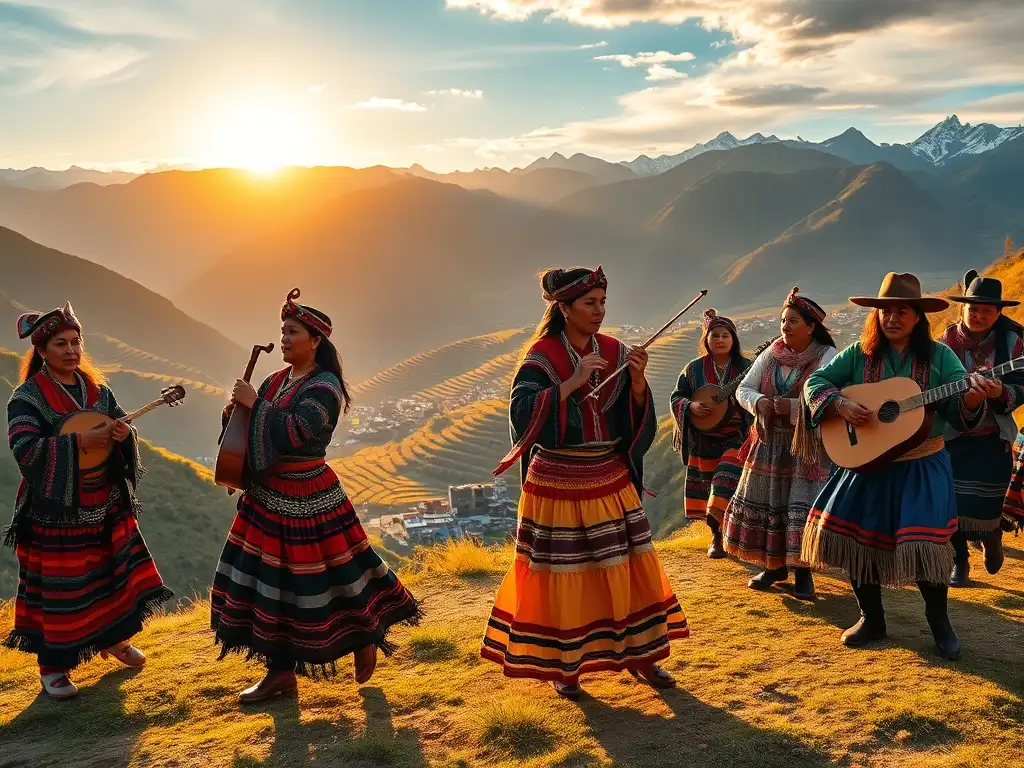
Step into a world lost to time, yet echoing with vibrant life. Prepare to be captivated by the untamed rhythms and mesmerizing movements of the Andes. Our exploration of Andean music and dance styles reveals a breathtaking tapestry of regional variations, woven from centuries of tradition and innovation. Discover how these ancient expressions reflect the unique landscapes and cultures of the Incas, Moche, Nazca, and Tiahuanaco—a journey waiting to unfold before your eyes. Dive in and uncover the secrets of the Andean soul.
The Andes Mountains, a spine of towering peaks stretching along the western edge of South America, are home to a breathtaking diversity of cultures. For centuries, distinct Andean communities, from the high-altitude plains to the coastal valleys, have developed unique musical and dance traditions that reflect their specific environments, histories, and social structures. This article delves into the fascinating world of Andean music and dance styles, exploring the regional variations that make this cultural landscape so rich and vibrant.
We'll journey from the rhythmic pulse of coastal celebrations to the haunting melodies of the highlands, uncovering the stories embedded within each note and movement. Understanding these variations provides a deeper appreciation for the complexity and beauty of Andean cultural heritage and offers a captivating glimpse into the lives and beliefs of these remarkable peoples.
Prepare to be transported to the heart of the Andes through the power of music and dance! 🎉
Unveiling the Diversity of Andean Musical Traditions
Andean music is far from monolithic. The instruments, melodies, and rhythmic structures vary considerably across different regions. The high Andes, characterized by their challenging terrain and unique climate, fostered musical traditions often centered around panpipes ( antara and siku), achieving haunting and ethereal soundscapes reflecting the vastness and solitude of the landscape.
In contrast, the coastal regions, with their warmer climate and proximity to the sea, often feature more upbeat and percussive music, utilizing instruments like drums ( tinku) and rattles ( chacapa), reflecting a different rhythm of life. Even within a single region, variations exist between villages and communities, based on factors like ethnicity, language, and historical influences. This incredible diversity is a testament to the resilience and adaptability of Andean cultures.
The Dance as Storytelling: Regional Variations in Choreography and Costumes
Andean dances are not simply movements; they are living narratives, telling stories of ancient myths, historical events, and everyday life. The choreography, costumes, and accompanying music work together to create a powerful and evocative performance. For instance, dances in the southern Andes often feature intricate steps and formations, reflecting the complex social structures and agricultural practices of the region. These dances frequently incorporate symbolic gestures representing planting, harvesting, or animal husbandry.
In contrast, coastal dances might emphasize more fluid and improvisational movements, reflecting the dynamism of the coastal environment and the importance of fishing and trade. The costumes themselves are equally telling, often using vibrant colours and intricate designs that reflect the unique identity of each community. The use of specific fabrics, patterns, and accessories provides clues to the dance’s origins and meaning.
Exploring Notable Examples of Regional Andean Music and Dance Styles
Let's explore some specific examples to illustrate this regional diversity. The huayno, a popular genre, demonstrates significant variation across the Andes. The huayno of the northern Andes might be characterized by faster tempos and brighter instrumentation, while the huayno of the southern Andes may have a slower, more melancholic feel. Similarly, the yaraví, a genre often associated with themes of love and loss, exhibits regional differences in melody and instrumentation.
These variations are not simply stylistic choices; they reflect the differing emotional landscapes and cultural experiences of the communities that created them. Detailed research into individual communities and their unique musical traditions is needed to fully appreciate the vast spectrum of Andean musical expression. [Specific examples of dances and their regions pending]
The Impact of Modernization and Globalization on Traditional Andean Music and Dance
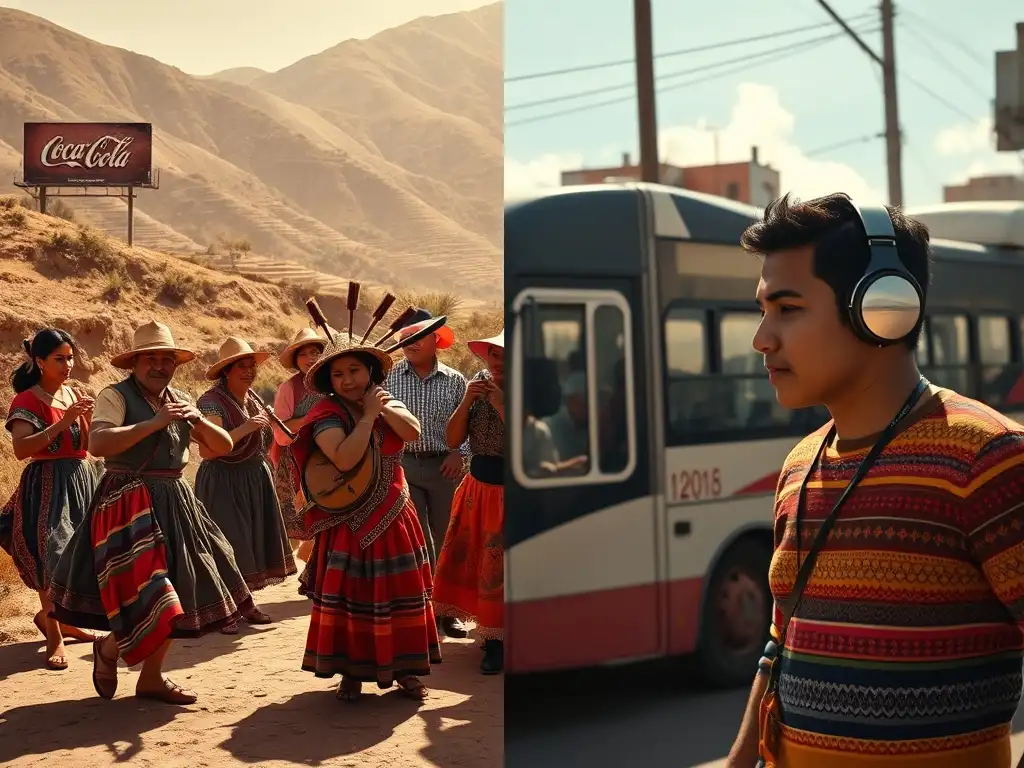
The 20th and 21st centuries have witnessed significant changes in Andean societies, impacting traditional music and dance. Globalization and modernization have introduced new musical styles and technologies, leading to both fusion and adaptation of traditional forms. While some worry about the potential loss of traditional practices, others see these developments as opportunities for innovation and broader dissemination of Andean cultural heritage.
The challenge lies in finding a balance between preserving authenticity and embracing contemporary influences. The preservation of traditional knowledge and skills is crucial for ensuring the continued vitality of Andean music and dance for future generations. [Data on the impact of globalization on specific Andean musical traditions pending]
Conclusion: A Continuing Journey of Discovery
The journey through the diverse world of Andean music and dance styles is a continuous one. Each region, each community, holds unique treasures waiting to be discovered. By appreciating the regional variations and the stories they tell, we gain a deeper understanding of the richness and complexity of Andean culture, recognizing the resilience and creativity of its people. Further research and documentation are essential to preserving and celebrating this vital part of humanity’s cultural heritage. 🎶
- Unveiling the Diversity of Andean Musical Traditions
- The Dance as Storytelling: Regional Variations in Choreography and Costumes
- Exploring Notable Examples of Regional Andean Music and Dance Styles
- The Impact of Modernization and Globalization on Traditional Andean Music and Dance
- Conclusion: A Continuing Journey of Discovery
- What makes Andean music and dance styles so unique?
- How did geography influence the development of different Andean music styles?
- What are some of the key instruments used in Andean music?
- Are there significant differences between Inca music and dance and that of other Andean cultures?
- Where can I experience authentic Andean music and dance?
The Rhythms of the Highlands: Exploring Music and Dance in the Altiplano
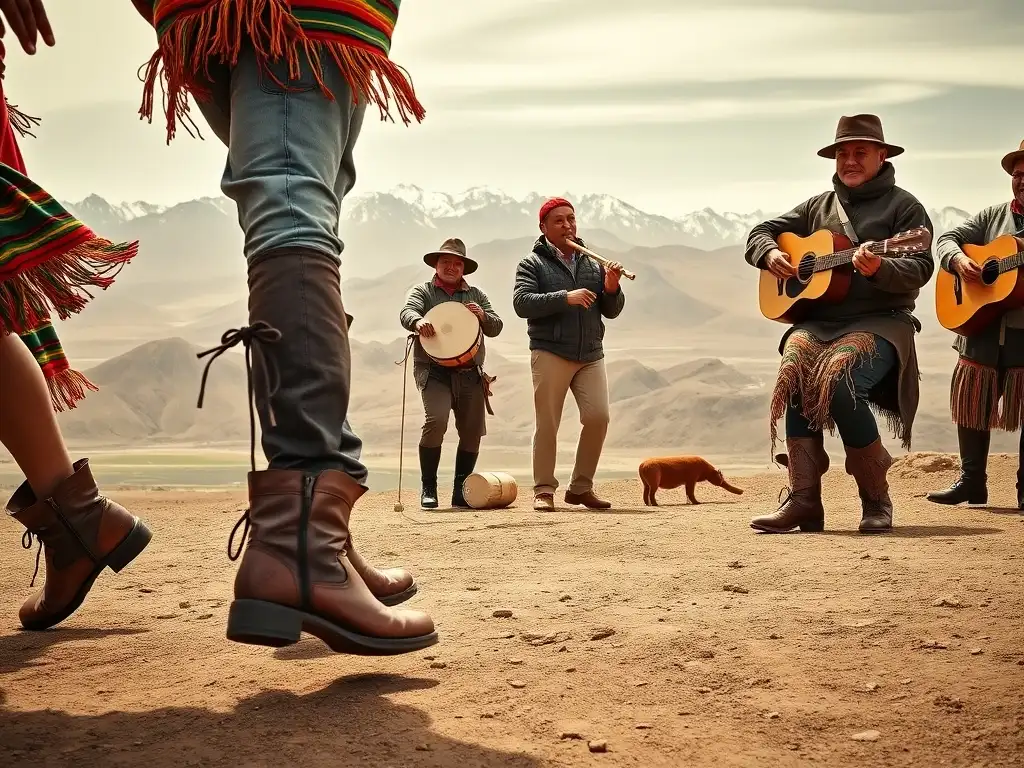
The Altiplano, the high Andean plateau, boasts a unique musical and dance heritage shaped by its challenging environment and the resilient cultures that have thrived there for millennia. Understanding Andean music and dance styles requires appreciating the interplay between geography, social structures, and spiritual beliefs. The thin air, vast landscapes, and the ever-present Andes mountains themselves have profoundly influenced the rhythms, instruments, and movements characteristic of the region.
The music often reflects the harsh beauty of the landscape, incorporating both melancholic and celebratory tones. The dances, frequently performed in vibrant, colorful costumes, tell stories of daily life, ancient myths, and spiritual connections to the earth and its deities. These traditions are not static; they evolve and adapt, yet retain a powerful connection to their ancestral roots.
The rhythmic complexities and emotional depth of Altiplano music and dance offer a captivating glimpse into the heart of Andean culture. We'll delve into specific examples to illustrate this rich tapestry of artistic expression.
The Soulful Sounds of the Aymara: "Yatiri" by Grupo Aymara
The Aymara people, inhabiting the southern Altiplano, have a rich musical tradition deeply intertwined with their spiritual beliefs. Their music often features haunting melodies played on traditional instruments like the siku (panpipes) and charango (a small Andean lute). A prime example is "Yatiri" by Grupo Aymara.
This piece showcases the characteristic Aymara musical style: a slightly melancholic yet deeply spiritual tone, underpinned by rhythmic complexities that reflect the cyclical nature of Andean life, mirroring the changing seasons and the rhythms of the agricultural calendar. The use of layered siku melodies creates a rich sonic texture, evoking the vastness of the Altiplano landscape. The lyrics, often sung in Aymara, frequently relate to themes of nature, spirituality, and the enduring strength of the Aymara community.
The song's structure, characterized by repetitive motifs and gradual melodic development, reflects the enduring nature of Aymara traditions. The emotional resonance of "Yatiri" illustrates the power of Andean music to convey profound spiritual and cultural meaning. Analyzing the instrumentation and lyrical content reveals a deep connection to the land and a reverence for ancestral practices.
Quechua Dance and Music: The Energy of the Altiplano Festivals
Quechua communities, also prevalent in the Altiplano, contribute a distinct energy to the region's musical and dance landscape. Quechua music is often more upbeat and celebratory than its Aymara counterpart, reflecting a different cultural emphasis. While the siku and charango remain important instruments, Quechua music also incorporates percussion instruments like the tinku (a type of drum) and wankara (a large, cylindrical drum). The dances associated with Quechua music are often characterized by vibrant movements and energetic steps, reflecting the communal spirit of their celebrations.
Altiplano festivals are particularly dynamic events, showcasing the interplay between music and dance. Participants wear colorful costumes, often adorned with intricate designs and symbolic elements, reflecting their connection to the land and their ancestral heritage. The dances themselves are frequently accompanied by powerful vocalizations and rhythmic chanting, creating an immersive and unforgettable experience.
The energy of these festivals is infectious, providing a window into the vibrant social life of the Quechua communities and their deep appreciation for their musical and dance traditions. The intricate steps and formations of these dances, often performed in groups, highlight the importance of community and cooperation within Quechua society. These performances are not just entertainment; they are vital expressions of cultural identity and a living testament to the enduring power of Andean traditions.
The Rhythms of the Valleys: Exploring Music and Dance in Lower Andean Regions
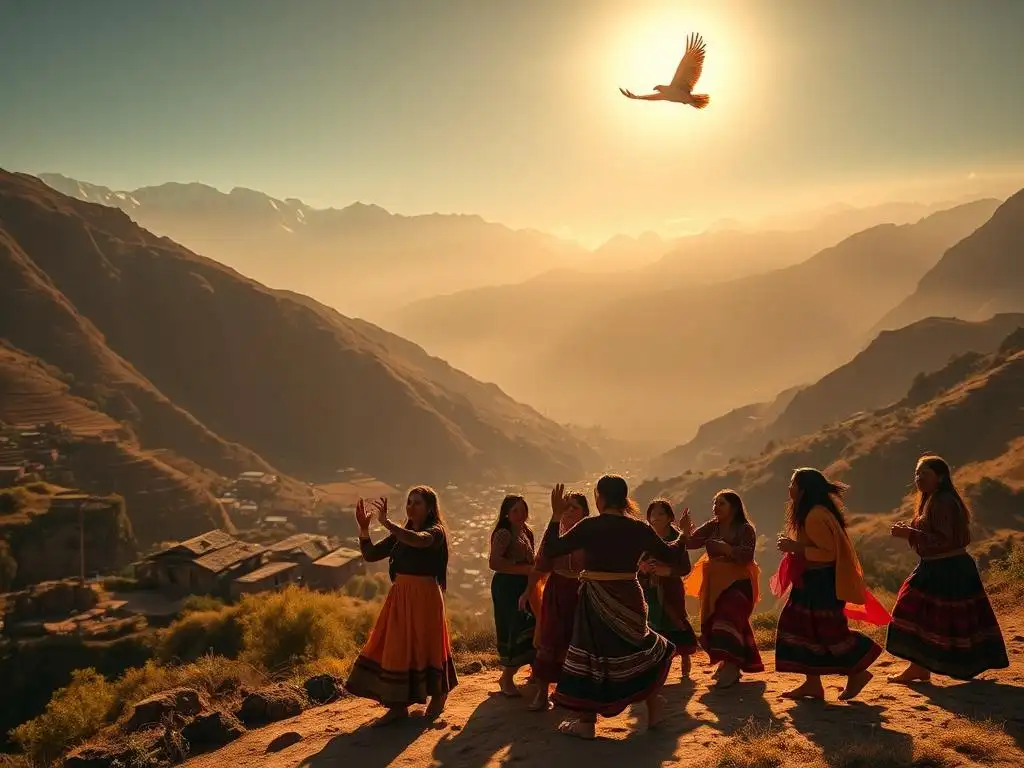
The lower Andean regions, characterized by their diverse ecosystems and vibrant cultural tapestry, boast a rich heritage of music and dance styles. These expressions, deeply rooted in the land and its people, reflect the unique blend of indigenous traditions, Spanish colonial influences, and the ongoing evolution of Andean identity. Understanding the regional variations requires delving into the specific instruments, melodies, and dance forms that define each area.
The rhythmic pulse of life in these valleys provides a captivating journey through time and cultural heritage. The keyword "Andean music and dance styles" is intrinsically linked to this exploration, as each valley offers a unique interpretation of the broader Andean tradition.
The Elegance of Coastal Peru: Marinera and Afro-Peruvian Rhythms
Coastal Peru presents a fascinating interplay between indigenous and Afro-Peruvian musical traditions. The Marinera, a courtship dance, showcases elegance and flirtatiousness. Its rhythmic complexity and intricate footwork reflect a blend of Spanish and indigenous influences.
The music accompanying the Marinera typically features the cajón (a box-shaped percussion instrument), guitars, and vocals, creating a lively and infectious atmosphere. The cajón, originally from Peru, has become a global symbol of Afro-Peruvian music, demonstrating its far-reaching influence. Interestingly, the Marinera itself has regional variations; the Marinera Limeña, danced in Lima, is distinct from the Marinera Norteña, found in northern Peru.
These subtle differences underscore the rich diversity within a single dance form. In contrast, Afro-Peruvian rhythms often incorporate elements like the cajon, quijada (jawbone), and guitarra (guitar), producing a more percussive and soulful sound, reflecting the history of African slaves in the region. This rich blend showcases the complexity of Andean music and dance styles in coastal Peru.
Ecuadorian Andean Music: The Fusion of Cultures
Ecuador's Andean music reveals a fascinating fusion of indigenous Quechua and Spanish influences. Unlike the coastal regions, Ecuadorian Andean music often features panpipes ( rondador), flutes ( pifilka), and drums ( tambor), creating a distinctive soundscape. Many songs are deeply rooted in the agricultural cycle and daily life, reflecting the close relationship between the people and the land. The dances accompanying this music often involve intricate steps and formations, showcasing the community's collective spirit.
For example, the yaraví, a genre of melancholic songs, often explores themes of love, loss, and longing, highlighting the emotional depth of Ecuadorian Andean music. The instruments used, while varying regionally, consistently reflect the indigenous heritage interwoven with colonial influences. This fusion makes Ecuadorian Andean music and dance styles a unique expression within the broader Andean cultural landscape. The diverse instrumentation and themes demonstrate the complexity of Andean music and dance styles in this region.
Traditional Andean Instruments and Their Unique Sounds
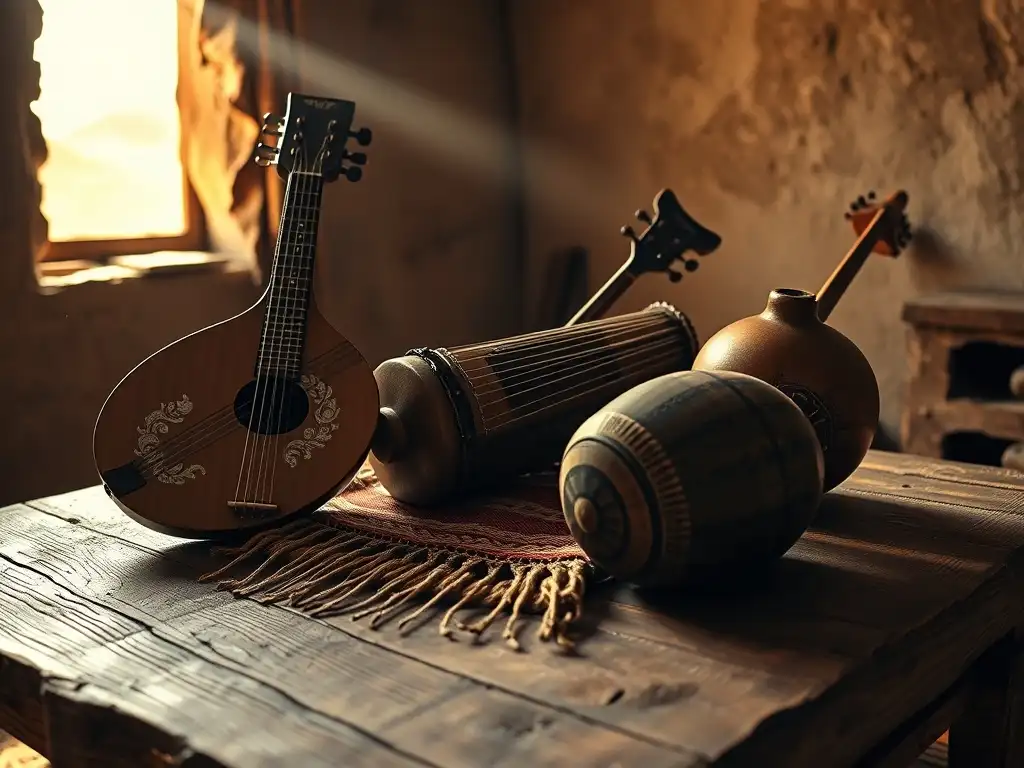
This section delves into the fascinating world of traditional Andean instruments, exploring their unique sounds and their crucial role in shaping the diverse musical landscape of the Andes. Understanding these instruments is key to appreciating the nuances and regional variations within Andean music and dance styles. The soundscape of the Andes is rich and varied, reflecting the diverse geography and cultural heritage of the region. We'll focus on three iconic instruments: the charango, the zampoña, and the bombo, highlighting their individual characteristics and collective contributions to Andean musical traditions.
The Versatile Charango: A Staple of Andean Music
The charango, a small, lute-like instrument, is arguably the most recognizable symbol of Andean music. Its distinctive, bright sound is instantly identifiable, adding a unique texture to many musical forms. Unlike its larger relatives, the guitar and the ukulele, the charango's body is typically made from the shell of an armadillo – a detail that speaks to the resourceful ingenuity of Andean artisans. This construction contributes significantly to its resonant tone.
The charango’s versatility is remarkable. It's equally at home accompanying vocalists in intimate settings as it is within larger ensembles, providing both melodic and rhythmic support. Its small size makes it highly portable, allowing musicians to easily transport it across varied terrains. Different regional variations exist, affecting the size, number of strings, and tuning, leading to subtle variations in sound and playing style.
For example, the Bolivian charango often features ten strings, while the Chilean variant may have only five. This regional diversity underscores the rich tapestry of Andean music and dance styles. The charango’s popularity continues to grow, both within Andean communities and internationally, cementing its place as a cornerstone of Andean musical heritage.
The Haunting Sounds of the Zampoña: Mastering the Panpipes
The zampoña, a type of panpipes, evokes a hauntingly beautiful sound, often associated with pastoral scenes and spiritual rituals. Composed of a series of vertically arranged bamboo pipes of varying lengths, the zampoña produces a melodic sound that is both ethereal and deeply grounded in the Andean landscape. The instrument’s construction reflects a deep understanding of acoustics and musical harmony. The precision in cutting and tuning each pipe is crucial to producing a harmonious and resonant sound.
Mastering the zampoña requires significant skill and practice. Players must coordinate their breath and finger movements to produce a complex and often melancholic melody. The zampoña is often played in ensembles, with multiple zampoñas creating rich harmonies and counter-melodies. These ensembles often feature contrasting registers, creating a layered sonic tapestry. The haunting sound of the zampoña perfectly complements the rhythms of other instruments, like the bombo, creating a captivating musical experience. Its melodic capabilities are central to many Andean musical traditions, adding depth and emotional resonance to the music.
The Rhythmic Power of the Bombo: The Heartbeat of Andean Ensembles
The bombo, a large, cylindrical drum, provides the rhythmic backbone of many Andean musical ensembles. Its deep, resonant sound is the heartbeat of the music, driving the dancers and setting the overall mood. The bombo’s size and construction vary across different Andean regions, with some being larger and deeper than others. This leads to variations in tone and sound, further contributing to the diverse range of Andean music and dance styles.
The bombo is typically played with two mallets, producing a powerful and driving rhythm. The rhythmic patterns played on the bombo are complex and varied, reflecting the intricate dance steps and musical structures of Andean traditions. Skilled bombo players can create a wide range of rhythmic textures, from simple, repetitive beats to intricate, syncopated patterns.
The bombo's powerful sound is not only crucial for providing rhythmic support but also for creating a sense of energy and excitement, particularly in festive occasions. The bombo's presence is essential in bringing the diverse elements of Andean music together – adding a vital pulse to the harmonious melodies and intricate dance movements. Its deep resonance is a constant reminder of the rich cultural heritage and vibrant traditions of the Andean region.
Experiencing Andean Music and Dance: Travel and Learning Opportunities
This section delves into the practical aspects of experiencing Andean music and dance firsthand. Understanding the nuances of Andean music and dance styles requires more than just listening; it demands immersion. This immersion can take many forms, from attending vibrant festivals to participating in workshops focused on traditional instruments and dance techniques.
Immersive Andean Festivals: A Journey Through Culture
Andean festivals offer unparalleled opportunities to witness the vibrant tapestry of Andean music and dance styles in their natural context. These events aren't simply performances; they're living expressions of cultural heritage, often incorporating religious rituals, traditional storytelling, and community participation. Attending a festival allows you to witness the intricate choreography, the powerful rhythms, and the emotional depth of Andean musical traditions.
The sheer energy of a crowd unified by music and dance is infectious. Many festivals are centered around specific Andean deities or agricultural cycles, reflecting the deep connection between Andean culture and the natural world. For example, the Inti Raymi festival in Cusco, celebrating the Inca sun god Inti, is a spectacular display of Andean music and dance, with participants dressed in elaborate costumes and performing ancient rituals.
The scale and intensity of such events provide an unforgettable experience, showcasing the breadth and depth of Andean cultural heritage. Careful planning is essential, though, as festival dates vary and accommodation can be limited during peak seasons. Researching the specific festival and local customs beforehand is highly recommended for a richer and more respectful experience.
Learning Andean Instruments: Unlocking the Secrets of the Music
Beyond simply observing, actively participating in the creation of Andean music provides a deeper understanding of its intricacies. Learning to play traditional Andean instruments, such as the zampoña (panpipes), charango (a small, lute-like instrument), or quena (a vertical flute), unlocks a new level of appreciation for the music. Workshops and courses offered in various Andean communities provide opportunities to learn from experienced musicians, often descendants of generations of musicians who have passed down these traditions.
This hands-on approach allows you to grasp the technical aspects of playing these instruments, understanding the subtle variations in breath control, finger placement, and rhythmic patterns that characterize different Andean music and dance styles. Moreover, learning these instruments provides insight into the cultural context within which the music is created and performed.
The process of learning itself becomes a journey of cultural discovery, revealing the deeper meanings and symbolic significance embedded within the musical traditions. Many organizations offer these opportunities, combining musical instruction with cultural immersion programs.
Supporting Andean Musicians and Artisans: A Conscious Choice
Supporting Andean musicians and artisans is crucial for the preservation of their cultural heritage. By purchasing handcrafted instruments, attending concerts, and supporting community-based initiatives, you directly contribute to the sustainability of these traditions. Many Andean communities rely heavily on tourism and cultural exchange to maintain their livelihoods and continue passing down their musical and artistic skills to future generations.
Purchasing authentic instruments or textiles not only ensures that you have high-quality items but also enables artisans to continue their craft. Furthermore, attending concerts and performances by Andean musicians provides them with essential income and recognition. By actively choosing to support these artists and craftspeople, you play a crucial role in ensuring the longevity of Andean music and dance styles for generations to come.
Look for ethically sourced products and opportunities to support local communities directly. This conscious choice transcends mere consumption, becoming a direct contribution to the preservation of a rich and vibrant cultural legacy. Consider this a vital component of experiencing Andean music and dance; it's about far more than just witnessing a performance; it's about ensuring its continued existence.
Frequently Asked Questions
What makes Andean music and dance styles so unique?
Andean music and dance are unique due to their diverse regional variations, reflecting the varied geography and cultures of the Andes. The use of indigenous instruments like the panpipes and charango, combined with distinctive rhythms and melodies, sets them apart. This is further enhanced by the integration of traditional and modern influences.
How did geography influence the development of different Andean music styles?
The diverse geography of the Andes Mountains significantly impacted musical styles. Isolated communities developed their own unique traditions, while others shared and adapted styles through trade and interaction. This resulted in a rich tapestry of musical expressions.
What are some of the key instruments used in Andean music?
Traditional Andean instruments include the panpipes (siku), charango (a small guitar-like instrument), zampoña (another type of panpipes), and various drums and percussion instruments. The specific instruments used often vary depending on the region and style of music.
Are there significant differences between Inca music and dance and that of other Andean cultures?
While Inca influence is prevalent, other Andean cultures like the Moche, Nazca, and Tiahuanaco possessed distinct musical and dance traditions. These varied due to their unique histories, beliefs, and artistic expressions. Research continues to uncover the full extent of these differences.
Where can I experience authentic Andean music and dance?
Authentic Andean music and dance can be experienced in Andean communities throughout South America, particularly during festivals and celebrations. You can also find performances in museums, cultural centers, and through organized tours. Look for opportunities to witness live performances to fully appreciate the cultural richness.
Final Reflection: The Enduring Rhythm of the Andes
The vibrant tapestry of Andean music and dance, far from being a relic of the past, continues to evolve and resonate deeply within contemporary society. Its enduring power lies not only in its captivating melodies and intricate steps but also in its ability to reflect the diverse cultural landscapes and enduring spirit of the Andean people. This rich heritage, passed down through generations, speaks volumes about resilience, adaptation, and the profound connection between humans and their environment.
The exploration of regional variations within Andean music and dance has been a journey of discovery, revealing the subtle yet significant nuances that distinguish one community from another. These differences, far from dividing, enrich the overall cultural landscape, showcasing the incredible diversity within a seemingly unified tradition. Music is the universal language of mankind,
said Henry Wadsworth Longfellow, and in the Andes, this language speaks volumes about history, identity, and the enduring power of community. The ongoing preservation and celebration of these unique styles are crucial for maintaining cultural heritage and fostering a sense of belonging for Andean communities worldwide.
Consider the rhythms and melodies you’ve encountered throughout this exploration. Think about how these sounds and movements reflect the unique environments and histories of their origins. Now, I invite you to actively seek out and engage with the diverse expressions of Andean music and dance. Listen to the music, watch the dances, and allow yourself to be transported to the heart of the Andes. Let the vibrant energy and rich cultural heritage inspire you, and share your discoveries with others. By embracing and celebrating this rich tradition, we ensure its continued vibrancy for generations to come.
Dive Into the Heartbeat of the Andes!
Thank you for exploring the fascinating world of Andean music and dance with us. We hope you've discovered the rich diversity of regional styles that make this culture so vibrant! Let's deepen your connection with the Andean spirit.
Here are some ways to continue your journey:
- Attend a local Andean music or dance workshop to experience the rhythms firsthand and connect with fellow enthusiasts.
- Share your favorite Andean music or dance on social media to inspire others and celebrate this incredible heritage.
- Learn more about traditional Andean instruments online, perhaps even learning to play one like the pan flute or charango—it's a wonderful way to engage with the culture!
What aspect of Andean music or dance intrigues you most? Let's continue the conversation!