
The Spirit of the Andes: Feeling the Pulse of the Culture Through its Festivals

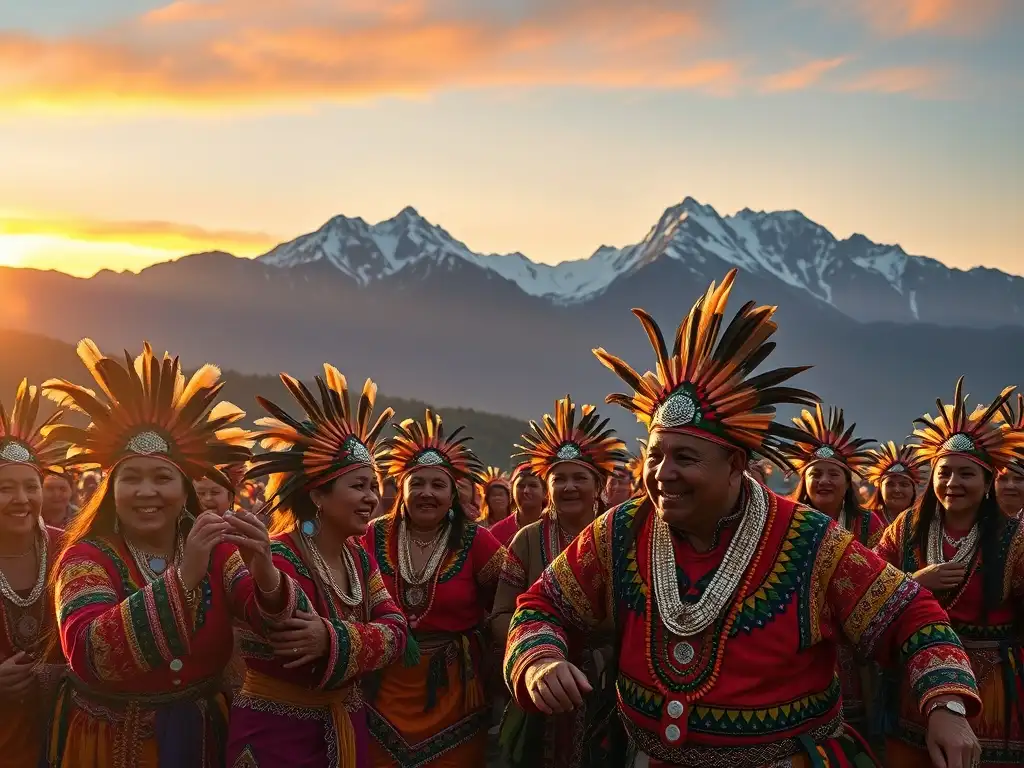
Step into a world lost in time, yet vibrantly alive. Imagine the echoes of ancient drums and the vibrant colors of sacred rituals. On this journey through Andean Civilizations, we delve into the heart of a culture that continues to resonate through its captivating traditions. Prepare to be amazed by the power and beauty of Andean festival traditions, a window into the soul of the Andes that you won't want to miss. Explore the mysteries and marvel at the ingenuity that shaped these incredible societies; your adventure awaits.
The Andes Mountains, a spine of towering peaks running down the western coast of South America, are not just a geographical feature; they are the very heartbeat of a rich tapestry of ancient cultures. For millennia, Andean civilizations—from the Incas to the Moche, Nazca, and Tiahuanaco—have thrived in this challenging yet breathtaking landscape, leaving behind a legacy expressed powerfully in their vibrant festival traditions. This article delves into the heart of Andean culture, exploring how these festivals act as a living testament to their history, beliefs, and enduring spirit.
We'll uncover the significance of these events, highlighting the music, dance, costumes, and rituals that make each festival a unique and unforgettable experience. Understanding Andean festival traditions provides a crucial lens through which to appreciate the depth and complexity of these remarkable civilizations.
Prepare to be captivated by the rhythm and spirit of the Andes as we journey through a celebration of life, faith, and community. 🎉
Immersing Yourself in Andean Festival Traditions
Andean festival traditions are not merely spectacles; they are deeply ingrained in the daily lives of the people. They are opportunities to honor ancestors, give thanks for harvests, and celebrate life's milestones. The festivals are characterized by a unique blend of indigenous practices and influences from later cultures, creating a vibrant syncretism that is both ancient and modern.
Participation in these events offers a level of immersion rarely found elsewhere, allowing visitors to connect with the culture on a profound level. The atmosphere is electric, filled with the sounds of traditional music, the vibrant colors of handcrafted costumes, and the energy of a community united in celebration. Many festivals involve rituals and ceremonies that hold deep spiritual significance for the participants, offering a glimpse into the enduring connection between the Andean people and their spiritual world.
The sheer vibrancy and energy of these events are infectious, leaving a lasting impression on all who witness them. To truly understand Andean culture, experiencing a festival is paramount.
Note: Further sections will explore specific Andean festivals, detailing their unique characteristics, historical significance, and cultural impact. This will include information on specific dates, locations, key rituals, and the types of music and dance performed. We will also explore the role of these festivals in preserving indigenous knowledge and traditions in the modern era. [Specific festival details pending further research]
Decoding the Magic: Understanding Andean Festival Customs
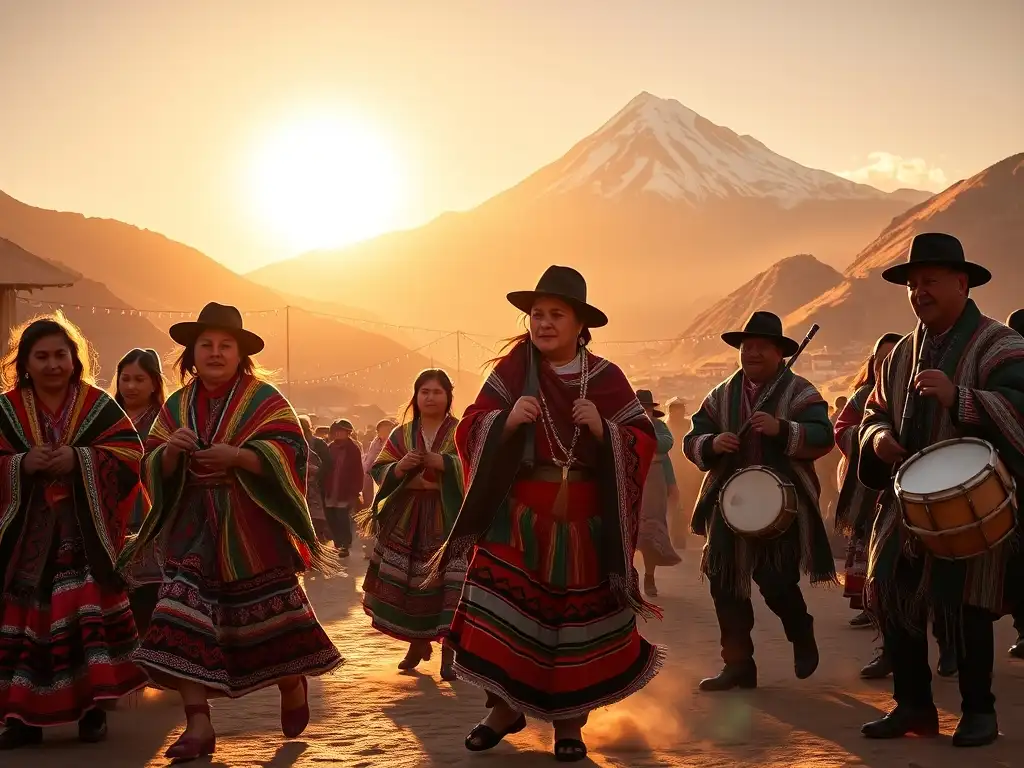
This section delves into the core beliefs and practices that shape Andean festival traditions. Understanding these customs provides a deeper appreciation for the vibrant expressions of Andean culture. We'll explore the rich tapestry of symbolism, ritual, and community participation that makes these festivals so unique. The enduring power of Andean festival traditions lies in their ability to connect the past with the present, fostering a sense of continuity and shared identity across generations. The preservation of these traditions is crucial for maintaining cultural heritage and transmitting valuable knowledge about Andean cosmology and social structures.
The Significance of Rituals in Andean Celebrations
Andean festivals are not merely celebrations; they are deeply ingrained rituals imbued with spiritual significance. Many rituals revolve around the apus (mountain spirits), considered sacred and powerful entities. Offerings of coca leaves, chicha (a fermented corn beverage), and other items are common, symbolizing respect and a request for blessings from the apus. These offerings aren't simply symbolic gestures; they represent a profound connection between the community and the natural world, highlighting the Andean worldview that views humans as interconnected with their environment.
The timing of festivals is often linked to the agricultural cycle, reflecting the vital importance of farming in Andean life. For instance, festivals celebrating the harvest express gratitude for a bountiful yield and seek to ensure future prosperity. The precise rituals and offerings vary between different Andean communities, reflecting the diverse cultural expressions within the broader Andean region.
Detailed anthropological studies are needed to fully document the nuances of each community's unique practices. For example, the Inti Raymi (Festival of the Sun) celebrated by the Inca, while known widely, had variations in its execution across different Inca provinces, demonstrating the richness of localized traditions.
Connecting with Andean Ancestral Heritage Through Music and Dance
Music and dance are central to Andean festival traditions, serving as powerful vehicles for expressing cultural identity and transmitting ancestral knowledge. The rhythmic beats of drums, the haunting melodies of panpipes, and the vibrant steps of traditional dances all contribute to a captivating sensory experience. These art forms are not simply entertainment; they are integral parts of the rituals, often narrating stories of creation, mythology, and historical events.
The intricate steps and movements of Andean dances often symbolize agricultural practices, animal behavior, or even cosmological events. The costumes worn by dancers are equally significant, frequently adorned with symbolic designs and colors representing specific meanings. For instance, certain colors might be associated with specific deities or represent the earth, sun, or moon. The music itself, often passed down through generations orally, carries layers of meaning, embedding historical and spiritual knowledge within its melodies and rhythms.
The preservation of these musical and dance traditions is a testament to the resilience and continuity of Andean culture, ensuring that the spirit of the Andes continues to resonate through time. Understanding the symbolism within these performances provides a key to unlocking a deeper understanding of Andean worldview and social structure. Further research is needed to fully catalog the diverse range of musical instruments and dance styles across the various Andean communities.
Planning Your Andean Festival Experience: Overcoming Challenges
Embarking on a journey to experience Andean festival traditions firsthand is an enriching adventure, but careful planning is crucial for a truly immersive and enjoyable experience. This section focuses on practical considerations to ensure your trip is both rewarding and comfortable. Understanding the nuances of Andean culture and the potential logistical hurdles will significantly enhance your appreciation of these vibrant celebrations. Navigating the complexities of finding authentic festivals, preparing for the high altitude, and understanding cultural sensitivities will elevate your experience from a simple tourist visit to a deeply meaningful cultural immersion.
Finding Authentic Andean Festival Experiences: Beyond Tourist Traps
Many tourist-oriented trips offer a glimpse into Andean culture, but accessing genuinely authentic experiences requires research and a willingness to venture beyond the typical tourist trails. Avoid packaged tours that feel overly commercialized; instead, seek out festivals celebrated in smaller villages or communities. Look for festivals with deep roots in local traditions, not those staged primarily for tourists.
Authentic Andean festivals often involve intimate community participation, with less emphasis on grand spectacles. These smaller, more local events offer a more genuine insight into the heart of Andean culture. This might involve participating in a smaller, community-based celebration rather than a large-scale, highly commercialized event. Consider seeking advice from local guides or organizations specializing in responsible tourism. They can help you identify lesser-known festivals that offer a more authentic and less crowded experience.
The key is to prioritize immersion over spectacle. Consider the level of community involvement, the historical significance of the festival, and the overall atmosphere. A truly authentic experience will often feel more intimate and less structured than a typical tourist event. Remember that respectful observation is paramount; active participation should only occur with the explicit consent and guidance of the local community.
Dealing with Altitude and Weather: Essential Gear for Andean Festivals
The Andes Mountains present unique challenges, especially regarding altitude and weather. Altitude sickness is a real concern, and unpredictable weather conditions can significantly impact your comfort and enjoyment. Proper planning and preparation are essential to mitigate these risks. The altitude varies considerably across the Andes, so research the specific location of your chosen festival well in advance. Even if you're generally healthy, the altitude can still affect you.
Acclimatization is key. If possible, spend a few days at a lower altitude before attending a festival at a higher elevation. This allows your body to adjust gradually, reducing the risk of altitude sickness. Packing appropriate clothing is essential. The weather in the Andes can change dramatically in short periods. Be prepared for both sunshine and rain, as well as significant temperature fluctuations, especially at higher altitudes.
Recommended: High-Altitude Backpacking Gear List
- Clothing: Layers are crucial! Pack thermal underwear, fleece jackets, waterproof and windproof outer shells, warm hats, gloves, and sturdy hiking boots.
- Sun Protection: High-altitude sun is intense. Pack sunscreen with a high SPF, sunglasses, and a wide-brimmed hat.
- First-Aid Kit: Include medication for altitude sickness (consult your doctor beforehand), pain relievers, antiseptic wipes, and any personal medications.
- Hydration: Dehydration is a significant risk at high altitude. Carry a reusable water bottle and consider electrolyte tablets.
- Altitude Sickness Medication: Consult your doctor about appropriate medication for altitude sickness and pack it accordingly.
- Headlamp or Flashlight: Essential for navigating in low-light conditions.
Affiliate Link: Link to reputable retailer of high-altitude gear
[Specific information pending] (This section would typically contain an affiliate link to a relevant retailer.)
Language Barriers and Cultural Sensitivity in Andean Celebrations
Navigating Andean festivals requires awareness of potential language barriers and the importance of cultural sensitivity. While Spanish is widely spoken in many Andean regions, Quechua and Aymara, among other indigenous languages, remain prevalent, particularly in rural areas and within specific communities. This linguistic diversity presents a challenge for visitors aiming to fully immerse themselves in the festivities. Misunderstandings can easily arise, potentially leading to unintentional offense or missed opportunities for genuine connection.
To overcome this, prior research is crucial. Learning basic phrases in Quechua or Aymara, even simple greetings and thank yous, can significantly enhance your interactions. Investing in a good translation app can also prove invaluable, though it's important to remember that nuances of language and cultural context are not always perfectly captured by technology. It's advisable to travel with a guide who is fluent in both Spanish and the local indigenous language(s), ensuring smoother communication and deeper cultural understanding.
Cultural sensitivity is paramount. Respectful observation is key; avoid intrusive behavior or actions that might be perceived as disrespectful. This includes being mindful of photography – always ask for permission before taking pictures of individuals or participating in ceremonies. Understanding the significance of specific rituals and traditions, including dress codes and appropriate behavior during religious ceremonies, is essential.
Remember that participating in a festival is about respecting and appreciating the culture, not exploiting it for personal gain. This means avoiding behaviors that might be considered exploitative, such as appropriating cultural elements or engaging in insensitive interactions. Engage with locals respectfully, demonstrating genuine interest in their culture and traditions.
By approaching the experience with humility and respect, you can overcome language barriers and foster meaningful connections with the people and their rich traditions. Remember, patience and a willingness to learn are key ingredients for a truly enriching Andean festival experience. The rewards of respectful engagement far outweigh any initial challenges.
Experiencing the Rhythms: Key Andean Music and Dance Festivals
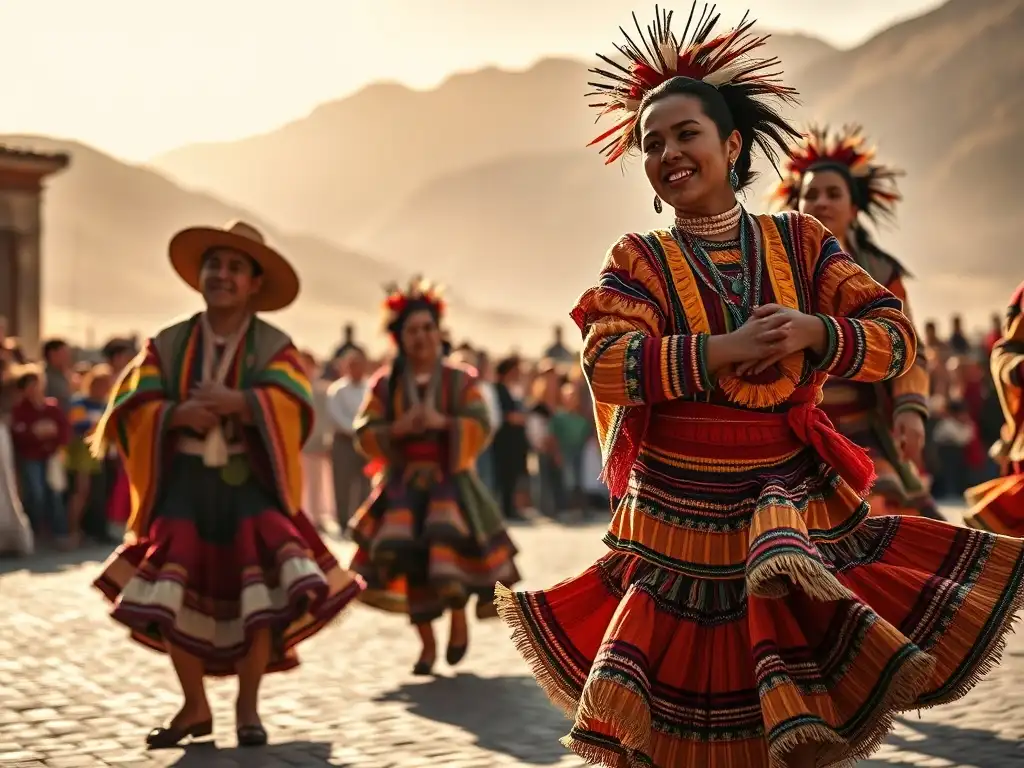
This section delves into the vibrant tapestry of Andean music and dance festivals, offering a glimpse into the heart of Andean cultural traditions. These festivals are not merely spectacles; they are living expressions of ancient beliefs, agricultural cycles, and community bonds, offering a unique opportunity to witness the enduring spirit of the Andes. Understanding these events provides a deeper appreciation for the rich history and enduring cultural heritage of the Andean region. The term "Andean festival traditions" encompasses a vast array of celebrations, each with its unique character and significance.
The Inti Raymi Festival: Celebrating the Sun God
The Inti Raymi, meaning "Festival of the Sun" in Quechua, is perhaps the most renowned Andean festival. Held annually on June 24th, the winter solstice in the Southern Hemisphere, this spectacular event commemorates the Inca sun god, Inti. The festival's origins trace back to the Inca Empire, and its revival in modern times has made it a major tourist attraction, showcasing the enduring power of Andean traditions.
Thousands gather in Cusco, Peru, to witness elaborate processions, traditional dances, and captivating theatrical performances that recreate the grandeur of the Inca civilization. The vibrant costumes, the rhythmic music played on traditional Andean instruments like the zampoña (panpipes) and tarka (flute), and the dramatic reenactments all contribute to an unforgettable experience.
The energy is palpable, a testament to the deep spiritual significance of the Inti Raymi for the Andean people. The festival is a powerful reminder of the Inca's deep reverence for the sun, their primary source of life and energy.
Recommended: Inti Raymi Tour Package
[Specific Inti Raymi tour package details pending, including price range, duration, and included activities. Information should include details on accommodation, transportation, and guided tours.]
Affiliate Link: [Link to reputable tour operator pending]
The Paucartambo Festival: A Journey Through Andean Spirituality
Unlike the grand spectacle of Inti Raymi, the Paucartambo festival offers a more intimate and deeply spiritual experience. This festival, held annually in July in the town of Paucartambo, near Cusco, is dedicated to the Virgin of Carmen. While seemingly a Catholic celebration, the festival is deeply interwoven with pre-Columbian Andean beliefs and traditions.
The festival is known for its unique blend of Catholic and indigenous elements. Indigenous dances and rituals are performed alongside traditional Catholic processions, creating a rich tapestry of cultural expression. The qhapaq qhapaq (the "great lord"), a representative of indigenous Andean authority, plays a central role in the festivities.
The vibrant, colorful costumes and masks worn during the processions are particularly striking, showcasing the intricate artistry and cultural symbolism of the region. The music and dance are captivating, often accompanied by traditional instruments and imbued with a sense of profound reverence. The Paucartambo festival provides a fascinating insight into the syncretism of Andean culture, where indigenous beliefs and practices have been integrated with Catholicism.
Recommended: Paucartambo Festival Guidebook
[Specific Paucartambo Festival guidebook details pending, including author, publisher, and key features.]
Affiliate Link: [Link to a resource selling travel guides pending]
The Virgen de la Candelaria Festival: A Fusion of Traditions
The Virgen de la Candelaria festival, held annually in Puno, Peru, is a breathtaking spectacle showcasing the vibrant fusion of Andean traditions and Catholic beliefs. This iconic celebration, deeply rooted in Andean culture, attracts thousands of participants and spectators alike. The festival's origins blend pre-Columbian rituals with the introduction of Catholicism, resulting in a unique and captivating display of faith, music, and dance.
Imagine a kaleidoscope of color, the rhythmic pounding of drums, and the ecstatic energy of dancers in elaborate costumes – this is the essence of Candelaria. The festival's heart lies in the danza, or dances, performed by various capullanas (dance troupes), each representing a specific community and its unique history and traditions. These dances, often accompanied by haunting Andean panpipes and vibrant brass bands, tell stories of ancient legends, agricultural cycles, and the enduring spirit of the Andean people.
The festival's atmosphere is electric, a potent blend of devotion and jubilation that encapsulates the Andean spirit. The devotion to the Virgin Mary is palpable, interwoven with the ancient reverence for the earth and its bounty.
Recommended: Traditional Andean Clothing
To fully immerse yourself in the experience of the Virgen de la Candelaria festival, consider wearing traditional Andean clothing. This is not just a matter of aesthetics; it's a way to show respect for the culture and connect with the spirit of the celebration. Traditional Andean attire varies regionally, but often features vibrant textiles, intricate weaving, and symbolic designs that speak volumes about the wearer's heritage and community.
For women, this might include colorful llicllas (shawls) and intricately embroidered blouses. Men often wear ponchos and hats adorned with distinctive symbols. Wearing traditional clothing not only enhances your personal experience but also contributes to the preservation of this rich cultural heritage.
It’s a way to actively participate in the celebration and show appreciation for the artistry and traditions on display. By choosing to wear traditional clothing, you become part of the living tapestry of the festival. Many artisans create beautiful, high-quality pieces, offering a unique souvenir that reflects the richness of Andean culture.
Affiliate Link: Link to a local artisan shop
[Specific information pending: A link to a reputable online shop selling authentic Andean textiles and clothing would be inserted here. This would ideally be an artisan shop based in Puno or another region known for its traditional clothing.] Supporting these local artisans ensures the continuation of these vital traditions and empowers the communities that create them.
Buying directly from the source not only provides you with high-quality, authentic items but also contributes directly to the economic well-being of the artisans and their families. This is a sustainable and ethical way to support the preservation of Andean cultural heritage while acquiring beautiful and unique pieces to remember your experience. The purchase of these handcrafted items becomes a meaningful gesture, extending beyond mere consumption to active participation in the preservation of a living tradition.
Maximizing Your Cultural Immersion: Tips for Responsible Travel
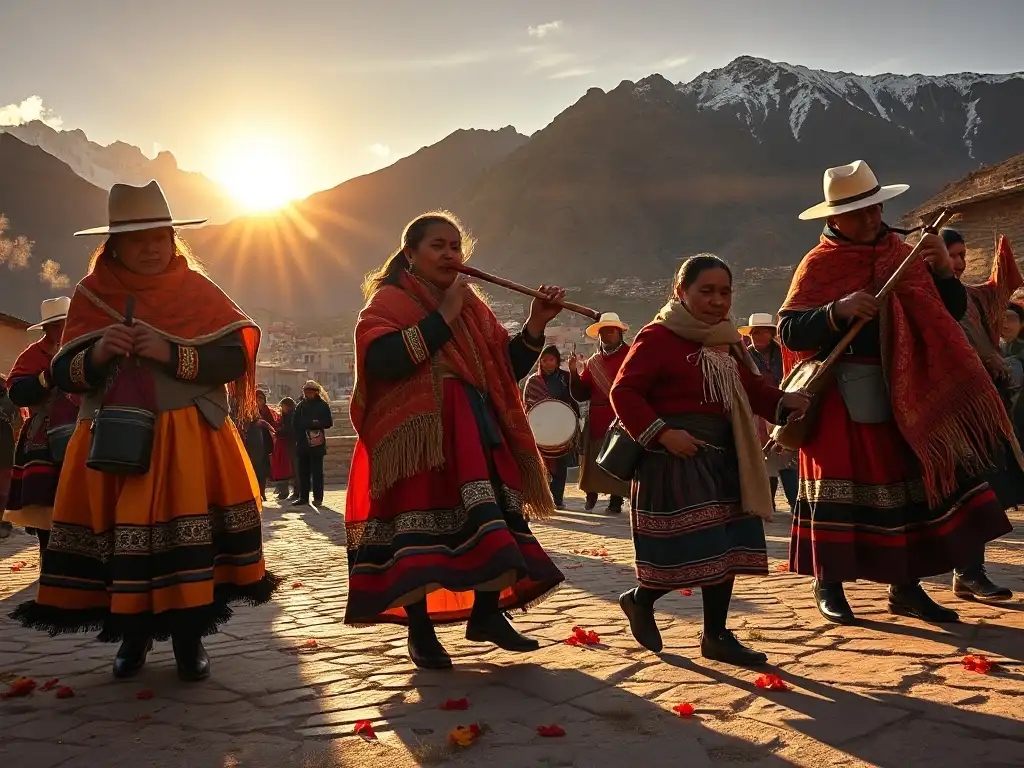
This section focuses on enhancing your experience of Andean festival traditions while minimizing negative impacts and maximizing positive contributions. Responsible travel is paramount to ensuring the longevity and authenticity of these cherished cultural events. Understanding the nuances of respectful engagement is key to a truly enriching experience.
Supporting Local Communities During Andean Celebrations
Participating in Andean festivals offers a unique opportunity to directly support local communities. By choosing to stay in locally-owned accommodations, eat at family-run restaurants, and purchase handicrafts directly from artisans, you contribute significantly to the local economy. This isn't just about spending money; it's about fostering a reciprocal relationship where your tourism becomes a source of sustainable development. Consider the economic impact – a small purchase from a weaver can represent a significant portion of their daily income, directly impacting their family's well-being.
Moreover, understanding the cultural context of your spending is vital. Avoid supporting businesses that exploit cultural heritage for profit without benefiting the community. Look for businesses that actively promote fair trade practices and employ local people fairly. Inquire about the origins of handicrafts you purchase; authentic items often carry stories and traditions passed down through generations. This mindful approach transforms your travel into a powerful tool for positive social impact. Remember, your choices as a traveler have far-reaching consequences. Choose wisely, and choose ethically.
Capturing the Essence: Photography and Respectful Engagement
Photography can be a powerful way to capture the vibrancy and energy of Andean festivals. However, it's crucial to approach photography with respect and sensitivity. Always ask for permission before taking someone's photograph, especially close-ups or portraits. A simple smile and a gesture indicating you'd like to take a picture usually suffices. A small gift, like a postcard or a small trinket, can also be a thoughtful gesture, but ensure it aligns with the local customs and avoids being perceived as patronizing.
Avoid intrusive photography, particularly during sacred rituals or private moments. Be mindful of the cultural significance of the event and avoid actions that might be perceived as disrespectful or exploitative. Remember, you are a guest in their culture, and your actions should reflect that. Respect their privacy and dignity; the beauty of these festivals lies not just in the visual spectacle, but in the human connections and cultural richness that unfold. Using a telephoto lens can allow you to capture stunning images while maintaining a respectful distance.
Beyond the Festivals: Exploring Andean Culture Year-Round
While festivals offer a vibrant glimpse into Andean culture, the rich tapestry of Andean traditions extends far beyond these periodic celebrations. To truly appreciate the depth and complexity of Andean heritage, consider exploring the region year-round. Visit museums and archaeological sites to delve into the history and artistry of past civilizations. Engage with local communities through cultural tours and workshops, learning traditional crafts like weaving or pottery, and experiencing the rhythms of Andean music and dance in more intimate settings.
This extended exploration fosters a deeper understanding and appreciation for the enduring spirit of the Andes, enriching your overall experience and demonstrating a commitment to responsible and sustainable cultural tourism. Consider researching lesser-known regional festivals or cultural events to discover hidden gems and support smaller communities. The Andean spirit thrives beyond the major celebrations, waiting to be discovered.
After the Festivities: Reflecting on the Andean Experience
After the vibrant colors, rhythmic music, and exhilarating dances of an Andean festival fade, a profound sense of connection often lingers. The experience transcends mere entertainment; it's a deep immersion into the heart of Andean culture, a journey that leaves an indelible mark. Reflecting on your participation allows you to fully appreciate the richness and complexity of these traditions. This isn't just about witnessing a spectacle; it's about understanding the cultural significance woven into every aspect of the festival.
One of the most rewarding aspects of experiencing Andean festival traditions is the opportunity to connect with the local communities. Sharing your journey – whether through photographs, stories, or even by simply engaging in conversations with fellow attendees – helps amplify the cultural exchange. Think about the faces you saw, the flavors you tasted, the stories you heard. Did you learn any Quechua phrases?
Did you participate in any traditional dances? These details are crucial in preserving and promoting Andean cultural heritage. The more people who share their experiences, the greater the awareness and appreciation for these vibrant traditions. This sharing fosters a deeper understanding and respect for Andean culture, ensuring that these precious traditions continue to thrive.
Consider writing a blog post, sharing photos on social media, or even creating a short video showcasing the highlights of your experience. Use hashtags like #AndeanFestivalTraditions, #AndeanCulture, and #PeruvianFestivals (or other relevant country hashtags) to increase visibility and connect with a wider audience. The power of storytelling is immense; your personal narrative can contribute significantly to the preservation of these traditions.
Keeping the Spirit Alive: Supporting Andean Artisans and Artists
Beyond the immediate spectacle, Andean festivals offer a unique opportunity to support the local artisans and artists who are the very heart of these vibrant celebrations. These individuals dedicate their lives to preserving and evolving traditional crafts and artistic expressions, passing down skills and knowledge through generations. By purchasing handcrafted items, such as textiles, ceramics, or musical instruments, you directly contribute to the economic well-being of these communities and sustain their artistic legacy.
Look for authentic, handcrafted items; often, these are distinguished by intricate details and unique designs that reflect the cultural heritage of the region. Consider the ethical implications of your purchases; supporting fair trade practices ensures that artisans receive fair compensation for their work. This conscious consumption goes beyond mere souvenir shopping; it becomes an act of cultural preservation, helping to keep the spirit of Andean traditions alive for future generations.
Remember, your support isn't just about acquiring a beautiful object; it's about investing in the ongoing vitality of Andean art and culture. By making these mindful choices, you become a part of the story, helping to ensure that the rich tapestry of Andean festival traditions continues to flourish.
Frequently Asked Questions
What makes Andean festivals unique?
Andean festivals are unique due to their deep connection to ancient traditions, spiritual beliefs, and the cyclical nature of Andean agriculture. They often involve vibrant costumes, music, dance, and offerings to the gods.
How do Andean festivals celebrate the harvest?
Many Andean festivals celebrate the harvest season, giving thanks for a bountiful crop. These celebrations often feature rituals, processions, and feasting, emphasizing the importance of agriculture to Andean life.
Which Andean civilizations had the most elaborate festivals?
The Inca, Moche, and Nazca civilizations are known for their elaborate festivals, with evidence suggesting large-scale celebrations involving significant social and political aspects. The scale and complexity varied between cultures and time periods.
What role do religious beliefs play in Andean festivals?
Religious beliefs are central to Andean festivals. Many rituals are performed to honor deities, ensure good harvests, and maintain a balance between the human and spirit worlds. These beliefs often intertwine with agricultural cycles.
Where can I experience Andean festival traditions today?
Andean festival traditions are still vibrant today! You can experience them in modern-day celebrations across the Andes Mountains in countries like Peru, Bolivia, Ecuador, Colombia, and Argentina. Many festivals are open to the public and offer a rich cultural immersion.
Final Reflection: Echoes of the Andes: A Legacy of Celebration
The vibrant tapestry of Andean festival traditions continues to resonate today, a powerful testament to the enduring spirit of a culture that seamlessly blends ancient rituals with modern expressions. These celebrations are not merely spectacles; they are living, breathing manifestations of community, faith, and a profound connection to the land, offering a window into the soul of the Andes.
The influence of these festivals extends far beyond the immediate communities that celebrate them. They represent a powerful force of cultural preservation, a vibrant counterpoint to the homogenizing forces of globalization. These traditions, passed down through generations, offer a vital link to the past, shaping identities and fostering a sense of belonging. Tradition is not the worship of ashes, but the preservation of fire.
– Gustav Mahler. This quote perfectly encapsulates the enduring power of Andean festivals to keep the flame of their unique cultural heritage burning bright.
Consider the profound impact these festivals have had on your own understanding of culture and community. How can you, in your own life, cultivate a similar sense of connection and shared experience? Let the echoes of the Andes inspire you to seek out the rich traditions in your own community, to celebrate the unique spirit of your heritage, and to build bridges of understanding and appreciation across cultures. The spirit of celebration, the joy of shared experience, transcends geographical boundaries – let it inspire you to find your own vibrant rhythm.
Immerse Yourself in the Vibrant Festivals of the Andes!
Thank you for joining us on this cultural journey through the heart of the Andes! We hope you've discovered the rich tapestry of traditions and vibrant celebrations that make these festivals unique. Now, let's turn that newfound appreciation into action!
- Plan your Andean festival experience! Research upcoming events, either locally or consider a trip to the Andes Mountains to witness the festivities firsthand.
- Share your passion for Andean culture by connecting with like-minded individuals. Join online communities or local groups dedicated to festivals, arts, and heritage.
- Volunteer with organizations that support Andean traditions; it's a wonderful way to deepen your cultural immersion while contributing to the community.
What festival excites you most, and how will you incorporate its spirit into your life?