
The Heartbeat of the Andes: Delving into the Emotional Core of its Musical Expressions

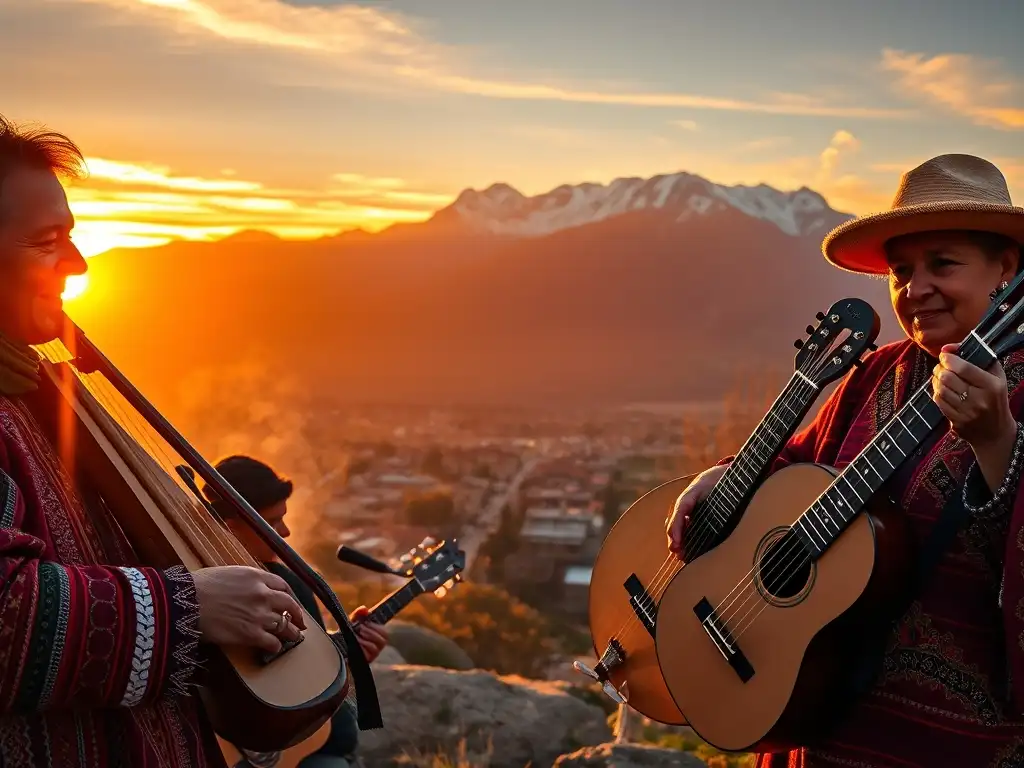
Welcome to Andean Civilizations, where the echoes of a vibrant past resonate through time. Prepare to be captivated by the intricate tapestry of Andean history, culture, and artistry. But first, let's delve into something truly mesmerizing: Andean music history. Journey with us as we uncover the emotional core of these ancient sounds, revealing the secrets woven into their rhythms and melodies. Are you ready to experience the heartbeat of the Andes?
The Andes Mountains, a majestic spine running down the western edge of South America, are not just a geographical feature; they are the cradle of vibrant and diverse cultures, each leaving an indelible mark on the region's rich tapestry. This article delves into the captivating world of Andean music, exploring its historical roots, emotional depth, and enduring legacy.
We'll journey through the centuries, tracing the evolution of musical traditions and instruments, revealing how music served as a vital component of daily life, religious rituals, and social structures within Andean civilizations. From the haunting melodies of the panpipes to the rhythmic pulse of drums, we will uncover the powerful connection between Andean music and the human spirit, demonstrating why understanding its history is crucial to appreciating the cultural richness of the Andes.
This exploration will provide a deeper understanding of "Andean music history," highlighting its significance within the broader context of Andean cultural heritage and its continued relevance today. We will also provide practical guidance on how to immerse yourself in this captivating musical landscape.
Understanding the Roots: A Journey Through Andean Musical Traditions
Andean music history is a complex and fascinating narrative, stretching back millennia. Long before the Inca Empire, diverse pre-Columbian cultures developed unique musical traditions. The soundscapes of the Andes were shaped by the environment itself – the vast mountains, the fertile valleys, and the powerful rivers all influencing the rhythms and melodies. Archaeological evidence suggests the use of sophisticated instruments, including bone flutes and clay ocarinas, dating back thousands of years.
These early forms of music served crucial social functions, from accompanying agricultural rituals to celebrating important life events. The arrival of the Spanish in the 16th century profoundly impacted Andean music, introducing new instruments and musical styles while simultaneously suppressing indigenous traditions. However, Andean music demonstrated remarkable resilience, absorbing and adapting foreign influences while retaining its unique character.
The fusion of indigenous and European musical elements resulted in a vibrant and eclectic soundscape, which continues to evolve to this day. The incorporation of Spanish instruments like the guitar and harp alongside traditional instruments like the charango and zampoña showcases the remarkable adaptability and enduring spirit of Andean musical traditions. The use of music in Andean societies extended beyond entertainment; it played a crucial role in maintaining social cohesion, expressing spiritual beliefs, and transmitting cultural knowledge across generations.
How to Experience the Soul of Andean Music: A Practical Guide
Immersing oneself in the world of Andean music offers a profound and enriching experience. Beyond simply listening to recordings, active engagement with this musical heritage is key to a deeper understanding and appreciation. Attending live performances, particularly those featuring traditional Andean instruments and dance, provides an unparalleled opportunity to connect with the emotional power of this music.
Many festivals throughout the Andes region offer a vibrant showcase of Andean musical traditions, providing a chance to witness the skill and passion of musicians and dancers. These festivals often incorporate elements of storytelling and other cultural expressions, enriching the overall experience. Furthermore, seeking out opportunities to learn about the history and cultural context of specific Andean musical styles will enhance your appreciation.
Engaging with local communities and musicians provides a more authentic and intimate understanding of the music's significance within its cultural context. Remember, experiencing Andean music is not just about hearing the sounds; it's about connecting with the history, the culture, and the emotions embedded within each note. It’s about understanding the narrative woven into each melody, and feeling the heartbeat of the Andes pulsating through the music.
Step 1: Discovering Authentic Andean Musical Instruments
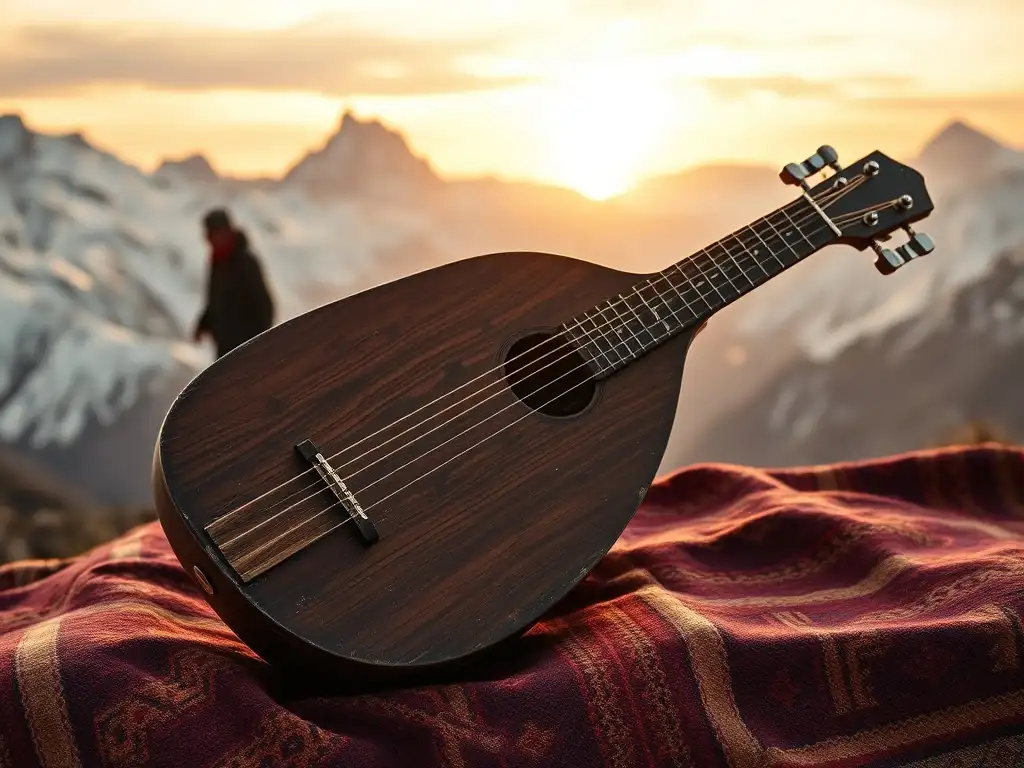
The distinctive sounds of Andean music are inextricably linked to its unique instruments. Understanding these instruments is crucial to appreciating the complexity and diversity of Andean musical traditions. The zampoña, a panpipe instrument made from reeds, produces a haunting and ethereal sound, often used to evoke the vastness of the Andean landscape. The charango, a small lute-like instrument with a distinctive sound, is a testament to the creative adaptation of materials.
Originally crafted from the carapace of armadillos, the charango now utilizes various woods, showcasing the instrument’s enduring popularity and versatility. The quena, a simple flute, has a clear and melodic tone, often used in both solo and ensemble performances. These instruments, along with many others, such as the tinya, a small drum, and the wankara, a larger drum, each contribute to the unique character of Andean music.
Learning about the materials, construction techniques, and cultural significance of these instruments adds another layer of depth to your appreciation of Andean music history. Many museums and cultural centers dedicate exhibits to Andean instruments, providing a visual and auditory journey through this fascinating aspect of Andean culture. The unique sounds and craftsmanship of these instruments serve as a tangible link to the rich history and cultural legacy of the Andes.
Step 2: Immersing Yourself in Andean Music History Through Recordings

The sheer breadth and depth of Andean music history can feel overwhelming at first. Luckily, the modern age offers unparalleled access to this rich sonic tapestry through readily available recordings. Engaging with these recordings isn't just about listening; it's about actively engaging with a cultural heritage spanning millennia. Begin by exploring compilations focusing on specific Andean cultures – the Incas, for instance, left a legacy reflected in later musical traditions, while the distinct sounds of the Moche, Nazca, and Tiahuanaco cultures offer fascinating glimpses into their unique worldviews. Look for albums that offer liner notes providing historical context, as this information significantly enhances the listening experience.
Don't be afraid to delve into diverse genres within Andean music. From the energetic rhythms of huayno to the melancholic melodies of yaraví, each genre reflects different aspects of Andean life, emotions, and history. Pay attention to the instrumentation – the panpipes, charango, and quena all hold significant cultural importance and contribute uniquely to the overall sonic texture. Consider exploring recordings of both traditional and contemporary Andean music to understand how these musical forms have evolved and adapted over time.
By actively listening and researching the historical context of each recording, you'll gain a deeper appreciation for the intricate relationship between Andean music and its history. Many recordings include accompanying booklets or online resources providing detailed information about the artists, instruments, and cultural significance of the music. This supplemental information is key to understanding the emotional nuances embedded within the music itself. Don't just passively listen; actively engage with the music's history to fully grasp its power and significance.
Step 3: Attending Andean Music and Dance Festivals
Attending an Andean music and dance festival offers an unparalleled opportunity to experience Andean music history firsthand. These festivals are more than just performances; they are vibrant celebrations of culture, community, and history. The energy of a live performance is transformative, allowing you to connect with the music on a visceral level that recordings simply can't replicate. Many festivals feature a diverse range of musical styles and artists, representing different regions and traditions within the Andes. This provides a comprehensive overview of the diverse musical landscape.
Researching festivals in advance is crucial to ensure you choose one that aligns with your interests and provides the historical context you seek. Look for festivals that offer not only performances but also workshops, lectures, or exhibitions that provide deeper insights into the history and cultural significance of the music and dance. The opportunity to witness skilled musicians and dancers performing traditional techniques firsthand is invaluable. Observe the costumes, instruments, and choreography – each element holds its own rich history and symbolic meaning. Engage with the local community attending the festival.
Talking to musicians, dancers, and other attendees can provide invaluable perspectives and deeper understanding of the music's cultural significance within the Andean communities. Many festivals offer opportunities to participate in workshops or dance classes, allowing for a more immersive and interactive experience. These hands-on activities offer a more intimate understanding of the physical and emotional aspects of Andean musical traditions. Remember to approach the festival with respect for the cultural heritage being celebrated. By actively participating and engaging respectfully, you’ll not only enjoy a memorable experience, but also deepen your understanding of Andean music history and its enduring cultural relevance.
- Understanding the Roots: A Journey Through Andean Musical Traditions
- How to Experience the Soul of Andean Music: A Practical Guide
- Step 1: Discovering Authentic Andean Musical Instruments
- Step 2: Immersing Yourself in Andean Music History Through Recordings
- Step 3: Attending Andean Music and Dance Festivals
Maximizing Your Andean Music Experience: Tools and Resources

This section focuses on practical advice to enhance your appreciation and understanding of Andean music, directly impacting your experience at festivals and beyond. We'll cover resources to deepen your knowledge and essential gear to ensure you're fully prepared to immerse yourself in the vibrant soundscapes of the Andes. Understanding the history and context of Andean music, crucial for appreciating its emotional core, is significantly aided by the right tools and preparation.
Recommended Learning Resources for Andean Music
Delving into the rich tapestry of Andean music history requires a multi-faceted approach. Simply listening isn't enough; understanding the context, the instruments, and the cultural significance elevates the experience. Here are some avenues for enriching your knowledge:
- Ethnomusicology Textbooks and Academic Articles: These provide in-depth analysis of Andean musical traditions, often exploring specific regions, instruments, and social contexts. Look for works focusing on the specific cultures you're interested in, such as Inca music, Moche musical practices, or the unique sounds of the Nazca region. These scholarly resources offer a deep dive into the history and evolution of Andean musical styles.
- Documentaries and Ethnographic Films: Visual media can bring the music to life, showcasing performances, instrument making, and the cultural significance of music within Andean communities. Seek out documentaries that feature interviews with musicians, scholars, and community members to gain a holistic perspective. Many documentaries are available online through streaming services or academic databases.
- Online Courses and Workshops: Numerous online platforms offer courses on world music, including specialized courses on Andean music. These can provide structured learning, often incorporating audio and video examples to enhance understanding. Look for courses that delve into the historical evolution of different Andean musical styles.
- Language Learning: While not strictly musical, learning Quechua or Aymara, the principal languages of the Andes, can significantly enrich your understanding of the lyrics and cultural context of many Andean songs. This allows you to connect more deeply with the emotional content of the music.
Essential Gear for Your Andean Music Adventure
Attending Andean music festivals requires preparation. The right gear can dramatically improve your comfort and enjoyment. Consider these essentials:
| Gear Item | Description | Importance |
|---|---|---|
| Comfortable Footwear | Sturdy shoes or boots are crucial, as festivals often involve standing for extended periods on uneven ground. | Essential for comfort and preventing foot fatigue during long festival days. |
| Sun Protection | Sunscreen, hat, and sunglasses are vital, especially at high altitudes where the sun's intensity is greater. | Protecting your skin from harmful UV rays is crucial, particularly during outdoor events. |
| Warm Clothing | Even during warmer months, evenings in the Andes can get chilly. Layers are essential. | Temperature fluctuations can be significant; layers allow for adaptability. |
| Reusable Water Bottle | Staying hydrated is crucial, especially at altitude. | Essential for maintaining energy and well-being throughout the festival. |
| Earplugs (Optional) | For particularly loud performances, earplugs can help protect your hearing. | Protecting your hearing from excessive noise is important for long-term health. |
| Notebook and Pen | Jot down notes on performances, songs, or interesting cultural observations. | Helpful for documenting your experiences and remembering details about the music and culture. |
| Portable Charger | To keep your phone charged for photos, videos, and navigation. | Essential for documenting your experience and staying connected. |
Remember, preparing for your Andean music experience goes beyond simply attending the festival. By utilizing the resources and packing the appropriate gear, you'll deepen your connection with the music and create lasting memories of your immersive Andean adventure. 🎶
The Enduring Legacy: How Andean Music Shapes Cultural Identity
Andean music history is deeply intertwined with the cultural identity of the Andean peoples. For centuries, music has served as a powerful vehicle for expressing emotions, transmitting knowledge, and reinforcing social bonds. Its enduring legacy is evident in the continued practice and evolution of musical traditions across various Andean communities. This section delves into the profound impact of music on shaping and preserving Andean cultural identity.
The Role of Music in Andean Communities
Music isn't merely entertainment in Andean communities; it's an integral part of daily life, religious ceremonies, and social gatherings. From the vibrant sounds of panpipes echoing through mountain valleys to the rhythmic beats of drums accompanying ceremonial dances, music permeates every aspect of Andean society. Consider, for instance, the yaraví, a melancholic song form prevalent in many Andean regions. The yaraví often expresses themes of love, loss, and longing, reflecting the emotional landscape of the Andean people and their connection to the land. Its enduring popularity speaks volumes about its resonance with the collective consciousness.
Furthermore, music plays a crucial role in transmitting cultural knowledge across generations. Traditional Andean songs often contain historical narratives, myths, and legends, passing down valuable information about ancestry, customs, and beliefs. This oral tradition, deeply embedded within the musical fabric of Andean culture, ensures the continuity of cultural heritage. The intricate melodies and lyrics act as living archives, preserving and disseminating cultural memory. Learning these songs is akin to inheriting a legacy, a tangible connection to the past.
Preserving Andean Music Heritage
The preservation of Andean music heritage is a critical undertaking, facing challenges posed by globalization and modernization. Efforts to safeguard this rich cultural legacy are multifaceted and involve various stakeholders, including musicians, researchers, educators, and community organizations. These efforts focus on documentation, education, and promotion. [Specific examples of preservation initiatives pending].
One significant aspect of preservation involves the documentation of traditional Andean musical forms. Ethnomusicologists and researchers meticulously record and analyze songs, instruments, and performance styles, creating valuable archives for future generations. This meticulous work ensures that the nuances and subtleties of Andean musical traditions are not lost to time. Digital archiving plays a vital role, making these recordings accessible to a wider audience and facilitating further research.
Moreover, educational initiatives are crucial in fostering appreciation for Andean music amongst younger generations. Integrating Andean music into school curricula and community programs helps instill a sense of pride and ownership in their cultural heritage. Workshops, festivals, and mentorship programs provide opportunities for young musicians to learn from experienced practitioners, ensuring the continuity of traditional musical practices.
The success of these initiatives hinges on engaging young people and making Andean music relevant to their lives. The future of Andean music depends on the active participation and enthusiasm of future generations. The vibrant sounds of the Andes must continue to resonate for centuries to come.
Frequently Asked Questions
What is the main focus of Andean music history?
Andean music history explores the diverse musical traditions of the Andes region, spanning centuries and encompassing various cultures like the Inca, Moche, and Nazca. It examines the evolution of instruments, musical styles, and their social and cultural significance.
How did the Incas influence Andean music?
The Inca Empire's influence on Andean music was significant, fostering standardization and dissemination of certain musical practices across a vast territory. Their elaborate ceremonies and rituals were deeply intertwined with music, and many instruments and styles likely originated or flourished during their reign.
What types of instruments are characteristic of Andean music?
Andean music features a rich variety of instruments, including the panpipes (antara), the flute (quena), the drum (tinku), and various stringed instruments. The specific instruments used often vary depending on the region and cultural group.
How has Andean music changed over time?
Andean music has evolved constantly through the fusion of indigenous traditions with Spanish colonial and modern influences. This process has resulted in a vibrant and diverse musical landscape that continues to evolve today. Globalization also plays a major role in modern Andean music.
Where can I learn more about Andean music history?
You can explore academic journals, ethnomusicology resources, and museums dedicated to Andean culture to delve deeper into Andean music history. Many online resources and documentaries also offer valuable insights.
Final Reflection: The Enduring Echo of Andean Music
The vibrant tapestry of Andean music, woven from centuries of tradition and struggle, continues to resonate deeply in the modern world. Its rhythms and melodies, far from being relics of the past, offer a powerful lens through which to understand the enduring spirit of a people and the ongoing fight for cultural preservation. The rich history explored here is not just a historical account; it's a living testament to the power of music to transcend time and connect us across cultures.
The emotional depth embedded within Andean musical expressions has profoundly impacted my own understanding of cultural identity and resilience. The music's ability to simultaneously express joy, sorrow, protest, and hope speaks volumes about the human experience, regardless of geographical location. Music is the universal language of mankind,
a sentiment that rings truer than ever when considering the enduring legacy of Andean musical traditions. The sheer diversity of styles, from the haunting melodies of the panpipes to the energetic rhythms of the sikuris, underscores the richness and complexity of Andean culture, a culture that deserves continued celebration and protection.
Consider, for a moment, the power of music to shape your own life. How has music touched your heart, shaped your memories, or given voice to your emotions? Let the heartbeat of the Andes inspire you to explore the musical traditions in your own life and community, to appreciate the stories they tell, and to champion the preservation of cultural heritage for future generations. Let the echoes of these ancient melodies inspire you to find your own voice and share your own unique story with the world.
Unveil the Rhythm of Your Passion!
Thank you for exploring the soulful sounds of Andean music! We hope you've felt the vibrant energy of the Andes, inspiring you to delve deeper into its rich culture and emotional depth.
Now, let's turn that inspiration into action! Here are some ways to continue your journey:
- **Immerse Yourself:** Explore the vast world of Andean music through streaming services or local radio stations. Let the captivating rhythms fill your heart.
- **Join a Workshop:** Discover local classes or workshops focused on Andean music or instruments like the charango or pan flute. Connect with fellow enthusiasts and share your passion.
- **Share Your Experience:** Host a music night with friends and family, showcasing the beauty of Andean music and sharing your newfound appreciation.
How will you let the spirit of Andean music influence your life? Share your thoughts below!