
The Living Legacy: How Andean Music and Dance Continue to Evolve Today

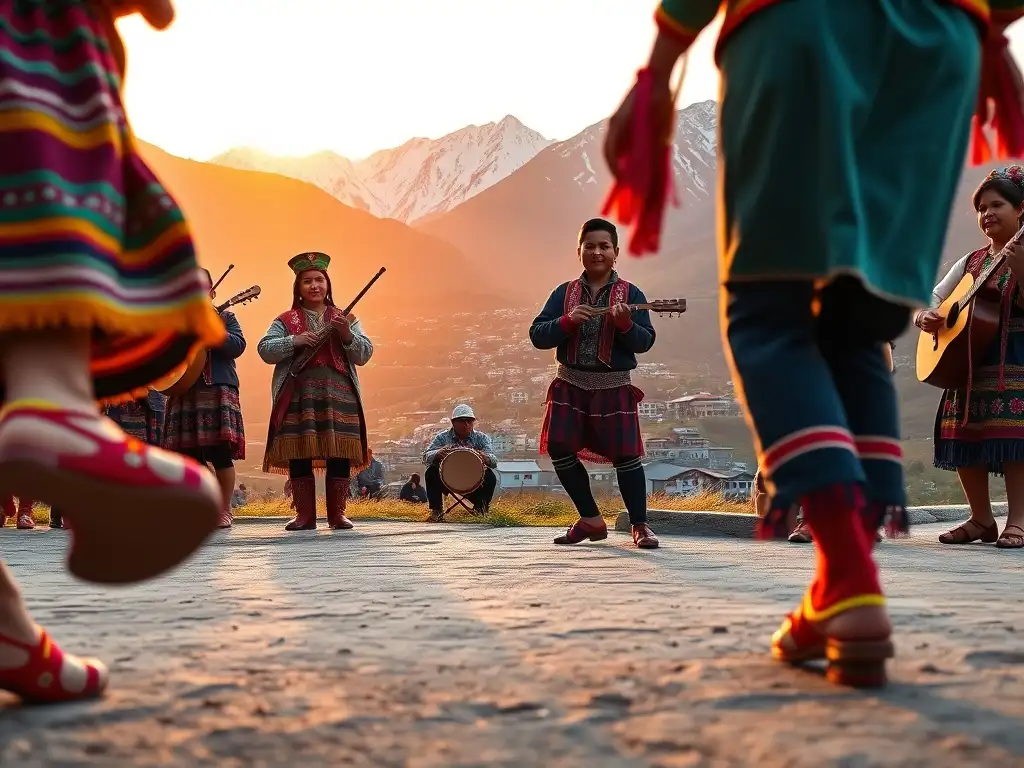
Step into a world lost to time, yet vibrantly alive. The Andean Civilizations website unveils the captivating story of ancient empires, from the majestic Incas to the enigmatic Nazca. But their legacy isn't confined to dusty ruins; it pulses with rhythm and movement. Prepare to be mesmerized by the evolution of Andean music and dance, a journey through centuries of tradition and innovation that continues to shape cultural identity today. Discover how these ancient sounds and steps live on, echoing through the ages in this immersive exploration of Andean experiences. Dive in and uncover the secrets!
The vibrant tapestry of Andean culture is richly woven with threads of music and dance, a legacy passed down through generations and continuously reshaped by the passage of time. This article delves into the fascinating evolution of Andean music and dance, exploring how these art forms have not only survived but thrived, adapting and incorporating new influences while retaining their core essence.
From the haunting melodies of the panpipes to the energetic rhythms of the huayno, we will uncover the enduring power of these traditions and how they continue to shape the cultural landscape of the Andes today. Understanding this evolution provides a deeper appreciation for the complexity and resilience of Andean heritage, highlighting its enduring relevance in the modern world.
We will examine the key factors that have driven this evolution, exploring the interplay between tradition and innovation, and showcasing how Andean music and dance remain a powerful force for cultural identity and expression. This journey through time will illuminate the dynamic nature of Andean artistic expression and its continued impact on the lives of Andean peoples.
Introduction: A Timeless Rhythm - Understanding Andean Cultural Heritage
Andean music and dance are not merely forms of entertainment; they are deeply intertwined with the spiritual, social, and agricultural life of the Andean peoples. For centuries, music and dance have served as vehicles for storytelling, ritual, and community bonding. The rhythmic pulse of the bombo drum, the haunting melodies of the zampoña (panpipes), and the graceful movements of traditional dances all reflect a profound connection to the land, the ancestors, and the cosmos.
This rich heritage encompasses a diverse array of styles, each reflecting the unique characteristics of different Andean cultures, from the Incas to the Moche, Nazca, and Tiahuanaco. Understanding this diverse history is crucial to appreciating the ongoing evolution of these art forms. The sounds and movements tell stories of ancient rituals, agricultural cycles, and social hierarchies, echoing through the generations.
Even today, many traditional dances and songs are performed during religious festivals, agricultural celebrations, and community gatherings, demonstrating their continuing importance in Andean society. The use of instruments such as the charango, quena, and various percussion instruments adds to the rich sonic landscape and contributes to the diversity of regional styles.
The Influence of Globalization and Modernity on Andean Musical Traditions
The 20th and 21st centuries have witnessed significant changes in Andean societies, largely due to globalization and the increasing influence of Western culture. This has had a profound impact on the evolution of Andean music and dance. While some lament the potential loss of traditional forms, many artists have creatively integrated modern influences into their work, resulting in a vibrant fusion of styles.
For example, the incorporation of electric guitars and synthesizers into huayno music has created a contemporary sound that appeals to younger audiences while still retaining the essence of traditional Andean melodies. Similarly, some traditional dances have adapted to modern stages and performance spaces, incorporating new choreography and costumes without sacrificing the core elements of the original form.
This fusion demonstrates the inherent adaptability of Andean artistic expression and its ability to navigate the complexities of a rapidly changing world. The blending of traditional and contemporary elements is a testament to the enduring vitality of Andean music and dance.
Preservation and Revitalization Efforts: Safeguarding a Cultural Legacy
Despite the challenges posed by globalization, there are ongoing efforts to preserve and revitalize traditional Andean music and dance. Many communities actively work to transmit these traditions to younger generations through workshops, festivals, and educational programs. These initiatives play a crucial role in ensuring that the rich cultural heritage of the Andes is not lost.
Furthermore, the growing interest in Andean music and dance from both within and outside the region has created new opportunities for artists and performers. The increased visibility of Andean music on international stages and the growing number of festivals celebrating Andean culture have helped to raise awareness of this important artistic tradition and encourage its continued development.
These efforts, combined with the dedication of musicians, dancers, and cultural organizations, are essential for safeguarding the future of Andean music and dance. The continued evolution of these art forms is a dynamic process that requires a balance between preserving tradition and embracing innovation.
- Introduction: A Timeless Rhythm - Understanding Andean Cultural Heritage
- The Influence of Globalization and Modernity on Andean Musical Traditions
- Preservation and Revitalization Efforts: Safeguarding a Cultural Legacy
Andean Music: From Ancient Echoes to Modern Melodies
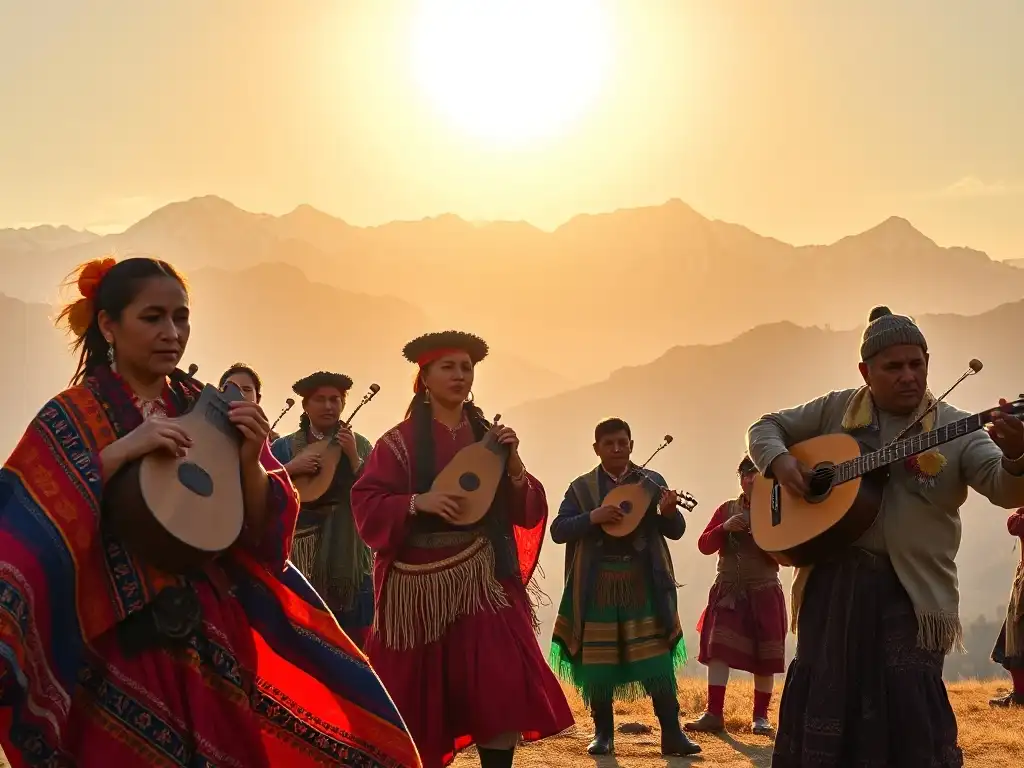
This section delves into the fascinating evolution of Andean music, tracing its journey from ancient rituals to contemporary expressions. We will explore the enduring legacy of traditional sounds while examining how Andean music has adapted and incorporated modern influences, resulting in a vibrant and constantly evolving musical landscape. The study of Andean music and dance evolution reveals a rich tapestry of cultural preservation and innovation.
The Roots of Andean Music: A Journey Through Time
The origins of Andean music are deeply intertwined with the region's rich history and spiritual beliefs. Long before the Inca Empire, diverse Andean cultures developed unique musical traditions. Archaeological evidence suggests the use of panpipes, flutes, and drums in pre-Inca societies, dating back thousands of years.
These instruments were not merely entertainment; they played a crucial role in religious ceremonies, agricultural rituals, and social gatherings. For example, the Moche culture, known for its intricate pottery and metalwork, also left behind evidence of sophisticated musical instruments. Their ceramic representations depict musicians playing various wind and percussion instruments, hinting at a complex and developed musical culture.
The Inca Empire, with its vast territory and centralized administration, further shaped the development of Andean music. While specific details about Inca musical practices remain limited, historical accounts and surviving instruments suggest a sophisticated system of musical organization. Royal musicians held prestigious positions, and music played a significant role in state ceremonies and celebrations.
The use of instruments like the pututu (a shell trumpet) for signaling and ceremonial purposes highlights the importance of music in Inca society. The impact of Inca rule on the musical traditions of different Andean groups is still a subject of ongoing research and debate, with some scholars arguing for significant homogenization while others emphasize the persistence of regional variations.
The musical styles varied significantly across different Andean regions, reflecting the diverse ethnic groups and ecological settings. High-altitude communities developed distinct musical forms characterized by specific rhythmic patterns and melodic structures, reflecting the unique challenges and realities of life in the Andes.
Evolution of Andean Musical Instruments: Embracing New Sounds
The evolution of Andean music is inextricably linked to the development and adaptation of its instruments. While traditional instruments like the charango, zampoña (panpipes), and quena (flute) continue to hold central places in Andean music, the introduction of new instruments and technologies has significantly broadened the musical palette. The arrival of European instruments, such as the guitar and violin, during the colonial period marked a turning point. These instruments were gradually incorporated into Andean musical traditions, leading to unique fusions and innovations.
The 20th and 21st centuries witnessed a further expansion of instrumental possibilities. Modern Andean musicians readily incorporate electric guitars, keyboards, and synthesizers into their music, creating a dynamic blend of traditional and contemporary sounds. This fusion isn't simply about adding new elements; it's about reimagining the possibilities of Andean music within a globalized context. For instance, contemporary Andean bands often incorporate elements of rock, pop, and even electronic music, resulting in innovative and exciting soundscapes that resonate with both traditional and modern audiences.
This process of instrumentation evolution hasn't been without its challenges. The preservation of traditional instrument-making techniques and the balance between innovation and authenticity remain important considerations for Andean musicians and communities. The ongoing debate on the appropriate use of modern technology in Andean music reflects the complex interplay between tradition and change.
Contemporary Andean Music: Fusing Traditions with Modern Genres
Contemporary Andean music is a vibrant testament to the enduring power of tradition and the boundless capacity for innovation. Modern musicians draw inspiration from the rich legacy of their ancestors while embracing new sounds and technologies. This fusion has resulted in a diverse range of musical styles, each reflecting the unique artistic vision of its creators. Genres like Nueva Canción Andina emerged as a powerful voice for social and political change, using Andean musical forms to address issues of identity, inequality, and social justice.
Moreover, contemporary Andean music is not confined to a single style. We see a broad spectrum, from artists who meticulously preserve traditional forms to those who push boundaries with experimental soundscapes. This diversity reflects the dynamic nature of Andean culture itself, with its blend of indigenous traditions and external influences. The use of indigenous languages alongside Spanish further enriches the lyrical content, adding another layer of cultural depth and authenticity.
The impact of globalization is evident in the increasing international recognition of Andean music, with artists gaining global audiences and collaborating with musicians from diverse backgrounds. This exchange of ideas and influences continues to shape the evolution of Andean music, creating a vibrant and ever-evolving musical landscape. The ongoing exploration of Andean music and dance evolution is a testament to the enduring power of cultural heritage in a constantly changing world.
Andean Dance: A Living Expression of Culture and History
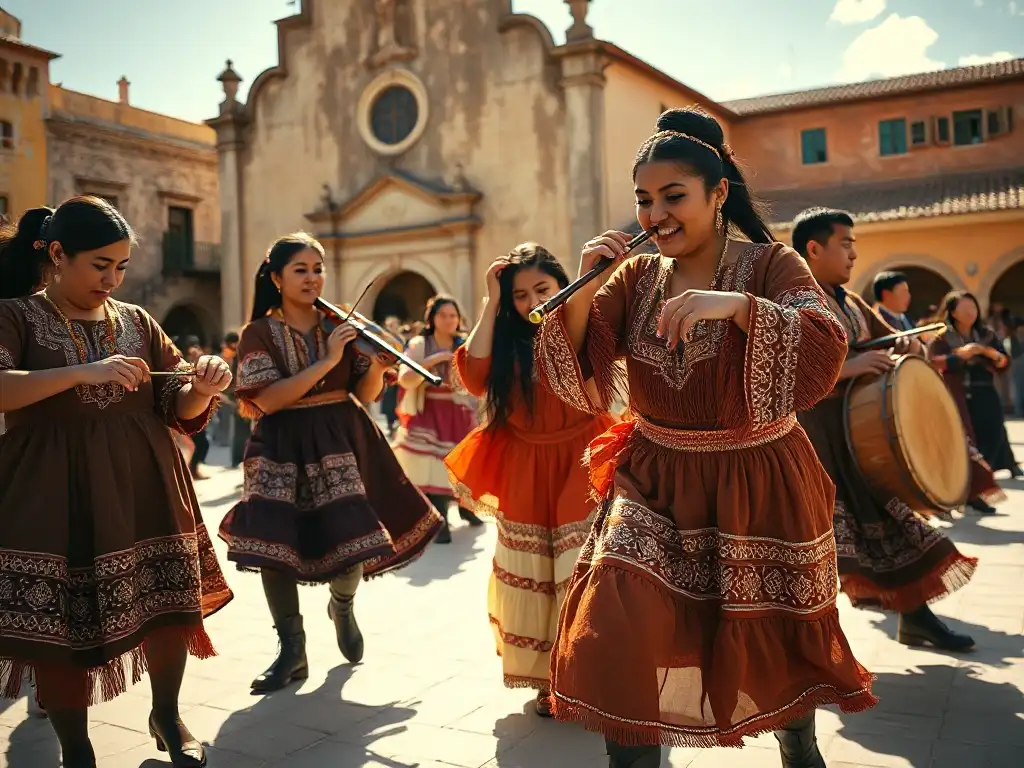
Andean dance, a vibrant tapestry woven from centuries of tradition, remains a powerful force in contemporary Andean society. More than mere entertainment, it's a living testament to the enduring spirit and cultural heritage of the region. The movements, costumes, and accompanying music tell stories of ancient rituals, agricultural cycles, and spiritual beliefs, offering a captivating glimpse into the past while simultaneously reflecting the dynamism of the present.
Understanding the evolution of Andean dance requires appreciating its deep-rooted connection to the land, its people, and their ancestral practices. The graceful steps, rhythmic beats, and expressive gestures are not simply learned; they are inherited, passed down through generations, subtly changing yet eternally connected to their origins.
The influence of Andean music and dance evolution is undeniable in shaping the cultural identity of the region. This enduring legacy continues to inspire artists, researchers, and communities alike, ensuring the preservation and celebration of this rich cultural heritage.
Traditional Andean Dances: Rituals and Celebrations
Traditional Andean dances are frequently intertwined with religious and agricultural rituals. For example, the Fiesta de la Virgen del Carmen in Paucartambo, Peru, features elaborate dances that honor the Virgin Mary, showcasing a blend of Spanish colonial influences and indigenous Andean traditions. The costumes, often richly adorned with vibrant textiles and intricate details, play a crucial role in these performances. They symbolize specific characters, deities, or animals, adding layers of meaning to the choreography.
Many dances depict the relationship between humans and nature, reflecting the deep-seated reverence for the Andean landscape. Consider the Tinkus dance from Bolivia, a powerful and energetic performance that represents the struggle between opposing forces, often interpreted as the conflict between nature and human endeavor. The pounding rhythms and forceful movements convey the intensity of this ancient narrative.
These dances aren't merely performed; they are lived, representing a crucial connection between the past, present, and future of Andean communities. The preservation of these traditions relies heavily on the continued participation of local communities and the passing down of knowledge from elder generations. Detailed documentation and ethnographic studies are crucial for safeguarding this invaluable cultural legacy.
The Evolution of Andean Dance: Adapting to Modern Times
While the core elements of many traditional Andean dances remain unchanged, the art form has continuously adapted to modern influences. Urbanization, globalization, and the influx of new musical styles have all contributed to the evolution of Andean dance. For instance, some contemporary choreographers incorporate elements of modern dance, fusing traditional steps with innovative movements.
This fusion creates a unique and compelling blend of old and new, appealing to both traditionalists and younger audiences. The integration of modern musical instruments, such as electric guitars and synthesizers, alongside traditional panpipes and drums, further demonstrates this evolution. This adaptation isn't necessarily a dilution of tradition; instead, it reflects the dynamic nature of cultural expression.
It's a testament to the resilience and adaptability of Andean culture in the face of change. The ongoing Andean music and dance evolution ensures the continued relevance of this art form in a rapidly changing world. This dynamic interplay between tradition and innovation promises a vibrant future for Andean dance.
Andean Dance Performances: Where Tradition Meets Innovation
Contemporary Andean dance performances often blend tradition and innovation to create captivating spectacles. Many festivals and cultural events showcase both traditional and contemporary interpretations of Andean dance, providing a diverse range of experiences for audiences. These performances frequently involve large ensembles, with dancers wearing meticulously crafted costumes and accompanied by live musicians.
The choreography can range from highly stylized and ritualistic to more improvisational and expressive. Some performances also integrate storytelling or theatrical elements, further enriching the narrative and emotional impact. The use of lighting, stage design, and multimedia projections can enhance the visual appeal of these performances, creating immersive experiences for audiences.
The popularity of these events demonstrates the enduring appeal of Andean dance and its capacity to connect with diverse audiences, both locally and internationally. The continued growth and evolution of Andean dance performances underscore its enduring significance as a vital component of Andean cultural heritage and its ability to reach new generations. The impact of Andean music and dance evolution is clearly visible in the contemporary performance landscape.
Experiencing Andean Music and Dance: Immersive Opportunities
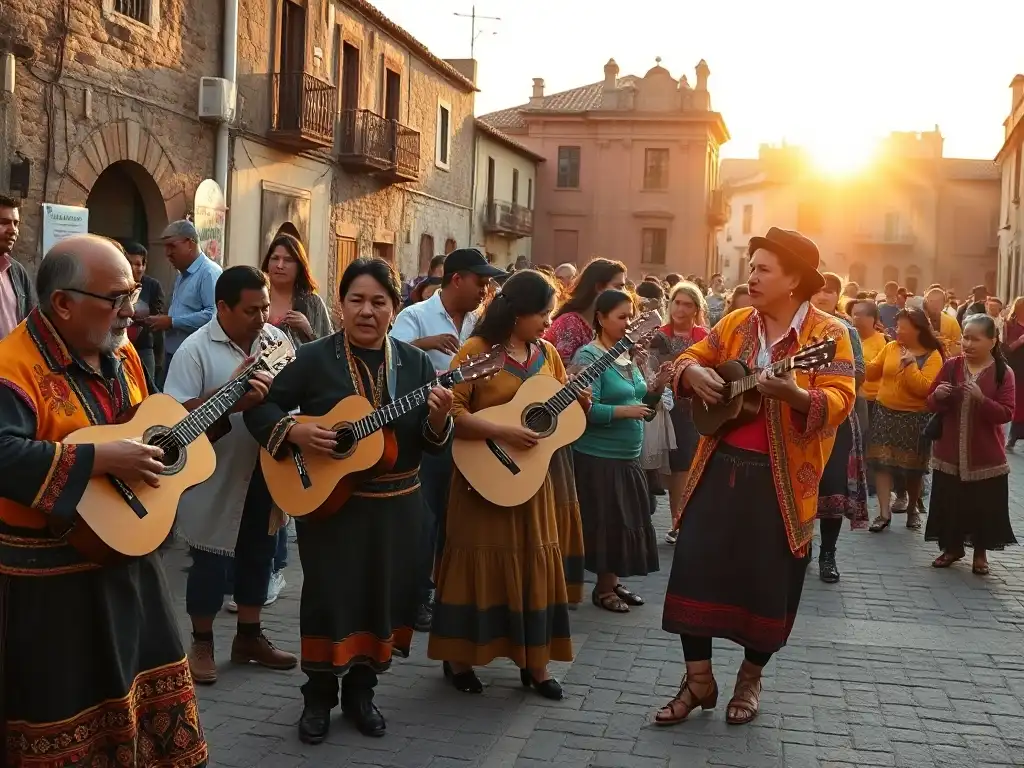
The vibrant tapestry of Andean music and dance, a legacy woven through centuries, continues to evolve, offering modern audiences a captivating glimpse into a rich cultural heritage. Experiencing this heritage firsthand is an immersive journey, one that transcends mere observation and engages the senses on a profound level. This section explores the various avenues available for engaging with Andean music and dance, highlighting the ways in which this living tradition continues to thrive and inspire. Understanding the evolution of Andean music and dance requires active participation and appreciation of its ongoing transformation.
Andean Music and Dance Festivals: A Vibrant Immersion
Andean music and dance festivals provide unparalleled opportunities for immersion. These events, often held in breathtaking Andean landscapes, offer a concentrated experience of the region's artistic heart. From the rhythmic pulse of the zampoña flutes to the graceful movements of traditional dances, festivals showcase the diverse expressions of Andean cultural heritage.
Many festivals are community-based, allowing visitors to interact with local artists and learn about the traditions directly from the source. The sheer energy and enthusiasm of these events are contagious, creating an atmosphere of celebration and shared cultural experience. The scale of these festivals varies; some are small, intimate gatherings, while others attract thousands of participants and spectators, showcasing the breadth and depth of Andean musical and dance traditions.
The evolution of Andean music and dance is vividly displayed in the innovative interpretations and fusions often presented at these festivals. For instance, some festivals feature contemporary artists who blend traditional Andean sounds with modern genres, demonstrating the adaptability and enduring appeal of this musical tradition.
Learning Andean Music and Dance: Connecting with the Soul of the Andes
Beyond simply witnessing performances, many opportunities exist to actively participate in the creation of Andean music and dance. Workshops and classes, often led by master musicians and dancers, offer a unique chance to learn traditional techniques and gain a deeper understanding of the cultural significance behind the movements and melodies.
Learning to play instruments like the charango, quena, or panpipes provides a hands-on connection to the Andean musical heritage. Similarly, mastering the steps of a traditional dance, such as the huayno or marinera, offers a physical embodiment of the culture's rich history.
These learning experiences not only enhance appreciation for the art form but also foster a deeper respect for the traditions and the communities that preserve them. The evolution of Andean music and dance is not simply a passive process; it's a dynamic interaction between tradition and innovation, and participation in workshops allows learners to contribute to this ongoing evolution.
Supporting Andean Artists: Contributing to the Cultural Legacy
Supporting Andean artists is crucial to ensuring the continuation of this rich cultural heritage. Purchasing handcrafted instruments, attending performances, and commissioning artwork are all tangible ways to contribute. Furthermore, supporting organizations dedicated to preserving and promoting Andean music and dance helps to safeguard these traditions for future generations. By actively engaging with and supporting Andean artists, we ensure that the evolution of Andean music and dance continues organically, driven by the creativity and passion of the people who keep these traditions alive. This support is not merely financial; it involves actively seeking out authentic experiences and promoting the work of Andean artists within our own communities. This conscious effort to engage with and promote Andean culture plays a vital role in sustaining the legacy of Andean music and dance for years to come. The evolution of Andean music and dance depends on the continued patronage and appreciation of its artistry.
Frequently Asked Questions
What is the main focus of Andean music and dance?
Andean music and dance are deeply rooted in the spiritual and social life of the Andean people. They often tell stories, celebrate harvests, or honor deities, reflecting the rich cultural heritage of the region. Rituals and ceremonies are often central to their performance.
How has Andean music evolved over time?
Andean music has evolved through a blend of indigenous traditions and influences from Spanish colonization and later global interactions. Instruments like the charango and panpipes have been adapted and combined with modern styles, creating a dynamic and diverse musical landscape.
What are some key characteristics of Andean dance?
Andean dances are often highly ritualistic and symbolic, with specific movements representing agricultural cycles, religious beliefs, or social structures. They frequently involve complex steps and formations, often performed in groups, and are accompanied by distinctive music.
How do modern Andean communities maintain their musical and dance traditions?
Modern communities maintain these traditions through formal and informal education, community festivals, and the dedication of artists and musicians who actively preserve and perform traditional styles. Intergenerational transmission of knowledge is also critical.
What is the relationship between Andean music, dance, and spirituality?
Andean music and dance are intrinsically linked to spirituality. Many forms are used in religious ceremonies and rituals, acting as a conduit to the spiritual world and expressing reverence for ancestral deities and nature. Music and dance are integral aspects of their worldview.
Final Reflection: The Enduring Rhythm of Andean Heritage
The vibrant tapestry of Andean music and dance isn't merely a historical artifact; it's a living, breathing testament to resilience and cultural adaptation that continues to resonate powerfully in the 21st century. Its evolution reflects not only the changing social and political landscapes of the Andes, but also the enduring spirit of a people who have woven their history, beliefs, and hopes into every note and movement. This legacy continues to inspire and challenge us to understand the dynamic relationship between tradition and innovation.
The profound impact of Andean music and dance extends far beyond the geographical boundaries of the Andes themselves. Its influence can be seen in global musical trends, in the growing recognition of Indigenous cultures, and in the ongoing efforts to preserve and promote this rich heritage. The fusion of ancient traditions with contemporary styles speaks to the enduring power of cultural expression. Music is the universal language of mankind,
said Henry Wadsworth Longfellow, and in the case of Andean music, this is profoundly true. It transcends linguistic barriers, connecting people across continents and generations through its shared emotional resonance.
Consider the legacy of Andean music and dance. How can you, in your own life, contribute to the preservation and appreciation of cultural heritage? Perhaps it's by supporting Andean artists, learning more about the history behind the music and dance, or simply taking a moment to listen and appreciate the beauty and complexity of this rich tradition. Let the rhythms and melodies inspire you to celebrate the diversity of human expression and to champion the voices of those who strive to keep their cultural heritage alive. Let the legacy continue.
Celebrate and Discover Your Connection to Andean Culture!
Thank you for exploring the vibrant world of Andean music and dance! Your interest helps preserve this rich cultural heritage and keeps its traditions alive. Let's deepen your connection.
- Take an Andean music or dance class to experience these art forms firsthand and improve your skills.
- Share this article with friends and family to spread awareness of the beauty and enduring legacy of Andean traditions.
- Learn about traditional Andean instruments—choose one to study and perhaps even purchase to fully appreciate its cultural significance.
As you begin this journey, consider how you can integrate Andean music and dance into your life and community. Share your thoughts below!