
The Colors of Celebration: Experiencing the Vibrant Costumes of Andean Dance

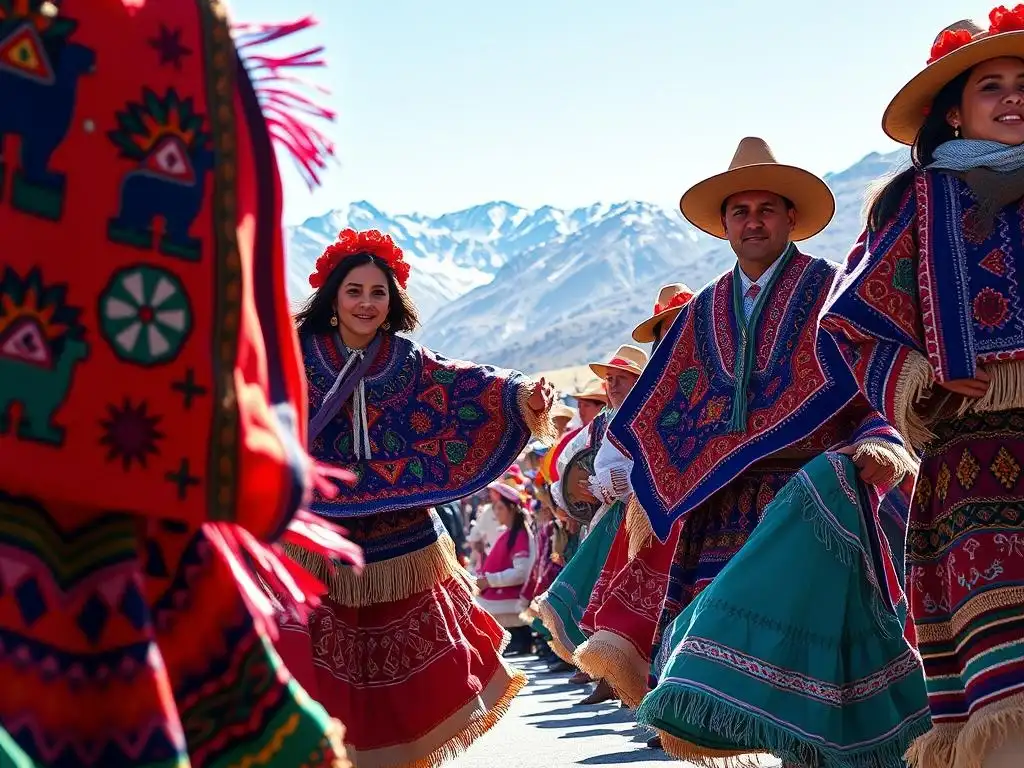
Step into a world painted in vibrant hues and ancient rhythms! Journey through the breathtaking tapestry of Andean culture, where the echoes of empires past resonate in every intricate detail. Prepare to be captivated by the Andean dance costumes colors, symbols of celebration, spirituality, and the enduring legacy of these magnificent civilizations. Unravel the secrets woven into their threads—discover the stories behind the vibrant dyes and elaborate designs. Are you ready to experience the immersive beauty of Andean life?
The vibrant tapestry of Andean culture is richly woven with threads of music, dance, and breathtaking artistry. Nowhere is this more evident than in the dazzling costumes worn during traditional Andean dances. These aren't mere garments; they are living canvases, narrating stories of history, spirituality, and community.
This article delves into the captivating world of Andean dance costumes, exploring the profound symbolism embedded within their striking colors and intricate designs. We'll uncover the significance of specific hues, examine the traditional color palettes used across different Andean cultures, and provide insights into how you can experience the vibrancy of these costumes firsthand. Prepare to be mesmerized by the kaleidoscope of color that brings Andean dance to life, and understand why "Andean dance costumes colors" is a phrase that encapsulates so much cultural richness.
Unveiling the Significance of Andean Dance Costume Colors
The colors used in Andean dance costumes are far from arbitrary. They are carefully chosen to represent specific meanings, often deeply rooted in the cosmology and beliefs of each distinct culture. For example, red, a color frequently seen in Incan textiles and dance costumes, symbolizes strength, power, and the blood of life itself. It often represents the sun god, Inti, a pivotal figure in Incan mythology. In contrast, the color green, frequently associated with nature and fertility, might represent the land's bounty or the spirit of Pachamama, the Earth Mother.
Understanding the symbolic language of color requires careful consideration of the specific Andean culture. The Moche civilization, known for their sophisticated metalwork and pottery, used different color palettes than the Nazca, famous for their geoglyphs. Each group infused their costumes with unique meanings, resulting in a diverse array of visual expressions. Further research into specific regional variations is crucial for a complete understanding. For instance, [specific information pending] on the use of blue in the Tiahuanaco culture would enrich this understanding.
Understanding the Palette: Traditional Andean Color Symbolism
Let's explore some common colors and their symbolic associations in Andean dance costumes:
| Color | Andean Culture Symbolism | Examples in Costumes |
|---|---|---|
| Red | Power, strength, sun, blood, life force | Often used in ceremonial headdresses and sashes |
| Yellow/Gold | Wealth, royalty, the sun, divinity | Frequently seen in intricate embroidery and embellishments |
| Green | Fertility, nature, Pachamama (Earth Mother) | Used in garments representing agricultural abundance |
| Blue | Water, sky, spirituality, protection | Can represent lakes, rivers, or celestial bodies |
| Purple | Royalty, nobility, sacredness | Often found in garments worn by leaders or priests |
| White | Purity, peace, innocence | Used in garments signifying celebration or cleansing |
| Black | Mystery, the underworld, power (sometimes) | Can represent both negative and positive forces |
The combination of these colors creates a rich visual vocabulary. A costume might blend red and yellow to represent the combined power of the sun and earth, or incorporate green and blue to symbolize the harmonious relationship between nature and spirituality. The complexity of these color combinations adds another layer of depth to the cultural significance of the costumes. It is important to note that [specific information pending] regarding variations in color symbolism across different regions and time periods.
Experiencing Andean Dance Costume Colors Firsthand
Attending an Andean music and dance festival offers an unparalleled opportunity to witness the vibrant colors of these costumes in their full glory. The sheer energy and spectacle of the performances, combined with the intricate details of the costumes, create a truly unforgettable experience. The movement of the dancers, the rhythm of the music, and the dazzling array of colors all work together to transport you to the heart of Andean culture. Observe closely the details: the intricate weaving techniques, the symbolic embellishments, and the careful arrangement of colors.
Each element contributes to the overall impact, offering a glimpse into the rich cultural heritage of the Andes. The best way to truly appreciate the depth and beauty of Andean dance costume colors is to experience them firsthand! 🎉
Capturing the Essence: Photographing Andean Dance Costume Colors
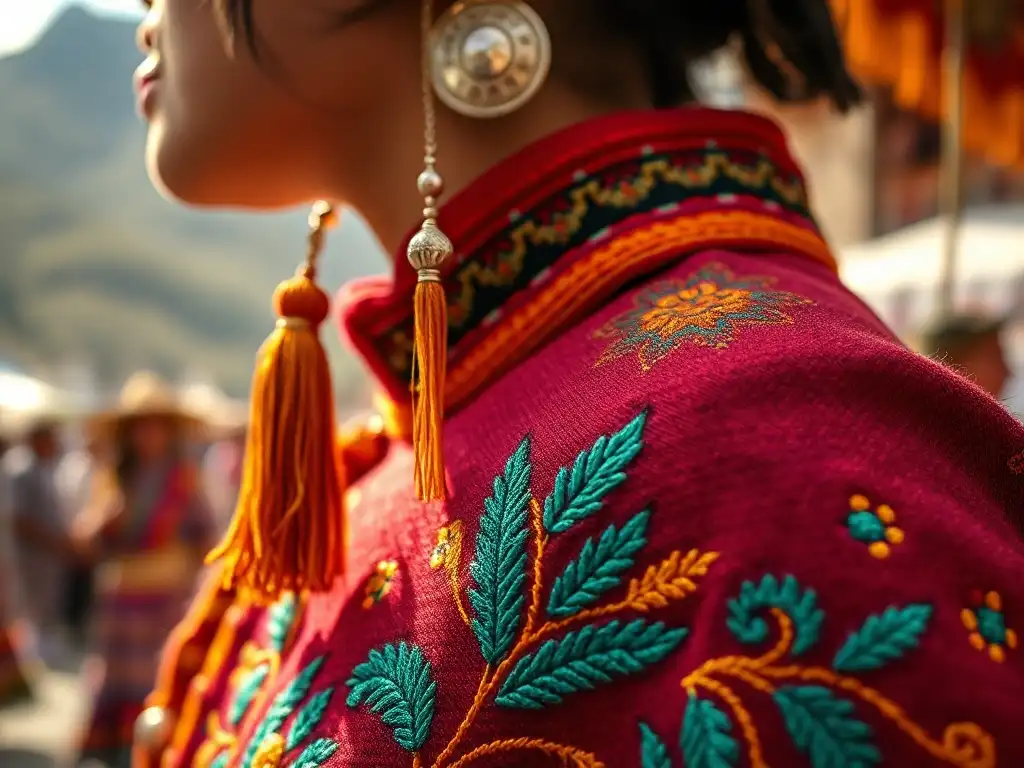
Photographing the vibrant hues of Andean dance costumes presents a unique challenge and reward. The intense colors, often derived from natural dyes, can be difficult to capture accurately. Overly bright sunlight can wash out the subtle nuances, while shadows can obscure the intricate details of the embroidery and weaving. To truly capture the essence of these costumes, photographers must consider several factors.
Firstly, understanding the light is crucial. The best time to photograph these costumes is during the "golden hour," the period shortly after sunrise or before sunset, when the light is softer and warmer. This soft light minimizes harsh shadows and allows for a more accurate representation of the colors. Using a diffuser can further soften the light and prevent overexposure.
Secondly, choosing the right camera settings is vital. Shooting in RAW format allows for greater flexibility in post-processing, enabling adjustments to white balance and exposure without losing image quality. A tripod is recommended to ensure sharp images, particularly when shooting in low light conditions. Experimentation with different aperture settings can also help to control depth of field, highlighting the intricate details of the textiles.
Finally, post-processing plays a significant role in achieving accurate color representation. Careful adjustments to white balance, exposure, and saturation can significantly enhance the vibrancy of the colors without making them appear artificial. The goal is to capture the true beauty and richness of the Andean dance costume colors, conveying the cultural significance and artistry involved in their creation. Remember, respect for the dancers and their traditions should always guide the photographic process. Avoid intrusive photography and always seek permission before taking pictures.
Extending the Experience: Andean Costume Colors in Your Life
The captivating colors of Andean dance costumes aren't just confined to the festival stage; their influence extends far beyond. The rich palette of reds, yellows, blues, and greens, often interwoven with intricate patterns, inspires artisans, designers, and everyday individuals alike. You can bring the vibrancy of Andean culture into your own life in many creative ways.
For example, incorporating Andean-inspired colors into your wardrobe can be a subtle yet powerful way to celebrate this rich tradition. Think bold, hand-woven scarves in vibrant hues, or clothing incorporating traditional Andean patterns. Even small details, like jewelry featuring similar color schemes, can add a touch of Andean flair to your everyday style.
Beyond clothing, the influence can be seen in home décor. Think richly colored textiles adorning your walls, cushions echoing the patterns of traditional Andean weavings, or pottery replicating the earthy tones found in ancient artifacts. These elements not only add a unique aesthetic to your living space but also serve as conversation starters, allowing you to share your appreciation for Andean culture with others.
Furthermore, exploring the art of natural dyeing, a practice central to the creation of traditional Andean textiles, can offer a profound and enriching experience. The process of extracting colors from natural sources, such as plants and minerals, connects you directly to the historical practices of Andean artisans and allows for a deeper understanding and appreciation of the colors themselves. This engagement with the process adds another layer to the appreciation of Andean dance costume colors.
Conclusion: The Enduring Legacy of Andean Dance Costume Colors
The vibrant colors of Andean dance costumes are more than mere aesthetics; they are a powerful testament to the enduring legacy of Andean culture. Each hue, each pattern, tells a story—a story of history, tradition, and the deep connection between people and their land. From the meticulous craftsmanship to the symbolic meanings embedded within the colors themselves, Andean dance costumes offer a window into a rich and complex cultural heritage.
The use of natural dyes, often passed down through generations, reflects a deep respect for the environment and a sustainable approach to artistry. The intricate designs, often imbued with symbolic significance relating to Andean mythology and cosmology, showcase a sophisticated level of artistic skill and cultural understanding. These costumes are not simply garments; they are living expressions of Andean identity, passed on from one generation to the next, ensuring the vibrancy of Andean culture continues to shine brightly.
The colors themselves, therefore, are not just visually stunning, but potent symbols of a rich and enduring heritage. Understanding and appreciating these colors offers a deeper connection to the heart and soul of Andean traditions.
- Unveiling the Significance of Andean Dance Costume Colors
- Understanding the Palette: Traditional Andean Color Symbolism
- Experiencing Andean Dance Costume Colors Firsthand
- Capturing the Essence: Photographing Andean Dance Costume Colors
- Extending the Experience: Andean Costume Colors in Your Life
- Conclusion: The Enduring Legacy of Andean Dance Costume Colors
- What colors are most commonly seen in Andean dance costumes?
- Do the colors in Andean dance costumes have symbolic meanings?
- What materials are traditionally used to create the vibrant colors in the costumes?
- Are there regional differences in the colors and styles of Andean dance costumes?
- Where can I see these vibrant costumes in person?
Frequently Asked Questions
What colors are most commonly seen in Andean dance costumes?
Andean dance costumes are renowned for their vibrant hues. Common colors include deep reds, oranges, yellows, greens, and blues, often representing the Andean landscape and its diverse flora and fauna. Purple and gold are also significant.
Do the colors in Andean dance costumes have symbolic meanings?
Yes, the colors often hold symbolic significance. For example, red might represent blood and sacrifice, while yellow could symbolize the sun and gold. The specific meanings can vary between different cultures and regions within the Andes.
What materials are traditionally used to create the vibrant colors in the costumes?
Traditionally, natural dyes derived from plants, insects, and minerals were used to create the colors. These include cochineal (red), achiote (orange/red), and various plant extracts for yellows and greens. Modern dyes are also now sometimes used.
Are there regional differences in the colors and styles of Andean dance costumes?
Absolutely! The colors and styles of costumes vary considerably depending on the specific Andean region and culture. For example, costumes from the highlands might differ significantly from those found in coastal regions.
Where can I see these vibrant costumes in person?
You can witness these vibrant costumes at Andean festivals and celebrations, often held throughout the year. Many museums also showcase examples of traditional Andean clothing and dance costumes. Consider researching local events and museums in Andean regions or those with significant Andean populations.
Final Reflection: A Legacy Woven in Thread and Hue
The vibrant tapestry of Andean dance costumes isn't merely a visual spectacle; it's a living archive of history, tradition, and cultural identity, profoundly relevant in today's interconnected world. These costumes, bursting with symbolic colors and intricate designs, offer a powerful counterpoint to the homogenizing forces of globalization, reminding us of the enduring strength of diverse cultural expressions. Their continued use speaks to the resilience of Andean communities and their commitment to preserving their heritage.
The impact of these costumes extends far beyond the dance floor; they are a tangible link to ancestral practices, beliefs, and storytelling. They represent a continuity of tradition, passed down through generations, each stitch and color holding a deep significance. As the anthropologist, Clifford Geertz, wisely observed: Man is an animal suspended in webs of significance he himself has spun.
These costumes are the threads of those webs, meticulously woven to create a rich and meaningful cultural landscape. Their beauty compels us to recognize the value of preserving such intricate cultural expressions, not just for their aesthetic appeal, but for the profound stories they tell.
Consider the colors you've encountered in this exploration of Andean dance costumes. What resonated most deeply with you? I invite you to reflect on the power of visual storytelling and the importance of celebrating cultural diversity. Let the vibrant hues and intricate designs inspire you to seek out and appreciate the unique traditions that exist within your own community and around the world. Let us all strive to understand and protect the rich tapestry of human expression, one vibrant thread at a time.
Embrace the Spirit of Andean Dance Today!
Thank you for joining us on this colorful journey through the vibrant world of Andean dance costumes! We hope you've gained a deeper appreciation for the rich cultural heritage and the joy these celebrations bring to communities. Now, let's explore ways to further immerse yourself in this beautiful tradition!
- Attend a local cultural festival to witness the energy of Andean performances and see the stunning costumes in action.
- Share your favorite aspect of Andean dance or costume on social media, tagging us to help spread the word and appreciation for this vibrant culture.
- Learn more about the history by exploring documentaries and resources about Andean civilizations and their artistic expressions.
How will you continue to celebrate and share the spirit of Andean dance?