
The Spirit of the Andes: How Ancient Festivals Continue to Inspire Celebrations

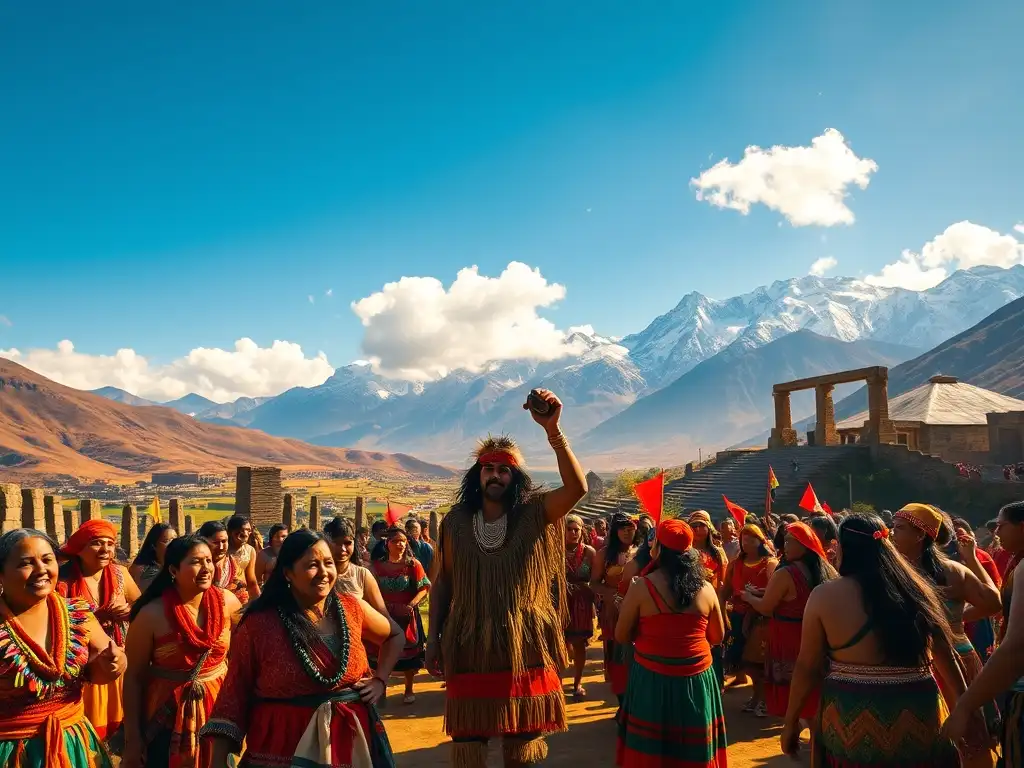
Step into a world lost in time, yet vibrantly alive. Imagine the echoes of ancient Andean chants, the vibrant colors of sacred ceremonies, and the enduring legacy of a civilization that shaped the very landscape of South America. This is the story of ancient Andean festival traditions, a captivating journey through the rituals and beliefs that continue to resonate today.
Discover how these timeless celebrations hold the key to understanding the heart and soul of the Incas, Moche, Nazca, and Tiahuanaco, and prepare to be amazed. Explore the rich tapestry of Andean history and unlock the secrets of their enduring spirit.
The majestic Andes Mountains, a spine of rock and ice running down the western edge of South America, have witnessed millennia of human history. For centuries, vibrant civilizations—the Inca, Moche, Nazca, and Tiahuanaco among them—thrived in this challenging yet fertile landscape. Their legacy isn't confined to crumbling ruins and exquisite pottery; it lives on, powerfully resonating in the vibrant tapestry of modern Andean culture.
Nowhere is this more evident than in the enduring spirit of their festivals, celebrations that blend ancient traditions with contemporary expressions, offering a captivating glimpse into the enduring power of Andean heritage and its influence on modern life. This article delves into the fascinating ways ancient Andean festival traditions continue to shape celebrations across the region, exploring their historical roots and their modern manifestations.
We'll examine the continuity of these practices, highlighting the remarkable resilience of cultural memory and its ability to bridge the chasm between past and present. Prepare to be amazed by the enduring power of these ancient celebrations and their continued relevance in modern Andean society.
Echoes of the Past: Tracing Ancient Andean Festival Traditions
Ancient Andean civilizations placed immense importance on festivals. These weren't merely occasions for merrymaking; they were deeply intertwined with agricultural cycles, religious beliefs, and social structures. Many festivals were dedicated to ensuring bountiful harvests, appeasing deities, and reinforcing community bonds.
Archaeological evidence, including intricate textiles, monumental architecture, and even preserved agricultural practices, provides valuable insights into these ancient rituals. For instance, the Inca celebrated Inti Raymi, the Festival of the Sun, a grand ceremony honoring the sun god Inti, a pivotal figure in their cosmology. This involved elaborate processions, sacrifices (often symbolic in later periods), and feasts that underscored the Inca's profound connection with the natural world and their sophisticated social hierarchy.
Similarly, the Moche civilization, known for its remarkable artistry, likely held festivals connected to their complex religious beliefs, reflected in their stunning ceramics depicting ritualistic scenes. While the specifics of many ancient Andean festivals remain shrouded in the mists of time, their enduring influence on modern celebrations is undeniable.
From Inti Raymi to Modern Fiestas: Continuity and Transformation
The legacy of ancient Andean festivals is not static; it's a dynamic process of adaptation and reinvention. While the exact rituals and ceremonies might have evolved, the underlying spirit and symbolism often persist. Inti Raymi, for example, while significantly altered after the Spanish conquest, continues to be celebrated annually in Cusco, Peru, attracting thousands of participants and spectators.
Although some practices have been adapted or replaced to align with changing social norms and religious beliefs, the festival retains its core essence—a celebration of Andean identity and the enduring power of the sun. Many other modern Andean festivals incorporate elements derived from ancient traditions, blending pre-Columbian beliefs and practices with Catholic elements introduced during the colonial era.
This syncretism is a hallmark of Andean culture, demonstrating the capacity for tradition to adapt and thrive in the face of external influences. The fusion of indigenous and colonial elements creates a rich and complex cultural landscape that is uniquely Andean.
The Role of Festivals in Modern Andean Identity
Ancient Andean festival traditions play a crucial role in shaping modern Andean identity. These celebrations serve as powerful reminders of the region's rich history and cultural heritage, fostering a sense of community and shared identity among Andean people. Participation in festivals strengthens social bonds, transmits cultural knowledge across generations, and promotes cultural pride.
Moreover, these events often serve as platforms for expressing cultural resistance and asserting indigenous rights. By preserving and celebrating their ancient traditions, Andean communities actively participate in shaping their own cultural narratives and maintaining a vital connection to their ancestral past. The continued vitality of these festivals demonstrates the resilience of Andean cultures and their ability to adapt and thrive in a rapidly changing world.
The vibrant colors, rhythmic music, and captivating dances of these festivals are not just spectacles; they are living testaments to the enduring spirit of the Andes. They represent a powerful connection to the past and a vibrant expression of Andean identity in the present.
- Echoes of the Past: Tracing Ancient Andean Festival Traditions
- From Inti Raymi to Modern Fiestas: Continuity and Transformation
- The Role of Festivals in Modern Andean Identity
- What were some important ancient Andean festival traditions?
- How did ancient Andean festivals reflect their worldview?
- What role did agriculture play in ancient Andean festival traditions?
- How are ancient Andean festival traditions observed today?
- What are some examples of specific ancient Andean festivals?
Understanding the Enduring Legacy of Ancient Andean Festival Traditions
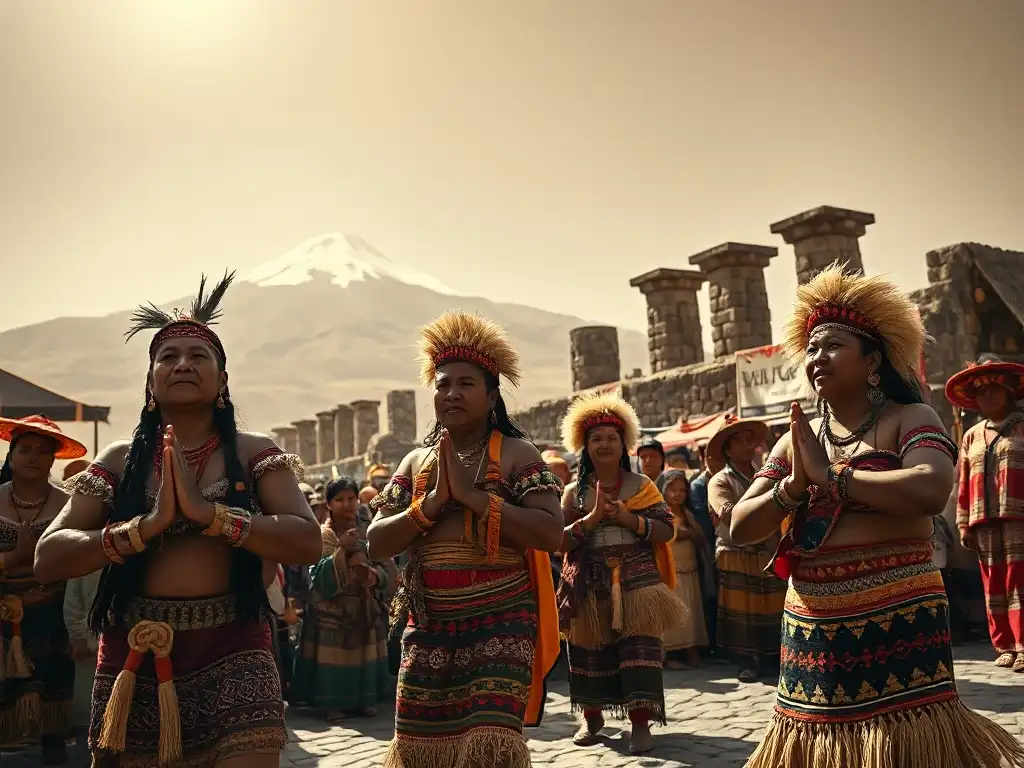
This section explores the profound impact of ancient Andean festival traditions on contemporary Andean culture. We'll delve into the significance of ritual and ceremony within these societies and trace the evolution of these festivities from pre-Columbian times to the vibrant celebrations seen today. Understanding this continuity is key to appreciating the richness and complexity of Andean cultural heritage.
The enduring power of ancient Andean festival traditions is a testament to the resilience and adaptability of Andean cultures. These traditions aren't merely historical relics; they are living expressions of identity, faith, and community, constantly evolving while retaining core elements from their ancient origins.
The Significance of Ritual and Ceremony in Andean Societies
Ancient Andean societies placed immense importance on ritual and ceremony. These weren't simply festive occasions; they were integral to the maintenance of cosmic order, agricultural cycles, and social harmony. Rituals served as powerful tools for connecting with the supernatural world, appeasing deities, ensuring bountiful harvests, and reinforcing social structures.
The intricate ceremonies involved elaborate costumes, music, dance, offerings (often including coca leaves, chicha, and other significant items), and symbolic gestures, all meticulously choreographed to honor the apus (mountain spirits) and other powerful forces. The precision and significance of these actions underscore the deep spiritual beliefs embedded within Andean culture. For example, the Inca capacocha sacrifices, while controversial in modern interpretations, highlight the interconnectedness between the human and spiritual realms in the Inca worldview.
Even today, many Andean communities maintain similar rituals, adapted to modern contexts but retaining their fundamental spiritual significance. The continuity of these practices demonstrates the enduring power of ancient Andean beliefs and their influence on shaping cultural identity.
The meticulous planning and execution of these rituals also reveal a sophisticated understanding of social organization. The involvement of entire communities in these events fostered social cohesion and reinforced shared values. Specific roles and responsibilities were assigned, reflecting a hierarchical social structure while simultaneously promoting communal participation. This intricate interplay between the sacred and the social is a defining characteristic of Andean culture, both past and present. The legacy of these complex rituals is evident in modern Andean festivals, which continue to serve as crucial mechanisms for social bonding and the transmission of cultural knowledge across generations.
The Roots of Andean Festivities: A Deep Dive into Pre-Columbian Practices
Pre-Columbian Andean civilizations developed a rich tapestry of festivals rooted in agricultural cycles and religious beliefs. The Moche, Nazca, Tiwanaku, and Inca cultures, each with their distinct traditions, contributed to this vibrant heritage. For instance, the Moche, known for their elaborate pottery depicting ritual scenes, celebrated festivals honoring their deities, often involving elaborate processions and sacrifices.
The Nazca, famous for their geoglyphs, likely held ceremonies related to astronomical events and water management, given the arid environment they inhabited. The Tiwanaku civilization, with its monumental architecture, may have held large-scale festivals related to their complex religious beliefs and agricultural practices. [Specific details on Tiwanaku festival practices pending].
The Inca Empire, with its centralized administration, standardized many aspects of religious life, creating a pan-Andean system of festivals. These festivals, often tied to the agricultural calendar, involved large-scale participation, with people from across the empire converging on major centers for celebrations. The Inti Raymi, the festival celebrating the sun god Inti, stands out as a prime example of a grand, imperial celebration that integrated elements of various regional traditions.
The Inca’s sophisticated understanding of astronomy played a crucial role in determining the timing of these festivals, ensuring their alignment with the agricultural cycles and reinforcing the connection between the human and cosmic realms. The meticulous organization and widespread participation in these events highlight the significant role of festivals in maintaining social order and strengthening imperial power.
The echoes of these ancient celebrations continue to resonate in many modern Andean festivities, demonstrating the enduring legacy of pre-Columbian traditions. The continuity of these practices, adapted and transformed over centuries, highlights the resilient spirit of Andean culture and its capacity to integrate ancient beliefs with contemporary realities.
Key Ancient Andean Festivals and Their Modern Echoes
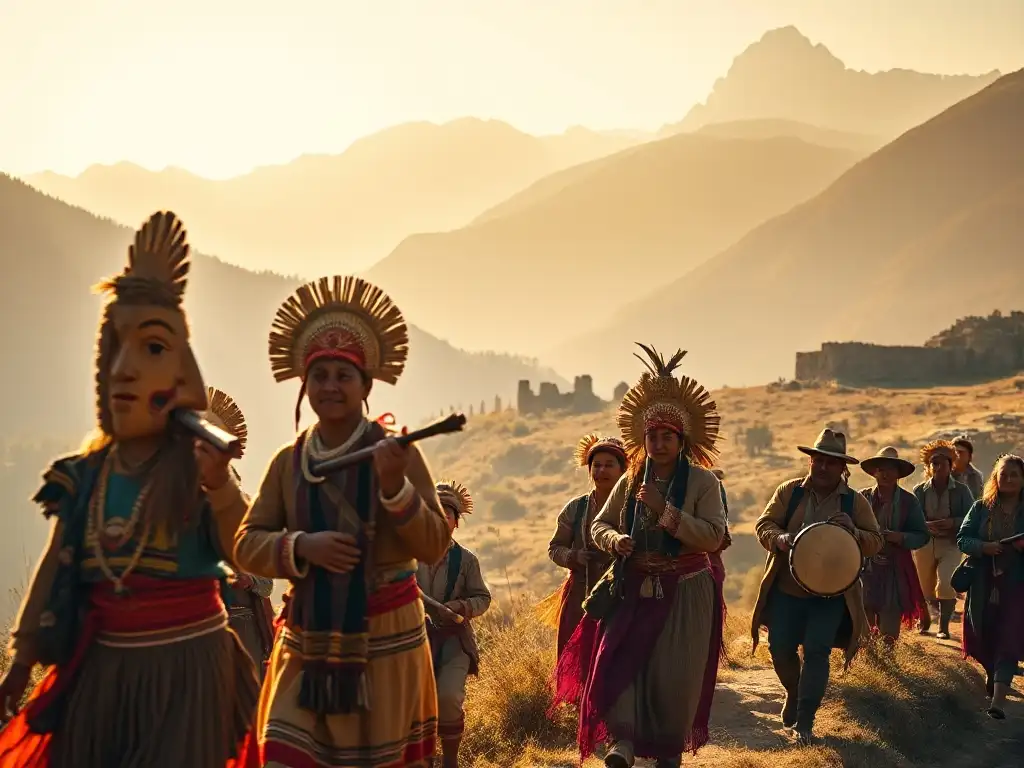
The vibrant tapestry of modern Andean culture is deeply interwoven with the threads of its ancient past. Nowhere is this more evident than in the enduring legacy of ancient Andean festival traditions. These celebrations, often rooted in agricultural cycles, spiritual beliefs, and ancestor veneration, continue to shape contemporary life, demonstrating the remarkable resilience of cultural heritage.
Understanding these ancient festivals provides a crucial lens through which to appreciate the richness and complexity of Andean societies, both past and present. The continuation of these traditions speaks to the enduring power of cultural memory and the importance of preserving these vital aspects of Andean identity.
Inti Raymi: The Festival of the Sun's Resurgence
Inti Raymi, meaning "Festival of the Sun," was the most important festival in the Inca Empire. Celebrated at the winter solstice (around June 24th), it marked the sun's resurgence and the renewal of life. This grand ceremony involved elaborate rituals, sacrifices, and feasts, reflecting the Inca's profound reverence for the sun god, Inti. Participants, adorned in vibrant textiles and elaborate headdresses, engaged in processions, dances, and offerings to ensure a bountiful harvest and the continued prosperity of the empire.
The scale and significance of Inti Raymi underscore the centrality of agriculture and solar worship in Inca cosmology. The meticulous organization and participation of all social strata highlight the cohesive nature of Inca society, unified by shared beliefs and rituals. Evidence suggests that Inti Raymi was a time of intense social interaction, reinforcing social bonds and reaffirming the power structure of the empire.
Modern Adaptations of Inti Raymi: Cusco's Grand Reenactment and Community Celebrations in Ecuador
While the original Inti Raymi was suppressed after the Spanish conquest, a spectacular reenactment is held annually in Cusco, Peru. This modern celebration draws thousands of tourists and locals alike, showcasing traditional Inca music, dance, and costumes. The reenactment, however, is a carefully curated performance, often diverging from the exact practices of the original festival.
In contrast, smaller, community-based celebrations of Inti Raymi persist throughout the Andes, particularly in Ecuador. These celebrations, often less formalized and more intimate, retain a stronger connection to pre-Columbian traditions. They offer a glimpse into the continued relevance of the ancient festival in shaping local identities and fostering community cohesion.
These localized versions provide a richer understanding of the diverse ways in which ancient Andean festival traditions have been adapted and preserved across different communities. The vibrant colors, intricate costumes, and passionate performances continue to embody the spirit of Inti Raymi, reminding us of the enduring legacy of this ancient celebration. The variations highlight the dynamic nature of cultural transmission and adaptation.
Qhapaq Raymi: Honoring the Andean Spiritual World
Qhapaq Raymi, sometimes referred to as Capac Raymi, was a series of Inca festivals honoring the Andean spiritual world and the apus (mountain spirits). Unlike the solstice-focused Inti Raymi, Qhapaq Raymi's timing varied regionally, aligning with specific agricultural cycles and local beliefs. These celebrations involved diverse rituals, including offerings to the apus, fertility rites, and communal feasting.
The decentralized nature of Qhapaq Raymi reflects the Inca Empire's accommodation of pre-existing regional beliefs and practices, showcasing the empire's sophisticated approach to integrating diverse cultural elements. The incorporation of local deities and customs into the imperial framework demonstrates a strategic approach to governance and the maintenance of social order.
The Evolution of Qhapaq Raymi: Variations in Bolivia's Highland Communities and Northern Argentina
The legacy of Qhapaq Raymi is particularly evident in the highland communities of Bolivia, where variations of the festival continue to be celebrated. These celebrations often involve specific rituals related to local agricultural practices and the veneration of particular apus. The persistence of these localized traditions demonstrates the enduring influence of pre-Inca religious beliefs and practices. The continuity of these celebrations, despite centuries of colonial influence, speaks to the resilience of Andean spiritual traditions and their capacity to adapt and evolve while retaining their core essence.
In Northern Argentina, too, echoes of Qhapaq Raymi are found in various community celebrations, albeit often subtly integrated into contemporary religious practices. These celebrations often blend indigenous traditions with Catholic elements, reflecting the complex syncretism that characterizes many Andean communities. The blending of traditions illustrates the dynamic process of cultural exchange and adaptation over time, where ancient practices continue to inform and inspire modern celebrations. Further research is needed to fully document the variations and evolution of Qhapaq Raymi across different Andean regions [specific information pending].
Coya Raymi: Celebrating Feminine Power and Fertility
Coya Raymi, meaning "Festival of the Coya," was a significant festival honoring the female power and fertility within Inca society. The Coya, the Inca emperor's wife, held immense religious and political importance, embodying the sacred feminine principle. This festival, likely held annually, celebrated her role as a spiritual leader and her connection to the earth's bounty.
While precise dates and rituals remain debated by scholars due to limited surviving written records, archaeological evidence and ethnohistorical accounts paint a picture of elaborate ceremonies. These likely involved offerings of food, drink, and precious objects to Pachamama (Mother Earth) and other deities, symbolic of the Coya's role in ensuring fertility and prosperity for the Inca Empire. The festival likely involved processions, music, dance, and feasts, showcasing the power and prestige of the Coya and her connection to the Inca's divine legitimacy.
The festivities were undoubtedly a vibrant display of Inca artistry and cultural expression, emphasizing the importance of balance and harmony in their worldview. Furthermore, the Coya Raymi served as a crucial reminder of the Inca's cosmological beliefs, the interconnectedness of the human and divine realms, and the vital role women played in maintaining this delicate equilibrium. The festival was not simply a celebration; it was a powerful reinforcement of social order and the Inca ideology.
Contemporary Representations of Coya Raymi: The Use of Specific Flowers and Textiles in Rituals
Even though the Inca Empire fell centuries ago, echoes of Coya Raymi persist in contemporary Andean communities. While a large-scale, centralized festival like the original Coya Raymi is no longer practiced, its spirit lives on in various local celebrations. These modern interpretations often incorporate elements that reflect the original festival's themes of feminine power and fertility.
The use of specific flowers and textiles is particularly noteworthy. For example, the vibrant colors and intricate designs of traditional Andean textiles, often woven by women, represent a continuation of the artistic traditions associated with the Coya's role. Certain flowers, traditionally associated with fertility and abundance, such as the cantuta (sacred flower of the Incas) and the amancaes (a lily-like flower), are often used in contemporary Andean rituals and ceremonies, echoing the offerings made during the original Coya Raymi.
These floral displays, often incorporated into religious processions and celebrations, serve as visual reminders of the festival's enduring significance. Furthermore, the continued use of traditional weaving techniques and designs by Andean women demonstrates the enduring legacy of the Coya's role as a symbol of female empowerment and creative skill. The preservation of these traditions highlights the resilient spirit of Andean culture and its ability to adapt ancient practices to the modern context.
Other Significant Ancient Andean Ceremonies: Huarachicuy and Situa
Beyond Coya Raymi, the ancient Andean world boasted a rich tapestry of ceremonies and festivals. Huarachicuy, a coming-of-age ritual primarily associated with the Inca, marked the transition of young boys into manhood. This involved a series of arduous tests and trials, demonstrating their physical and mental strength, preparing them for adult responsibilities within the community. The ritual often involved symbolic acts, such as the donning of the huaraches (sandals), signifying their entry into adulthood.
These ceremonies emphasized the importance of community and the transmission of cultural values from one generation to the next. The Huarachicuy underscored the importance of discipline, resilience, and communal solidarity within Inca society. Furthermore, successful completion of the Huarachicuy brought significant social standing and recognition within the community, emphasizing the importance of personal achievement and contribution to the collective well-being.
Situa, on the other hand, was a harvest festival celebrated by various Andean cultures. This festival, often linked to agricultural cycles and the bounty of the land, involved communal celebrations, feasting, and offerings to the gods to ensure continued prosperity. The Situa varied in its specific rituals and practices depending on the region and culture, but the core theme of expressing gratitude for the harvest remained consistent. This festival not only celebrated the abundance of the harvest but also reinforced social bonds and strengthened community ties. The shared experience of the Situa fostered a sense of unity and mutual dependence, reflecting the importance of cooperation in Andean agricultural societies. The celebrations often included music, dance, and storytelling, creating a vibrant and festive atmosphere. The enduring legacy of the Situa can be seen in many contemporary Andean harvest festivals, which continue to celebrate the land's bounty and the importance of community.
The Influence of Ancient Andean Celebrations on Contemporary Festivities
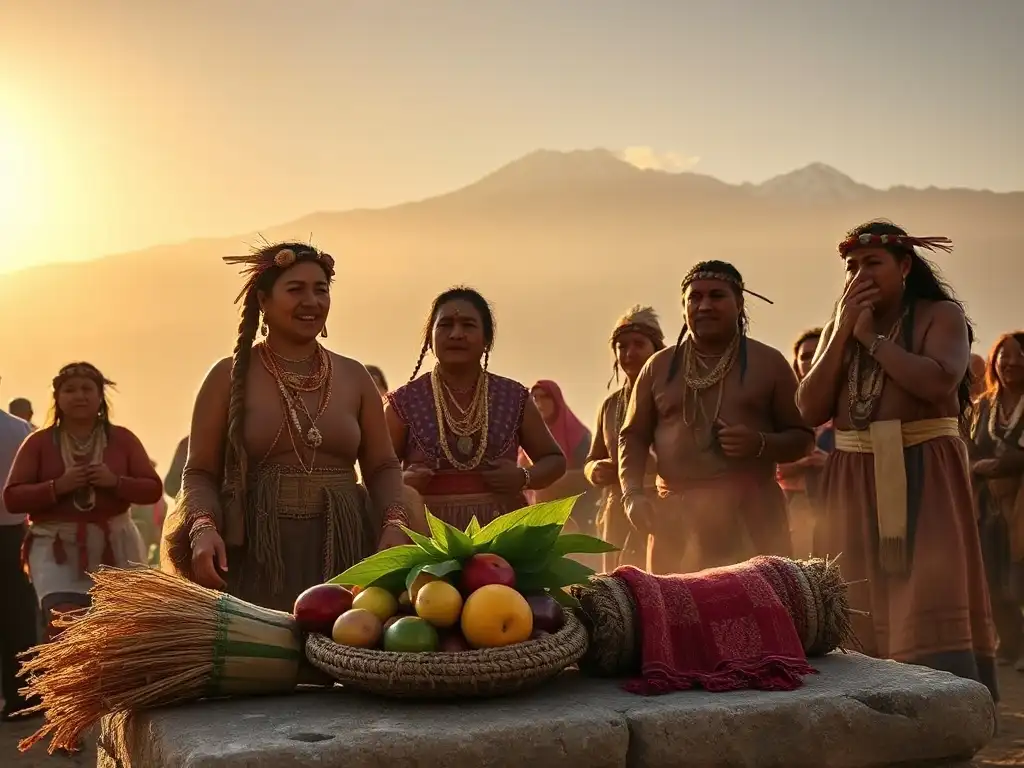
This section delves into the enduring legacy of ancient Andean celebrations on the vibrant festivities observed across the Andes today. We explore how these ancient traditions, passed down through generations, continue to shape modern cultural expressions, demonstrating the resilience and adaptability of Andean cultural heritage. The influence is not merely superficial; it's deeply embedded in the very fabric of contemporary Andean life, impacting everything from the rituals themselves to the social structures that surround them. The study of "ancient Andean festival traditions" reveals a profound connection between the past and the present.
Preserving Cultural Heritage Through Festival Revitalization
Many contemporary Andean festivals are conscious efforts to revive and reinterpret ancient rituals. These revitalization projects often involve meticulous research into archaeological findings, ethnographic studies, and oral histories to reconstruct lost or fragmented practices. For example, the Inti Raymi festival, celebrating the Inca sun god Inti, underwent a significant revival in the 20th century.
While initially a small-scale event, it has grown into a major tourist attraction, attracting thousands of participants and spectators. This revival, however, isn't simply a replication of the past; it's a dynamic process involving adaptation and interpretation to fit modern contexts. Communities actively engage in debates about authenticity and representation, ensuring that the festival remains relevant to contemporary Andean life while honoring its ancient roots.
This careful balance between tradition and adaptation is crucial for the long-term preservation of these unique cultural expressions. The challenges involved often include balancing the needs of tourism with the preservation of sacred practices, and navigating potential conflicts between different community groups involved in the festival’s organization. Documenting and analyzing these processes is vital for understanding the complexities of cultural heritage preservation in a globalized world.
The Role of Music, Dance, and Costume in Recreating Ancient Rituals
Music, dance, and costume play pivotal roles in recreating the atmosphere and essence of ancient Andean rituals. Archaeological evidence, such as pottery fragments depicting dancers and musical instruments, provides valuable clues about past performances. These visual representations, coupled with textual evidence from colonial chronicles and contemporary oral traditions, inform the reconstruction of ancient musical styles and dance forms.
For instance, the vibrant colors and intricate designs of traditional Andean textiles, often reflecting pre-Columbian motifs, are carefully replicated in costumes worn during contemporary festivals. The music, often played on traditional instruments like panpipes and drums, aims to evoke the soundscapes of the past, incorporating ancient melodies and rhythms. However, the process is far from simply copying; musicians and dancers often reinterpret ancient forms, introducing modern influences while maintaining the core elements of the tradition.
This creative process allows ancient Andean festival traditions to remain dynamic and engaging for contemporary audiences, while still retaining a strong connection to their historical roots. The careful study of these artistic expressions provides insights into the beliefs, values, and social structures of both ancient and modern Andean societies.
How Ancient Festival Traditions Shape Andean Identity Today
Ancient Andean festival traditions remain a cornerstone of Andean identity, fostering a sense of community, continuity, and cultural pride. Participation in these festivals reinforces social bonds, strengthens community ties, and transmits cultural knowledge across generations. These events are not merely celebrations; they are powerful mechanisms for transmitting cultural values, beliefs, and historical narratives.
For example, the annual harvest festivals across the Andes often incorporate elements from ancient rituals of thanksgiving and appeasement of deities associated with agriculture. These festivals reaffirm the deep connection between Andean communities and their environment, highlighting the importance of sustainable agricultural practices. Furthermore, the festivals provide a platform for expressing Andean cultural identity in the face of globalization and cultural homogenization.
By preserving and reinterpreting these ancient traditions, Andean communities actively resist the erosion of their unique cultural heritage, maintaining a strong sense of self and belonging in an increasingly interconnected world. The continued practice of "ancient Andean festival traditions" is a testament to the enduring power of culture to shape identity and foster community cohesion. Further research is needed to fully understand the complex interplay between ancient traditions and contemporary identity formation in the diverse Andean region.
The Spiritual Core of Andean Celebrations: Connecting with Ancestral Wisdom
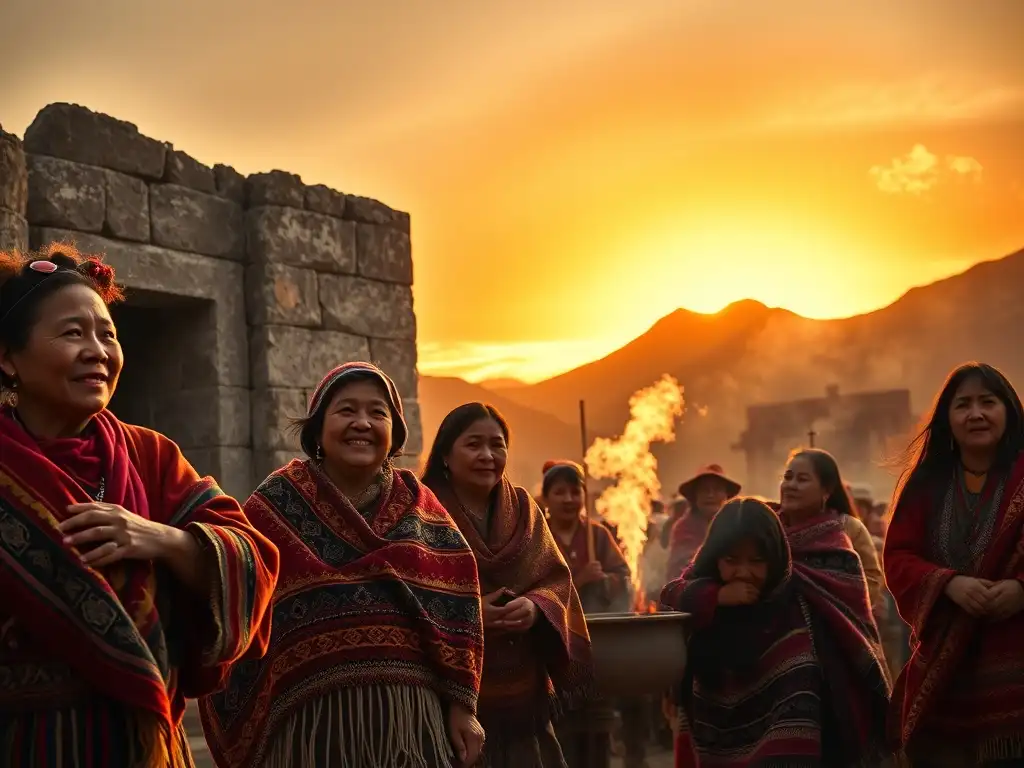
The vibrant tapestry of modern Andean celebrations is deeply rooted in the spiritual beliefs and practices of ancient civilizations. Understanding the ancient Andean festival traditions requires delving into the profound connection these cultures held with the cosmos, the land, and their ancestors. This spiritual core wasn't simply a matter of religious observance; it was integral to their daily lives, shaping their social structures, agricultural practices, and even their artistic expressions.
The enduring power of these traditions lies in their ability to foster a sense of continuity and belonging, linking contemporary Andean communities to a rich and complex past. We can observe this connection manifested in various ways, from the intricate details of ritual objects to the communal nature of festival participation.
The Cosmic Vision Behind Andean Ritual Practices
Ancient Andean societies possessed a sophisticated understanding of astronomy and its influence on their lives. Their festivals were meticulously timed to coincide with significant astronomical events, such as solstices and equinoxes. These events were not merely observed; they were actively celebrated, marking crucial moments in the agricultural cycle and signifying the harmonious interplay between the human and cosmic realms.
For example, the Inti Raymi, the Inca festival celebrating the winter solstice, was a grand spectacle involving elaborate rituals, sacrifices, and processions, all aimed at ensuring a bountiful harvest and appeasing the sun god, Inti. The precision with which these festivals were planned and executed underscores the deep-seated belief in the interconnectedness of the natural world and the divine.
This cosmic vision continues to inform many modern Andean festivals, albeit often adapted to contemporary contexts. The use of specific colors, symbols, and offerings in these celebrations often carries echoes of ancient beliefs and practices.
The Importance of Community Participation in Festival Celebrations
A defining characteristic of ancient Andean festival traditions was their intensely communal nature. Participation in these festivals wasn't merely optional; it was a fundamental aspect of social cohesion and identity. These events served as powerful opportunities for reaffirming social bonds, resolving conflicts, and reinforcing shared values. The collective nature of the rituals, dances, and feasts helped to strengthen community ties and foster a sense of unity.
This emphasis on collective participation extended beyond the immediate community; it often involved interactions and exchanges between different villages and regions, promoting social networks that facilitated trade, cooperation, and cultural exchange. Even today, many Andean festivals retain this community-centric approach. The preparation for the events, the performance of rituals, and the sharing of food and drink are collective endeavors, reinforcing the strong sense of community that characterizes Andean society.
The Ongoing Relevance of Ancient Andean Beliefs in Modern Life
Despite the passage of centuries, the spiritual beliefs and practices of ancient Andean cultures continue to resonate deeply within modern Andean society. While many aspects have evolved and adapted to new circumstances, the core values of community, reciprocity, and respect for the natural world remain central to Andean identity.
The enduring popularity of ancient festivals is a testament to their continued relevance. These festivals are not simply historical reenactments; they are living traditions that allow contemporary Andean communities to connect with their heritage, reaffirm their cultural identity, and maintain a sense of continuity with their ancestors.
The vibrant colors, intricate costumes, and evocative music of these celebrations serve as powerful reminders of the rich cultural legacy of the Andes and the enduring power of ancient Andean festival traditions. This enduring connection to the past provides a sense of stability and meaning in a rapidly changing world, demonstrating the profound and enduring influence of ancient Andean beliefs on modern life.
Further Exploration: Specific Examples of Continuity
The Pachamama celebrations, for instance, continue to be widely practiced across the Andes. These rituals, involving offerings to the Earth Mother, directly reflect ancient Andean beliefs about the interconnectedness of humans and nature. Similarly, many modern Andean festivals incorporate elements of ancient Andean music, dance, and storytelling, demonstrating the ongoing vitality of these traditions.
Conclusion: The Timeless Spirit of Ancient Andean Festival Traditions
This exploration of ancient Andean festival traditions reveals a vibrant tapestry woven from ritual, agriculture, and spiritual beliefs. The echoes of these ancient celebrations resonate powerfully in modern Andean culture, demonstrating the enduring influence of these sophisticated civilizations.
Understanding these historical practices provides crucial context for appreciating the rich cultural heritage of the Andes today. From the Inti Raymi, celebrating the Inca sun god, to the less widely known but equally significant festivals of other Andean cultures like the Moche's agricultural rites, the common thread is the deep connection between the people and their environment, a connection that continues to shape Andean life.
The Enduring Power of Ritual and Celebration in Andean Culture
The legacy of ancient Andean festivals is not merely historical; it's living. Many modern Andean celebrations retain elements—albeit often adapted—from their ancient predecessors. The vibrant colors, intricate costumes, and communal spirit reflect the enduring importance of ritual and celebration in Andean culture. Consider, for instance, the continued practice of pachas (offerings to the earth) in many Andean communities. These offerings, often involving food, coca leaves, and alcohol, are a direct descendant of ancient agricultural rituals aimed at ensuring a bountiful harvest. The symbolic significance of these actions, passed down through generations, demonstrates the powerful transmission of cultural memory.
The continuity is not always direct; modern festivals often blend ancient traditions with Catholic influences introduced during the colonial period. This syncretism, however, doesn't diminish the significance of the ancient roots. Instead, it highlights the adaptability and resilience of Andean culture, its ability to integrate new elements while retaining its core values and beliefs. This fusion is evident in many celebrations, where pre-Columbian rituals are interwoven with Catholic feast days, creating unique and compelling expressions of faith and community.
Furthermore, the revival and renewed interest in ancient Andean festival traditions in recent decades represent a conscious effort to reclaim and celebrate cultural heritage. This active engagement with the past is not just about preserving history; it's about fostering a sense of identity and pride within Andean communities. The meticulous reconstruction of ancient ceremonies, the research into lost rituals, and the efforts to document and share this knowledge contribute to the ongoing vitality of ancient Andean festival traditions.
This active preservation ensures that the spirit of these ancient celebrations continues to inspire and enrich Andean culture for generations to come. The meticulous documentation and preservation efforts are crucial in ensuring that future generations can connect with the rich tapestry of their ancestral heritage.
The spirit of ancient Andean festival traditions, therefore, is not merely a relic of the past, but a living force shaping Andean culture today and well into the future. 🎊
Frequently Asked Questions
What were some important ancient Andean festival traditions?
Many ancient Andean cultures held festivals celebrating agricultural cycles, ancestor veneration, and important deities. These often involved elaborate ceremonies, music, dance, and offerings. Specific traditions varied across cultures.
How did ancient Andean festivals reflect their worldview?
Festivals reflected the Andean worldview, emphasizing the interconnectedness of humans, nature, and the spiritual realm. Ceremonies were designed to maintain balance and harmony within this interconnected system. Rituals played a crucial role.
What role did agriculture play in ancient Andean festival traditions?
Agriculture was central to Andean life, so festivals often celebrated harvest cycles and fertility. Rituals aimed to ensure bountiful crops and appease deities associated with agriculture, showcasing their dependence on nature.
How are ancient Andean festival traditions observed today?
Many traditions persist in modern Andean communities. While some practices have evolved, elements like music, dance, and costumes continue to honor ancestral customs and celebrate harvests. Modern festivals often incorporate ancient elements.
What are some examples of specific ancient Andean festivals?
Examples include the Inca's Inti Raymi (celebrating the sun god), the Moche's festivals honoring their warrior-priests, and various harvest festivals across different cultures. These festivals often involved sacrifices, processions, and feasting.
Final Reflection: Echoes of the Andes in Modern Celebrations
The vibrant tapestry of ancient Andean festival traditions continues to resonate powerfully in the 21st century, a testament to the enduring human need for connection, community, and celebration. These aren't simply historical relics; they are living, breathing expressions of cultural identity that adapt and evolve while retaining their core spiritual significance. The enduring power of these festivals speaks volumes about the strength and resilience of Andean culture.
The influence of these ancient practices extends far beyond the Andes themselves, shaping contemporary artistic expressions, influencing tourism, and inspiring new forms of community building. Their emphasis on harmony with nature, respect for ancestral spirits, and the celebration of life's cycles offers a powerful counterpoint to the often-fragmented and materialistic nature of modern society. The past is never dead. It's not even past.
– William Faulkner. This quote perfectly encapsulates the enduring legacy of these festivals, demonstrating how their echoes continue to shape our present and inform our future.
Consider the profound wisdom embedded within these ancient rituals. Think about the ways in which you can incorporate a sense of community, respect for nature, and mindful celebration into your own life. Let the spirit of the Andes inspire you to find joy in shared experiences, to connect with the rhythms of the natural world, and to honor the rich heritage that binds us together across time and space. Embrace the legacy of these vibrant traditions and discover the transformative power they hold for your own journey.
Embrace the Spirit of the Andes: Celebrate Today!
Thank you for exploring the rich traditions of Andean festivals with us! Your interest in these ancient celebrations connects you to a vibrant culture that continues to inspire. Now, let's keep that spirit alive!
Here are some ways you can engage and celebrate:
- **Host an Andean-themed gathering:** Invite friends to experience the joy of Andean music, dance, and cuisine. Share your newfound knowledge of the festivals and create a unique celebration.
- **Attend local cultural events:** Check your community for festivals or events celebrating Andean traditions. Connecting with others who share your interest will enhance your experience.
- **Share your passion:** Spread the word! Discuss the significance of these festivals on social media or in conversations. You could even start a blog to share your enthusiasm and inspire others to learn more about Andean cultures.
Which Andean festival most captivates you, and why? Share your thoughts—let's celebrate the spirit together!