
The Soul of the Land: How Andean Environmental Practices Inspire Sustainability


Uncover the secrets of a world lost to time, yet echoing in our present. Journey with us into the heart of the Andes, where ancient civilizations thrived, leaving behind a legacy far beyond gold and grandeur. Discover how innovative Andean sustainable practices shaped their societies and continue to offer vital lessons for our own time. Prepare to be amazed by the ingenuity and wisdom of the Incas, Moche, Nazca, and Tiahuanaco – their story is far from over.
The Andes Mountains, a spine of towering peaks stretching along the western coast of South America, are home to a rich tapestry of ancient civilizations whose ingenuity and deep connection to the environment continue to inspire contemporary sustainable practices. For millennia, cultures like the Inca, Moche, Nazca, and Tiahuanaco developed sophisticated agricultural techniques, resource management systems, and a profound respect for the Pachamama—Mother Earth—that offer invaluable lessons for our modern world grappling with environmental challenges. This article delves into the remarkable Andean sustainable practices, exploring their historical context and their enduring relevance in fostering a more sustainable future.
We will examine how these ancient wisdoms can inform our approach to agriculture, water management, and overall resource stewardship, ultimately highlighting the powerful legacy of Andean civilizations on modern sustainable initiatives. Understanding these practices is not merely an academic exercise; it's a crucial step towards building a more environmentally responsible world.
Ingenious Agricultural Techniques: Terracing and Irrigation
Andean civilizations weren't just adept at adapting to challenging terrains; they actively shaped them to their advantage. The iconic terraced fields carved into mountain slopes are a testament to their engineering prowess and understanding of environmental limitations. These terraces, often meticulously constructed using stone walls, served multiple purposes.
They prevented soil erosion, conserved water by slowing runoff, and created microclimates suitable for diverse crops. The intricate network of irrigation canals, some stretching for kilometers, further demonstrated their mastery of water management, ensuring a reliable water supply even in arid regions. These systems were not merely functional; they were deeply integrated into the social fabric of Andean communities, reflecting a collective responsibility for environmental stewardship.
The precision and scale of these projects are truly astonishing, showcasing a deep understanding of hydrology and soil science far ahead of their time. Examples of particularly well-preserved terrace systems can be found in [specific location pending] and [specific location pending], offering valuable insights into their construction and maintenance.
Reverence for Pachamama: A Holistic Approach to Sustainability
The Andean worldview is fundamentally intertwined with a deep respect for Pachamama, the Earth Mother. This wasn't simply a religious belief; it was a guiding principle that permeated all aspects of life, from agricultural practices to resource management. The concept of ayni—reciprocity—was central to their social and ecological interactions. Communities understood their dependence on the environment and reciprocated by carefully managing resources, avoiding overexploitation, and practicing sustainable harvesting techniques.
This holistic approach went beyond mere practicality; it fostered a profound sense of connection and responsibility towards the natural world. The spiritual dimension of their relationship with the environment is a crucial aspect to consider when understanding the longevity and effectiveness of their sustainable practices. This holistic perspective, emphasizing the interconnectedness of all living things, offers a powerful counterpoint to the often fragmented approach to environmentalism in modern societies.
The Enduring Legacy: Modern Applications of Andean Wisdom
The enduring legacy of Andean sustainable practices is increasingly recognized in contemporary efforts to promote environmental sustainability. Modern agricultural techniques are drawing inspiration from traditional Andean methods, such as agroforestry and crop diversification, to improve resilience and reduce environmental impact. Water management strategies are also incorporating elements of Andean ingenuity, focusing on decentralized systems and efficient water use. Furthermore, the concept of ayni—reciprocity—finds resonance in modern discussions of environmental justice and the need for equitable resource distribution.
The revival and adaptation of these ancient practices offer valuable tools for addressing modern environmental challenges, demonstrating the timeless relevance of Andean wisdom. However, careful consideration must be given to the context of modern application, avoiding simplistic mimicry and instead focusing on the underlying principles of these traditional systems. The integration of modern science with ancient wisdom offers a powerful pathway towards achieving true sustainability.
Challenges and Opportunities for the Future
While the lessons from Andean sustainable practices are invaluable, it's crucial to acknowledge the challenges in applying them to contemporary contexts. Population growth, climate change, and economic pressures often necessitate a more nuanced approach. However, these challenges also present opportunities for innovation and collaboration. By integrating traditional knowledge with modern technology and scientific understanding, we can develop more resilient and equitable solutions to environmental issues.
Further research into specific Andean practices, coupled with community-based initiatives, are essential to ensuring the effective and responsible application of these ancient wisdoms. The future of sustainable development lies in understanding and respecting the deep connection between humans and the environment, a connection that Andean civilizations exemplified for millennia. The path forward requires a collaborative effort, blending ancient wisdom with modern innovation to create a sustainable future for all.
- Ingenious Agricultural Techniques: Terracing and Irrigation
- Reverence for Pachamama: A Holistic Approach to Sustainability
- The Enduring Legacy: Modern Applications of Andean Wisdom
- Challenges and Opportunities for the Future
- What are some examples of Andean sustainable practices discussed in the article?
- How did Andean civilizations manage water resources sustainably?
- What role did agriculture play in Andean sustainable practices?
- How did the Andean worldview influence their sustainable practices?
- What can modern society learn from Andean sustainable practices?
The Enduring Legacy of Andean Sustainable Practices

This section explores the lasting impact of ancient Andean environmental practices on modern sustainability efforts. We'll delve into the sophisticated understanding of their relationship with the environment, highlighting the ingenious techniques they employed to ensure resource management and ecological balance. Understanding these practices offers valuable lessons for contemporary societies grappling with environmental challenges.
The ingenuity and wisdom of these ancient cultures provide a powerful counterpoint to modern unsustainable practices, offering a path towards a more harmonious future. The term "Andean sustainable practices" itself encompasses a broad range of techniques, reflecting the diverse ecological zones and societal structures across the Andes.
Understanding Ancient Andean Environmental Wisdom
Ancient Andean civilizations, including the Incas, Moche, Nazca, and Tiahuanaco, developed a profound understanding of their environment. Their survival depended on it. Unlike many other ancient societies, their worldview wasn't one of conquering nature, but of living in harmony with it.
This philosophy is reflected in their agricultural practices, water management systems, and overall resource utilization. For example, the terracing techniques employed across mountainous regions were not merely impressive feats of engineering; they were carefully designed to optimize water retention, reduce soil erosion, and maximize crop yields. These weren't haphazard efforts; they were the result of centuries of observation, experimentation, and adaptation to the unique challenges of the Andean landscape.
This deep understanding of ecological processes allowed for sustainable practices that ensured the long-term viability of their communities. Evidence suggests a sophisticated understanding of plant life cycles, soil fertility, and water distribution, all vital elements in their sustainable approach. They meticulously observed the natural rhythms of the Andes, adapting their practices to seasonal changes and environmental variations.
The careful management of water resources is another key aspect of Andean sustainable practices. They constructed intricate irrigation systems, canals, and reservoirs, demonstrating a remarkable capacity for water resource management. These systems, often integrated with agricultural terraces, ensured an equitable distribution of water across vast areas, minimizing water waste and maximizing agricultural productivity.
The ingenuity of these systems is particularly striking considering the technological limitations of the time. Their success lies in the holistic approach, integrating engineering with a deep understanding of the hydrological cycle and the needs of the environment. The ingenuity and wisdom embedded within these systems continue to inspire modern-day water management strategies.
The Connection Between Andean Culture and Nature
The relationship between Andean culture and nature extended far beyond practical considerations. Nature was deeply interwoven into their spiritual and religious beliefs. Mountains, rivers, and other natural elements were often venerated as sacred entities, reflecting a profound respect for the life-giving forces of the environment. This spiritual connection fostered a sense of responsibility towards the natural world, further reinforcing sustainable practices. The concept of Pachamama, Mother Earth, embodies this deep-seated reverence for the natural world, highlighting the interconnectedness between human beings and their environment.
Pachamama wasn't merely a passive resource; she was a living entity deserving of respect and careful stewardship. This worldview permeated all aspects of Andean life, shaping their social structures, economic activities, and environmental practices. This profound spiritual connection is a crucial factor in understanding the remarkable sustainability of their practices. It wasn't just about survival; it was about living in harmony with the forces that sustained them.
This integrated approach offers a valuable lesson for contemporary societies struggling to balance economic development with environmental protection. The Andean example suggests that true sustainability requires a holistic approach that integrates spiritual values, cultural practices, and technological innovation. Understanding the Andean perspective on sustainable practices is crucial for developing effective and lasting solutions to modern environmental challenges. The legacy of Andean sustainable practices, therefore, extends beyond practical techniques; it offers a profound philosophical framework for a more sustainable future.
Key Principles of Andean Environmental Management
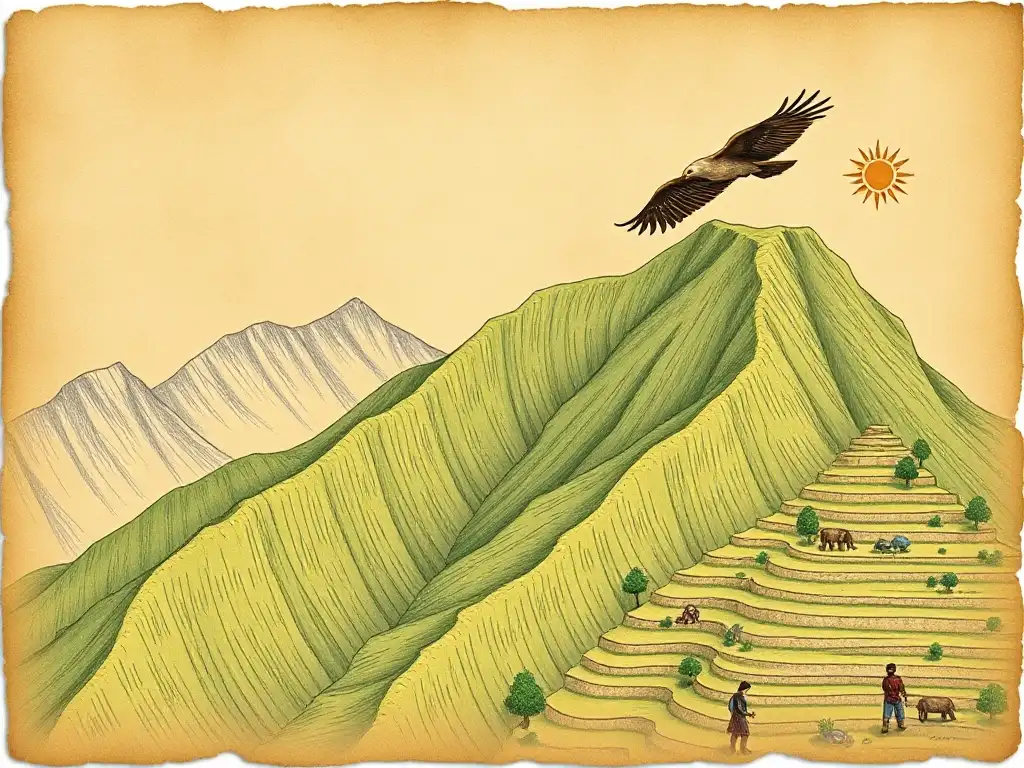
The remarkable achievements of Andean civilizations weren't solely based on intricate social structures and impressive architecture. Their profound understanding and respectful management of their environment played a crucial role in their success and longevity. This section explores the core principles underpinning their sustainable practices, showcasing their ingenuity and foresight which continue to inspire modern approaches to environmental stewardship. Understanding these principles is key to appreciating the enduring legacy of Andean sustainable practices and their relevance to contemporary challenges. The ingenuity of their systems, developed over millennia, offers valuable lessons for modern sustainability efforts.
Andean Agricultural Techniques for Sustainability
Andean agricultural practices weren't merely methods of food production; they were sophisticated systems designed to maximize yields while minimizing environmental impact. The unique geography of the Andes, with its diverse altitudes and microclimates, demanded innovative solutions. These solutions, honed over centuries, offer compelling examples of sustainable agriculture. The integration of diverse techniques reveals a deep understanding of ecological balance, a testament to the Andean peoples' connection with their land.
Terracing for Soil Conservation
Terracing, the creation of step-like formations on slopes, is perhaps the most visually striking example of Andean agricultural ingenuity. This technique dramatically reduced soil erosion, a significant problem in mountainous regions. By creating level platforms, farmers prevented topsoil loss from rainfall and wind, ensuring consistent yields over generations.
The precision and scale of some terraced landscapes, such as those found in the Sacred Valley of the Incas, are truly breathtaking. The construction itself often involved meticulous stonework, demonstrating the labor-intensive nature of this sustainable practice, yet highlighting its long-term benefits. Data suggests that terraced fields maintained fertility for hundreds of years, with minimal need for external inputs.
Water Management Systems in the Andes
Effective water management was crucial for Andean agriculture. The complex network of canals, aqueducts, and reservoirs constructed by various Andean cultures, such as the Nazca and Inca, are a testament to their engineering prowess and their understanding of hydrological processes. These systems not only provided irrigation for crops but also regulated water flow, preventing floods and droughts.
The sophisticated design of these systems, often incorporating gravity-fed channels and strategically placed reservoirs, ensured efficient water distribution even in challenging terrains. Studies of these ancient systems continue to inform modern water management strategies, particularly in arid and semi-arid regions. The ingenuity of these systems, tailored to the specific needs of each region, is a powerful demonstration of adaptable sustainable practices.
Crop Rotation and Biodiversity
Andean farmers practiced crop rotation and intercropping, techniques that promoted soil health and biodiversity. By alternating different crops in a field, they prevented nutrient depletion and reduced the risk of pest infestations. The integration of diverse crops, including potatoes, maize, quinoa, and beans, created a resilient agricultural system capable of withstanding environmental variability.
This approach to biodiversity not only ensured food security but also enhanced the overall ecological health of the farming systems. This strategy is a powerful example of how Andean sustainable practices fostered resilience and adaptability in the face of environmental challenges. Modern agricultural practices can learn from this holistic approach, moving away from monocultures and embracing biodiversity.
Andean Approaches to Resource Management
Beyond agriculture, Andean resource management encompassed a holistic approach to the utilization of natural resources. This involved careful consideration of the environment's carrying capacity and the long-term consequences of resource extraction. The principles of reciprocity and sustainability were deeply embedded in their worldview, shaping their interactions with the natural world. This section delves into specific aspects of their resource management strategies, highlighting their remarkable foresight and sustainable practices.
Sustainable Use of Natural Resources
Andean civilizations demonstrated a remarkable capacity for sustainable resource management. Their use of materials like wood, stone, and metals was often guided by principles of conservation and reuse. They developed techniques to minimize waste and maximize the lifespan of their tools and structures. Examples include the meticulous reuse of building materials and the careful selection of timber for construction.
This approach contrasted sharply with many modern practices characterized by excessive consumption and disposability. The longevity of many Andean structures, even those built centuries ago, is a testament to the durability and sustainability of their building practices. This approach to resource management offers valuable insights for modern societies struggling with issues of resource depletion and environmental degradation.
Community-Based Environmental Stewardship
Environmental stewardship in Andean societies was often rooted in community-based practices. Collective responsibility for resource management fostered a strong sense of shared ownership and sustainability. Decision-making processes often involved community consensus, ensuring that environmental concerns were integrated into social and economic activities. This approach contrasts with modern, often individualistic, approaches to resource management.
The success of Andean societies in maintaining ecological balance over centuries suggests that community-based stewardship is a crucial component of long-term environmental sustainability. Modern environmental initiatives can benefit from adopting similar community-focused approaches, fostering collective responsibility and shared ownership of environmental resources. The emphasis on communal well-being, intrinsically linked to environmental health, offers a powerful lesson for contemporary sustainability efforts.
Modern Applications of Andean Sustainable Practices

The ingenuity of Andean civilizations in harmonizing with their environment offers invaluable lessons for contemporary sustainability efforts. Their sophisticated understanding of water management, agricultural techniques, and resource conservation provides a blueprint for addressing modern ecological challenges. This section explores how these ancient practices are being re-evaluated and applied in the 21st century, demonstrating the enduring relevance of Andean wisdom. The term "Andean sustainable practices" itself encapsulates the holistic approach these civilizations took, integrating social, economic, and environmental considerations. This differs significantly from many modern approaches which often compartmentalize these aspects.
Inspiring Contemporary Sustainable Agriculture
Andean agricultural techniques, developed over millennia to thrive in diverse and often challenging terrains, offer numerous insights for modern sustainable agriculture. The waru waru system, for example, a sophisticated raised-bed agricultural system used by pre-Inca cultures, is experiencing a resurgence in interest. This system, characterized by its intricate network of irrigation canals and raised beds, significantly improves water retention, reduces soil erosion, and increases crop yields, even in arid climates.
Studies have shown that waru waru systems can increase yields by up to 30% compared to conventional methods, while simultaneously reducing water consumption. This makes it a highly relevant solution for regions facing water scarcity and desertification.
Furthermore, the Andean emphasis on crop diversification and intercropping—planting multiple crops together—is being adopted by modern sustainable farming practices. This approach mimics the biodiversity of natural ecosystems, reducing the risk of crop failure and improving soil health. Traditional Andean knowledge of companion planting, where certain crops are planted together to benefit each other, is also being scientifically investigated and integrated into modern agricultural practices.
For instance, the combination of beans and maize, a staple in Andean diets, exemplifies this synergistic relationship, with the beans fixing nitrogen in the soil, benefiting the maize. This natural fertilization process reduces the need for synthetic fertilizers, a significant contributor to environmental pollution.
Adapting Andean Techniques for Global Challenges
The principles of Andean sustainable practices extend beyond agriculture, offering solutions to a range of global challenges. Their understanding of water management, for instance, is particularly relevant in a world increasingly grappling with water scarcity. The sophisticated canal systems built by the Inca, designed to efficiently distribute water across vast distances and diverse terrains, continue to inspire modern irrigation projects. These systems demonstrate a deep understanding of hydrology and the importance of water conservation, crucial for sustainable water resource management in many regions.
Moreover, Andean societies' reverence for nature and their deep understanding of ecological interconnectedness provide a valuable framework for modern conservation efforts. Their sustainable harvesting practices, which prioritized long-term resource availability over short-term gains, offer a stark contrast to many modern extractive practices. Understanding the Andean worldview, where nature is not merely a resource to be exploited but a source of life and spirituality, can help foster a more responsible and sustainable relationship with the environment. This holistic approach to resource management is becoming increasingly crucial in addressing climate change and biodiversity loss.
Agroforestry Initiatives in the Amazon
The application of Andean principles in the Amazon rainforest presents a unique opportunity for sustainable development. The integration of traditional Andean agroforestry techniques, which combine trees and crops in a single farming system, offers a way to enhance biodiversity, improve soil fertility, and mitigate deforestation. This approach can provide a more sustainable alternative to large-scale monoculture farming, which often leads to soil degradation and habitat loss.
Studies show that agroforestry systems, inspired by Andean models, increase carbon sequestration and support a greater diversity of plant and animal life. The specific data on increased carbon sequestration and biodiversity enhancement needs further research tailored to Amazonian contexts, but the potential is considerable. This approach also has the potential to improve the livelihoods of indigenous communities by providing a more resilient and diversified agricultural system.
The integration of Andean knowledge with local Amazonian practices promises a synergistic approach to sustainable development in this vital ecosystem. Further research is needed to fully assess the potential of this integration.
The Role of Andean Environmental Knowledge in Climate Change Mitigation
Andean communities, for millennia, have developed intricate systems of resource management deeply intertwined with their spiritual beliefs and understanding of the environment. This traditional ecological knowledge (TEK) offers valuable insights for mitigating the impacts of climate change. Their sustainable practices, honed over centuries, provide a blueprint for modern approaches to environmental stewardship. Understanding and applying this knowledge is crucial in developing effective and culturally sensitive climate change adaptation and mitigation strategies.
One key aspect is their understanding of water management. Andean civilizations, like the Inca, developed sophisticated irrigation systems, terraces, and water storage techniques to optimize water use in diverse and often challenging terrains. These techniques, which included understanding water cycles and soil types, ensured agricultural productivity even in arid regions.
Modern applications of these principles could significantly improve water efficiency in agriculture, reducing water stress and contributing to climate change mitigation by decreasing the energy required for irrigation. For instance, modern agricultural projects in the Andes are beginning to incorporate traditional terrace farming techniques to reduce soil erosion and improve water retention, directly addressing the challenges posed by changing rainfall patterns.
Another crucial element is their approach to biodiversity conservation. Andean communities recognized the interconnectedness of different species and ecosystems, fostering a deep respect for biodiversity. This is reflected in their agricultural practices, which often incorporated agroforestry systems and the cultivation of a wide variety of crops, creating resilient ecosystems.
Modern conservation efforts can learn from this approach by promoting agroforestry techniques and supporting the cultivation of native and diverse crops. This diversification strengthens ecosystems, enhances their resilience against climate change impacts, and contributes to carbon sequestration. The preservation of traditional Andean farming practices, therefore, isn't just a cultural preservation effort; it's a crucial component of a larger strategy to combat climate change.
Furthermore, the Andean worldview, which emphasizes reciprocity and harmony between humans and nature, offers a valuable philosophical framework for tackling climate change. This worldview, unlike many modern approaches that prioritize resource extraction, promotes a sense of responsibility towards the environment. Incorporating this perspective into modern environmental policies and public awareness campaigns could foster a more sustainable relationship with the environment, promoting responsible consumption and reducing greenhouse gas emissions.
The Andean concept of ayni—reciprocity—highlights the interconnectedness of all living things and the importance of giving back to the environment. This philosophy is profoundly relevant in the context of climate change, urging us to consider the long-term consequences of our actions and to strive for a more equitable and sustainable future. Modern societies can learn from this holistic approach and integrate it into their environmental policies and public discourse to achieve more effective results in climate change mitigation.
The Spiritual Dimension of Andean Environmentalism
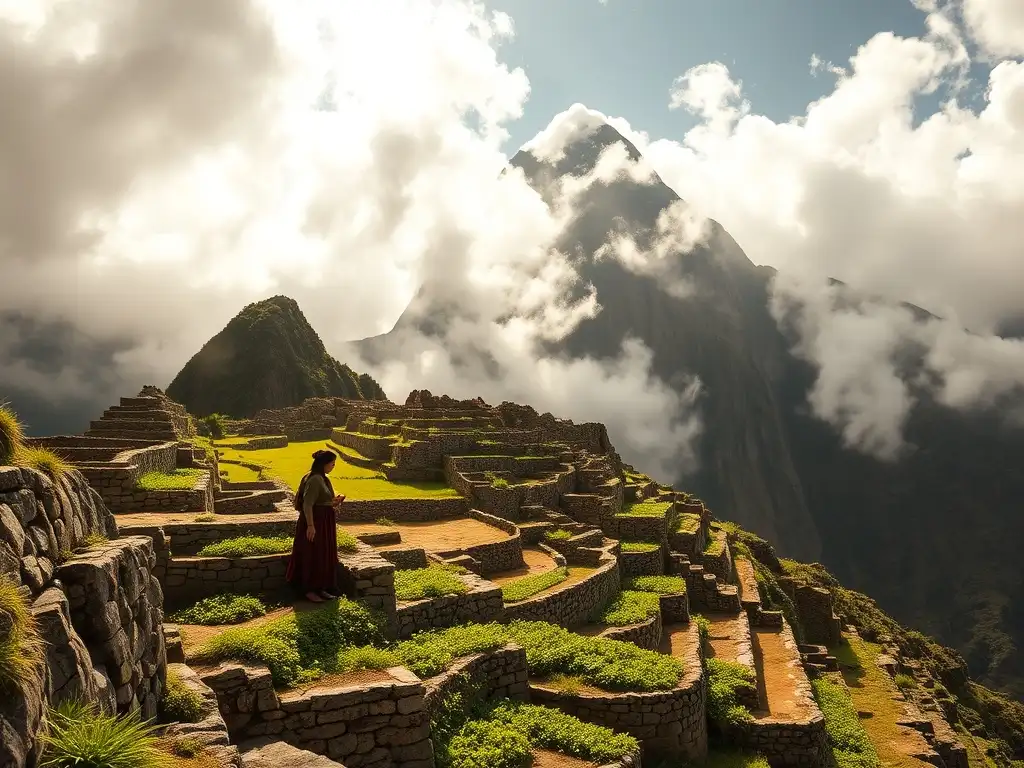
The Andean worldview is deeply intertwined with a profound respect for the environment, a reverence not solely based on practicality but rooted in a spiritual understanding of the interconnectedness of all living things. This spiritual dimension is crucial to understanding the remarkable sustainability achieved by ancient Andean civilizations and its continuing relevance for modern sustainable practices. Their relationship with nature wasn't transactional; it was a sacred covenant, a reciprocal exchange built on a foundation of deep spiritual beliefs.
This section explores the core spiritual tenets that underpinned their environmental stewardship, offering insights into the enduring wisdom of Andean sustainable practices. Understanding this spiritual context is vital to appreciating the holistic nature of their approach, which contrasts sharply with many modern, often fragmented, approaches to environmentalism.
The enduring legacy of these beliefs continues to shape modern Andean communities and offers valuable lessons for global sustainability efforts. The key to understanding Andean sustainable practices lies in grasping this deeply spiritual connection to the land.
Pachamama: The Andean Concept of Mother Earth
Pachamama, the Andean concept of Mother Earth, is central to understanding the spiritual foundation of their environmental practices. Pachamama isn't merely a geographical entity; she is a living, breathing entity, a divine feminine force that nurtures all life. She is revered as the source of sustenance, fertility, and life itself. This profound respect for Pachamama translated into careful stewardship of the land, a recognition that harming the earth was tantamount to harming a sacred being.
Ancient Andean communities didn't view themselves as separate from nature but as integral parts of it. Their agricultural practices, for instance, were not simply about maximizing yield; they were rituals designed to honor and maintain the balance within Pachamama. The meticulous terracing techniques, the careful selection of crops adapted to specific microclimates, and the intricate water management systems were all expressions of this deep-seated reverence. The annual festivals and ceremonies dedicated to Pachamama underscore the importance of maintaining a harmonious relationship with her, ensuring her continued bounty and protection.
Even today, many Andean communities continue these traditions, demonstrating the enduring power of this spiritual connection. The concept of Pachamama offers a powerful model for contemporary environmental ethics, emphasizing the need to move beyond anthropocentric views and embrace a more holistic and respectful relationship with the planet. It's a powerful example of Andean sustainable practices rooted in spiritual belief.
The Importance of Reciprocity in Andean Worldview
The Andean worldview emphasizes ayni, the principle of reciprocity and balance. This principle governs all aspects of Andean life, from interpersonal relationships to interactions with the natural world. Ayni dictates that everything in the universe is interconnected and that a harmonious existence depends on maintaining a balance of giving and receiving. In the context of environmental practices, ayni meant that humans had a responsibility to give back to Pachamama as much as they received. This wasn't simply a matter of pragmatic resource management; it was a spiritual obligation.
Sustainable agricultural practices, such as crop rotation and the careful use of fertilizers, were not just efficient methods; they were acts of reciprocity, a way of repaying Pachamama for her generosity. Similarly, the meticulous preservation of water resources was not just a matter of practicality; it was a way of honoring the life-giving waters that flowed from Pachamama. The concept of ayni fostered a sense of responsibility and stewardship that ensured the long-term sustainability of Andean communities. This reciprocal relationship extended beyond the immediate environment, encompassing the entire ecosystem.
The meticulous observation of natural cycles, the understanding of ecological interdependencies, and the respect for all living beings were all manifestations of this principle. The enduring power of ayni as a guiding principle in Andean sustainable practices offers a valuable lesson for modern societies grappling with environmental challenges. It highlights the importance of moving beyond a purely utilitarian approach to nature and embracing a more ethical and reciprocal relationship with the environment. Understanding ayni helps us unlock the deeper meaning behind Andean sustainable practices.
Lessons from the Andes: A Call for Global Sustainability
The Andes Mountains, a spine of towering peaks running down the western coast of South America, are not just a geographical feature; they are a testament to the ingenuity and resilience of the Andean civilizations. For centuries, these cultures thrived in challenging environments, developing sophisticated agricultural techniques and resource management strategies that resonate deeply with contemporary concerns about sustainability. Understanding their approaches offers invaluable insights for a world grappling with climate change and ecological degradation.
The term "Andean sustainable practices" encapsulates a holistic approach, far beyond simple resource conservation. It represents a deep-seated connection between people and their environment, a philosophy woven into the fabric of their societies. This section explores how these practices, rooted in deep understanding of their ecosystems, can inform and inspire modern environmental policies worldwide.
Integrating Andean Wisdom into Modern Environmental Policies
Modern environmental policies often focus on individual actions and technological solutions. While these are crucial, they often lack the holistic perspective that characterized Andean approaches. The Andean worldview emphasized a reciprocal relationship with nature, viewing humans as part of, not separate from, the ecosystem. This is fundamentally different from many Western approaches that often prioritize human needs above all else.
For example, the ayllu, the traditional Andean community system, fostered collective responsibility for resource management. Land wasn't privately owned but held communally, ensuring sustainable use and preventing overexploitation. This contrasts sharply with modern models of private land ownership, which can incentivize unsustainable practices driven by short-term profit maximization.
The intricate terrace farming systems of the Andes, adapted to diverse altitudes and microclimates, provide a powerful example of sustainable agriculture. These terraces not only increased arable land but also minimized soil erosion and water runoff. Modern agriculture, in contrast, often relies on intensive monoculture and chemical fertilizers, leading to soil degradation, water pollution, and biodiversity loss. Integrating Andean techniques, such as crop rotation and intercropping, into modern farming practices could significantly improve soil health and reduce environmental impact.
Furthermore, the Andean understanding of water management was exceptionally sophisticated. They constructed intricate systems of canals, reservoirs, and aqueducts to efficiently distribute water resources, even in arid regions. This approach, focused on water conservation and equitable distribution, offers valuable lessons for managing water scarcity in a changing climate. We can learn from their careful observation of water cycles and their development of infrastructure that maximized water use efficiency. Modern water management often struggles with issues of equitable access and unsustainable extraction, and Andean practices provide a compelling alternative.
The Future of Sustainable Development Inspired by the Andes
The principles of Andean sustainable practices are not merely historical artifacts; they are highly relevant to the challenges facing humanity today. The concept of sumaq kawsay – the good life – embodies a holistic approach to well-being that incorporates environmental harmony. This philosophy prioritizes community, reciprocity, and respect for nature, offering a powerful counterpoint to consumerist and extractive economic models. Embracing sumaq kawsay requires a fundamental shift in values, moving away from a focus on material wealth to a more balanced approach that values social justice and ecological integrity.
The integration of Andean wisdom into sustainable development requires more than simply adopting specific techniques. It demands a deeper engagement with the underlying philosophy that shaped these practices. This involves acknowledging the interconnectedness of human and natural systems, promoting community-based resource management, and valuing traditional ecological knowledge.
This requires a collaborative, interdisciplinary approach that brings together indigenous communities, scientists, policymakers, and other stakeholders to develop innovative solutions that are both environmentally sound and socially just. The future of sustainable development lies in learning from the past, and the Andes offer a rich tapestry of lessons for building a more equitable and sustainable world.
The legacy of Andean sustainable practices is a powerful reminder that true progress requires a harmonious relationship between humanity and nature, a concept crucial for navigating the complexities of the 21st century and beyond. Understanding and applying these principles is not just about preserving the past; it is about securing a sustainable future for all.
Frequently Asked Questions
What are some examples of Andean sustainable practices discussed in the article?
The article highlights several sustainable practices, including innovative water management systems, such as canals and irrigation techniques, and terracing for agriculture to prevent soil erosion. It also mentions their respect for the environment and cyclical understanding of nature.
How did Andean civilizations manage water resources sustainably?
Andean civilizations developed sophisticated irrigation systems and water storage techniques, like reservoirs and canals, to efficiently manage water resources, especially in arid climates. This ensured agricultural productivity and minimized water waste.
What role did agriculture play in Andean sustainable practices?
Agriculture was central to Andean life, and their sustainable practices focused on terracing, crop rotation, and fertilizer use to maximize yields while minimizing environmental impact. They understood the importance of soil conservation.
How did the Andean worldview influence their sustainable practices?
The Andean worldview emphasized a deep connection with nature, viewing themselves as part of a larger ecosystem. This spiritual connection fostered a respect for the environment and promoted sustainable practices rooted in reciprocity and balance.
What can modern society learn from Andean sustainable practices?
Modern society can learn valuable lessons from Andean ingenuity, including the importance of resource management, community-based approaches, and respect for ecological limits. Their holistic approach offers valuable insights for creating a more sustainable future.
Final Reflection: Weaving the Threads of Andean Wisdom for a Sustainable Future
The ancient wisdom embedded in Andean environmental practices offers a powerful antidote to the ecological crises of our time. Their holistic approach, emphasizing harmony between humanity and nature, stands as a stark contrast to the exploitative models that have dominated global development for centuries. This isn't just history; it's a vital blueprint for a sustainable future.
The enduring legacy of Andean sustainable practices continues to resonate, shaping contemporary movements towards ecological responsibility and challenging dominant narratives of progress. Their deep understanding of interconnectedness – a philosophy woven into their agricultural techniques, water management systems, and spiritual beliefs – offers a compelling alternative. The Earth is not something we inherit from our ancestors, it is something we borrow from our children.
This sentiment, though not directly Andean, perfectly encapsulates the ethos at the heart of their practices, emphasizing a responsibility that extends beyond our own lifetimes.
Consider the profound implications of this wisdom. You, the reader, hold the power to integrate these principles into your daily life. Choose to support sustainable businesses, advocate for responsible environmental policies, and cultivate a deeper connection with the natural world around you. Let the soul of the land, as reflected in the ingenuity of Andean practices, inspire you to become a steward of our shared planet, ensuring a future where harmony between humanity and nature thrives.
**Embrace Sustainable Practices Today! **
Thank you for exploring the rich environmental wisdom of the Andes! You've discovered valuable insights that can inspire sustainable living. Now, let's put that knowledge into action to benefit our planet and our communities.
Here are some meaningful steps you can take:
- **Start a community project:** A neighborhood garden or cleanup initiative fosters collaboration and environmental stewardship.
- **Share your knowledge:** Discuss Andean sustainability practices with friends, family, or online to inspire others to adopt eco-friendly habits.
- **Learn more about Andean cultures:** Attend workshops or take online courses focused on traditional Andean environmental practices to deepen your understanding and commitment.
As you begin this journey, consider: What small, impactful change can you make this week to honor the Earth and embrace the spirit of Andean sustainability?