
The Spark of Defiance: Early Andean Uprisings Against the Conquistadors


Step into a world lost to time, yet echoing with defiance. Imagine the breathtaking landscapes of the Andes, a stage for empires as majestic as they were resilient. This is where the story of Andean resistance to conquistadors unfolds—a tale of cunning strategies, unwavering courage, and a fight for survival against overwhelming odds. Discover the surprising tactics employed by the Andean people and learn how their legacy continues to inspire awe and wonder. Prepare to be captivated by The Spark of Defiance: Early Andean Uprisings Against the Conquistadors.
The Spanish conquest of the Andes wasn't a swift, unopposed takeover. Far from it.
While the superior weaponry and tactics of the conquistadors played a significant role, the narrative of the conquest is incomplete without acknowledging the fierce and often surprisingly effective resistance mounted by the diverse Andean populations. This article explores the early Andean uprisings against the Spanish conquistadors, focusing on the initial encounters that sparked rebellion and highlighting key examples of defiance that, while ultimately unsuccessful in preventing the Spanish advance, demonstrate the resilience and organizational capacity of Andean societies in the face of overwhelming odds.
Understanding this Andean resistance to conquistadors is crucial to gaining a complete picture of this pivotal historical period and appreciating the complex cultural interactions that shaped the region's future. We will examine the initial clashes, the strategies employed by both sides, and the long-term consequences of these early struggles, revealing a story of courage, ingenuity, and the enduring spirit of the Andean peoples.
Initial Encounters and the Seeds of Andean Resistance
The initial encounters between the Spanish conquistadors and the various Andean cultures were often characterized by a mixture of awe, curiosity, and ultimately, conflict. The Spanish, driven by the lust for gold and the zeal of religious conversion, underestimated the complexity and power of the Andean empires and smaller chiefdoms. They initially relied on strategies of deception and manipulation, exploiting existing tensions between different groups to advance their own interests.
However, the inherent differences in worldview, social structures, and military tactics quickly led to open warfare. The Andean peoples, initially surprised by the conquistadors' advanced weaponry (such as firearms and steel) and unfamiliar tactics, soon adapted and developed their own strategies of resistance. These ranged from guerilla warfare and ambushes in the challenging Andean terrain to the strategic use of their knowledge of the land and resources.
The initial phase of the conquest, therefore, laid the foundation for the more organized and widespread uprisings that would follow. The seeds of resistance were sown in these early encounters, fueled by the loss of life, the disruption of traditional ways of life, and the imposition of a foreign ideology. The initial shock gave way to a growing determination to fight for their independence and protect their ancestral lands.
The First Acts of Rebellion: Early Andean Uprisings
The initial awe and attempts at diplomacy quickly dissolved into open conflict as the true intentions of the Spanish became clear. The conquistadors' insatiable greed for gold and their brutal subjugation of the indigenous population ignited widespread resistance across the Andes. While large-scale organized rebellions would emerge later, the early years saw numerous smaller, localized uprisings—often spontaneous but deeply impactful—that showcased the Andean peoples' determination to resist.
These early uprisings, though often short-lived, played a critical role in shaping the longer-term resistance movements. They demonstrated the capacity for coordinated action, the willingness to fight back, and the importance of local leadership in challenging the Spanish.
These early acts of defiance, though individually unsuccessful, cumulatively weakened Spanish control and laid the groundwork for larger-scale rebellions in the years to come. The sheer number of these independent uprisings across the vast Andean region highlights the widespread nature of the resistance to Spanish rule.
The Uprising of the Muisca in the Bogotá Plateau
The Muisca Confederation, a powerful group inhabiting the Bogotá plateau, initially attempted a diplomatic approach to the Spanish. However, the Spanish disregard for Muisca customs and their relentless pursuit of gold quickly led to armed conflict. The Muisca employed guerilla tactics, utilizing their knowledge of the mountainous terrain to ambush and harass the Spanish forces.
Their resistance, though ultimately unsuccessful in preventing the Spanish conquest of the region, demonstrated their resilience and fighting spirit. The Muisca's organization and leadership proved vital in coordinating resistance, providing a valuable example for other Andean communities facing Spanish aggression. The legacy of their defiance continues to be remembered as a testament to their unwavering resistance against colonial oppression.
The Cañari's Resistance to the Spanish Invasion
The Cañari, inhabiting the southern highlands of present-day Ecuador, also mounted a fierce resistance against the Spanish. Known for their skilled warriors and strong community ties, the Cañari engaged in prolonged battles against the Spanish invaders. They employed guerilla tactics, utilizing the difficult terrain to their advantage and inflicting significant casualties on the Spanish. Their resistance highlights the diverse strategies employed by different Andean groups to combat the Spanish conquest.
Their prolonged resistance, although ultimately unsuccessful in preventing Spanish colonization, underscores the determination and organizational capacity of the Cañari people. Their example serves as a potent symbol of Andean resistance in the face of overwhelming odds. The Cañari's story demonstrates the enduring spirit of resistance that characterized many Andean communities throughout the conquest.
Key Figures in the Early Andean Resistance
The Andean resistance to the conquistadors wasn't a monolithic movement; it was a tapestry woven from countless acts of defiance, led by individuals who, despite facing overwhelming odds, ignited the flames of rebellion. Understanding these key figures is crucial to grasping the complexity and resilience of Andean resistance to Spanish rule. Their leadership, strategies, and unwavering commitment to their people shaped the early stages of the struggle against the invaders.
These courageous leaders, often overlooked in traditional narratives, played pivotal roles in delaying the complete subjugation of the Andes. They inspired countless others to take up arms and fight for their freedom, their culture, and their land. Their stories are a testament to the enduring spirit of the Andean peoples.
Further research into regional variations in leadership and resistance is needed to fully understand the nuances of this complex historical period. The available historical records, often biased towards the Spanish perspective, present challenges in reconstructing a complete picture of these leaders and their actions.
Aquiminzaque: A Symbol of Early Muisca Defiance
Aquiminzaque, a cacique (chieftain) of the Muisca people in present-day Colombia, stands as a powerful symbol of early Andean resistance. While specific details of his life remain scarce, his defiance against the Spanish is well documented. He led his people in a protracted struggle against the conquistadors, utilizing the challenging terrain and his intimate knowledge of the region to his advantage. His resistance, although ultimately unsuccessful in preventing Spanish colonization, significantly delayed the Spanish advance and inflicted considerable casualties.
Aquiminzaque's legacy continues to inspire, reminding us of the fierce determination of those who fought against the Spanish invasion. His story serves as a valuable case study in understanding the challenges and strategies employed by Andean communities in resisting the conquest. More detailed historical accounts of Aquiminzaque's life and military strategies are needed to fully appreciate the impact of his leadership.
Rumiñahui and His Strategies Against the Spanish
Rumiñahui, a general in the Inca army and a close advisor to Atahualpa, played a crucial role in the Inca resistance against the Spanish. After the capture and execution of Atahualpa, Rumiñahui took up the mantle of leadership, organizing a fierce and effective resistance in the highlands of Ecuador. His knowledge of Inca military tactics and his understanding of the Andean terrain allowed him to effectively harass the Spanish forces. He employed guerrilla warfare tactics, ambushing the conquistadors and cutting their supply lines.
Rumiñahui's strategic brilliance and unwavering dedication to the Inca cause made him a formidable opponent. His campaigns, while ultimately unsuccessful in driving out the Spanish, significantly prolonged the struggle and demonstrated the resilience of the Inca people. Further research into Rumiñahui’s military strategies and leadership style could reveal more insights into the nature of Inca military organization and resistance tactics.
Tactics and Strategies of Early Andean Resistance Fighters
The Andean resistance to the conquistadors wasn't solely based on head-on confrontations. Instead, indigenous fighters employed a range of ingenious tactics and strategies, leveraging their knowledge of the terrain and their cultural understanding to maximize their effectiveness against a technologically superior foe. These strategies, often overlooked in traditional historical accounts, played a pivotal role in prolonging the struggle and inflicting significant losses on the Spanish. Understanding these methods is essential to comprehending the nature of Andean resistance and its impact on the course of the conquest. The ingenuity and adaptability displayed by these fighters highlight their resourcefulness and determination.
Guerrilla Warfare and the Andean Terrain
The rugged Andean terrain served as a natural ally for the resistance fighters. The towering mountains, deep canyons, and dense forests provided ample opportunities for guerrilla warfare tactics. Ambushes, hit-and-run attacks, and the strategic use of the landscape allowed smaller, less well-equipped forces to inflict significant casualties on the larger, better-equipped Spanish army.
The indigenous fighters' intimate knowledge of the terrain gave them a considerable advantage, allowing them to move unseen and strike unexpectedly. This strategic use of the environment highlights the importance of understanding the interplay between geography and military strategy in the Andean context. Further research into specific battles and campaigns could shed more light on the effectiveness of these guerrilla tactics.
Utilizing Indigenous Knowledge for Resistance
Beyond military tactics, the Andean resistance fighters leveraged their vast indigenous knowledge in various ways. Their understanding of medicinal plants, for instance, allowed them to treat wounds and illnesses. Their knowledge of the local flora and fauna helped them sustain themselves in challenging conditions. They also utilized their understanding of the environment to create traps and obstacles for the Spanish army.
This blend of practical skills and knowledge proved crucial in sustaining the resistance and maximizing their effectiveness against a technologically superior enemy. Analyzing specific examples of how indigenous knowledge was used in resistance could provide deeper insights into the resourcefulness of the Andean fighters and their ability to adapt to the challenges they faced. The interconnectedness of warfare, environment, and cultural knowledge is a key element to understanding this resistance.
The Impact of Early Andean Rebellions on the Spanish Conquest
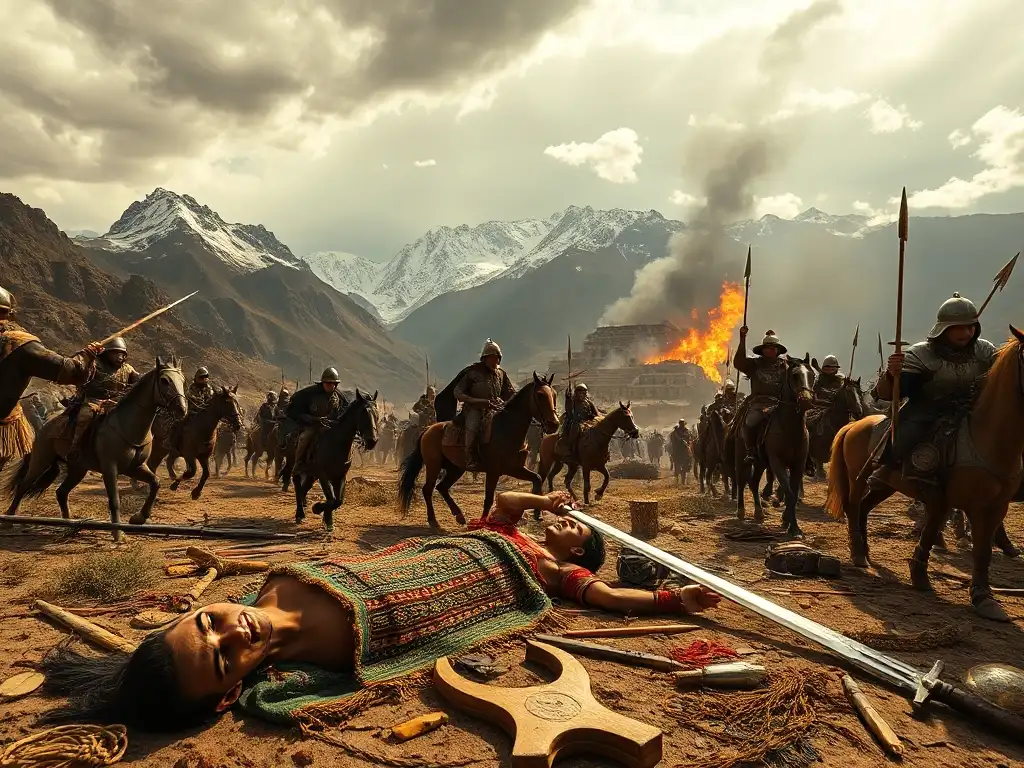
The early Andean uprisings, while often brutally suppressed, significantly impacted the Spanish conquest. These rebellions, far from being isolated incidents, disrupted the smooth progression of Spanish expansion and control. The initial assumption of effortless dominance was shattered by the fierce resistance encountered.
The conquistadors faced unexpected logistical challenges, diverting resources and manpower away from other conquest objectives. The protracted nature of these early conflicts meant a prolonged and costly campaign, far exceeding the initial projections of a swift and easy victory. The constant need to quell rebellions strained Spanish military forces, hindering their ability to consolidate control over newly conquered territories.
Furthermore, the early resistance fostered a climate of uncertainty and fear among the Spanish, undermining their confidence and potentially influencing their strategies in later campaigns. The psychological impact of facing determined resistance cannot be overstated; it demonstrably slowed the pace of the conquest and increased the overall cost, both in human lives and material resources. The persistent uprisings forced the Spanish to adopt more cautious and often brutal methods of control, shaping the trajectory of colonial rule in the Andes for centuries to come.
Challenges Posed by Early Resistance to Spanish Control
The early Andean resistance posed numerous challenges to Spanish control. Firstly, the sheer geographical diversity of the Andes presented a significant obstacle. The mountainous terrain, dense forests, and high altitudes made it incredibly difficult for the Spanish to effectively pursue and subdue rebel groups. This challenging landscape provided refuge for rebels, allowing them to regroup and launch further attacks.
Secondly, the intricate knowledge of the terrain possessed by the indigenous populations gave them a significant tactical advantage. They utilized their familiarity with the environment to their advantage, employing guerrilla warfare tactics that proved highly effective against the Spanish army's more conventional strategies. Thirdly, the decentralized nature of Andean resistance, while potentially weakening their overall power, also made them harder to defeat. The Spanish faced numerous smaller rebellions across different regions, making it nearly impossible to maintain a constant military presence everywhere.
This dispersed resistance also meant that suppressing one uprising didn't automatically guarantee the end of resistance in other areas. Finally, the enduring strength of indigenous social structures and networks played a crucial role. Existing kinship ties and community bonds allowed for the rapid dissemination of information and the mobilization of resources, enabling sustained resistance against the Spanish. These factors combined to create a formidable challenge to Spanish attempts at swift and complete domination.
The Influence of Early Rebellions on Later Andean Uprisings
The early Andean rebellions served as crucial precedents and inspiration for later uprisings. The successes, however small or short-lived, demonstrated to subsequent generations the possibility of resisting Spanish rule. These early struggles provided valuable lessons in strategy and tactics, informing the approaches of later rebel leaders.
The knowledge gained from past experiences – understanding Spanish weaknesses, effective methods of resistance, and the importance of alliances – was passed down, shaping the character of future rebellions. Moreover, the memory of these early struggles, even if suppressed by the Spanish, served to fuel resentment and defiance among the Andean populations. The collective trauma of early conquests and the ongoing oppression under colonial rule provided a fertile ground for the growth of resistance movements in later years.
The early rebellions, therefore, were not isolated events but rather crucial building blocks in the long and complex history of Andean resistance to Spanish colonialism. This historical continuity underscores the deep-seated nature of the indigenous desire for autonomy and self-determination.
Examining the Motivations Behind Andean Resistance
Andean resistance to Spanish conquest stemmed from a complex interplay of factors, extending far beyond simple opposition to foreign rule. The motivations were deeply rooted in the indigenous worldview and social structures.
Preserving Indigenous Culture and Traditions
A primary driver of Andean resistance was the determined effort to preserve indigenous culture and traditions. The Spanish imposition of Catholicism and the suppression of indigenous religious practices and beliefs were deeply resented. The destruction of sacred sites, the banning of traditional ceremonies, and the attempts to forcibly convert the population to Christianity represented a direct assault on the very core of Andean identity.
This cultural destruction fueled resistance, with many uprisings directly linked to the defense of sacred spaces and the preservation of ancestral customs. The Andean peoples were not simply fighting for political independence; they were fighting for the survival of their cultural heritage, a fight that continues to resonate even today. The deep-seated connection to the land, the spiritual significance of mountains and other natural features, and the importance of maintaining traditional social hierarchies all contributed to the intensity of their resistance.
Resisting Forced Labor and Spanish Exploitation
The brutal system of forced labor (encomienda and later repartimiento) imposed by the Spanish was another powerful motivator for Andean resistance. The relentless exploitation of the indigenous population, forcing them to work in mines, on plantations, and in other grueling conditions, led to widespread suffering and death. This economic exploitation, coupled with the systematic dispossession of land and resources, fueled widespread resentment and rebellion.
The resistance was not merely a reaction to physical hardship; it was a struggle against a system that sought to systematically dehumanize and subjugate the indigenous population. The early revolts often focused on challenging these exploitative labor systems, demonstrating the inextricable link between economic oppression and the broader struggle for liberation. The fight against forced labor was a central theme in many uprisings, highlighting the economic dimension of Andean resistance to Spanish rule.
The Legacy of Early Andean Resistance against Conquistadors
The early Andean uprisings, though ultimately unsuccessful in preventing the Spanish conquest, left an indelible mark on Andean history and culture. These rebellions, often characterized by fierce determination and ingenious tactics, fostered a sense of collective identity and solidified resistance as a core aspect of Andean identity. The legacy extends beyond mere historical accounts; it resonates in the cultural narratives, artistic expressions, and even the political discourse of modern Andean communities.
Many indigenous communities continue to trace their lineage back to those who actively resisted the Spanish, proudly recounting stories of defiance passed down through generations. This legacy is not simply a matter of historical pride; it's a living tradition that shapes contemporary Andean society and its relationship with its colonial past.
The ongoing struggle for land rights, cultural preservation, and self-determination in the Andes can be directly linked to the enduring spirit of resistance ignited centuries ago. The very act of rebellion, even in the face of overwhelming odds, planted seeds that continue to sprout in the fight for autonomy and justice.
The Enduring Spirit of Andean Resistance
The spirit of resistance against oppression, kindled during the early uprisings, never truly faded. While the initial waves of rebellion were brutally suppressed, the underlying resentment and desire for self-governance persisted. This spirit manifested in various forms throughout the colonial period and beyond, from subtle acts of defiance to large-scale revolts.
The continued use of indigenous languages, the preservation of traditional practices, and the clandestine continuation of pre-Columbian religious ceremonies all represent forms of resistance that endured for centuries. The ongoing struggle for land rights, cultural preservation, and self-determination in the Andes can be directly linked to the enduring spirit of resistance ignited centuries ago. Even seemingly mundane acts, like maintaining traditional agricultural techniques or preserving oral histories, became powerful acts of defiance against the homogenizing forces of colonialism.
This enduring spirit underscores the deep-seated cultural resilience of the Andean people and their unwavering commitment to their heritage. The echoes of the early uprisings continue to shape the political and social landscape of the Andes today.
Lessons Learned from Early Rebellions against the Spanish Empire
Analyzing the early Andean rebellions offers valuable insights into the dynamics of colonial resistance and the factors that contributed to both success and failure. The lack of centralized leadership and unified strategy in many early uprisings proved to be a significant disadvantage. The Spanish, on the other hand, benefited from superior weaponry, organized military structure, and internal alliances amongst different indigenous groups. Understanding these dynamics is crucial for interpreting the historical record and appreciating the complexities of colonial resistance.
Furthermore, the strategic use of guerilla warfare and the exploitation of the Andean terrain by indigenous fighters demonstrated the potential for effective resistance, even against a technologically superior enemy. The study of these early rebellions highlights the importance of cohesive leadership, strategic planning, and the leveraging of local knowledge in resisting oppression. These lessons remain relevant today in the ongoing struggle for social justice and self-determination worldwide.
Conclusion: The Significance of Early Andean Uprisings
The early Andean uprisings against the Spanish conquistadors, while ultimately unsuccessful in preventing the conquest, hold immense significance in understanding the history of the Andes and the enduring spirit of its people. These rebellions weren't isolated incidents; they were crucial moments that shaped the cultural landscape, political dynamics, and social fabric of the region. Studying these events allows us to appreciate the courage and resilience of the Andean people in the face of overwhelming odds.
The legacy of these early uprisings continues to inspire movements for social justice and self-determination in the Andes and beyond. Their stories serve as a powerful testament to the enduring human spirit and the ongoing fight against oppression.
The significance of these uprisings extends far beyond a simple recounting of historical events; they represent a powerful symbol of resistance, resilience, and the enduring struggle for self-determination. The study of Andean resistance to conquistadors offers invaluable lessons for understanding the complexities of colonialism and the ongoing fight for social justice.
- Initial Encounters and the Seeds of Andean Resistance
- The First Acts of Rebellion: Early Andean Uprisings
- Key Figures in the Early Andean Resistance
- Tactics and Strategies of Early Andean Resistance Fighters
- The Impact of Early Andean Rebellions on the Spanish Conquest
- Examining the Motivations Behind Andean Resistance
- The Legacy of Early Andean Resistance against Conquistadors
- Conclusion: The Significance of Early Andean Uprisings
- What sparked the early Andean uprisings against the Spanish conquistadors?
- How did the Inca Empire's structure influence its resistance?
- Were all Andean groups united in their resistance?
- What were some key tactics used by the Andean people in their resistance?
- What was the ultimate outcome of the Andean resistance to the conquistadors?
Frequently Asked Questions
What sparked the early Andean uprisings against the Spanish conquistadors?
The early Andean uprisings were sparked by a combination of factors, including the brutal exploitation of the indigenous population, the destruction of their culture and religion, and the imposition of forced labor (mita system) in the mines and on Spanish-owned estates.
How did the Inca Empire's structure influence its resistance?
The Inca Empire's highly organized structure, initially, provided a framework for resistance. Existing administrative networks and military organization were repurposed to coordinate rebellions, though ultimately these proved insufficient against Spanish weaponry and tactics.
Were all Andean groups united in their resistance?
No, resistance was not uniformly organized. While some groups fiercely resisted, others collaborated with the Spanish, often due to inter-tribal rivalries or the promise of political and economic advantage. This internal division weakened overall resistance efforts.
What were some key tactics used by the Andean people in their resistance?
Andean resistance employed various tactics, including guerrilla warfare, utilizing their knowledge of the terrain to ambush Spanish forces. They also used psychological warfare, spreading rumors and exploiting internal divisions within the Spanish ranks.
What was the ultimate outcome of the Andean resistance to the conquistadors?
Despite significant and prolonged resistance, the Andean uprisings were ultimately unsuccessful. Superior Spanish weaponry, disease, and internal divisions among the Andean populations contributed to the fall of the Inca Empire and the subjugation of most Andean groups.
Final Reflection: Echoes of Rebellion in the Andes
The struggle for liberation, ignited in the heart of the Andes centuries ago, continues to resonate in the fight for self-determination across the globe. The stories of early Andean uprisings, often overlooked in traditional narratives of conquest, serve as a powerful testament to the enduring human spirit and the inherent right to resist oppression. These weren't simply isolated incidents; they were coordinated efforts, strategic maneuvers, and acts of profound courage against overwhelming odds.
The echoes of Tupac Amaru, Atahualpa, and countless unnamed heroes still reverberate through the cultural landscape of the Andes and beyond. Their defiance, their unwavering commitment to their land and people, continues to inspire movements for social justice and self-governance. The struggle for liberation is a constant process, a continuous battle against oppression in all its forms.
This quote, though not directly from an Andean source, perfectly encapsulates the enduring legacy of their resistance. Their stories remind us that even in the face of seemingly insurmountable power, the human spirit can find the strength to fight for what is right.
Consider the impact of these early uprisings. How did they shape the cultural identity of the Andean peoples? How did their strategies influence later resistance movements? More importantly, what can we learn from their unwavering courage and determination? Let the spark of defiance ignited in the Andes centuries ago ignite a flame within you, inspiring you to stand up for justice and equality in your own life, however small the act may seem. The fight for a better world continues, and the legacy of Andean resistance provides a powerful roadmap for the journey ahead.
Ignite Your Curiosity: Dive Deeper into Andean History!
Thank you for exploring the courageous spirit of the early Andean resistance against the Spanish conquistadors! Your interest in this pivotal period enriches your understanding and honors the resilience of these remarkable civilizations. Now, let's turn that knowledge into action!
- Join a local history group or online forum to share insights and learn more about Andean cultures and their fight for independence.
- Visit a museum or cultural center showcasing Andean heritage to experience artifacts and stories that bring history to life.
- Share this article with friends and on social media! Let's inspire others to appreciate and learn about this rich history.
What aspect of the Andean resistance most captivates you, and how will you explore it further?