
The Huari Elites: Who Held Power in the Andean Empire?

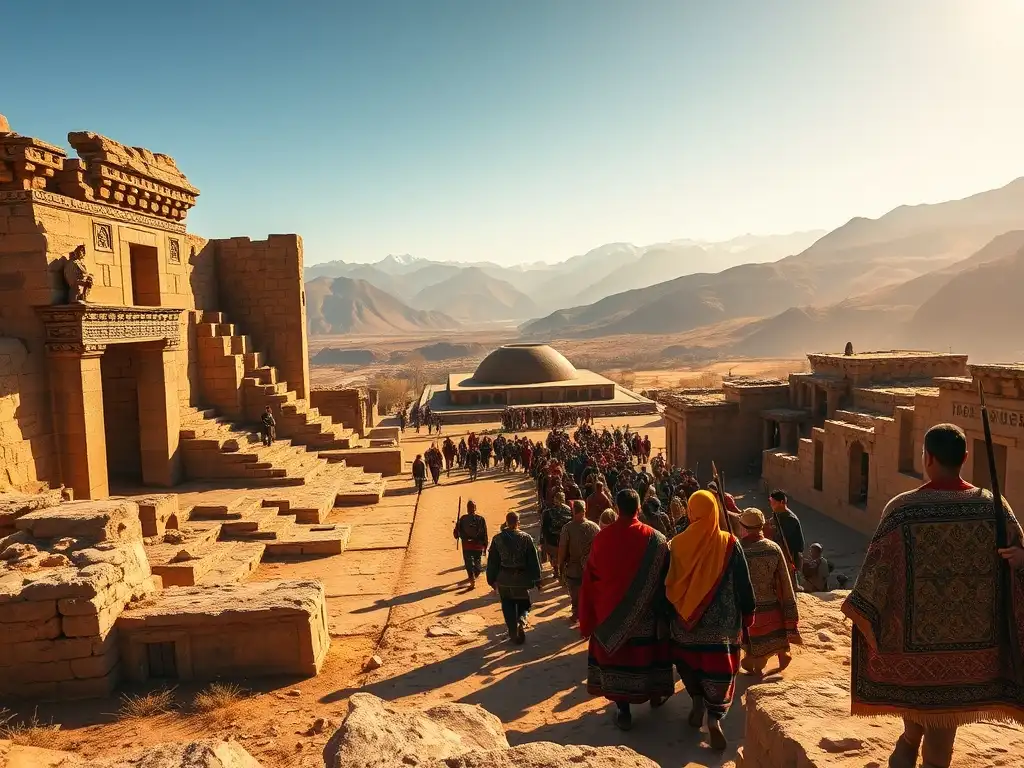
Step into a world lost to time, where towering cities and intricate artistry thrived amidst the breathtaking Andes Mountains. Uncover the secrets of the ancient Andean civilizations, from the ingenious Nazca lines to the sophisticated Inca empire. But first, a mystery awaits: Who truly held the reins of power within the mighty Huari empire? Delve into the complexities of the Huari elite power structure and discover the fascinating story behind this influential pre-Inca civilization. Prepare to be amazed by the legacy of these remarkable cultures.
- The Huari Elites: Unveiling the Power Structure of the Andean Empire
- Understanding the Huari Empire and its Societal Framework
- The Huari Elite: Defining the Ruling Class
- Centralized Power and the Huari Elite
- Sources of Huari Elite Power and Authority
- The Iconography of Huari Power
- The Decline of the Huari Elite and the Empire
- Legacy of the Huari Elite in Andean History
-
Frequently Asked Questions
- What was the Huari Empire's political structure?
- How did the Huari elite maintain control over such a vast empire?
- What role did religion play in Huari elite power?
- How did the Huari elite differ from other Andean elites (e.g., Inca)?
- What evidence helps us understand the Huari elite power structure?
- Final Reflection: Unraveling the Threads of Huari Power
- Unleash Your Curiosity About the Huari Legacy!
The Huari Elites: Unveiling the Power Structure of the Andean Empire
The Huari, a powerful pre-Inca civilization that flourished in the central Andes between 600 and 1200 CE, left behind a complex and enduring legacy. Their vast empire, stretching across much of modern-day Peru, was characterized by sophisticated urban planning, intricate irrigation systems, and a remarkable standardization of pottery and textiles. However, understanding the intricacies of Huari power remains a significant challenge for archaeologists and historians.
This article delves into the fascinating question of the Huari elite power structure, exploring who held sway in this expansive and influential Andean empire. We will examine the evidence available, including archaeological findings and interpretations, to shed light on the social hierarchy, political organization, and the mechanisms by which power was maintained and exercised within Huari society.
Understanding the Huari elite power structure provides crucial insights into the dynamics of pre-Columbian Andean societies and their lasting influence on subsequent civilizations, including the Inca. The keyword "Huari elite power structure" will be explored throughout this analysis.
Evidence from Huari Administrative Centers
The impressive administrative centers constructed by the Huari, such as Piquillacta near Cusco, provide vital clues to their social hierarchy. These sites, characterized by meticulously planned layouts and standardized architecture, suggest a highly centralized and organized state. The size and location of structures within these centers, along with the presence of elite grave goods, indicate a clear differentiation in social status.
Larger structures, often located in prominent positions within the city, likely housed the most powerful members of Huari society – perhaps high priests, military leaders, or a ruling class. The distribution of fine ceramics and other luxury goods further supports this interpretation, suggesting a system of elite patronage and control over resources.
Furthermore, the discovery of workshops dedicated to the production of elite goods within these centers points towards a specialized labor force serving the needs of the ruling class. Analysis of these workshops, along with the study of the materials used and the techniques employed, reveals valuable insights into the organization of Huari production and the role of skilled artisans within the power structure.
The Role of Religion and Ideology in Huari Power
The Huari state likely relied heavily on religious ideology to legitimize and maintain its power. Evidence suggests a sophisticated religious system, possibly centered around ancestor veneration and deities associated with agriculture and fertility. The construction of monumental religious structures, such as the impressive platforms and temples found at many Huari sites, reflects the importance of religion in Huari society. The elite's control over religious practices and symbols likely served to consolidate their power and influence.
Elaborate rituals and ceremonies, perhaps involving human sacrifice in some cases, would have reinforced the authority of the ruling class and instilled a sense of awe and reverence among the populace. The iconography found on Huari ceramics and textiles also provides valuable clues about religious beliefs and their relationship to power structures. Further research into the religious practices and beliefs of the Huari is crucial to understanding the full extent of their elite's influence.
Material Culture and the Expression of Elite Status
The Huari elite's power is vividly reflected in their material culture. Fine textiles, intricately decorated ceramics, and elaborate gold and silver ornaments served as potent symbols of status and authority. The production and distribution of these luxury goods were strictly controlled, ensuring that only the elite could access and display them.
Archaeological excavations have unearthed numerous examples of such objects in elite tombs and residences, providing compelling evidence of the wealth and power concentrated in the hands of a select few. The stylistic variations and unique characteristics of these artifacts also suggest the existence of different levels within the elite hierarchy, with certain individuals possessing greater access to resources and prestige than others.
The analysis of these objects, coupled with studies of their production techniques and distribution networks, offers invaluable insights into the social and economic structures that supported Huari power. This meticulous analysis of material culture helps unravel the complexities of the Huari elite power structure, revealing the intricate ways in which power was displayed, maintained, and inherited.
Interpreting the Archaeological Record: Challenges and Future Directions
While the archaeological record offers valuable insights into the Huari elite power structure, interpreting this evidence remains a complex and ongoing process. The lack of written documents from the Huari period presents significant challenges, forcing researchers to rely heavily on material culture and settlement patterns to reconstruct their social and political organization. Future research should focus on integrating interdisciplinary approaches, combining archaeological data with ethnohistorical accounts and comparative studies of other Andean civilizations.
Advanced techniques in archaeobotany and archaeozoology could also shed further light on the economic base that supported the Huari elite and their control over resources. By combining these diverse methods, researchers can deepen our understanding of the Huari elite power structure and its impact on the broader Andean world. The ongoing research and new discoveries are vital to refining our understanding of the Huari elite power structure and its impact on the trajectory of Andean civilizations.
Understanding the Huari Empire and its Societal Framework
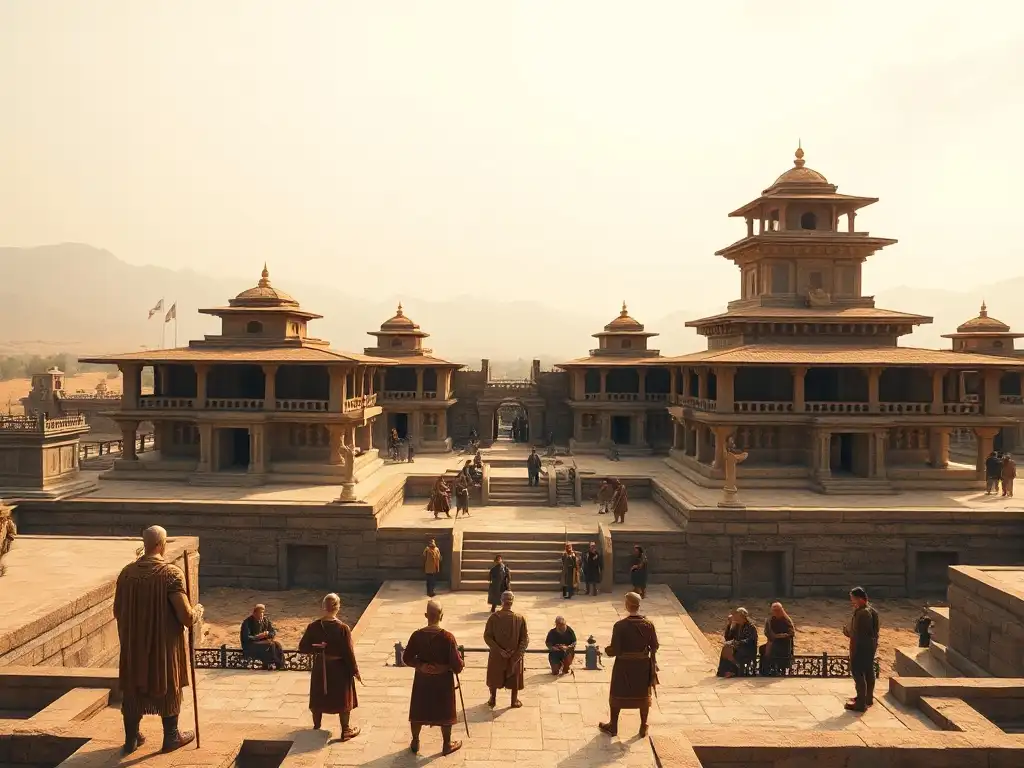
The Huari Empire, a powerful pre-Inca civilization flourishing in the Andes from approximately 600 to 1000 CE, presents a complex picture of societal organization. Understanding its power structure requires moving beyond simplistic notions of a single ruler and delving into the intricacies of its administrative and religious systems. The "Huari elite power structure" wasn't solely based on hereditary lineage; it involved a sophisticated interplay of religious authority, military prowess, and economic control.
This section will explore the different facets of power within the Huari state, shedding light on who held sway and how they maintained their influence. The distribution of power wasn't static; it likely fluctuated according to circumstances, with some elites holding greater power during specific periods or in particular regions.
The Rise of the Huari Culture in the Andes
The Huari rise to dominance wasn't a sudden event but a gradual process of expansion and consolidation. Emerging from the Ayacucho region of Peru, they strategically expanded their influence through a combination of military conquest and political alliances. Archaeological evidence, such as the widespread distribution of Huari-style pottery and architecture, points to a sophisticated system of administration that facilitated the control of vast territories.
This expansion was not simply about territorial control; it involved the integration of conquered populations into the Huari system. This integration, however, likely involved varying degrees of coercion and cooperation. The Huari elite likely used a combination of strategies to maintain control, including the deployment of military garrisons, the establishment of administrative centers, and the promotion of Huari ideology and religious practices.
The early stages of Huari expansion likely saw relatively decentralized power, with regional elites retaining some autonomy. However, as the empire grew, the central power structure in Ayacucho likely exerted increasing control. This process of centralization is reflected in the standardization of architectural styles, pottery designs, and administrative practices across the empire.
Key Characteristics of the Huari Civilization
Several key characteristics underpinned the Huari elite's ability to maintain control over such a vast and diverse empire. These include:
- Centralized Administration: The Huari state implemented a highly organized administrative system, likely involving a hierarchy of officials responsible for collecting taxes, managing resources, and overseeing public works projects. Evidence suggests the existence of provincial capitals and smaller administrative centers throughout the empire, indicating a well-structured bureaucracy. The efficient management of resources and the strategic placement of administrative centers were crucial for maintaining stability and controlling the vast territories under Huari rule.
- Religious Authority: Religion played a significant role in legitimizing Huari power. The elite likely controlled access to religious rituals and symbols, using these to reinforce their authority and solidify their position within society. The construction of monumental architecture, such as large temples and administrative centers, served as powerful symbols of Huari power and religious authority. These structures not only demonstrated the power of the elite but also served as focal points for religious activities, reinforcing the social and political order.
- Military Strength: While the Huari were adept at negotiation and alliance-building, their military strength was undoubtedly a crucial factor in their expansion and the maintenance of their empire. The construction of strategically located forts and the standardization of weaponry suggest a powerful military organization capable of suppressing rebellions and expanding the empire's reach. The military played a vital role in the Huari power structure, both in projecting power and suppressing dissent.
| Characteristic | Description | Evidence |
|---|---|---|
| Centralized Administration | Highly organized bureaucracy with provincial capitals and smaller administrative centers. | Widespread distribution of standardized administrative structures and artifacts. |
| Religious Authority | Elite controlled access to religious rituals and symbols, using them to legitimize their rule. | Monumental architecture, religious iconography, and the presence of elite tombs at important sites. |
| Military Strength | Powerful military organization capable of suppressing rebellions and expanding the empire's reach. | Strategically located forts, standardized weaponry, and evidence of military campaigns. |
| Economic Control | Control over resources, including agricultural production and trade networks, was crucial to maintaining power. | Evidence of extensive irrigation systems, standardized pottery production, and the control of valuable resources. |
The Huari elite power structure, therefore, was a multifaceted system dependent on a combination of effective administration, religious legitimacy, and military strength. Further research is needed to fully understand the nuances of power distribution and the dynamics of elite interactions within the Huari Empire. The picture that emerges is one of a sophisticated and complex society, far removed from a simple hierarchy. Understanding this complexity is key to appreciating the remarkable achievements and lasting legacy of the Huari civilization.
The Huari Elite: Defining the Ruling Class
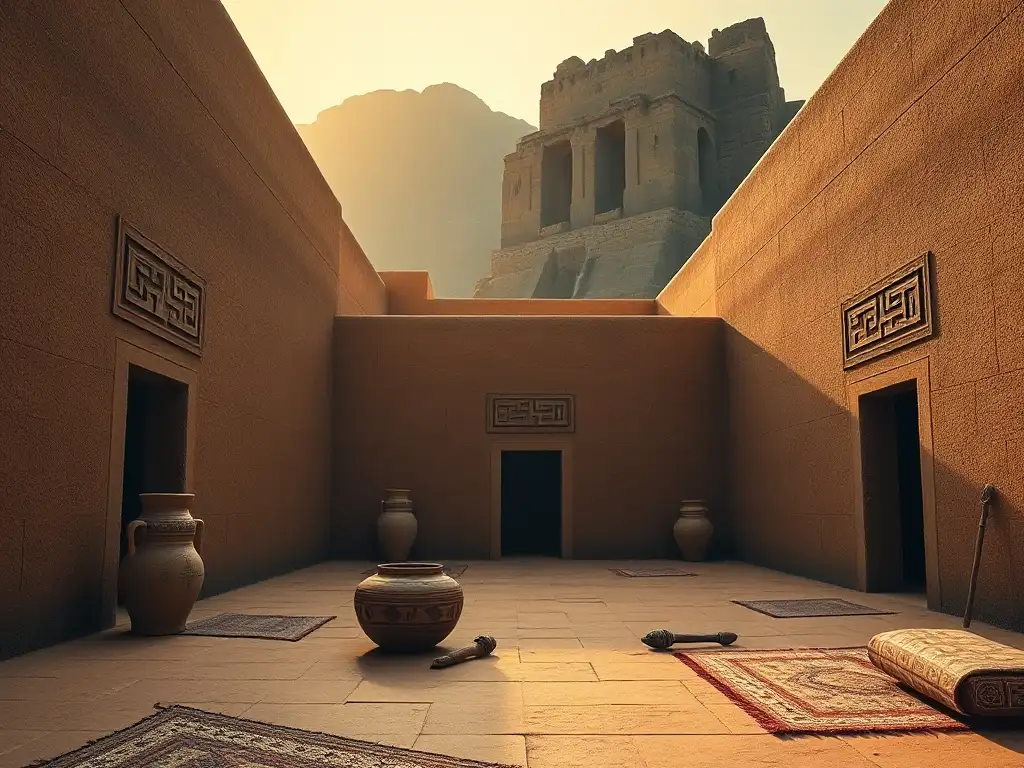
The Huari elite, the powerful individuals who controlled the vast Huari empire (c. AD 600-1000), remain a subject of ongoing archaeological investigation. Understanding their power structure is key to deciphering the success and eventual collapse of this significant Andean civilization. Unlike the Inca, who left behind extensive written records, the Huari left behind a rich archaeological record that requires careful interpretation to understand their social hierarchy and the mechanisms of power.
The term "elite" itself requires careful definition within the Huari context, as it encompasses a range of individuals with varying degrees of influence and authority, from high priests and military commanders to wealthy merchants and artisans. This section will delve into the evidence used to identify the Huari elite and explore the distinctions within their social hierarchy. The intricacies of the Huari elite power structure continue to fascinate researchers and offer valuable insights into the complexities of ancient Andean societies.
Analyzing their material culture, settlement patterns, and burial practices provides crucial clues to understanding their social organization and the distribution of power. The Huari elite power structure was a complex system, and its analysis requires a multi-faceted approach.
Identifying the Huari Ruling Class: Archaeological Evidence
Archaeological evidence plays a crucial role in identifying the Huari elite. Several key indicators consistently point towards individuals holding significant power and prestige. Elaborate burial sites, often containing rich grave goods, are a primary source of information.
These include items such as finely crafted gold and silver ornaments, intricate textiles, and exotic ceramics not found in commoner burials. For example, the discovery of [specific site name pending] revealed a tomb containing a high-ranking individual adorned with numerous gold artifacts, suggesting a position of considerable wealth and status. This indicates a clear differentiation in access to resources and the material expression of power.
Furthermore, the architecture of Huari settlements offers important clues. Large-scale public works, such as monumental structures and extensive irrigation systems, required significant organizational capabilities and labor mobilization, suggesting the existence of a centralized authority capable of directing such projects. The presence of elite residential compounds within these settlements, characterized by superior construction quality and larger size compared to average dwellings, further supports the existence of a distinct elite class.
These compounds often featured specialized workshops and storage facilities, indicating a level of economic control and access to resources beyond that of the common population. The distribution of these elite residences within the urban landscape itself can reveal insights into the organization of power and the strategic placement of those holding authority. For instance, the proximity of elite residences to administrative centers or religious structures may indicate a direct link between political and religious power.
While the archaeological record points to a clear elite class, it also suggests a nuanced social hierarchy within the Huari empire. The Huari elite power structure wasn't monolithic; it likely consisted of several strata, each with varying levels of authority and influence. This stratification is evident in the variation observed in burial goods and residential architecture. Some elite burials contain significantly more lavish offerings than others, suggesting different levels of status even within the elite class.
The evidence suggests a possible distinction between religious and secular elites. Some sites reveal the presence of large religious complexes, suggesting a powerful priestly class with significant influence over the population. These sites often feature elaborate architecture and specialized artifacts, indicating a high degree of religious authority and control over resources.
Conversely, other elite individuals may have held power through military prowess or control over trade networks. Determining the exact nature of these distinctions requires further research and analysis of the available archaeological data. The interplay between religious and secular authority remains a key area of investigation in understanding the dynamics of the Huari elite power structure.
The complexity of this system highlights the sophistication of Huari social organization and its capacity for managing a large and diverse empire. Further analysis of architectural styles, settlement patterns, and iconography may reveal more nuanced aspects of this intricate social hierarchy. The study of Huari elite power structure is a dynamic field, constantly evolving as new evidence comes to light.
Centralized Power and the Huari Elite
The Huari elite power structure, a subject of ongoing archaeological debate, reveals a sophisticated system of control over a vast Andean empire. Unlike some of their contemporaries who relied on kinship ties alone, the Huari developed a complex administrative apparatus to maintain their dominance. This wasn't simply a matter of military might; it involved a carefully constructed ideology, economic control, and a network of strategically placed urban centers. Understanding the Huari elite power structure requires examining the interplay of these elements.
The evidence suggests a highly centralized system, albeit one that likely incorporated existing local power structures to some degree. This blend of centralized control and localized adaptation allowed for the effective governance of a diverse population across a challenging terrain. The keyword phrase "Huari elite power structure" accurately reflects the core theme of this section.
The Role of Huari Urban Centers in Elite Control
Huari urban centers weren't merely population centers; they served as crucial nodes in the empire's administrative network, significantly contributing to the Huari elite's power. These meticulously planned cities, with their standardized architecture and monumental structures, served multiple purposes in consolidating and projecting elite power.
Firstly, they acted as administrative hubs. Evidence suggests the presence of specialized buildings dedicated to storage, record-keeping, and possibly even ritual activities related to governance. The uniformity in architecture across different sites points towards a centralized planning authority, reinforcing the idea of a unified administration under the Huari elite.
Secondly, these urban centers facilitated economic control. The strategic placement of these cities along major trade routes allowed the Huari elite to monitor and regulate the flow of goods, extracting resources and redistributing them throughout the empire. This economic control was essential in maintaining their power and influence. The discovery of large storage facilities within these urban centers supports this hypothesis.
Finally, the monumental architecture of these cities served a symbolic purpose. The imposing structures, often decorated with elaborate motifs, likely served to impress and intimidate the population, reinforcing the authority of the Huari elite and projecting an image of power and stability. The sheer scale of these constructions required significant manpower and resources, demonstrating the elite's ability to mobilize and control vast quantities of labor. This control over resources and labor was a key component of the Huari elite power structure.
Administration and Governance under the Huari Elite
The administration and governance under the Huari elite demonstrate a sophisticated system of control extending beyond the mere presence of urban centers. While the exact mechanisms remain partially unknown, archaeological evidence suggests a multi-layered system, involving both centralized and decentralized aspects.
The centralized aspects are evident in the standardized architecture, the uniform distribution of goods, and the apparent standardization of administrative practices across the empire. This suggests a degree of top-down control, with the Huari elite dictating policies and enforcing compliance. However, the sheer size of the empire makes it unlikely that control was exerted directly at every local level.
Therefore, the Huari elite likely relied on a system of delegated authority, incorporating existing local power structures into their administrative apparatus. This decentralized aspect may have involved local leaders or officials who acted as intermediaries between the central administration and the local populations. Such a system would have been more efficient in governing a diverse empire and would have allowed for a degree of localized adaptation, while maintaining overall centralized control.
Further research is needed to fully unravel the intricacies of this complex system and fully define the Huari elite power structure. The precise nature of the relationship between the central authority and local leaders remains a key area for future investigation. Understanding this dynamic is crucial to a complete picture of Huari governance.
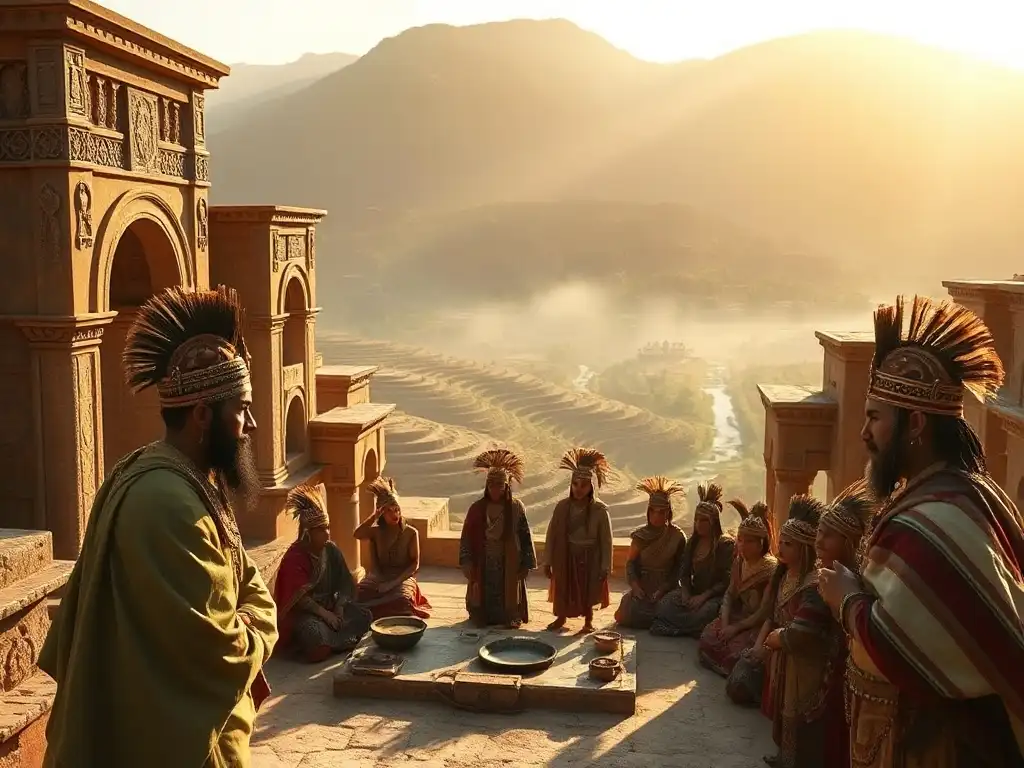
The Huari elite's power rested on a complex interplay of factors, skillfully weaving together control over resources, military might, and religious authority. Understanding their dominance requires examining each element individually and appreciating their interconnectedness. The Huari power structure, a sophisticated system, wasn't solely based on brute force but on a carefully cultivated image of divine right and economic control, solidifying their position at the apex of Andean society.
This intricate web of influence allowed them to maintain control over a vast and diverse empire for centuries. The question of "Huari elite power structure" is best answered by exploring these key components.
Control of Resources and Trade by the Huari Elites
The Huari elite's control over resources was paramount to their power. Their dominance stemmed from strategic control of essential resources like agricultural land, particularly in fertile valleys, and access to vital minerals used in crafting tools and ornaments. Evidence suggests a highly centralized system of resource management.
Archaeological findings reveal large-scale agricultural projects, such as irrigation systems and terraced farming, indicating a level of organization and control only achievable through a powerful centralized authority. This meticulous control ensured the Huari elite's access to surplus food, which could be used to reward loyalists, fund public works, and maintain a large bureaucracy.
Furthermore, the Huari controlled key trade routes, acting as intermediaries in the exchange of goods between different regions of the empire. This control allowed them to tax trade, accumulate wealth, and further strengthen their economic dominance. The distribution of luxury goods, such as fine textiles and ceramics, found primarily in elite contexts, underscores their privileged access to the empire's riches.
The sheer scale of Huari production and distribution networks, as evidenced by the standardization of pottery styles and the wide dissemination of similar artifacts across vast distances, demonstrates the effectiveness of their control over both production and trade. This economic might served as a cornerstone of their political power, reinforcing their status and authority.
Military Power and Expansionism of the Huari Empire
Military power was undeniably a crucial component of the Huari elite's authority. The Huari empire was not built through peaceful means; its expansion was driven by military conquest. Their army, well-equipped and highly organized, played a pivotal role in subduing rival groups and expanding the empire's reach. Archaeological sites reveal evidence of military fortifications and weaponry, indicating a sophisticated military strategy. The presence of standardized weaponry across the empire suggests centralized production and distribution, further highlighting the elite's control over military resources.
The Huari military wasn't simply a force of conquest; it was also a tool for maintaining order and suppressing dissent within the empire. This constant need for military preparedness required significant resources, reinforcing the link between military might and economic control.
The Huari elite's ability to maintain a large, well-equipped army, alongside a robust system of control over resources, allowed them to project power and enforce their authority throughout their expansive territories. The very existence of the empire, its size, and its longevity are testaments to the effectiveness of their military power and its integral role in the Huari elite power structure.
Beyond material resources and military strength, the Huari elite also wielded significant religious authority. They likely controlled or heavily influenced religious practices, temples, and priests, using religion to legitimize their rule and consolidate their power. The construction of monumental architecture, such as large temples and ceremonial centers, points to a close relationship between the elite and religious institutions. These structures weren't merely practical buildings; they were powerful symbols of the elite's divine connection and authority.
The Huari elite likely presented themselves as intermediaries between the gods and the populace, reinforcing their position as divinely appointed rulers. The iconography found in Huari art often depicts elite figures in contexts suggestive of religious significance, further bolstering this claim. While specific details regarding Huari religious beliefs and practices remain a subject of ongoing research, the evidence strongly suggests that religious authority was carefully cultivated and used to reinforce the elite's political and social dominance.
The integration of religious symbolism into their material culture, such as clothing, architecture, and ceramics, served to reinforce their legitimacy and power, adding another layer to their complex system of control. The intertwining of religious and political power represents a key aspect of the Huari elite power structure.
The Iconography of Huari Power
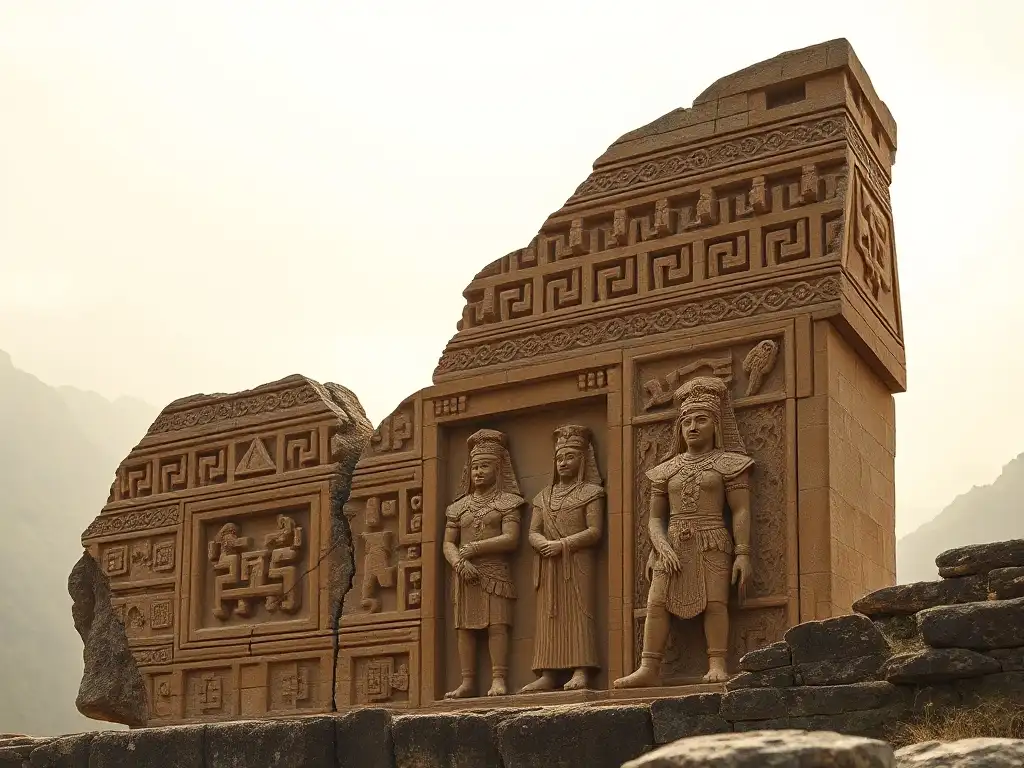
The Huari elite power structure wasn't solely defined by written records (which are scarce for this period). Instead, understanding their dominance relies heavily on interpreting the visual symbols present in their art and architecture. These carefully crafted images, often found on ceramics, textiles, and monumental structures, offer crucial insights into the hierarchy and ideology that underpinned Huari society.
Analyzing the iconography provides a window into how the elite projected their power and legitimacy. The recurring motifs, carefully chosen colors, and specific representations of individuals and objects all contribute to a complex visual narrative of Huari power. This section delves into the visual language of the Huari elite, examining how their artistic choices reflected and reinforced their societal control.
The meticulous detail and consistent stylistic choices across vast geographical areas suggest a centralized control of artistic production, further reinforcing the strength of the Huari state's influence. This controlled artistic production served as a powerful tool for disseminating the ideology of the Huari elite and solidifying their dominance across the Andes. We can see this clearly in the repeated use of specific symbols and motifs across various media and locations.
Visual Symbols of Huari Elite Status
Specific visual motifs consistently appear in Huari art, strongly suggesting their association with elite status. One prominent example is the recurring depiction of individuals wearing elaborate headdresses, often featuring feline features or stylized birds. These headdresses weren't merely decorative; they functioned as powerful visual identifiers, instantly signifying high social rank.
The intricate craftsmanship and use of precious materials, like gold and silver (where available), further emphasized the wearer's elevated position within the Huari hierarchy. The use of specific colors also played a crucial role. Certain shades, perhaps representing specific dyes or pigments that were difficult to obtain, were reserved for elite representations, highlighting their privileged access to resources and reinforcing their superior status.
Furthermore, the representation of individuals in specific poses, often seated on elaborate thrones or surrounded by attendants, also indicated power. These depictions weren't simply snapshots of daily life; they were carefully constructed images designed to convey authority and legitimacy. The use of scale in artwork further reinforced this message; elite figures were often depicted larger than others, visually emphasizing their dominance.
The meticulous detail and high quality of these artistic representations—a stark contrast to the simpler styles found in depictions of commoners—underscored the importance placed on visually representing the elite's power. The precision and skill involved suggest a specialized class of artisans working exclusively for the elite, further highlighting the resources and control at their disposal.
Interpretation of Huari Art and its Political Significance
Interpreting Huari art requires considering its context within the broader political landscape of the empire. The consistent stylistic elements across vast geographical regions suggest a highly centralized system of control over artistic production and dissemination. This centralized control served as a powerful tool for maintaining social order and reinforcing the Huari elite's authority.
The imagery wasn't merely aesthetic; it actively propagated the ideology of the ruling class, shaping perceptions of power and legitimizing their rule. The repetition of specific symbols and motifs across diverse media—from ceramics to textiles to monumental architecture—created a visual language that unified the empire and solidified the elite's position at its apex.
The consistent portrayal of specific themes, such as warfare, ritual sacrifice, and divine figures, also speaks volumes about the Huari worldview and the elite's role within it. These themes suggest a society where military might and religious authority were intertwined, with the elite acting as intermediaries between the human and supernatural realms.
The visual representation of these themes served to reinforce the elite's power and legitimacy, presenting them as divinely appointed rulers or agents of a powerful supernatural force. Further research into the specific symbolic meaning of individual motifs and their regional variations could reveal even more nuanced understandings of Huari power dynamics and the intricacies of their social hierarchy.
The study of Huari iconography, therefore, remains a crucial avenue for understanding the complexities of the Huari elite power structure and the mechanisms through which they maintained control over their vast empire. More detailed studies of individual artifacts and their contexts are needed to fully unlock the secrets embedded within these powerful visual representations.
The Decline of the Huari Elite and the Empire
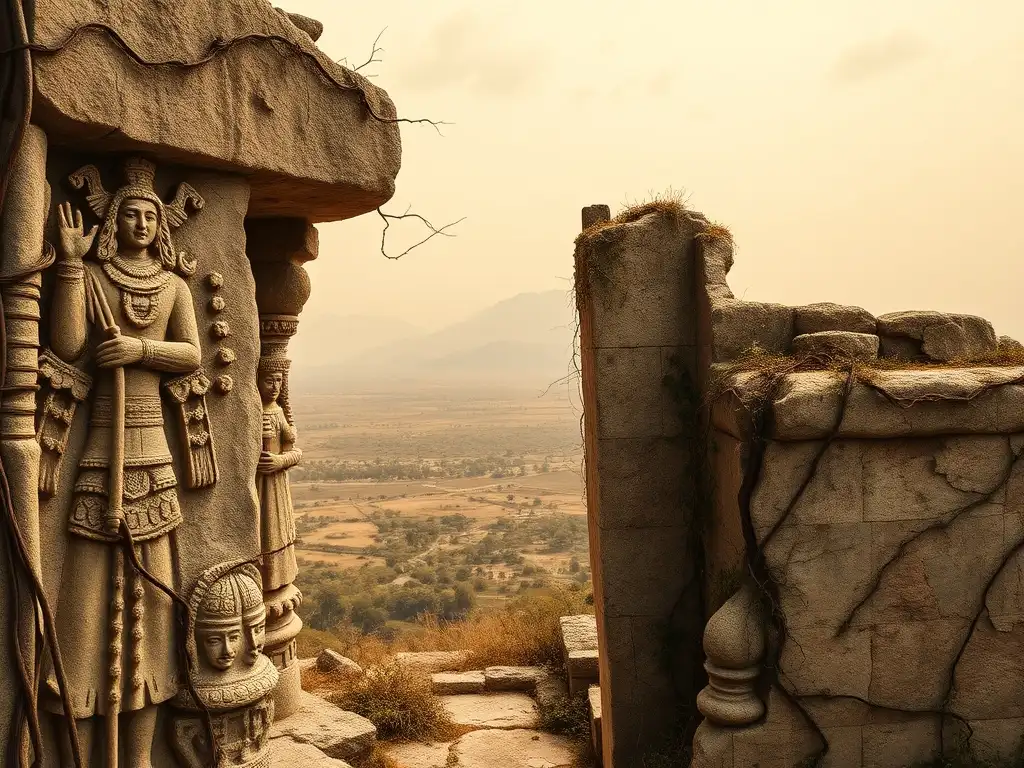
The Huari empire, a powerful Andean civilization flourishing between 600 and 1000 CE, experienced a dramatic decline, leading to its eventual disintegration. Understanding the factors contributing to this collapse is crucial to comprehending the shifting dynamics of Huari elite power structure. The weakening of the central authority, once a hallmark of the empire's strength, played a significant role in its downfall. While the exact reasons remain a subject of ongoing scholarly debate, several key factors contributed to the erosion of Huari elite power.
Factors Contributing to the Collapse of Huari Power
Several interconnected factors likely contributed to the collapse of Huari power. Internal strife, possibly fueled by competition among regional elites for resources and influence, weakened the central government's ability to maintain control over its vast territory. Evidence suggests a growing decentralization of power in the later phases of the empire, with regional centers gaining more autonomy. This decentralization, while perhaps initially a pragmatic response to administrative challenges in such a large empire, ultimately undermined the unity and authority of the Huari elite.
The impact of climate change cannot be overlooked. Archaeological and paleoclimatological data indicate periods of drought and environmental instability during the late Huari period. These climatic shifts likely exacerbated existing social and economic pressures, contributing to food shortages and societal unrest. Reduced agricultural yields could have diminished the resources available to support the elaborate Huari administrative and religious infrastructure, further weakening the elite's control. The resulting instability may have emboldened rebellious factions and accelerated the empire's fragmentation.
Furthermore, the Huari elite's reliance on a centralized system of resource management and redistribution may have proven unsustainable in the face of these challenges. The intricate network of roads, storage facilities, and administrative centers, designed to facilitate the flow of goods and maintain control, became increasingly difficult to sustain as the empire weakened. The disruption of these systems likely contributed to widespread discontent and ultimately to the collapse of the central authority. The lack of a unified successor state further indicates the complete breakdown of the Huari elite's ability to maintain control and influence.
Transformation of the Huari Elite After the Empire’s Fall
The disintegration of the Huari empire did not signal the complete disappearance of the Huari elite. Instead, their power and influence underwent a significant transformation. While the centralized authority was shattered, members of the former ruling class likely adapted and integrated into the emerging regional power structures.
Archaeological evidence suggests that some Huari elite lineages persisted, albeit with diminished power and influence compared to their imperial heyday. The material culture of the post-Huari period shows a blending of Huari traditions with local styles, reflecting the integration of former elite members into diverse regional societies. This process of adaptation and integration is an important aspect of understanding the long-term consequences of the Huari empire’s collapse.
The transition was not uniform across all regions. In some areas, former Huari elites may have maintained significant control, albeit within a smaller, less centralized domain. In other regions, they might have experienced a more complete loss of power, becoming integrated into the local population.
The extent of their continued influence varied considerably depending on local circumstances and the resilience of existing social hierarchies. Further research is needed to fully understand the diversity of experiences among the Huari elite in the post-imperial period. The study of elite burial practices, settlement patterns, and ceramic styles provides valuable insights into this complex process of adaptation and transformation.
The continued presence of Huari-style artifacts in later cultures suggests a lasting impact of the empire’s cultural legacy, even as the power of the Huari elite fundamentally shifted. Understanding this transformation is essential for a complete picture of the Huari elite power structure and its long-term effects on the Andean region.
Legacy of the Huari Elite in Andean History
The Huari elite's legacy extends far beyond the collapse of their empire. Their sophisticated administrative systems, impressive architectural achievements, and centralized control left an indelible mark on subsequent Andean societies. Understanding their power structure is crucial to comprehending the trajectory of later Andean civilizations, particularly the Inca. The Huari's influence wasn't simply a matter of military conquest; it was a complex interplay of cultural exchange, technological diffusion, and the adoption of administrative models. The very concept of a large-scale, centralized Andean state, culminating in the Inca Empire, owes a significant debt to the precedents set by the Huari.
Influence of Huari Power Dynamics on Later Andean Societies
The Huari elite's hierarchical structure, characterized by a clear distinction between ruling classes and commoners, profoundly influenced later Andean societies. Evidence suggests a continuation of similar power dynamics in subsequent cultures. For example, the Inca's highly stratified social order, with its emperor at the apex and a complex system of nobles and commoners, shows clear parallels with the Huari model.
The Inca's ayllu system, while having its own unique characteristics, might have been partly inspired by the Huari's sophisticated methods of social organization and resource management. While the specifics differed, the core principle of a powerful centralized authority controlling vast territories and populations remained a constant. The Huari's expertise in irrigation, agriculture, and urban planning also influenced later societies.
Their sophisticated techniques were adopted and adapted, contributing to the agricultural prosperity and urban development of subsequent Andean states. The legacy of Huari administrative techniques, including record-keeping and taxation systems (though details remain scarce), likely contributed to the efficiency of later empires. The impressive scale of Huari architecture and urban planning, such as at the capital city of Huari itself, served as a model for future Andean urban centers.
Further Research Areas on the Huari Elite
Despite significant progress, several aspects of the Huari elite's power structure remain shrouded in mystery. Further research is crucial to fully understand their complex society. Some key areas for future investigation include:
- The role of religion in solidifying Huari elite power: More research is needed to understand the interplay between religious beliefs, rituals, and the consolidation of power by the Huari elite. The extent to which religious ideology legitimized their rule and influenced social structures requires further exploration. Analysis of iconography, temple architecture, and burial practices could provide valuable insights.
- The nature of Huari provincial administration: The mechanisms by which the Huari elite maintained control over their vast empire remain unclear. Further investigation into provincial centers and their relationship with the capital is needed to shed light on the administrative strategies employed. Detailed archaeological studies of provincial sites, combined with analysis of artifacts and settlement patterns, could provide critical information.
- The economic basis of Huari elite power: Understanding the economic foundations of the Huari state is crucial for comprehending the elite's power. Further research into the agricultural practices, trade networks, and resource management systems of the Huari is essential. This includes analyzing evidence from both urban and rural settings to fully grasp the economic dynamics of the empire.
- The role of warfare in maintaining Huari dominance: The extent to which military force was used to maintain control and suppress dissent needs further investigation. Analysis of weaponry, fortifications, and evidence of conflict could help unravel the role of military power in the Huari state. Careful analysis of skeletal remains and evidence of trauma could offer additional information.
The mysteries surrounding the Huari elite present a rich tapestry of opportunities for future research. By employing interdisciplinary approaches, combining archaeological evidence with anthropological and historical insights, we can progressively unveil the complexities of this fascinating Andean civilization and its enduring influence on the region's history. Further investigation into these areas will undoubtedly provide a more complete picture of the Huari elite's power structure and its lasting impact on the Andean world. The ongoing exploration of Huari sites and the application of new technologies promise to reveal further secrets about this remarkable civilization and its elite.
Frequently Asked Questions
What was the Huari Empire's political structure?
The Huari Empire lacked a centralized, unified political system like the Inca. Instead, it relied on a complex network of regional governors and elites, who maintained control over their respective territories while acknowledging Huari overlordship. This system allowed for flexibility but also potential instability.
How did the Huari elite maintain control over such a vast empire?
The Huari elite maintained control through a combination of military might, administrative strategies, and ideological influence. They built impressive infrastructure, standardized practices, and possibly imposed a unified religious system to consolidate their power.
What role did religion play in Huari elite power?
Religion played a crucial role in legitimizing Huari power. Religious symbols and rituals were likely used to reinforce the authority of the elite and to unify the diverse populations under their control. Archaeological evidence suggests significant temple complexes and religious iconography.
How did the Huari elite differ from other Andean elites (e.g., Inca)?
Unlike the highly centralized Inca state, Huari power was less direct. While the Inca imposed a strict hierarchy, the Huari likely used a more decentralized system with regional elites retaining significant autonomy. This difference is reflected in their respective administrative and architectural styles.
What evidence helps us understand the Huari elite power structure?
Archaeological evidence, including monumental architecture, elite burials, and ceramic styles, provides insights into the Huari elite's power structure. Analysis of these finds, combined with comparative studies of other Andean civilizations, helps historians reconstruct their social and political organization.
Final Reflection: Unraveling the Threads of Huari Power
The intricate web of power within the Huari Empire continues to resonate today, reminding us that the dynamics of control and influence are timeless, ever-shifting forces shaping societies across millennia. Understanding the Huari elite's power structure isn't just an academic exercise; it's a crucial lens through which we can examine the enduring complexities of societal organization and the enduring human quest for dominance. The strategies employed by the Huari, their successes and failures, offer valuable insights into the fragility and resilience of even the most seemingly powerful empires.
The Huari's sophisticated system of control, built on a complex interplay of religious authority, military might, and economic manipulation, left an indelible mark on the Andean landscape and continues to inspire debate among scholars. Their legacy is not merely one of conquest and administration, but also of cultural exchange and adaptation. The very act of attempting to decipher their power structure forces us to confront our own biases and assumptions about leadership and authority. The past is never dead. It's not even past.
- William Faulkner. This quote perfectly encapsulates the enduring relevance of studying the Huari, as their actions and choices continue to inform our understanding of power dynamics in the present.
Consider the implications of the Huari's strategies for your own life. How do you identify power structures in your own community, workplace, or social circles? What roles do religion, economics, and social status play in shaping these structures?
Take a moment to reflect on the ways in which power operates, both subtly and overtly, and how you can navigate these complexities with greater awareness and responsibility. The lessons learned from the Huari's rise and fall offer a powerful reminder of the ephemeral nature of power and the importance of building societies based on equity and collaboration, rather than dominance and control.
Unleash Your Curiosity About the Huari Legacy!
Thank you for exploring the fascinating world of the Huari! Your investigation into this powerful Andean empire has undoubtedly revealed intriguing insights into their governance and influence. Now, let's build on that knowledge!
Here are some ways to deepen your understanding and engage further with the Huari legacy:
- Connect with fellow enthusiasts by joining a local archaeological society or an online forum dedicated to ancient Andean civilizations.
- Expand your knowledge by exploring documentaries, books, and academic articles about the Huari Empire.
- Share your passion by starting a discussion or blog post on social media, inspiring others to learn about the wonders of the Andean world.
What aspect of the Huari culture most captivates you, and how will you continue to explore it? Sharing your thoughts could lead to a fascinating discussion!