
Respecting Andean Heritage: Guidelines for Responsible Tourism

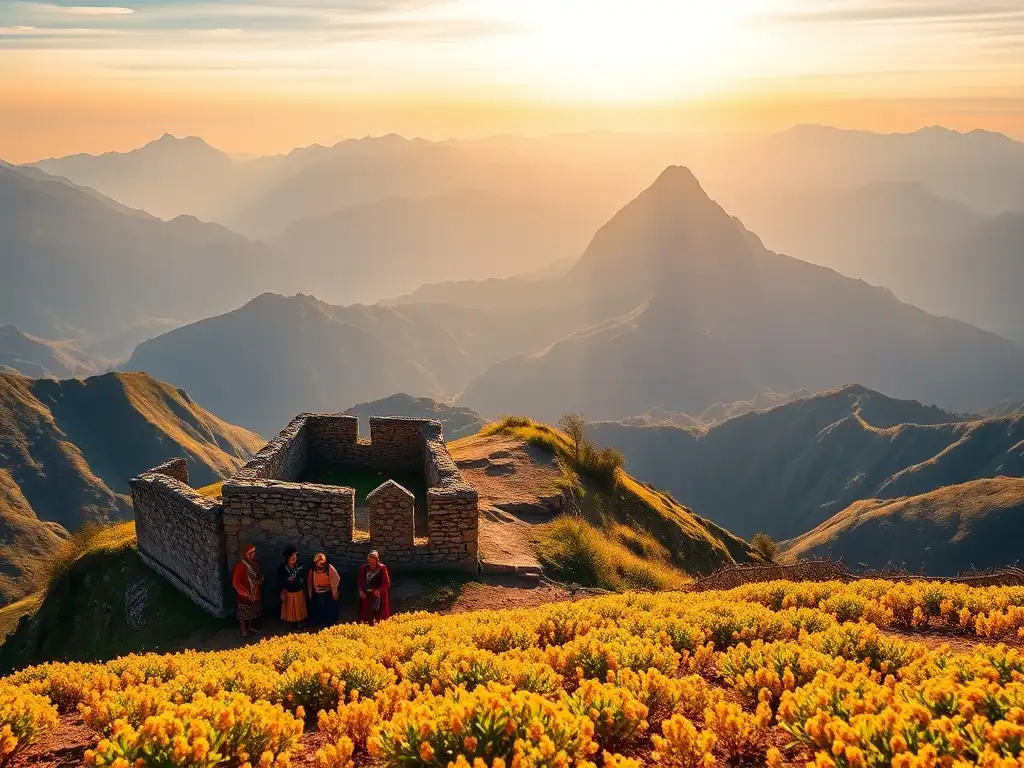
Step into a world lost to time, yet echoing with vibrant life. Imagine the breathtaking landscapes that cradled the mighty Incas, the Moche, and other awe-inspiring Andean civilizations. But their legacy isn't just in ruins; it's in the present. This site delves into their fascinating history, art, and technology. However, how can we experience this heritage without causing harm? Discover the crucial role of responsible Andean tourism practices in preserving this incredible heritage for generations to come – and learn how you can play your part. Let's embark on this journey together.
- Understanding the Importance of Responsible Andean Tourism Practices
- Planning Your Trip: Essential Steps for Responsible Travel
- Key Aspects of Responsible Andean Tourism
- Recommended Resources for Responsible Andean Travel
- Practical Tips for Responsible Interactions with Andean Communities
- Dealing with Unexpected Situations Responsibly
- Conclusion: Becoming a Steward of Andean Heritage
-
Frequently Asked Questions
- What are some examples of responsible tourism practices in the Andes?
- How can I minimize my environmental impact while visiting Andean sites?
- Why is it important to support local communities during my trip?
- What are some cultural sensitivities I should be aware of when visiting Andean communities?
- How can I find tours and activities that promote responsible tourism?
- Final Reflection: Weaving a Sustainable Future for the Andes
- Embrace and Elevate Your Andean Adventure!
Understanding the Importance of Responsible Andean Tourism Practices
The Andes Mountains, a breathtaking spine running down the western edge of South America, are home to a rich tapestry of ancient civilizations. From the intricate artistry of the Nazca Lines to the sophisticated engineering of Machu Picchu, the Andean region boasts a legacy of cultural and historical significance unparalleled in the world. However, the very popularity of these sites presents a challenge: the potential for unsustainable tourism to damage the delicate balance between preserving this incredible heritage and allowing visitors to experience its wonder.
This article focuses on responsible Andean tourism practices, outlining guidelines for ethical travel that ensures the preservation of this invaluable legacy for future generations. Understanding and implementing these practices is crucial not only for the protection of Andean sites but also for enriching the visitor experience, allowing for a deeper appreciation of the region's profound history and vibrant culture.
We will explore how responsible travel directly contributes to the sustainability of Andean communities and the preservation of their unique heritage. Let's delve into the specific ways we can all contribute to responsible Andean tourism.
Why Ethical Travel Matters in the Andean Region
Ethical travel in the Andean region goes beyond simply visiting historical sites; it's about actively contributing to the well-being of the local communities and the preservation of their environment. The impact of tourism, both positive and negative, is significant. Uncontrolled tourism can lead to:
- Environmental degradation: Increased foot traffic can damage fragile ecosystems, leading to soil erosion and the destruction of delicate archaeological features. Improper waste disposal further contributes to pollution.
- Cultural commodification: The simplification or exploitation of indigenous cultures for profit can lead to the loss of traditional practices and knowledge. Authentic cultural experiences should be respected and not treated as mere spectacles.
- Economic inequality: The benefits of tourism often don't reach the local communities, leading to economic disparities and resentment. Supporting local businesses and fair trade practices is vital for ensuring equitable distribution of wealth.
- Overcrowding and infrastructure strain: The influx of tourists can overwhelm local infrastructure, leading to problems with sanitation, transportation, and resource management.
By adopting responsible tourism practices, we can mitigate these negative impacts and foster a more sustainable and equitable relationship between visitors and the Andean communities. This includes respecting local customs, supporting local businesses, and minimizing our environmental footprint. Remember, responsible travel is not just about minimizing harm; it's about actively contributing to positive change. It’s about ensuring that future generations can also experience the magic of the Andes.
Preserving Andean Culture and Archaeological Sites for Future Generations
The preservation of Andean culture and archaeological sites is a shared responsibility. It requires a concerted effort from governments, local communities, tour operators, and individual travelers. Several key strategies are essential:
- Supporting sustainable tourism initiatives: Choose tour operators committed to responsible practices, such as those that prioritize local employment, minimize environmental impact, and support community development projects.
- Respecting local customs and traditions: Learn about the local culture and customs before your visit. Dress modestly when visiting sacred sites, ask permission before taking photographs of people, and be mindful of local sensitivities.
- Minimizing your environmental impact: Follow Leave No Trace principles: pack out all trash, stay on marked trails, and avoid disturbing the natural environment. Consider using eco-friendly transportation options and reducing your water and energy consumption.
- Contributing to conservation efforts: Support organizations dedicated to the preservation of Andean cultural heritage and the protection of the environment. Even small donations can make a significant impact.
- Educating yourself and others: Learn about the history and culture of the Andean region and share your knowledge with others. Encourage responsible tourism practices among your friends and family.
By actively participating in these efforts, we can ensure that the incredible heritage of the Andes remains intact for generations to come. The preservation of these sites is not just a matter of historical significance; it is a vital part of maintaining cultural identity and biodiversity, crucial for both the Andean communities and the planet.
Planning Your Trip: Essential Steps for Responsible Travel
This section focuses on the practical steps you can take to ensure your Andean adventure aligns with principles of responsible Andean tourism practices. Planning is key to minimizing your environmental impact and maximizing the positive contribution your trip makes to local communities. Careful consideration of your choices, from the tour operator you select to the accommodations you book, will help you tread lightly on this precious landscape and enrich the experience for both yourself and the people you encounter.
Choosing Sustainable Tour Operators for Andean Expeditions
Selecting a responsible tour operator is paramount for ensuring your trip adheres to ethical and sustainable practices. Don't just look for the cheapest option; prioritize operators committed to responsible Andean tourism practices. How can you identify these companies? Look for several key indicators. A truly sustainable operator will transparently communicate their commitment to environmental protection and social responsibility. This often involves detailed information about their operational practices.
For example, a truly responsible operator will detail their efforts to reduce their carbon footprint, perhaps through the use of fuel-efficient vehicles or support for carbon offsetting programs. They should also clearly outline their strategies for minimizing waste and promoting recycling within their tours. Furthermore, they should highlight their commitment to fair wages and ethical employment practices for their guides and staff.
Consider the following checklist when researching potential tour operators:
| Feature | Responsible Operator | Irresponsible Operator |
|---|---|---|
| Environmental Impact | Details waste reduction, carbon offsetting, conservation efforts | Lacks information or shows disregard for environment |
| Community Engagement | Supports local communities, hires local guides, fair wages | Little to no interaction with local communities |
| Cultural Sensitivity | Respects local customs and traditions | Shows lack of understanding or respect for culture |
| Transparency & Certification | Provides clear information, may have relevant certifications | Lacks transparency, avoids questions about practices |
Look for certifications like those from reputable sustainability organizations. These certifications often signify a commitment to rigorous standards, offering further assurance of responsible practices. Remember, responsible Andean tourism practices are not just a trend; they are essential for preserving the cultural heritage and natural beauty of the Andes for generations to come.
How to Identify Eco-Friendly and Culturally Sensitive Travel Agencies
Beyond certifications, several subtle cues can indicate a tour operator's commitment to responsible Andean tourism practices. Pay close attention to the language they use in their marketing materials. Do they emphasize minimizing their environmental impact? Do they highlight their contributions to local communities? Do they showcase respect for Andean culture and traditions?
For instance, a truly culturally sensitive agency will educate tourists about appropriate behavior when visiting sacred sites or interacting with local communities. They will emphasize the importance of respectful photography and avoiding disruptive actions. An eco-friendly agency will likely use reusable water bottles and encourage participants to do the same, minimizing single-use plastics. They may also promote the use of public transport or walking instead of relying solely on private vehicles.
Look for detailed itineraries that showcase a genuine understanding of the region's history, culture, and ecology. A responsible agency will not just rush tourists through sites; they will provide ample time for meaningful engagement and appreciation. Avoid operators who seem to prioritize profit over sustainability and cultural respect. Choosing wisely ensures a more enriching and ethically sound travel experience. Remember, responsible Andean tourism practices are not just about avoiding negative impacts; they are about actively contributing to the well-being of the Andes and its people.
Booking Accommodations that Support Local Andean Communities
Your choice of accommodation also significantly impacts the local economy and environment. Opting for locally owned and operated hotels, guesthouses, or homestays directly supports Andean communities. These smaller establishments often prioritize sustainability initiatives and offer a more authentic cultural experience.
Consider the following when choosing your accommodation:
- Local Ownership: Prioritize businesses owned and operated by local Andean communities.
- Sustainable Practices: Look for accommodations that implement eco-friendly practices like water conservation, waste reduction, and renewable energy use.
- Community Involvement: Support accommodations that actively engage with and contribute to the local community.
- Cultural Authenticity: Choose accommodations that reflect and celebrate Andean culture and traditions.
By making conscious choices about where you stay, you contribute directly to the economic well-being of Andean communities and support the preservation of their unique cultural heritage. Remember, responsible Andean tourism practices extend beyond just sightseeing; they involve supporting the communities that make the Andes so special. Your choices make a difference.
Key Aspects of Responsible Andean Tourism
This section delves into the practical application of responsible Andean tourism practices, focusing on actions visitors can take to minimize their impact and maximize their respect for the rich cultural heritage of the Andes. Understanding and implementing these guidelines ensures a positive and sustainable experience for both travelers and the local communities. The principles of responsible Andean tourism are not just suggestions; they are crucial for preserving the invaluable legacy of these ancient civilizations for future generations.
Respecting Sacred Sites and Cultural Norms
The Andes are steeped in spiritual significance, with numerous sites holding deep religious and cultural importance for indigenous communities. Respecting these sacred spaces is paramount for responsible tourism. This involves more than simply avoiding vandalism; it requires a profound understanding of the cultural context and a commitment to respectful behavior.
Understanding the Significance of Andean Ceremonial Places
Many archaeological sites and natural landscapes in the Andes were, and in some cases still are, used for ceremonial purposes. These places are not mere historical landmarks; they are living expressions of Andean spirituality. For example, Apus (mountain spirits) hold immense reverence in Andean cosmology, and certain mountains are considered sacred.
Understanding this deeply rooted spiritual connection is vital before visiting any site, regardless of its formal designation as a "sacred site." Respecting these beliefs means avoiding disrespectful actions such as leaving offerings inappropriately or disturbing natural formations. [Specific information pending: Further details on specific ceremonial practices and their significance in different Andean regions].
Appropriate Conduct and Dress Code at Archaeological Sites like Machu Picchu
Machu Picchu, a UNESCO World Heritage site, serves as a prime example of the need for respectful conduct. While the site's grandeur is undeniably awe-inspiring, it's crucial to remember that it's also a fragile ecosystem and a place of profound historical and spiritual significance. Appropriate conduct includes staying on marked trails, avoiding touching or climbing on ruins, and refraining from loud noises that could disturb the atmosphere. A modest dress code is generally appreciated, particularly when visiting sites with strong religious connotations.
This may involve covering shoulders and knees, and avoiding revealing clothing. Remember, you are a guest in a sacred space. Respect for the site and its history should guide your behavior.
Minimizing Your Environmental Impact in the Andes
The fragile Andean ecosystem is vulnerable to the pressures of tourism. Minimizing your environmental footprint is crucial for ensuring the long-term preservation of this unique and breathtaking landscape. This involves conscious choices at every stage of your journey, from planning to departure.
Utilizing Reusable Water Bottles and Reducing Plastic Waste
Plastic pollution is a growing concern globally, and the Andes are no exception. The impact of plastic waste on the delicate ecosystem is significant. By carrying a reusable water bottle and refusing single-use plastic items, you can considerably reduce your contribution to this problem. Furthermore, supporting businesses that prioritize sustainability and minimize plastic use directly contributes to a cleaner and healthier environment. Consider the cumulative impact: even small actions, when multiplied across many tourists, make a significant difference. Choose to be part of the solution, not the problem.
Supporting Local Conservation Efforts and Programs (e.g., Andean Bear Conservation Program)
Many organizations dedicate themselves to protecting the Andean environment and its wildlife. Supporting these efforts, even through small donations or by volunteering your time, contributes directly to conservation initiatives. The Andean bear, for instance, is a vulnerable species facing habitat loss and other threats.
Supporting the Andean Bear Conservation Program, or similar organizations, directly contributes to the survival of this iconic animal and the preservation of its habitat. Research and choose organizations carefully, ensuring their commitment to transparency and effective conservation strategies. Your contribution, however small, can make a tangible difference in the ongoing efforts to protect the Andes' biodiversity.
Contributing to the Local Andean Economy
Supporting the local Andean economy is paramount to responsible tourism. It ensures that the benefits of tourism are directly felt by the communities that are often the custodians of the incredible cultural heritage you're coming to experience. Instead of funneling money into large, international corporations, your spending can have a transformative impact on the lives of Andean people.
By consciously choosing to support local businesses and artisans, you're actively participating in the preservation of traditional skills, livelihoods, and cultural practices. This isn't just about spending money; it's about building relationships and contributing to the sustainable development of the region. The more tourists prioritize local spending, the more incentive there is for communities to preserve their unique cultures and traditions for future generations.
This reciprocal relationship is vital for the long-term sustainability of both tourism and Andean communities. Your responsible choices directly affect the economic well-being and cultural preservation of the Andes.
Buying Authentic Andean Handicrafts Directly from Artisans
Purchasing authentic Andean handicrafts directly from artisans is a powerful way to contribute to the local economy and support traditional crafts. This practice ensures that the artisans receive a fair price for their work, allowing them to continue their craft and pass down their skills to future generations. When you buy directly from the source, you're also ensuring the authenticity of the product, avoiding potentially exploitative practices that might arise in the larger commercial market.
Look for artisans working in their own workshops or at local markets, where you can engage in direct interaction and learn about the history and techniques behind their creations. By supporting artisans directly, you're not just buying a beautiful souvenir; you're investing in the preservation of a unique cultural heritage and supporting the livelihoods of talented individuals.
Consider the stories behind the pieces—the time, effort, and skill involved—and appreciate the unique cultural value you are acquiring. This mindful purchasing is an essential aspect of responsible Andean tourism practices.
Choosing Locally Owned Restaurants and Businesses in Cusco and Beyond
Beyond handicrafts, supporting locally-owned restaurants and businesses is another crucial aspect of responsible Andean tourism. By choosing to eat at family-run restaurants or patronize locally-owned shops and hotels, you inject funds directly into the community, creating jobs and fostering economic growth. These businesses are often deeply rooted in the local culture, offering authentic experiences and supporting traditional culinary practices. In Cusco, for instance, you can find countless small restaurants serving traditional Peruvian dishes, made with locally-sourced ingredients.
Venturing beyond Cusco, you'll discover even more opportunities to support local entrepreneurs and taste the diverse culinary landscapes of the Andes. The impact of choosing locally-owned establishments is far-reaching, contributing to the overall economic vitality of the region and strengthening the community's ability to preserve its heritage. This simple act of choosing local businesses has a profound and positive impact on the long-term sustainability of Andean communities.
Exploring Options like the Awamaki Cooperative Tours
Consider exploring options like the Awamaki Cooperative Tours, which directly benefit women's cooperatives in the Andes. These initiatives provide opportunities for women to earn a sustainable income through tourism, while preserving their traditional skills and cultural practices. By participating in these experiences, you're not only supporting local businesses but also contributing to gender equality and empowering women within the Andean communities.
These cooperatives often offer unique and enriching experiences, such as textile workshops or cooking classes, providing an opportunity to learn about local traditions directly from the women who practice them. This form of tourism fosters cultural exchange and understanding, creating a mutually beneficial relationship between tourists and local communities.
Choosing to participate in such initiatives directly supports sustainable development and empowers women in the Andes, aligning perfectly with the principles of responsible Andean tourism practices. It's a way to travel with a deeper purpose, leaving a positive and lasting impact on the communities you visit.
Recommended Resources for Responsible Andean Travel
This section provides crucial resources to enhance your understanding of Andean cultures and minimize your environmental impact during your travels. Responsible Andean tourism practices begin with education and preparation. By utilizing these resources, you can contribute to the preservation of this invaluable heritage for future generations. Remember, sustainable exploration requires mindful planning and a deep respect for the Andean environment and its people.
Essential Guides and Books on Andean Culture
Understanding the cultural nuances of the Andes is paramount for respectful travel. These guides and books offer valuable insights into Andean history, traditions, and social structures, equipping you with the knowledge needed to engage responsibly with local communities. They're key to practicing responsible Andean tourism.
"Andean Echoes: A Traveler's Companion" – A Guide to Cultural Sensitivity
This fictional guidebook, "Andean Echoes," focuses on fostering cultural sensitivity. It provides practical advice on navigating social interactions, understanding local customs, and respecting indigenous traditions. The book is divided into sections covering various Andean regions, offering tailored advice for each area. It includes detailed explanations of appropriate attire, communication styles, and respectful etiquette in different contexts, from visiting sacred sites to participating in local markets.
It also highlights the importance of learning a few basic Quechua phrases to show respect and enhance communication. The authors emphasize the importance of supporting local businesses and avoiding practices that might exploit or negatively impact the community. It’s a crucial resource for anyone committed to responsible Andean tourism practices.
"Lost City of the Incas" by Hiram Bingham – A Detailed Exploration of Incan History
While not solely focused on responsible tourism, Hiram Bingham's "Lost City of the Incas" offers a detailed historical context crucial for understanding the significance of Incan sites. This understanding is essential for appreciating the historical and cultural value of the locations you visit and for respecting their preservation. The book provides valuable background on Incan civilization, their societal structures, and the historical context surrounding Machu Picchu and other significant sites.
This historical awareness directly supports responsible tourism by helping travelers appreciate the fragility of these ancient sites and the importance of preserving them for future generations. Understanding the historical weight of these places encourages more respectful behavior and prevents damage through careless actions.
Travel Gear for Environmentally Conscious Andean Explorers
Minimizing your environmental footprint requires careful consideration of your travel gear. Choosing durable, reusable, and environmentally friendly equipment is a significant step towards responsible Andean tourism. This section highlights some examples of sustainable travel gear specifically suited to the Andean environment.
Durable Hiking Boots for Andean Trails (e.g., Salomon Quest 4 GTX)
Investing in durable hiking boots is crucial for navigating the challenging Andean terrain. Opt for high-quality, long-lasting boots to minimize the need for frequent replacements, reducing waste and your overall environmental impact. Consider boots with features like waterproof membranes and strong outsoles to withstand the varied conditions. Look for brands known for their durability and commitment to sustainable manufacturing practices. The choice of footwear directly impacts the level of responsible tourism you practice; durable boots minimize environmental impact by extending their lifespan and reducing landfill waste.
Eco-Friendly Sunscreen for High Altitude Protection (e.g., Badger Balm SPF 35)
High-altitude sun exposure necessitates the use of sunscreen. However, many conventional sunscreens contain harmful chemicals that can damage delicate ecosystems. Choose reef-safe, biodegradable sunscreens that protect both your skin and the environment. Look for options that are free of oxybenzone and octinoxate, two chemicals known to harm coral reefs and marine life. Responsible Andean tourism considers the impact of even seemingly insignificant items like sunscreen on the delicate Andean environment.
Compact and Reusable Water Filtration Systems (e.g., LifeStraw Peak Series)
Access to clean drinking water is essential in the Andes. Carrying a compact and reusable water filtration system significantly reduces plastic waste from disposable bottles. These systems are lightweight, easy to use, and provide reliable access to safe drinking water, minimizing your reliance on single-use plastic bottles and contributing to a cleaner Andean environment. This is a crucial aspect of responsible Andean tourism practices, demonstrating respect for the natural resources and minimizing your impact on the landscape.
Practical Tips for Responsible Interactions with Andean Communities
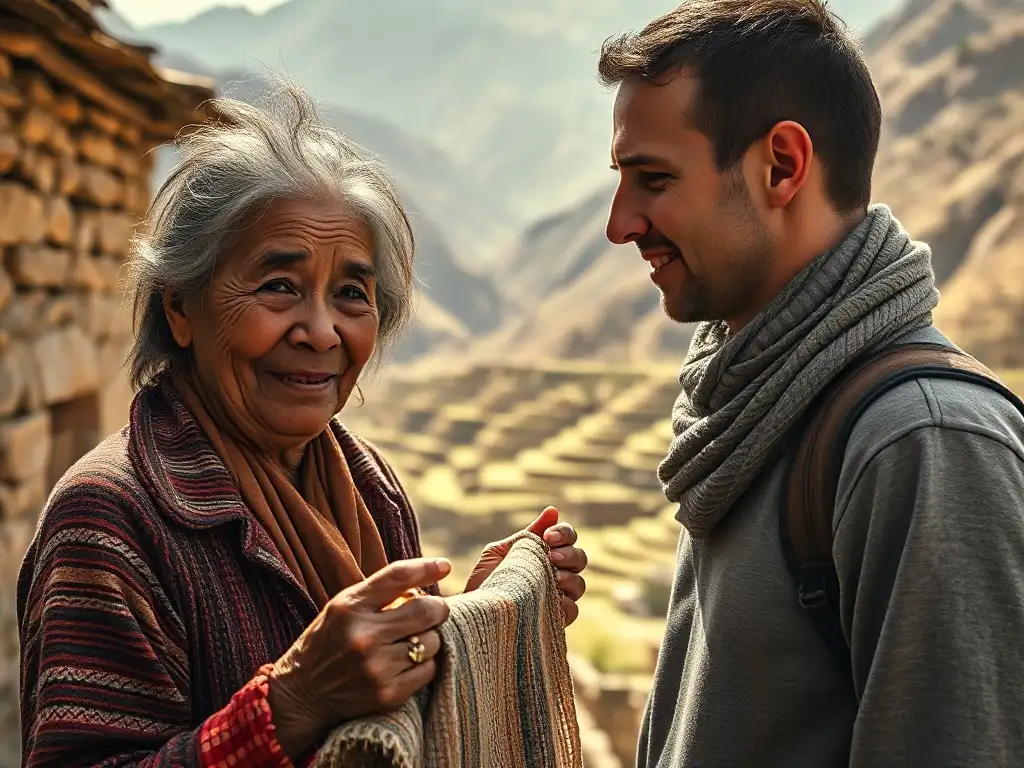
This section offers practical advice for travelers aiming to engage respectfully with Andean communities during their journey. Understanding cultural nuances and adopting responsible practices is crucial for ensuring a positive and enriching experience for both visitors and locals. By following these guidelines, you contribute directly to the sustainability of Andean heritage and the well-being of its people, embodying the principles of responsible Andean tourism practices.
Communicating with Respect: Basic Quechua Phrases
Learning a few basic Quechua phrases can significantly enhance your interactions with local communities. While Spanish is widely spoken in many areas, making an effort to communicate in the indigenous language demonstrates respect and fosters deeper connections. Even a simple "Sumaj kawsay" (beautiful life) or "Gracias" (thank you) can go a long way.
Consider carrying a small phrasebook or using a translation app on your phone. However, remember that pronunciation is key; attempting to speak Quechua, even imperfectly, shows genuine effort and is generally appreciated more than flawless Spanish.
Beyond basic greetings, learning phrases related to asking for directions, expressing gratitude, and politely requesting permission can prove invaluable. For example:
- ¿Ima sutichakuykichis? (What is your name?)
- ¿Maypichka? (Where is…?)
- Amuyanki. (Thank you.)
- Llicentiayku. (Please excuse me.)
While fluency isn't expected, a sincere attempt at communication shows cultural sensitivity, a cornerstone of responsible Andean tourism practices. Remember to always be mindful of your tone and body language, as nonverbal communication plays a significant role in Andean cultures.
Photography Etiquette: Asking for Permission Before Taking Pictures
Photography is a powerful tool for capturing memories, but it's vital to approach it ethically when visiting Andean communities. Respecting individuals' privacy and avoiding exploitative portrayals is paramount for responsible Andean tourism practices.
Before taking any photographs of people, always ask for their permission. A simple gesture and a smile, combined with a brief explanation in Spanish or Quechua (if you know any), can make all the difference. Obtain explicit consent, particularly when photographing children or individuals in private settings.
Remember that some communities may have specific traditions or beliefs surrounding photography. Be observant and respectful of these customs. Avoid intrusive or disrespectful poses; instead, aim for candid shots that capture the essence of daily life without compromising the dignity of the individuals involved.
Furthermore, be mindful of the context. Taking photos of someone working or engaged in a private moment might be considered inappropriate. Always prioritize respect and avoid actions that could be interpreted as intrusive or exploitative. This mindful approach is integral to responsible Andean tourism practices.
Supporting Fair Trade Practices and Ethical Souvenir Shopping
Supporting fair trade practices and ethical souvenir shopping is another critical aspect of responsible Andean tourism practices. By consciously choosing where you spend your money, you contribute directly to the economic well-being of local artisans and communities.
Opt for souvenirs made by local artisans rather than mass-produced items. Look for shops and markets that explicitly support fair trade initiatives. These often highlight the origins of their products and the ethical treatment of workers. Inquire about the production process and the materials used; supporting sustainable practices is also crucial.
Avoid purchasing items made from endangered species or materials obtained through unsustainable harvesting. Be aware of the potential for cultural appropriation and avoid purchasing items that might be considered sacred or culturally significant without proper understanding. By making informed choices, you actively support ethical practices and contribute to the preservation of Andean heritage and livelihoods. This conscious consumerism is a vital part of responsible Andean tourism practices.
Dealing with Unexpected Situations Responsibly
This section focuses on proactive measures and responsible reactions when encountering unforeseen circumstances during your Andean exploration. Understanding how to handle unexpected situations is crucial for practicing responsible Andean tourism. Unexpected events can range from minor inconveniences to serious threats to the environment or cultural heritage. Preparedness and ethical decision-making are key.
What to do if you Witness Harmful Practices
Witnessing harmful practices against Andean heritage is unfortunately a possibility. This could involve vandalism, looting of archaeological sites, unsustainable tourism activities, or the exploitation of local communities. Your actions in such situations are vital. Remember, your role as a responsible tourist extends beyond simply enjoying the sites; it includes actively protecting them.
First, prioritize your personal safety. Do not intervene directly if you feel threatened or unsafe. Instead, discreetly document the situation if possible. This could involve taking notes, sketching details, or – if safe and legal – taking photographs or videos. Note the time, location, and description of the incident as accurately as possible. The more detailed your observations, the more valuable they become for reporting. Consider the specific type of harm being observed:
- Vandalism: Note the extent of the damage, the materials involved, and any identifying marks left by the perpetrators.
- Looting: Record the location of the looted artifacts, if possible. Note the type of artifacts, if identifiable, and any details about the perpetrators.
- Unsustainable Tourism Practices: Document the specific practices observed, such as off-trail hiking causing erosion, littering, or the disturbance of wildlife.
- Exploitation of Local Communities: Note the nature of the exploitation, the individuals or groups involved, and any details that could aid in identifying them.
Following documentation, your next step is reporting. Do not attempt to resolve the issue yourself.
Reporting harmful practices is a crucial element of responsible Andean tourism practices. Several avenues exist for reporting, each with its own strengths and limitations. Your choice of reporting method will depend on the severity of the incident and the resources available to you.
Local authorities, such as park rangers or police, are the first point of contact for many incidents. They possess the legal authority to investigate and take action. However, their response times and effectiveness might vary depending on location and resources. Providing them with the detailed documentation you collected is essential.
Conservation organizations dedicated to protecting Andean heritage often play a significant role in monitoring and preserving these sites. Many have established reporting mechanisms, often online platforms or dedicated contact points. These organizations frequently have expertise in dealing with these issues and can effectively follow up on your report. They may also be better equipped to handle situations involving complex legal or political issues.
Consider these factors when deciding where to report:
| Reporting Channel | Advantages | Disadvantages |
|---|---|---|
| Local Authorities | Legal authority, immediate action potential | Variable response times, resource limitations |
| Conservation Orgs | Expertise, follow-up, potential for long-term impact | May not have immediate response capabilities |
Remember, even seemingly minor incidents, when aggregated, can paint a larger picture of threats to Andean heritage. By reporting these issues, you contribute directly to the preservation of these invaluable sites for future generations. Your participation is a cornerstone of responsible Andean tourism.
Conclusion: Becoming a Steward of Andean Heritage
This exploration of responsible Andean tourism practices highlights the crucial role each visitor plays in preserving the incredible heritage of the Andes. From the majestic ruins of Machu Picchu to the intricate textiles of the Nazca lines, these sites are not just historical landmarks; they are living testaments to vibrant cultures that continue to shape the region today.
By understanding and embracing these practices, we can ensure that future generations have the opportunity to experience the magic of the Andes as we have. The preservation of this invaluable heritage is a collective responsibility, and your conscious choices as a traveler are instrumental in its success.
The Long-Term Benefits of Responsible Andean Tourism
Responsible Andean tourism isn't merely about minimizing negative impacts; it's about fostering a positive, sustainable relationship between tourism and the local communities. The long-term benefits are multifaceted and extend far beyond the immediate experience of the visitor. Consider the following:
- Economic Sustainability: Supporting local businesses, guides, and artisans directly contributes to the economic well-being of Andean communities. This creates a sustainable model where tourism benefits the people who call these lands home, reducing reliance on potentially destructive practices. For example, prioritizing locally owned hotels and restaurants ensures that a larger percentage of tourism revenue stays within the community.
- Environmental Protection: Responsible practices directly contribute to the preservation of the fragile Andean ecosystems. Minimizing waste, respecting wildlife habitats, and supporting eco-friendly initiatives help protect the breathtaking landscapes that draw tourists to the region in the first place. This includes reducing our carbon footprint through responsible transportation choices and supporting initiatives focused on reforestation and biodiversity conservation.
- Cultural Preservation: Respecting local customs, traditions, and sacred sites is paramount. This ensures that the rich cultural tapestry of the Andes is not only preserved but also celebrated. This goes beyond simply avoiding disruptive behavior; it involves actively engaging with and learning from the local culture, fostering mutual respect and understanding. For example, learning a few basic Quechua phrases demonstrates respect and enhances the cultural exchange.
- Community Empowerment: Responsible tourism empowers local communities by giving them a voice in the management of tourism in their areas. This fosters a sense of ownership and pride, leading to more authentic and enriching experiences for visitors. By supporting community-based tourism initiatives, travelers contribute to locally-led development projects that benefit the entire community.
Your Role in Protecting the Cultural Legacy of the Andes
Your individual actions as a traveler directly impact the future of Andean heritage. Even small changes can have a significant cumulative effect. Consider these key actions:
- Choose reputable tour operators: Prioritize operators committed to sustainable and ethical practices. Look for certifications and testimonials that demonstrate their commitment to responsible tourism.
- Support local businesses: Opt for locally owned hotels, restaurants, and craft shops to inject revenue directly into the community.
- Respect local customs and traditions: Learn about the cultural norms of the region before your trip and adhere to them respectfully. Avoid intrusive photography, especially in sacred sites.
- Minimize your environmental impact: Reduce your waste, conserve water, and choose eco-friendly transportation options whenever possible.
- Engage respectfully with local communities: Interact with locals in a courteous and respectful manner, valuing their knowledge and perspectives.
- Learn a few basic phrases in the local language: This simple act demonstrates respect and can greatly enhance your interactions with the local population.
By actively embracing these principles, you become a steward of Andean heritage, ensuring that the breathtaking landscapes and rich cultural tapestry of the Andes are preserved for generations to come. Remember, responsible Andean tourism is not just a trend; it's a commitment to a sustainable future for this incredible region. Let's work together to protect this invaluable legacy.
Frequently Asked Questions
What are some examples of responsible tourism practices in the Andes?
Respecting local customs and traditions is crucial. This includes seeking permission before taking photos of people and supporting locally owned businesses. Minimizing your environmental impact through sustainable practices is also vital.
How can I minimize my environmental impact while visiting Andean sites?
Choose eco-friendly accommodations and transportation options. Avoid single-use plastics and respect fragile ecosystems by staying on marked trails. Support initiatives that promote environmental conservation.
Why is it important to support local communities during my trip?
Supporting local communities directly benefits the people who call the Andes home. This includes purchasing handicrafts from local artisans and eating at locally owned restaurants. This helps preserve cultural heritage and traditions.
What are some cultural sensitivities I should be aware of when visiting Andean communities?
Learn basic Quechua phrases (or the local language) to show respect. Be mindful of dress codes and avoid overly revealing clothing. Always ask for permission before taking photographs of people.
How can I find tours and activities that promote responsible tourism?
Look for tour operators who explicitly highlight their commitment to sustainable and ethical practices. Research community-based tourism initiatives that directly benefit local communities. Read reviews and look for certifications from reputable organizations promoting responsible tourism.
Final Reflection: Weaving a Sustainable Future for the Andes
The preservation of Andean heritage is not merely a historical endeavor; it is a vital necessity for the future. The irresponsible practices of mass tourism threaten the delicate balance of these unique ecosystems and the rich cultural tapestry woven by its indigenous communities. Ignoring this threat risks the irreversible loss of invaluable traditions, landscapes, and the very spirit of the Andes.
The impact of tourism on the Andes is a complex issue, one that demands constant vigilance and adaptation. The vibrant traditions, ancient knowledge, and breathtaking landscapes are not static; they are living entities constantly evolving. Yet, the pressure of unsustainable tourism threatens to homogenize these unique expressions, stripping them of their authenticity. The tourist does not see what is in front of him; he sees what he has brought with him.
– Marcel Proust. This quote highlights the crucial need for tourists to approach the Andes with humility, respect, and a genuine desire to learn and understand, rather than simply to consume.
Consider the impact of your choices. Will you be a part of the problem, contributing to the erosion of this precious heritage? Or will you be part of the solution, choosing to engage in responsible tourism practices that support local communities and protect the environment? Choose to tread lightly, to learn deeply, and to leave the Andes richer for your visit. Let your journey be a testament to the power of respectful engagement, ensuring that future generations can experience the magic of the Andes as you have.
Embrace and Elevate Your Andean Adventure!
Thank you for exploring the rich tapestry of Andean heritage with us! Your commitment to responsible tourism not only supports vibrant local communities but also significantly enhances your travel experience. Let's turn that awareness into action!
Here are a few impactful ways you can make a difference:
- Choose sustainable travel options: Opt for eco-friendly accommodations and transportation, and prioritize supporting local businesses throughout your journey.
- Immerse yourself in the local culture: Participate in workshops, learn traditional crafts, and attend cultural events to gain a deeper understanding and appreciation of the Andean way of life. Engage respectfully with indigenous communities, ensuring your interactions are mutually beneficial.
- Share your inspiring journey: Spread the word! Share your experiences and photos on social media using #AndeanRespect to inspire others to travel mindfully and responsibly.
What unique cultural experiences are you hoping to discover on your next Andean adventure? Let's connect in the comments below!