
The Lost Kingdoms: Climate Change and the Rise of New Powers

Step into a world lost to time, yet echoing with the whispers of a vanished empire. For centuries, the majestic Andean civilizations thrived, leaving behind a legacy of breathtaking artistry and ingenuity. But what truly shaped their rise and dramatic fall? Discover the surprising role of Andean civilizations climate change in this captivating exploration of power, resilience, and the enduring mysteries of the Andes. Unravel the secrets of these ancient kingdoms—their story is far more complex than you might imagine.
- The Lost Kingdoms: Climate Change and the Rise of New Powers in the Andes
- Pre-Incan Societies and Environmental Shifts
- The Inca Empire and the Impact of Climate Change
- Climate Change and the Rise of New Andean Powers
- Andean Civilizations Climate Change: Lessons for the Present
- The Future of Andean Societies: Facing the Challenges of a Changing Climate
-
Frequently Asked Questions
- How did climate change affect the Andean civilizations?
- Which Andean civilizations were most affected by climate change?
- What technological innovations helped Andean civilizations cope with climate change?
- Did climate change contribute to the rise and fall of Andean empires?
- What can we learn from the Andean civilizations' response to climate change?
- Final Reflection: Echoes of the Andes, Whispers of the Future
- Unveil the Future: Take Action Against Climate Change!
The Lost Kingdoms: Climate Change and the Rise of New Powers in the Andes
The Andes Mountains, a spine of towering peaks running down the western coast of South America, have witnessed the rise and fall of numerous impressive civilizations. For millennia, Andean societies thrived in this challenging environment, developing sophisticated agricultural techniques, intricate social structures, and remarkable artistic expressions. However, their existence was inextricably linked to the capricious nature of the Andean climate, a delicate dance between high altitudes, arid deserts, and fertile valleys.
This article explores the significant impact of climate change on the trajectory of Andean civilizations, demonstrating how periods of drought, flood, and shifting weather patterns contributed to the decline of some empires and, paradoxically, to the rise of others. We will examine specific examples from the Inca, Moche, Nazca, and Tiahuanaco cultures, revealing how their resilience and adaptability – or lack thereof – shaped their destinies and left an enduring legacy on the Andean landscape.
Understanding this complex interplay between human ingenuity and environmental forces is crucial for comprehending the rich tapestry of Andean history and for appreciating the ongoing challenges faced by the region today. The study of Andean civilizations and climate change provides valuable insights into the long-term effects of environmental shifts on human societies and offers critical lessons for our own time.
Understanding Ancient Andean Civilizations and Their Environment
Andean civilizations, renowned for their engineering prowess and agricultural innovations, were deeply intertwined with their environment. Their survival depended on a precise understanding of the Andean ecosystem, characterized by its extreme variability. The high altitude, steep slopes, and diverse microclimates presented both opportunities and obstacles. Societies like the Incas developed sophisticated irrigation systems, such as canals and terraces, to manage water resources effectively, particularly during periods of drought. The Nazca, famous for their geoglyphs, mastered techniques for water harvesting and storage, essential for thriving in the arid coastal plains. The Moche, on the other hand, built their society around the fertile valleys of the northern coast, skillfully utilizing river systems for agriculture and transportation. Their agricultural success was, however, highly dependent on predictable rainfall patterns. The Tiahuanaco civilization, located on the Altiplano, developed complex agricultural practices adapted to the high-altitude environment, including raised fields and sophisticated water management systems. Understanding these adaptations is fundamental to assessing the impact of climate change on their respective societies. The intricate relationship between these societies and their environment highlights the fragility of their existence and their vulnerability to climatic shifts.
The following table summarizes some key environmental factors and their impact on different Andean civilizations:
| Civilization | Key Environmental Factor | Impact | Adaptation Strategies |
|---|---|---|---|
| Inca | Variable rainfall, frost | Food shortages, social unrest | Terracing, irrigation systems, storage facilities |
| Nazca | Aridity, scarce water resources | Limited agricultural production | Water harvesting, underground aqueducts |
| Moche | Flooding, El Niño events | Destruction of infrastructure, crop failures | Elaborate irrigation canals, defensive structures |
| Tiahuanaco | Cold temperatures, frost, variable rainfall | Reduced agricultural yields | Raised fields, frost protection techniques |
The Fragile Balance: Climate Vulnerability in the Andean Region
The Andean region is inherently vulnerable to climate change due to its complex topography and diverse ecosystems. Fluctuations in temperature and precipitation patterns, exacerbated by global warming, can have devastating consequences. For instance, prolonged droughts can lead to crop failures, water shortages, and famine, while increased frequency and intensity of El Niño events can result in catastrophic flooding and landslides. These climatic shifts had profound effects on Andean civilizations, often leading to social unrest, population displacement, and the collapse of entire empires.
Evidence from archaeological studies, paleoclimatology, and historical records suggests a strong correlation between periods of climatic instability and significant societal transformations. For example, some scholars argue that prolonged droughts contributed to the decline of the Tiwanaku civilization, while others point to El Niño events as a factor in the downfall of the Moche. The impact of climate change was not uniform across all Andean societies; some demonstrated remarkable resilience and adaptability, while others were less successful in navigating these environmental challenges.
The ability to adapt, innovate, and manage resources effectively proved crucial in determining the long-term survival of these ancient societies. The study of past climate change impacts provides invaluable insights into the vulnerabilities of Andean communities and helps inform strategies for adaptation and mitigation in the face of future challenges. 🌍
Pre-Incan Societies and Environmental Shifts
This section explores how pre-Inca Andean civilizations, specifically the Moche, Nazca, and Tiahuanaco, navigated and adapted to significant climatic shifts, demonstrating remarkable resilience and ingenuity in the face of environmental challenges. Understanding their strategies offers valuable insights into the complex interplay between Andean civilizations and climate change, a crucial aspect of understanding the broader history of the region. The impact of these climatic variations on societal structures, agricultural practices, and overall cultural development cannot be overstated.
Analyzing these adaptations provides a deeper understanding of the resilience and vulnerability of Andean societies facing environmental pressures. The keyword "Andean civilizations climate change" is intrinsically linked to the survival and evolution of these fascinating cultures.
Moche Civilization: Adapting to Coastal Climate Variations
The Moche civilization (c. 100-800 CE), flourishing along the arid northern coast of Peru, faced significant challenges from El Niño-Southern Oscillation (ENSO) events. These events brought periods of intense rainfall and flooding, alternating with severe droughts. Evidence suggests the Moche developed sophisticated irrigation systems to manage water resources effectively during both extremes. Their intricate canal networks, capable of diverting water from rivers and streams, allowed them to sustain intensive agriculture even during prolonged dry spells.
Furthermore, their mastery of ceramics allowed them to create large storage vessels for water and food, crucial for weathering periods of scarcity. The Moche's understanding of their coastal environment, reflected in their sophisticated infrastructure and adaptive strategies, highlights their ability to thrive despite the inherent unpredictability of the climate. Their success underscores the importance of infrastructural development in mitigating the effects of climate change on Andean civilizations.
The Moche's sophisticated understanding of their environment is also reflected in their art. Depictions of floods and droughts in their pottery and textiles suggest a deep awareness of the cyclical nature of climatic variations. This understanding likely informed their decision-making processes and contributed to their ability to adapt to changing conditions. Further research into Moche settlements and agricultural practices is needed to fully quantify the impact of ENSO events on their society and to explore the extent to which their societal structures were influenced by these cyclical variations.
The Nazca Culture: Water Management in Arid Environments
The Nazca culture (c. 100 BCE – 800 CE), inhabiting the extremely arid southern coast of Peru, developed ingenious water management techniques to survive in one of the driest regions on Earth. Their famous Nazca Lines, while visually stunning, may also have played a role in water management, possibly marking underground aquifers or facilitating astronomical observations relevant to predicting rainfall patterns. More importantly, their mastery of subsurface water collection systems – known as puquios – enabled them to tap into underground water sources, making agriculture possible in this harsh environment.
These puquios involved complex networks of tunnels and shafts that channeled water from underground aquifers to surface canals, demonstrating remarkable engineering skills. The Nazca's success in extracting and distributing water resources exemplifies the ingenuity of Andean civilizations in adapting to extreme aridity, a crucial element in understanding the impact of climate change on Andean civilizations.
The Nazca also cultivated crops adapted to arid conditions, employing drought-resistant varieties and implementing efficient irrigation techniques. Their agricultural practices, in combination with their water management infrastructure, enabled them to sustain a relatively large population in a seemingly inhospitable environment. The sustainability of these practices, however, remains a subject of ongoing research, with scholars debating the long-term effects of intensive water extraction on the region's water resources. Understanding the limitations and eventual consequences of Nazca water management strategies is crucial for comprehending the long-term impact of climate change on Andean societies.
Tiahuanaco: A High-Altitude Empire and Climatic Challenges
The Tiahuanaco civilization (c. 500-1000 CE), located at high altitude on the shores of Lake Titicaca, faced different climatic challenges compared to coastal cultures. The high altitude environment presented challenges related to temperature, frost, and unpredictable rainfall patterns. Evidence suggests the Tiahuanaco developed sophisticated agricultural techniques, including raised fields ( suka kollus) and terracing, to optimize crop yields in this challenging environment.
These techniques not only helped regulate soil temperature and moisture but also improved drainage and reduced erosion. The impressive scale of Tiahuanaco's agricultural infrastructure points to a highly organized society capable of undertaking large-scale public works projects, an essential aspect of mitigating the impact of climate change on Andean civilizations.
Moreover, Tiahuanaco's urban planning reflects an understanding of the local climate. The city's layout, including its monumental architecture and intricate water management systems, suggests a deliberate attempt to optimize its functionality within the high-altitude environment. However, the exact extent to which climatic variability influenced Tiahuanaco's decline remains a matter of debate.
Some scholars propose that prolonged droughts or other climatic shifts contributed to the civilization's eventual collapse, while others emphasize internal factors. Further research is needed to fully understand the complex interplay between environmental change and societal dynamics in Tiahuanaco's history. The story of Tiahuanaco serves as a powerful reminder of the interconnectedness of climate, environment, and the rise and fall of empires in the Andes.
The Inca Empire and the Impact of Climate Change
The Inca Empire, a marvel of Andean engineering and political organization, wasn't immune to the capricious nature of the Andean climate. While their sophisticated infrastructure and agricultural techniques allowed them to thrive for centuries, periods of intense drought and climatic instability significantly impacted their power and ultimately contributed to their downfall.
Understanding the interplay between Inca societal structures and environmental fluctuations is crucial to comprehending the rise and fall of this remarkable Andean civilization. The keyword phrase "Andean civilizations climate change" directly addresses the core theme of this section, highlighting the significant relationship between climate and the fate of the Inca.
Inca Agricultural Innovations and Environmental Adaptation
The Inca possessed remarkable agricultural ingenuity, developing sophisticated techniques to adapt to the challenging Andean terrain and variable climate. Their mastery of terracing, irrigation systems (like waru waru), and crop diversification allowed them to maximize agricultural output even in harsh conditions. Terracing, for example, reduced soil erosion and created microclimates suitable for various crops, increasing yields and mitigating the risks associated with drought or frost. The waru waru system, a raised-field agricultural technique, improved water retention and soil fertility, making it incredibly resilient to drought.
This proactive approach to environmental management demonstrates the Inca's deep understanding of their environment and their ability to modify it to their advantage. Their success was largely attributable to this sophisticated understanding of the climate and how to work with it, not against it. This nuanced approach to agriculture is a testament to the sophisticated knowledge of Andean civilizations regarding climate change adaptation.
The 1525-1550 CE Drought and its Impact on the Inca Empire
The period between 1525 and 1550 CE witnessed a prolonged and severe drought across much of the Andes, significantly impacting the Inca Empire. This drought, corroborated by paleoclimatological data such as ice core analysis and tree ring studies, exacerbated existing social and political tensions within the empire. Reduced agricultural yields led to widespread food shortages and famine, weakening the empire's ability to maintain its vast infrastructure and control its diverse population.
The scarcity of resources increased competition and conflict within the empire, weakening its centralized authority and contributing to unrest. This period highlights the vulnerability of even the most powerful Andean civilizations to the devastating effects of prolonged climate anomalies. The impact of this drought on the Inca's ability to govern effectively underscores the significant role of climate change in shaping the trajectory of Andean civilizations.
The Collapse of Inca Power: Environmental Factors and Political Instability
The collapse of the Inca Empire was a complex process involving a multitude of factors, including the arrival of the Spanish conquistadors. However, the severe drought of 1525-1550 CE, along with other environmental stresses, significantly weakened the empire, making it more vulnerable to conquest. The combination of environmental stress and pre-existing political instability created a perfect storm that facilitated the rapid disintegration of Inca power.
Food shortages, population displacement, and increased social unrest eroded the empire's capacity to resist external threats. While the Spanish conquest played a crucial role, it is essential to acknowledge the significant contribution of environmental factors, particularly the prolonged drought, to the ultimate collapse of the Inca Empire.
This demonstrates the intricate relationship between climate change, societal resilience, and the fate of Andean civilizations. The vulnerability of the Inca to environmental pressures highlights the importance of understanding the impact of climate change on the stability and longevity of societies, even the most powerful and well-organized ones.
Climate Change and the Rise of New Andean Powers
The impact of climate change on Andean civilizations wasn't a singular event, but a series of fluctuating environmental pressures that profoundly shaped the political and social landscape over millennia. While the Inca Empire's collapse is often associated with internal strife and Spanish conquest, a closer examination reveals the significant role of environmental factors, particularly shifts in climate patterns, in weakening the empire and paving the way for the rise of new power structures. The already complex interplay of existing societal structures and fluctuating resource availability was dramatically altered by these climatic shifts, leading to both societal upheaval and innovative adaptations.
Understanding the multifaceted effects of climate change on Andean societies requires a nuanced approach that considers both the long-term trends and the immediate impacts on specific communities. The Andean civilizations climate change relationship is complex and requires further research to fully understand its implications.
Post-Inca Societies: Adapting to New Climatic Realities
The fall of the Inca Empire in the 16th century didn't mark the end of Andean civilization. Instead, it ushered in a period of fragmentation and adaptation, where various groups emerged, vying for control and resources in a dramatically altered environment. Post-Inca societies faced the challenges of a changing climate, including altered rainfall patterns, increased frequency of droughts and floods, and shifts in agricultural productivity. These groups, though lacking the centralized control of the Inca, demonstrated remarkable resilience and ingenuity in their responses.
For example, the emergence of smaller, more localized political entities reflected a strategic adaptation to the newly volatile environment. Smaller, more self-sufficient communities could better weather the storms—literally and figuratively—than a large, centralized empire heavily reliant on complex logistical networks. These smaller groups often developed specialized knowledge of local ecosystems, allowing them to optimize their agricultural practices for unpredictable conditions.
Archaeological evidence suggests a diversification of crops and irrigation techniques, reflecting a proactive approach to mitigating the risks associated with climate variability. The development of terraces and sophisticated water management systems continued, though often on a smaller scale than those seen under Inca rule, demonstrating a continuation of Andean ingenuity in the face of adversity. Detailed records of these adaptations are scarce, but ongoing research continues to uncover crucial insights into the resilience of these post-Inca communities.
The Emergence of Regional Powers and Climate Resilience
The instability following the Inca collapse created opportunities for the rise of new regional powers. These weren't simply opportunistic groups seizing power; they were often communities that had already demonstrated resilience in the face of prior climatic challenges. Their success stemmed from a combination of factors: strategic alliances, effective resource management, and a deep understanding of their local environment. Their ability to adapt to the changing climate, leveraging existing knowledge and developing new techniques, allowed them to thrive in a period of considerable uncertainty.
Consider the case of [specific regional power pending]. While detailed information on their specific climate adaptation strategies is limited, available evidence points towards a focus on [specific adaptation strategies pending], highlighting the diverse approaches employed by different groups in response to climate change. This period witnessed a fascinating interplay between continuity and change, with traditional Andean agricultural practices being refined and adapted to the new climatic realities. The resulting diversity in strategies reflects the complex and nuanced relationship between Andean societies and their environment.
The Cañari People and Their Environmental Strategies
The Cañari, a pre-Inca group inhabiting the southern highlands of Ecuador, are a compelling case study in Andean climate adaptation. Their sophisticated understanding of their environment allowed them to develop effective strategies for managing resources and mitigating the impact of climate variability.
Their agricultural practices, including the construction of extensive terrace systems and the cultivation of a diverse range of crops, demonstrate a remarkable level of environmental awareness and ingenuity. The Cañari's success wasn't solely based on their agricultural prowess; their social organization and political structures also played a crucial role in their ability to respond effectively to environmental challenges.
The Cañari’s resilience is evidenced by their ability to persist despite significant environmental pressures and the subsequent incorporation into the Inca Empire, and later, the colonial system. Their integration into larger political entities didn't necessarily diminish their unique environmental knowledge or their ability to adapt. Instead, they often played a crucial role in providing expertise in local ecosystems and resource management, demonstrating the value of indigenous knowledge in navigating environmental change.
Further research into Cañari agricultural practices and social structures is needed to fully appreciate their sophisticated adaptation strategies and the lessons that can be learned from their experience. The study of the Cañari offers a valuable insight into the long-term relationship between Andean civilizations and climate change, highlighting the adaptive capacity of these societies in the face of environmental challenges. Understanding their strategies can inform our understanding of modern climate change adaptation efforts.
Andean Civilizations Climate Change: Lessons for the Present
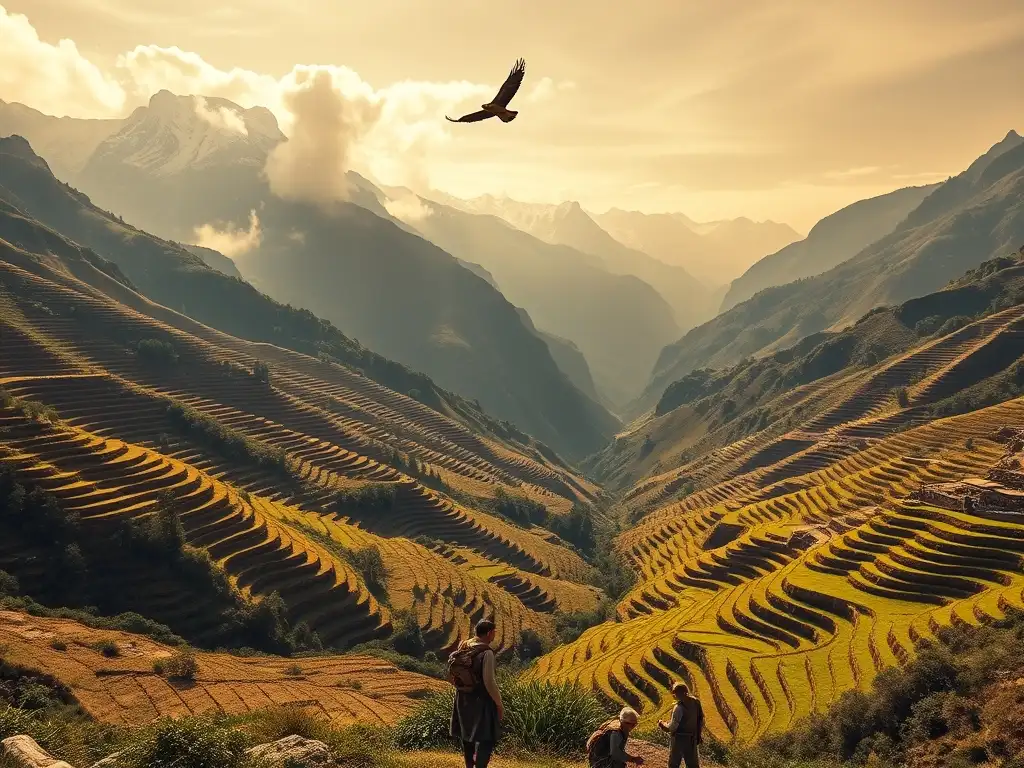
This section explores the multifaceted relationship between Andean civilizations and climate change, examining both historical adaptations and contemporary vulnerabilities. Understanding the past provides crucial insights into building resilience for the future, especially considering the increasing frequency and intensity of extreme weather events impacting the Andes today. The Andean region's unique geography and diverse ecosystems played a significant role in shaping the resilience strategies of past societies, offering valuable lessons for modern approaches to climate change mitigation and adaptation.
We will delve into specific examples of ancient Andean ingenuity and compare them with current challenges, highlighting the crucial need for a holistic approach that incorporates both traditional knowledge and modern scientific understanding. The keyword, "Andean civilizations climate change," is central to understanding the long-term impacts and informing future strategies.
Ancient Andean Wisdom: Sustainable Practices and Climate Adaptation
Ancient Andean societies, including the Inca, Moche, Nazca, and Tiahuanaco, developed sophisticated techniques for managing resources and adapting to environmental variability. Their success wasn't simply a matter of luck; it stemmed from a deep understanding of their environment and the implementation of sustainable practices. For instance, the Inca's intricate terracing systems prevented soil erosion and maximized agricultural yields, even in challenging mountainous terrain. These terraces, often built on steep slopes, effectively captured rainwater and slowed runoff, mitigating the effects of droughts and floods.
The Nazca's ingenious canal systems, on the other hand, enabled them to efficiently manage water resources in a desert environment, allowing for successful agriculture in an otherwise arid landscape. These achievements demonstrate remarkable foresight and adaptation to a variable climate, highlighting the importance of resource management and infrastructure development in building resilience against climate-related shocks. Furthermore, evidence suggests that the Inca implemented sophisticated crop diversification strategies, planting a variety of crops adapted to different altitudes and microclimates, thereby minimizing the risk of complete crop failure due to environmental shifts.
This agricultural strategy, coupled with their sophisticated water management systems, ensured food security even during periods of climatic stress. These examples of sustainable practices show a deep understanding of ecological principles far ahead of their time. The integration of traditional knowledge with modern scientific techniques holds immense potential for developing effective climate change adaptation strategies in the Andes today.
Modern Climate Change and the Vulnerability of Andean Communities
Modern climate change poses significant challenges to Andean communities, exacerbating existing vulnerabilities and creating new ones. The accelerating pace of glacier melt, for example, is disrupting water resources crucial for agriculture and hydropower generation. Increased frequency and intensity of extreme weather events, such as droughts, floods, and landslides, threaten livelihoods and infrastructure, disproportionately impacting the most vulnerable populations.
These impacts are not uniformly distributed; indigenous communities, often residing in geographically isolated and environmentally sensitive areas, are particularly susceptible to climate change's adverse effects. The loss of biodiversity, coupled with changes in rainfall patterns, is further jeopardizing traditional agricultural practices and food security. Data from [specific information pending] indicates a significant increase in the frequency of extreme weather events in the Andes over the past decade.
This data underscores the urgent need for targeted interventions to support vulnerable communities and build resilience against future climate shocks. The challenges are multifaceted, demanding a comprehensive approach encompassing both climate change mitigation and adaptation strategies.
Preserving Andean Heritage in the Face of Global Warming
Preserving Andean heritage is intrinsically linked to addressing climate change. The unique cultural practices, traditional knowledge, and historical landscapes of the Andes are all vulnerable to the impacts of global warming. Protecting these invaluable assets requires a multi-pronged approach that integrates conservation efforts with climate change adaptation strategies. This involves not only protecting physical sites and artifacts but also safeguarding traditional knowledge and practices related to sustainable resource management and climate adaptation.
The knowledge embedded within Andean communities, passed down through generations, holds immense potential for informing effective climate change responses. Initiatives promoting the documentation and dissemination of this traditional knowledge are crucial in building resilience and fostering sustainable development. Furthermore, protecting the biodiversity of the Andean region is vital, as it plays a critical role in ecosystem services and climate regulation.
The conservation of these ecosystems, including the protection of páramo grasslands and cloud forests, is essential for mitigating climate change and supporting the livelihoods of Andean communities. The preservation of Andean heritage and the fight against climate change are inextricably linked; one cannot succeed without the other. A holistic approach, valuing both cultural and environmental preservation, is essential for securing a sustainable future for the Andean region.
The Future of Andean Societies: Facing the Challenges of a Changing Climate
The future of Andean societies is inextricably linked to their ability to adapt to the ongoing challenges of climate change. The region's unique geography and dependence on fragile ecosystems make it particularly vulnerable to shifts in temperature, precipitation patterns, and glacial melt. Understanding the historical resilience of Andean civilizations, coupled with modern scientific knowledge and technological advancements, is crucial for building a more sustainable and prosperous future.
The impacts of climate change, including increased frequency and intensity of droughts and floods, threaten food security, water resources, and infrastructure, potentially leading to social unrest and displacement. However, proactive measures, informed by both traditional practices and cutting-edge research, offer pathways to mitigate these risks and foster resilience within Andean communities. This section will explore some key strategies for navigating these complex challenges.
Implementing Water Management Projects to mitigate the impact of climate change in the Andes
Effective water management is paramount for Andean communities facing the increasing unpredictability of water resources due to climate change. Traditional Andean water management systems, often based on intricate networks of canals and reservoirs, offer valuable lessons for modern approaches. However, these systems need to be adapted and enhanced to address the scale and intensity of current challenges. This necessitates a multi-faceted strategy including:
- Improved irrigation infrastructure: Investing in modern, efficient irrigation systems, including drip irrigation and rainwater harvesting techniques, can significantly reduce water waste and enhance agricultural productivity, even during periods of drought. Data from [specific information pending] on the effectiveness of different irrigation techniques in various Andean regions would further inform these strategies.
- Reservoir construction and maintenance: Building and maintaining reservoirs of appropriate size and design, considering factors like sedimentation and water loss, is crucial for storing water during periods of surplus and releasing it during droughts. This requires careful hydrological modeling and consideration of environmental impacts.
- Integrated water resource management: A holistic approach is needed, integrating water management with other sectors like agriculture, energy, and urban planning. This requires collaborative efforts between government agencies, local communities, and researchers. For example, [specific information pending] demonstrates the success of collaborative water management initiatives in [specific Andean region].
- Water conservation awareness campaigns: Educating communities about water conservation techniques and the importance of responsible water use is crucial for long-term sustainability. This includes promoting water-efficient agricultural practices and reducing water consumption in households and industries.
The Importance of Indigenous Knowledge in Environmental Conservation
Indigenous communities in the Andes possess a wealth of traditional ecological knowledge (TEK) accumulated over centuries of living in harmony with their environment. This knowledge, often passed down through generations, offers valuable insights into sustainable resource management, climate adaptation strategies, and understanding the complex interactions within Andean ecosystems. Ignoring this invaluable resource would be a significant oversight. Integrating TEK with modern scientific methods can lead to more effective and culturally appropriate solutions to the challenges posed by climate change.
Examples of the importance of TEK include:
- Sustainable agricultural practices: Indigenous farming techniques, such as terracing and crop diversification, have proven remarkably resilient to climate variability. These methods can be adapted and scaled up to improve food security in the face of climate change.
- Water management techniques: Traditional Andean water management systems, as mentioned previously, demonstrate ingenuity and sustainability. Modern adaptations of these systems can provide valuable lessons for managing water resources more efficiently.
- Biodiversity conservation: Indigenous communities often play a vital role in protecting biodiversity through traditional practices and sacred sites. Their knowledge of plant and animal species can be crucial for conservation efforts.
Integrating TEK requires respectful collaboration and recognition of indigenous rights and intellectual property. This collaborative approach ensures that indigenous communities are active participants in shaping the future of their environments.
Building a More Resilient Future for Andean Civilizations
Building a resilient future for Andean civilizations requires a multi-pronged approach that combines scientific understanding, technological innovation, and the preservation of traditional knowledge. Climate change poses significant threats, but it also presents an opportunity to build stronger, more sustainable communities. This requires:
- Investing in climate-resilient infrastructure: Building infrastructure that can withstand extreme weather events, such as floods and droughts, is crucial for protecting communities and livelihoods. This includes investing in improved housing, transportation, and energy systems.
- Promoting sustainable economic development: Diversifying economies and promoting sustainable livelihoods can reduce vulnerability to climate change impacts. This includes supporting sustainable agriculture, tourism, and other sectors that are less vulnerable to climate variability.
- Strengthening early warning systems: Developing and implementing effective early warning systems for extreme weather events can help communities prepare and respond to climate-related disasters.
- International collaboration: Addressing climate change requires international cooperation and support. This includes sharing knowledge, technology, and resources to help Andean communities adapt to the challenges they face.
The future of Andean civilizations depends on the collective efforts of governments, researchers, and local communities to build a more resilient and sustainable future. By integrating traditional knowledge with modern science and technology, we can create a path towards a more prosperous and equitable future for the Andean region. 🤝
Frequently Asked Questions
How did climate change affect the Andean civilizations?
Climate change significantly impacted Andean societies. Droughts and floods disrupted agriculture, leading to social unrest and the collapse of some empires. Adaptability and innovation were crucial for survival.
Which Andean civilizations were most affected by climate change?
While all were impacted, the Wari and Tiwanaku empires experienced significant challenges due to prolonged droughts. The Inca also faced climate-related difficulties, though their sophisticated infrastructure helped mitigate some effects.
What technological innovations helped Andean civilizations cope with climate change?
Andean peoples developed advanced irrigation systems, terracing, and water management techniques to adapt to variable rainfall. They also developed diverse crop varieties to ensure food security.
Did climate change contribute to the rise and fall of Andean empires?
Climate change was undoubtedly a contributing factor in the rise and fall of several Andean empires. Environmental stress often exacerbated existing social and political tensions, leading to instability and collapse.
What can we learn from the Andean civilizations' response to climate change?
Studying the Andean civilizations offers valuable insights into human adaptation to environmental change. Their strategies highlight the importance of resource management, innovation, and community resilience in facing climate challenges.
Final Reflection: Echoes of the Andes, Whispers of the Future
The collapse of Andean civilizations serves as a stark warning, a chilling echo in the face of our current climate crisis. The intricate interplay between environmental degradation, societal instability, and ultimately, the downfall of powerful empires, is not a relic of the past; it's a roadmap to our potential future if we fail to heed the lessons etched in the dust of forgotten cities. The vulnerability of even the most advanced societies to environmental shifts is a truth we ignore at our peril.
The story of the Andes, a landscape sculpted by both human ingenuity and the unforgiving hand of nature, continues to resonate deeply. The impact of climate change on these ancient societies, and the subsequent shifts in power and influence, offers a profound understanding of our own precarious position. The past is never dead. It's not even past.
– William Faulkner. This quote rings truer than ever when considering the enduring legacy of climate change and its potential to reshape the global landscape, mirroring the dramatic transformations witnessed in the Andean region centuries ago. We are, in essence, writing the next chapter of this story, and the choices we make today will determine its outcome.
Consider the fragility of our own systems, the interconnectedness of our global economy, and the potential for cascading failures in the face of escalating climate impacts. You have the power to be a part of the solution. Engage in informed discussions, support sustainable practices, and demand action from your leaders. Let the echoes of the lost kingdoms of the Andes inspire you to build a more resilient and equitable future, one where the lessons of the past guide us towards a sustainable tomorrow.
Unveil the Future: Take Action Against Climate Change!
Thank you for exploring the fascinating interplay between historical events and the urgent challenge of climate change. Your interest fuels the crucial conversations we need to have. Knowledge is power, and now is the time to put your learning into action.
Here are a few ways you can make a difference:
- Join a local environmental group: Connect with others who share your commitment to tackling climate change.
- Share your knowledge: Discuss the impact of climate change with friends and family, raising awareness and encouraging action.
- Support sustainable initiatives in your community: Every effort, from advocating for renewable energy to participating in conservation projects, makes a difference.
As you consider these actions, ask yourself: How can your unique talents and passions contribute to the fight against climate change and the preservation of our planet's rich history? Let's work together!