
The Power of Potatoes: Exploring the Agricultural Trade of Andean Civilizations

Unravel the mysteries of a world sculpted by ingenuity and shaped by the Andes! Journey back in time to discover how the seemingly humble potato became a cornerstone of power and prosperity for the magnificent Andean civilizations. From the Incas to the Nazca, their mastery of potato agriculture transformed empires and fueled breathtaking innovations. Prepare to be amazed by the intricate story of Andean civilizations potato agriculture – a tale of ingenuity, resilience, and the enduring legacy of a remarkable plant. Dive in and explore!
The Andes Mountains, a breathtaking and imposing landscape, nurtured not only vibrant civilizations but also a remarkable agricultural system. This article delves into the crucial role of the potato in the economies and societies of the ancient Andean civilizations, exploring its cultivation, trade, and enduring significance within the context of their broader agricultural practices.
We will examine the origins of potato cultivation, its geographic spread, and the sophisticated agricultural techniques employed by Andean peoples to maximize yields and sustain their populations. This exploration will highlight the potato's importance not just as a staple crop, but as a key component of the complex trade networks that connected diverse Andean communities, shaping their cultural and economic landscapes.
Understanding the power of the potato is essential to grasping the full complexity and ingenuity of Andean civilizations. This exploration will focus on the impact of potato agriculture on the trade routes and economic systems of the Incas, Moche, Nazca, and Tiahuanaco, amongst others, providing a comprehensive overview of the "Andean civilizations potato agriculture" phenomenon.
Introduction to Andean Agriculture and the Significance of the Potato
Andean agriculture was a marvel of adaptation and innovation, thriving in diverse and challenging environments ranging from arid coastal deserts to high-altitude mountain slopes. The ingenuity of Andean farmers is evident in their terracing techniques, irrigation systems, and sophisticated understanding of crop rotation. Among their remarkable achievements, the domestication and cultivation of the potato stands out as a pivotal contribution to their survival and prosperity.
The potato ( Solanum tuberosum) provided a highly nutritious and calorie-rich staple food, capable of withstanding harsh conditions and providing sustenance for large populations. Its adaptability to varying altitudes and climates allowed for its cultivation across diverse Andean regions, contributing to the stability and growth of these societies. Furthermore, the potato was not merely a food source; it played a significant role in religious ceremonies, social structures, and economic exchanges, solidifying its position as a cornerstone of Andean life.
The sheer volume of potatoes produced and traded facilitated the growth of complex social hierarchies and large urban centers. The impact of the potato extended far beyond mere sustenance, shaping the cultural, economic, and political landscape of the Andes.
The Origins of Potato Cultivation in the Andes
The exact origins of potato cultivation remain a subject of ongoing research, but the overwhelming consensus points to the Andes Mountains as its birthplace. Archaeological and genetic evidence strongly suggests that the potato was domesticated from wild species within the diverse Andean ecosystem. The process of domestication, spanning millennia, involved careful selection and cultivation of specific traits, leading to the development of the potato varieties we know today.
This process highlights the deep understanding Andean farmers possessed of their environment and the remarkable ingenuity they displayed in shaping it to their needs. The domestication of the potato represents a significant milestone in human history, providing a vital food source for millions and shaping the course of Andean civilizations.
Early Evidence of Potato Domestication
Early evidence of potato domestication comes from various archaeological sites across the Andes, with some findings dating back thousands of years. [Specific archaeological sites and dates pending]. These findings include the discovery of potato remains in ancient settlements, alongside tools and other artifacts that suggest sophisticated agricultural practices.
Analyzing these remains, researchers can glean valuable information about the early stages of potato domestication, including the types of potatoes cultivated, the methods of cultivation employed, and the role of the potato in early Andean societies. This evidence supports the idea that potato cultivation was not a sudden event, but rather a gradual process shaped by generations of Andean farmers. The meticulous nature of the archaeological findings reveals the importance placed on this staple crop from the very beginning of its cultivation.
Geographic Distribution of Wild Potato Species
The diverse geography of the Andes is home to a remarkable variety of wild potato species, providing a rich genetic pool for domestication and adaptation. These wild species are found at different altitudes and climates, reflecting the incredible adaptability of the potato plant. [Specific data on geographic distribution of wild potato species pending].
Understanding the distribution of these wild species is crucial for understanding the origins and evolution of cultivated potatoes, as well as for future research into potato biodiversity and crop improvement. The vast diversity of wild potatoes underscores the importance of preserving this valuable genetic resource. The distribution patterns also shed light on the potential migration patterns of both the plant and the people who cultivated it, offering valuable insights into the early movement and settlement of Andean communities.
Potato Agriculture Techniques in Andean Societies
Andean civilizations weren't just masters of intricate textiles and impressive architecture; they were also pioneers in agricultural innovation, particularly in potato cultivation. Their success stemmed from a deep understanding of their environment and the development of sophisticated techniques to maximize yields in challenging terrains. The ingenuity of their farming methods allowed them to thrive in the diverse Andean landscape, from the high altitudes of the Andes mountains to the coastal valleys.
The cultivation of potatoes wasn't simply a matter of planting and harvesting; it was a complex system deeply integrated into their social and religious life. The sheer variety of potato species cultivated, each adapted to specific microclimates, speaks volumes about their agricultural expertise. Their knowledge wasn't limited to cultivating a single variety; rather, they understood the importance of biodiversity, ensuring resilience against crop failure and maximizing nutritional benefits.
This understanding of biodiversity and adaptation is a crucial element in understanding the success of Andean potato agriculture. The techniques they employed are still relevant today, offering valuable lessons in sustainable agriculture.
Terracing and Irrigation Systems for Potato Farming
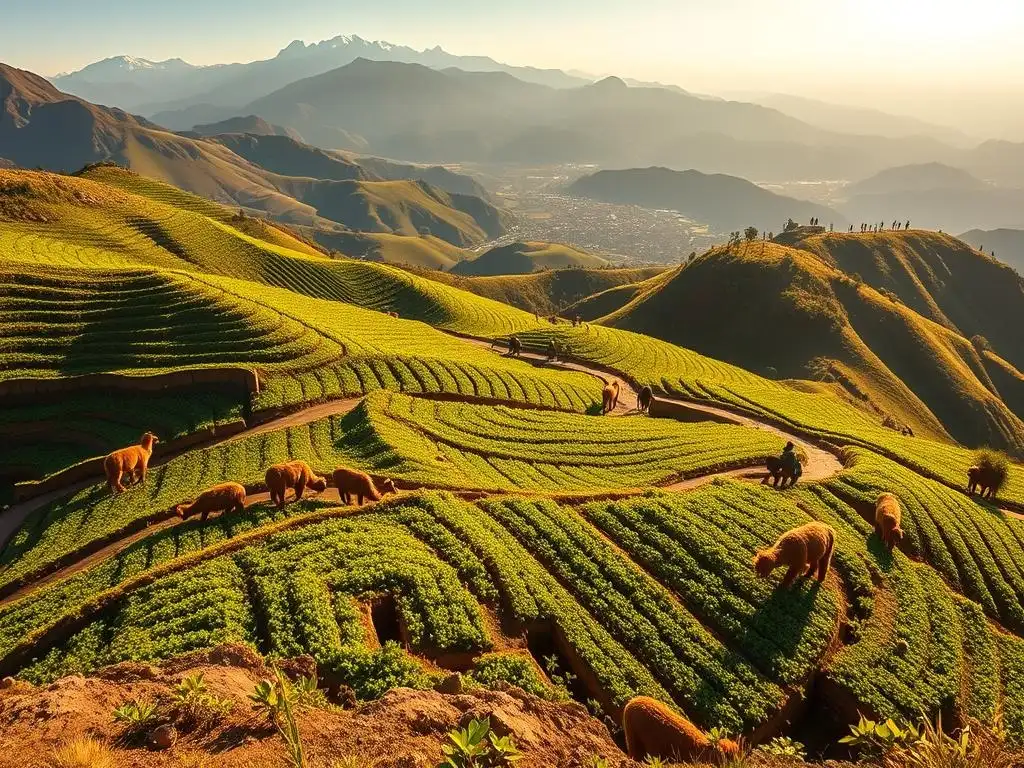
The dramatic topography of the Andes presented significant challenges to agriculture. Steep slopes and limited flat land necessitated innovative solutions. Andean farmers masterfully carved terraces into the mountain slopes, creating level fields for cultivation. These terraces, often supported by intricate retaining walls made of stone, prevented soil erosion and maximized arable land.
The construction of these terraces was a monumental undertaking, requiring significant labor and coordination within communities. The precise engineering involved in the construction of these terraces is a testament to the advanced understanding of Andean societies of both agriculture and engineering. Furthermore, the integration of irrigation systems was crucial for success.
Canals and channels were meticulously constructed to divert water from rivers and streams, providing a reliable source of irrigation for the terraced fields. This sophisticated water management ensured consistent crop yields, even during dry periods. The precise alignment of these canals and their remarkable durability demonstrate a sophisticated understanding of hydraulic engineering and the importance of water conservation.
Crop Rotation and Soil Management Practices
Beyond terracing and irrigation, Andean farmers employed advanced soil management techniques. Crop rotation, a practice involving the systematic planting of different crops in a sequence, was crucial in maintaining soil fertility. This prevented the depletion of specific nutrients and minimized the risk of pest infestations. The selection of crops was not arbitrary; it was based on a deep understanding of soil composition and nutrient requirements.
This knowledge, passed down through generations, ensured the long-term productivity of their land. In addition to crop rotation, Andean farmers practiced techniques like composting and the use of organic fertilizers, further enhancing soil health. The careful management of their soil resources was essential for their agricultural success, demonstrating a commitment to sustainability that resonates even today. The effectiveness of these techniques is highlighted by the ability of Andean farmers to cultivate potatoes and other crops sustainably for centuries.
The Use of Traditional Tools and Techniques
The tools used by Andean farmers were remarkably well-adapted to their environment and the specific demands of potato cultivation. While seemingly simple, these tools represent a high degree of craftsmanship and ingenuity. Examples include specialized digging sticks, stone hoes, and hand-held tools for planting and harvesting. The effectiveness of these tools, combined with their knowledge of soil conditions and crop requirements, allowed them to achieve impressive yields.
The design of these tools often incorporated locally sourced materials, reflecting a deep connection to their environment. The durability and effectiveness of these tools, often passed down through generations, are a testament to the knowledge and skill of Andean farmers. The tools were not just functional; they were also often imbued with symbolic meaning, reflecting the importance of agriculture in their culture.
The Potato as a Staple Food in Andean Diets
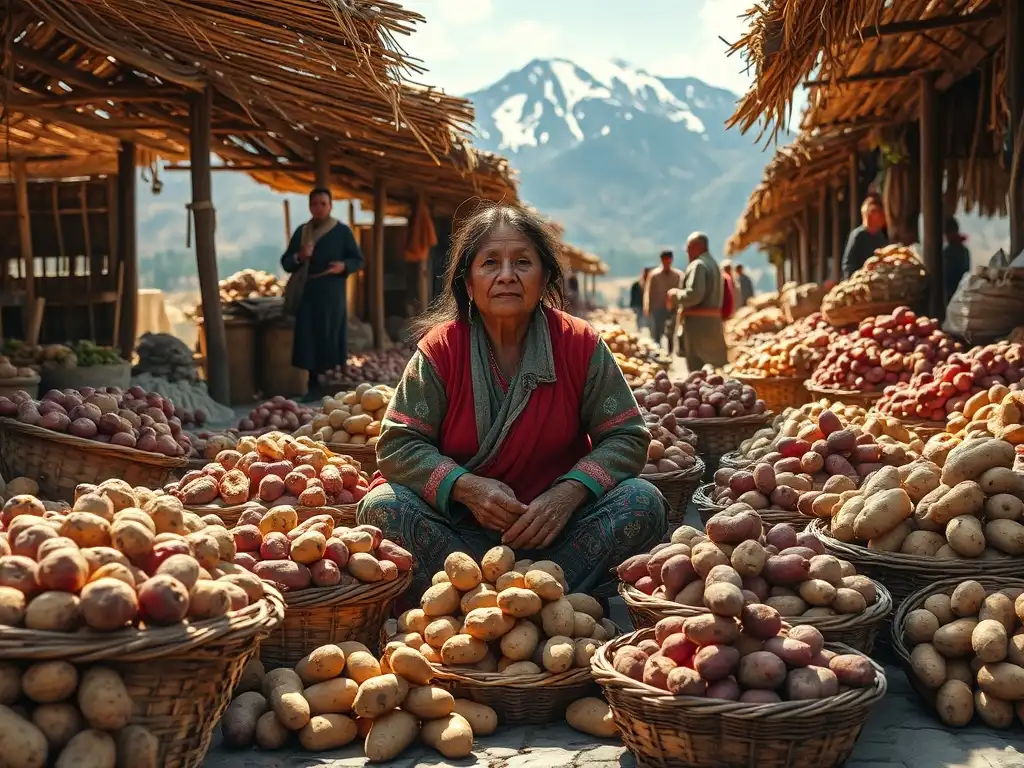
The potato's significance in Andean societies extended far beyond its role as a primary crop. It was, and remains, a cornerstone of their diet, providing essential nutrients and contributing significantly to their food security. Its versatility allowed for a wide range of preparations, ensuring a varied and nutritious diet, even in challenging environmental conditions. The potato's nutritional value and its adaptability to diverse climates made it a crucial component of their food system. Its role in their culture was not simply nutritional; it was deeply intertwined with their social and spiritual lives.
Nutritional Importance of the Potato
The potato is a rich source of carbohydrates, providing the essential energy needed for daily activities. Beyond carbohydrates, potatoes are also a good source of vitamins, particularly vitamin C, and minerals like potassium. This nutritional profile made the potato a vital component of a balanced diet, contributing to the overall health and well-being of Andean populations.
The variety of potato types cultivated further enhanced the nutritional diversity of their diet, ensuring a wide range of vitamins and minerals were consumed. The nutritional value of the potato is undeniable, and its role in sustaining Andean populations for centuries is a testament to its importance.
Variety of Potato Preparations and Culinary Uses
The versatility of the potato allowed for a wide range of culinary preparations. Andean cuisine boasts a vast repertoire of potato dishes, reflecting the creativity and ingenuity of Andean cooks. From simple boiled potatoes to more elaborate stews and soups, potatoes formed the basis of countless meals. Different varieties were used for different preparations, taking advantage of their unique textures and flavors. The culinary traditions surrounding the potato are rich and diverse, showcasing the cultural significance of this staple food. The techniques of potato preparation were often passed down through generations, demonstrating the enduring legacy of Andean culinary practices.
Role of Potatoes in Andean Festivals and Rituals
The potato's importance extended beyond its nutritional value; it played a significant role in Andean festivals and rituals. Potatoes were often offered as offerings to deities, reflecting their belief in the potato's sacred nature. Festivals celebrating the potato harvest were common, reinforcing the importance of agriculture in their social and spiritual lives. These rituals and festivals served as vital social gatherings, strengthening community bonds and celebrating the abundance provided by the land. The integration of the potato into religious and ceremonial practices highlights its deep cultural significance within Andean societies, demonstrating that its importance transcended its simple nutritional value.
The Potato's Role in Andean Trade and Economy
The potato, Solanum tuberosum, wasn't just a staple food for Andean civilizations; it was a cornerstone of their economic and social structures. Its adaptability to diverse altitudes and climates allowed for widespread cultivation, generating significant surpluses that fueled regional trade networks and supported large populations. The potato's nutritional value, providing essential carbohydrates and vitamins, made it crucial for sustaining the energy levels needed for demanding agricultural practices, construction projects, and military campaigns.
Its role extended beyond mere sustenance; it became a significant commodity, influencing political power, social hierarchy, and economic prosperity across various Andean societies. The efficient cultivation and distribution of potatoes were directly linked to the stability and growth of these ancient empires. Control over potato production and trade often translated into political dominance and economic influence.
Potato Surplus and Regional Trade Networks
The ability of Andean farmers to cultivate a surplus of potatoes was paramount to the development of extensive trade networks. Different regions specialized in particular potato varieties, leading to a complex system of exchange. High-altitude regions, with their unique climates, produced specific potato types highly valued in lower-lying areas.
This specialization fostered interdependence between communities and regions, strengthening economic ties and facilitating cultural exchange. The surplus potatoes were not only traded for other goods but also served as a crucial buffer against crop failures, ensuring community resilience and stability during times of scarcity. Evidence from archaeological sites indicates the existence of well-established trade routes dedicated to the movement of potatoes and other agricultural products across vast distances.
The Potato as a Medium of Exchange
In some Andean societies, potatoes served not only as food but also as a form of currency or medium of exchange. While not universally used as a direct equivalent to gold or other precious metals, potatoes' value as a staple food made them a practical and readily available commodity for bartering. The value of a potato, or a specific quantity of potatoes, would vary depending on factors like variety, size, and quality, reflecting the intricacies of the Andean economy.
This system of exchange, intertwined with other forms of barter and trade, highlights the potato's multifaceted role in the Andean economic system. Further research is needed to fully understand the nuances of this system and its regional variations.
The Importance of Potatoes in Sustaining Andean Populations
The potato's high caloric density and nutritional value were crucial in supporting the large populations of the Andean civilizations. The ability to cultivate potatoes at various altitudes allowed for the creation of diverse agricultural systems capable of feeding millions. This agricultural diversity acted as a safety net; even if one crop failed, others could compensate, ensuring food security.
The nutritional benefits of the potato contributed to the overall health and strength of the populations, supporting their physical capabilities for labor-intensive tasks such as agriculture, construction, and warfare. The importance of potatoes in sustaining Andean populations is undeniable and highlights the crop's central role in the development of these complex societies.
Major Andean Civilizations and Their Potato Agriculture
The cultivation and trade of potatoes were central to the economic and social structures of several major Andean civilizations. Each civilization developed unique techniques and approaches to potato farming, storage, and distribution, reflecting their specific environmental conditions and cultural practices. Their innovative agricultural practices allowed them to harness the potato's potential, shaping their societies and leaving a lasting legacy.
Incan Potato Farming and Storage Techniques
The Inca Empire, renowned for its sophisticated agricultural techniques, developed advanced methods for potato cultivation and storage. They utilized terracing on steep slopes to maximize arable land and employed irrigation systems to ensure consistent water supply. Their knowledge of different potato varieties and their adaptability to various altitudes allowed for the cultivation of a wide range of crops.
The Inca also developed sophisticated storage techniques, including underground qollqas, to preserve potatoes throughout the year, ensuring food security during lean seasons. This efficient system of cultivation and storage played a vital role in the Inca's ability to sustain a large and powerful empire.
Moche Pottery Depictions of Potato Cultivation
The Moche civilization, known for its elaborate pottery, often depicted scenes of daily life, including agricultural practices. Their pottery provides valuable insights into their potato cultivation techniques. Depictions show farmers planting, harvesting, and processing potatoes, offering a visual record of their agricultural practices. The pottery also reveals the importance of potatoes in Moche society, highlighting their role in religious ceremonies and daily life. These artistic representations are invaluable sources of information for understanding Moche agriculture and its cultural significance.
Tiahuanaco Agricultural Innovations and the Potato
The Tiahuanaco civilization, located on the Altiplano, developed innovative agricultural techniques adapted to the challenging high-altitude environment. Their mastery of raised fields and irrigation systems allowed them to cultivate potatoes and other crops in areas otherwise unsuitable for agriculture. The sophisticated engineering behind their agricultural infrastructure demonstrates their deep understanding of water management and soil cultivation. These innovations were crucial in supporting the large population of Tiahuanaco and played a vital role in the civilization's prosperity. Their agricultural practices significantly influenced subsequent Andean civilizations.
Nazca Lines and Their Possible Connection to Potato Agriculture
While the exact purpose of the Nazca Lines remains a subject of debate, some theories propose a connection to agricultural practices, potentially including potato cultivation. Some researchers suggest that the lines may have served as channels for water management or as markers for agricultural fields. The lines' alignment with celestial events could have helped farmers determine optimal planting and harvesting times.
Although further research is needed to confirm this hypothesis, the possibility of a connection between the Nazca Lines and potato agriculture adds another intriguing layer to the understanding of this enigmatic civilization and their agricultural practices. The intricate relationship between the Nazca Lines and their environment continues to fascinate researchers and highlights the complex interplay between culture, agriculture, and cosmology in ancient Andean societies.
The Impact of Potato Trade on Andean Societies
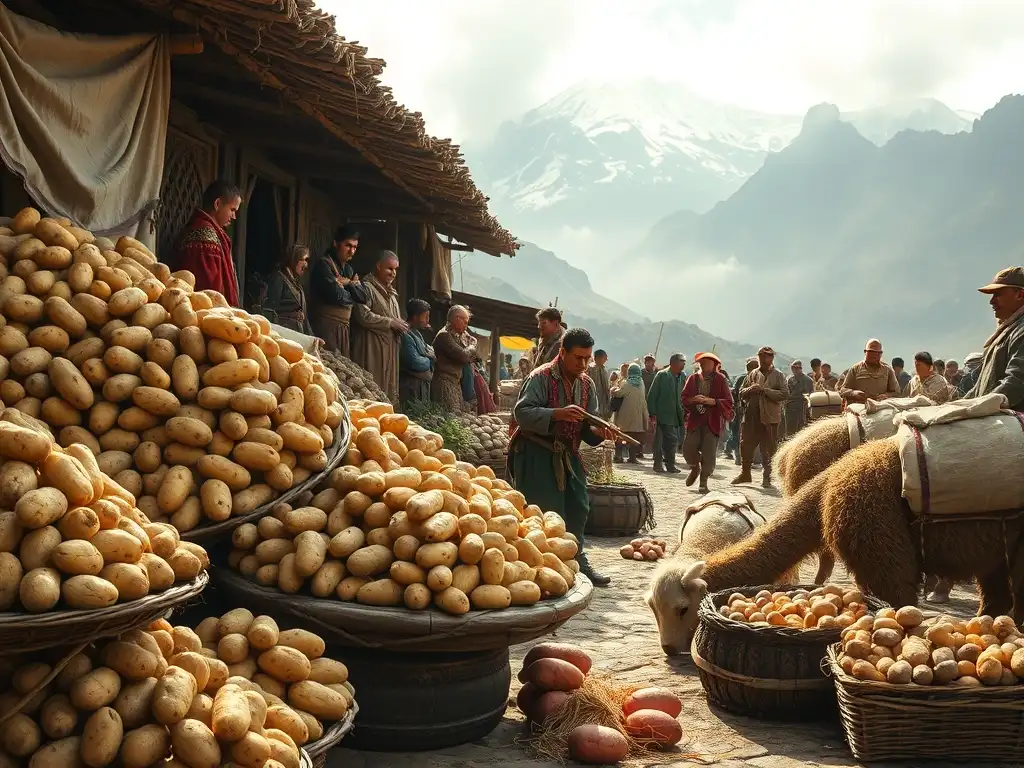
The potato's impact on Andean societies was profound and multifaceted, extending far beyond mere sustenance. Its cultivation and trade shaped social structures, political power dynamics, and economic prosperity across various Andean civilizations. The sheer volume of potatoes produced and traded fueled population growth and allowed for the development of complex urban centers.
Different varieties, each with unique properties and cultivation requirements, were traded across diverse ecological zones, fostering inter-regional connections and exchange. This intricate network of potato trade wasn't simply about exchanging goods; it facilitated the spread of ideas, technologies, and cultural practices. The success of a society often hinged on its ability to effectively cultivate, store, and trade potatoes, highlighting its critical role in the overall stability and growth of these civilizations.
For instance, the Inca Empire, known for its sophisticated administrative system, actively managed potato production and distribution to ensure food security and maintain control over its vast territories. The efficient management of this crucial resource played a pivotal role in the Inca's success.
Social and Political Implications of Potato Control
Control over potato production and trade was directly linked to social status and political power within Andean societies. Elites often exerted control over the most fertile lands and the most desirable potato varieties, ensuring their own privileged access to resources. This control extended to the labor force involved in cultivation, storage, and transportation, solidifying the power of the ruling classes. The allocation of potatoes also played a crucial role in maintaining social order.
The distribution of potatoes to the populace was often tied to labor obligations or loyalty to the ruling power. Conversely, shortages or disruptions in potato trade could trigger social unrest and even lead to conflicts between different groups competing for control of this vital resource. The Inca system of mit'a, a form of labor tax, was partially dependent on successful potato cultivation and distribution, demonstrating the deep intertwining of social organization and agricultural productivity.
Economic Power and Wealth Generated by Potato Trade
The potato was not only a staple food but also a significant commodity in Andean trade networks. Different varieties, depending on their size, quality, and suitability for specific purposes (e.g., consumption, storage, or seed), commanded varying market prices. This created a dynamic economic system where individuals and communities could accumulate wealth through successful potato cultivation and trade.
Large-scale agricultural projects, such as the extensive terracing systems built by the Inca and other Andean groups, were directly linked to the economic value of potatoes and the need to maximize production. Furthermore, the trade in potatoes facilitated the exchange of other goods and services, creating a complex and interconnected economy that extended across vast distances. The economic prosperity generated by potato agriculture fueled the development of sophisticated infrastructure, including roads, storage facilities, and irrigation systems.
The Potato's Influence on Cultural Development
The potato’s importance transcended mere economics; it deeply influenced Andean culture. Religious beliefs and ceremonies often revolved around the potato harvest and its symbolic importance as a life-giving crop. Myths, legends, and artistic representations frequently featured the potato, reflecting its central place in Andean cosmology and worldview.
The diversity of potato varieties itself inspired culinary creativity and innovation, with different varieties being used in a vast array of dishes and preparations. The development of specialized tools and techniques for potato cultivation and processing further contributed to the richness and complexity of Andean culture. The potato’s role in daily life, from planting to consumption, shaped social rituals, family structures, and community bonds, emphasizing its integral role in the cultural fabric of Andean societies.
The Legacy of Andean Potato Agriculture
The legacy of Andean potato agriculture is immense and continues to shape global food systems today. The techniques developed by Andean civilizations, such as terracing, irrigation, and crop diversification, remain relevant and valuable even in modern agriculture. The incredible genetic diversity of potatoes originating from the Andes provides a crucial resource for breeding new varieties that are resistant to diseases and adaptable to changing climates.
Understanding the historical practices of Andean farmers offers valuable insights for sustainable agriculture and food security in the face of growing global challenges. Preserving and promoting traditional Andean farming knowledge is essential for both cultural heritage and food security.
The Global Spread of the Potato from the Andes
The potato's journey from the Andes to the rest of the world is a fascinating story of exploration, colonization, and cultural exchange. Its introduction to Europe in the 16th century marked a turning point in global food production. Initially met with skepticism and resistance, the potato gradually gained acceptance, eventually becoming a staple crop across continents.
The potato played a significant role in population growth and economic development in various parts of the world, dramatically altering dietary habits and agricultural practices. Its adaptability to different climates and its high yield made it an invaluable resource, particularly for regions with limited arable land. However, its spread was also intertwined with the complex history of colonialism and its impact on indigenous populations.
Modern Potato Cultivation and Genetic Diversity
Modern potato cultivation relies heavily on the incredible genetic diversity that originated in the Andes. Scientists continue to explore the vast array of potato varieties from the Andes, seeking genes that can enhance disease resistance, yield, and nutritional value in commercially grown potatoes. This genetic resource is essential for ensuring the long-term sustainability of potato production in the face of climate change, pests, and diseases.
The ongoing research into Andean potato genetics is vital for maintaining the global food supply and adapting to the challenges of a changing world. Preserving this genetic diversity is not just a matter of scientific interest; it's crucial for global food security.
Preservation of Traditional Andean Farming Practices
Preserving traditional Andean farming practices is crucial for maintaining both biodiversity and cultural heritage. These traditional methods often incorporate sustainable practices that are environmentally friendly and resilient to climate change. Supporting indigenous communities in their efforts to preserve and promote their traditional knowledge is essential for ensuring the long-term sustainability of potato cultivation in the Andes and beyond.
The integration of traditional knowledge with modern scientific advancements offers a promising path towards achieving food security and preserving cultural heritage simultaneously. This approach not only ensures the continuity of traditional farming practices but also contributes to the development of more sustainable and resilient agricultural systems globally.
Conclusion: The Enduring Power of the Potato in Andean History
The potato's journey through Andean history is a testament to its remarkable adaptability and the ingenuity of the civilizations that cultivated it. From its humble beginnings as a wild plant to its role as a cornerstone of complex agricultural systems and a vital component of trade networks, the potato profoundly shaped the social, economic, and political landscapes of the Andes. Its impact extended far beyond mere sustenance; it fueled population growth, supported the development of sophisticated urban centers, and facilitated the expansion of empires.
The intricate systems of cultivation, storage, and distribution developed by Andean peoples showcase a deep understanding of agriculture and resource management. This knowledge, passed down through generations, allowed them to thrive in challenging environments and build resilient societies.
Even today, the potato remains a staple crop in the Andes, reflecting its enduring importance to the region's cultural identity and food security. Modern agricultural practices continue to build upon the foundations laid by ancient Andean farmers, highlighting the enduring legacy of their agricultural innovations. Understanding the historical role of the potato in Andean civilizations provides valuable insights into the complexities of ancient agricultural systems and their impact on societal development.
Furthermore, it underscores the importance of preserving and celebrating the rich agricultural heritage of the Andes, a heritage that continues to nourish and inspire. The potato, therefore, stands as a powerful symbol not only of Andean agricultural prowess but also of the enduring connection between people and their land. Its story is one of resilience, adaptation, and the remarkable ability of humans to harness the power of nature to build thriving societies.
The legacy of Andean potato cultivation continues to resonate, reminding us of the vital role agriculture plays in shaping human history and culture. Further research into specific cultivation techniques, trade routes, and the socio-economic impact of potato production across different Andean cultures would enrich our understanding of this vital aspect of Andean civilization.
- Introduction to Andean Agriculture and the Significance of the Potato
- The Origins of Potato Cultivation in the Andes
- Potato Agriculture Techniques in Andean Societies
- The Potato as a Staple Food in Andean Diets
- The Potato's Role in Andean Trade and Economy
- Major Andean Civilizations and Their Potato Agriculture
- The Impact of Potato Trade on Andean Societies
- The Legacy of Andean Potato Agriculture
- Conclusion: The Enduring Power of the Potato in Andean History
Frequently Asked Questions
What role did potatoes play in Andean civilizations?
Potatoes were a staple crop for many Andean civilizations, providing essential nutrition and forming the base of their diets. Their cultivation shaped social structures, economies, and even religious practices.
How did Andean civilizations cultivate potatoes?
Andean farmers developed sophisticated agricultural techniques, including terracing, irrigation, and crop rotation, to maximize potato yields in diverse environments. They also cultivated a wide variety of potato species, adapting them to different altitudes and climates.
What was the impact of potato agriculture on Andean trade?
Potato agriculture significantly influenced Andean trade networks. Surplus potatoes were traded for other goods, creating economic interdependence between different regions and fostering cultural exchange. Specialized varieties were also traded.
Did the Inca Empire have a significant impact on potato cultivation?
The Inca Empire expanded and standardized potato cultivation techniques across its vast territory. Their extensive road system facilitated the efficient transportation of potatoes and other agricultural products. They also implemented effective storage methods.
How did Andean potato cultivation adapt to diverse environments?
Andean civilizations demonstrated remarkable adaptability by cultivating different potato varieties suited to various altitudes, climates, and soil types. This agricultural diversity ensured food security and resilience against environmental challenges.
Final Reflection: Unearthing the Enduring Legacy of the Andean Potato
The potato, a humble tuber, holds a power far exceeding its size. Its cultivation wasn't merely a matter of sustenance for Andean civilizations; it was the cornerstone of their complex societies, a testament to ingenuity, and a legacy that continues to shape our world today. The intricate agricultural systems developed to cultivate this crop, the sophisticated understanding of its diverse varieties, and the cultural significance woven into its very existence remain profoundly relevant in our modern era of food security concerns and climate change adaptation.
The impact of Andean potato agriculture resonates far beyond the Andes themselves. Its influence on global food systems is undeniable, with the potato becoming a staple crop worldwide. The innovative techniques employed by ancient Andean farmers – terracing, irrigation, and crop diversification – offer valuable lessons for sustainable agriculture in the face of growing environmental challenges. The potato is not just a food; it is a symbol of resilience, adaptation, and the enduring power of human ingenuity.
This quote encapsulates the enduring spirit of innovation and adaptation that characterized Andean civilizations and continues to inspire us today.
Consider the vastness of the Andean landscape and the ingenuity required to cultivate a crop in such diverse and challenging environments. Now, consider your own relationship with food, with agriculture, and with the history that shapes our present. You, too, can cultivate a deeper understanding of our shared human story by appreciating the profound impact of seemingly simple things, like the potato. Let the legacy of Andean ingenuity inspire you to explore your own connection to the food you consume and the systems that produce it, fostering a more sustainable and equitable future for all.
Unleash the Potential of Potatoes!
Thank you for exploring the fascinating world of Andean civilizations and their remarkable agricultural contributions! This article highlights the profound impact potatoes have had on cultures and economies worldwide. Now, let's put that knowledge to work!
Here's how you can connect with this rich heritage and contribute to the ongoing story of the potato:
- Grow your own potatoes: Experiment with different varieties, including heirloom and heritage species, to discover the diversity of this incredible crop and learn about sustainable farming practices. Witness firsthand the rewards of cultivating your own food.
- Share your experience: Document your potato-growing journey on social media using the hashtag #AndeanPotatoes to connect with a community of fellow enthusiasts and share your knowledge.
- Explore the culinary world of potatoes: Discover the diverse and delicious ways potatoes are used in traditional Andean cuisine by visiting local restaurants or trying new recipes that celebrate this versatile ingredient.
What exciting potato dishes will you create or discover next, furthering your appreciation for this fascinating connection to Andean heritage?