
The Mystery of the Mummies: Exploring the Intriguing Trade of Burial Goods

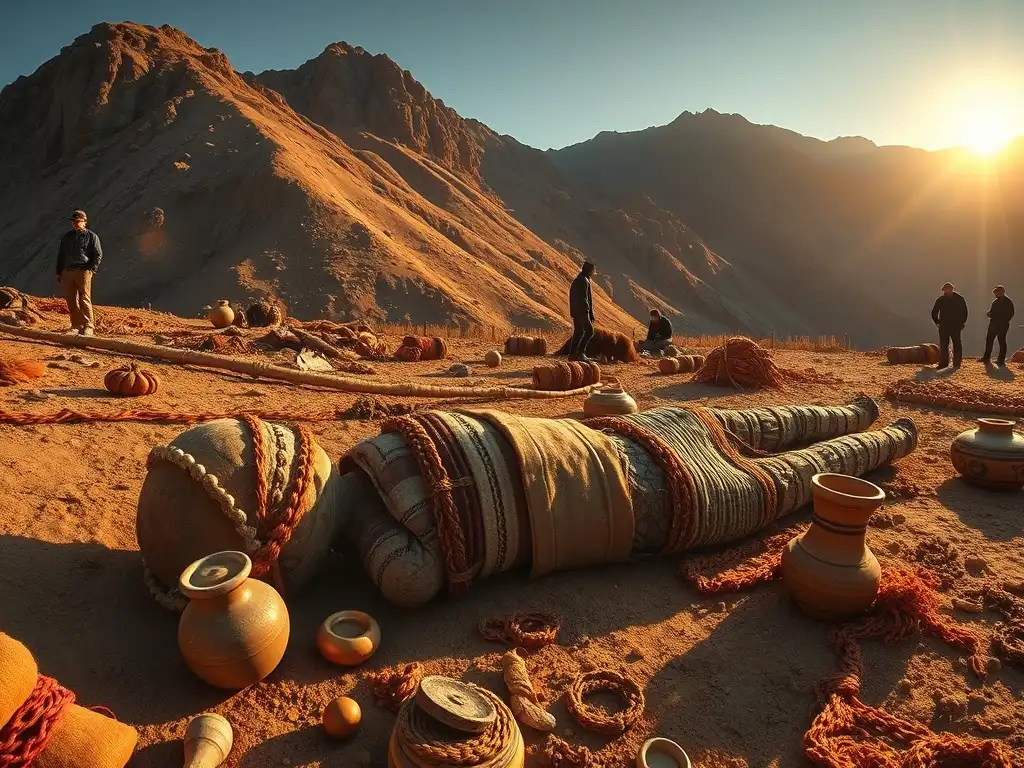
Welcome to Andean Civilizations, where the echoes of a lost world whisper secrets of ingenuity and power. Prepare to be captivated by the intricate tapestry of Andean history, art, and culture. But first, let's unravel one of history's most intriguing mysteries: the Mummy trade ancient Andean civilizations. What untold stories lie buried within these ancient artifacts? Discover the fascinating truth behind this clandestine commerce and the impact it had on the rise and fall of these remarkable empires. Dare to delve deeper?
- The Significance of Mummies in Ancient Andean Cultures
- The Role of Burial Goods in Andean Funerary Practices
- The Exchange of Burial Goods in Ancient Andean Civilizations
- Types of Burial Goods Exchanged in the Andes
- The Impact of Exchange on Andean Societies
- Ethical Considerations and the Modern Study of Andean Mummies
- Conclusion: Understanding Andean Funerary Practices Through Exchange
- Frequently Asked Questions
- Final Reflection: Echoes from the Andes: A Legacy of Trade and Belief
- Dive Deeper into the Enigma of Andean Burial Practices!
The Significance of Mummies in Ancient Andean Cultures
The vibrant tapestry of ancient Andean civilizations is interwoven with a profound fascination with death and the afterlife. Understanding the "Mummy trade ancient Andean civilizations" requires delving into the deeply held beliefs and intricate practices surrounding death and burial.
This article explores the intriguing trade in burial goods associated with mummies, revealing a complex system of exchange that reflects the social, economic, and religious structures of these remarkable societies. From the meticulously crafted textiles and ornate jewelry to the everyday tools and food offerings, the contents of Andean tombs offer invaluable insights into the lives and beliefs of their inhabitants, showcasing the significant role mummies played in their societies and the surprisingly extensive trade networks that supported the elaborate burial rituals.
This exploration goes beyond simply cataloging the objects; it aims to unravel the cultural significance behind the trade itself, revealing how the exchange of goods shaped the social landscape of the ancient Andes. We will examine specific examples from various cultures, including the Moche, Nazca, and Inca, to paint a comprehensive picture of this fascinating aspect of Andean history.
Andean Beliefs about Death and the Afterlife
Andean cultures held complex and multifaceted beliefs about death and the afterlife. Death wasn't viewed as an absolute end but rather a transition to a different realm. The deceased were believed to continue to exist in some form, requiring sustenance and provisions in their journey to the afterlife. This belief system is profoundly illustrated in the elaborate burial practices and the extensive trade networks established to procure burial goods.
The type and quantity of goods interred with a mummy varied considerably depending on the social status of the deceased. High-ranking individuals, for example, received lavish burials filled with precious metals, textiles, and ceramics, reflecting their wealth and influence during their lifetime. The sheer volume of goods found in some tombs underscores the scale and importance of the trade involved. Furthermore, the presence of exotic materials sourced from distant regions provides evidence of extensive trade routes connecting different Andean societies.
Analysis of these goods reveals not only economic exchange but also the dissemination of cultural ideas and practices across vast geographical areas. The meticulous craftsmanship evident in many burial objects demonstrates the high level of skill possessed by Andean artisans and the cultural value placed on these items. The presence of specific items, such as certain types of ceramics or textiles, can also provide clues about the beliefs and practices associated with specific groups or regions.
The Process of Mummification in Pre-Columbian Andes
The mummification process itself varied across different Andean cultures, but generally involved a combination of techniques aimed at preserving the body. While not as elaborate as Egyptian mummification, the Andean methods were nonetheless effective in preserving the remains for centuries. The process often began with evisceration, followed by desiccation through either natural methods (like exposure to dry air in desert climates) or artificial methods (such as the application of specific substances).
The body might then be wrapped in textiles, often adorned with intricate designs and symbols, reflecting the social status and beliefs of the deceased. The careful preparation of the body and the selection of burial goods demonstrate the significant investment of time, resources, and labor dedicated to this ritual. The trade in specialized materials, such as resins and dyes used in the mummification process, further highlights the economic and social dimensions of burial practices.
The creation of elaborate mummy bundles, often incorporating multiple layers of textiles and other materials, also involved a significant amount of labor and expertise, further emphasizing the economic importance of the trade associated with mummification. The sheer number of mummies discovered, along with the diversity of burial goods, indicates a widespread and well-established trade network dedicated to supplying the materials and services necessary for this important ritual. The trade wasn't solely about the goods; it also involved the specialized knowledge and skills of individuals involved in the mummification process itself.
The Role of Burial Goods in Andean Funerary Practices
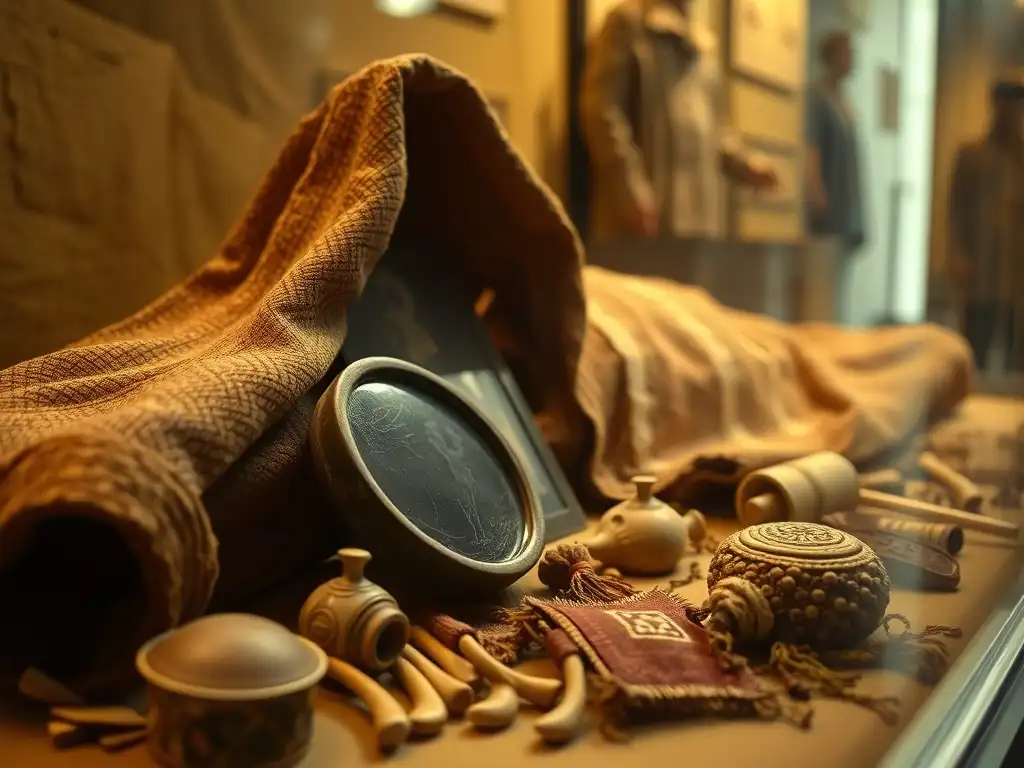
The practice of burying individuals with grave goods, or ofrendas, was central to the funerary rituals of various ancient Andean civilizations. This wasn't simply a matter of providing necessities for the afterlife; the selection and placement of these items held profound symbolic meaning, reflecting the deceased's social status, beliefs, and aspirations for the journey to the next world. The mummy trade, while not always directly involving the sale of mummies themselves, was inextricably linked to the trade in these valuable burial goods.
The demand for specific artifacts fueled trade networks across vast distances, connecting distant Andean communities and even influencing the production of these goods. Understanding the context of these offerings is crucial to comprehending the complex social and economic structures that underpinned ancient Andean societies. The meticulous nature of these burials, often involving elaborate preparations and the inclusion of a wide array of objects, showcases the importance given to death and the transition into the afterlife.
The sheer volume and variety of grave goods found in numerous tombs provide invaluable insights into the economic power and cultural sophistication of these civilizations. The scale of the trade in these objects, as evidenced by archaeological findings, indicates a highly organized system of production, distribution, and exchange.
Understanding the Symbolic Value of Grave Offerings
The symbolic value of grave offerings varied significantly depending on the specific culture and the social standing of the deceased. For instance, elaborate textiles, often featuring intricate designs and vibrant colors, were frequently included in elite burials. These textiles, in addition to their practical use as clothing, represented status and power. Similarly, gold and silver artifacts, such as jewelry and ornaments, were highly prized and often associated with divinity and royalty. The presence of such items signified a connection to the spiritual realm and reinforced the social hierarchy within the society.
Furthermore, the inclusion of pottery vessels, often containing food or drink offerings, suggested a belief in the continued sustenance of the deceased in the afterlife. The types of pottery varied, with finer, more elaborately decorated vessels reserved for higher-status individuals. Agricultural tools, such as spades and hoes, were commonly found in the tombs of farmers and commoners, reflecting their lives and occupations. The meticulous arrangement of these objects within the burial site further underscores their symbolic importance. The careful placement of each item suggests a deliberate act of ritual, designed to ensure a successful transition for the deceased into the spiritual world.
The study of these offerings allows researchers to reconstruct the beliefs, practices, and social structures of the ancient Andean cultures. For example, the presence of certain types of pottery or specific types of textiles can pinpoint the geographic origin of the deceased or their connection to specific social groups. This detailed analysis provides a rich tapestry of information about the complexity of Andean funerary rituals. This intricate system of symbolism within the mummy trade, indirectly impacting the trade itself, makes the study of grave goods an essential part of understanding the ancient Andean world.
Common Artifacts Found in Andean Mummies' Tombs
A wide array of artifacts have been unearthed from Andean mummy tombs, providing a fascinating glimpse into the material culture of these societies. Common items include:
- Textiles: Woven fabrics of varying complexity, from simple cloths to intricately designed tapestries, often featuring depictions of deities, animals, or geometric patterns. The quality of the textiles frequently indicated the social status of the deceased.
- Ceramics: Pottery vessels of diverse shapes and sizes, used for storing food, drink, or other offerings. Some vessels were highly decorated with intricate designs, while others were more utilitarian. The style of pottery often helps identify the region of origin.
- Metalwork: Objects made of gold, silver, copper, and other metals, including jewelry, ornaments, tools, and weapons. The use of precious metals signified wealth and status.
- Stone Carvings: Figurines, tools, and other objects carved from stone, showcasing the advanced skills of Andean artisans. Some carvings depict deities or animals, while others are more abstract.
- Food and Drink Offerings: Remnants of food and drink, such as maize, coca leaves, and chicha (a fermented corn beverage), provide insights into the dietary habits and beliefs of the Andean people.
- Wooden Objects: Various items made from wood, including tools, weapons, and ritual objects. The preservation of these objects often depends on the environmental conditions of the burial site.
The variety and abundance of these artifacts emphasize the significance of funerary practices in Andean societies. The mummy trade, while not explicitly dealing in mummies as commodities, flourished due to the demand for these accompanying grave goods, thus highlighting the profound connection between trade and ritual in these ancient civilizations. Further research into the specific composition and provenance of these artifacts is needed to fully understand the complex networks involved in their production and distribution, expanding our knowledge of the "mummy trade ancient Andean civilizations".
The Exchange of Burial Goods in Ancient Andean Civilizations
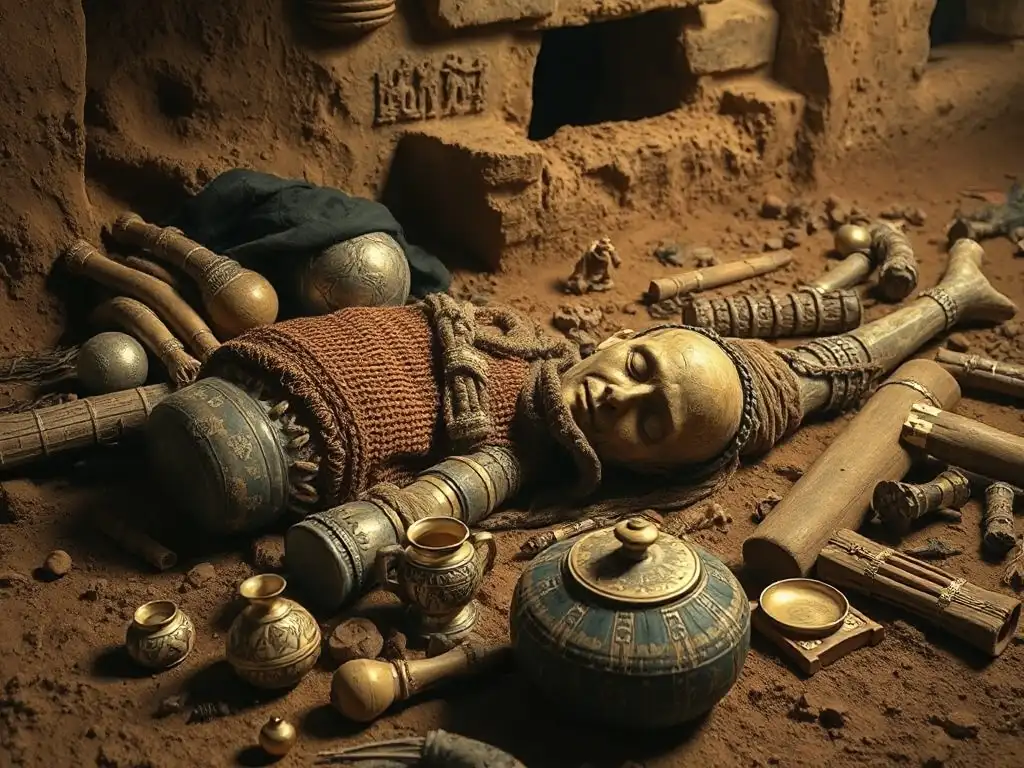
The practice of burying individuals with grave goods—objects intended for use in the afterlife—was a widespread and deeply significant aspect of Andean cultures. This wasn't simply a matter of personal wealth; the exchange of these burial goods formed a complex network reflecting social structures, religious beliefs, and economic power dynamics within and between different Andean societies. The mummy trade, a crucial component of this larger exchange, involved the movement of not just goods but also prestige and symbolic power.
Analyzing the types of goods exchanged, their geographical origins, and the routes they traversed reveals fascinating insights into the intricate socio-economic fabric of ancient Andean civilizations. The scale of this trade varied across different periods and regions, with some periods experiencing a flourishing exchange of luxury items while others focused on more utilitarian goods. The study of these exchanges helps us understand the level of interconnectivity and the sophistication of the ancient Andean trade networks.
This intricate system, far from being chaotic, reflects a highly organized and well-established exchange system, operating across vast distances and diverse cultural landscapes. Understanding this "mummy trade ancient Andean civilizations" requires careful consideration of the interplay between ritual, economics, and political power.
Factors Contributing to the Development of Exchange Networks
Several key factors fueled the development of extensive exchange networks for burial goods in the ancient Andes. These networks weren't spontaneous; they were driven by a complex interplay of factors:
- Religious Beliefs: The Andean worldview emphasized the continuity between the living and the dead. Elaborate burial rituals, including the provision of grave goods, were crucial for ensuring a successful transition to the afterlife. The types of goods buried reflected specific beliefs about the needs and desires of the deceased in the spirit world. The more elaborate the burial, often the more powerful the individual's position in life.
- Social Status and Hierarchy: The quantity and quality of burial goods directly reflected the social status of the deceased. Elites received lavish burials with gold ornaments, textiles, ceramics, and other luxury items, reinforcing their social standing even in death. This created a demand for these prestigious goods, driving their production and exchange across vast distances.
- Economic Specialization and Production: Different regions specialized in the production of specific goods. Coastal areas were known for their fishing and shellfish, while highland regions produced textiles, ceramics, and metalwork. This specialization fostered inter-regional trade, with communities exchanging their specialized products for goods they lacked. The exchange of these goods wasn't merely bartering; it was an intricate system involving skilled artisans, traders, and potentially even specialized marketplaces.
- Political Power and Control: Powerful Andean states, such as the Inca Empire, often controlled and regulated trade routes, ensuring the flow of goods and resources. This control allowed them to accumulate wealth and consolidate their power. The distribution of burial goods could also be a tool for political alliances or displays of dominance, strengthening inter-regional relationships.
- Technological Advancements: The development of sophisticated technologies, such as metallurgy and textile production, facilitated the creation of high-quality goods that were highly valued in exchange. These advancements allowed for the creation of intricate and prestigious items that were highly sought after as burial goods. The ability to create these goods, and control their distribution, became another significant factor in the power dynamics of the region.
Routes and Networks of the Ancient Andean Exchange
The exchange of burial goods utilized a complex network of routes that crisscrossed the Andes Mountains and coastal regions. These routes weren't always straightforward; they were often adapted to the challenging geography, using both land and water routes.
| Route Type | Characteristics | Example Goods Traded | Challenges |
|---|---|---|---|
| Coastal Routes | Followed the Pacific coast, utilizing boats and rafts. | Fish, shellfish, cotton textiles, exotic bird feathers | Sea storms, unpredictable currents |
| Highland Routes | Traversed mountain passes and valleys, using llama and alpaca caravans. | Metalwork, ceramics, wool textiles, coca leaves | Steep terrain, altitude sickness, unpredictable weather |
| River Routes | Followed major river systems, using boats and rafts. | Agricultural products, timber, obsidian | Floods, rapids, seasonal variations in water levels |
The precise details of many routes remain unclear, but archaeological evidence suggests a highly organized system. The presence of similar goods across vast distances indicates extensive and well-established trade networks. The location of specific workshops and the distribution of raw materials further illuminate the scale and complexity of the exchange system.
Further research, including more detailed analysis of archaeological finds and a deeper understanding of ancient Andean languages and record-keeping systems, is needed to fully understand the intricacies of these ancient trade routes. The "mummy trade ancient Andean civilizations" was not a simple act of commerce; it was a complex interaction of social, religious, and economic factors that shaped the development of Andean societies. The careful study of these routes and the goods they carried continues to reveal the remarkable sophistication of ancient Andean civilizations.
Types of Burial Goods Exchanged in the Andes
The vibrant trade networks of the ancient Andean civilizations weren't solely focused on the exchange of everyday goods. A significant, and often overlooked, aspect of this commerce involved the trade of burial goods—items meticulously crafted and selected for inclusion in funerary rituals. Understanding this "mummy trade ancient Andean civilizations" reveals not only the economic sophistication of these societies but also their complex religious beliefs and social structures.
The sheer variety of items exchanged highlights the extensive reach and interconnectedness of Andean trade routes, connecting distant communities and solidifying alliances through the shared practice of elaborate burials. The value of these goods wasn't simply monetary; they represented power, status, and the continuation of life in the afterlife.
Textiles and Fine Fabrics as Valuable Exchange Items
Textiles formed a cornerstone of the mummy trade ancient Andean civilizations. Woven fabrics, ranging from simple cloths to intricately designed tapestries, were highly valued and frequently included in burials. The quality of the textiles, the complexity of the designs, and the type of fibers used directly correlated with the status of the deceased.
For example, fine alpaca and vicuña wool, sourced from high-altitude regions, were significantly more valuable than cotton or llama wool, reflecting the prestige associated with access to these rare resources. The intricate weaving techniques, some employing hundreds of different colors and employing complex patterns, further amplified their worth.
Specific examples of textile trade are difficult to pinpoint with absolute certainty due to the nature of archaeological evidence, but the presence of similar textile styles across geographically disparate burial sites strongly suggests extensive trade networks. The discovery of rare dyes in textiles found in coastal burials, dyes sourced from plants only found in the highlands, provides compelling evidence of long-distance exchange.
Moreover, the consistent use of certain patterns and motifs in textiles found in different regions suggests a shared cultural understanding and, likely, a structured trade in these valuable goods. The meticulous craftsmanship evident in many surviving examples points towards a specialized class of textile artisans whose products were highly sought after for funerary purposes, thus fueling the mummy trade ancient Andean civilizations.
Precious Metals and Jewelry in the Exchange Networks
Precious metals, particularly gold, silver, and copper, played a crucial role in the mummy trade ancient Andean civilizations. These metals, often crafted into elaborate jewelry, ornaments, and funerary masks, were symbols of wealth, power, and divine connection. The intricate designs and high level of craftsmanship involved in creating these objects further enhanced their value.
Gold, in particular, held immense symbolic significance, often associated with the sun and the divine realm. Silver, while less prevalent than gold, was also highly valued and used in creating a variety of objects for burial. Copper, though less precious than gold and silver, was still a significant metal in Andean societies, used for tools, weapons, and decorative items that often found their way into tombs.
The distribution of these precious metals across various Andean regions highlights the extensive trade networks that existed. For instance, gold artifacts found in coastal burials often originated from highland mines, demonstrating the long-distance exchange of these valuable resources.
The consistent stylistic similarities in goldwork found in different regions provide further evidence of a structured trade, with specific workshops or artisans potentially specializing in the production of these goods for funerary use. The sheer quantity of precious metal artifacts discovered in some burials underscores the importance of these items in the mortuary practices of Andean cultures, highlighting their central role in the mummy trade ancient Andean civilizations.
Ceramics and Pottery Used in Funerary Rituals
Ceramics and pottery constituted another significant category of burial goods in the mummy trade ancient Andean civilizations. These items, ranging from simple vessels to intricately decorated funerary urns, served both practical and symbolic purposes. Some vessels contained food and drink offerings intended for the deceased's journey into the afterlife, while others were purely decorative, reflecting the social status of the deceased.
The style, decoration, and quality of the pottery provided clues to its origin and the social status of its recipient. Fine pottery, often decorated with complex designs and featuring high-quality materials, was particularly valuable and frequently included in elite burials.
The extensive variety of ceramic styles found across the Andes points towards a diverse and dynamic pottery-making tradition. The styles and techniques varied from region to region, with each region developing its unique artistic expression. However, the presence of certain stylistic elements and ceramic types in geographically distant locations suggests the existence of trade networks that facilitated the exchange of these goods.
The discovery of pottery from coastal regions in highland burials, and vice versa, underscores the far-reaching nature of these trade routes. Moreover, the presence of pottery shards in numerous burial sites indicates that pottery was a widely used and highly valued commodity in the mummy trade ancient Andean civilizations, reflecting its profound role in Andean funerary practices.
Tools, Weapons, and Other Practical Objects
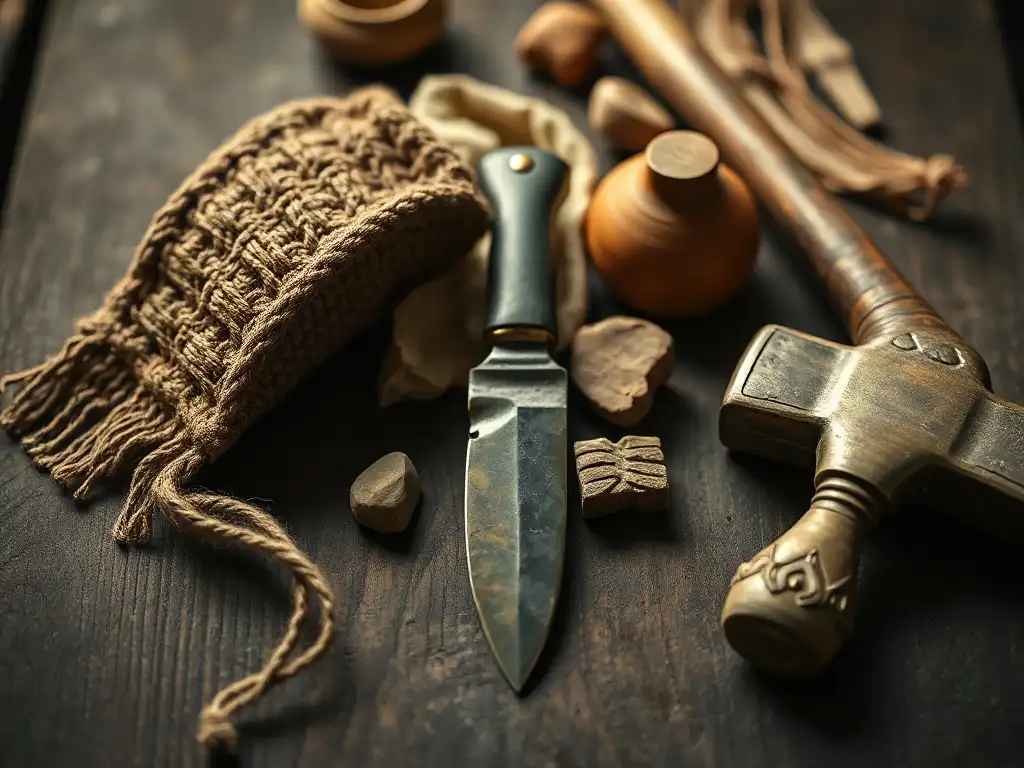
The exchange of practical tools and weapons within the ancient Andean mummy trade reveals much about the interconnectedness of different societies and the value placed on functionality and craftsmanship. Items weren't simply buried; they were carefully selected, reflecting both the status of the deceased and the economic relationships between communities. For example, obsidian blades, highly valued for their sharpness and durability, have been found in numerous Andean burials, spanning various cultures.
The sourcing of these blades often points to specific quarries, indicating established trade networks that extended across significant geographical distances. The quality of the craftsmanship, evident in the meticulous flaking and shaping of the obsidian, suggests specialized artisans who produced these tools for a wider market, rather than solely for local consumption.
Beyond obsidian, other tools like finely crafted bone needles, intricately carved wooden implements, and polished stone axes appear frequently in mummy contexts. The presence of such tools highlights the importance of practical skills and the value placed on facilitating daily life even in the afterlife. Weapons, such as spears and projectile points, were also included, sometimes alongside ceremonial items, suggesting a complex interplay between the practical and the spiritual in Andean burial practices.
The types of weapons found vary based on the geographic location and the time period, reflecting the prevalent technologies and warfare strategies of specific cultures. Analysis of these artifacts provides invaluable insights into the technological advancements and the social dynamics of ancient Andean societies.
The sheer variety of tools and weapons found in burials across different regions underscores a significant level of inter-regional interaction and trade in utilitarian goods. Further research into the metallurgical processes involved in the creation of certain tools, such as copper and bronze implements, will continue to enhance our understanding of the intricacies of ancient Andean metallurgy and trade.
Spondylus Shells as a Prized Exchange Item
Spondylus shells, sourced primarily from the coastal regions of Ecuador and Peru, represent a particularly fascinating aspect of the ancient Andean mummy trade. These vibrant red and orange shells held immense symbolic value, representing fertility, power, and prestige. Their presence in burials far inland, even at high altitudes in the Andes, is a testament to the extensive trade networks that connected coastal and highland communities.
The shells weren't simply used as decorative items; they were meticulously crafted into beads, pendants, and other ornaments, often incorporated into elaborate funerary ensembles. Their inclusion in burials underscores the high status of the deceased and the significance of these shells in Andean cosmology.
The rarity and inherent beauty of spondylus shells contributed to their high value, making them a desirable and prestigious commodity in the mummy trade. The effort involved in acquiring and transporting these shells across vast distances further emphasizes their significance.
Archaeological evidence suggests that spondylus shells were not only exchanged as raw materials but also as finished goods, indicating a complex division of labor and specialization in shell-working crafts. The presence of spondylus shells in elite burials, alongside other precious materials like gold and silver, reinforces their status as a marker of wealth and social standing.
The intricate designs and careful craftsmanship of spondylus shell artifacts reflect the sophisticated artistic skills of ancient Andean artisans and the enduring cultural importance of these shells in the Andean world. Studying the distribution patterns of spondylus shells across different sites and cultures provides crucial information about the extent and nature of the ancient Andean trade networks.
The Impact of Exchange on Andean Societies
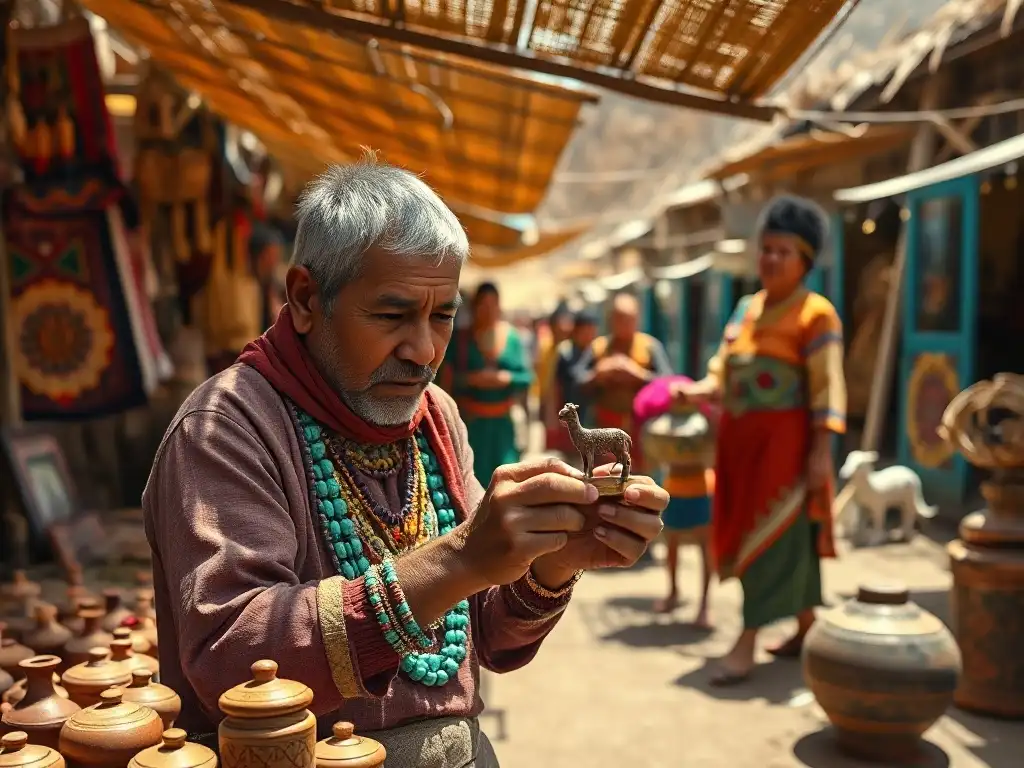
The mummy trade in the ancient Andean civilizations wasn't merely a commercial activity; it profoundly impacted the social and economic fabric of these societies. The exchange of burial goods, often lavish and intricate, reveals much about power dynamics, social stratification, and economic specialization. Understanding this intricate network of exchange is crucial to deciphering the complexities of Andean life.
The extensive mummy trade fueled economic growth in various ways. Specialized artisans, skilled in crafting intricate textiles, pottery, and metalwork, thrived due to the high demand for burial goods. This specialization led to the development of sophisticated production techniques and the emergence of artisan guilds, further strengthening the economy.
The movement of goods also stimulated the development of infrastructure, such as roads and storage facilities, necessary for efficient transport and distribution. The economic prosperity generated by the mummy trade, however, wasn't equally distributed. Control over the production and trade of these valuable goods often rested in the hands of elites, reinforcing existing social hierarchies and contributing to wealth disparity.
The sheer volume of goods interred with mummies, ranging from simple tools to elaborate gold ornaments, underscores the significant economic investment in funerary practices. Analysis of these goods provides valuable insights into the economic capabilities and resource allocation within different Andean societies. For example, the presence of exotic materials in burials suggests extensive trade networks reaching far beyond the immediate region, connecting distant communities and fostering economic interdependence.
The Role of Exchange in the Spread of Ideas and Cultural Exchange
Beyond economic implications, the mummy trade played a pivotal role in the dissemination of ideas and cultural practices throughout the Andes. The movement of burial goods facilitated the transmission of artistic styles, religious beliefs, and technological innovations. The discovery of similar artifacts in geographically distant burial sites suggests a widespread exchange of cultural knowledge.
For instance, the presence of specific pottery styles or textile designs in multiple locations indicates the adoption and adaptation of artistic conventions across different communities. This cultural exchange fostered a sense of shared identity and facilitated the development of pan-Andean cultural traits, despite regional variations.
Furthermore, the exchange of ritual objects associated with specific deities or ceremonies could have contributed to the spread of religious beliefs and practices, shaping the religious landscape of the Andean region. The inclusion of symbolic objects within the mummy bundles could be interpreted as a form of cultural diplomacy, forging alliances and strengthening social ties between different groups.
The Case of Tiwanaku as a Major Exchange Hub
Tiwanaku, a powerful Andean civilization, served as a crucial hub for the mummy trade network. Its strategic location and political influence facilitated the flow of goods and ideas across a vast territory. Archaeological evidence suggests Tiwanaku controlled access to important resources and controlled key trade routes, giving it a significant advantage in the exchange of burial goods.
The city's monumental architecture and sophisticated urban planning point to the economic prosperity derived from trade. Analysis of the types and quantities of goods found within Tiwanaku burials reveals the extensive network of exchange it was involved in, including both local and long-distance trade. The distribution of Tiwanaku-style artifacts throughout the Andes further supports its role as a major center for the dissemination of cultural goods and ideas.
The presence of exotic materials in Tiwanaku burials, such as obsidian from distant sources, highlights the vast reach of its trade networks and its central role in the mummy trade of the ancient Andean civilizations. Further research is needed to fully understand the complex economic and political mechanisms that allowed Tiwanaku to maintain this influential position within the Andean trade system. The intricacies of this exchange network are still being uncovered, promising further revelations about the power and influence of Tiwanaku.
Ethical Considerations and the Modern Study of Andean Mummies
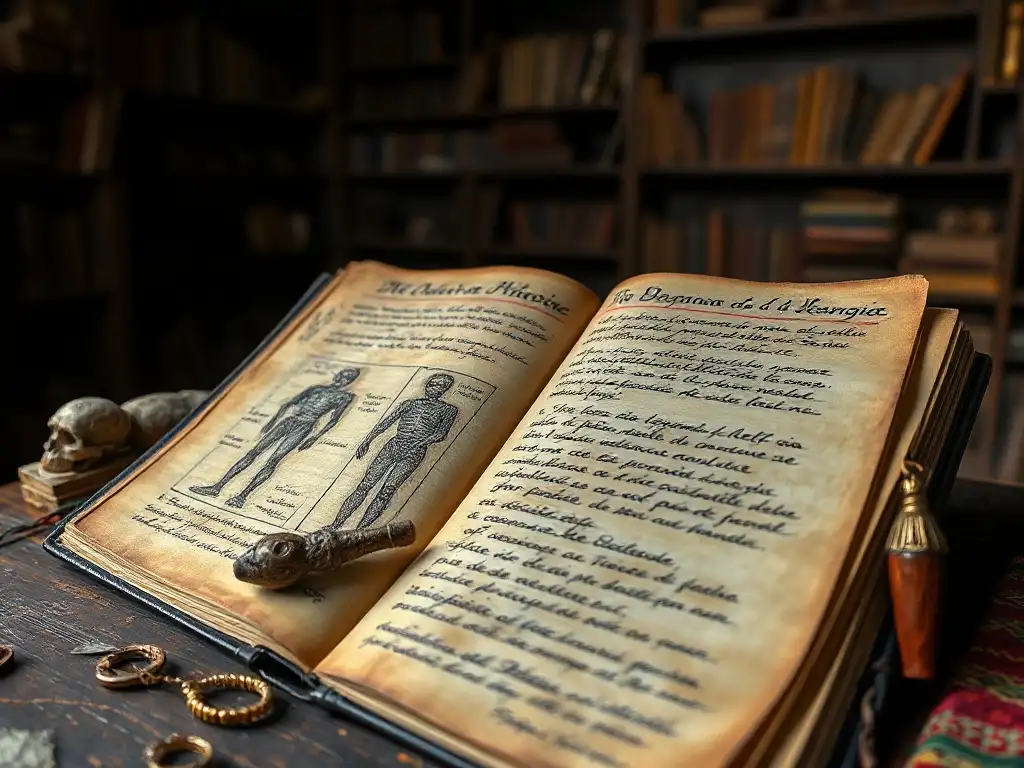
The burgeoning field of Andean mummy studies necessitates a rigorous ethical framework. The excavation and analysis of these ancient remains present unique challenges, demanding a balance between scientific advancement and profound respect for the deceased and their cultural heritage. The "Mummy trade ancient Andean civilizations" was, in its time, a significant economic driver, but today, the focus must shift to responsible stewardship.
This involves not only the physical preservation of the mummies themselves but also the preservation of the cultural context within which they existed. Ignoring this ethical imperative risks perpetuating the very exploitative practices that characterized some aspects of the past mummy trade.
The Importance of Respectful Treatment of Human Remains
Respectful treatment of human remains is paramount. This extends beyond mere preservation; it involves acknowledging the inherent dignity of the individuals interred. Many Andean cultures held elaborate beliefs surrounding death and the afterlife, investing significant resources and ritual in the preparation of their deceased. The mummies are not merely artifacts; they are the physical embodiment of individuals who once lived, loved, and contributed to their societies.
Therefore, any research must prioritize minimizing disturbance and ensuring the dignity of these individuals is upheld. This includes obtaining informed consent from relevant indigenous communities whenever possible, as many Andean communities maintain strong ties to their ancestral past and possess deep knowledge of their traditions. The ethical considerations extend beyond the physical remains, encompassing the careful documentation and interpretation of funerary practices and associated artifacts. This ensures a holistic approach, respecting the deceased and their cultural contexts.
Furthermore, repatriation of remains to their places of origin should be considered when appropriate and feasible. The ethical framework for studying Andean mummies must be guided by principles of respect, collaboration, and cultural sensitivity. Ignoring these principles risks irrevocably damaging the integrity of the research and the relationships with descendant communities.
Challenges and Opportunities in Archaeological Research
The study of Andean mummies presents significant challenges, particularly in balancing the desire for scientific discovery with the ethical obligations described above. The delicate nature of the mummies necessitates careful handling and advanced preservation techniques. Furthermore, the interpretation of the data obtained from the mummies requires a nuanced understanding of Andean cultures and beliefs, which often differ significantly from our modern perspectives.
However, these challenges also represent exciting opportunities for interdisciplinary collaboration. Anthropologists, archaeologists, geneticists, and other specialists can combine their expertise to unravel the mysteries surrounding these ancient individuals. Advanced imaging techniques, for instance, allow for non-invasive analysis, mitigating the risk of damaging the remains.
This collaborative approach fosters a deeper, more holistic understanding of the "Mummy trade ancient Andean civilizations," moving beyond the simple exchange of goods to encompass the complex socio-cultural and religious practices that shaped it. The potential to learn about ancient diets, diseases, and genetic lineages is immense, offering invaluable insights into the lives of these individuals and the evolution of Andean societies.
The Application of Advanced Imaging Techniques
Modern technology plays a crucial role in mitigating ethical concerns and maximizing the scientific potential of Andean mummy research. Advanced imaging techniques, such as X-ray computed tomography (CT) scans and 3D modeling, allow researchers to non-destructively examine the mummies' internal structure and composition. This is particularly important for fragile or poorly preserved specimens.
CT scans provide detailed images of bones, organs, and even textiles, revealing information about the individual's health, diet, and burial practices. This detailed information can then be used to reconstruct the life history of the individual, providing a richer understanding of the context within which they lived and died. Moreover, 3D modeling allows for the creation of virtual replicas of the mummies, permitting researchers to study them without physically handling the original remains.
This minimizes the risk of damage and allows for wider dissemination of research findings. The use of these non-invasive techniques is critical for ensuring that the study of Andean mummies is ethically sound and scientifically rigorous, contributing to a comprehensive understanding of the "Mummy trade ancient Andean civilizations" without compromising the integrity of the human remains. The ethical implications of the mummy trade are thus addressed through technological innovation and a commitment to respectful research practices.
Conclusion: Understanding Andean Funerary Practices Through Exchange
The analysis of burial goods associated with Andean mummies reveals a complex interplay of social status, religious beliefs, and economic exchange within ancient Andean societies. The "Mummy trade ancient Andean civilizations" wasn't simply a matter of bartering goods; it was deeply intertwined with funerary rituals and cosmological beliefs. The presence of exotic materials in tombs, often sourced from distant regions, speaks volumes about the extensive trade networks that crisscrossed the Andes.
These networks weren't solely driven by economic gain; they facilitated the dissemination of cultural ideas and religious practices. The careful selection and placement of grave goods reflect the social standing of the deceased and the beliefs surrounding the afterlife. The more elaborate and richly adorned the burial, the higher the status of the individual.
This elaborate system of funerary exchange provides invaluable insights into the social hierarchy, religious beliefs, and economic strength of these ancient civilizations. Analyzing the types of goods traded – textiles, ceramics, metals, and even food – provides a detailed picture of the economic landscape and the degree of sophistication achieved in these ancient Andean societies.
The Enduring Legacy of Andean Burial Practices
The legacy of Andean burial practices continues to resonate today. The careful preservation of mummies and their associated artifacts allows us to learn about ancient Andean cultures in ways that are unparalleled. These discoveries offer a window into the lives, beliefs, and social structures of these societies.
The enduring power of these ancient funerary traditions is evident in the continued fascination with mummies and their associated artifacts, a testament to the enduring human interest in understanding our past. The meticulous study of the "Mummy trade ancient Andean civilizations" helps modern researchers reconstruct ancient trade routes, understand economic systems, and shed light on the cultural exchanges that shaped these vibrant societies. Further research is needed to fully understand the nuances of these intricate exchange systems, particularly in regard to the distribution of less common burial goods and the role of different social groups in the trade.
Understanding these practices helps to enrich our understanding of the cultural complexity of the Andean region and underscores the importance of preserving these invaluable historical records for future generations. The careful excavation and preservation of these sites and artifacts are crucial to maintaining our understanding of these ancient cultures and their unique approaches to death and the afterlife.
The Importance of Preserving Andean Cultural Heritage
The preservation of Andean cultural heritage, including the artifacts associated with mummy trade, is of paramount importance. These artifacts are not merely objects; they are tangible links to the past, offering invaluable insights into the lives and beliefs of ancient Andean civilizations. The continued study and preservation of mummies and their grave goods are essential for understanding the complex history and cultural richness of the Andean region.
The ongoing threats to these sites, from looting and natural degradation, necessitate proactive measures to safeguard this irreplaceable heritage. International collaboration and responsible archaeological practices are crucial for ensuring the long-term preservation of these sites and their associated artifacts. The ethical implications of studying and displaying human remains must also be carefully considered, respecting the cultural sensitivities surrounding these ancient individuals and their descendants.
The development of sustainable tourism initiatives that benefit local communities while protecting these sites is essential for the long-term preservation of Andean cultural heritage and the continuation of research into the fascinating world of the "Mummy trade ancient Andean civilizations." The challenge lies in balancing the desire to learn from the past with the responsibility to respect and protect the heritage of these ancient cultures for future generations. This requires a multi-faceted approach, encompassing research, preservation, education, and community engagement.
Frequently Asked Questions
What role did mummies play in the ancient Andean mummy trade?
Mummies were central to the Andean mummy trade. They weren't just bodies; they were considered powerful ancestors whose presence offered protection and ensured continuity. Their elaborate burial goods reflected this importance.
What kind of goods were commonly included in Andean mummy bundles?
Luxury items, such as textiles, gold and silver ornaments, pottery, and tools, were frequently included. These goods reflected the status of the deceased and the beliefs of the culture. The variety depended on the specific civilization and the individual's social standing.
How did the mummy trade impact the Andean societies?
The trade stimulated economic activity and facilitated the exchange of ideas and resources between different groups. It also helped to establish and maintain social hierarchies and political power structures. The demand for burial goods fueled specialized craftsmanship.
Were all Andean mummies part of a trade network?
No, not all mummies were involved in trade. While a significant number were part of a complex network of exchange, many were interred locally. The level of elaboration of the burial goods often indicated whether a mummy was destined for trade or local burial.
How did the Spanish conquest affect the ancient Andean mummy trade?
The Spanish conquest severely disrupted the established mummy trade and burial practices. The arrival of the Spanish led to the looting of tombs, the destruction of artifacts, and a change in religious and funerary beliefs, significantly impacting the continuation of the traditions.
Final Reflection: Echoes from the Andes: A Legacy of Trade and Belief
The intricate network of ancient Andean mummy trade, far from being a relic of the past, continues to resonate in our understanding of ancient economies, social structures, and spiritual beliefs. The sheer scale of this trade, the artistry involved in creating the burial goods, and the complex social dynamics it reveals offer a powerful lens through which to examine the enduring human fascination with death and the afterlife. The meticulous craftsmanship and the symbolic power embedded in these objects speak volumes about the values and priorities of these ancient societies.
The enduring legacy of the Andean mummy trade is not merely historical; it's a testament to the enduring power of human belief and the intricate ways in which societies structure their understanding of mortality. The sheer volume of artifacts unearthed – from intricately woven textiles to exquisitely crafted gold ornaments – underscores the profound importance placed on the afterlife. The dead were not simply forgotten; they were actively integrated into the living world through elaborate rituals and offerings.
This quote highlights the vibrant connection between the living and the dead, a connection that continues to fascinate and inspire us today.
Consider the implications of this ancient trade. What can we learn from the choices made by these ancient peoples? How do their beliefs about death and the afterlife compare to our own? You, the reader, are now part of this ongoing conversation. Take a moment to reflect on the enduring power of human belief and the ways in which our own cultural practices reflect our own anxieties and hopes regarding mortality. Let the echoes from the Andes inspire you to explore the rich tapestry of human history and the enduring mysteries that continue to shape our world.
Dive Deeper into the Enigma of Andean Burial Practices!
Thank you for joining us on this fascinating journey through the world of Andean mummies and their accompanying grave goods! Exploring this rich history reveals the complexities of an ancient trade that continues to captivate and inspire. Now, let's put your newfound knowledge into action!
Here are some engaging next steps:
- Explore further: Visit local museums or delve into online resources to examine artifacts related to Andean civilizations and their burial traditions. Consider focusing on specific cultures, like the Inca or Nazca, to deepen your understanding.
- Join the conversation: Share your insights and favorite discoveries in the comments below, or discuss with friends how ancient Andean beliefs and practices might have influenced modern customs and traditions.
- Get creative: Design your own hypothetical burial artifact inspired by Andean traditions. What objects would you include, and what would they represent about the deceased's life and beliefs?
What aspects of Andean burial practices resonate most with you, and why do you think they continue to fascinate us today?