
The Mystery of Andean Trade: Did Money Exist in the Ancient Andes?

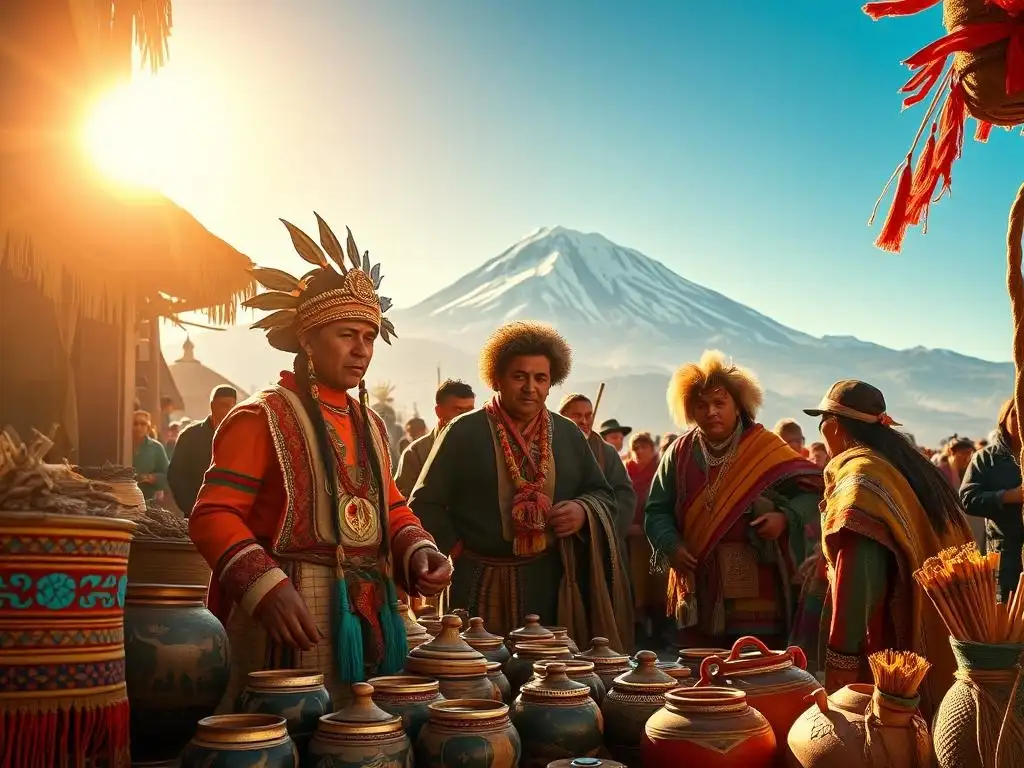
Dive into the captivating world of Andean Civilizations! For centuries, the towering peaks and fertile valleys of the Andes have held secrets whispered on the wind. But what about the intricate Ancient Andean trade systems that connected these disparate cultures? Did these sophisticated societies, including the Incas, Moche, and Nazca, truly operate without the concept of money as we know it? Uncover the enigma surrounding Ancient Andean trade systems and prepare to be amazed by the ingenuity and complexity of these lost empires. Explore the mysteries that await you within!
The vast and complex tapestry of Andean civilizations, spanning millennia and encompassing cultures like the Inca, Moche, Nazca, and Tiahuanaco, presents a fascinating enigma regarding their economic systems. While modern economies largely revolve around monetary systems, the ancient Andes operated under a different paradigm.
This article delves into the intricacies of Ancient Andean trade systems, exploring the sophisticated networks of exchange that thrived without the use of money as we understand it today. We'll examine the evidence for barter systems, the role of prestige goods, and the complex social structures that underpinned these remarkable trade networks, ultimately questioning whether the concept of "money" as a universally accepted medium of exchange truly existed in the ancient Andean world.
Understanding these ancient systems provides crucial insights into the ingenuity and resilience of these remarkable civilizations and challenges our preconceived notions of economic development. The investigation into the nature of Andean trade offers a unique perspective on the diverse ways societies have organized their economic activities throughout history.
Exploring Ancient Andean Trade Systems
The Andean region, characterized by its diverse geography—from arid coastal deserts to towering mountain ranges and lush rainforests—presented unique challenges and opportunities for trade. Ancient Andean trade systems weren't simply localized exchanges; they were extensive networks connecting distant communities across vast distances. Evidence suggests a sophisticated understanding of logistics and resource management.
The movement of goods wasn't random; it followed established routes, often utilizing well-maintained pathways and even advanced technologies like suspension bridges to navigate challenging terrain. This intricate web of interconnectedness facilitated the exchange of a wide variety of goods, from essential resources like food and textiles to highly valued luxury items like precious metals and exotic feathers.
This wasn't a chaotic free-for-all; rather, these systems were deeply embedded within the social and political structures of the different Andean societies. The distribution of goods often reflected existing power dynamics, with elite classes controlling access to certain resources and leveraging trade relationships to consolidate their authority. The exchange of goods wasn't merely economic; it also played a crucial role in reinforcing social bonds, establishing alliances, and solidifying political power. The sophisticated organization of these trade networks highlights the advanced level of social organization and planning achieved by these ancient societies.
The Prevalence of Barter in Andean Economies
While the concept of "money" in the traditional sense may not have existed, the Andean economies were far from stagnant. Barter was a dominant form of exchange. This involved the direct exchange of goods and services without the use of a standardized medium of exchange.
However, the complexity of Andean barter systems shouldn't be underestimated. It wasn't simply a case of exchanging one item for another; it often involved intricate negotiations, calculations of value based on various factors (e.g., labor involved, rarity of materials), and an understanding of reciprocal obligations. This system fostered strong interpersonal relationships and reinforced social ties within and between communities.
Archaeological evidence, such as the discovery of diverse goods in tombs and settlements, supports the widespread practice of barter, showcasing the extensive reach and variety of goods exchanged throughout the Andean region. The absence of a unified monetary system didn't hinder the effective functioning of their economy; instead, it shaped their economic interactions in unique and complex ways.
Prestige Goods and the Circulation of Power
Beyond everyday necessities, the Andean trade networks also involved the circulation of prestige goods. These items, often rare and highly valued, played a crucial role in social status and political power. Examples include precious metals like gold and silver, elaborate textiles, and exotic feathers. The control and distribution of these prestige goods were often concentrated in the hands of elites, reinforcing their power and social standing.
The movement of these goods served as a powerful symbol of authority and influence, further demonstrating the complex interplay between economics and politics in the ancient Andes. The careful management and controlled distribution of these goods highlight the sophisticated social and political strategies employed by Andean societies to maintain social order and consolidate power. These weren't merely economic transactions; they were symbolic acts of power and social affirmation.
The Absence of a Standardized Currency: Implications and Interpretations
The lack of a universally accepted currency in the ancient Andes challenges our understanding of economic development. It suggests that economic systems can function effectively without the presence of money as we know it. Instead of a centralized monetary system, the Andean economies relied on complex networks of exchange based on barter, reciprocal obligations, and the strategic use of prestige goods. This system, while different from modern economies, was clearly effective in supporting large and complex societies.
The absence of money doesn't imply a primitive or underdeveloped economy; rather, it reflects a different approach to economic organization, one shaped by the unique social, political, and environmental conditions of the Andes. Further research is needed to fully understand the nuances and variations of these systems across different Andean cultures and time periods. The enigma of Andean trade continues to fascinate and challenge our assumptions about economic development.
- Exploring Ancient Andean Trade Systems
- The Prevalence of Barter in Andean Economies
- Prestige Goods and the Circulation of Power
- The Absence of a Standardized Currency: Implications and Interpretations
- What role did trade play in Ancient Andean societies?
- Did the Ancient Andean civilizations use money as we know it today?
- What goods were commonly traded in the Ancient Andes?
- How did the Ancient Andean civilizations overcome geographical challenges for trade?
- What evidence reveals the extent and nature of Ancient Andean trade networks?
Understanding Pre-Columbian Economies in the Andes
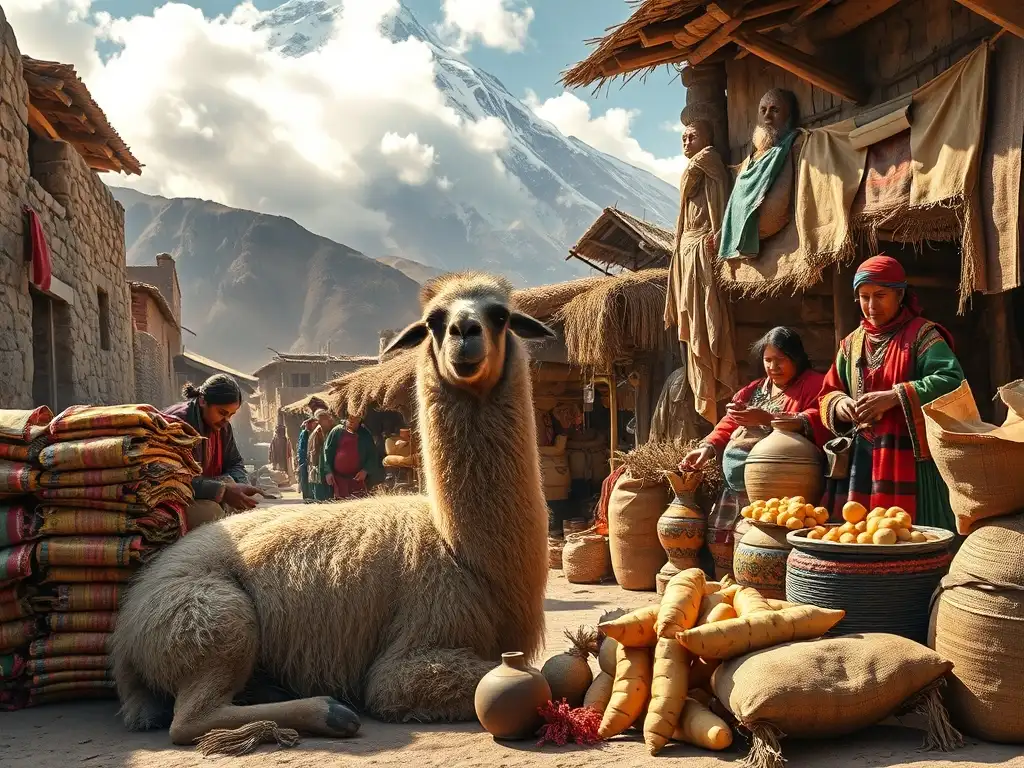
The economies of the pre-Columbian Andes, encompassing cultures like the Inca, Moche, Nazca, and Tiahuanaco, were remarkably complex and differed significantly from those based on monetary systems familiar to modern readers. Understanding these ancient Andean trade systems requires moving beyond simplistic notions of "money" and embracing the nuanced realities of reciprocal exchange and extensive, well-organized networks. The absence of a standardized currency doesn't equate to an absence of sophisticated economic strategies.
Instead, it reveals a system built on intricate social relationships and resource management. Analyzing the Ancient Andean trade systems reveals a sophisticated approach to wealth accumulation and distribution, far removed from models based on metal coinage.
Barter and Reciprocity: The Foundation of Andean Exchange
The foundation of Andean economic activity was a complex interplay of barter and reciprocity. Barter, the direct exchange of goods and services, was prevalent across various Andean societies. However, it wasn't a simple transaction of "this for that." The value of goods was often determined by factors beyond mere utility; social standing, kinship ties, and even ritual significance played crucial roles. For example, the exchange of a finely crafted ceramic vessel might not simply reflect its material value but also the prestige of the artisan and the social obligations fulfilled through the gift.
Reciprocity, a system of mutual exchange based on social obligations, was equally important. This involved a complex web of gift-giving, labor exchange ( ayni in Quechua), and communal work ( mita). These systems reinforced social bonds and ensured the redistribution of resources within communities and across larger networks.
The ayni system, for instance, involved individuals assisting each other with tasks, fostering cooperation and mutual support. This wasn't simply about economic gain; it was integral to the social fabric of Andean societies. The intricate balance of these systems ensured the flow of goods and services, even without a formal monetary system.
Consider the exchange of textiles. A community skilled in weaving might trade their high-quality textiles for agricultural products from another community. This wasn't a market transaction in the modern sense; it was a carefully negotiated exchange reflecting established social relationships and reciprocal obligations. The value of these textiles, therefore, transcended their material worth, encompassing social capital and reinforcing existing alliances. This complex interplay of barter and reciprocity formed the backbone of the Ancient Andean trade systems.
The Absence of Coinage: A Unique Economic Model
The lack of coinage in the Andes is a defining characteristic of their economic systems. Unlike societies that developed standardized currencies, Andean civilizations relied on other mechanisms to manage value and facilitate trade. This absence of coinage doesn’t signify economic backwardness; rather, it highlights the unique social and economic structures of these societies. The focus was not on individual wealth accumulation through monetary exchange, but on communal prosperity and social balance.
While precious metals like gold and silver were certainly valued and used in ritual contexts and elite adornment, they didn't function as a medium of exchange in the same way as coins in other cultures. Instead, the value of goods and services was established through a complex system of social interactions, reciprocal obligations, and the strategic management of resources. The Ancient Andean trade systems prioritized community well-being over individual profit maximization.
The absence of a standardized currency also facilitated the development of extensive exchange networks. The intricate system of reciprocity and barter fostered cooperation and trust across vast distances, allowing for the movement of goods and resources throughout the Andean region. This network, while lacking a monetary backbone, was incredibly efficient in distributing resources and maintaining social harmony.
The absence of coinage, therefore, was not a barrier to trade, but rather a fundamental aspect of the Andean economic model. Further research is needed to fully quantify the scale and efficiency of these networks, particularly in relation to the impact of environmental factors and seasonal variations on resource availability and exchange patterns. [Specific data on seasonal impact on trade pending].
Investigating the Mechanisms of Ancient Andean Trade
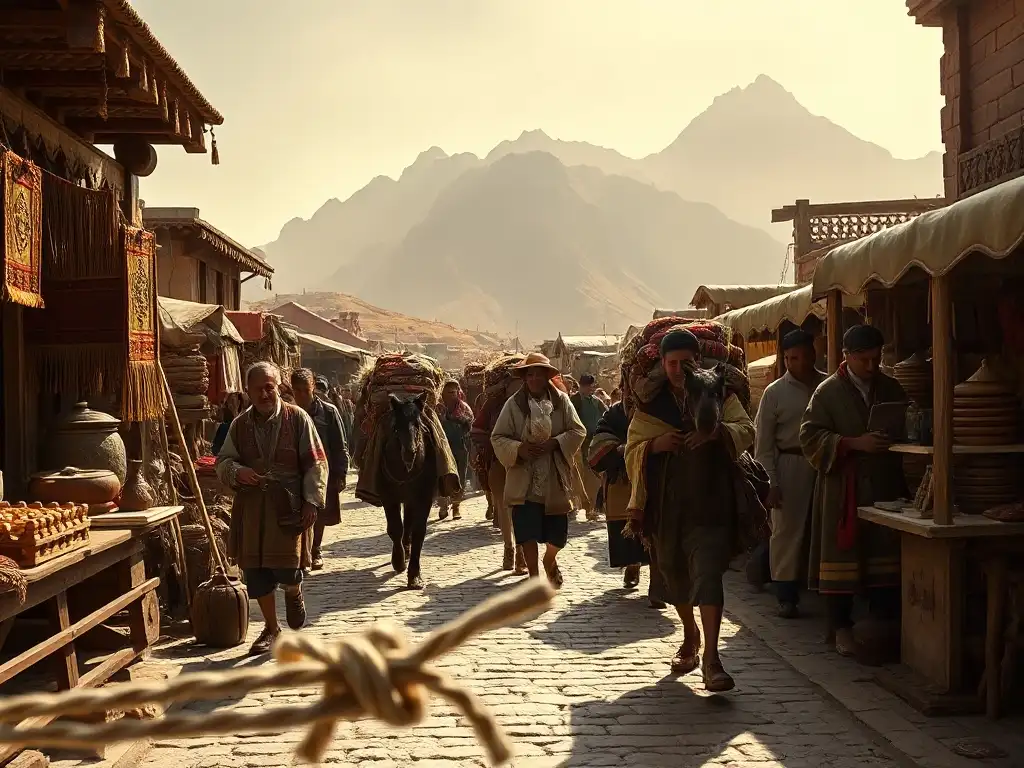
The intricate tapestry of Ancient Andean trade systems remains a captivating subject for researchers. While the concept of money as we understand it today was absent, a sophisticated system of exchange thrived, driven by specialized production, extensive networks, and the strategic movement of high-value goods across vast distances. Understanding this system requires moving beyond a simple barter model and exploring the complex interplay of social structures, political power, and resource distribution.
This section delves into the key mechanisms that fueled Ancient Andean commerce, revealing a level of economic sophistication previously underestimated. The absence of a standardized currency doesn't equate to an absence of economic complexity. Instead, we find a complex system of reciprocal obligations, gift-giving, and specialized production fueling a robust trade network across the Andes.
Specialized Production and Regional Exchange Networks
The foundation of Ancient Andean trade lay in specialized production. Different regions possessed unique resources and developed specialized crafts. For instance, the coastal regions excelled in fishing and the production of textiles, while the highlands were renowned for their agriculture, particularly potatoes and other Andean crops. This specialization fostered interdependence, creating a strong incentive for exchange.
Regional exchange networks were not random; they were structured around established social and political relationships. Archaeological evidence reveals the existence of well-defined pathways and settlements strategically located along trade routes, facilitating the movement of goods and the interaction of different groups. This wasn't simply a matter of individual bartering; it involved complex negotiations and alliances between communities, often cemented through reciprocal gift-giving and ritual exchanges. The distribution of specific artifacts, such as pottery styles or metalwork, across geographically diverse locations clearly demonstrates the extent of these networks.
For example, the spread of Moche pottery styles across a wide area indicates a robust trade network operating along the northern coast of Peru. Analyzing the chemical composition of ceramics and metals also provides valuable insights into the origin of materials and the routes they traveled. This detailed analysis helps reconstruct the complex web of exchange and interaction that defined Ancient Andean societies.
The Role of Obsidian and Textiles in Andean Trade
Obsidian and textiles played particularly significant roles in Ancient Andean trade. Obsidian, a volcanic glass prized for its sharpness, was a crucial material for toolmaking. Its scarcity in many regions made it a highly valued commodity, traded over long distances.
The sourcing of obsidian artifacts allows researchers to trace trade routes and networks with remarkable precision. The meticulous analysis of obsidian's chemical composition – using techniques like X-ray fluorescence – allows archaeologists to pinpoint the source of the material and map its distribution across the Andes. This provides a tangible illustration of the scale and organization of Ancient Andean trade networks.
Textiles, on the other hand, held both economic and symbolic value. The intricate weaving techniques and the use of high-quality fibers like alpaca and vicuña wool made Andean textiles highly sought-after items. They were not just clothing; they represented social status, political power, and ritual significance.
The discovery of elaborate textiles in tombs and ceremonial sites underscores their importance in the social hierarchy and their role in inter-regional exchange. The presence of specific textile styles in different regions indicates trade connections and the movement of skilled artisans. The intricate designs and the use of rare dyes further highlight the prestige and value associated with these textiles, cementing their role as a crucial element in Ancient Andean trade.
Long-Distance Trade Routes and Cultural Exchange
The Ancient Andean trade system wasn't confined to regional exchanges; it extended across vast distances, connecting different ecological zones and cultural groups. These long-distance trade routes facilitated not only the exchange of goods but also the transmission of ideas, technologies, and cultural practices. The movement of specific artifacts – such as exotic feathers, precious metals, or shell ornaments – provides evidence of these far-reaching connections.
The spread of specific architectural styles or religious beliefs across geographically distant regions also points to the influence of long-distance trade on cultural diffusion. Establishing these routes required considerable logistical planning and organization, indicating a sophisticated understanding of geography and transportation. The construction of roads, trails, and bridges, as well as the use of pack animals like llamas, played a critical role in facilitating the movement of goods across challenging terrain.
The integration of different cultural traditions through trade led to a rich exchange of knowledge and innovation, shaping the unique character of Andean civilizations. The impact of long-distance trade on cultural development in the Andes remains a significant area of research, with ongoing efforts to map and analyze these ancient trade pathways. This work promises to reveal even more about the complexity and sophistication of these ancient societies.
Alternative Forms of Value and Exchange in the Andes
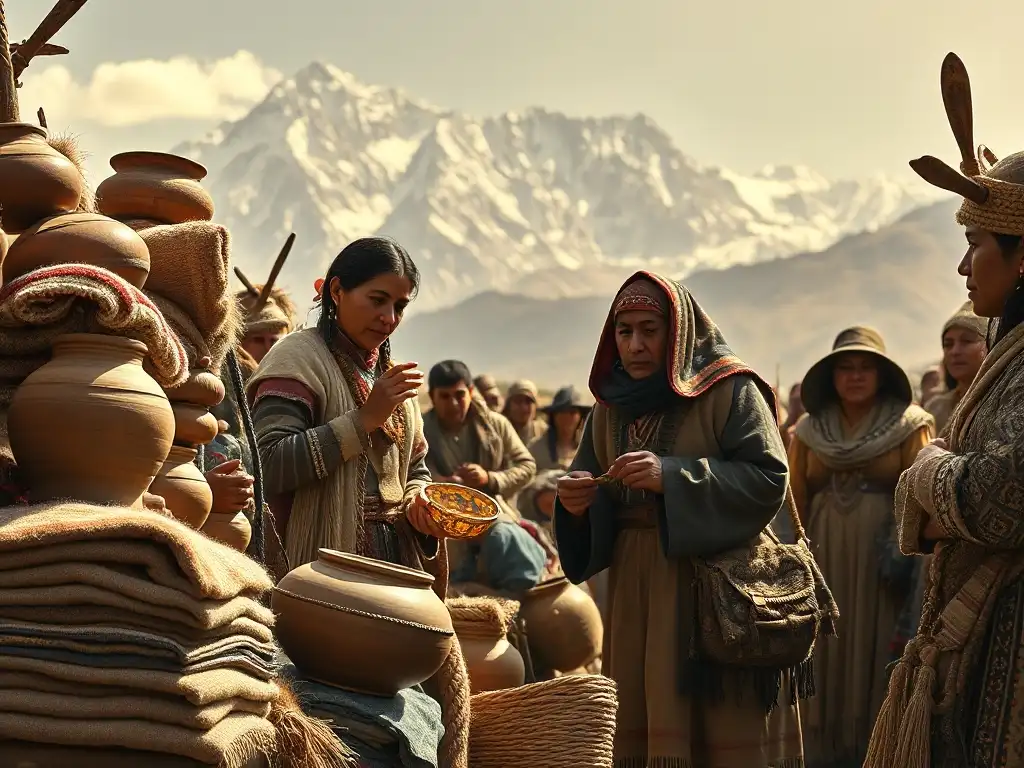
The notion of a unified, centralized monetary system in the manner of coins or paper money in the Ancient Andean world is largely inaccurate. While the concept of "money" as a medium of exchange is relevant to understanding Ancient Andean trade systems, its manifestation differed significantly from what we're accustomed to.
Instead of a standardized currency, Andean societies relied on a complex interplay of alternative forms of value and exchange, intricately woven into their social and religious fabric. Understanding these systems requires moving beyond a simplistic "money or no money" dichotomy and embracing the nuanced realities of their economic practices.
The absence of a single, universally accepted currency doesn't negate the existence of robust and sophisticated trade networks; rather, it highlights the unique characteristics of Ancient Andean economies. This section explores some key examples of these alternative systems, demonstrating the sophisticated ways in which Andean communities facilitated trade and managed economic interactions.
The Significance of Labor as a Form of Payment
In many Andean societies, labor itself served as a significant form of payment and exchange. This wasn't simply casual assistance; rather, it was a structured system integrated into the social and political organization. The mita, for instance, was a crucial institution within the Inca Empire.
It mandated compulsory labor service for a specific period, often for public works projects like road construction, agricultural endeavors, or religious ceremonies. While not directly equivalent to wages, the mita provided essential services to the state and simultaneously fulfilled individuals' obligations to the community. This labor, though compulsory, held significant value, contributing to the infrastructure and overall functioning of the empire.
Moreover, reciprocal labor exchange within communities—helping neighbors with harvests or construction—was commonplace, fostering social cohesion and economic cooperation. This system of reciprocal labor exchange, while less formalized than the mita, played a crucial role in the daily economic lives of Andean communities, demonstrating the importance of communal effort and cooperation in managing resources and completing tasks. The value of this labor wasn't expressed in a numerical value, but in the direct contribution to the well-being of the community and the individual.
The ayllu, a communal land tenure system, further illustrates the importance of labor. Members of the ayllu collaborated on agricultural tasks, sharing resources and responsibilities. This collective labor ensured the productivity of the land and the sustenance of the community. The collective nature of labor within the ayllu significantly influenced the economic dynamics of the region, highlighting a system where individual contribution was valued within the context of communal well-being, rather than through a monetary equivalent. The value of an individual's contribution was measured by their participation in the collective effort and their contribution to the community's overall success.
The Use of Spondylus Shells as Stores of Value
Spondylus shells, sourced from the Pacific coast, held immense symbolic and economic importance throughout the Andes. These shells, prized for their vibrant colors and rarity, weren't used as everyday currency in the way coins are. Instead, they functioned as a form of prestige good, signifying wealth, power, and status. Their value stemmed from their scarcity and symbolic meaning, rather than any inherent utility.
The shells were often incorporated into elaborate ceremonial objects, clothing, and jewelry, indicating the social standing of their owners. Their distribution across vast distances showcases the extent of Andean trade networks. The presence of Spondylus shells in inland sites, far from their coastal origin, demonstrates the sophisticated trade networks and the significant value placed on these objects.
Furthermore, the use of Spondylus shells highlights the importance of ceremonial exchange in Andean economies. The shells were not simply traded for goods and services; they were often exchanged in elaborate rituals, reinforcing social bonds and solidifying political alliances. This ceremonial context adds another layer of complexity to understanding their economic role, emphasizing the close relationship between economic activity and social and political structures.
This system of exchange transcended simple bartering; it involved carefully negotiated transactions with strong social and political implications. Their presence in burials and elite contexts underscores their role as markers of high status and wealth, reinforcing their value as a prestigious commodity in the Ancient Andean trade systems.
Beyond the mita and the use of Spondylus shells, ceremonial exchange played a crucial role in the Andean economic system. These exchanges weren't merely transactional; they were deeply embedded in social and religious practices, strengthening alliances and reinforcing social hierarchies. Elaborate ceremonies involved the exchange of valuable goods, including textiles, ceramics, and precious metals. These exchanges weren't solely based on monetary value but on reciprocal obligations and social status. The act of giving and receiving gifts reinforced social bonds and maintained political stability.
The exchange of goods during these ceremonies strengthened social ties and political alliances. The value of the goods exchanged wasn't solely determined by their material worth but also by their social significance. The careful selection and presentation of gifts reflected the social standing of the giver and the nature of the relationship being fostered.
This complex system of exchange shows how Ancient Andean trade systems were integrated into the broader social and political fabric of their societies, highlighting the crucial role of social networks and reciprocal obligations in shaping economic activity. This system illustrates how social capital and social obligations were as important, if not more so, than any equivalent of money in facilitating trade and maintaining social order. The ceremonial aspect of these exchanges underscores the significance of social relationships and the complex web of obligations that governed economic interactions in the Andean world.
Comparing Andean Trade with Other Ancient Systems
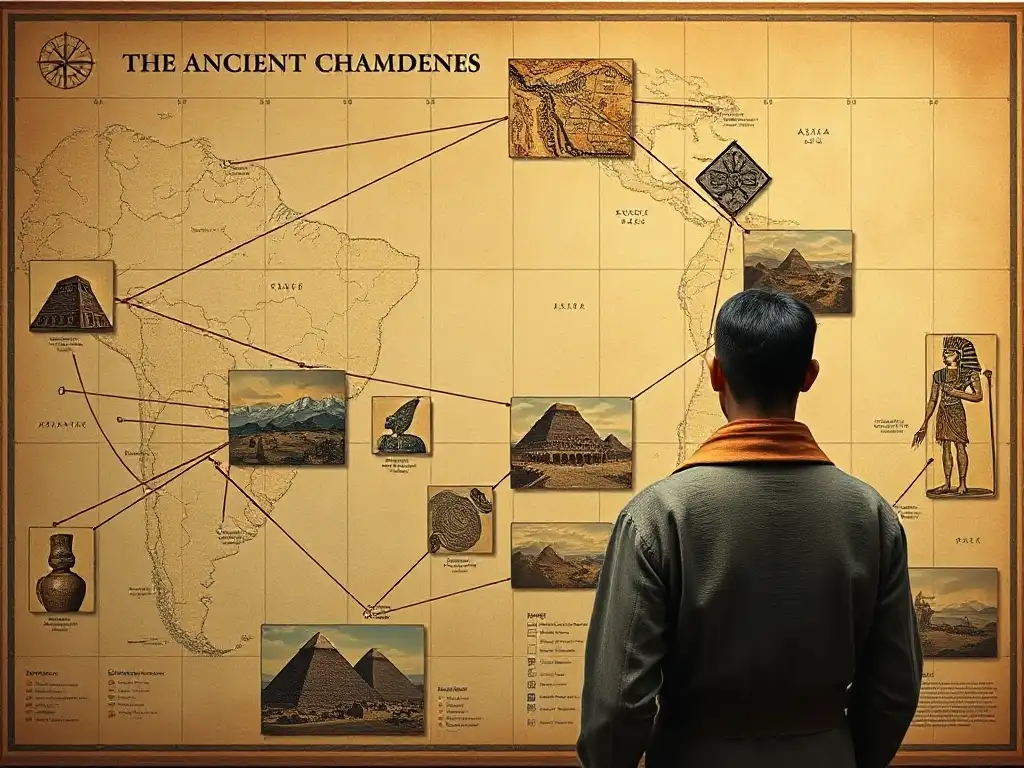
The study of Ancient Andean trade systems reveals fascinating insights into the economic strategies employed by diverse cultures across the Andes. While often contrasted with systems utilizing coinage, like those in Mesopotamia or Classical Greece, the Andean approach presents a unique blend of barter, tribute, and reciprocal exchange that warrants careful consideration. Understanding these differences is crucial to avoid imposing modern economic models onto a vastly different historical context. Many scholars have wrongly assumed a lack of sophistication simply because their economic structures differed from those familiar to us. The reality is far more nuanced.
Contrasting Andean Economies with Mesopotamian Trade
Mesopotamian trade, for example, relied heavily on standardized currencies, such as shekels of silver or barley. This facilitated large-scale transactions and the development of complex markets. Detailed cuneiform tablets meticulously record commercial exchanges, offering a level of documentation unmatched in the Andean region.
The presence of a centralized state in Mesopotamia further encouraged the use of standardized currency for taxation and tribute collection. This is in stark contrast to the more decentralized political structures prevalent in many Andean societies, although the Inca Empire later developed a more centralized system of tribute. The Inca system, while incorporating tribute, still maintained aspects of reciprocal exchange and redistribution that differed significantly from the Mesopotamian model.
The scale of trade also differed considerably. Mesopotamian trade networks extended across vast distances, connecting Mesopotamia with Egypt, the Indus Valley, and beyond. While Andean trade networks were extensive, connecting coastal regions with highland communities, they were generally less geographically expansive than their Mesopotamian counterparts.
This is partly due to geographical constraints, such as the Andes' rugged terrain, which impacted transportation and communication. However, the intricate systems of trails and relay runners used by the Inca demonstrate remarkable adaptation to the challenges of the Andean environment. The sheer volume of goods moved within the Inca Empire is a testament to the effectiveness of their trade system, despite lacking a formal currency system like that in Mesopotamia.
Examining the Uniqueness of Andean Exchange Practices
The Andean approach to exchange wasn't simply a lack of money; it was a fundamentally different system. Instead of a universally accepted currency, Andean societies relied on a complex interplay of factors. Barter was common, with goods and services directly exchanged between individuals and communities. However, this was often embedded within a broader system of reciprocal obligations and social relationships. The concept of ayni, a Quechua term referring to reciprocal labor exchange, played a crucial role in Andean social organization and economic activity. This system reinforced social bonds and ensured the equitable distribution of resources within communities.
Furthermore, tribute played a significant role, especially during the Inca Empire. This involved the regular contribution of goods and labor to the ruling elite. However, this tribute wasn't simply a form of taxation; it was also a mechanism for redistribution, with goods being stored in state warehouses and then distributed during times of scarcity or for public works projects.
This integrated system of reciprocal exchange, tribute, and redistribution created a unique economic dynamic that differed markedly from the market-based economies of Mesopotamia or other ancient civilizations. While the absence of a formal monetary system might appear as a limitation, the Andean system proved remarkably effective in managing resource allocation and maintaining social cohesion within their complex societies.
Further research into the intricacies of Andean record-keeping and accounting practices is needed to fully understand the complexity of their unique economic structures. The sophisticated organization of their trade networks, despite the absence of a formal currency, underscores the ingenuity and adaptability of Andean civilizations.
Did Money Exist in the Ancient Andes? A Conclusion
The question of whether "money" existed in the Ancient Andes remains a complex and fascinating one. While no universally accepted, standardized currency like coins or banknotes circulated, the sophisticated trade networks and economic systems of civilizations like the Inca, Moche, Nazca, and Tiahuanaco necessitate a nuanced understanding of exchange. The absence of a traditional monetary system doesn't equate to an absence of economic sophistication.
Instead, the Andean economies relied on intricate systems of reciprocal exchange, tribute, and redistribution, often involving highly valued goods and symbolic items. This section will explore the complexities of defining "money" within the Andean context and re-evaluate our understanding of Ancient Andean trade systems.
The Complexities of Defining "Money" in the Andean Context
Defining "money" is crucial to understanding Ancient Andean trade systems. Modern economic definitions often center around several key characteristics: medium of exchange, store of value, unit of account, and standard of deferred payment. While some Andean goods, like precious metals (gold, silver) or textiles, fulfilled some of these roles, none fully satisfied all criteria across different Andean cultures and time periods.
For example, while gold and silver held high symbolic value and were used in prestigious offerings and exchanges, their use as a standardized medium of exchange was limited. Their value was often tied to their sacred significance, not a universally accepted numerical value.
The concept of a unit of account was also differently configured. Instead of standardized units like dollars or pounds, accounting was likely performed through the meticulous record-keeping of quantities of specific goods. This system, relying on the value of specific items within a context of reciprocal relationships, differed vastly from the abstract numerical values associated with modern currencies.
Furthermore, the idea of a standard of deferred payment, crucial for credit and debt, was likely handled through social obligations and reciprocal agreements rather than through a quantifiable monetary unit. Therefore, applying a strictly modern definition of "money" to the Ancient Andean context leads to an incomplete and potentially misleading understanding of their economic systems.
Reinterpreting Andean Trade Through a Non-Monetary Lens
Understanding Ancient Andean trade systems requires moving beyond the limitations of a strictly monetary framework. The extensive networks connecting disparate Andean communities thrived on a complex interplay of factors:
- Reciprocity: The principle of ayni, a system of mutual exchange and obligation, was central to Andean societies. This involved reciprocal gift-giving, labor exchange, and resource sharing within and between communities. This wasn't simply bartering; it was embedded within intricate social structures and kinship ties.
- Tribute and Redistribution: The Inca Empire, for example, relied heavily on a system of tribute, where communities provided goods and labor to the ruling elite. These goods were then redistributed to support the empire's infrastructure, religious ceremonies, and to provide for those in need. This redistribution system acted as a form of economic regulation and social safety net.
- Specialized Production and Exchange: Despite the lack of a monetary system, specialized production and long-distance trade flourished. Communities specialized in producing certain goods—ceramics, textiles, metals—and engaged in complex exchange networks. This exchange was facilitated by a well-established infrastructure of roads and relay systems.
The evidence suggests a sophisticated economic system based on social relationships, obligations, and the strategic management of resources rather than a centralized monetary system. This system, though different from modern economies, was highly effective in supporting large and complex societies.
The Legacy of Ancient Andean Exchange Systems
The intricate exchange systems of the Ancient Andes offer valuable insights into alternative economic models. The emphasis on reciprocity, redistribution, and social obligations contrasts sharply with modern market-based economies. Understanding these ancient systems can help us appreciate the diversity of economic organization throughout history and potentially inform contemporary discussions on sustainable and equitable economic practices.
While the absence of a formal monetary system might initially seem to indicate a less developed economy, a closer examination reveals a complex and highly effective system adapted to the unique social and environmental context of the Andes. Further research, particularly focusing on the detailed analysis of archaeological findings and ethnographic studies of descendant communities, will continue to refine our understanding of these remarkable Ancient Andean trade systems. The complexities of their economic organization remain a testament to the ingenuity and adaptability of Andean civilizations.
Frequently Asked Questions
What role did trade play in Ancient Andean societies?
Trade was essential to Andean civilizations. It facilitated the exchange of vital resources like food, textiles, and precious metals across vast distances, connecting different regions and cultures. This exchange fostered economic growth and cultural interaction.
Did the Ancient Andean civilizations use money as we know it today?
No, the Ancient Andes did not utilize a standardized monetary system like coins or paper money. Instead, they relied on a barter system and the exchange of goods and services. Tribute and reciprocity also played significant roles.
What goods were commonly traded in the Ancient Andes?
Common traded goods included agricultural products (potatoes, maize, coca), textiles, metals (gold, silver, copper), ceramics, and luxury items. The specific goods varied depending on the region and its resources.
How did the Ancient Andean civilizations overcome geographical challenges for trade?
The Andes’ challenging geography – mountains and deserts – prompted the development of ingenious transport systems. Llamas were crucial for carrying goods, and extensive road networks connected distant communities, facilitating trade despite the terrain.
What evidence reveals the extent and nature of Ancient Andean trade networks?
Archaeological evidence such as widely distributed artifacts, similar styles of art and architecture across different regions, and texts like the Inca quipu (accounting system) indicates extensive trade networks. Analysis of isotopic signatures in human remains also reveals evidence of long-distance trade.
Final Reflection: Echoes of Exchange in the Andes
The intricate web of ancient Andean trade systems continues to resonate today, challenging our assumptions about economic development and the very definition of "money." The absence of a universally accepted currency in the pre-Columbian Andes doesn't negate the sophistication of their exchange networks; rather, it highlights the diverse and ingenious ways communities interacted and built relationships through reciprocal exchange and complex bartering systems. This understanding offers valuable insights into alternative economic models and the potential for sustainable, community-focused trade practices in our modern world.
The enduring legacy of Andean trade practices underscores the importance of understanding diverse economic systems, reminding us that economic progress isn't solely defined by the presence of coinage. The true wealth of a nation is not its gold and silver, but its people and their skills.
This quote, though not directly from the Andean context, perfectly encapsulates the spirit of their trade, which prioritized human connection and the exchange of knowledge and resources over the accumulation of material wealth. The intricate systems of reciprocity and the value placed on craftsmanship and community highlight a different path to economic prosperity, one that deserves renewed consideration in our increasingly globalized and often inequitable world.
Consider the implications of this for your own life. How can we foster more equitable and sustainable exchange systems within our own communities? Can we learn from the ingenuity of the ancient Andeans and move beyond a purely monetary-driven economy? I urge you to reflect on the enduring lessons of Andean trade, to challenge conventional economic narratives, and to explore alternative models that prioritize community well-being and sustainable practices. The echoes of their exchange systems still whisper to us, urging us to build a more just and interconnected future.
Unveil the Secrets of Andean Trade!
Thank you for exploring the fascinating history of ancient Andean civilizations with us! Your curiosity has already revealed much about the complex trade and economy of this culturally rich region. Now, let's delve deeper and discover how you can further engage with this captivating subject.
Here are some ways to continue your exploration:
- **Examine Archaeological Finds:** Visit your local museum or browse online collections to discover artifacts from the Andean region that illuminate their trading practices. You might be surprised by what you find!
- **Join the Discussion:** Share your thoughts and discoveries on our forum or social media platforms to connect with other enthusiasts and historians. We welcome your perspectives!
- **Investigate Understudied Trade Routes:** Research the history of smaller villages or less-known sites in the Andes to understand their roles within larger economic networks. You may uncover hidden stories of significant impact.
What unexpected links between ancient trade and modern economics have you discovered? Share your insights and thoughts in the comments below!