
Chicha's Journey: How Fermented Beverages Moved Along Andean Trade Routes

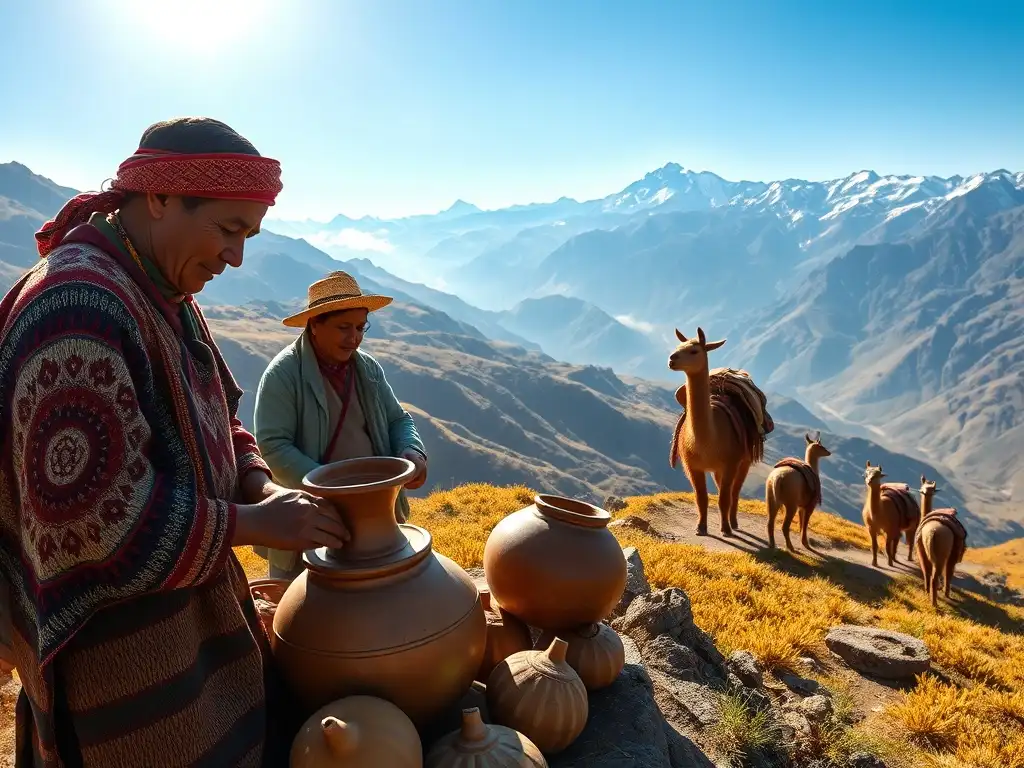
Uncover the secrets whispered on the wind across the Andes! For centuries, these majestic mountains have guarded the legacies of incredible civilizations. But what fueled their empires, their artistry, their very survival? Dive into the fascinating history of Andean fermented beverages, and discover how chicha, more than just a drink, played a pivotal role in the complex tapestry of Andean trade and economy. Prepare to be amazed by the journey of this ancient elixir, a story as rich and layered as the civilizations themselves.
Chicha, a fermented beverage made from maize (corn), was far more than just a drink to the ancient Andean civilizations; it held significant cultural, religious, and economic importance. This article delves into the fascinating history of chicha, exploring its role as a crucial commodity that traversed the extensive trade networks of the Andes, shaping social structures and influencing the very fabric of Andean society. We will examine how its production, distribution, and consumption were intertwined with the complex systems of exchange that connected diverse Andean communities, from the coastal deserts to the high altitude plains.
Understanding chicha's journey allows us to gain a deeper appreciation for the ingenuity, interconnectedness, and sophistication of Andean trade and its profound impact on the development of these remarkable civilizations. This exploration will focus on the historical evidence demonstrating chicha's prevalence and significance within the context of Andean "Andean fermented beverage history".
The Ubiquity of Chicha in Andean Cultures
Chicha wasn't just a drink; it was deeply woven into the social fabric of various Andean cultures. Archaeological evidence, including the discovery of fermentation vessels and residues in numerous sites across the Andes, points to its widespread production and consumption for millennia. From the coastal regions inhabited by the Moche to the high-altitude settlements of the Tiwanaku, different variations of chicha, reflecting local ingredients and brewing techniques, existed.
The beverage played a crucial role in religious ceremonies, social gatherings, and daily life, solidifying its place as a central element of Andean identity. Its importance transcended simple refreshment; it was a symbol of community, a facilitator of social interactions, and a vital part of their spiritual practices. We'll explore specific examples of how different Andean cultures incorporated chicha into their unique rituals and ceremonies, highlighting the diverse roles this drink played in their societies.
Andean Trade Routes and the Movement of Chicha
The vast network of Andean trade routes, often traversing treacherous mountain passes and challenging terrains, facilitated the exchange of not only precious metals and textiles but also essential goods like chicha. While the exact mechanisms of chicha transport are still under investigation, evidence suggests that the beverage was likely transported in various forms—perhaps as a partially fermented mash that could complete fermentation en route, or potentially as a more fully fermented drink stored in carefully sealed containers.
The scale of chicha production and the evidence of its presence across extensive geographical areas points to a well-established system of distribution, likely involving specialized traders and established trade routes. This section will explore the logistical challenges associated with transporting a perishable good like chicha across the Andes and analyze the potential trade routes and infrastructure involved in this widespread distribution.
The production and trade of chicha contributed significantly to the Andean economies. The cultivation of maize, the main ingredient, required considerable labor and resources, directly impacting agricultural practices and land use. Moreover, the brewing process itself provided employment and economic opportunities for various individuals and communities.
The control and distribution of chicha also played a role in shaping social hierarchies and power dynamics, with elites often controlling access to prime resources and influencing the flow of this valuable commodity. This section will examine the economic impact of chicha production and trade, analyzing its role in shaping social stratification and political power within Andean societies. We will look at specific instances where control of chicha production or distribution correlated with social standing or political influence.
Chicha and the Legacy of Andean Cultures
Even today, chicha continues to hold a significant place in Andean cultures, demonstrating the enduring legacy of this ancient beverage. Modern variations of chicha are still brewed and consumed across the Andes, reflecting a continuity of tradition and cultural memory. The ongoing importance of chicha underscores its profound and lasting impact on the region's history, identity, and cultural heritage.
This final section will bridge the gap between ancient and modern practices, highlighting the persistence of chicha as a symbol of Andean identity and highlighting its continued relevance in contemporary Andean societies. The enduring popularity of chicha is a testament to its rich history and cultural significance.
- The Ubiquity of Chicha in Andean Cultures
- Andean Trade Routes and the Movement of Chicha
- Chicha's Role in Andean Economy and Social Structures
- Chicha and the Legacy of Andean Cultures
The Significance of Fermented Beverages in Ancient Andean Culture
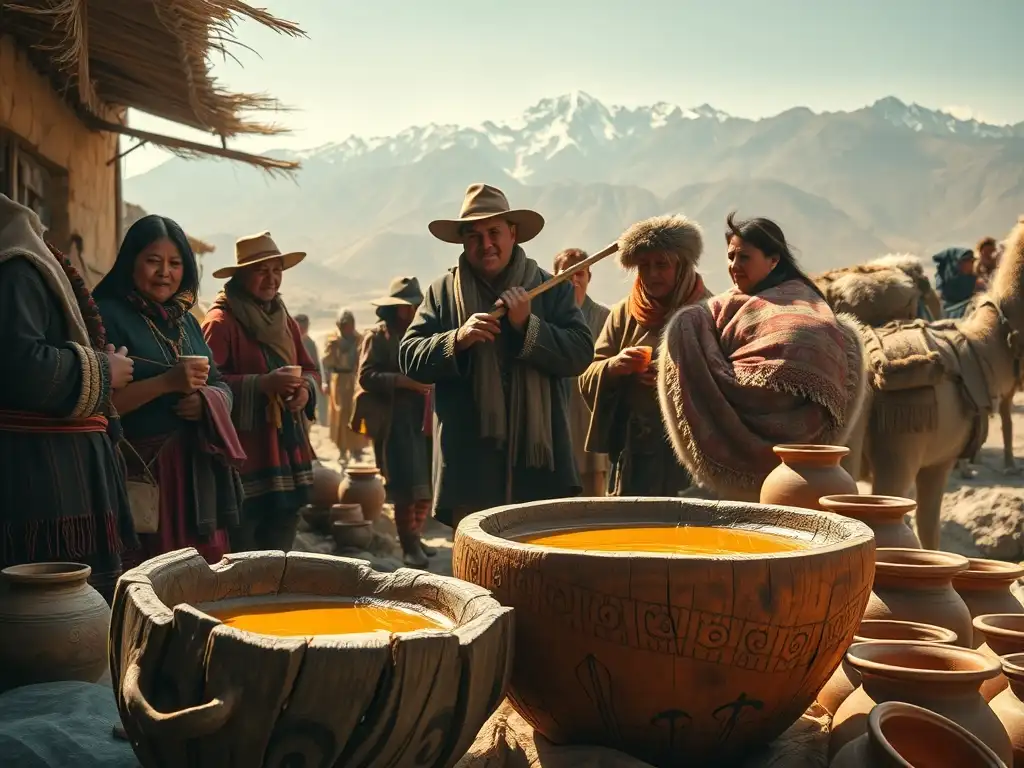
The history of Andean civilizations is inextricably linked to the production and consumption of fermented beverages, primarily chicha. These drinks weren't simply refreshments; they held profound social, religious, and economic significance, deeply woven into the fabric of Andean life. Understanding the role of chicha and other fermented beverages provides crucial insight into the complex social structures, religious beliefs, and trade networks of these ancient societies.
The sheer volume of evidence – from archaeological finds of fermentation vessels to depictions in pottery and textiles – underscores the pervasive presence and importance of these drinks in daily life and ceremonial contexts. Analyzing this evidence allows us to reconstruct a vibrant picture of ancient Andean society, one where fermented beverages served as much more than mere sustenance.
The widespread production and consumption of these beverages also acted as a significant economic driver, influencing trade routes and stimulating economic activity across vast geographical areas. This section will delve into the specific role of chicha, exploring its multifaceted importance within Andean culture.
Chicha: More Than Just a Drink in Andean Societies
Chicha, a fermented beverage made from maize (corn), was arguably the most important fermented drink in the Andean region. Its production varied across different Andean cultures and time periods, reflecting diverse techniques and preferences. Some cultures, like the Incas, utilized sophisticated methods involving multiple stages of fermentation to achieve specific flavor profiles and alcohol content.
Archaeological evidence reveals a wide range of vessels used for chicha production, from simple clay pots to elaborate ceramic jars, suggesting varying scales of production, from household to communal brewing. The mastery of fermentation techniques was a crucial skill, passed down through generations, and closely associated with agricultural practices and knowledge of maize cultivation. Beyond its nutritional value, chicha provided a source of calories and essential nutrients, particularly in regions with limited food resources.
Its role extended beyond mere sustenance, however, becoming a cornerstone of social interactions, religious rituals, and economic exchange. The production and distribution of chicha often involved complex social structures, with specialized brewers and distributors playing key roles in Andean communities. The prevalence of chicha in Andean society is a testament to its crucial role in sustaining life and shaping cultural practices.
The consumption of chicha was deeply intertwined with religious and social practices across various Andean cultures. It was frequently used in rituals and ceremonies, often offered as libations to deities or consumed communally to foster social bonds and strengthen community ties. Many ancient Andean artworks depict scenes of chicha consumption during religious festivals and ceremonies, highlighting its symbolic importance.
The act of sharing chicha served as a powerful social mechanism, reinforcing social hierarchies and solidifying alliances. For example, the Inca rulers used chicha ceremonies to consolidate power and demonstrate their divine authority. The significance of chicha in rituals is further evidenced by the discovery of elaborate chicha vessels in elite tombs and ceremonial sites, indicating their use in important religious contexts.
Furthermore, the specific types of chicha, the preparation methods, and the contexts of consumption often varied according to social status and occasion, reflecting a complex system of social and religious meaning. The analysis of these practices provides invaluable insights into the beliefs and social structures of ancient Andean societies. The use of chicha in rituals and ceremonies highlights its status as more than a simple drink; it was a powerful symbol of social cohesion, religious devotion, and political power.
The Role of Chicha in Andean Feasts and Ceremonies
Andean feasts and ceremonies were frequently centered around the consumption of chicha. These events were not merely occasions for celebration; they were integral to the social and religious life of Andean communities. The preparation and distribution of chicha were often carefully orchestrated, reflecting the importance of these events. Large quantities of chicha were brewed for these occasions, sometimes involving community participation in the brewing process itself.
The consumption of chicha during these events served to strengthen social bonds, reaffirm community identity, and honor deities. Different types of chicha might have been used for different ceremonies, reflecting the nuanced relationship between beverage, ritual, and social context. Archaeological excavations have uncovered evidence of large-scale feasting sites, often associated with the remains of numerous chicha vessels, underscoring the central role of this beverage in Andean celebrations. The analysis of these sites provides further insights into the scale and significance of Andean feasts and the social dynamics involved in their organization.
The role of chicha in Andean feasts and ceremonies showcases its deep integration into the social fabric of these societies, highlighting its importance in maintaining social cohesion and religious practices. The continued presence of chicha in contemporary Andean culture is a testament to its enduring legacy. 🍻
Andean Fermented Beverage History and Origins
The history of Andean fermented beverages, particularly chicha, is deeply intertwined with the development of Andean civilizations. Its production wasn't merely a culinary practice; it was a crucial element of social, religious, and economic life, profoundly impacting the trajectory of Andean societies. Understanding its historical trajectory offers a fascinating glimpse into the ingenuity and sophistication of these ancient cultures, highlighting their advanced agricultural practices and brewing techniques.
The enduring legacy of chicha underscores its significance in shaping Andean identity and culture, a legacy that persists to this day in various forms. The study of "Andean fermented beverage history" reveals a complex interplay between agricultural innovation, societal structures, and spiritual beliefs.
Early Evidence of Chicha Production in the Andes
Archaeological evidence suggests chicha production dates back millennia. Pottery shards depicting fermentation processes, along with residues of fermented maize and other ingredients found in ancient vessels, provide compelling evidence of early chicha brewing. For example, excavations at sites like [Specific archaeological site pending] have yielded significant findings, including specialized vessels designed for fermentation and evidence of large-scale chicha production.
These discoveries suggest that the brewing of chicha was not a sporadic activity but rather an integral part of the daily lives of these Andean communities. This early evidence points to a sophisticated understanding of fermentation techniques, far exceeding simple preservation methods. The development of specialized pottery, carefully selected ingredients, and controlled fermentation environments speaks to a level of technical mastery quite remarkable for the time period.
The earliest forms of chicha likely varied in taste and strength, depending on the available ingredients and specific brewing methods employed by different groups. Further research is needed to fully understand the diversity of early chicha varieties and their regional variations.
Ingredients and Techniques in Ancient Andean Brewing
The production of chicha involved a detailed understanding of agricultural practices and the properties of various plants. Maize (corn) was a primary ingredient, but other grains, fruits, and even tubers like potatoes were also used, resulting in a wide range of flavors and alcoholic content. The brewing process itself involved several steps: malting (germinating the grains to release enzymes), cooking, mashing (breaking down the starches), fermentation (using naturally occurring yeasts), and finally, aging.
Different Andean cultures developed unique techniques, reflected in the varied shapes and sizes of their fermentation vessels. For instance, the [Specific Andean culture pending] are known to have employed [Specific technique pending] in their chicha production, while the [Specific Andean culture pending] used [Specific technique pending]. The use of specific plants and techniques not only influenced the taste and quality of chicha but also held significant symbolic meaning within their respective cultures.
Careful selection of ingredients and precise control of the fermentation process were essential, demonstrating a deep understanding of the scientific principles involved. This sophisticated knowledge allowed them to consistently produce a beverage that was both palatable and safe for consumption, highlighting the ingenuity and resourcefulness of ancient Andean brewers.
The Evolution of Fermented Beverage Recipes Over Time
The recipes and techniques for making chicha evolved over time, influenced by factors such as agricultural innovations, trade networks, and cultural exchanges. The introduction of new crops and technologies led to variations in the taste and production methods of chicha. For example, the arrival of [Specific crop pending] in the Andes significantly impacted chicha production in [Specific region pending], leading to the development of new brewing techniques and recipes.
Furthermore, the expansion of trade routes facilitated the exchange of ideas and ingredients, resulting in a greater diversity of chicha styles across different regions. This constant evolution is documented through archaeological finds, colonial-era accounts, and even contemporary brewing traditions, which continue to reflect ancient practices. Understanding this evolution provides valuable insights into the dynamic nature of Andean cultures and their ability to adapt and innovate.
Tracing the changes in chicha recipes reveals not only the culinary history of the Andes but also the broader social, economic, and cultural transformations that shaped the region throughout its history. The diversity of chicha styles today serves as a testament to the enduring legacy of this ancient beverage and its continued importance in Andean culture. 🍻
Andean Trade Routes and the Spread of Chicha
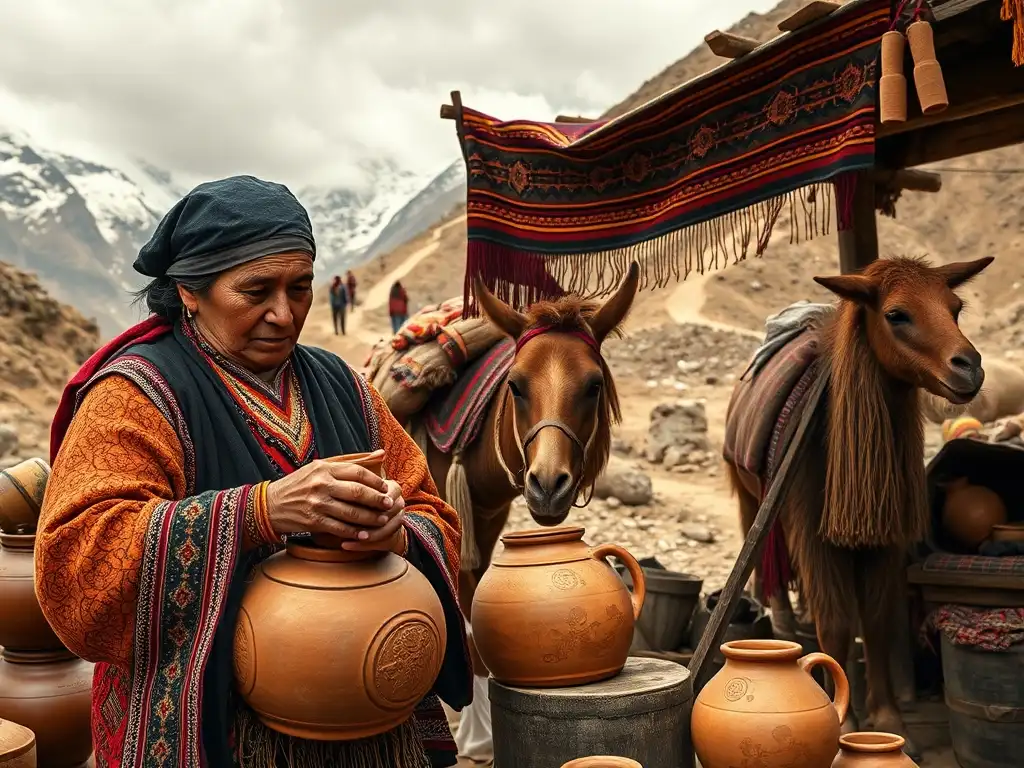
This section delves into the crucial role Andean trade routes played in disseminating chicha, a fermented beverage central to Andean culture and a significant traded commodity. We'll explore how the interconnectedness of Andean communities, facilitated by these extensive networks, enabled the widespread consumption and cultural significance of chicha across diverse regions.
Understanding the movement of goods and ideas along these ancient paths illuminates the complex relationship between trade, cultural exchange, and the evolution of chicha itself. The analysis will focus on the factors that transformed chicha from a localized beverage into a widely traded commodity, highlighting its economic and social implications within the Andean world.
The Interconnectedness of Andean Communities Through Trade
The vast Andean mountain range, while presenting significant geographical challenges, also fostered intricate networks of trade routes. These weren't simply paths for transporting goods; they were arteries of cultural exchange, connecting disparate communities and fostering a shared identity. The Inca Empire, known for its sophisticated road system, Qhapaq Ñan, built upon pre-existing routes, extending the reach of trade and solidifying the interconnectedness of the Andean world.
However, vibrant trade existed long before the Inca, with cultures like the Moche, Nazca, and Tiahuanaco establishing their own extensive trade networks. These networks facilitated the exchange not only of material goods but also of ideas, customs, and, crucially, beverages like chicha.
The shared consumption of chicha, often during religious ceremonies or social gatherings, strengthened social bonds and fostered a sense of shared cultural identity across different Andean communities. The standardization of certain chicha recipes across vast distances suggests a level of cultural exchange and shared knowledge that transcended geographical boundaries.
The Movement of Goods and Ideas Along Ancient Paths
The movement of chicha along Andean trade routes wasn't a passive process. It was actively facilitated by a complex system involving specialized traders, pack animals (llamas and alpacas primarily), and strategically located storage facilities. Archaeological evidence, such as the discovery of ceramic vessels specifically designed for transporting liquids, supports the significant role of chicha in long-distance trade.
These vessels, often decorated with intricate designs reflecting the cultural identity of their origin, provide valuable insights into the production and distribution of chicha across different regions. Moreover, the very act of transporting chicha contributed to the dissemination of agricultural techniques and knowledge related to maize and other ingredients used in its production.
This exchange of agricultural know-how further cemented the interconnectedness of Andean communities and contributed to the diversification of chicha recipes across the region. The trade routes also allowed for the exchange of brewing techniques, leading to regional variations in flavor profiles and preparation methods, all while maintaining a fundamental cultural similarity.
How Chicha Became a Traded Commodity
Several factors contributed to chicha's transformation into a widely traded commodity. Its high demand, stemming from its cultural significance and intoxicating properties, created a strong market incentive for its production and distribution. Furthermore, the relative ease of transportation, particularly compared to other bulky goods, made chicha a cost-effective commodity for traders. The development of specialized containers and storage techniques further enhanced its viability as a trade item.
The control over chicha production and distribution often held significant political and economic power. In some societies, the production and distribution of chicha was closely tied to religious practices, with certain elites controlling access to this valuable resource. This control extended beyond the production itself; the control over trade routes allowed for the strategic distribution of chicha, solidifying the power of those who controlled its flow.
Evidence suggests that chicha was not just a beverage; it was a currency, a symbol of power, and a key element in the complex economic and social fabric of Andean civilizations. The study of Andean fermented beverage history reveals a fascinating interplay between cultural practices, economic forces, and the ingenious adaptation of humans to their challenging environment. 🍻
Chicha as a Valuable Trade Item
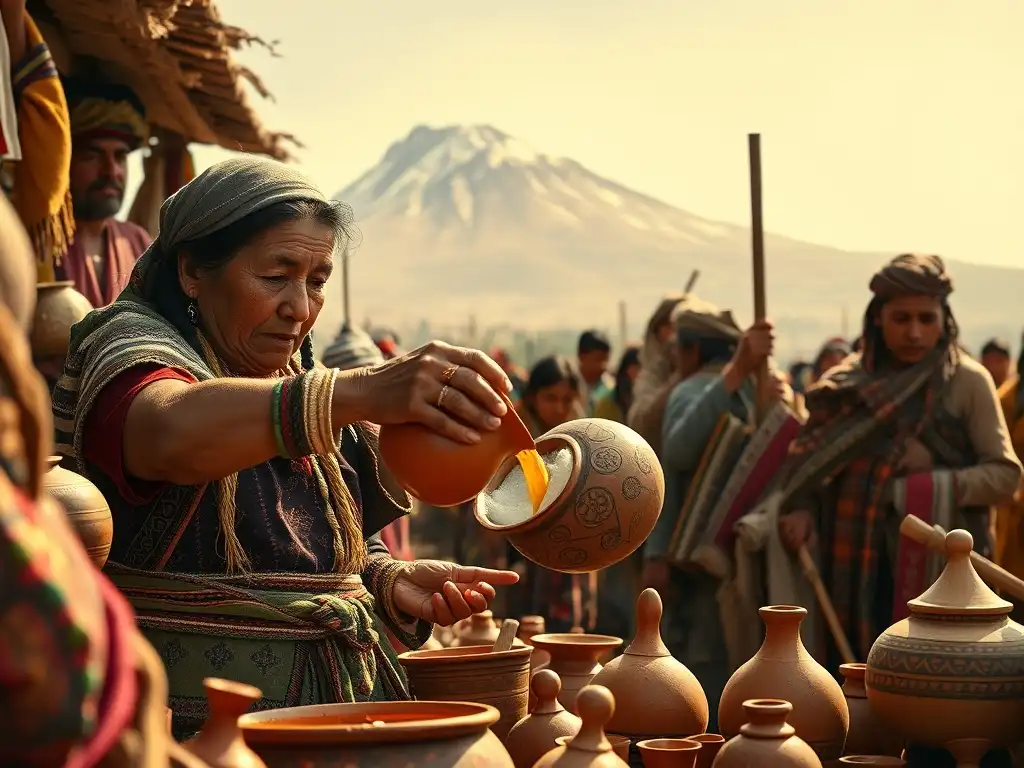
The Andean region, renowned for its diverse ecosystems and sophisticated civilizations, fostered a complex network of trade routes that facilitated the exchange of goods and ideas. Among the most significant commodities traversing these pathways was chicha, a fermented beverage crafted from maize and other local crops. Understanding chicha's role in Andean trade unveils crucial insights into the economic structures, social hierarchies, and cultural practices of these ancient societies.
This section will delve into the economic importance of chicha, its role in bartering, and its status as a prestige good. The history of Andean fermented beverages is intrinsically linked to the development of their trade networks.
The Economic Importance of Fermented Beverages in Andean Trade
Chicha was not merely a drink; it held substantial economic value. Its production required significant agricultural resources, including the cultivation and processing of maize, which was a staple crop in the Andes. The brewing process itself, involving specialized knowledge and techniques passed down through generations, added to its economic worth.
Furthermore, the transportation of chicha across vast distances required considerable logistical planning and resources, including specialized containers and transportation systems adapted to the challenging Andean terrain. The scale of chicha production and trade is evidenced by archaeological findings of large storage vessels and the presence of chicha residues in various sites along major trade routes. The economic impact of chicha extended beyond its immediate consumption; it played a crucial role in supporting agricultural economies and stimulating trade networks.
Analysis of ancient Andean economic systems points to the significant contribution of chicha to the overall wealth and prosperity of these societies. We can even speculate that the demand for chicha spurred innovation in transportation and storage technologies.
Chicha's Role in Bartering and Exchange Systems
Beyond its direct economic value, chicha served as a crucial medium of exchange within Andean bartering systems. Its portability and perishability (requiring timely consumption) made it an ideal commodity for immediate transactions. Archaeological evidence suggests that chicha was frequently exchanged for other goods, including textiles, ceramics, precious metals, and even agricultural products. The widespread acceptance of chicha as a form of payment indicates its deeply ingrained role in the Andean economy.
Different types of chicha, perhaps brewed with varied ingredients or using different fermentation techniques, may have held varying exchange values, reflecting the nuanced economic systems in place. Further research into the specific types of chicha and their relative values in different regions could significantly enhance our understanding of Andean bartering practices. The role of chicha in bartering wasn't merely transactional; it likely fostered social relationships and facilitated trade agreements between diverse communities.
Chicha's Value as a Prestige Good
In addition to its economic and transactional uses, chicha also held significant symbolic value as a prestige good. Certain types of chicha, brewed using rare ingredients or employing elaborate techniques, were reserved for elite classes and religious ceremonies. These high-status chichas likely played a role in reinforcing social hierarchies and solidifying political power.
The consumption of these special brews served as a marker of social status and privilege. The use of chicha in religious rituals further elevated its symbolic significance, connecting it to the spiritual and cosmological beliefs of Andean societies. The production and distribution of prestige chicha were likely controlled by powerful individuals or groups, highlighting its importance in maintaining social order and reinforcing existing power structures.
The study of ceremonial chicha vessels and their iconography can provide valuable insights into the social and religious contexts in which this beverage was consumed. The careful analysis of these artifacts can help us understand the complex interplay between social status, religious practices, and the consumption of Andean fermented beverages. The study of chicha's history is vital to understanding the Andean fermented beverage history.
Specific Case Studies of Chicha's Journey
This section delves into specific examples of chicha's movement along Andean trade routes, highlighting its importance in different cultures and periods. We will explore how this Andean fermented beverage played a crucial role not only in sustenance but also in ritual, social interaction, and economic exchange, solidifying its place in the rich tapestry of Andean fermented beverage history.
Chicha Distribution and Consumption within the Inca Empire
The Inca Empire, renowned for its sophisticated administrative system, effectively managed the production and distribution of chicha. Imperial control extended to agriculture, ensuring a steady supply of maize, the primary ingredient. Evidence suggests that chicha production was often centralized, with state-sponsored breweries supplying the imperial court and strategically located settlements.
The distribution network was facilitated by the extensive qhapaq ñan, the Inca road system. This remarkable infrastructure allowed for the efficient transport of chicha, both in bulk quantities for large gatherings and in smaller containers for individual consumption. The hierarchical structure of Inca society dictated consumption patterns. The elite enjoyed high-quality chicha, sometimes flavored with fruits or herbs, while commoners had access to more basic varieties.
Archaeological findings, such as storage vessels and ceramic drinking implements, corroborate these patterns. The sheer scale of the Inca Empire's infrastructure and organization played a vital role in the wide-reaching distribution of this crucial Andean fermented beverage. The importance of chicha within Inca society is further highlighted by its use in religious ceremonies and royal feasts, cementing its role as a symbol of power and status.
Chicha's Significance in Moche Rituals and Trade Networks
The Moche civilization (c. 100-800 CE), known for its elaborate artistic depictions, provides valuable insights into the role of chicha in their society. Moche pottery frequently features scenes of chicha production, consumption, and ritual use. These images reveal intricate details of the brewing process, from the preparation of the maize to the serving of the beverage in ceremonial contexts.
Chicha's significance in Moche rituals is undeniable. It was likely a central element in religious ceremonies, offered to deities and consumed by priests and elites. The presence of chicha in Moche burials further supports its spiritual importance.
Furthermore, the Moche's extensive trade networks played a key role in the exchange of chicha and its ingredients. The availability of diverse maize varieties and other ingredients suggests a complex system of exchange across the Moche territory, linking different communities through the shared production and consumption of this iconic Andean fermented beverage. The Moche's artistic representations offer a unique window into the deeply ingrained cultural and religious significance of chicha within their society.
Regional Differences in Chicha Production and Exchange: The Case of the Tiwanaku
The Tiwanaku civilization (c. 300-1100 CE) also incorporated chicha significantly into its culture, but with regional variations in production and exchange. Unlike the Inca's centralized system, Tiwanaku's approach appears to have been more decentralized, with different communities developing their own unique brewing techniques and recipes.
This resulted in a diversity of chicha types, potentially reflecting variations in maize varieties, fermentation methods, and the addition of other ingredients. The Tiwanaku's control over fertile agricultural lands and their extensive trade network facilitated the exchange of these diverse chichas. However, the absence of a unified, centralized system, unlike the Inca, suggests a more localized and nuanced approach to chicha production and distribution.
Further research is needed to fully understand the intricacies of Tiwanaku's approach to this central aspect of their Andean fermented beverage history. The study of Tiwanaku's chicha production reveals the complex interplay between local practices and regional trade networks in shaping the cultural landscape of the Andes. The differences in production methods and exchange patterns highlight the diversity of Andean cultures and their unique adaptations to their environment.
The Impact of Trade on Chicha Varieties
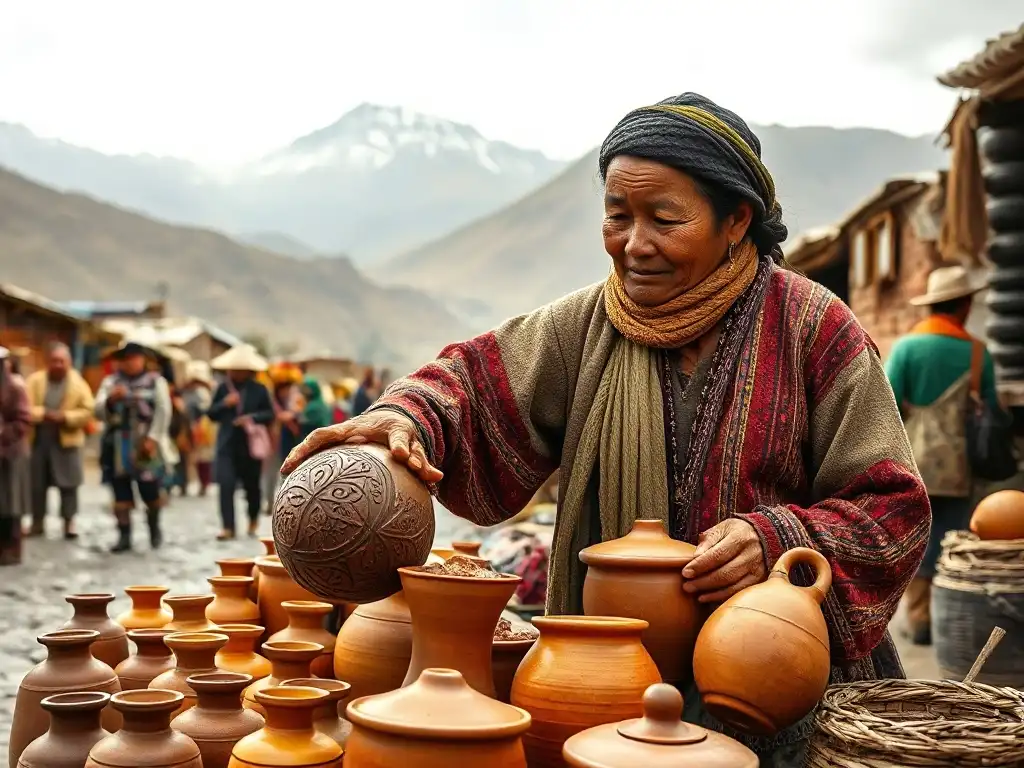
The vibrant exchange of goods along Andean trade routes profoundly impacted the diversity and evolution of chicha, the ubiquitous fermented beverage central to Andean cultures. While the precise origins of chicha remain debated amongst scholars, its widespread consumption and the variations found across different regions strongly suggest a significant role for trade in shaping its development. The movement of people, crops, and brewing techniques along established pathways fostered a complex interplay of innovation and adaptation, resulting in a rich tapestry of chicha varieties.
This section will explore how this trade impacted the development of new chicha types, the exchange of brewing techniques and ingredients, and the resulting regional diversification of fermented beverages. Understanding this intricate relationship allows us to appreciate the sophisticated networks that sustained Andean societies and the crucial role chicha played within them. The sheer variety of chicha – from the maize-based brews of the Incas to the more exotic fruit-based varieties of the coastal regions – serves as a testament to the dynamism of Andean trade.
The study of chicha therefore offers a unique lens through which to examine the history of Andean trade and cultural exchange. Analyzing the chemical composition of chicha samples from different regions could further illuminate the influence of trade on the beverage's evolution. [Specific chemical analysis data pending].
How Trade Influenced the Development of New Chicha Types
The movement of agricultural products along Andean trade routes was pivotal in the creation of new chicha varieties. The Inca road system, for instance, facilitated the transport of maize, quinoa, and various fruits across vast distances. This access to diverse ingredients allowed brewers in different regions to experiment with new recipes, leading to the development of unique chicha types tailored to local tastes and available resources.
For example, the availability of specific fruits in coastal regions, unavailable in the highlands, gave rise to chicha varieties that incorporated these unique ingredients, creating distinctly flavored beverages. The interaction and blending of different brewing traditions further contributed to this innovation. Imagine the exchange of knowledge between highland and coastal brewers, each contributing their expertise and ingredients to create novel chicha variations.
This process was not simply a passive exchange; it involved active experimentation and adaptation, resulting in a dynamic evolution of the beverage. The resulting regional variations reflect not only differing agricultural resources but also unique cultural practices and preferences.
The Exchange of Brewing Techniques and Ingredients
Beyond the simple transport of ingredients, the Andean trade routes facilitated the exchange of crucial brewing techniques. These techniques, passed down through generations, were often closely guarded secrets, yet the very nature of trade meant some knowledge inevitably spread. This diffusion of brewing knowledge impacted the quality and consistency of chicha across different regions.
Consider the potential impact of a skilled brewer traveling along a trade route, sharing their expertise with local communities. This could have led to improvements in fermentation processes, resulting in higher-quality chicha with improved taste and shelf life. The exchange wasn't limited to techniques; specialized tools and equipment used in chicha production also moved along these routes, further contributing to the standardization and improvement of brewing processes.
The widespread adoption of similar brewing practices across vast geographic areas suggests a significant influence of trade on the standardization and evolution of chicha production. [Data on specific tools and techniques exchanged pending].
Regional Diversification of Fermented Beverages
The interplay between trade and local adaptations resulted in a remarkable regional diversification of chicha. The basic ingredients might have been similar, but the final product varied greatly depending on the region. This wasn't simply a matter of taste; it reflected the specific environmental conditions, agricultural practices, and cultural preferences of each region.
For example, chicha made in the high Andes might have differed significantly in taste and alcoholic content from chicha produced in the coastal valleys due to differences in altitude, climate, and available ingredients. This diversity wasn't simply a matter of chance; it was a direct consequence of the dynamic interplay between long-distance trade and local adaptations. The enduring popularity of chicha throughout the Andes highlights the significant role it played in social and cultural life, and underscores the importance of trade in shaping its regional identities.
A comprehensive study of regional variations in chicha could reveal fascinating insights into the complex relationship between trade, culture, and environment in the Andes. The study of ancient Andean fermented beverage history is therefore crucial to understanding the social and economic fabric of these remarkable civilizations. 🍻
The Legacy of Andean Fermented Beverages
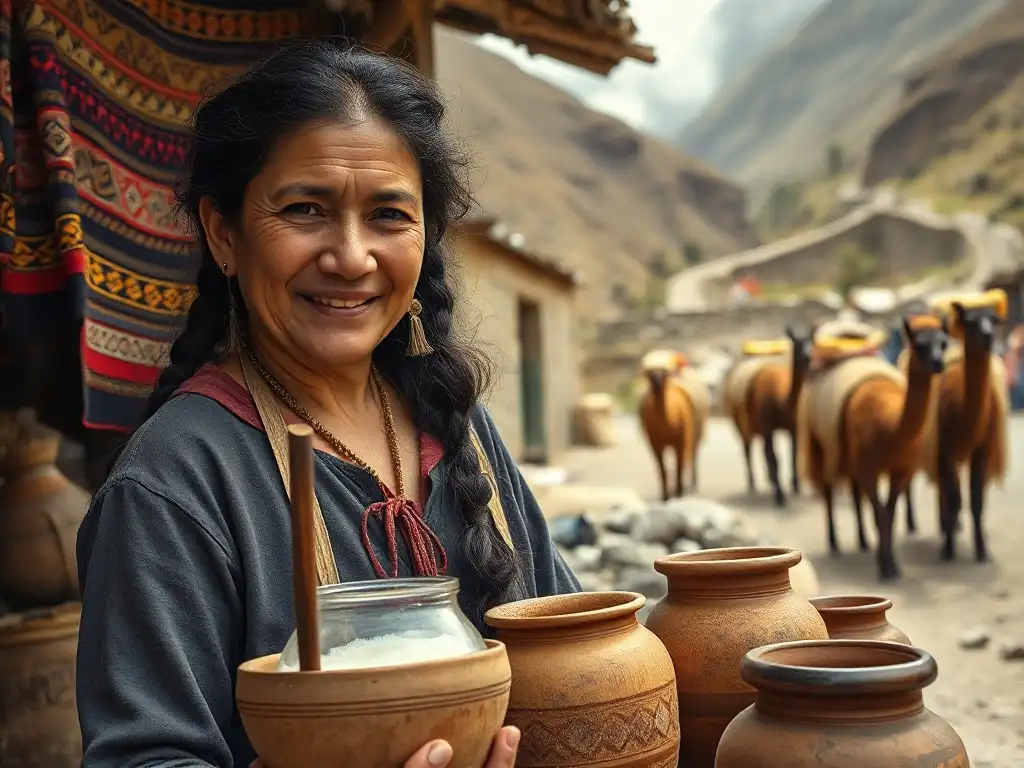
The history of Andean fermented beverages, particularly chicha, is deeply intertwined with the social, religious, and economic fabric of the Andean civilizations. Its production and consumption weren't merely acts of sustenance; they were integral parts of complex ritualistic practices, trade networks, and social hierarchies. From the pre-Inca cultures of the Nazca and Moche to the Inca Empire and beyond, chicha served as a potent symbol of power, community, and spiritual connection.
Understanding its historical trajectory reveals much about the ingenuity and cultural richness of these Andean societies. The enduring legacy of Andean fermented beverages highlights the sophisticated agricultural practices and brewing techniques employed for millennia, demonstrating a remarkable level of technological advancement in food processing and preservation. Archaeological evidence, including ceramic vessels and depictions on textiles, offers compelling glimpses into the production, distribution, and consumption of chicha throughout the Andean region.
The sheer diversity of chicha varieties, produced from different grains and fruits, speaks volumes about the adaptability and resourcefulness of Andean cultures in harnessing the bounty of their environment. This adaptability extended beyond mere survival; the creation of diverse chicha recipes became an expression of cultural identity and regional distinctiveness.
Chicha's Enduring Presence in Andean Culture Today
Despite centuries of change, chicha remains a vital component of Andean culture. While industrial production exists, many communities continue traditional brewing methods, passing down knowledge and techniques across generations. This enduring presence underscores the beverage's profound cultural significance. The production of chicha often involves communal participation, reinforcing social bonds and preserving traditional practices.
Festivals and ceremonies continue to center around chicha, highlighting its role in maintaining cultural identity and fostering a sense of community. Modern chicha production, while sometimes incorporating modern tools, often retains the core elements of traditional techniques, ensuring continuity with the past. [Specific data on the number of communities still practicing traditional chicha brewing pending].
The continued popularity of chicha, despite the availability of modern alternatives, demonstrates its enduring appeal and its successful adaptation to contemporary life. It is a testament to the rich history and cultural significance of Andean fermented beverage production. The vibrant colors and aromas associated with chicha, varying according to the ingredients used, continue to capture the senses and evoke a deep connection to Andean heritage.
The Connection Between Ancient Traditions and Modern Practices
The link between ancient and modern chicha production reveals a fascinating continuity. While modern methods may involve some technological advancements, the fundamental principles and ingredients often remain unchanged. Many contemporary brewers utilize traditional techniques, such as the use of specific types of clay pots or the incorporation of particular herbs and spices, directly reflecting ancient practices.
The use of maize, for instance, a staple crop in the Andes for millennia, remains central to many chicha recipes. This continuity highlights the enduring legacy of Andean knowledge and the resilience of traditional practices in the face of modernization. [Specific examples of modern chicha brewing techniques that mirror ancient practices pending].
Analyzing the chemical composition of modern and ancient chicha samples could provide valuable insights into the consistency of brewing techniques over time, further illuminating the connection between past and present. The ongoing research into Andean fermented beverage history is crucial for understanding the evolution of these traditions and preserving this invaluable cultural heritage. The study of ancient fermentation techniques can also inform modern food science and potentially lead to new innovations in food processing.
The Continuing Significance of Chicha in Andean Communities
Chicha's significance in Andean communities extends beyond mere consumption. It plays a crucial role in social gatherings, religious ceremonies, and economic activities. In many communities, chicha is integral to celebrations, such as weddings and harvest festivals, solidifying social bonds and marking important life events. The sharing of chicha often forms a cornerstone of community building, fostering a sense of belonging and collective identity.
In some areas, chicha production contributes to local economies, providing livelihoods for farmers and brewers. [Specific data on the economic impact of chicha production in Andean communities pending]. The cultural significance of chicha is deeply rooted in the Andean worldview, with its production and consumption frequently linked to spiritual beliefs and ancestral practices.
The beverage's enduring presence underscores its vital role in preserving cultural heritage and fostering a sense of community across generations. The vibrant and diverse traditions surrounding chicha reflect the richness and complexity of Andean cultures, illustrating the enduring power of ancient practices in shaping contemporary life. 🍹
Conclusion: The Enduring Legacy of Chicha in Andean History
This exploration of chicha's journey along Andean trade routes reveals a complex interplay between beverage production, social structures, and economic exchange. More than just a drink, chicha served as a vital component of Andean life, deeply intertwined with religious practices, social hierarchies, and economic systems. Understanding its role provides crucial insight into the sophisticated networks and cultural nuances of these ancient societies.
The enduring legacy of chicha continues to resonate today, highlighting the enduring power of tradition and the importance of preserving this vital aspect of Andean heritage. The impact of chicha on Andean society was profound and far-reaching, shaping not only the economic landscape but also the very fabric of Andean culture.
The Importance of Understanding Andean Fermented Beverage History
Understanding the history of Andean fermented beverages like chicha is paramount to grasping the holistic picture of these ancient civilizations. It allows us to move beyond simplistic narratives of conquest and colonization, revealing the sophisticated agricultural practices, technological advancements, and social complexities that characterized Andean societies. The production and distribution of chicha required intricate knowledge of fermentation processes, crop cultivation, and logistical planning, demonstrating a level of technological sophistication often overlooked in traditional historical accounts.
Analyzing the chemical composition of recovered chicha residues allows researchers to reconstruct past diets, agricultural practices, and even trade networks with a level of detail previously unavailable. For example, isotopic analysis of chicha remnants can pinpoint the geographic origin of the maize used in its production, providing valuable data on trade routes and agricultural exchange. This detailed approach helps us to appreciate the ingenuity and resilience of Andean cultures.
Furthermore, studying the role of chicha in rituals and ceremonies sheds light on their spiritual beliefs and social structures. The beverage wasn't just a drink; it was a sacred element, a symbol of community, and a powerful force in shaping Andean identity.
Chicha's Role in Shaping Andean Culture and Trade
Chicha's influence extended far beyond simple consumption. It played a crucial role in shaping Andean culture and trade. Its production and distribution fostered the development of complex social structures, with specialized artisans and traders involved in every stage of the process, from cultivation and harvesting to fermentation and distribution.
The economic impact of chicha was significant, contributing substantially to the economies of various Andean societies. Consider the Moche culture, for example: evidence suggests that chicha production was closely linked to their elaborate religious ceremonies and elite power structures, with large-scale production facilities supplying vast quantities for ritual consumption. The control and distribution of chicha likely played a significant role in maintaining social order and political power.
Moreover, the trade of chicha, and the maize used to produce it, facilitated the exchange of goods and ideas across vast distances, connecting different Andean communities and fostering cultural exchange. This interconnectedness is crucial for understanding the development of Andean civilization as a whole. The movement of chicha along trade routes wasn't merely a transfer of goods; it was a vector for cultural transmission, contributing to the spread of religious beliefs, artistic styles, and technological innovations.
Final Thoughts on Chicha's Journey Through the Andes
The journey of chicha through the Andes is a testament to the ingenuity, resilience, and cultural richness of Andean civilizations. From its humble beginnings as a fermented beverage to its significant role in shaping Andean culture and trade, chicha's story offers a compelling window into the past. Further research, integrating archaeological findings with ethnohistorical accounts and scientific analyses, will undoubtedly reveal even more about the complex relationship between this ancient beverage and the societies that produced and consumed it.
By understanding chicha's journey, we gain a deeper appreciation for the interconnectedness of Andean societies and the profound impact of fermented beverages on their cultural and economic development. The legacy of chicha continues to influence Andean cultures today, reminding us of the enduring power of tradition and the importance of preserving this integral part of their heritage.
The study of "Andean fermented beverage history," therefore, remains a crucial and exciting field of research with the potential to uncover further fascinating insights into the past. 🍻
Frequently Asked Questions
What is chicha?
Chicha is a fermented beverage that played a crucial role in the Andean civilizations. It was made from various grains, like maize, and was essential to religious ceremonies and daily life. Its production and consumption varied across different cultures.
How did chicha impact Andean trade routes?
The trade of chicha ingredients, like maize and other crops, fueled the growth of Andean trade networks. Chicha itself was also traded, further connecting different Andean communities and strengthening economic ties. Its importance fostered the exchange of goods and ideas.
Which Andean cultures consumed chicha?
Many Andean cultures, including the Incas, Moche, Nazca, and Tiahuanaco, consumed chicha. Each culture had its own unique variations in the production methods and rituals surrounding its consumption. It was a common thread across diverse Andean societies.
What role did chicha play in Andean religious ceremonies?
Chicha held significant religious and ceremonial importance in many Andean cultures. It was often offered to deities and consumed during rituals and festivals. Its consumption was believed to connect individuals with the spiritual world.
How did the production of chicha evolve over time?
The production techniques of chicha evolved over centuries, adapting to different environments and technological advancements. While the basic process remained consistent, variations in ingredients and fermentation methods reflect the diverse cultural practices across the Andes.
Final Reflection: Chicha's Enduring Legacy
The ancient art of brewing chicha continues to resonate today, a testament to the enduring power of tradition and the ingenuity of Andean cultures. Its journey along ancient trade routes wasn't merely a movement of liquid; it was a movement of knowledge, community, and cultural identity that continues to shape the region's culinary landscape and social fabric. The legacy of chicha is not confined to the past; it's a living history, actively influencing modern practices and perspectives.
Chicha's influence extends far beyond its intoxicating effects; it represents a deep connection to the land, a celebration of harvest, and a vital part of Andean social rituals. Its presence in ceremonies, festivals, and everyday life underscores its importance as a cultural keystone. The drink is not just a beverage; it is a living embodiment of our history, our traditions, and our connection to the earth.
This sentiment, though perhaps paraphrased, encapsulates the profound significance of chicha within Andean communities, past and present. Its continued production and consumption serve as a powerful symbol of cultural resilience and a vital link to ancestral knowledge.
Consider the story of chicha, its journey, and its enduring presence. Reflect on the ways in which ancient traditions continue to shape our modern world. What stories do the foods and drinks we consume tell? What traditions are you connected to, and how can you help preserve and share them? Let the legacy of chicha inspire you to explore your own cultural heritage and appreciate the rich tapestry of human history woven into the simplest of acts – sharing a drink with friends and family.
**Embark on Your Own Journey of Discovery! **
Thank you for exploring the fascinating world of Andean fermented beverages and their rich history in trade. You've gained valuable insights into how these beverages shaped Andean cultures and economies. Ready to delve deeper? Here's how you can continue your journey:
- **Immerse Yourself in Local Culture:** Visit a local shop or brewery specializing in Andean fermented beverages. Sample their unique flavors and learn about the production process directly from the artisans.
- **Share Your Experiences:** Share your favorite discoveries and tasting notes on social media! Use #AndeanFerments to connect with others interested in these traditions.
- **Join a Community:** Engage with local cultural or historical societies focused on Andean civilizations. Participate in workshops or talks to expand your knowledge and connect with fellow enthusiasts.
What other aspects of Andean culture intrigue you? Share your thoughts in the comments!