
The Role of Religious Centers in the Economic Exchange of Andean Civilizations

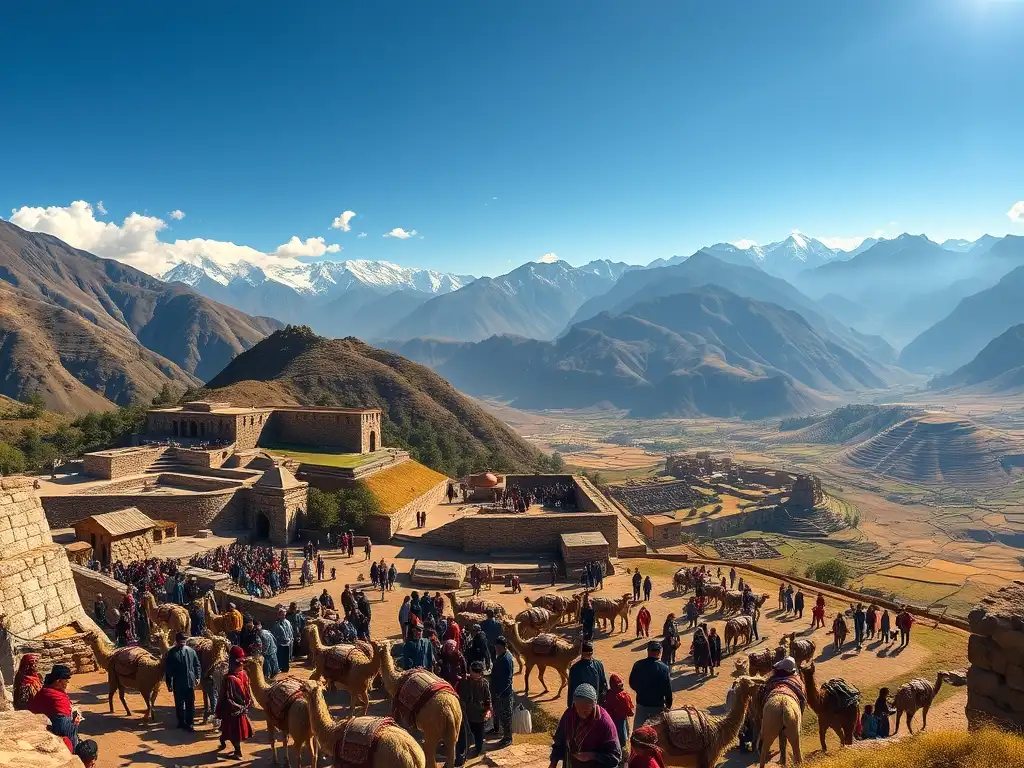
Unravel the mysteries of the Andes! Journey through millennia of intricate societies and discover how spiritual devotion fueled economic power in the ancient world. Were the magnificent Andean religious centers simply places of worship, or did they serve as crucial hubs for Andean religious centers trade and the flourishing economies of the Incas, Moche, Nazca, and Tiahuanaco? Prepare to be amazed as we delve into the fascinating interplay between faith and commerce in this captivating exploration.
- The Role of Andean Religious Centers in Economic Exchange
- Pre-Inca Religious Centers as Economic Hubs
- Inca Religious Centers and their Impact on Trade
- Key Goods Traded at Andean Religious Sites
- Trade Routes and Religious Centers
- The Decline of Religious Centers and its Impact on Trade
- Legacy of Andean Religious Centers in Modern Economies
-
Frequently Asked Questions
- What role did religious centers play in the Andean economic exchange?
- How did religious festivals impact trade in the Andes?
- Were religious centers solely responsible for Andean trade?
- What types of goods were exchanged at Andean religious centers?
- How did the Inca Empire influence the role of religious centers in trade?
- Final Reflection: The Enduring Legacy of Andean Faith and Commerce
- Unveil the Power of Community: Engage with Andean Economic Traditions Today!
The Role of Andean Religious Centers in Economic Exchange
The vibrant tapestry of Andean civilizations, encompassing cultures like the Inca, Moche, Nazca, and Tiahuanaco, reveals a complex interplay between religious beliefs and economic practices. This article delves into the crucial role that religious centers played in facilitating and shaping the economic exchange networks that crisscrossed the Andes Mountains. We will explore how these sacred sites served not only as spiritual hubs but also as vital nodes in the intricate system of Andean trade, influencing the movement of goods, the distribution of wealth, and the very fabric of societal structure.
Understanding this symbiotic relationship between religion and economics is key to unlocking a deeper comprehension of the remarkable achievements and enduring legacy of these ancient societies. The analysis will focus on the tangible evidence supporting this connection, examining archaeological findings, anthropological studies, and historical accounts to paint a vivid picture of the economic dynamism fueled by Andean religious centers.
We will specifically address how these centers acted as marketplaces, storage facilities, and pilgrimage destinations, all contributing significantly to the overall economic prosperity of the region. This exploration will shed light on the sophisticated economic strategies employed by Andean civilizations and the enduring power of religious belief in shaping their societies.
Introduction: Andean Religious Sites and Economic Importance
Andean religious sites were far more than simply places of worship; they served as dynamic economic hubs, attracting people from across vast distances. These centers, often located strategically along major trade routes or near crucial resources, facilitated the exchange of goods and services. The sheer scale of some of these sites, such as the impressive complex at Tiwanaku, speaks to the immense economic power they wielded.
The construction and maintenance of these sites required a massive mobilization of labor and resources, stimulating economic activity on a regional and even interregional level. Furthermore, the religious rituals and festivals held at these centers often coincided with periods of heightened trade activity, creating a symbiotic relationship between spiritual practice and economic exchange. The concentration of people at these sites during such events naturally led to increased demand for goods and services, creating lucrative opportunities for local artisans and merchants.
Evidence suggests that specialized crafts, such as textiles, pottery, and metalwork, were frequently produced and traded near these religious centers, indicating a clear connection between religious practices and economic specialization. The economic impact of these sites extended beyond immediate vicinity, influencing the broader Andean economic landscape through the flow of goods, wealth, and information.
The Interconnection Between Andean Religion and Trade
The relationship between Andean religion and trade was multifaceted and deeply ingrained in the social fabric of these civilizations. Religious beliefs often dictated the types of goods traded, the routes utilized, and even the social hierarchies involved in the exchange process. For example, certain goods might have been considered sacred or imbued with spiritual significance, commanding higher prices and influencing trade patterns. The presence of elite classes, often closely associated with religious authority, further shaped the economic landscape.
These elites frequently controlled access to key resources and trade routes, accumulating wealth and power through their religious influence. The movement of goods was not merely an economic act; it often carried symbolic meaning, reinforcing social hierarchies and religious beliefs. Pilgrimages to religious centers were major economic events, bringing together people from different regions and fostering exchange. These pilgrimages resulted in significant economic activity, including the sale of food, lodging, and religious artifacts.
The exchange of goods during these events also served to spread religious ideas and cultural practices throughout the Andean region, further intertwining religious and economic spheres. The legacy of these interconnected systems is still visible today in the enduring influence of Andean religious beliefs and the continued economic importance of certain regions historically linked to major religious centers. Further research is needed to fully quantify the precise economic impact of these centers, but the available evidence strongly suggests a significant and complex relationship between Andean religious sites and the flourishing trade networks of these remarkable civilizations.
Pre-Inca Religious Centers as Economic Hubs
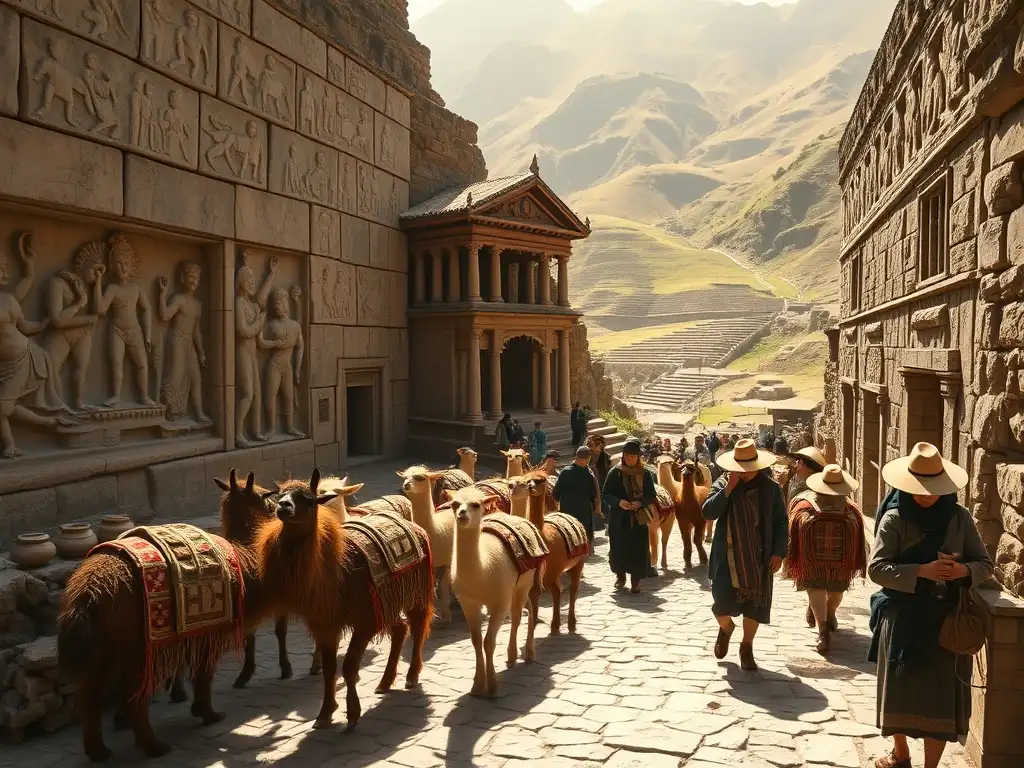
The rise of complex societies in the Andes wasn't solely driven by agricultural advancements or sophisticated irrigation systems; religious centers played a pivotal role in fostering economic exchange and integration across vast distances. Long before the Inca Empire, pre-Inca religious sites functioned as crucial hubs for trade, attracting pilgrims and merchants alike. These centers weren't merely places of worship; they were dynamic marketplaces where goods, ideas, and technologies flowed, shaping the economic landscape of the Andean region.
The strategic location of many of these sites, often situated near fertile valleys or along important trade routes, further amplified their economic significance. Analyzing the archaeological evidence from these sites reveals a complex interplay between religious practices and economic activities, demonstrating the mutually reinforcing relationship between spirituality and commerce in the pre-Columbian Andes. This symbiotic relationship significantly contributed to the prosperity and cultural exchange witnessed in the Andean region for centuries.
The influence of these religious centers extended far beyond their immediate surroundings, creating widespread economic networks that connected disparate communities. The study of these pre-Inca religious hubs provides valuable insights into the development of Andean economies and the sophisticated trade systems that existed long before the Inca.
Chavín de Huántar: A Pre-Incan Example of Religious and Trade Center
Chavín de Huántar, located in the central Andes of modern-day Peru, stands as a prime example of a pre-Inca religious center that significantly impacted regional trade. Flourishing between 900 and 200 BCE, Chavín's unique artistic style, characterized by its distinctive feline and serpent motifs, is found across a wide geographical area, suggesting a far-reaching influence. Archaeological excavations have unearthed a variety of exotic goods at Chavín, including obsidian from distant sources, suggesting extensive trade networks.
The presence of these materials, far removed from their origins, points to a sophisticated system of exchange, with Chavín acting as a central distribution point. Furthermore, the temple complex itself was likely a significant attraction, drawing pilgrims from across the Andes. These pilgrims, in turn, likely contributed to the economic activity surrounding the site, generating demand for local goods and services.
Analysis of the site's layout and the distribution of artifacts suggests a carefully planned urban design, indicating an organized and prosperous community heavily reliant on trade. The sheer scale of the construction at Chavín, along with the evidence of widespread artistic influence, points to a powerful and influential center that leveraged its religious authority to control and benefit from regional trade.
The Influence of Chavín on Regional Andean Commerce
The impact of Chavín de Huántar on regional Andean commerce extended far beyond its immediate vicinity. The distinctive Chavín artistic style, visible in pottery, textiles, and other artifacts, is found across a vast area, indicating the widespread dissemination of cultural and religious ideas. This cultural diffusion was undoubtedly facilitated by trade networks, with merchants carrying Chavín-style goods throughout the Andes.
The presence of Chavín-style artifacts in distant regions not only showcases the reach of its influence, but also suggests the economic power of the center. The exchange of goods wasn't limited to material objects; the movement of people and ideas also played a crucial role in shaping regional economies. Pilgrimages to Chavín likely introduced new technologies and agricultural practices, further stimulating economic growth in surrounding areas.
This interconnectedness fostered economic interdependence and facilitated the development of regional trade networks. In essence, Chavín served as a catalyst for economic integration in the central Andes, demonstrating the powerful role of religious centers in shaping the economic landscape of pre-Inca societies. The spread of Chavín ideology and artistic motifs can be interpreted as a form of "soft power," influencing economic and social structures across a vast territory.
Tiwanaku: Religious Significance and Exchange Networks
Tiwanaku, located on the shores of Lake Titicaca in modern-day Bolivia, represents another significant example of an Andean religious center deeply intertwined with regional trade. This impressive site, flourishing between 500 and 1000 CE, featured monumental architecture, sophisticated irrigation systems, and a complex social organization. Tiwanaku's strategic location, near important agricultural lands and trade routes, contributed to its economic prominence. Archaeological evidence suggests extensive trade networks connecting Tiwanaku to distant regions, with artifacts from various parts of the Andes found within the site.
The presence of exotic materials like shells, feathers, and precious metals indicates a sophisticated system of long-distance exchange. Furthermore, the standardization of weights and measures found at Tiwanaku suggests a centralized system of economic control, facilitating trade and potentially influencing the economic practices of surrounding communities. The religious significance of Tiwanaku undoubtedly attracted pilgrims from across the Andes, further contributing to the economic activity within and around the site.
The scale and complexity of Tiwanaku's infrastructure, coupled with the evidence of extensive trade networks, underscore the crucial role religious centers played in shaping the economic and social structures of Andean civilizations. The economic power of Tiwanaku likely stemmed from its control over resources and its ability to manage and benefit from regional trade. The city's influence on Andean "religious centers trade" is undeniable, shaping the economic and cultural landscape of the region for centuries.
Wari Empire: Expansion of Trade and Religious Practices
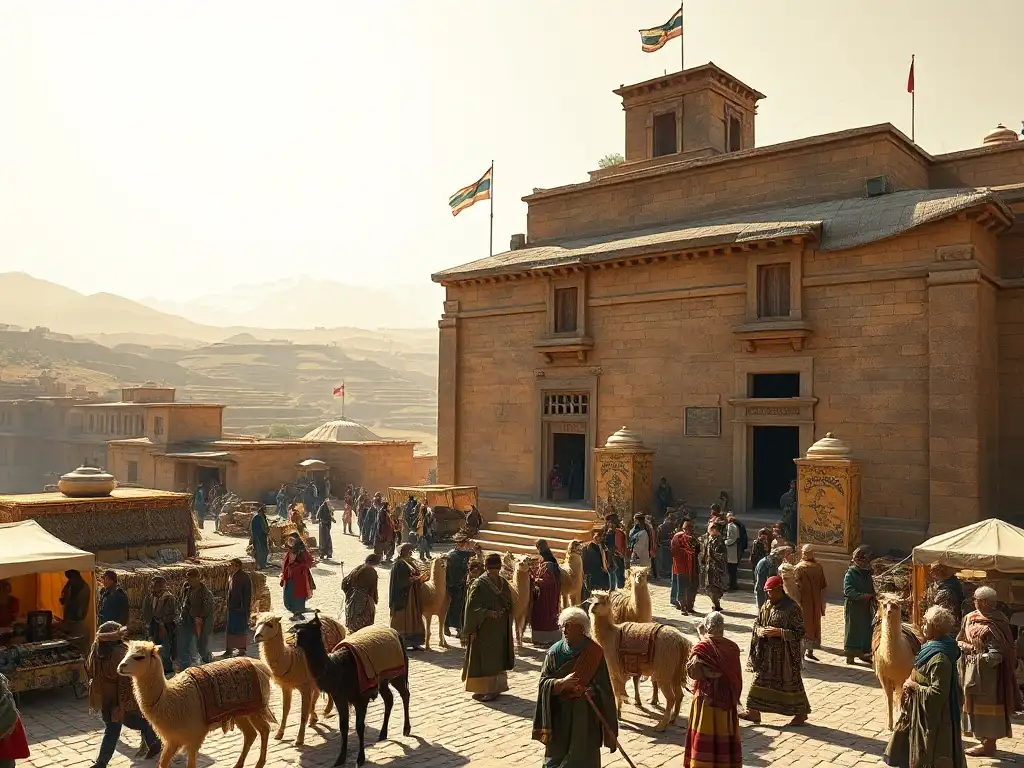
The Wari Empire, flourishing between roughly 600 and 1000 CE, stands as a compelling example of how religious centers fueled economic expansion in the Andes. Their vast influence, stretching across much of modern-day Peru, wasn't solely achieved through military might. Instead, the Wari cleverly integrated religious practices into their economic strategies, creating a symbiotic relationship between spiritual authority and material prosperity.
The empire's administrative centers, often built on elevated sites with impressive architecture, served as both religious and economic hubs. These weren't merely places of worship; they were logistical centers for the movement of goods and people across the empire.
The Wari's sophisticated road system, connecting distant provinces to the capital at Huari, facilitated trade and pilgrimage simultaneously. Merchants traveling along these routes likely stopped at strategically located religious sites, not only to offer prayers and participate in ceremonies but also to engage in commercial exchanges. The standardization of pottery styles and the widespread distribution of Wari-produced goods, such as textiles and ceramics, across the empire, suggest a highly organized and efficient trade network that was inextricably linked to the empire's religious infrastructure.
The presence of Wari administrative buildings near significant agricultural areas further highlights the integration of religious and economic activities. These centers likely managed the collection and redistribution of agricultural surpluses, a crucial aspect of the empire's economic stability and also a powerful demonstration of religious power and control.
The elite's control over religious practices and agricultural production created a system where religious authority translated directly into economic power, reinforcing the empire's stability and reach. The Wari's success demonstrates that a carefully orchestrated synergy between religious and economic activities was crucial for the expansion and maintenance of their vast empire.
Tiahuanaco: A Religious and Economic Powerhouse
The monumental center of Tiahuanaco, located near Lake Titicaca, presents a fascinating case study in the interplay between religious ideology and economic activity in the Andean region. Flourishing between approximately 300 and 1200 CE, Tiahuanaco exerted considerable influence over a wide area, its power profoundly impacting the economic landscape of the surrounding regions. The city's imposing structures, including the iconic Gate of the Sun and the Kalasasaya temple complex, were not just impressive displays of architectural prowess; they were central to the city's economic function.
The religious significance of Tiahuanaco attracted pilgrims from across the Andes, creating a constant flow of people and goods. This influx contributed significantly to the city's economic vitality. The production of high-quality textiles, ceramics, and other luxury goods, often imbued with religious symbolism, catered to the demands of both local elites and pilgrims from afar.
The city's strategic location, near fertile agricultural lands and important trade routes, further enhanced its economic potential. The control over these resources and trade routes, reinforced by the city's religious authority, allowed Tiahuanaco to amass significant wealth and power. The standardization of weights and measures found in Tiahuanaco suggests a sophisticated system of exchange, indicating a well-organized and efficient market within the city and its surrounding regions.
Furthermore, the distribution of Tiahuanaco-style artifacts across a vast geographic area is a strong testament to the city's economic influence, extending far beyond its immediate surroundings. The story of Tiahuanaco underscores how a powerful religious center could become a central node in a vast economic network, impacting trade and shaping the economic development of the wider Andean region. The city’s economic success was undeniably intertwined with its religious prominence.
Inca Religious Centers and their Impact on Trade
The Inca Empire, renowned for its sophisticated infrastructure and centralized administration, intricately intertwined religious practices with its economic system. Andean religious centers, particularly those under Inca control, served not only as spiritual hubs but also as crucial nodes in the vast network of Andean trade. The movement of goods, people, and information was heavily influenced by the location and function of these sacred sites, creating a dynamic interplay between the spiritual and the material realms. This section will explore how specific Inca religious centers facilitated economic exchange, demonstrating the deep interconnectedness of religion and trade within the empire.
Coricancha: The Golden Temple and its Role in Inca Economy
Coricancha, the "Temple of the Sun" in Cusco, was the most important religious center in the Inca Empire. Its significance extended far beyond spiritual devotion; it played a central role in the Inca economy. The temple itself was a repository of immense wealth, adorned with gold and silver, and served as a symbol of imperial power.
The sheer volume of precious metals accumulated at Coricancha attracted traders from across the empire, stimulating economic activity in Cusco. Pilgrims visiting the temple contributed to the local economy through their spending on food, lodging, and other goods and services. Furthermore, the temple's priests oversaw the distribution of resources, including agricultural surpluses, collected as tribute from throughout the empire.
This centralized system ensured that the Inca state maintained economic control and facilitated the redistribution of wealth, further solidifying the temple's economic influence. The Coricancha's economic importance is evidenced by its massive size and the vast quantities of resources dedicated to its construction and upkeep. Archaeological evidence suggests a complex system of workshops and storage facilities associated with the temple, highlighting its role as a major economic center.
Inca Religious Pilgrimages and Market Exchange
Religious pilgrimages formed an integral part of Inca life and significantly impacted trade. Thousands of people journeyed annually to major religious centers like Coricancha, Sacsayhuamán, and other significant sites across the empire. These pilgrimages created a surge in demand for goods and services along the pilgrimage routes.
Temporary markets sprang up near these centers, offering a wide range of goods, from food and textiles to tools and luxury items. This influx of people and their spending fueled economic activity in the surrounding regions, creating prosperity for local communities. The movement of people also facilitated the exchange of information and ideas, contributing to the spread of innovations and the strengthening of social and economic ties across the empire.
The scale of these pilgrimages, although difficult to quantify precisely, is suggested by the extensive network of roads and infrastructure built by the Inca to facilitate travel. The sheer volume of goods traded during these periods underscores the significant economic impact of religious pilgrimages within the Andean context.
The Role of Inca Priests in Regulating Trade
Inca priests held considerable power and influence, extending their authority into the economic sphere. They acted as intermediaries in trade, overseeing the distribution of goods and regulating market activities. Their religious authority lent legitimacy to economic transactions, ensuring fairness and stability within the system.
The priests controlled access to vital resources, such as agricultural lands and water sources, giving them significant leverage in economic matters. They also played a crucial role in managing the tribute system, collecting goods from different regions and redistributing them according to the needs of the empire. This system helped to maintain economic equilibrium and prevent imbalances in the distribution of resources.
The priest's role in trade was not merely administrative; their pronouncements and rituals often shaped economic policies and practices. Their involvement in the economic system is a testament to the deeply integrated nature of religion and trade within Inca society, highlighting the multifaceted influence of Andean religious centers on the economy. Further research into the specific roles of different priestly orders and their economic functions is needed to fully understand the intricacies of this complex relationship.
The Significance of Sacrifices in Andean Trade Rituals
The Inca, like many Andean civilizations before them, deeply intertwined religious practices with economic activities. Sacrifices, far from being mere ritualistic acts, played a crucial role in facilitating and legitimizing trade networks across the vast Inca Empire. These weren't simply offerings to appease deities; they were carefully orchestrated performances designed to ensure prosperity, secure safe passage for traders, and guarantee bountiful harvests—all key elements underpinning a thriving economy. The type of sacrifice, the location, and the individuals involved all carried symbolic weight, influencing the perceived success and legitimacy of trade interactions.
The most common sacrificial offerings included llamas, other animals, and agricultural products. The selection of these items wasn't arbitrary. Llamas, for instance, were vital pack animals, and their sacrifice could be interpreted as a symbolic offering to ensure the safe and successful transport of goods along arduous trade routes.
Similarly, agricultural produce, such as maize or coca leaves, represented the abundance and prosperity sought through trade. The ritualistic slaughter and offering of these goods served as a public display of commitment to the gods and a plea for continued success in economic endeavors. This public aspect was crucial for building trust and social cohesion, essential elements in establishing and maintaining reliable trade partnerships.
Furthermore, the location of these sacrifices held significant meaning. Many sacrifices occurred at apachetas—stone piles erected along mountain passes and trade routes. These sites served as both religious markers and resting points for traders. By leaving offerings at these locations, traders symbolically sought divine protection and ensured the safe continuation of their journeys.
The act of sacrifice wasn't merely a private matter; it was a public demonstration of piety and a shared commitment to the prosperity of the community, thereby fostering economic stability and trust amongst trading partners. The performance of these rituals, therefore, directly impacted the flow of goods and the overall success of the Inca trading system. The economic impact of these religious practices should not be underestimated; they constituted a fundamental aspect of the Inca's sophisticated economic strategy.
The specific details of the rituals varied regionally, reflecting the diverse beliefs and practices across the empire. However, the underlying principle remained constant: sacrifice served as a powerful mechanism for connecting the spiritual and material realms, bolstering trade networks, and promoting economic prosperity within the Inca empire. The careful consideration given to the selection of sacrificial offerings and the strategic placement of sacrificial sites highlights the intricate relationship between religion and economics in the Inca world.
This interwoven relationship was a critical component of their overall economic strategy and a testament to the sophisticated way in which the Incas managed their vast and complex empire. Further research into specific regional variations in sacrificial practices could provide even greater insight into the nuances of this vital relationship.
Key Goods Traded at Andean Religious Sites
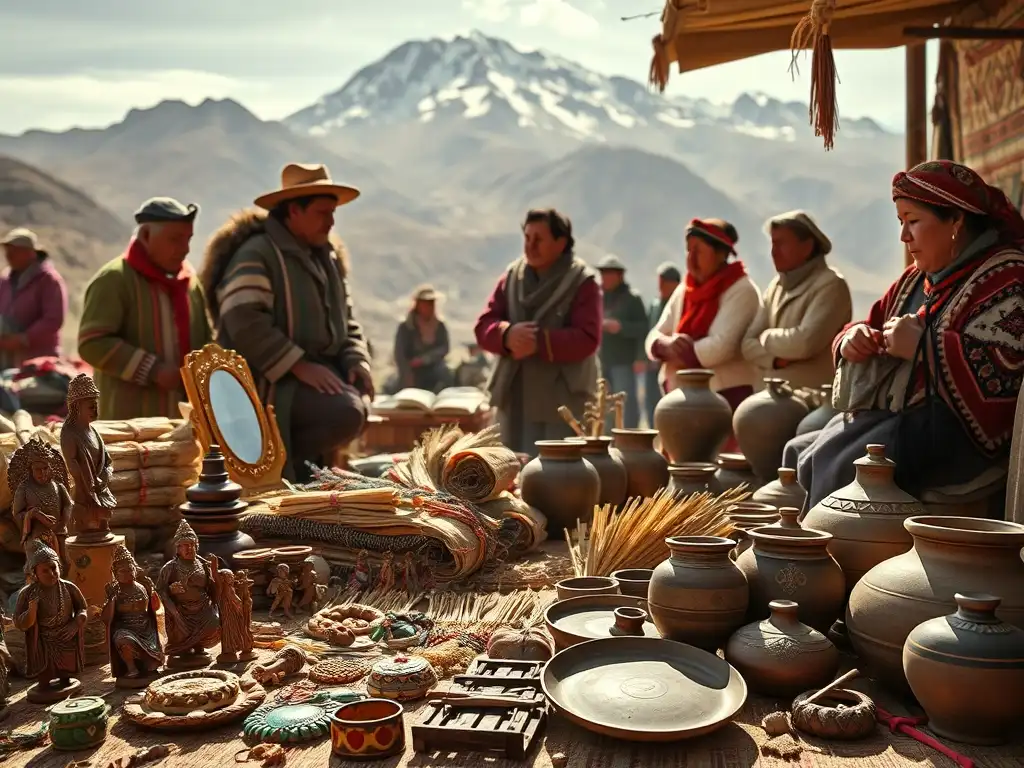
Andean religious centers served as more than just places of worship; they were vibrant hubs for economic exchange, significantly impacting the trade networks of the region. The convergence of people from diverse regions during religious festivals and pilgrimages created a unique marketplace, facilitating the exchange of a wide array of goods. This intricate interplay between religious practices and economic activity is crucial to understanding the prosperity and complexity of Andean civilizations.
The scale of this trade varied across different cultures and time periods, but its influence on the Andean economy is undeniable. Analyzing the types of goods exchanged reveals insights into the social structures, technological capabilities, and resource distribution within these societies. The term "Andean religious centers trade" accurately reflects this crucial aspect of their history.
Agricultural Products Traded in Religious Fairs
Religious festivals in the Andes weren't just spiritual events; they were also major agricultural markets. Farmers from surrounding regions brought their surpluses – the fruits of their labor – to these gatherings. The sheer volume of agricultural products traded at these sites demonstrates the significance of agriculture in the Andean economy and its close ties to religious life.
Consider, for instance, the cañaris of southern Ecuador, who are known to have traded significant quantities of maize, quinoa, and various beans during their annual religious ceremonies. These fairs offered a unique opportunity for farmers to exchange their surplus produce for other necessities, like textiles or tools, fostering a system of reciprocal exchange within the community. The diversity of agricultural products traded reflects the varied ecological zones of the Andes and the sophisticated agricultural practices of its inhabitants.
Different altitudes and microclimates yielded a rich variety of crops, enriching the diversity of goods available at these religious markets. For example, high-altitude potatoes might be exchanged for lower-altitude fruits, creating a system of resource redistribution.
Precious Metals and Crafts Exchanged at Andean Temples
Beyond agricultural goods, Andean religious centers were pivotal in the exchange of precious metals and elaborate crafts. Temples and sacred sites often served as repositories for valuable items, and their proximity to trade routes facilitated the exchange of these coveted goods. Gold, silver, and copper artifacts, often intricately crafted, were highly valued and served as both religious offerings and economic commodities.
The Moche civilization, renowned for its metalworking skills, likely traded significant quantities of gold and silver ornaments and tools at their religious centers. These exchanges weren't merely commercial transactions; they also reinforced social hierarchies and political alliances. The offering of precious metals to deities cemented religious authority, while the exchange of crafted items between elites strengthened political bonds.
Detailed records of these transactions are limited, but archaeological evidence consistently reveals the presence of precious metalwork at major religious sites, indicating their importance in the economic life of these civilizations. The sheer artistry and craftsmanship evident in these objects underscore the significant investment of time, skill, and resources involved in their production, highlighting their value as both religious symbols and economic assets.
The Importance of Textiles in Andean Economic Exchange
Textiles played a crucial role in the economic exchange at Andean religious centers. The production of textiles was a highly skilled craft, and different regions specialized in particular types of cloth, creating a system of inter-regional trade. Alpaca and llama wool, highly valued for its softness and warmth, formed the basis of many textiles.
These textiles were not only used for clothing but also for ceremonial purposes, further reinforcing their significance in religious contexts. The intricate designs and vibrant colors of Andean textiles reflected the cultural identity and artistic skill of their creators. The exchange of these textiles at religious centers facilitated the dissemination of cultural ideas and artistic styles across different regions, demonstrating the interconnectedness of Andean societies.
The use of distinct weaving techniques and patterns allowed for the identification of the origin of the textiles, and this information might have been crucial in establishing trust and facilitating trade relationships. Indeed, the production and exchange of textiles represent a significant aspect of the “Andean religious centers trade,” highlighting the deep economic and cultural significance of this seemingly simple commodity. The variety of fibers used, the complexity of the weaving techniques, and the symbolic value of the designs all contribute to the significant economic value and cultural importance of textiles in the Andean world.
Coca Leaves: Their Use in Ritual and Trade
Coca leaves held immense significance in the religious practices and economic systems of various Andean civilizations. Their cultivation, processing, and distribution were intricately woven into the fabric of Andean society, influencing both spiritual life and economic exchange. The leaves weren't merely a commodity; they were a sacred element deeply embedded in rituals and ceremonies.
Archaeological evidence consistently reveals coca remains in tombs and ceremonial contexts, demonstrating their importance in funerary rites and offerings to deities. The act of chewing coca leaves, often accompanied by prayer and offerings, was considered a way to commune with the spiritual world and gain favor from the gods. This practice wasn't limited to the elite; it permeated all levels of society, further emphasizing the plant's central role in daily life.
The economic importance of coca leaves is equally compelling. Given their widespread religious use, the demand for coca was substantial, creating a thriving trade network across the Andes. Cultivation occurred in specific regions with suitable climates, leading to the development of trade routes that connected coca-producing areas with other regions. The leaves were traded for a variety of goods, including textiles, pottery, metals, and other agricultural products.
The coca trade contributed significantly to the economic prosperity of regions involved in its production and distribution, fostering inter-regional connections and economic interdependence. The value of coca leaves transcended their material worth; they served as a powerful medium of exchange, solidifying social relationships and reinforcing political alliances. Control over coca production and trade often translated into economic and political power for those who controlled the supply chains.
The trade in coca leaves wasn't simply a commercial activity; it was an integral component of the socio-religious and economic landscape of the Andean world, reflecting the deep intertwining of spirituality and material life. Further research into specific trade routes and the volume of coca exchanged would provide a more precise understanding of its economic impact. The precise quantities traded and the specific routes are still areas of ongoing research, but the significance of coca in Andean trade is undeniable.
Trade Routes and Religious Centers
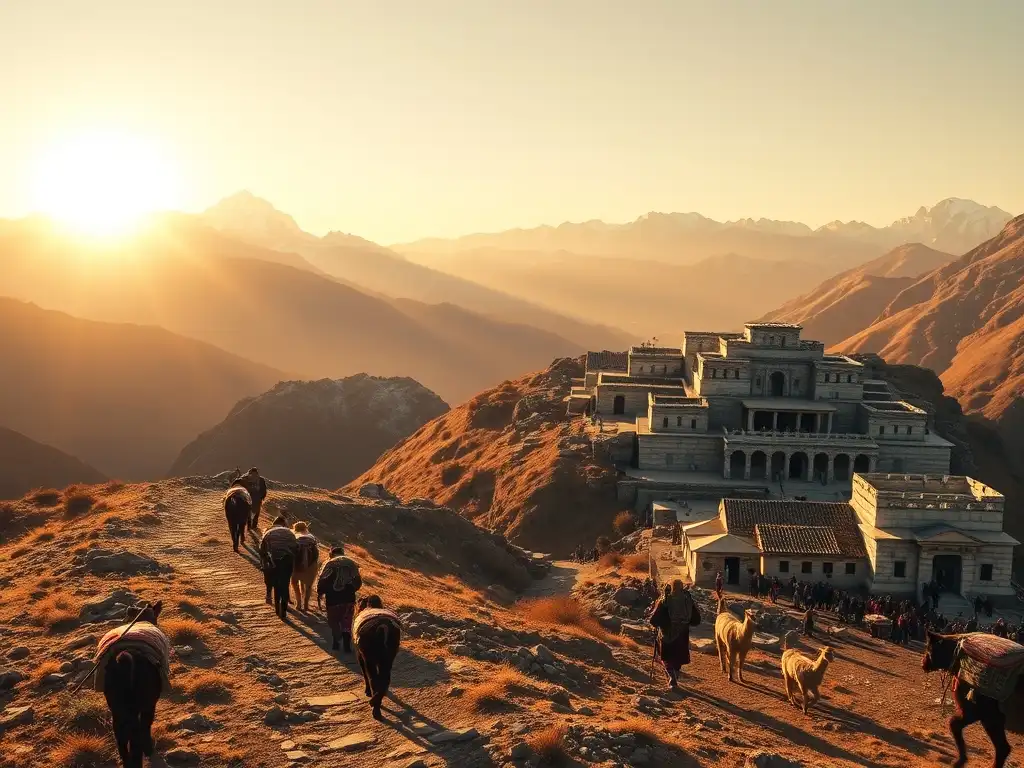
This section delves into the intricate relationship between Andean trade routes and the region's prominent religious centers, revealing how these sacred spaces played a crucial role in facilitating economic exchange within the diverse Andean civilizations. The analysis will focus on the synergistic relationship between pilgrimage, religious festivals, and the movement of goods, highlighting the strategic location of many religious centers along major trade arteries. Understanding this dynamic provides critical insight into the economic power and influence wielded by religious institutions within these ancient societies.
The Connection Between Andean Trade Routes and Sacred Sites
The placement of Andean religious centers was rarely arbitrary. Many were strategically located along major trade routes, such as the expansive Qhapaq Ñan, or near significant geographical features like mountain passes and river crossings. This strategic positioning wasn't merely coincidental; it facilitated the integration of religious practices into the daily economic lives of the Andean people.
Pilgrimages to these sacred sites, often involving large gatherings, created opportunities for the exchange of goods and services. The concentration of people at these locations naturally fostered a bustling market environment, boosting trade activity far beyond the daily needs of the local population. For instance, the presence of a significant temple dedicated to a particular deity could attract pilgrims from across a wide region, bringing with them diverse goods and fostering a vibrant marketplace.
This created a symbiotic relationship: the religious center attracted trade, and the trade, in turn, enhanced the center's religious and social significance. This dynamic is evident across various Andean cultures, from the Inca to the Moche, illustrating a consistent pattern of economic and religious integration.
How Religious Centers Facilitated the Movement of Goods
Andean religious centers served as more than just pilgrimage destinations; they acted as vital hubs for the distribution and exchange of goods. The concentration of people during religious festivals created a naturally occurring market. Artisans and merchants would converge to sell their wares, ranging from textiles and ceramics to agricultural products and precious metals.
The religious significance of these events ensured a high level of participation, guaranteeing a large and diverse pool of potential buyers and sellers. Furthermore, the temples themselves often served as storage facilities for goods, particularly those designated as offerings or tribute to the deities. This function, while primarily religious, also played a significant role in the overall economic system.
The controlled distribution of these goods, often managed by religious authorities, could influence prices and availability, giving religious institutions considerable economic leverage. We can envision a system where the temple acted as a kind of central warehouse, regulating the flow of goods and influencing the broader market. This economic role further solidified the power and influence of religious leaders within Andean society.
The Qhapaq Ñan and its Connection to Inca Religious Sites
The Qhapaq Ñan, the vast Inca road network, provides a compelling example of the integration of religious centers into the broader economic system. Many Inca religious sites, including major huacas (sacred places) and temples, were strategically placed along this extensive network. This placement wasn't accidental; it ensured that pilgrims traveling along the Qhapaq Ñan would pass through these sacred sites, stimulating trade and economic activity in the surrounding areas.
The Qhapaq Ñan itself facilitated the movement of goods along its length, connecting distant regions and fostering economic exchange. The presence of religious centers along the route further enhanced this exchange, creating nodes of economic activity that contributed significantly to the Inca empire's prosperity. The combination of efficient transportation and strategically positioned religious centers created a highly effective system for the movement of goods and the consolidation of economic power within the Inca state.
The meticulous planning and execution of this system highlight the Inca's sophisticated understanding of the interplay between religion, trade, and economic prosperity. Further research into the specific goods exchanged at these sites along the Qhapaq Ñan could illuminate further the complex economic dynamics of the Inca empire.
The Decline of Religious Centers and its Impact on Trade
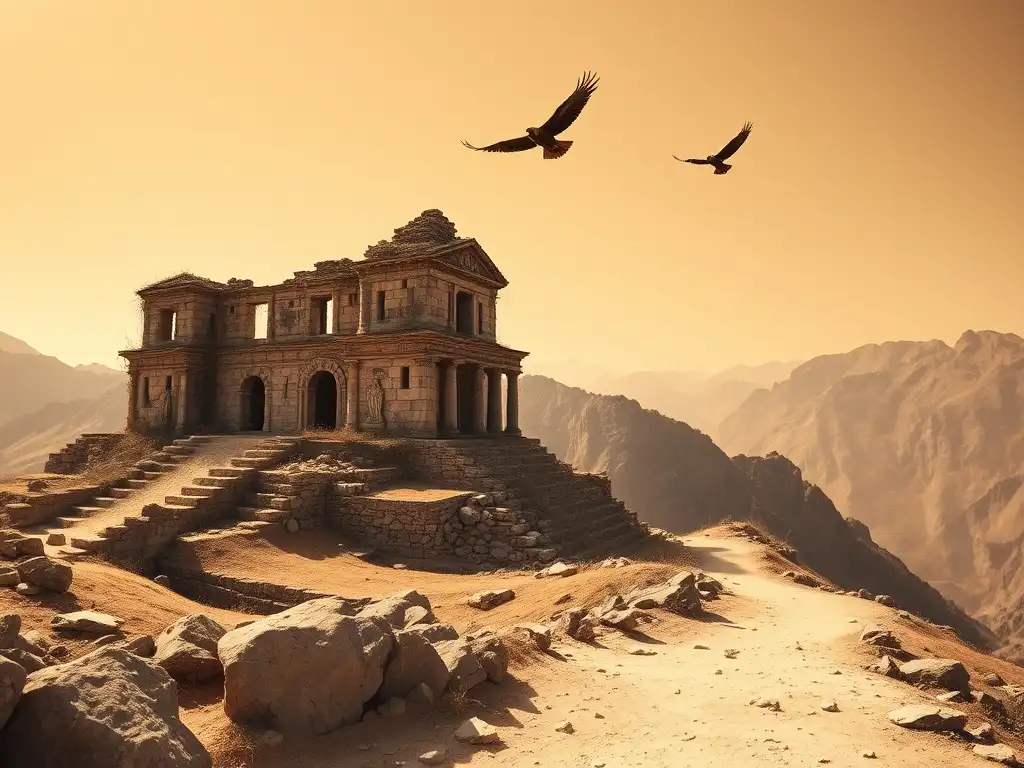
The flourishing economic exchange facilitated by Andean religious centers experienced a dramatic downturn following the Spanish conquest. While pre-Columbian trade networks were complex and multifaceted, with routes traversing vast distances and connecting diverse communities, the Spanish arrival irrevocably altered the landscape, significantly impacting the role of these crucial religious hubs. The shift wasn't merely a political one; it represented a profound disruption of established economic systems deeply intertwined with religious practices and beliefs.
The decline wasn't immediate but rather a gradual process unfolding over decades, marked by several key factors. Analyzing this decline requires understanding the multifaceted nature of the pre-Columbian Andean economy, where religious centers weren't simply places of worship but also vital nodes in the distribution of goods and services. The loss of these centers had cascading effects on the broader Andean trade network, resulting in economic instability and the breakdown of long-established trade routes.
The consequences were far-reaching and continue to resonate today in our understanding of Andean history and the enduring legacy of its civilizations. Analyzing specific cases, such as Pachacamac, helps to illustrate the extent of this decline.
The Arrival of the Spanish and the Disruption of Andean Trade
The Spanish conquest of the Inca Empire in the 16th century marked a turning point in Andean history. The arrival of the Spanish drastically altered established trade patterns and drastically reduced the importance of Andean religious centers in economic exchange. Prior to the conquest, religious centers such as Pachacamac, served as crucial marketplaces, attracting pilgrims and merchants alike.
These sites were not only places of worship but also central points for the exchange of goods, ranging from agricultural products and textiles to precious metals and exotic artifacts. The Spanish, however, implemented policies aimed at dismantling the existing power structures, including the religious elite who controlled much of the trade in these centers. The imposition of the encomienda system, which forced indigenous populations into labor, disrupted traditional agricultural practices and production, severely impacting the availability of goods traded through these religious centers.
Furthermore, the introduction of new diseases decimated the indigenous population, further destabilizing the economy and reducing the volume of trade. The sudden disruption of established trade routes and the imposition of new economic systems led to a significant decline in the economic activity associated with Andean religious centers. This was a gradual process, with some centers experiencing a more immediate and devastating impact than others, depending on their location and proximity to Spanish settlements.
The dismantling of the traditional religious authority in Andean societies profoundly impacted the economic role of religious centers. Prior to the Spanish conquest, priests and religious leaders held significant economic power, often controlling the distribution of goods and services within their respective regions. They played a crucial role in regulating trade, ensuring fair exchange, and resolving disputes between merchants. Their authority was intimately tied to the religious beliefs and practices of the Andean people, creating a system where economic activity was intrinsically linked to religious observance.
The Spanish systematically suppressed indigenous religious practices, replacing them with Catholicism. This not only undermined the spiritual authority of indigenous religious leaders but also severely weakened their economic influence. The loss of their authority created a power vacuum, leading to economic instability and uncertainty.
The traditional systems of reciprocity and redistribution, which had underpinned the Andean economy for centuries, began to crumble, further exacerbating the decline of religious centers as economic hubs. The consequences of this loss of religious authority were far-reaching, contributing to the decline of traditional trade networks and the rise of a new, colonial economic order. The impact was felt across various sectors, from agriculture and textile production to metalworking and the trade of luxury goods.
The Destruction of Pachacamac by the Spanish
Pachacamac, a prominent religious center located south of Lima, provides a compelling case study of the destruction of Andean religious centers and its impact on trade. This site, revered by various Andean cultures for centuries, served as a major pilgrimage site and a significant economic hub. The Spanish, viewing Pachacamac as a symbol of indigenous religious power, actively sought to destroy it. They targeted not only the temples and religious structures but also the extensive infrastructure that supported the economic activities associated with the site.
Archaeological evidence suggests that the Spanish systematically looted the site, removing precious metals and other valuable artifacts. The destruction of the temples and the disruption of the pilgrimage routes effectively crippled the economic functions of Pachacamac. The once-thriving marketplace dwindled, and the flow of goods through the region was severely curtailed. This destruction exemplifies the broader pattern of the Spanish conquest's impact on Andean religious centers and their role in economic exchange.
The deliberate targeting of Pachacamac highlights the Spanish colonial strategy of suppressing indigenous culture and religion, which had profound and lasting economic consequences for the Andean region. The fall of Pachacamac served as a stark warning to other religious centers, signaling the end of an era of economic prosperity tied to indigenous religious practices. The site's eventual decline exemplifies the devastating effects of colonial policies on the Andean economy and the lasting legacy of the Spanish conquest.
Legacy of Andean Religious Centers in Modern Economies
The influence of Andean religious centers on economic activity extends far beyond their historical significance. These sites, often located at strategic points along major trade routes, served not only as places of worship but also as crucial hubs for economic exchange. Their legacy continues to shape modern economies in several ways, impacting tourism, local markets, and even the cultural identity of Andean communities today.
The enduring power of these sites lies in their capacity to simultaneously foster spiritual devotion and economic activity, a symbiotic relationship that has characterized Andean societies for millennia. Analyzing this legacy requires understanding the intricate web connecting religious practices, trade networks, and the development of Andean economies. This enduring interconnectedness is a testament to the sophisticated systems developed by these ancient civilizations.
The Lasting Impact of Andean Trade Practices
The sophisticated trade networks of the Inca, Nazca, Moche, and Tiahuanaco civilizations relied heavily on the infrastructure and social structures centered around their religious sites. These weren't simply places of prayer; they were logistical centers. For example, the caminos reales (royal roads) of the Inca Empire often converged on major religious complexes, facilitating the movement of goods and people.
The efficient organization of these trade routes, often facilitated by the religious authorities themselves, ensured the smooth flow of essential commodities such as textiles, ceramics, metals, and food. The presence of these centers provided a level of security and trust, reducing risks associated with long-distance trade. This fostered economic growth and prosperity throughout the empire.
The legacy of this efficient system is visible even today in the improved infrastructure surrounding many former religious centers, often repurposed for modern commerce. The continued use of traditional Andean bartering practices in local markets further illustrates the persistence of these ancient economic principles.
Modern Andean Markets Reflecting Ancient Bartering Traditions
Even in the modern era, Andean markets often reflect the ancient traditions of bartering and exchange that thrived around religious centers. While modern currency is widely used, the practice of trueque (bartering) persists in many rural communities. This practice often takes place near or within sight of ancient religious sites, underscoring the continued association between spiritual significance and economic activity.
The goods exchanged – textiles, agricultural produce, handicrafts – often echo the types of goods traded in pre-Columbian times. This continuity highlights the enduring influence of Andean religious centers on the cultural and economic fabric of the region. For instance, in many markets near former Inca sites, you might still find artisans selling intricately woven textiles, continuing a tradition dating back centuries, directly linked to the religious practices and economic networks of the Inca Empire.
Further research is needed to fully quantify the economic impact of this continued tradition, but it is clear that it represents a vital part of the Andean cultural heritage. The survival of trueque serves as a powerful reminder of the enduring legacy of Andean trade practices.
Conclusion: The Enduring Economic Role of Andean Religious Sites
The economic impact of Andean religious centers is undeniable. From their role as logistical hubs in extensive trade networks to their continued influence on modern markets and cultural practices, these sites remain integral to the economic and social landscape of the Andes. The enduring power of these centers lies not only in their historical importance but also in their continued relevance to the lives of Andean communities.
The symbiotic relationship between spirituality and economics, established centuries ago, continues to shape the region's economy and cultural identity. Understanding this complex interplay is crucial for appreciating the full scope of Andean civilizations’ achievements and their lasting legacy.
The continued study of Andean religious centers and their connection to trade promises to unlock further insights into the sophisticated economic systems of these remarkable civilizations. Further research into the economic impact of tourism at these sites would also provide a valuable addition to this understanding.
Frequently Asked Questions
What role did religious centers play in the Andean economic exchange?
Andean religious centers weren't just places of worship; they were also vital hubs for trade. Pilgrimages brought people from across vast distances, facilitating the exchange of goods and ideas. This fostered economic growth and interconnectedness.
How did religious festivals impact trade in the Andes?
Large-scale religious festivals attracted massive crowds from various Andean societies. These events created a significant demand for goods and services, stimulating trade and economic activity in the surrounding areas. Specialized craft production often thrived to meet this demand.
Were religious centers solely responsible for Andean trade?
No, while religious centers played a crucial role, Andean trade networks were complex and multifaceted. Regional markets, long-distance caravan routes, and even coastal shipping contributed significantly to the overall economic exchange.
What types of goods were exchanged at Andean religious centers?
A wide variety of goods were exchanged, including luxury items like textiles and precious metals, agricultural products, and everyday necessities. The exchange of these goods helped to spread cultural ideas and technologies across the Andes.
How did the Inca Empire influence the role of religious centers in trade?
The Inca Empire centralized control over many aspects of life, including religion and trade. They established standardized weights and measures and built extensive infrastructure, further integrating religious centers into their vast economic system. This enhanced the importance of these centers as economic hubs.
Final Reflection: The Enduring Legacy of Andean Faith and Commerce
The intricate relationship between religious centers and economic exchange in the Andes wasn't merely a historical curiosity; it remains a powerful model for understanding the complex interplay between spirituality and material prosperity in societies today. The sophisticated systems of reciprocity and redistribution, deeply rooted in Andean religious beliefs, offer valuable insights into sustainable economic models and the crucial role of community in fostering shared wealth.
The enduring influence of these Andean religious centers continues to shape the cultural landscape of the region, impacting everything from agricultural practices to artistic expression. Their legacy is a testament to the power of shared belief in creating social cohesion and economic stability. Religion is not simply a matter of personal belief; it is a social institution with profound economic and political consequences.
This quote highlights the vital connection between faith and the material world, a connection vividly illustrated by the Andean civilizations' ingenious integration of religious practices into their economic systems.
Consider the implications of this historical model for our own time. How can we foster a more equitable and sustainable economic system that values community and shared prosperity, drawing inspiration from the wisdom of past civilizations? You, the reader, are invited to reflect on the ways in which faith and commerce can coexist harmoniously, not as opposing forces, but as mutually reinforcing pillars of a thriving society. Let the legacy of the Andean religious centers inspire you to build a future where spiritual values and economic well-being are inextricably linked.
Unveil the Power of Community: Engage with Andean Economic Traditions Today!
Thank you for exploring the fascinating relationship between religious centers and economic exchange in Andean civilizations! Your interest helps preserve these rich histories. Now, let's put that knowledge into action.
Here's how you can make a difference:
- **Explore local museums and cultural organizations** that celebrate Andean heritage. Participate in events and workshops to deepen your understanding.
- **Share your newfound knowledge** by writing a blog post or sharing your insights on social media. Inspire others to appreciate these historical connections.
- **Connect with online communities** dedicated to Andean cultures to exchange ideas and participate in discussions.
What aspect of Andean civilization captivates you most, and how will you share that with others?