Andean Trade and Economy

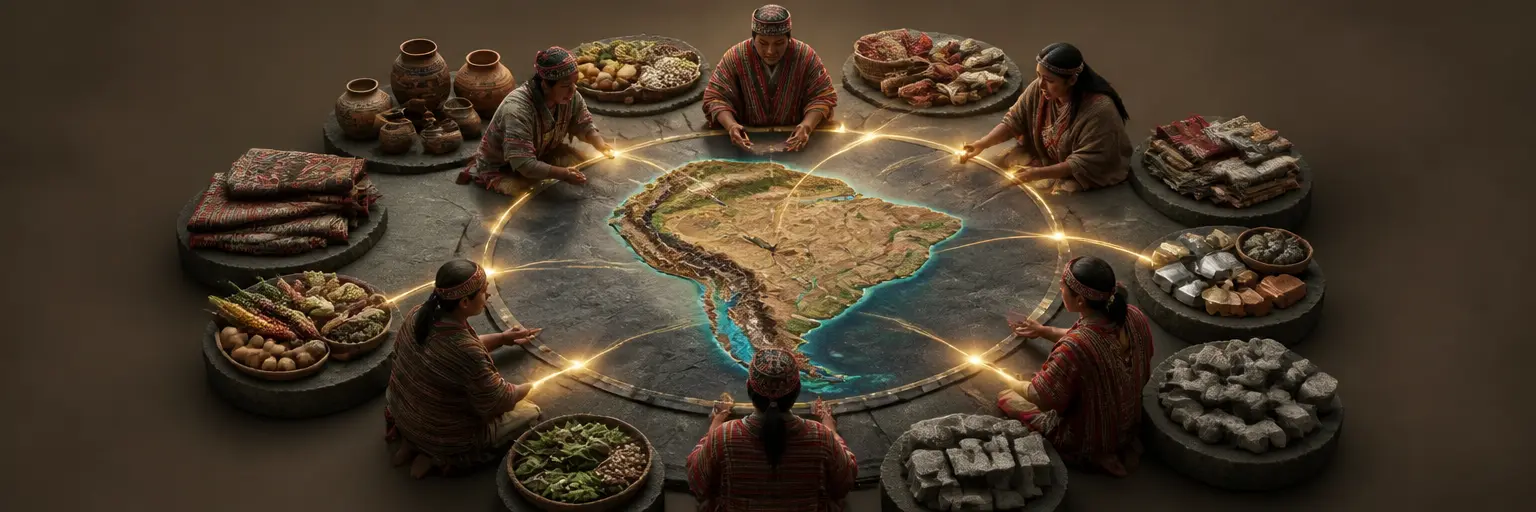
Discover how Andean trade and economy connected ancient civilizations through vibrant exchange networks, sophisticated barter systems, and far-reaching routes. Explore the movement of textiles, food, metals, ceramics, and other valuable goods across the Andes, revealing the ingenuity, cooperation, and cultural connections of the Incas, Moche, Nazca, and Tiahuanaco. ✨
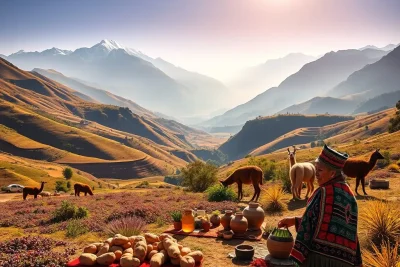
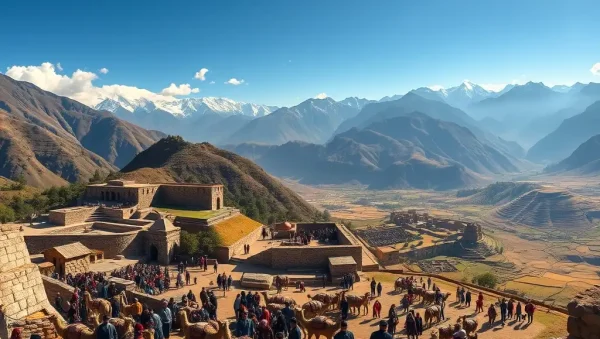
The Andean trade and economy shaped the development of powerful civilizations across the mountains, valleys, deserts, and coastal regions of ancient South America. Long before modern transportation, communities such as the Inca, Moche, Nazca, and Tiahuanaco created sophisticated systems for producing, exchanging, transporting, and distributing essential resources. Their economic networks connected distant ecological zones and helped support cities, temples, armies, artisans, and farming communities.
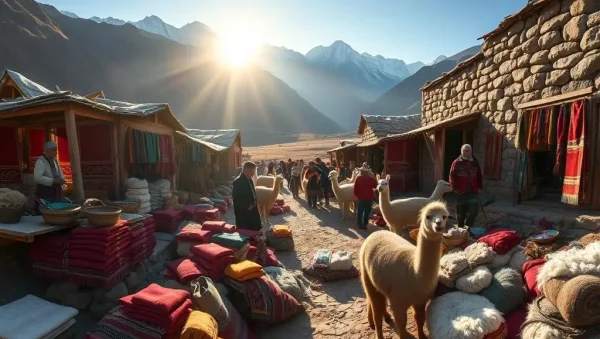
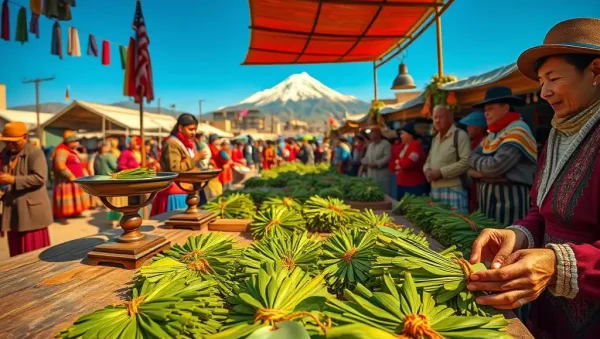
This category explores how ancient Andean societies managed resources and built economic relationships across challenging landscapes. Discover the role of barter systems, trade routes, exchange networks, agricultural surplus, craft production, and regional markets. Learn how goods such as maize, potatoes, quinoa, coca leaves, textiles, ceramics, metals, shells, salt, fish, and camelid products moved between the coast, highlands, valleys, and tropical lowlands.
Rather than relying exclusively on coinage, many Andean economies used reciprocity, redistribution, labor obligations, and direct exchange. These systems were closely connected to social status, religious authority, kinship, and political power. By studying Andean commerce and resource management, readers can better understand how ancient civilizations adapted to geography and developed resilient economic systems without a single unified marketplace.
The Barter Systems and Exchange Networks subcategory examines how communities exchanged goods, labor, and services throughout the ancient Andes. Readers will learn how direct barter operated between ecological regions and how families, villages, temples, and political authorities participated in systems of reciprocity and mutual obligation. These exchanges allowed highland communities to obtain coastal fish and salt, while coastal and lowland societies gained access to mountain crops, wool, metals, and other valuable materials.
Articles in this section also explore the importance of ayllu communities, reciprocal labor, tribute, redistribution, and local marketplaces. You can discover how Andean societies balanced household production with state-controlled storage and distribution. Topics may include the exchange value of textiles, coca, maize, camelid herds, ceramics, and precious materials, as well as the ways religious ceremonies and political alliances strengthened long-distance exchange networks.
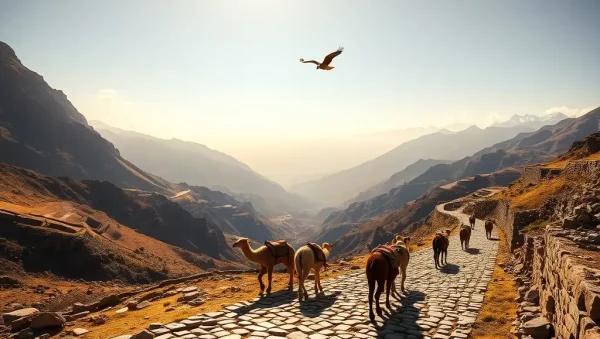
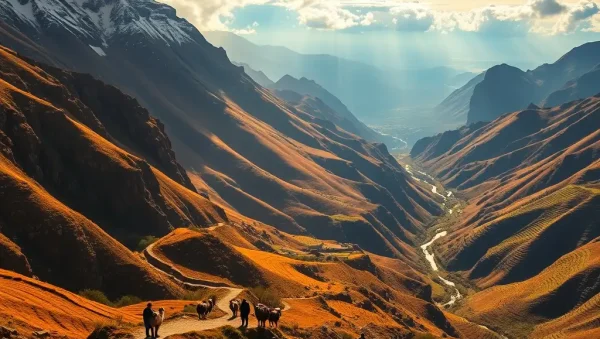
The Major Trade Routes and Goods subcategory focuses on the roads, mountain passes, coastal pathways, river corridors, and caravan routes that connected ancient Andean societies. Explore how the Inca road system and earlier regional networks linked settlements across the Andes, enabling the movement of food, textiles, metals, ceramics, animals, and luxury goods. These routes crossed some of the most demanding terrain in the world, including high-altitude plateaus, steep valleys, arid deserts, and rugged mountain ranges.
Readers will also learn about the most important commodities in the Andean economy. Articles examine the production and movement of potatoes, quinoa, maize, coca, fish, salt, wool, cotton, gold, silver, copper, obsidian, and Spondylus shells. This section explains how trade goods reflected regional specialization and how controlling transportation routes helped rulers expand political influence, supply armies, support monumental construction, and strengthen connections among diverse Andean cultures.
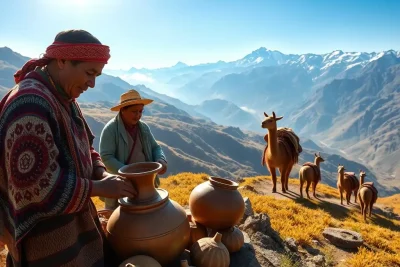
The ancient Andean economy was based largely on agriculture, herding, craft production, labor, reciprocity, and redistribution. Communities cultivated crops suited to different elevations and exchanged surplus goods with neighboring ecological zones. Llamas and alpacas also provided transportation, wool, meat, and other valuable resources.
The Inca Empire did not depend on coins or a money-based economy in the way many modern societies do. Economic activity commonly involved barter, reciprocal exchange, tribute, and labor services. The state collected goods and labor, stored resources in warehouses, and redistributed supplies to officials, soldiers, workers, and communities.
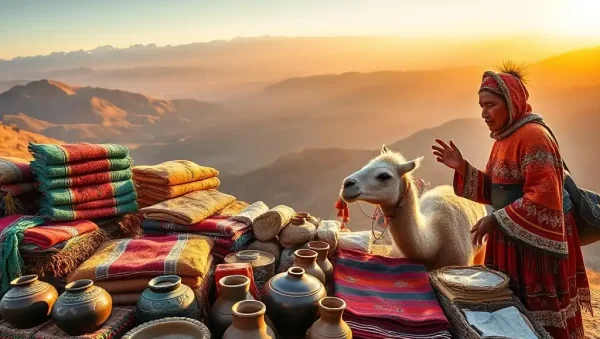
Important Andean trade goods included maize, potatoes, quinoa, coca leaves, salt, dried fish, textiles, cotton, camelid wool, ceramics, metals, obsidian, and Spondylus shells. The value of each item depended on regional availability, practical use, cultural importance, and symbolic meaning.
Trade routes connected regions with different climates and natural resources. They allowed communities to obtain goods unavailable in their own environment and helped rulers maintain political control. Roads also supported military movement, communication, administration, religious travel, and the distribution of food and supplies.
Andean geography created both challenges and opportunities. Mountains, deserts, coastlines, valleys, and tropical forests produced distinct resources and encouraged long-distance exchange. Communities developed specialized forms of agriculture and relied on llama caravans, mountain roads, coastal travel, storage facilities, and local exchange networks to move goods across difficult terrain.