Andean Trade and Economy

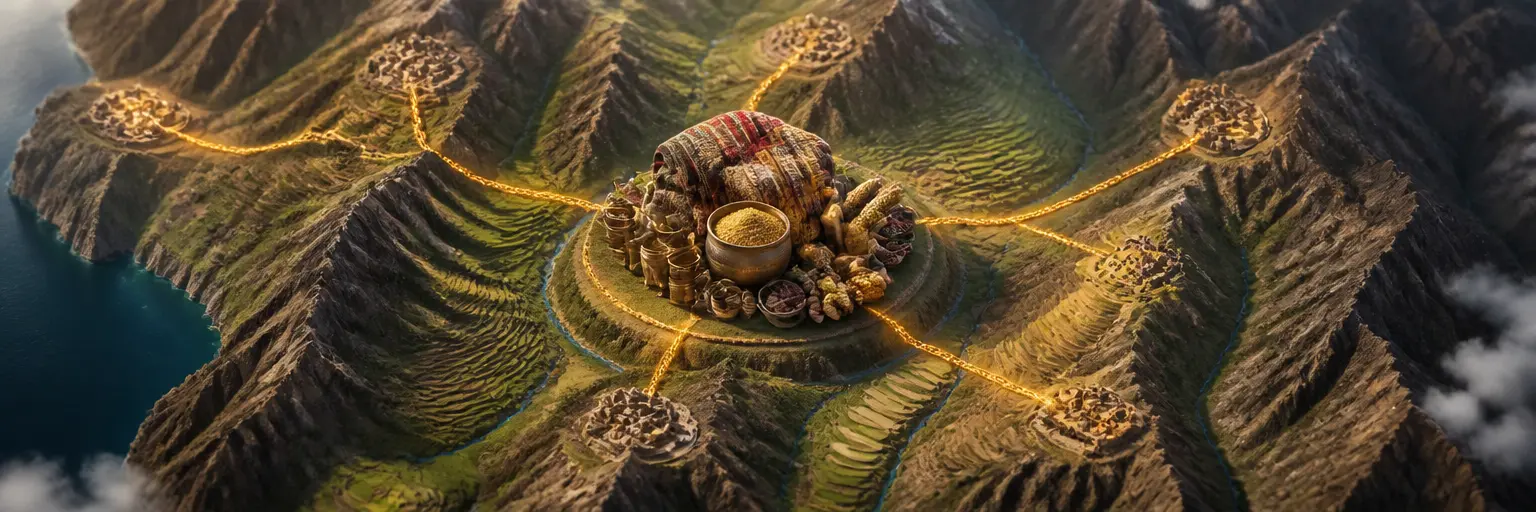
Explore the dynamic world of major Andean trade routes and goods 🏔️, where mountain paths, coastal waterways, and highland networks connected ancient communities across vast distances. Discover how llamas, caravans, and skilled merchants moved valuable resources such as maize, potatoes, coca, textiles, ceramics, metals, shells, and precious stones. Learn how trade fueled economic growth, cultural exchange, and political power among the Inca, Moche, Nazca, and Tiahuanaco civilizations.
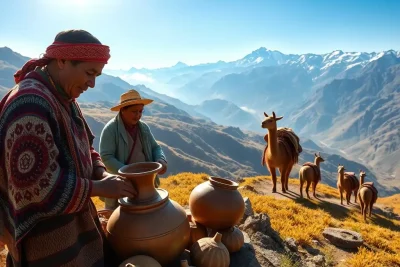
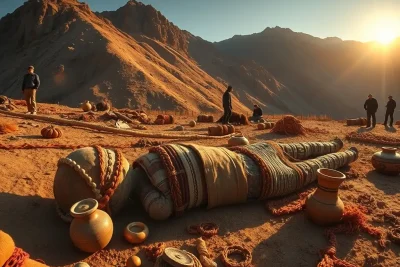
Discover how major trade routes and goods shaped the economy, culture, and political power of the ancient Andes. This subcategory explores the commercial networks connecting the Inca Empire, Moche, Nazca, Tiahuanaco, and other Andean societies across mountains, deserts, valleys, high plateaus, and coastal regions. Learn how merchants, farmers, herders, craftspeople, administrators, and caravans moved essential resources such as maize, potatoes, quinoa, coca leaves, textiles, metals, salt, ceramics, feathers, shells, and precious stones. By examining Andean trade routes and exchange systems, readers can better understand how geography, transportation, regional specialization, and long-distance commerce influenced the development of ancient Andean civilizations.
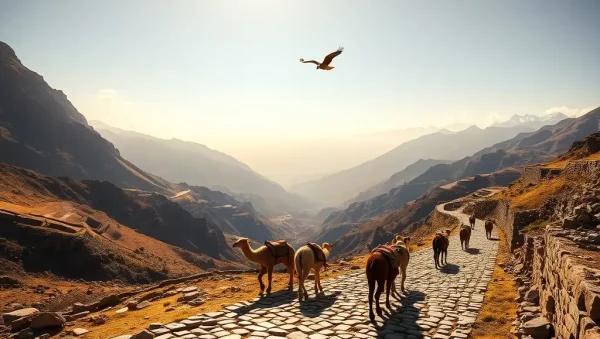
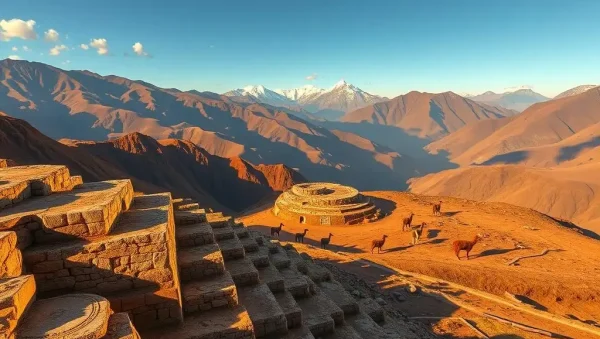
Explore the remarkable road systems that connected communities throughout the Andes. The Inca road network, commonly associated with the Qhapaq Ñan, linked highland settlements, coastal valleys, administrative centers, agricultural zones, and military outposts. Readers will learn how paved paths, stairways, bridges, tunnels, waystations, and storage facilities supported the movement of people and goods across challenging terrain.
This section also examines the role of llama caravans, human porters, suspension bridges, and tambo rest stations in ancient Andean transportation. Discover how these logistical innovations allowed the Inca state to transport food, textiles, weapons, building materials, and tribute efficiently across vast distances, even without wheeled vehicles or draft animals suited to mountainous landscapes.
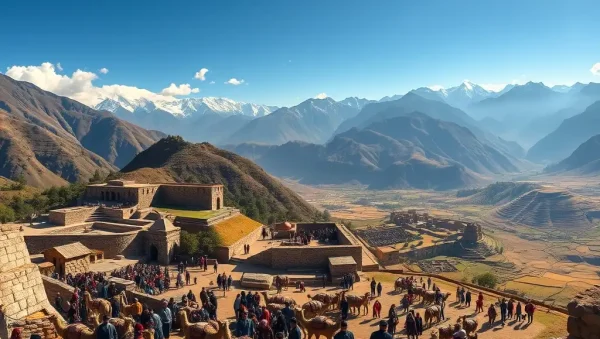
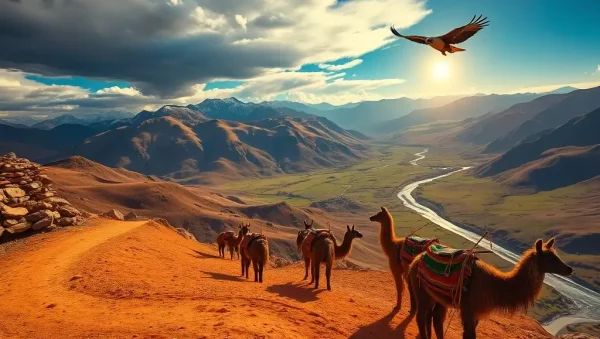
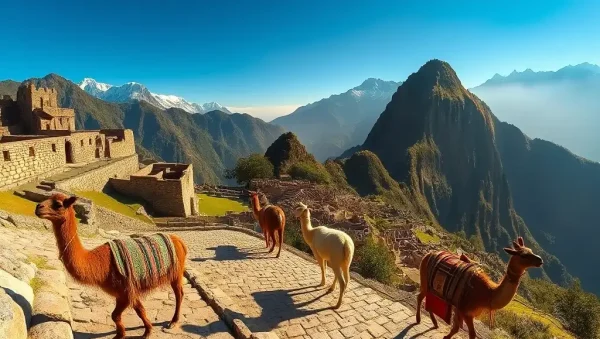
Learn why llamas were essential to the economy of the Andes. As the region’s primary pack animals, llamas carried goods between ecological zones, including the Pacific coast, Andean valleys, high-altitude grasslands, and eastern forest regions. Their use made it possible to exchange products that could not be produced locally, strengthening ties between distant communities.
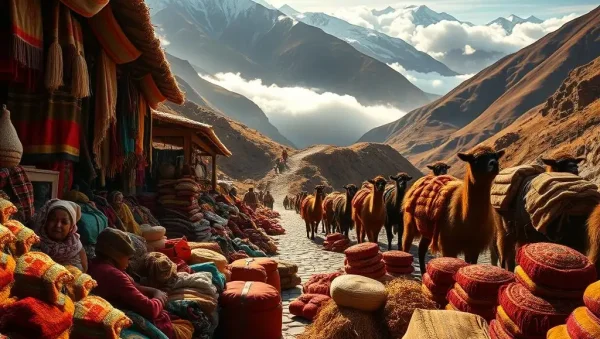
Readers can discover how caravan routes operated, what goods were transported, and how pastoral communities participated in regional trade. Typical caravan cargo included potatoes, chuño, maize, coca, salt, wool, textiles, dried meat, ceramics, and metal objects. These journeys also encouraged the exchange of ideas, technologies, religious practices, and artistic styles among ancient Andean cultures.
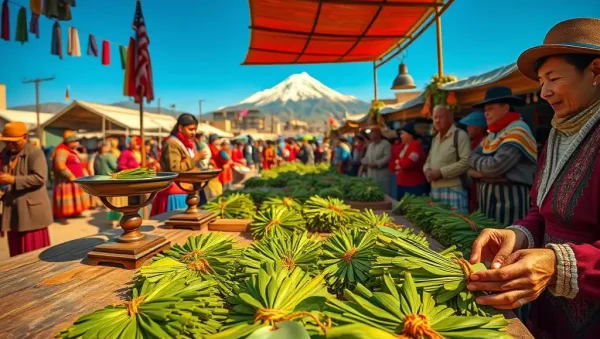
Ancient Andean trade depended heavily on the exchange of agricultural products grown in different ecological environments. The Andes contain an extraordinary range of climates and elevations, allowing communities to specialize in crops such as maize, potatoes, quinoa, beans, ají peppers, coca, and gourds. Trade connected these production zones and helped societies maintain food security.
This section explains how Andean people preserved and transported food across long distances. Techniques such as freeze-drying potatoes into chuño, drying meat into charqui, and storing grains in state warehouses made perishable resources more durable. Readers will see how agricultural exchange supported population growth, labor systems, military campaigns, and the expansion of Andean states.
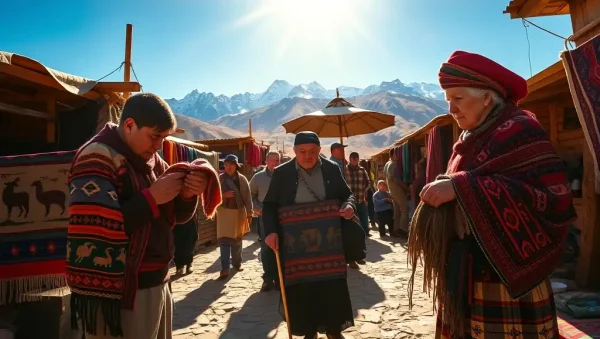
Textiles were among the most valuable goods in the ancient Andes. Explore the production and circulation of cotton, alpaca fiber, and vicuña wool, as well as the sophisticated weaving traditions of the Inca, Moche, Nazca, and Tiahuanaco cultures. Textiles served practical, ceremonial, administrative, and political purposes, making them central to Andean economy and social organization.
Readers will learn how finely woven cloth, patterned garments, featherwork, embroidered designs, and elite clothing communicated status and identity. Textile production was also a form of labor tribute, with specialized workshops creating garments for rulers, priests, soldiers, and state ceremonies. The movement of textiles across trade routes reveals connections between local communities and regional centers of power.
Investigate the trade in gold, silver, copper, bronze, tin, obsidian, and other valuable materials. Andean societies developed advanced mining, smelting, casting, hammering, and decorative techniques long before European contact. Metal objects were used for tools, weapons, ornaments, ritual offerings, elite regalia, and architectural decoration.
This section highlights how mineral resources moved between mining regions, craft centers, temples, and royal capitals. Discover why metalwork held powerful religious and political meaning, particularly among the Moche and Inca. The exchange of metals and specialized craftsmanship helped rulers display authority and connect distant communities through shared styles and technologies.
Ancient Andean exchange networks extended beyond the highlands. Coastal communities traded fish, shellfish, salt, cotton, marine shells, and sea-related products with inland populations. Pacific routes and river corridors also connected Andean societies to neighboring regions, creating networks that reached toward the Amazon basin and northern South America.
Readers can explore the importance of Spondylus shells, tropical feathers, medicinal plants, hardwoods, animal skins, and other nonlocal resources. These goods were often associated with ritual power, fertility, prestige, and religious belief. Their presence in archaeological sites demonstrates the impressive geographic range of Andean commerce and cultural exchange.
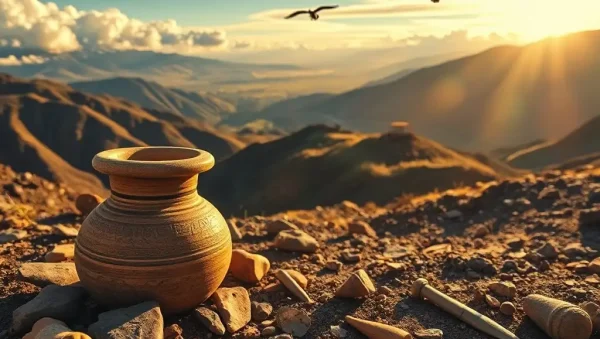
Compare the commercial practices of several major Andean civilizations. The Moche developed prosperous coastal economies supported by irrigation agriculture, fishing, craft production, and regional exchange. The Nazca participated in trade across southern Peru, while Tiahuanaco influenced broad networks around Lake Titicaca and the southern Andes.
The Inca later integrated many existing routes and exchange traditions into an imperial system based on roads, labor obligations, state storage, redistribution, and administrative control. By comparing these cultures, readers will understand how Andean trade evolved from local exchange networks into complex regional and imperial economies.
The most important routes included highland mountain paths, coastal roads, valley corridors, and the extensive Inca road system known as the Qhapaq Ñan. These routes connected agricultural communities, mining areas, ceremonial centers, administrative settlements, and coastal ports. Llama caravans and human porters transported goods across difficult terrain.
Commonly exchanged goods included maize, potatoes, quinoa, beans, coca leaves, salt, dried meat, cotton, wool, textiles, ceramics, metals, obsidian, feathers, tropical products, and Spondylus shells. The exact goods varied by region, with coastal, highland, and forest communities exchanging products from their specialized environments.
Most ancient Andean societies did not rely on coin-based money in the way many modern economies do. Exchange often involved reciprocity, barter, tribute, labor obligations, gifts, and state redistribution. Wealth was measured through access to land, labor, food stores, textiles, livestock, and prestige goods rather than through a single currency.
Llamas were the principal pack animals of the Andes. They could travel through high-altitude environments and carry moderate loads over long distances. Llama caravans made it possible to transport food, wool, salt, textiles, ceramics, metals, and other products between communities separated by mountains and deserts.
Trade encouraged economic specialization, cultural exchange, technological development, political alliances, and the growth of urban and ceremonial centers. It also helped rulers control resources and populations. Through trade routes, Andean societies shared agricultural products, artistic traditions, religious ideas, construction methods, and administrative practices.