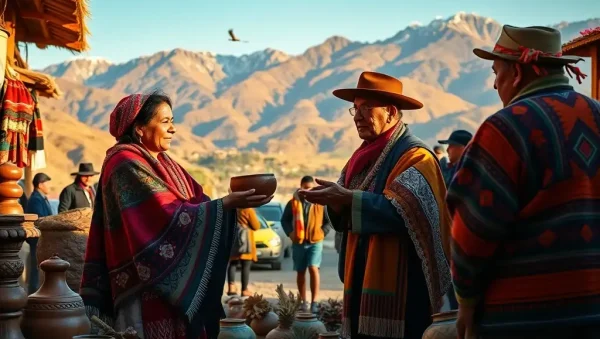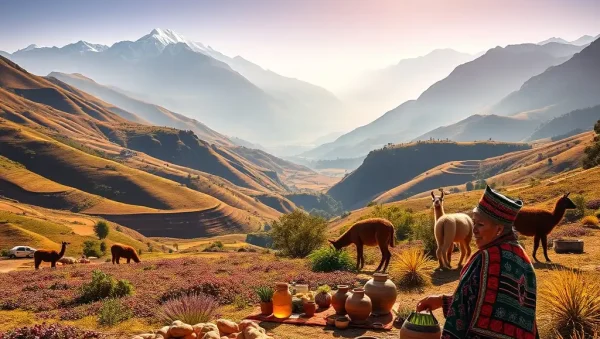
Andean Trade and Economy

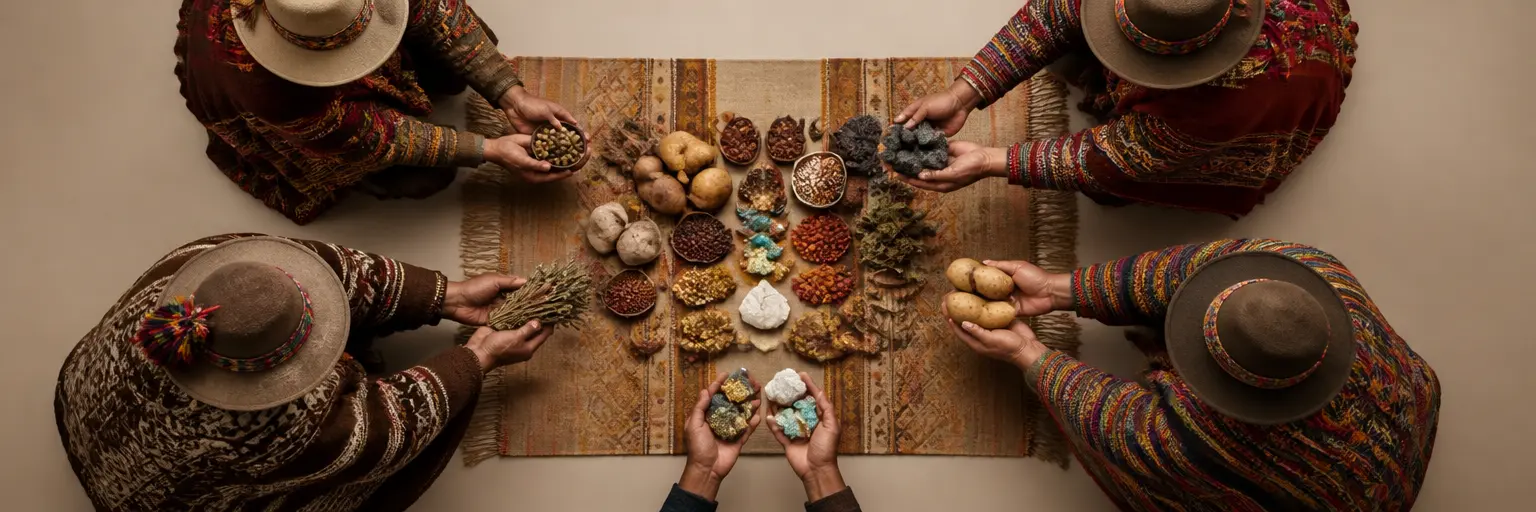
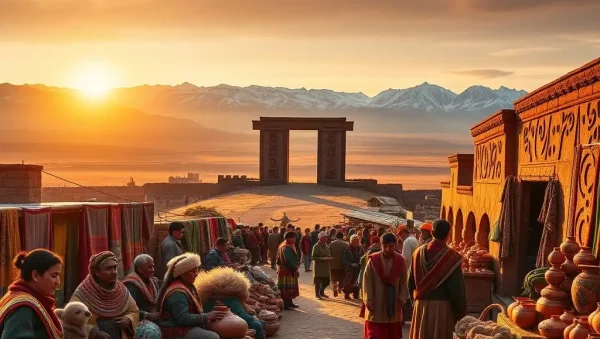
Discover how barter systems and exchange networks powered Andean trade and economy 🏔️. From reciprocal exchanges and local marketplaces to long-distance routes linking diverse ecological regions, ancient communities shared food, textiles, metals, ceramics, and essential resources without relying on modern currency. Explore how the Incas, Moche, Nazca, and Tiahuanaco used cooperation, trade, and resource distribution to strengthen communities and shape one of South America’s most remarkable civilizations.
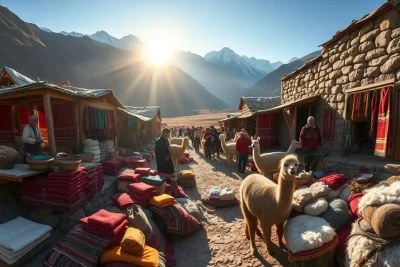
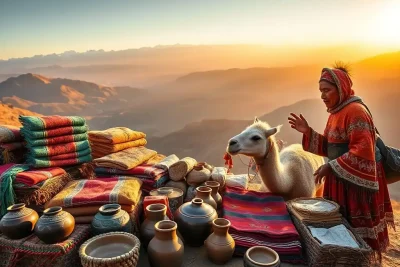
Discover how barter systems and exchange networks shaped the economy, society, and political power of ancient Andean civilizations. This subcategory explores the movement of food, textiles, metals, ceramics, tools, and luxury goods across the Andes, revealing how communities connected despite challenging mountains, deserts, valleys, and highland environments. Learn how the Incas, Moche, Nazca, Tiahuanaco, and other Andean cultures organized trade, exchanged resources, and built relationships through reciprocity, redistribution, and long-distance commerce.
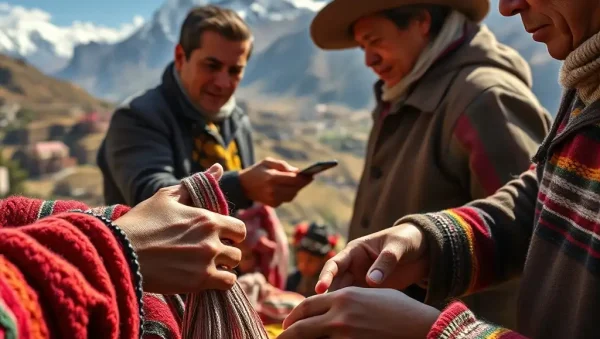
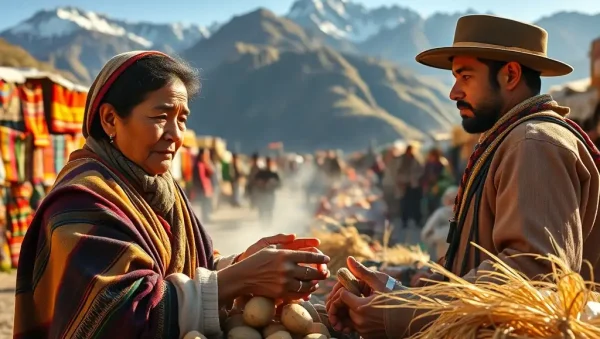
Ancient Andean economies relied on direct exchange, mutual obligation, and community cooperation rather than money-based markets. Barter in the Andes could involve exchanging surplus crops, camelid wool, pottery, salt, fish, coca leaves, metals, or crafted goods according to local needs and social relationships. These exchanges helped communities access resources unavailable in their immediate environment.
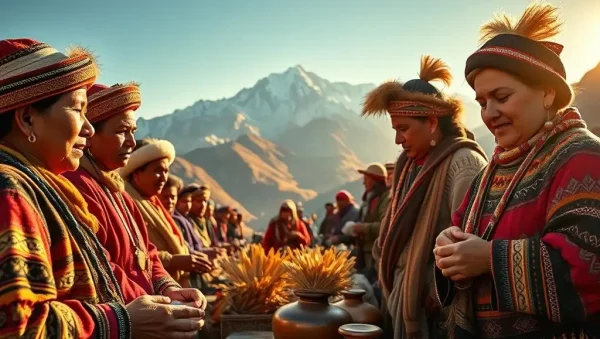
Readers can explore how reciprocity and redistribution supported daily life and political authority. Gifts, labor services, feasting, and the exchange of essential goods strengthened alliances between households, villages, chiefs, and states. Andean exchange systems were therefore both economic and social, connecting trade with kinship, religion, and community identity.
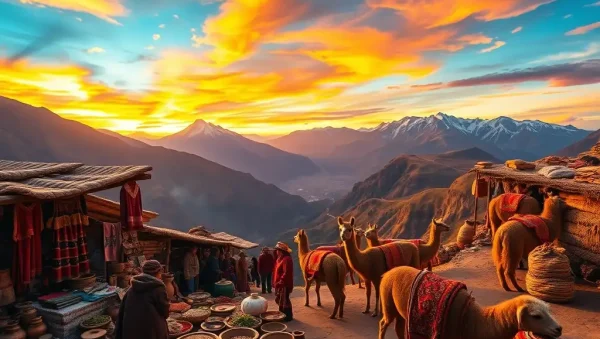
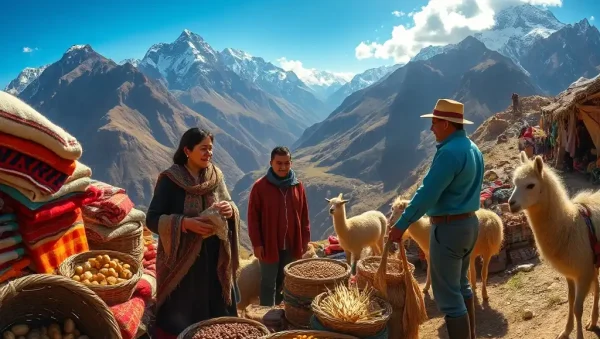
Llama caravans were essential to the development of Andean trade routes. These animals carried goods across high plateaus, mountain passes, and valleys, allowing traders and communities to transport food, textiles, ceramics, salt, and other products over long distances. Although llamas carried smaller loads than many pack animals, they were uniquely adapted to the rugged Andean landscape.
Discover how caravan travel connected ecological zones and encouraged the exchange of complementary resources. Highland communities could obtain coastal fish or desert salt, while coastal and valley societies gained access to wool, dried meat, potatoes, quinoa, metals, and highland products. These routes created a flexible network of regional and long-distance exchange throughout ancient South America.
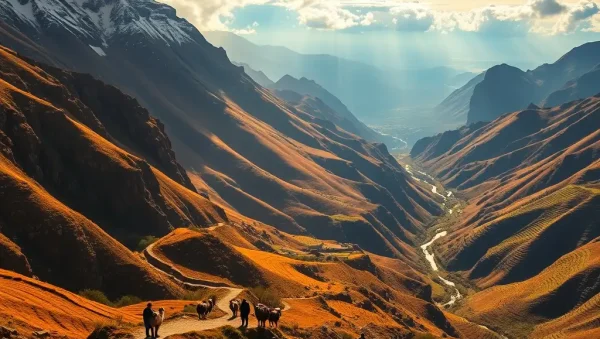
One of the most important concepts in Andean economic history is the vertical archipelago, a system in which communities maintained access to different ecological zones. By settling, farming, or establishing relationships across multiple altitudes, Andean societies could obtain products from the coast, valleys, highlands, and tropical forests.
This model explains how barter and exchange supported food security in a geographically diverse region. Crops such as maize, potatoes, quinoa, and coca moved through networks that also included fish, fruit, feathers, medicinal plants, wool, and minerals. Understanding vertical exchange provides valuable insight into Andean agriculture, trade, settlement patterns, and resource management.
The Moche and Nazca civilizations participated in regional networks that moved ceramics, textiles, agricultural products, marine resources, and ceremonial objects. Their archaeological remains reveal connections between settlements, workshops, religious centers, and production zones. Distinctive pottery styles and shared artistic motifs help researchers trace patterns of contact and exchange.
Tiahuanaco expanded these connections across the southern Andes through agriculture, religious influence, craft production, and political relationships. Readers can learn how pre-Inca trade networks created foundations later adapted by the Inca state. These cultures demonstrate that long-distance exchange was already well established before the rise of imperial roads and administrative systems.
The Inca Empire developed one of the most organized economic systems in the ancient Americas. Rather than depending entirely on conventional markets, the state managed resources through labor taxation, storehouses, redistribution, and reciprocal obligations. Communities contributed labor through systems such as mit’a and received protection, food reserves, infrastructure, or access to state resources.
Inca storehouses, known as qullqas, held maize, potatoes, dried meat, textiles, weapons, and other supplies. These reserves supported armies, officials, workers, and communities during shortages. The Inca road system and administrative centers made it possible to coordinate exchange and distribution across a vast territory from the Andes of Ecuador to Chile and Argentina.
Ancient Andean exchange involved a remarkable range of products. Commonly traded goods included textiles, camelid wool, cotton, maize, potatoes, quinoa, dried fish, salt, coca, ceramics, obsidian, copper, silver, gold, feathers, shells, and medicinal plants. Some objects had practical value, while others served ceremonial, political, or symbolic purposes.
Textiles were especially important because finely woven cloth communicated status, identity, and political authority. Precious metals, spondylus shells, decorated ceramics, and elite garments often traveled long distances as prestige goods. By studying these materials, historians and archaeologists can reconstruct trade routes, production centers, social hierarchies, and cultural exchange in the Andes.
Andean exchange networks used footpaths, mountain passes, river routes, coastal corridors, and later the extensive Inca road system. Bridges, waystations, storage facilities, and administrative centers supported the movement of people and goods. These infrastructures connected distant communities while allowing rulers to monitor resources and maintain political control.
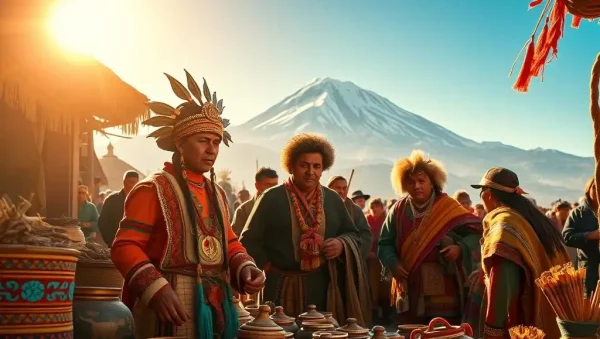
Not every Andean exchange relationship functioned as a market in the modern sense. Some communities used local marketplaces, while others relied more heavily on kinship, tribute, ceremonial exchange, and state redistribution. This variety makes Andean economic history especially complex and offers readers a deeper understanding of how different exchange systems operated together.
Archaeologists study pottery styles, textile fibers, food remains, animal bones, metal objects, shell ornaments, and settlement locations to identify ancient exchange networks. Chemical analysis and studies of material origins can reveal whether an object was produced locally or transported from another region. These methods help map the movement of goods across the Andes.
Written records are limited for many pre-Columbian Andean cultures, so researchers combine archaeology with colonial accounts, Indigenous traditions, environmental studies, and comparative anthropology. Evidence from roads, storehouses, workshops, tombs, and ceremonial centers allows scholars to understand how barter, trade, tribute, and redistribution shaped Andean civilization.
Barter was the direct exchange of goods or services without the use of coined money. Andean communities exchanged food, textiles, animals, salt, ceramics, metals, and other resources according to local needs, social obligations, and regional relationships. Exchange was often connected to reciprocity, kinship, labor, and political authority.
The Inca Empire did not use money in the same way as modern monetary economies. Instead, the state relied on labor obligations, taxation in goods and services, storehouses, and redistribution. Some local markets and forms of direct exchange existed, but imperial administration focused heavily on reciprocal labor and centralized resource management.
Important exchange goods included maize, potatoes, quinoa, dried fish, salt, coca leaves, textiles, wool, cotton, ceramics, metals, shells, feathers, tools, and medicinal plants. Many goods moved between ecological zones because communities specialized in producing resources suited to their local environment.
Llamas served as the primary pack animals of the Andes. Caravan herders used them to transport goods across mountain trails, high plateaus, and valleys. Llamas made it possible to maintain long-distance exchange networks and connect agricultural, pastoral, coastal, and mining communities.
Andean exchange networks reveal how ancient societies adapted to difficult geography and environmental diversity. They helped spread technologies, crops, artistic styles, religious ideas, and political influence. Studying these systems also explains the growth of Moche, Nazca, Tiahuanaco, and Inca civilization.