
The Geography of Trade: How Terrain Influenced Andean Barter Systems

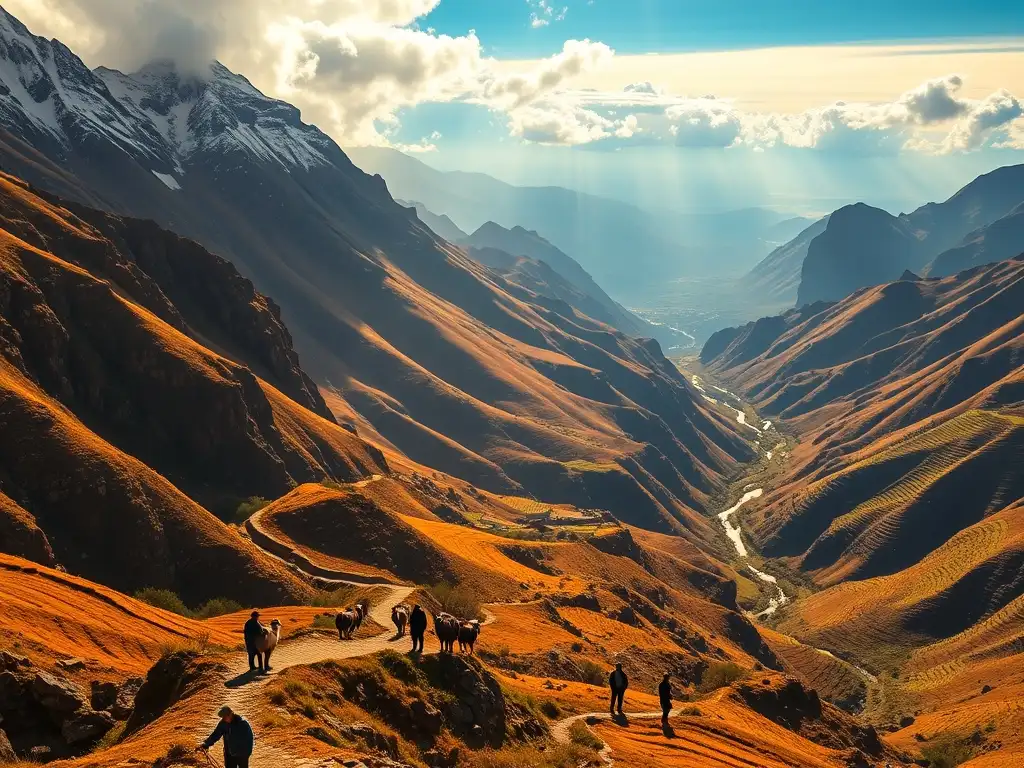
Unravel the mysteries of the Andes! Journey through time and discover how the breathtaking geography of the Andes Mountains shaped the vibrant trade networks of ancient civilizations. From the Incas to the Nazca, their ingenuity in navigating treacherous terrain and establishing complex barter systems is a testament to their resilience and sophistication. Prepare to be amazed as we explore the crucial role Andean trade routes geography played in the rise and fall of these remarkable empires—a story far more intricate than you imagine. Dive in and uncover the secrets!
The Andes Mountains, a colossal spine running down the western coast of South America, presented both formidable challenges and remarkable opportunities for the ancient Andean civilizations. This dramatic landscape, characterized by extreme altitude variations, diverse ecosystems, and treacherous terrain, profoundly shaped the development and nature of their trade networks.
Understanding the geography of the Andes is crucial to comprehending the sophisticated barter systems that connected disparate communities, facilitated cultural exchange, and fueled the rise and fall of powerful empires. This article delves into the intricate relationship between the Andean geography and its impact on the unique trade routes and exchange systems that flourished for millennia, exploring how the very terrain that separated communities simultaneously fostered connections and shaped the economic and cultural landscape of the region.
We will examine how the diverse environments – from coastal deserts to high-altitude plains – influenced the types of goods traded, the routes used, and the overall structure of Andean commerce, ultimately revealing the ingenuity and resilience of these ancient societies in overcoming geographical obstacles to establish thriving trade networks. The keyword "Andean trade routes geography" will be explored thoroughly throughout this analysis.
Introduction to Andean Trade Networks and Geographical Challenges
Andean trade networks were not simply a matter of exchanging goods; they were a complex interplay of geographical factors, social structures, and political power. The sheer scale and diversity of the Andes presented significant logistical hurdles. Steep mountain slopes, deep canyons, and unpredictable weather patterns made transportation difficult and dangerous.
This necessitated the development of specialized infrastructure, including intricate systems of roads, bridges, and even suspension bridges in some cases, that allowed for the movement of goods across vast distances and varied terrains. The lack of pack animals like horses and camels before the arrival of Europeans meant that porters played a crucial role in these trade routes, carrying goods on their backs over challenging paths. This labor-intensive process shaped the kinds of goods traded, favoring high-value, low-volume items that could justify the cost of transport.
The geographical challenges also influenced the types of settlements that developed, with communities often clustered in strategic locations along trade routes or near resources crucial for exchange. Understanding these challenges is key to appreciating the sophisticated organizational abilities and adaptability of Andean societies.
The Diverse Andean Terrain: A Barrier and a Catalyst for Trade
The Andes’ exceptional geographical diversity acted as both a barrier and a catalyst for trade. The varied ecosystems, from arid coastal deserts to lush cloud forests and high-altitude grasslands (puna), produced a wide array of goods. This diversity fueled a vibrant exchange network, as communities specialized in producing specific goods and traded them with others to obtain necessities and luxuries unavailable locally. The very differences in environment, however, created significant obstacles to trade.
The sheer height and ruggedness of the mountains presented a significant challenge to transportation, requiring innovative solutions and extensive labor. Rivers, while providing potential transportation routes in some areas, also posed significant hazards, especially during the rainy season. This complex interplay of opportunity and constraint shaped the unique character of Andean trade and the strategies employed to overcome geographical barriers.
Coastal Deserts and Their Role in Andean Commerce
The arid coastal deserts of Peru and Chile, while seemingly inhospitable, played a vital role in Andean trade. These regions possessed valuable resources, including fish, guano (bird droppings used as fertilizer), and minerals. The coastal settlements developed sophisticated fishing techniques and utilized the guano deposits extensively, creating a surplus that was traded inland.
The flow of goods from the coast to the highlands highlights the importance of well-established trade routes, often traversing difficult terrain and requiring considerable effort. Evidence suggests that coastal communities maintained strong ties with those in the highlands, facilitating a continuous exchange of goods and resources. The coastal deserts, therefore, were not isolated regions but integral parts of a larger, interconnected trade network.
Highland Altiplanos: Centers of Production and Trade
The high-altitude altiplanos, vast, elevated plains nestled within the Andes, served as significant centers of production and trade. These areas were suitable for agriculture, particularly potatoes and other Andean crops, which formed the basis of the Andean diet and were widely traded. The altiplanos also provided pastureland for livestock, such as llamas and alpacas, which were crucial for transportation and provided wool and meat.
The concentration of agricultural production and livestock in these regions made them crucial hubs within the Andean trade network. The larger settlements in the altiplanos often acted as intermediaries, facilitating the exchange of goods between the coastal regions and the more remote areas of the Andes.
High-Altitude Passes: Vital Corridors for Exchange
High-altitude passes, often traversing treacherous mountain peaks, acted as vital corridors for Andean trade. These passes, sometimes exceeding 15,000 feet in elevation, presented significant challenges to travelers and the transport of goods. However, their strategic locations made them essential for connecting different regions and facilitating trade. The construction and maintenance of paths and trails through these passes required significant effort and engineering skill, highlighting the importance placed on trade by Andean societies. The control of these passes often held political and economic significance, with powerful groups sometimes using them to regulate trade and extract tribute.
Eastern Andean Slopes: Resources and Trade Routes
The eastern slopes of the Andes, leading down to the Amazon Basin, offered access to different resources and trade routes. These areas were rich in timber, tropical fruits, and other goods unavailable in the drier western regions. The eastern slopes also provided access to the Amazonian river systems, which offered alternative routes for transporting goods.
However, navigating the dense rainforest and the unpredictable rivers presented unique challenges. The evidence suggests that trade between the Andes and the Amazon Basin was less extensive than trade within the Andes but still played a significant role in the broader exchange network. The exchange of goods between these different ecological zones illustrates the far-reaching influence of Andean trade systems.
Impact of Topography on Andean Barter Systems
The dramatic topography of the Andes Mountains profoundly shaped the development and dynamics of Andean barter systems. The immense verticality, ranging from arid coastal deserts to snow-capped peaks and lush cloud forests, created a unique geographical challenge and opportunity for trade. Instead of a flat, easily traversable landscape, Andean societies had to navigate treacherous mountain passes, navigate steep inclines, and cross diverse ecosystems to exchange goods.
This geographical complexity fostered a sophisticated system of exchange, based not only on the availability of resources but also on the ability to overcome the physical barriers presented by the Andes. The sheer difficulty of transport meant that only valuable or essential goods were traded over long distances, resulting in a highly specialized and efficient system. The ingenuity of Andean civilizations in adapting to this challenging environment is evident in their sophisticated understanding of altitude, climate, and the resources available at different elevations.
This understanding directly influenced their trading practices and the very nature of the goods exchanged. The complex interplay between geography, resources, and trade shaped Andean societies in profound ways, creating a unique system of exchange that was both resilient and adaptable.
Vertical Archipelago: A Model Shaped by Elevation
The concept of the "vertical archipelago" accurately captures the Andean experience. Different ecological zones, each with its unique climate and resources, existed in close proximity, yet were separated by significant physical barriers. This vertical stratification meant that communities at different altitudes specialized in producing different goods.
Coastal communities focused on fishing and salt production, while those in the valleys cultivated maize, potatoes, and other crops. Higher elevations provided grazing land for llamas and alpacas, and even higher still, mining operations yielded valuable minerals. This vertical specialization led to a complex network of exchange, where goods moved up and down the slopes, connecting communities across vastly different environments.
The exchange wasn't simply a matter of surplus; it was a necessity for survival, as communities relied on each other for goods unavailable at their specific altitude. This intricate system demonstrates the remarkable adaptation of Andean societies to their unique geography, transforming a seemingly insurmountable challenge into a foundation for economic and social interaction. The vertical archipelago model highlights the importance of understanding the Andean landscape as a dynamic and interconnected system, not just a collection of isolated communities.
Specialized Production and Inter-Regional Trade
The diverse ecological zones of the Andes fostered specialized production, with different regions excelling in specific goods. Coastal areas, for example, specialized in fish, salt, and cotton, while highland valleys produced maize, potatoes, and coca. The high Andes provided pasture for livestock, and certain regions were rich in minerals like copper and gold.
This specialization created a strong incentive for inter-regional trade, as communities exchanged goods they could not produce themselves. The exchange wasn't limited to necessities; luxury goods, such as textiles and precious metals, also played a significant role in the Andean trade networks. The value and prestige of these goods further strengthened the trade relationships between different regions, creating a complex and dynamic system of economic interdependence.
Detailed archaeological evidence, including the discovery of exotic goods at distant sites, underscores the extent and sophistication of this inter-regional trade. This intricate system speaks to the economic and social sophistication of Andean societies, demonstrating their ability to manage complex exchange networks across vast distances and diverse environments.
The Role of Llamas and Pack Animals in Andean Transport
Llamas and alpacas played a crucial role in Andean transport, serving as essential pack animals for moving goods across the challenging terrain. Their ability to navigate steep mountain paths and carry heavy loads made them indispensable to the functioning of the barter system. The use of llamas significantly increased the efficiency and reach of trade networks, allowing for the transport of goods over long distances, connecting communities across varied ecological zones.
The domestication and management of these animals represent a significant technological achievement, demonstrating the Andean peoples' deep understanding of their environment and their ability to adapt it to their needs. The use of llamas was not simply a logistical solution; it also had significant social and economic implications, influencing the organization of labor and the distribution of wealth.
Evidence suggests that llama herding was a specialized activity, with dedicated communities responsible for managing these valuable animals and facilitating their use in trade. The importance of llamas in the Andean economy is underscored by their prominent role in art and mythology, reflecting their deep integration into Andean society.
Key Andean Trade Routes and Their Geographical Context
The Andean trade routes were not haphazard paths; they were carefully planned routes that followed the most efficient and safest passages through the complex terrain. These routes connected diverse regions, facilitating the exchange of goods and ideas. The geographical context of these routes significantly influenced their development and the types of goods that were traded.
The routes were not static; they adapted over time to changing circumstances, reflecting the dynamic nature of Andean societies and their interaction with their environment. Understanding the geographical context of these routes is crucial to understanding the dynamics of the Andean barter system and the societies that thrived upon it.
The Coastal Trade Route: Connecting Fishing Communities
The coastal trade route linked numerous fishing communities along the Pacific coast. This route relied heavily on seafaring technology, allowing for the efficient transport of fish, salt, and other coastal products. The relative ease of coastal navigation compared to the challenging highland routes meant that this trade route was particularly important for the rapid exchange of perishable goods like fresh fish.
The coastal environment also provided opportunities for trade in marine resources, such as shellfish and seaweed, which were valuable commodities in different regions. Archaeological sites along the coast reveal evidence of extensive trade networks, suggesting a vibrant and interconnected coastal economy. The coastal route highlights the significance of maritime technology and the adaptability of Andean societies to different geographical contexts.
The Highland Trade Route: Linking Agricultural Centers
The highland trade route connected agricultural centers in the valleys and highlands of the Andes. This route was significantly more challenging than the coastal route, requiring the negotiation of steep mountain passes and the use of pack animals like llamas. The goods traded along this route primarily consisted of agricultural products, such as maize, potatoes, coca, and textiles.
The high altitude and variable climate made this route more susceptible to disruptions caused by weather conditions, emphasizing the importance of resilience and adaptation in Andean trade practices. The highlands also facilitated the trade of precious metals and minerals, which were often found at high elevations. The highland route highlights the ingenuity and adaptability of Andean societies in overcoming the challenges of their environment to build extensive and robust trade networks.
The Eastern Andean Route: Accessing Forest Resources
The eastern Andean route connected the highlands with the Amazonian rainforest, providing access to valuable forest resources such as timber, feathers, and exotic animals. This route was characterized by its dense vegetation and challenging terrain, requiring specialized knowledge and skills for navigation. The goods traded along this route were often luxury items, reflecting the high value and prestige associated with forest products.
The eastern route showcases the extensive reach of Andean trade networks and the ability of Andean societies to interact with diverse environments. The exchange of goods along this route also fostered cultural exchange and the dissemination of ideas and technologies between different regions, highlighting the interconnectedness of Andean societies. The diversity of goods traded along this route underscores the complexity and sophistication of the Andean barter system.
Adaptation and Innovation in Andean Trade
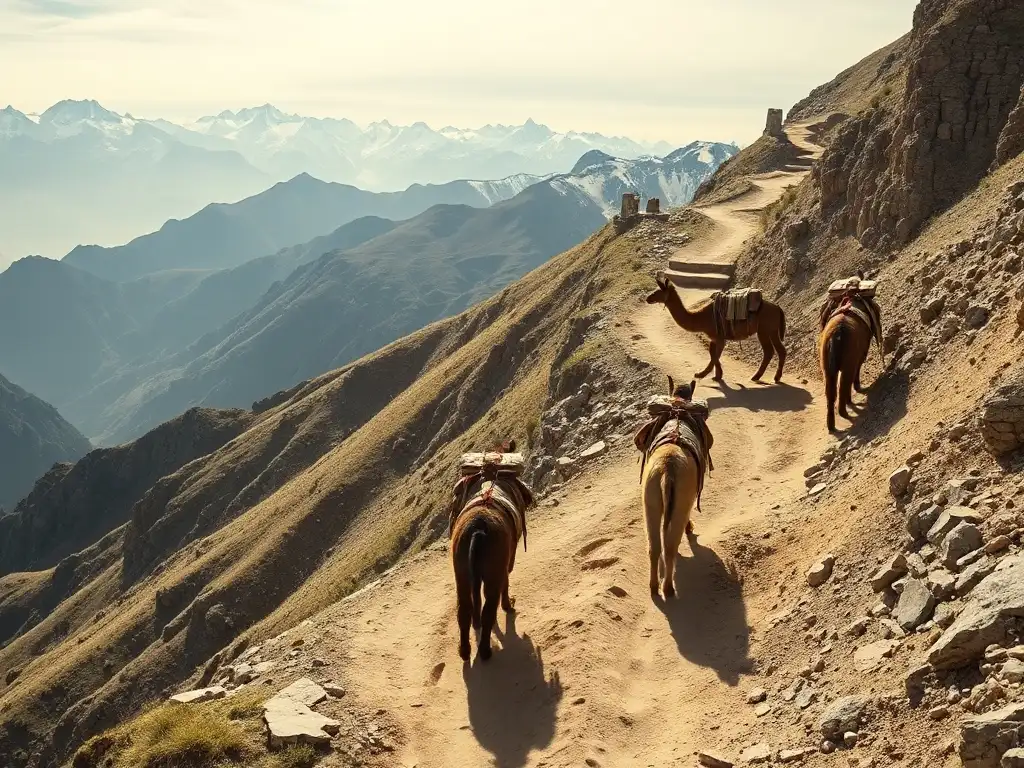
The diverse and challenging geography of the Andes Mountains profoundly shaped the development of Andean trade routes and the ingenious systems used to facilitate exchange. The sheer scale of the mountain ranges, coupled with high altitudes, deep canyons, and dense forests, presented significant obstacles to movement and communication. However, rather than being a barrier, the challenging terrain spurred remarkable innovation and adaptation in Andean societies.
Their solutions demonstrate a deep understanding of their environment and a capacity for complex logistical planning. From the intricate systems of terraced agriculture to the breathtaking feats of engineering involved in road construction, the Andes witnessed a constant interplay between human ingenuity and the demands of the natural world.
The effectiveness of these adaptations is a testament to the resilience and adaptability of Andean civilizations, allowing them to thrive in one of the world’s most demanding environments and establish extensive trade networks across vast distances. This ingenuity is reflected not only in material culture but also in the sophisticated social and political structures that supported and managed these complex trade systems.
Terracing and Irrigation Systems to Maximize Production
The steep slopes and limited arable land in the Andes necessitated the development of sophisticated agricultural techniques to maximize food production. Terracing, a method of creating flat areas on hillsides for farming, allowed for efficient use of otherwise unusable land. These terraces, often supported by elaborate retaining walls, were carefully constructed to optimize sunlight exposure and water retention.
Simultaneously, intricate irrigation systems, utilizing canals, channels, and aqueducts, were built to channel water from rivers and streams to the terraces, ensuring a reliable water supply even in dry seasons. This significantly increased agricultural yields, providing surplus food that fueled population growth and supported the development of larger, more complex societies capable of engaging in extensive trade. The surplus agricultural output was not only crucial for local sustenance but also formed the basis of the goods exchanged across Andean trade routes.
Examples of this can be found in the well-preserved terraces of the Inca empire, but similar systems were used by earlier Andean cultures as well. The scale and sophistication of these systems highlight the importance of agricultural productivity to the success of Andean trade networks.
Road Construction and Suspension Bridges in Challenging Landscapes
The construction of roads and bridges across the Andes was a monumental engineering feat. The Incas, renowned for their advanced road network, built thousands of kilometers of pathways that connected distant regions of their empire. These roads, often carved into mountain sides, were meticulously engineered to navigate treacherous terrain, utilizing switchbacks and strategically placed retaining walls to maintain stability.
Even more impressive were the suspension bridges, constructed using woven fibers and expertly anchored to rock formations. These bridges spanned deep ravines and fast-flowing rivers, providing essential links in the trade routes. The construction of these bridges required advanced knowledge of materials science, engineering principles, and an understanding of the properties of local flora.
The impressive scale and durability of the Inca road system, and the ingenuity of their suspension bridges, stand as a testament to the sophisticated engineering capabilities of Andean civilizations, facilitating the movement of goods and people across vast distances. Earlier cultures also constructed roads and bridges, though perhaps on a smaller scale, demonstrating a continuous tradition of adaptation to the challenging Andean landscape to facilitate trade.
Development of Caravan Systems
The efficient movement of goods across the vast distances of the Andean trade routes necessitated the development of organized caravan systems. These caravans, typically composed of llamas or alpacas, were carefully managed and protected. The animals were essential for transporting goods across the mountains, and their capacity was carefully considered in the planning of trade routes.
The system also involved a complex network of waystations, providing rest stops for the animals and shelter for the traders. These waystations were strategically located along the trade routes, ensuring the safety and efficiency of the caravans. The organization of these caravans required sophisticated logistical planning, demonstrating an understanding of animal husbandry, route management, and risk mitigation.
The size and composition of caravans likely varied depending on the distance of the journey and the value of the goods being transported. The effectiveness of these systems contributed significantly to the success of Andean trade and the efficient exchange of goods across the vast Andean region.
The Legacy of Andean Trade Routes Geography
The geography of the Andes, while challenging, played a crucial role in shaping the cultural, social, and political landscape of the region. The trade routes themselves, carved through mountains and across rivers, became conduits for the exchange of not only goods but also ideas, technologies, and cultural practices. The lasting impact of these routes is still visible today, both in the physical infrastructure that remains and in the cultural traditions that have persisted for centuries. The influence of Andean trade routes extends far beyond the mere transportation of goods; it fundamentally shaped the very fabric of Andean societies.
Influence on Social Hierarchies and Political Power
The control of Andean trade routes often translated directly into political and economic power. Societies that controlled strategic passes and waystations held considerable influence over the flow of goods, and thus, over the wealth and resources of the region. This control often led to the emergence of powerful elites who benefited from the trade networks, shaping social hierarchies and influencing political structures. The concentration of wealth and power in the hands of those controlling trade routes is a recurring theme in Andean history.
The Inca empire, for example, strategically positioned its administrative centers along major trade routes, maximizing its control over the flow of goods and resources. This close relationship between trade and power underscores the significant role of geography in shaping the political and social dynamics of Andean civilizations. The ability to control trade routes directly impacted a civilization's ability to exert influence and maintain power.
The Enduring Importance of Exchange Networks in Andean Culture
The legacy of Andean trade routes continues to resonate in contemporary Andean culture. The importance of exchange networks, both formal and informal, remains a central aspect of Andean social and economic life. Traditional markets, often located along historical trade routes, continue to play a vital role in the distribution of goods and the maintenance of social connections.
The enduring presence of these markets reflects the deep-rooted cultural significance of exchange and the long history of trade in the Andes. The continued use of traditional methods of transportation, such as llama caravans in some regions, also serves as a reminder of the enduring legacy of Andean trade routes and the adaptation of traditional practices to modern contexts. The resilience of these traditions highlights the profound and lasting impact of Andean trade routes on the culture and society of the region.
Obsidian from Chivay and its Dispersal
Obsidian, a volcanic glass prized for its sharpness, served as a crucial trade commodity in the Andes. The source of high-quality obsidian near Chivay, in the Colca Canyon, made it a central point in regional exchange networks. The widespread dispersal of Chivay obsidian across vast distances, as evidenced by archaeological findings, demonstrates the extent and efficiency of Andean trade routes.
The presence of Chivay obsidian in archaeological sites far removed from its source indicates the existence of well-established trade connections and the significant demand for this valuable material. Analyzing the distribution patterns of Chivay obsidian provides valuable insights into the dynamics of Andean trade networks, revealing the routes taken by traders and the reach of exchange systems. The study of obsidian trade helps researchers piece together a more complete picture of the interconnectedness of Andean societies and their complex systems of exchange.
Conclusion: The Intertwined Relationship between Geography and Andean Trade
The geography of the Andes Mountains profoundly shaped the development and characteristics of Andean trade routes and barter systems. The challenging terrain, encompassing towering peaks, deep valleys, arid coastal deserts, and lush Amazonian foothills, dictated the pathways of exchange and the types of goods traded. This wasn't simply a matter of physical obstacles; the diverse environments themselves produced a wide array of resources, fostering specialization and interdependence between different Andean communities.
Coastal settlements, for example, specialized in fishing and salt production, while highland communities focused on agriculture, particularly potatoes and other Andean crops. The exchange of these goods wasn't a simple transaction; it was a complex social and economic process that strengthened alliances, facilitated cultural exchange, and contributed to the overall resilience and prosperity of Andean societies.
The ingenuity of Andean civilizations in overcoming geographical obstacles is remarkable. Their sophisticated road systems, including the Inca's impressive network of qhapaq ñan, are testament to their engineering prowess and the importance they placed on trade and communication. These routes, however, weren't merely paths; they were carefully planned infrastructure that facilitated the movement of goods, people, and information across vast distances and diverse terrains.
The use of pack animals like llamas, adapted to the high-altitude conditions, was also crucial to the success of Andean trade. The system wasn't without its challenges; climatic variations, unpredictable weather events, and the ever-present threat of landslides and earthquakes constantly tested the resilience of these trade networks.
Ultimately, the study of Andean trade routes reveals a fascinating interplay between human ingenuity and environmental constraints. The Andean civilizations didn't passively adapt to their environment; they actively shaped and transformed it to facilitate their economic and social needs. The development of sophisticated agricultural techniques, innovative transportation systems, and complex social structures all contributed to the creation of a vibrant and interconnected Andean world, where the exchange of goods was inextricably linked to the geography of the region.
Understanding this intricate relationship is crucial to fully appreciating the complexity and sophistication of Andean civilizations and their lasting legacy. The study of "Andean trade routes geography" is thus not just about mapping pathways; it's about understanding the dynamic interaction between people, environment, and economy that shaped the history of the Andes. ⛰️
- Introduction to Andean Trade Networks and Geographical Challenges
- The Diverse Andean Terrain: A Barrier and a Catalyst for Trade
- Impact of Topography on Andean Barter Systems
- Key Andean Trade Routes and Their Geographical Context
- Adaptation and Innovation in Andean Trade
- The Legacy of Andean Trade Routes Geography
- Conclusion: The Intertwined Relationship between Geography and Andean Trade
- What role did geography play in Andean trade routes?
- How did the Incas utilize the Andes' geography for trade?
- What types of goods were commonly traded along Andean routes?
- How did the diverse environments of the Andes affect trade?
- Were there any limitations imposed by the Andean geography on trade?
Frequently Asked Questions
What role did geography play in Andean trade routes?
The geography of the Andes significantly impacted trade. Mountainous terrain and diverse ecosystems created challenges and opportunities, shaping the development of intricate trade networks. Altitude and climate also dictated what goods were traded where.
How did the Incas utilize the Andes' geography for trade?
The Incas built a vast road system to overcome geographical obstacles. They utilized high-altitude passes and strategically placed storehouses (qollqas) along these routes to facilitate the movement of goods across their empire. Royal messengers (chasquis) also played a vital role in communication and trade.
What types of goods were commonly traded along Andean routes?
Trade involved a wide variety of goods reflecting the diverse environments. This included agricultural products like potatoes and maize from lower altitudes, textiles from various regions, metals like gold and silver, and luxury items like feathers and seashells.
How did the diverse environments of the Andes affect trade?
The varied climates and ecosystems fostered specialization in production. Regions specialized in particular goods based on their environmental conditions, creating a need for extensive trade networks to distribute these goods across the Andes. This specialization drove trade.
Were there any limitations imposed by the Andean geography on trade?
Yes, the challenging terrain presented significant limitations. Steep slopes, narrow valleys, and unpredictable weather created difficulties in transportation and communication. This often resulted in regional variations in trade networks and goods.
Final Reflection: Echoes of the Andes: Legacy of Terrain and Trade
The intricate relationship between geography and trade in the Andes remains profoundly relevant today. Understanding how the challenging terrain shaped ancient barter systems offers crucial insights into the resilience and adaptability of human societies facing environmental constraints, a lesson particularly pertinent in our era of climate change and resource scarcity. The ingenuity displayed by Andean cultures in navigating their complex landscape serves as a powerful reminder of human potential in the face of adversity.
The enduring impact of the Andean trade routes is not merely historical; it continues to resonate in the cultural fabric of the region. The legacy of these systems is visible in the diverse agricultural practices, intricate social structures, and vibrant artistic traditions that persist to this day. These routes weren't just pathways for goods; they were arteries of cultural exchange, shaping identities and fostering connections across vast distances. The mountains themselves became a language, a shared experience that bound communities together.
This quote, though hypothetical, encapsulates the profound influence of the geography on the social and cultural development of the Andean region.
Consider the challenges and opportunities presented by your own environment. How does your physical landscape shape your interactions with others? What innovative solutions have you, or your community, developed to overcome geographical limitations? Let the echoes of Andean ingenuity inspire you to explore the creative potential within your own context, recognizing the enduring power of human adaptation and the profound interconnectedness of our world.
Uncover the Secrets of Andean Trade!
Thank you for exploring the fascinating world of Andean barter systems and their intricate relationship with geography! Understanding how terrain shaped trade reveals the deep connections between culture and environment. Now, let's apply what you've learned.
- Explore local markets: Visit a farmers' market or artisan fair and observe how geographical factors influence the available products.
- Share your insights: Discuss how trade has evolved in your region by commenting below. Your perspective could spark a valuable discussion!
- Research historical trade routes: Delve into the history of trade in other cultures. For example, research how terrain affected trade along the Silk Road or in the Mediterranean.
What unique trade practices or locally sourced products have you noticed that might be influenced by the region's geography?