
Tracking Trade through Archaeological Evidence: Insights from Andean Sites

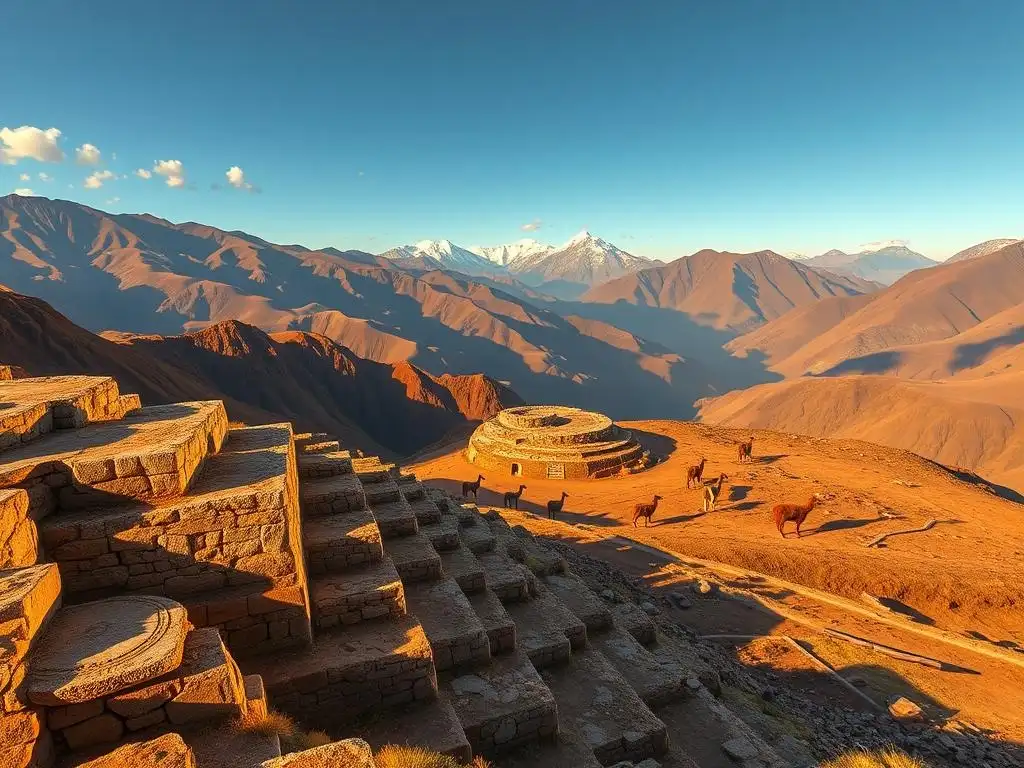
Uncover the secrets whispered by the wind across the Andes! For centuries, the towering peaks have guarded the legacy of remarkable civilizations. Journey with us as we delve into the intricate world of Andean civilizations trade routes archaeology, exploring how ancient networks shaped the vibrant cultures of the Incas, Moche, Nazca, and Tiahuanaco. What hidden stories do the unearthed artifacts tell? Discover the answers within…
- Tracking Trade Through Archaeological Evidence: Andean Insights
- The Archaeological Footprint of Andean Commerce
- Key Archaeological Sites Revealing Trade Dynamics
- Methods for Tracing Andean Trade Patterns
- The Impact of Trade on Andean Societies
- Challenges in Reconstructing Ancient Trade Networks
- Future Directions in Andean Trade Archaeology
- Conclusion: Understanding Andean Civilizations Through Trade
-
Frequently Asked Questions
- What role did trade play in Andean civilizations?
- How did archaeologists uncover evidence of Andean trade routes?
- What were some of the key goods traded in the Andes?
- How did the geography of the Andes influence trade routes?
- What are some of the most important archaeological sites that reveal Andean trade networks?
- Final Reflection: Weaving the Threads of Andean Exchange
- **Unveil the Secrets of Andean Trade! **
Tracking Trade Through Archaeological Evidence: Andean Insights
The Andes Mountains, a formidable yet breathtaking landscape, served as both a barrier and a conduit for the vibrant ancient civilizations that thrived within its shadow. For centuries, diverse Andean cultures—from the Incas, with their vast empire, to the earlier Moche, Nazca, and Tiahuanaco societies—engaged in intricate trade networks that shaped their economies, societies, and cultural expressions.
Understanding these ancient trade routes requires careful examination of archaeological evidence, revealing not only what goods were exchanged but also the complex social, political, and technological systems that facilitated this vital exchange. This article delves into the archaeological discoveries that illuminate the scope and significance of Andean trade, focusing on the key routes and the diverse materials that traversed them, ultimately enriching our understanding of these fascinating civilizations and their remarkable achievements.
We will explore how the analysis of artifacts, settlement patterns, and environmental data provides crucial insights into the dynamics of Andean trade and its impact on the development of these sophisticated societies. The keyword "Andean civilizations trade routes archaeology" will be discussed in detail throughout this exploration.
Unveiling Ancient Andean Trade Networks
Archaeological investigations across the Andes have unearthed compelling evidence of extensive trade networks connecting disparate regions. The sheer scale of these networks is impressive, highlighting the sophisticated organizational capabilities of these ancient societies. Evidence suggests that trade wasn't merely a matter of bartering goods locally; instead, it involved carefully planned expeditions, specialized transport systems, and potentially even established trade routes.
The discovery of obsidian tools from distant sources in sites hundreds of kilometers away, for example, indicates a well-established system for acquiring and distributing valuable resources. Similarly, the presence of specific types of ceramics and textiles in geographically diverse locations points to extensive exchange networks that extended far beyond the boundaries of individual political entities. These networks were not static; they evolved and adapted over time in response to changing environmental conditions, political shifts, and technological innovations.
The spread of certain agricultural techniques and the exchange of knowledge also demonstrate the far-reaching impact of Andean trade, shaping the cultural landscape of the region. We can use the term "Andean civilizations trade routes archaeology" to summarize the field and the overall research objective.
Analyzing Archaeological Evidence: Artifacts and Their Journeys
The analysis of artifacts plays a crucial role in reconstructing ancient Andean trade routes. Specific materials, such as obsidian, spondylus shells (from the coast), and coca leaves (from the Amazonian foothills), are particularly useful because their origins can be precisely determined. By tracing the distribution of these materials across different sites, archaeologists can map out the pathways of trade and identify key exchange points.
For instance, the presence of coastal spondylus shells in highland sites indicates the existence of long-distance trade routes connecting the coast and the mountains. Furthermore, the analysis of ceramic styles and textile techniques can reveal the movement of ideas and technologies across the Andes, providing insights into the cultural exchanges that accompanied the trade of goods.
The study of isotopic signatures in human remains can also contribute to our understanding of mobility patterns and dietary habits, shedding light on the lives of individuals involved in trade and exchange. The study of "Andean civilizations trade routes archaeology" relies heavily on this type of analysis.
Coastal and Highland Interactions: A Symbiotic Relationship
The interaction between coastal and highland communities was particularly crucial for the development of Andean trade. Coastal communities controlled access to essential resources, such as marine products, salt, and cotton, which were highly valued in the highlands. Conversely, the highlands provided essential agricultural products, including potatoes, maize, and quinoa, which were crucial to the survival of coastal populations.
This reciprocal exchange fostered a symbiotic relationship between these two distinct regions, fueling the growth of trade networks and promoting cultural exchange. Archaeological evidence, such as the presence of coastal artifacts in highland sites and vice-versa, clearly demonstrates the extensive interaction and interdependence between these regions, highlighting the importance of reciprocal trade in shaping the development of Andean societies. The keyword phrase "Andean civilizations trade routes archaeology" helps pinpoint research focusing on this interaction.
The Role of Technology in Facilitating Trade
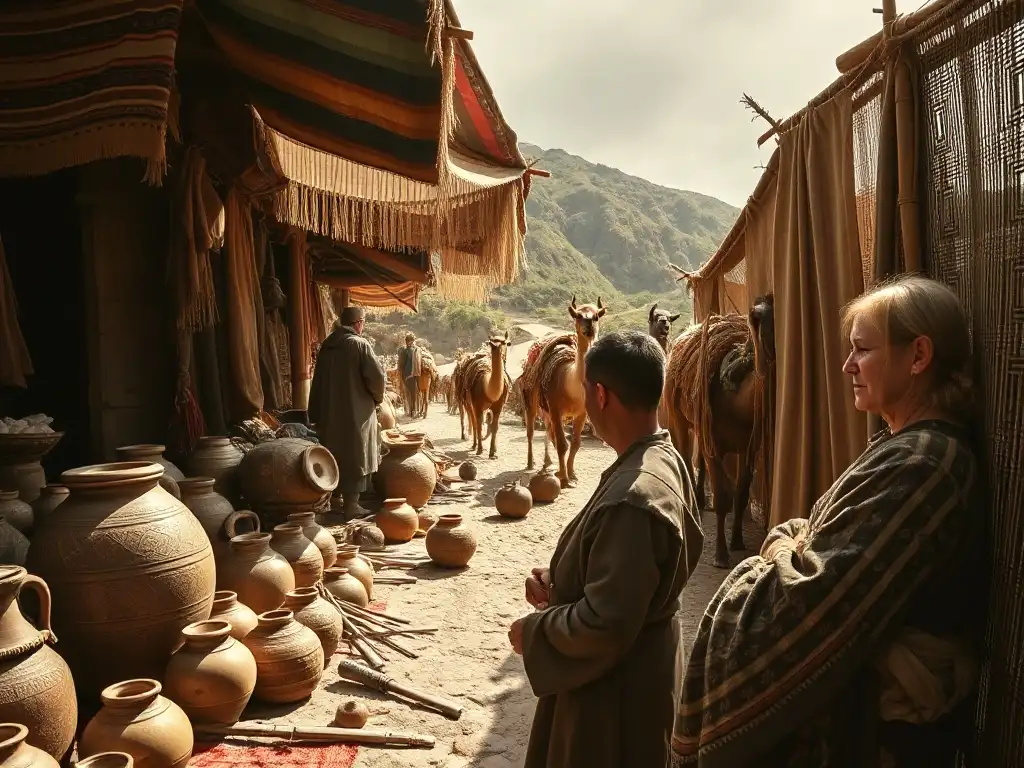
The development of sophisticated technologies played a critical role in facilitating Andean trade. Improved agricultural techniques led to surplus production, creating the conditions for trade. The development of efficient transportation systems, including pack animals (llamas and alpacas), and improved road infrastructure, allowed for the movement of goods over long distances. The invention of sophisticated storage and preservation techniques ensured that perishable goods could be transported and stored effectively.
The presence of well-organized storage facilities at key locations along trade routes further supports this conclusion. Technological advancements, therefore, weren't simply about producing more goods; they were also essential for efficiently transporting and managing them across vast distances. This aspect is crucial to understanding the overall success of the trade routes, and is a key component of "Andean civilizations trade routes archaeology".
The Collapse of Trade Networks and Subsequent Impacts
The decline and eventual collapse of many Andean trade networks are complex issues that require further investigation. While the Inca empire facilitated large-scale trade, its fall significantly impacted the existing networks. Factors such as environmental changes, political instability, and disease outbreaks likely contributed to the disruption of trade routes.
Archaeological evidence, such as the abandonment of settlements along former trade routes and a decrease in the exchange of specific goods, reflects this disruption. Understanding the reasons for the decline of Andean trade networks is essential for a complete understanding of the history of these civilizations and provides valuable insights into the vulnerabilities of ancient societies. Further research within "Andean civilizations trade routes archaeology" is needed to understand this decline.
The Archaeological Footprint of Andean Commerce
The study of Andean civilizations trade routes relies heavily on the meticulous excavation and analysis of archaeological sites. These sites offer a tangible record of past economic activities, revealing patterns of exchange and interaction across vast distances. By examining the material culture unearthed at these locations – from everyday pottery to precious metals – archaeologists piece together a complex picture of Andean commerce.
The distribution of specific artifacts, their stylistic variations, and the presence of non-local materials all contribute to a deeper understanding of the networks that connected different Andean societies. This section will explore the wealth of information gleaned from archaeological evidence, focusing on the tangible remains that illuminate the intricate tapestry of Andean trade. Understanding this archaeological footprint is key to unlocking the secrets of Andean civilizations trade routes and their impact on the region's history and culture.
Material Evidence of Trade: Pottery, Metals, and Textiles
The most compelling evidence for Andean trade comes from the analysis of artifacts found across numerous archaeological sites. Pottery, for instance, serves as a powerful indicator of exchange networks. Distinctive styles and manufacturing techniques, traceable to specific regions, have been identified at sites far removed from their place of origin.
For example, the elegant, polychrome pottery of the Moche culture, renowned for its intricate depictions of daily life and mythological scenes, has been discovered in sites hundreds of kilometers away, suggesting a robust trade network reaching into the highlands. Similarly, the characteristic Nazca pottery, with its unique designs and fine craftsmanship, shows a similar pattern of widespread distribution.
Beyond pottery, the presence of precious metals like gold, silver, and copper provides further insight into long-distance trade. These materials, often found in elite contexts, were highly valued and controlled by powerful individuals and institutions. The intricate metalwork, with its sophisticated techniques and stylistic features, reveals not only the skill of the artisans but also the existence of specialized workshops and extensive trade networks that facilitated the movement of these valuable resources across the Andes. The distribution of specific alloys and metallurgical techniques also allows archaeologists to trace the flow of these materials and identify key exchange points.
Textiles, too, offer valuable clues about Andean trade. The intricate weaving techniques, the use of specific fibers (like alpaca and vicuña wool), and the distinct styles of different regions all contribute to a nuanced understanding of exchange patterns. The discovery of textiles made with materials not native to a particular region points to the significant movement of goods and the interconnectedness of Andean communities.
The presence of fine textiles in tombs and elite burials further emphasizes the economic and social importance of these traded goods. The careful study of these materials allows for a reconstruction of the dynamic exchanges that shaped the Andean world.
Examining Regional Variations in Traded Goods
The range and type of goods traded varied considerably across different Andean regions and over time. Coastal communities, with access to marine resources, traded fish, shellfish, and salt, while highland communities offered agricultural products like potatoes, maize, and coca leaves. The exchange of these goods was not simply a matter of economic necessity but also reflected cultural preferences and social hierarchies.
Regional variations are clearly visible in the archaeological record. For example, while certain types of pottery and textiles were widely traded throughout the Andes, others remained largely confined to specific regions, reflecting unique cultural traditions and local preferences. This localized production and exchange highlights the complexity of Andean trade, which was not a monolithic system but rather a network of interconnected yet distinct regional markets.
The presence of specialized goods, such as obsidian tools from specific quarries or unique types of feathers, further underscores the importance of regional specialization and long-distance exchange. Analyzing these regional variations is crucial for understanding the nuances of Andean trade and the diverse interactions between different Andean communities.
The Role of Andean Trade Routes in Cultural Diffusion
Andean trade routes played a vital role in the diffusion of ideas, technologies, and religious beliefs across the Andes. The movement of goods was often accompanied by the exchange of cultural practices, leading to a process of cultural hybridization and innovation. For instance, the spread of agricultural techniques, such as irrigation systems, and the adoption of new crops are likely linked to the movement of people and goods along trade routes. Similarly, the diffusion of religious beliefs and iconography is evident in the similarities of artistic motifs and religious practices found across geographically distant sites.
The exchange of knowledge and technology along these routes fostered innovation and adaptation. The transfer of metallurgical techniques, weaving styles, and pottery designs demonstrates the interconnectedness of Andean societies and their capacity for cultural exchange. The archaeological record reveals the long-term impact of these trade routes on the development of Andean culture, shaping social structures, religious beliefs, and artistic styles across the region.
The analysis of these cultural exchanges provides a deeper understanding of the dynamic interplay between trade and cultural transformation in the Andes. The presence of similar artistic motifs, religious practices, and technological innovations in geographically disparate locations strongly supports the role of trade in facilitating cultural diffusion across the Andes.
Key Archaeological Sites Revealing Trade Dynamics
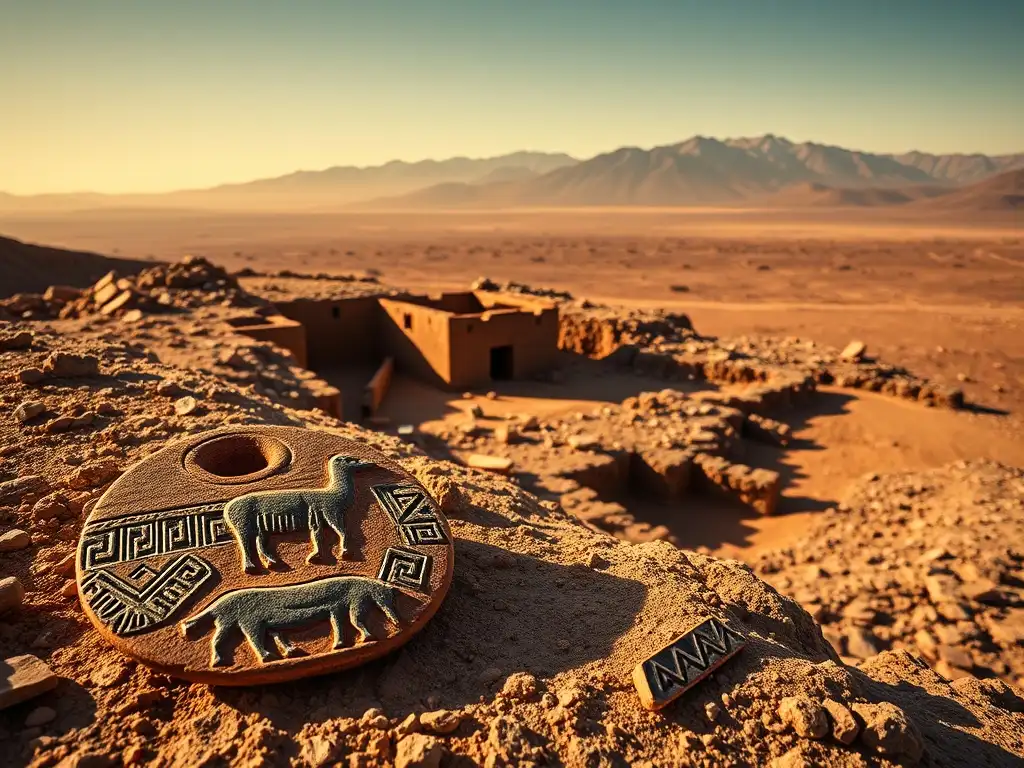
This section delves into the archaeological evidence unearthed at key Andean sites, providing insights into the complex trade networks that sustained these remarkable civilizations. By examining specific examples of artifacts and their geographical origins, we can reconstruct the pathways and dynamics of trade across the Andes. The analysis focuses on the flow of goods, the specialization of production, and the implications for understanding the socio-political organization of Andean societies. This exploration of "Andean civilizations trade routes archaeology" offers a glimpse into the intricate economic systems that shaped the region.
Tiwanaku: A Hub of Exchange in the Andes
Tiwanaku, a pre-Columbian city located on the shores of Lake Titicaca in present-day Bolivia, stands as a prime example of a major center for Andean trade. Its strategic location facilitated the exchange of goods across vast distances, connecting different ecological zones and cultures. The city's influence extended far beyond its immediate surroundings, making it a crucial hub in the broader Andean trade network.
Evidence of Long-Distance Trade at Tiwanaku
Archaeological excavations at Tiwanaku have unearthed a wealth of artifacts originating from distant regions. For example, the presence of spondylus shells, sourced from the Pacific coast hundreds of kilometers away, indicates a well-established coastal-altiplano trade route. Similarly, the discovery of obsidian tools from sources in the Andes mountains demonstrates the extensive reach of Tiwanaku's trading networks.
The sheer volume and diversity of these imported goods underscore the city's importance as a major center for the exchange of valuable resources. Analysis of these artifacts, using techniques such as sourcing studies and stylistic comparisons, provides crucial information about the pathways and logistics of long-distance trade. The presence of coca leaves, a highly valued commodity, further confirms the extent of Tiwanaku's reach.
Analysis of Artifacts and Their Origins
The analysis of artifacts from Tiwanaku reveals a sophisticated understanding of material culture and its geographical origins. Researchers use various techniques, including petrographic analysis of obsidian and chemical analysis of ceramic pigments, to pinpoint the sources of raw materials used in the production of artifacts. This allows for the tracing of trade routes and the identification of specific exchange networks.
For instance, the analysis of ceramic styles reveals the presence of both local and foreign pottery, indicating the exchange of cultural ideas and technologies alongside goods. This meticulous examination provides crucial evidence for understanding how trade shaped the cultural landscape of the Tiwanaku region and its impact on the broader Andean world. The data gathered from these analyses helps build a more comprehensive picture of Andean civilizations trade routes.
Pikillacta: Insights into Local and Regional Trade
Unlike Tiwanaku, Pikillacta, located near Cusco in Peru, represents a different facet of Andean trade. While it participated in broader regional exchange, its archaeological record primarily reflects local and regional trade networks. This site offers valuable insights into the daily economic activities of a smaller community and the types of goods exchanged within a more localized system.
Specialized Production and Trade at Pikillacta
Pikillacta's archaeological remains reveal evidence of specialized production, particularly in ceramics and textiles. The consistent quality and stylistic similarities of artifacts suggest organized production, possibly within specialized workshops. These goods were likely exchanged within a regional network, connecting Pikillacta to neighboring communities. The presence of storage facilities and evidence of agricultural surplus suggests that Pikillacta may have acted as a distribution center for agricultural products, as well as manufactured goods. The scale of production and the standardization of certain artifacts indicate a level of economic organization and trade that extended beyond mere bartering.
Understanding the Distribution of Goods
The distribution of goods at Pikillacta was likely influenced by factors such as proximity to resources, population density, and the accessibility of transportation routes. Analysis of the spatial distribution of artifacts within the site, combined with evidence from surrounding areas, can help reconstruct the flow of goods and the extent of Pikillacta's trade network. While lacking the vast scale of Tiwanaku's long-distance trade, Pikillacta offers a valuable case study of local and regional exchange, highlighting the importance of smaller-scale trade in the overall Andean economy.
Further research, including detailed analysis of [specific information pending: isotopic analysis of agricultural products], will enhance our understanding of the dynamics of this localized trade network. The combination of Tiwanaku and Pikillacta studies provides a nuanced view of the varied scales of Andean trade.
Caral: Coastal Trade and Inland Connections
Caral, located on the central coast of Peru, stands as a pivotal site for understanding early Andean trade networks. Dating back to approximately 3000 BCE, Caral predates many other well-known Andean civilizations, challenging previous assumptions about the timeline of complex societal development and trade in the region. The city's strategic coastal location facilitated maritime trade, connecting it with other coastal settlements and potentially even more distant regions.
Archaeological evidence suggests a robust exchange of resources, including marine products like fish and shellfish, which were likely crucial components of Caral's diet. The presence of obsidian, a volcanic glass found in the Andes mountains, at Caral also indicates a significant inland trade network, demonstrating extensive exchange relationships spanning considerable geographical distances. This early evidence of long-distance trade at Caral highlights the importance of both maritime and overland routes in shaping the economic and social landscape of the early Andean world.
The sophisticated organization required to manage such a complex trade system suggests a degree of centralized control or at least a well-established system of reciprocal exchange between communities. Further research into the Caral site continues to unveil the intricacies of its trade connections and their impact on the development of Andean societies.
The Importance of Maritime Trade for Andean Civilizations
Maritime trade played a crucial role in the development and prosperity of Andean civilizations. The Pacific Ocean provided a vital pathway for the exchange of goods and resources between different coastal communities and even across vast stretches of the South American coastline. The ability to navigate and utilize the ocean allowed for the transport of large quantities of goods, including fish, shellfish, cotton, and valuable minerals, over long distances.
Coastal settlements frequently specialized in specific resources, creating a network of interdependence where different communities relied on each other for essential goods. Evidence of sophisticated maritime technology, such as rafts and boats, has been found at various archaeological sites, demonstrating the advanced capabilities of Andean mariners. The control of maritime routes often conferred significant political and economic power, contributing to the rise and fall of various coastal empires.
The impact of El Niño events on coastal communities also underscores the importance of robust trade networks; in times of environmental stress, access to resources from other regions was crucial for survival. Understanding the role of maritime trade is essential to understanding the complexities of Andean societies and their interactions.
Analyzing the Movement of Goods Between Coastal and Highland Regions
The exchange of goods between the coastal and highland regions of the Andes was a defining feature of Andean civilizations. This exchange wasn't simply a matter of bartering; it was a complex system reflecting social hierarchies, political alliances, and economic interdependence. Archaeological evidence, such as the presence of coastal fish remains in highland settlements and highland agricultural products in coastal sites, demonstrates the extensive movement of goods across drastically different environments.
The verticality of the Andes—the dramatic changes in altitude and environment—created a situation where different regions specialized in producing specific resources. Coastal areas provided fish, shellfish, cotton, and salt, while the highlands offered potatoes, maize, llamas, and alpaca wool. This complementarity fostered a symbiotic relationship between the regions, with the exchange of goods serving as a crucial mechanism for sustaining the population and building complex societies.
The analysis of ceramic styles, metalwork, and textiles found in different sites allows archaeologists to trace the movement of goods and identify specific trade routes. Furthermore, the presence of elite goods, such as gold and silver objects, in both highland and coastal contexts indicates the importance of these trade networks in solidifying political power and social status. Understanding the dynamics of this exchange is vital to comprehending the societal structures and economic systems of the Andean civilizations.
Methods for Tracing Andean Trade Patterns
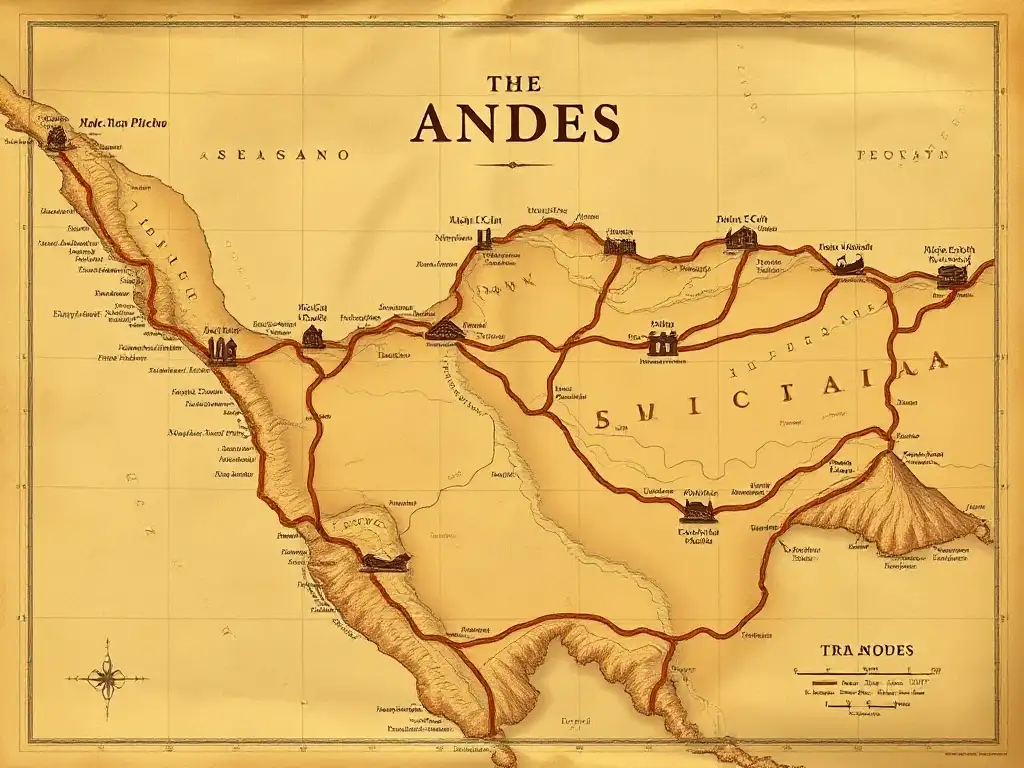
This section delves into the sophisticated methodologies archaeologists employ to reconstruct the intricate trade networks of Andean civilizations. Understanding these methods is crucial to appreciating the scale and complexity of exchange systems that sustained these remarkable societies. By analyzing various material remains, researchers can trace the movement of goods, identify key trade routes, and gain insights into the economic and social dynamics of ancient Andean societies. The study of Andean civilizations trade routes archaeology relies heavily on these techniques, offering a compelling narrative of interconnectedness and exchange across vast geographical distances.
Isotopic Analysis: Pinpointing the Origins of Materials
Isotopic analysis provides a powerful tool for tracing the origins of materials used in Andean artifacts. This technique examines the ratios of stable isotopes (e.g., oxygen, strontium) within materials like obsidian, ceramics, and even human remains. These isotopic signatures act as "fingerprints," reflecting the geological environment where the material originated. By comparing the isotopic signatures of artifacts found at different sites, archaeologists can determine whether materials were locally sourced or traded over long distances.
For example, analysis of strontium isotopes in human skeletal remains can reveal information about migration patterns and the movement of people, potentially reflecting trade networks or population shifts linked to economic activities. Similarly, the isotopic analysis of obsidian tools found in coastal settlements can pinpoint their origin to specific Andean volcanic regions, revealing the routes and distances involved in obsidian trade. This detailed analysis offers a precise, scientific approach to understanding the geographical scope of Andean trade.
The precision of isotopic analysis allows for a nuanced understanding of the flow of goods and the intricate relationships between different Andean communities. This method is invaluable in reconstructing the complex tapestry of Andean trade networks, revealing patterns otherwise invisible through solely observational archaeological methods.
Obsidian Sourcing and Trade Route Reconstruction
Obsidian, a volcanic glass prized for its sharpness and ease of shaping, serves as a particularly valuable case study in Andean trade. Its distinctive chemical composition allows for precise sourcing, meaning archaeologists can identify the specific volcanic source of obsidian artifacts. This, in turn, allows for the reconstruction of trade routes based on the distribution patterns of obsidian from different sources.
The distribution of obsidian from sources like the Huancavelica region in Peru showcases a widespread trade network extending hundreds of kilometers. Analysis of obsidian artifacts unearthed at various archaeological sites has revealed a complex system of exchange, demonstrating the importance of obsidian in Andean economies and societies. Furthermore, variations in obsidian tool types and the presence of certain stylistic features can also provide insights into the nature of the trade relationships – were these exchanges based on direct interaction, or mediated through intermediary groups?
The combination of sourcing and stylistic analysis paints a richer picture of the intricate mechanisms driving Andean obsidian trade. The sheer scale of the obsidian trade network, spanning vast distances and involving numerous communities, underscores its significance in the economic and social fabric of Andean civilizations.
Examining the Distribution of Exotic Materials
Beyond obsidian, the distribution of other exotic materials offers further insights into Andean trade routes. Shells from the Pacific coast, feathers from the Amazon basin, and precious metals like gold and silver were highly valued commodities, their presence at inland sites indicative of extensive trade networks. Analyzing the distribution patterns of these materials, alongside their stylistic features and technological processing, provides a comprehensive understanding of the nature and extent of interregional exchange.
For example, the presence of coastal shells in highland sites points to well-established trade routes connecting the coast and the Andes. The meticulous craftsmanship evident in many artifacts made from exotic materials suggests specialized workshops and skilled artisans, indicating a complex division of labor and a sophisticated economic system. The combination of geographical distribution and technological analysis allows for detailed reconstructions of trade routes and the socio-economic implications of the exchange of exotic goods.
The presence of these exotic materials in otherwise remote locations highlights the remarkable organizational capacity and interconnectedness of Andean societies. Further research, particularly focusing on [specific information pending] regarding the transportation methods and logistical challenges involved in moving these materials across diverse terrains, is needed to fully elucidate the dynamics of this remarkable trade system.
The Impact of Trade on Andean Societies
The vibrant exchange of goods across the Andes profoundly shaped the social, political, and economic structures of Andean civilizations. Understanding the impact of trade requires examining its multifaceted influence on these societies, moving beyond a simple exchange of commodities to recognize its role in creating and maintaining power structures, fostering specialized labor, and driving technological innovation. Analyzing archaeological evidence reveals a complex interplay between trade and the development of Andean societies, far exceeding mere economic transactions.
The sheer scale of trade networks, stretching across diverse ecological zones and encompassing a vast array of goods, underscores its significance in the formation and evolution of these remarkable cultures. The study of Andean civilizations trade routes archaeology provides invaluable insights into this crucial aspect of their history.
Economic Specialization and Trade in Andean Civilizations
The extensive trade networks of the Andes fostered a high degree of economic specialization. Coastal communities, for example, focused on fishing and the production of shellfish, textiles, and precious metals like gold and silver. Highland regions, with their varied climates, specialized in agriculture, producing potatoes, maize, quinoa, and coca leaves.
This specialization wasn't random; it was intricately linked to the geography and resources available in each region. The efficient distribution of these goods, facilitated by well-established trade routes, allowed for the development of complex economies based on exchange and specialization. Archaeological evidence, such as the discovery of specialized workshops and the presence of exotic goods in distant sites, clearly indicates the existence of intricate economic systems.
For instance, the discovery of coastal ceramics in highland settlements and vice-versa demonstrates the scale and reach of these trade networks. The presence of specialized tools like looms and pottery kilns further supports the idea of specialized labor, contributing significantly to the overall economic productivity of these Andean civilizations. This economic interdependence, facilitated by trade, created a resilient and interconnected system that could withstand environmental and social challenges.
Control over Andean civilizations trade routes was a key element in maintaining social hierarchy and political power. Elite classes often held monopolies over crucial trade routes, enabling them to control the flow of goods and accumulate wealth. Archaeological evidence shows that elite residences were frequently located near major trade junctions, suggesting a direct link between political power and access to trade.
The construction of elaborate infrastructure like roads, bridges, and storage facilities further points to the strategic importance of trade in maintaining social order. The distribution of luxury goods, such as fine textiles, elaborate ceramics, and precious metals, was often restricted to the elite, reinforcing their social status and power. This control wasn't simply about economic advantage; it was a powerful tool for asserting dominance and legitimizing political authority.
The concentration of power in the hands of those who controlled trade had a profound influence on the social stratification and the overall political landscape of Andean societies. The archaeological record clearly demonstrates the tight link between control of trade routes and the maintenance of social hierarchies.
The Role of Trade in Political Power and Expansion
The expansion of political power in many Andean civilizations was directly linked to their control over trade routes and access to resources. The Inca Empire, for example, strategically expanded its territory to secure control over crucial trade routes, facilitating the movement of goods and tribute throughout its vast empire. The construction of the extensive Inca road system, Qhapaq Ñan, is a testament to the empire's understanding of the strategic importance of trade infrastructure.
Archaeological evidence demonstrates the Inca's meticulous planning and engineering skills in building this network, which facilitated communication and trade across diverse terrains. The control of trade routes not only generated significant wealth for the Inca rulers but also provided a crucial mechanism for integrating conquered populations and consolidating power. The movement of goods, people, and ideas along these routes played a vital role in the cultural and political unification of the Inca Empire.
Similarly, other Andean civilizations, such as the Moche and Tiwanaku, also used their control over trade to expand their influence and consolidate their power. Therefore, the study of Andean civilizations trade routes archaeology reveals the strategic role of trade in the rise and fall of empires.
Challenges in Reconstructing Ancient Trade Networks
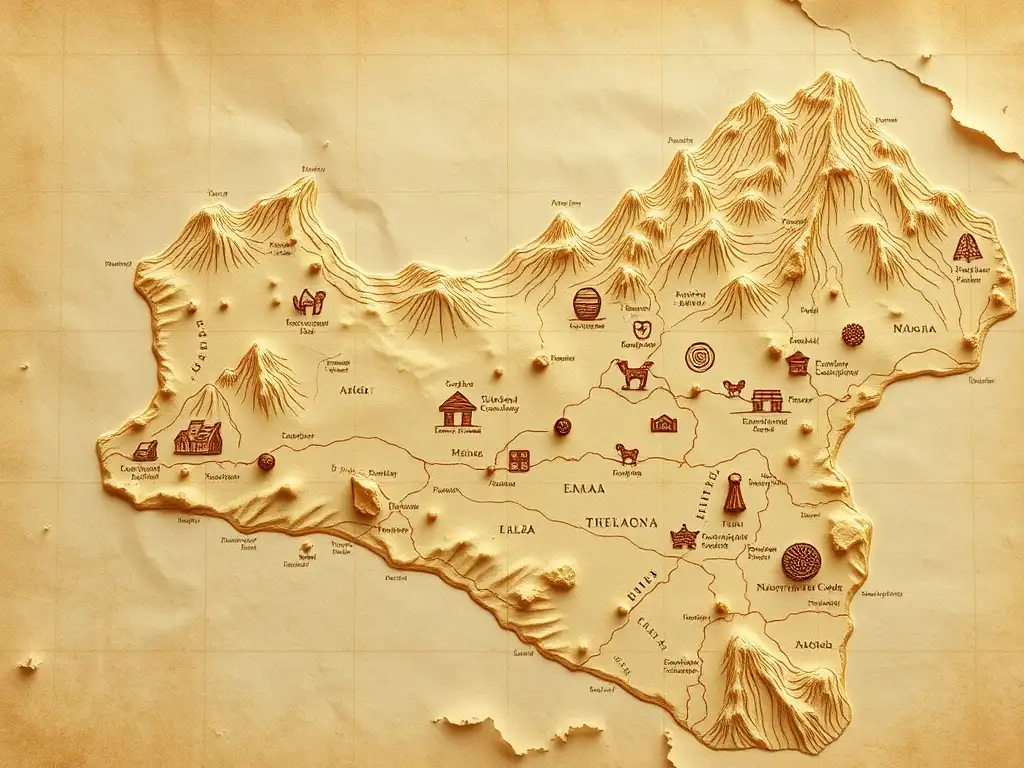
Reconstructing the intricate trade networks of Andean civilizations presents significant challenges for archaeologists. The sheer scale of the Andean region, coupled with the diverse environments and the passage of centuries, creates a complex puzzle. Understanding the movement of goods and the interactions between different cultures requires careful consideration of various factors, many of which are inherently difficult to decipher. The fragmentary nature of the archaeological record itself further complicates the process.
We are essentially piecing together a vast, fragmented tapestry, relying on the surviving threads to infer the overall design. This section will explore some of the key obstacles encountered when trying to trace the flow of goods across the Andes. Understanding these limitations allows for a more nuanced and accurate interpretation of the available evidence, ultimately leading to a more comprehensive understanding of Andean civilizations trade routes archaeology.
The Preservation of Archaeological Evidence
The preservation of archaeological evidence related to trade is heavily influenced by environmental factors. The harsh Andean climate, ranging from arid deserts to high-altitude mountains and humid rainforests, significantly affects the survival of organic materials. Textiles, perishable foods, and wooden artifacts, often crucial for understanding trade networks, are rarely preserved in their original state.
For example, while ceramic vessels – frequently used for transporting goods – are more resilient, their contents are often lost to time and decay. This lack of organic remains limits our ability to identify specific goods traded and understand the full range of exchanged items. Furthermore, looting and human disturbance have destroyed countless sites, further diminishing the already limited evidence.
The impact of natural disasters, such as earthquakes and floods, also contributes to the loss of valuable archaeological information, making the reconstruction of complete trade routes a painstaking and often incomplete process. Careful stratigraphic excavation and advanced dating techniques, such as radiocarbon dating, are crucial in mitigating these challenges and extracting as much information as possible from the surviving materials.
Interpreting the Context of Trade Artifacts
Even when artifacts are preserved, interpreting their context within trade networks requires careful consideration. The presence of a ceramic vessel from a distant region at a site doesn't automatically imply direct trade. The object might have been acquired through a series of intermediary exchanges, making it challenging to trace the actual route. Moreover, the artifact's function within the receiving community must be understood.
Was it a luxury item, a utilitarian object, or perhaps a symbol of prestige? The interpretation of its role sheds light on the nature of the interaction and the economic dynamics at play. Consider the case of spondylus shells, highly valued across the Andes.
Their presence at inland sites far from the coast indicates extensive trade networks, but the exact mechanisms of exchange and the social implications of possessing these shells remain subjects of ongoing debate. Understanding the context of artifacts requires a multidisciplinary approach, combining archaeological analysis with ethnographic studies and a thorough understanding of the social and political structures of the time. This complex process requires careful consideration of various factors.
Limitations of Current Archaeological Research
Current archaeological research, despite significant advancements in techniques and methodologies, still faces limitations in fully reconstructing Andean trade networks. The sheer scale of the geographic area and the temporal depth involved present significant logistical and analytical challenges. The resources required for systematic surveys and excavations across such a vast region are substantial.
Furthermore, the interpretation of data is often subjective and open to different interpretations. While scientific dating techniques provide chronological frameworks, they cannot always definitively pinpoint the exact routes or the precise timing of exchanges. Moreover, the focus of previous research has often been on large, well-preserved sites, potentially overlooking smaller settlements and less conspicuous evidence of trade interactions.
This bias may lead to an incomplete picture of the overall trade system. Future research should focus on incorporating interdisciplinary approaches, integrating data from various sources (e.g., isotopic analysis, archaeobotany, zooarchaeology), and adopting more comprehensive survey strategies to gain a more complete understanding of Andean civilizations trade routes archaeology. A collaborative and comprehensive approach, involving researchers from different disciplines and countries, is crucial for overcoming these challenges and improving our understanding of this complex phenomenon.
Future Directions in Andean Trade Archaeology

This section explores promising avenues for future research in understanding Andean trade networks through archaeological investigation. The field is ripe for innovation, requiring both technological advancements and collaborative efforts to unravel the complexities of ancient Andean exchange. Further research will allow us to refine our understanding of the "Andean civilizations trade routes archaeology," providing a more nuanced picture of the economic and social structures of these fascinating societies.
Integrating New Technologies for Analysis
The application of new technologies offers significant potential for enhancing our understanding of Andean trade routes. Techniques like Ground Penetrating Radar (GPR) can be used to identify previously unknown settlements and pathways, potentially revealing hidden aspects of trade networks. Similarly, hyperspectral imaging can analyze artifacts with unprecedented detail, revealing traces of pigments, plant residues, or other materials that can pinpoint the origin of traded goods.
This detailed analysis can help differentiate between locally produced goods and those imported from distant regions, significantly improving the accuracy of our reconstructions of trade routes. For example, analysis using hyperspectral imaging on textiles from various sites could reveal subtle differences in dye composition, linking specific production centers to specific consumption areas.
Furthermore, 3D modeling and GIS (Geographic Information Systems) are invaluable tools for visualizing and analyzing spatial patterns in trade. By combining data from different sites, researchers can create detailed maps of trade routes, identifying key hubs and bottlenecks in the exchange system. This spatial analysis can reveal important information about the organization and efficiency of Andean trade, shedding light on the strategies used by different groups to manage the movement of goods across vast distances.
The integration of these technologies promises to revolutionize our understanding of Andean trade, moving beyond simple interpretations of artifact distribution to a more sophisticated analysis of spatial patterns and material flows. The potential for new discoveries using these technologies in previously explored sites is significant.
Collaborative Research and Multidisciplinary Approaches
Unraveling the complexities of ancient Andean trade requires a collaborative and multidisciplinary approach. Archaeologists must work closely with specialists in other fields, such as paleoethnobotany, paleozoology, and metallurgy, to gain a comprehensive understanding of the goods being traded and their significance. Paleoethnobotanical analysis, for example, can identify the origins of plant materials found at archaeological sites, while paleozoological studies can reveal the sources of animal products. Metallurgical analysis can pinpoint the origins of metal artifacts, offering valuable insights into the movement of raw materials and finished products.
Moreover, engaging with local communities and incorporating their traditional knowledge is crucial. Local communities often possess invaluable insights into the history and significance of archaeological sites and trade routes, which can complement and enrich the findings of scientific analyses. This collaborative approach not only enhances the accuracy and depth of our research but also fosters a sense of ownership and respect for the cultural heritage of the Andes.
This interdisciplinary approach, focusing on the "Andean civilizations trade routes archaeology" will provide a much more complete and nuanced picture of the past. For instance, collaborating with communities near known trade routes could reveal oral traditions that corroborate or challenge current archaeological interpretations.
Filling Gaps in our Understanding of Andean Trade Dynamics
Despite considerable progress, significant gaps remain in our understanding of Andean trade dynamics. One area requiring further research is the role of political and social structures in shaping trade networks. How did political hierarchies influence the organization and control of trade? What were the social implications of trade for different groups within Andean societies? Further research is needed to understand how these factors influenced the flow of goods and the economic and social relations of the time. The influence of warfare and political instability on trade routes also necessitates further investigation.
Another crucial area is the chronology and evolution of trade networks. While we have a general understanding of major trade routes, more precise chronological data is needed to understand how these networks developed and changed over time. This requires more detailed excavations at key sites along these routes and a more systematic approach to dating artifacts. Finally, further research is needed to understand the environmental factors that shaped Andean trade.
How did climate change and environmental variability affect the production and distribution of goods? Addressing these questions will provide a much more complete and nuanced understanding of the complex interplay of social, political, and environmental factors that shaped ancient Andean trade. A more complete understanding of the “Andean civilizations trade routes archaeology” is only possible through addressing these gaps.
Conclusion: Understanding Andean Civilizations Through Trade
This section concludes our exploration of Andean trade routes as revealed through archaeological evidence. By examining the material remains left behind by these sophisticated societies, we gain invaluable insights into their economic structures, social hierarchies, and cultural interactions. The meticulous work of archaeologists allows us to piece together a complex tapestry of exchange, revealing not just what was traded, but how, why, and with whom.
This understanding significantly enriches our comprehension of Andean civilizations and their place within the broader historical context of South America. The sheer scale and sophistication of these trade networks underscore the ingenuity and organizational prowess of these ancient peoples, challenging previous assumptions about their societal structures and technological capabilities. Further research, particularly utilizing advanced analytical techniques and interdisciplinary collaboration, promises to unlock even more secrets hidden within the archaeological record, providing a more nuanced and complete picture of Andean trade and its enduring impact.
The Significance of Archaeological Evidence for Understanding Andean Trade
Archaeological evidence is paramount in reconstructing the history of Andean trade. Unlike written records, which are scarce for many Andean cultures, material artifacts provide tangible evidence of exchange networks. For example, the discovery of obsidian tools from specific volcanic sources in sites hundreds of kilometers away indicates established trade routes and resource distribution systems.
The presence of exotic goods, such as coastal shells in highland settlements or highland textiles in coastal regions, similarly points to extensive long-distance trade. Furthermore, the analysis of ceramic styles, metallurgical techniques, and architectural designs across different sites helps identify cultural interactions and the spread of ideas alongside goods. The careful excavation and analysis of these artifacts, coupled with the application of scientific dating methods (like radiocarbon dating), allow archaeologists to establish chronologies and trace the evolution of trade routes over time.
The distribution patterns of specific goods can reveal much about the power dynamics and social organization of Andean societies. For instance, the concentration of high-quality metalwork in elite burials suggests control over resources and the strategic use of trade for political advantage. The study of Andean civilizations trade routes archaeology thus relies heavily on this meticulous and detailed approach.
The Enduring Legacy of Andean Trade Networks
The legacy of Andean trade networks extends far beyond the collapse of individual empires. The sophisticated systems of exchange, including the intricate network of roads, chasquis (runners), and storage facilities developed by the Inca, left an enduring imprint on the landscape and the cultural practices of subsequent Andean societies. Even today, many of the routes used by ancient traders continue to be utilized, albeit in modified forms.
The understanding of these ancient trade routes is not merely an academic exercise; it has practical applications in areas such as resource management, infrastructure development, and cultural heritage preservation. The study of these ancient systems can inform contemporary approaches to sustainable development and community engagement. Moreover, the legacy of Andean trade networks continues to inspire artistic expression, tourism, and cultural celebration, demonstrating the lasting impact of these ancient civilizations on the modern world.
The intricate knowledge systems and organizational skills demonstrated by the ancient Andean traders remain a testament to human ingenuity and adaptation, offering valuable lessons for contemporary societies striving to navigate a globalized world. The continued study of Andean trade, therefore, is not only crucial for understanding the past, but also for shaping a more sustainable and equitable future.
Frequently Asked Questions
What role did trade play in Andean civilizations?
Trade was essential for Andean civilizations. It facilitated the exchange of vital resources like food, textiles, and metals, connecting different regions and cultures. This interconnectedness significantly influenced their development and prosperity.
How did archaeologists uncover evidence of Andean trade routes?
Archaeologists use various methods, including excavations at sites along suspected routes, analysis of ceramics and textiles, and carbon dating to trace the movement of goods. The discovery of similar artifacts across vast distances provides compelling evidence of trade networks.
What were some of the key goods traded in the Andes?
Luxury goods like gold, silver, and precious stones were traded, alongside essential goods such as maize, coca leaves, and textiles. The distribution of these items reflects complex social and economic relationships between different Andean groups.
How did the geography of the Andes influence trade routes?
The Andean geography, with its high mountains and diverse ecosystems, shaped trade routes. Routes often followed river valleys and mountain passes, adapting to the challenging terrain. The availability of llamas as pack animals also played a crucial role.
What are some of the most important archaeological sites that reveal Andean trade networks?
Sites like Machu Picchu, Chan Chan, and Tiahuanaco provide crucial insights into Andean trade. The presence of non-local artifacts at these sites demonstrates the extensive reach of trade networks spanning vast distances across the Andes.
Final Reflection: Weaving the Threads of Andean Exchange
The intricate tapestry of Andean trade, revealed through meticulous archaeological investigation, continues to resonate powerfully in our globally interconnected world. Understanding the sophisticated networks that bound ancient Andean societies offers invaluable insights into the complexities of resource management, cultural exchange, and the very nature of human interaction across vast distances. The enduring legacy of these ancient trade routes challenges our modern assumptions about economic systems and the power of cultural diffusion.
The impact of Andean trade extends far beyond the dusty shelves of museums; it continues to shape our understanding of globalization and its consequences. The ingenuity and resilience displayed by these ancient cultures in navigating challenging terrains and forging lasting alliances serves as a powerful reminder of human adaptability and ingenuity. The past is never dead. It's not even past.
– William Faulkner. This quote perfectly encapsulates the enduring relevance of studying Andean trade routes; their echoes reverberate through the present, informing our understanding of both historical and contemporary global systems.
Consider the implications of these ancient trade networks. How did the exchange of goods and ideas shape the identities and beliefs of these diverse communities? What can we learn from their successes and failures in managing resources and fostering cooperation? You, the reader, are now equipped with a deeper understanding of the Andean world; use this knowledge to critically examine our own interconnected global systems. Let the legacy of these ancient traders inspire you to build bridges of understanding and cooperation in your own life, fostering a more just and equitable world.
**Unveil the Secrets of Andean Trade! **
Thank you for exploring the fascinating world of Andean trade through archaeological evidence! Your interest reveals a keen understanding of the complex networks that shaped these ancient societies. Let's delve deeper into this rich history.
Here are some ways to expand your knowledge of Andean trade:
- **Join a local archaeology or history group** to connect with fellow enthusiasts and share your insights into Andean civilizations. Participating in discussions will broaden your understanding and allow you to learn from others' expertise.
- **Visit a museum** with a significant collection of Andean artifacts. Seeing these objects firsthand provides a powerful connection to the past and allows you to appreciate the ingenuity and scale of their trade networks. Many museums also host lectures and workshops that can further enrich your knowledge.
- **Share this article** with friends and family or post it on social media to spark conversations about the vital role trade played in the development of these remarkable civilizations. Engaging others in this fascinating topic can lead to new discoveries and perspectives.
How will you continue to explore the history of Andean trade? Your ideas may inspire others to embark on their own journeys of discovery!