
The Interconnectedness of Andean Cultures: Evidenced Through Trade Networks

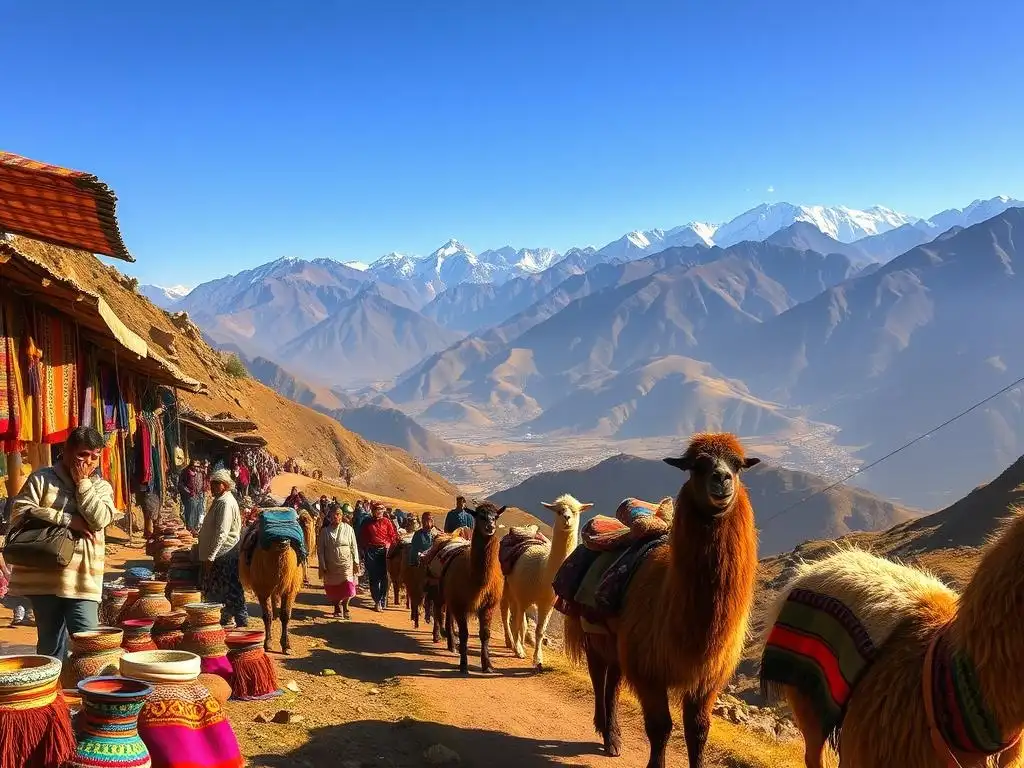
Step into a world lost to time, yet echoing with the whispers of a vibrant past. Imagine sprawling empires, intricate artistry, and a sophisticated understanding of the world, all woven together by a complex tapestry of trade. Uncover the secrets of the Andean civilizations' trade networks, a crucial element in the rise and fall of these remarkable cultures. Prepare to be amazed by the ingenuity and interconnectedness of the Incas, Moche, Nazca, and Tiahuanaco, as we delve into the fascinating story of their economic and cultural exchange. What unexpected connections will we unearth?
The Andes Mountains, a formidable barrier stretching along the western coast of South America, might seem to suggest isolation. However, a closer examination reveals a vibrant tapestry of interconnected Andean civilizations, bound together not by conquest alone, but by extensive and sophisticated trade networks.
This article delves into the crucial role trade played in shaping the cultural landscape of pre-Columbian South America, exploring the major routes, exchanged goods, and the profound impact these networks had on the development of societies like the Inca, Moche, Nazca, and Tiahuanaco. Understanding these ancient trade routes provides invaluable insight into the complex social, political, and economic structures that defined Andean civilizations and their enduring legacy.
We will examine how the exchange of goods facilitated cultural diffusion, technological innovation, and the overall prosperity of these remarkable societies, highlighting the intricate web of relationships that connected them across vast distances and diverse environments. The study of Andean civilizations trade networks offers a compelling narrative of interconnectedness, challenging simplistic notions of isolated, self-sufficient communities.
Major Andean Trade Routes: A Network of Pathways
The Andean region boasts a diverse geography, from arid coastal deserts to high-altitude plateaus and lush Amazonian foothills. Navigating this challenging terrain required ingenuity and well-established pathways. Trade routes weren't simply linear paths; they were complex networks adapting to the environment. Coastal routes, utilizing the Pacific Ocean, allowed for the transport of goods by raft and balsa boats, connecting settlements along the coast.
High-altitude routes, often traversing treacherous mountain passes, connected the highlands with the coast and the Amazon basin. These routes were not always direct; they often followed river valleys, utilizing natural features to facilitate transport. The Inca, known for their impressive road system, significantly expanded and improved upon pre-existing routes, solidifying their control and facilitating trade throughout their vast empire. Evidence suggests that different groups, even before the Inca, maintained and used these routes, indicating a long history of interconnectedness.
Goods Exchanged: A Tapestry of Resources and Cultural Exchange
The goods exchanged across these networks were as diverse as the landscapes themselves. Coastal communities offered fish, shellfish, salt, and cotton textiles. Highland communities traded potatoes, quinoa, llamas, alpaca wool, and obsidian tools. The Amazon basin contributed exotic birds, feathers, and medicinal plants.
The sheer variety of traded goods showcases the interdependence of these different ecological zones. Furthermore, the movement of these goods wasn't merely an economic transaction; it facilitated a significant exchange of ideas and cultural practices. For example, the spread of agricultural techniques, artistic styles, and religious beliefs can be directly linked to these trade networks. Specific examples of traded items, such as finely crafted ceramics, intricate textiles, and precious metals, reveal sophisticated production techniques and artistic skills that were shared and adapted across different cultures.
The Impact of Trade on Andean Societies: Prosperity and Power
The establishment and maintenance of these extensive trade networks had a profound impact on the development and prosperity of Andean societies. Control over key trade routes often translated into political and economic power. The ability to access and distribute essential resources, such as salt or metals, allowed certain groups to accumulate wealth and influence.
This control, in turn, shaped social hierarchies and political structures. The flourishing of urban centers, like Chan Chan (Chimor) and Cusco (Inca), can be directly attributed to their strategic location within these trade networks. The economic prosperity fueled by trade also allowed for investment in infrastructure, monumental architecture, and the development of complex social organizations.
The trade networks fostered a sense of shared identity and cultural exchange, while competition for resources and control of routes also led to conflict and political shifts. The history of Andean trade is thus a complex narrative of both cooperation and competition.
Technological Innovations Driven by Trade: Adaptations and Improvements
The challenges of transporting goods across diverse terrains spurred innovation in Andean technologies. The development of sophisticated pack animals, such as llamas and alpacas, was crucial for highland transport. Improvements in boat building and navigation techniques were essential for coastal trade. Furthermore, the exchange of ideas and technologies across the networks led to advancements in metallurgy, pottery, weaving, and other crafts.
The need for efficient storage and transportation likely influenced the development of standardized weights and measures. The continuous exchange and adaptation of technologies through trade exemplify the dynamic nature of Andean innovation and the interconnectedness of these societies. This constant adaptation and improvement, fueled by the demands of trade, resulted in a remarkable level of technological sophistication.
- Major Andean Trade Routes: A Network of Pathways
- Goods Exchanged: A Tapestry of Resources and Cultural Exchange
- The Impact of Trade on Andean Societies: Prosperity and Power
- Technological Innovations Driven by Trade: Adaptations and Improvements
- What role did trade networks play in Andean civilizations?
- How did geography influence Andean trade routes?
- What types of goods were traded in the Andean region?
- Which Andean civilizations were most involved in extensive trade networks?
- What evidence exists to support the importance of Andean trade networks?
Understanding Ancient Andean Trade and Its Significance
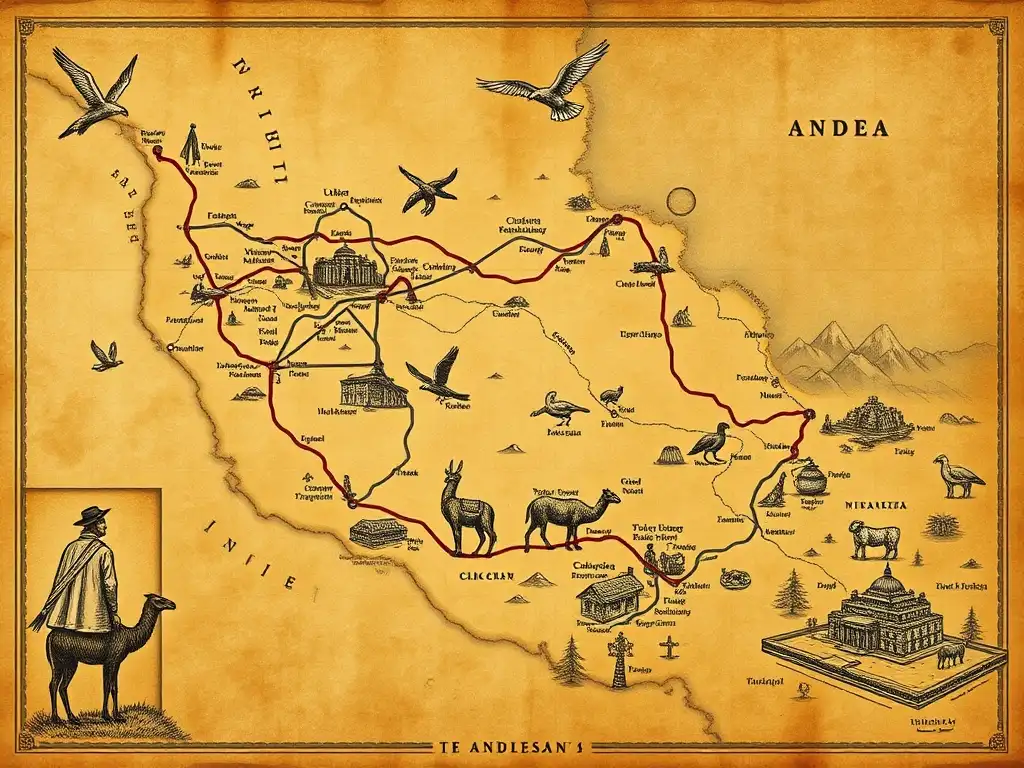
The study of Andean civilizations trade networks reveals a complex tapestry of economic and social interactions across vast and challenging terrains. Understanding the significance of this trade is crucial to grasping the remarkable achievements and interconnectedness of these societies. Far from isolated entities, the Incas, Moche, Nazca, and Tiahuanaco, among others, participated in extensive exchange systems that shaped their cultures, technologies, and political structures.
The sheer scale of these networks, considering the logistical hurdles presented by the Andes' rugged geography, highlights the sophisticated organizational capabilities and advanced infrastructure developed by these pre-Columbian peoples. Analyzing the types of goods traded, the distances covered, and the social structures that facilitated this trade provides invaluable insights into the dynamism and resilience of Andean civilizations.
This intricate web of exchange wasn't simply about economic gain; it fostered cultural diffusion, technological innovation, and the creation of a shared Andean identity, albeit with regional variations. The flow of goods and ideas across these networks contributed directly to the rise and fall of various Andean powers, underscoring the deep entanglement between trade and political power.
The Importance of Trade in Andean Societies
Trade in Andean societies was far more than a simple economic activity; it was deeply embedded in the social, religious, and political fabric of life. For instance, the elite classes often controlled access to and distribution of prized goods, solidifying their power and prestige. The exchange of luxury items like turquoise, gold, and feathers served as a powerful tool for establishing alliances and reinforcing social hierarchies. Consider the Moche culture, known for its elaborate metalwork and sophisticated ceramics.
The distribution of these high-quality artifacts across their territory, and even beyond, suggests a well-organized trade network that cemented their influence and social standing. Moreover, trade wasn't solely a top-down affair. Local communities participated actively, exchanging agricultural products, textiles, and other necessities within regional markets and along major trade routes. This intricate system of exchange fostered interdependence and strengthened social bonds across different Andean communities.
The vibrant exchange of goods also played a significant role in religious practices. Certain items, possessing symbolic or ritualistic value, were traded across vast distances, highlighting the interconnectedness of religious beliefs and practices across different Andean cultures. The movement of these sacred objects further cemented the importance of trade within the broader Andean worldview.
Geographic Challenges and the Development of Trade Routes
The Andes Mountains presented significant challenges to the development of trade networks. Steep slopes, deep canyons, and unpredictable weather conditions made transportation difficult and dangerous. Despite these obstacles, Andean civilizations developed ingenious solutions, creating a remarkable infrastructure to facilitate trade. The construction of extensive road systems, like the Inca Qhapaq Ñan, is a testament to their engineering prowess and the importance they placed on trade.
These roads, often traversing treacherous terrain, connected distant communities, enabling the efficient movement of goods and people. Furthermore, the use of pack animals like llamas and alpacas played a crucial role in transporting goods across the Andes. These animals were well-suited to the high-altitude environment and could carry substantial loads over long distances. In addition to land routes, waterways also played a significant role in Andean trade.
Coastal routes facilitated the exchange of goods between different coastal communities and allowed for the transportation of goods by boat. The development of sophisticated navigation techniques and the construction of ports and landing sites further enhanced the efficiency of coastal trade. The ingenuity displayed in overcoming the geographical challenges of the Andes underscores the crucial role trade played in the lives of Andean communities and the remarkable adaptability of their cultures. The network's resilience, despite these natural obstacles, speaks volumes about the societal value placed upon interconnection and exchange.
The Role of Trade in Cultural Exchange
The Andean civilizations trade networks were not merely conduits for goods; they were also crucial pathways for the exchange of ideas, technologies, and artistic styles. The movement of artisans and specialists across these networks facilitated the spread of knowledge and expertise. For instance, the sophisticated metalworking techniques of the Moche influenced other Andean cultures, leading to the development of similar styles and techniques in different regions. Similarly, the distinctive pottery styles of the Nazca, characterized by their intricate designs and vibrant colors, spread across the Andes through trade, influencing the artistic traditions of other cultures.
The exchange of agricultural products also led to the diffusion of crops and farming techniques. New crops were introduced to different regions, enriching the agricultural diversity of the Andes. Moreover, religious beliefs and practices were also exchanged through trade.
The movement of religious icons and symbols across the Andes helped to spread religious ideas and practices, leading to a degree of religious syncretism and the development of shared Andean religious traditions. The interconnectedness fostered by trade contributed significantly to the rich cultural diversity and the development of a shared Andean identity, although expressed through diverse regional expressions. The evidence of shared artistic motifs, similar architectural styles, and common religious practices across different Andean cultures strongly supports the role of trade in fostering a shared cultural heritage.
Key Andean Civilizations and Their Trade Practices
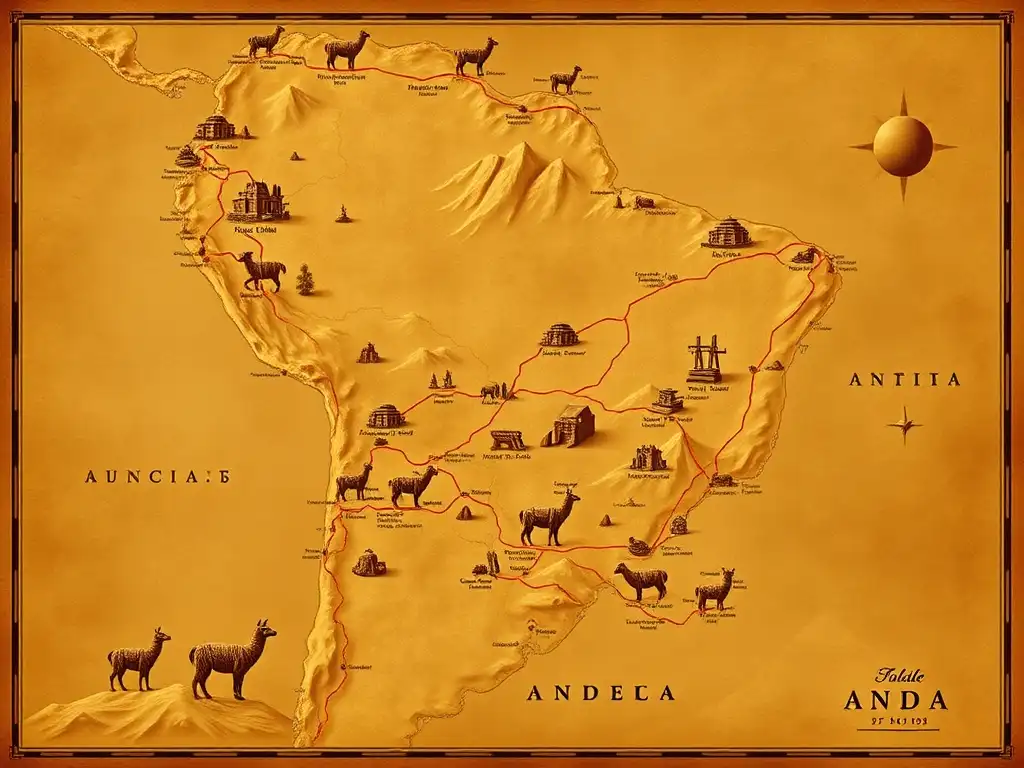
This section delves into the specific trade practices of several key Andean civilizations, highlighting the diverse goods exchanged and the intricate networks that facilitated this exchange. Understanding these individual approaches provides a richer understanding of the broader Andean civilizations trade networks and their interconnectedness. The geographical location and environmental conditions significantly shaped each civilization's economic strategies and trade relationships. Analyzing these variations reveals the ingenuity and adaptability of these ancient societies in navigating the challenges of the Andes.
The Moche and Coastal Trade Networks
The Moche civilization (c. 100-800 CE), flourishing along the northern coast of Peru, developed sophisticated coastal trade networks. Their mastery of maritime technology allowed them to exploit marine resources and establish trade relationships extending along the Pacific coast. Evidence suggests a robust exchange of fish, shellfish, cotton textiles, and ceramics.
The Moche's distinctive pottery, often depicting scenes of daily life and religious rituals, was a highly valued trade commodity, reaching far beyond their immediate territory. Their intricate knowledge of ocean currents and navigation techniques enabled efficient transportation of goods, contributing to their economic prosperity and cultural influence. Analysis of Moche shipwrecks, while limited, reveals the types of goods being transported and the distances covered.
For example, the discovery of Moche pottery in sites far south along the coast indicates a significant level of maritime trade activity. The presence of marine resources in inland Moche settlements further underscores the importance of coastal trade in supporting their population. The Moche's economic success was inextricably linked to their ability to harness and manage their coastal trade routes.
The Nazca and Inter-Valley Exchange
The Nazca civilization (c. 100 BCE – 500 CE), known for their iconic geoglyphs, inhabited the arid southern coast of Peru. Unlike the Moche, their trade was primarily focused on inter-valley exchange, relying on a network of trails and roads through the challenging desert landscape. The Nazca were skilled agriculturalists, developing sophisticated irrigation systems to cultivate cotton, maize, and other crops in the limited fertile valleys.
Their highly prized textiles, renowned for their intricate designs and vibrant colors, were a key trade commodity. These textiles, along with ceramics and other artisan goods, were exchanged between different valleys, creating a complex network of economic interactions. The lack of significant maritime activity among the Nazca highlights the adaptation of trade strategies to the specific environmental constraints.
Analysis of Nazca settlements reveals evidence of trade in obsidian, a volcanic glass used for tools and ornaments, sourced from distant highland regions. This demonstrates the reach of their inland trade networks and the importance of strategic alliances with highland communities. The efficient management of these inter-valley routes ensured the movement of essential resources and fostered economic growth within the Nazca society.
Tiahuanaco's Influence on Highland Trade
Tiahuanaco (c. 500 – 1000 CE), located on the shores of Lake Titicaca in the Bolivian highlands, exerted a considerable influence on highland trade networks. Their strategic location, at the intersection of several important trade routes, facilitated the control and management of the movement of goods across the Andes. Tiahuanaco's mastery of metallurgy, particularly in bronze and copper, led to the production of highly valued metalwork that was traded throughout the region. Their distinctive ceramics, characterized by unique styles and motifs, were also important trade items.
Evidence suggests that Tiahuanaco controlled or heavily influenced the exchange of llama wool, coca leaves, and other highland resources. The impressive road infrastructure surrounding Tiahuanaco suggests a well-organized system for facilitating trade. The scale and sophistication of their urban planning indicate a centralized economy capable of managing extensive trade networks.
The distribution of Tiahuanaco's characteristic artifacts across a wide geographical area provides strong evidence of their dominant role in highland trade. Further research is needed to fully understand the economic mechanisms and political strategies employed by Tiahuanaco to maintain their control over these vital trade routes. However, the available evidence clearly points to their significant impact on the Andean civilizations trade networks.
Inca Expansion and the Integration of Trade Systems
The Inca Empire's astonishing growth across the Andes dramatically reshaped pre-existing trade networks. Before the Inca, numerous smaller groups, each with their own localized exchange systems, inhabited the region. The Inca, however, implemented a sophisticated system of mit'a, a form of mandatory labor, to construct and maintain an extensive network of roads – the Qhapaq Ñan – that facilitated unprecedented levels of trade and communication.
This road system, stretching thousands of kilometers, connected distant regions, unifying disparate Andean cultures under a single political and economic structure. The construction itself spurred economic activity, creating jobs and stimulating demand for materials like stone, timber, and labor.
The Inca's tambos, strategically placed waystations along the Qhapaq Ñan, served not only as resting places for travelers but also as vital hubs for trade. These centers facilitated the exchange of goods between different regions, fostering economic interdependence. Goods moved not just along the main arteries of the Qhapaq Ñan, but also along a network of smaller, local trails that connected to the main routes.
This intricate system allowed for a constant flow of goods, effectively integrating previously isolated economies. The Inca state actively managed this system, ensuring the efficient movement of goods and the collection of tribute in the form of goods and labor.
This integration wasn't merely about physical infrastructure; it also involved the standardization of weights and measures, as well as the establishment of official warehouses ( qollqas) for storing surplus goods. This standardization simplified transactions and facilitated trade across the vast empire. The qollqas acted as buffers against fluctuations in supply and demand, ensuring that goods were available even in times of scarcity.
The Inca government controlled the distribution of these stored goods, using them to support the population during times of hardship or to reward loyal subjects. This centralized control allowed the Inca to effectively manage the empire's resources and maintain social order, further solidifying their power and influence. The impact of this system on Andean civilizations trade networks was profound and long-lasting, even after the Spanish conquest.
The legacy of the Qhapaq Ñan and the Inca's integrated trade system continues to be studied and appreciated today. Archaeological evidence continues to reveal the extent and complexity of this remarkable achievement.
Major Trade Routes and Goods in the Andean Region
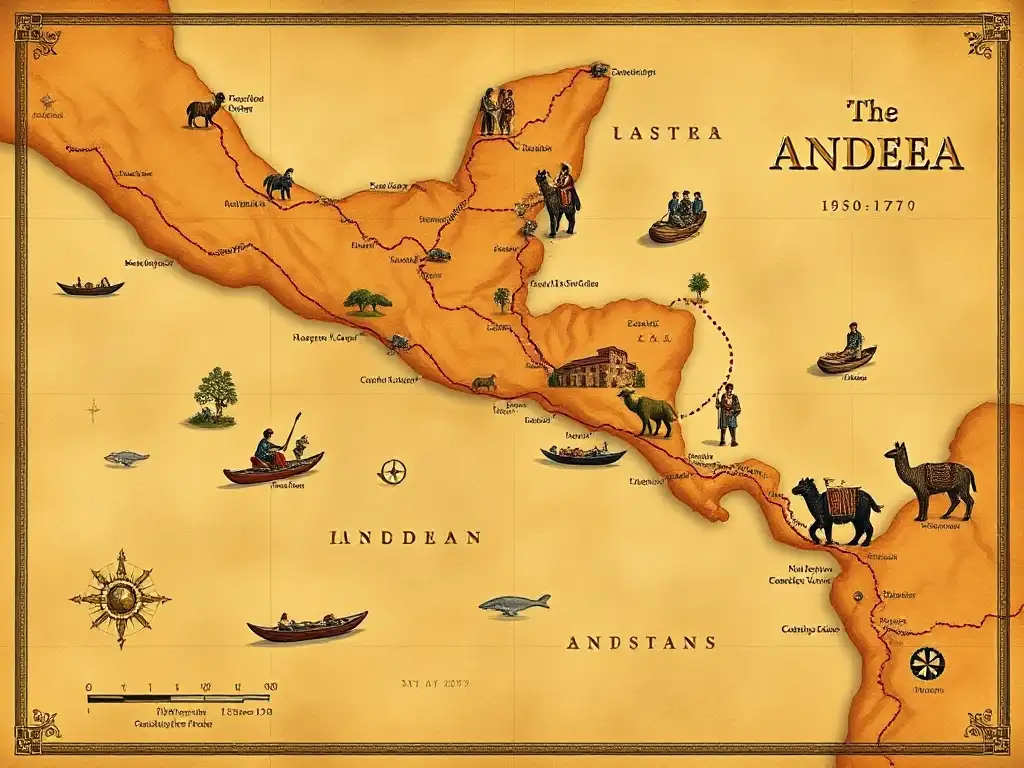
The intricate tapestry of Andean civilizations wasn't woven in isolation. A robust system of trade routes, connecting disparate regions and cultures, fueled the growth and interconnectedness of societies like the Inca, Moche, Nazca, and Tiahuanaco. Understanding these routes and the goods exchanged provides crucial insight into the dynamics of power, cultural exchange, and economic prosperity within these fascinating Andean civilizations trade networks. The sheer scale and sophistication of these networks belie the often-assumed isolation of these mountain communities. This section will delve into three major trade routes, highlighting their significance in shaping the Andean world.
The Coastal Trade Route: Connecting Maritime Resources
The Peruvian coastline, a ribbon of desert punctuated by fertile valleys, served as a vital artery for trade. This coastal trade route facilitated the exchange of marine resources, agricultural products, and manufactured goods between coastal settlements and inland communities. The abundance of fish, shellfish, and guano (bird droppings used as fertilizer) fueled coastal economies, which in turn provided essential resources to the highland populations.
The movement of goods along this route wasn't haphazard. Evidence suggests the existence of well-established exchange systems, possibly involving specialized traders or even state-controlled distribution networks, particularly during the Inca Empire's zenith. Archaeological findings, such as the discovery of coastal ceramics in highland sites and vice-versa, support the widespread nature of this exchange.
The coastal trade route was not just about the movement of goods; it was also a conduit for cultural exchange. Coastal artistic styles and religious beliefs diffused inland, leaving their mark on the material culture and spiritual practices of highland communities. This cultural fusion is evident in the similarities found in pottery styles, textile designs, and even architectural features across different regions.
For example, the Moche culture, renowned for its sophisticated metalworking, likely exchanged its finely crafted gold and silver objects for agricultural products from the highlands, fostering a mutually beneficial relationship. The intricate system of relay runners used by the Inca further enhanced the efficiency of this trade route, enabling rapid communication and the swift movement of goods along the coast.
The strategic placement of coastal settlements and the use of seafaring technology demonstrate a deep understanding of the maritime environment and its potential for trade and communication. The volume of goods exchanged along this route significantly contributed to the overall economic prosperity and social stability of the Andean civilizations.
The Highland Trade Route: Accessing Diverse Goods
The Andean highlands, a challenging landscape of towering mountains and deep valleys, presented unique challenges to trade. However, necessity spurred innovation. The highland trade route, a network of mountain passes and trails, connected diverse highland communities, facilitating the exchange of agricultural products, textiles, and precious metals. Llamas and alpacas played a crucial role in transporting goods across these difficult terrains. Their resilience and strength made them indispensable pack animals, enabling the movement of substantial quantities of goods over long distances.
This route facilitated the exchange of vital agricultural products. Highland communities specialized in the cultivation of potatoes, quinoa, and other hardy crops adapted to the high altitudes. These crops were traded for other goods, such as cotton from lower altitudes, creating a complex system of reciprocal exchange. The highland trade route also facilitated the distribution of precious metals, notably silver and gold, which were highly valued for their symbolic and economic significance. These metals were often used in religious ceremonies, crafted into jewelry, or incorporated into other ceremonial objects.
The construction and maintenance of the highland trade route required considerable effort and organization. The Inca, in particular, invested heavily in infrastructure, constructing roads, bridges, and storage facilities to facilitate trade and communication. These impressive feats of engineering stand as testaments to the importance of trade in maintaining the stability and power of the Inca Empire.
Further research is needed to fully understand the extent of the trade networks within the pre-Inca societies of the highlands, but existing evidence suggests a complex and dynamic system of exchange that underpinned the social and economic fabric of Andean life. The sheer scale of the Inca road system, for example, [specific information pending on the exact length and number of roads], underscores the importance of this route in the empire's functioning.
The Amazonian Trade Route: Integrating Jungle Products
The Amazonian trade route connected the Andean highlands and coastal regions to the vast Amazon rainforest, facilitating the exchange of unique jungle products. This route, less well-documented than its coastal and highland counterparts, involved traversing challenging terrain and navigating rivers. The exchange of goods along this route enriched the diets and expanded the material culture of Andean societies.
The Amazonian rainforest provided a wealth of resources, including exotic feathers, medicinal plants, and precious woods. These goods were highly prized in the Andean highlands and coastal regions, where they were used for ceremonial purposes, medicine, and crafting luxury items. The exchange of these goods demonstrates the interconnectedness of Andean societies with the Amazonian ecosystem, highlighting the significant impact of the rainforest on the cultural and economic development of the region. The Amazonian route also likely facilitated the spread of certain technologies and cultural practices, though further research is needed to fully understand the extent of this cultural exchange.
The movement of goods across the Amazonian trade route likely involved a combination of river transport and overland travel. The challenging nature of this route suggests the existence of specialized traders and possibly established alliances between different communities. These traders likely possessed advanced navigational skills and an intimate knowledge of the Amazonian environment.
Furthermore, the exchange of goods along this route likely involved complex systems of reciprocity and exchange, reflecting the close relationships between communities across different ecological zones. While evidence for this trade route is still emerging, its significance in enriching the cultural and material life of Andean civilizations is undeniable. The discovery of [specific examples of Amazonian goods found in Andean archaeological sites pending] further supports this assertion.
Specific Traded Goods: Obsidian, Spondylus Shells, Coca Leaves, and Quinoa
Obsidian, a volcanic glass prized for its sharpness, played a crucial role in Andean trade networks. Its presence in archaeological sites far from its sources, such as the Andes mountains in modern-day Peru and Ecuador, demonstrates extensive exchange across significant distances. The high quality obsidian tools and weapons found throughout the region indicate a sophisticated system of distribution, likely involving specialized artisans and skilled traders.
The control and distribution of obsidian resources were probably linked to power and status within various Andean societies, influencing political and social structures. Variations in obsidian’s chemical composition allowed archaeologists to trace its origins, mapping out complex trade routes and revealing the extent of the interconnectedness of different Andean cultures.
For instance, the presence of specific types of obsidian from the Andes in coastal sites suggests established trade routes connecting highland and coastal communities. The analysis of obsidian artifacts has provided invaluable insights into the scale and sophistication of Andean trade, challenging previous assumptions about the isolation of certain groups.
Spondylus shells, sourced primarily from the Pacific Ocean, held immense symbolic and economic value in Andean societies. Their vibrant colors and unique shapes made them highly desirable for creating jewelry, ornaments, and ritual objects. Archaeological evidence shows that spondylus shells were traded far inland, reaching settlements in the highlands. This extensive distribution network highlights the importance of maritime trade and the complex relationships between coastal and inland communities.
The presence of spondylus shells in elite burials suggests their association with power and prestige. The rarity and unique characteristics of these shells likely contributed to their high value and their role in reinforcing social hierarchies. The intricate designs and craftsmanship evident in spondylus artifacts demonstrate the artistic skill and technological capabilities of Andean artisans. Furthermore, the consistent presence of spondylus shells across diverse Andean cultures points to a shared symbolic system and a broader interconnectedness beyond mere economic exchange.
Coca leaves, a plant with stimulant properties, were another crucial commodity in Andean trade. Cultivated in specific ecological zones, coca leaves held significant religious, medicinal, and social importance. Their distribution across the Andean region demonstrates extensive trade networks connecting highland and lowland areas.
The presence of coca leaves in burials and ceremonial contexts underscores their sacred significance. The controlled cultivation and distribution of coca leaves likely played a significant role in the economic and social organization of Andean societies. Archaeological evidence suggests that coca leaves were traded in bundles or processed into other forms, indicating sophisticated agricultural practices and trade strategies.
Moreover, the wide geographic distribution of coca suggests a complex system of exchange involving various intermediaries and trade routes. The study of coca leaf trade illuminates the intertwined economic, religious, and social aspects of Andean life. It provides a powerful example of how trade networks contributed to the cultural cohesion and exchange of ideas within the Andean region.
Quinoa, a highly nutritious grain crop, was another important traded good in the Andean region. Its adaptability to diverse altitudes and climates made it a staple food source for many Andean communities. However, specific varieties of quinoa might have been more highly valued than others, leading to specialized trade routes for these sought-after grains.
The exchange of quinoa across different ecological zones suggests a significant level of inter-regional cooperation and economic interdependence. Quinoa’s importance as a staple food source likely played a crucial role in supporting population growth and the development of complex societies. Archaeological evidence of quinoa storage facilities and processing techniques demonstrates the importance of this crop in Andean agriculture and trade.
The consistent presence of quinoa remains in various archaeological sites across the Andes highlights its widespread use and the crucial role of trade in securing food supplies for diverse populations. The trade of quinoa also reflects the complex interplay between agriculture, environment, and the economic organization of Andean societies.
The Impact of Trade on Andean Culture and Society
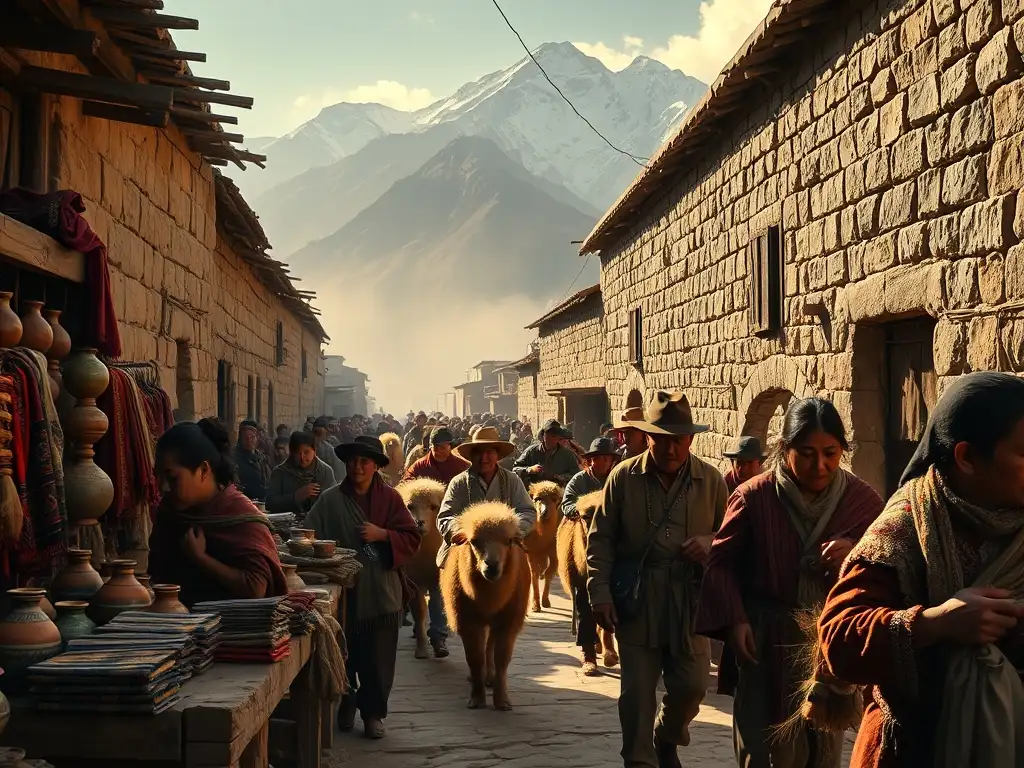
The vibrant trade networks of the Andean civilizations weren't merely economic arteries; they were crucial veins pumping lifeblood into the cultural and societal fabric of the region. The exchange of goods facilitated a remarkable interconnectedness, leading to significant transformations in artistic expression, religious beliefs, and social structures across diverse Andean societies. Examining these impacts reveals the profound influence of trade on the development of these fascinating cultures. Understanding the Andean civilizations trade networks is key to unlocking a deeper understanding of their complex societies.
The Spread of Artistic Styles and Techniques
The flourishing trade routes acted as conduits for the dissemination of artistic styles and techniques across vast geographical distances. Ceramic traditions, for example, show clear evidence of cross-cultural exchange. The intricate Moche pottery, renowned for its realistic depictions of life and mythology, influenced later styles in other regions.
Similarly, the Nazca's mastery of textile production, particularly their renowned intricate weaving techniques, likely spread through trade, impacting the textile traditions of neighboring cultures. Analysis of stylistic similarities in pottery designs, weaving patterns, and metalwork from geographically disparate locations provides compelling evidence of this artistic diffusion. We can see, for example, the appearance of similar motifs – such as stylized birds or feline imagery – in artifacts from the Nazca and Tiahuanaco cultures, suggesting a shared artistic vocabulary facilitated by trade interactions.
This wasn't simply imitation; rather, it was a dynamic process of exchange and adaptation, resulting in the evolution of unique regional styles while retaining common threads. The constant movement of artisans and the exchange of raw materials also contributed to this cross-pollination of artistic ideas.
The Diffusion of Religious Beliefs and Practices
The exchange of goods was often intertwined with the dissemination of religious beliefs and practices. The widespread presence of certain deities or religious symbols in art and architecture across different Andean cultures suggests a shared religious landscape shaped by trade interactions. For example, the worship of specific deities, like the sun god Inti, might have spread through the movement of religious objects and the migration of priests or pilgrims along established trade routes.
The shared use of specific ritual objects, such as ceremonial vessels or textiles, also points to the influence of religious exchange. Furthermore, the movement of sacred plants and animals, used in rituals and ceremonies, further facilitated the diffusion of religious practices. Evidence suggests that certain coca leaves, valued for their ritual and medicinal properties, were traded extensively throughout the Andes, contributing to the widespread adoption of coca use in religious contexts.
The extent of this religious exchange, however, requires further research to fully understand the complexities of religious syncretism and the evolution of Andean belief systems. This area of Andean civilizations trade networks research requires further investigation.
The control and management of trade networks played a critical role in the development of complex social hierarchies within Andean societies. The accumulation of wealth through trade allowed certain individuals or groups to consolidate power and influence, leading to the emergence of elites. Control over key resources and trade routes became a source of political and economic authority.
Archaeological evidence, such as the presence of elaborate palaces and tombs associated with elite individuals, points to the concentration of wealth and power in the hands of those who controlled trade. Moreover, the organization of large-scale trade expeditions and the maintenance of infrastructure, like roads and storage facilities, required sophisticated administrative structures, further contributing to the development of complex social hierarchies. The intricate system of Andean civilizations trade networks not only facilitated economic growth but also laid the groundwork for the development of powerful and stratified societies.
The study of elite burials and the analysis of administrative records (where available) provide valuable insights into the relationship between trade and the emergence of social inequality. Further research into the administrative structures and social organization of Andean societies is needed to fully understand the nuanced impact of trade on social stratification.
The Role of Trade in Political Power
The control and management of trade routes were intrinsically linked to the rise and fall of Andean civilizations. Access to coveted resources and the ability to distribute them effectively translated directly into political power. For instance, the Inca Empire, at the height of its power, meticulously managed a vast network of roads – the Qhapaq Ñan – facilitating the movement of goods and, crucially, solidifying their political dominance.
The efficient distribution of resources, such as textiles, precious metals, and agricultural products, served not only economic purposes but also reinforced the Inca's authority and legitimacy in the eyes of their subjects. Their control over these vital trade routes allowed them to reward loyal allies, punish rebellious provinces, and maintain a strong central government.
The Wari and Tiwanaku civilizations, preceding the Inca, also wielded significant power through their command of trade networks. While their infrastructure wasn't as extensive as the Inca's, their control over key resources and trade routes allowed them to exert influence over a wide geographical area. Archaeological evidence suggests that these civilizations strategically positioned themselves along crucial trade routes, gaining control over the flow of goods and, consequently, accumulating wealth and political power.
The accumulation of wealth through trade enabled these empires to support large populations, fund monumental construction projects, and maintain powerful armies, further cementing their political dominance. The strategic placement of settlements and the construction of infrastructure directly related to trade routes demonstrates a deliberate effort to control and leverage trade for political advantage.
The disruption of these trade networks often had devastating consequences for the ruling elite. The collapse of the Wari Empire, for example, is partly attributed to the disruption of their trade routes, leading to economic instability and ultimately, political fragmentation. Similarly, any significant disruption to the Inca's trade network, like a natural disaster or a rebellion, would have had cascading effects, weakening their political power and potentially leading to instability.
Therefore, the maintenance and expansion of trade networks were not merely economic endeavors but essential components of maintaining political power and stability in the Andean world. The ability to effectively control and utilize these networks was a defining characteristic of successful Andean empires.
Evidence of Interconnectedness Through Material Culture
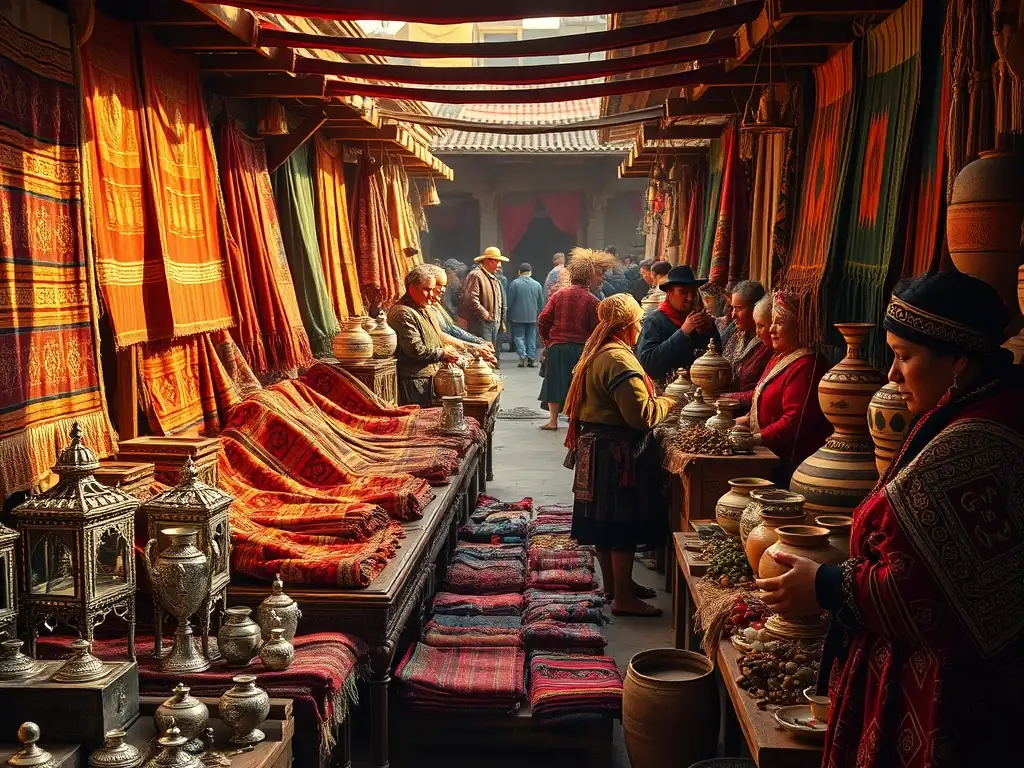
The intricate tapestry of Andean civilizations is woven not only through shared myths and beliefs but also through the tangible evidence of extensive trade networks. Examining material culture provides compelling proof of the interconnectedness of these societies, revealing a complex system of exchange that spanned vast distances and diverse cultural groups. The sheer volume and variety of artifacts discovered across geographically disparate sites demonstrate the scale and sophistication of Andean trade. This section will focus on the archaeological evidence supporting this claim, emphasizing the movement of goods and the implications for cultural interaction.
Archaeological Evidence of Traded Goods
Archaeological excavations across the Andes have unearthed a wealth of artifacts that clearly demonstrate the existence of extensive trade routes. The presence of non-locally sourced materials in archaeological sites offers concrete evidence of exchange. For example, obsidian, a volcanic glass prized for its sharpness, was mined primarily in a few specific locations, yet obsidian tools and artifacts are found across the Andes, indicating its widespread trade. Similarly, spondylus shells, originating from the coastal regions, have been discovered far inland, signifying the movement of these valuable items along established trade networks.
The distribution patterns of these materials, meticulously mapped by archaeologists, reveal the complex pathways along which goods travelled, connecting different Andean communities. Analysis of isotopic signatures within human remains also supports these findings, indicating dietary shifts reflecting access to resources from distant regions. This suggests not just the movement of goods, but also the movement of people, further strengthening the evidence of interconnectedness.
Detailed studies of pottery styles and ceramic technology also provide insights. The presence of similar pottery styles in geographically distant sites, despite variations in local traditions, points to the dissemination of techniques and ideas through trade interactions. For instance, the distinctive Nazca pottery style, renowned for its intricate polychrome designs, has been found in sites far beyond its core region, suggesting a robust trade network extending its influence across the Andes.
Beyond the physical exchange of goods, the Andean trade networks facilitated the dissemination of cultural ideas and artistic motifs. Iconographic analysis of artifacts reveals shared symbolic systems and artistic styles across different cultural groups, suggesting a degree of cultural exchange and mutual influence. The repetition of certain motifs, such as specific deities, geometric patterns, or stylized animals, in the art of geographically distant cultures indicates a shared iconography that likely spread through trade interactions.
These shared visual languages suggest a level of communication and interaction that went beyond simple bartering. For example, the depiction of the feline deity in both coastal and highland art forms, though rendered with local stylistic variations, points towards a shared belief system and possibly a network of religious exchange alongside the movement of goods. Further research into the specific meanings of these shared motifs and their evolution over time can illuminate the nature of the cultural exchange facilitated by the Andean trade networks.
The study of textiles also provides valuable insights. The intricate weaving techniques and stylistic elements found in textiles from different regions often show striking similarities, suggesting the transfer of technological knowledge and artistic inspiration through trade.
Linguistic Connections and Trade
The influence of Andean trade networks extends beyond material culture and artistic expression. Linguistic studies suggest that the movement of people and goods across the Andes also influenced the development of languages. The presence of loanwords and shared linguistic features in languages across different regions suggests linguistic contact and interaction facilitated by trade.
While detailed research on specific linguistic connections related to trade is still ongoing, the existing evidence points to a complex interplay between language, trade, and cultural exchange. The spread of Quechua, for example, across a vast area of the Andes, is partly attributed to the Inca expansion and its associated trade networks. Understanding the linguistic landscape of the Andes requires a nuanced approach, considering the dynamic interaction between trade, migration, and linguistic evolution.
Future research integrating linguistic data with archaeological and iconographic findings will provide a more complete picture of the interconnectedness of Andean civilizations. The study of ancient Andean languages, their evolution, and their relationship to trade routes holds the potential to significantly enhance our understanding of the cultural dynamics of these vibrant societies. The interplay between language and trade is a rich area of research, promising further insights into the complexities of Andean civilization.
The Legacy of Andean Trade Networks in Modern Times
The intricate trade networks of the Andean civilizations didn't simply vanish with the arrival of the Spanish conquistadors. Their impact resonates profoundly in the modern Andean world, shaping economic activities, cultural practices, and even political landscapes. The enduring legacy of these ancient trade routes is visible in several key aspects of contemporary life.
Firstly, many modern-day trade routes and transportation infrastructure still follow, or at least partially overlap, with the ancient Inca Qhapaq Ñan and other pre-Columbian pathways. While the materials and methods have changed drastically, the fundamental geographic logic of connecting disparate regions for efficient exchange remains the same. This continuity is particularly evident in the mountainous regions where ancient trails have been adapted and improved upon for modern vehicular traffic. The strategic placement of settlements along these historical routes, often coinciding with fertile valleys or strategic passes, continues to influence population distribution and economic activity.
Secondly, the cultural exchange facilitated by these ancient networks continues to inform the diverse tapestry of Andean cultures today. The sharing of agricultural techniques, artistic styles, and religious beliefs, once driven by trade, continues to subtly shape the distinct yet interconnected identities of modern Andean communities. For instance, certain culinary traditions or textile designs might trace their origins back to ancient exchanges, showcasing the enduring influence of these historical interactions. This shared cultural heritage fosters a sense of common identity across different regions, even in the context of contemporary national borders.
Thirdly, the economic implications of the ancient trade networks remain relevant today. Many modern economic activities in the Andes, such as agriculture and handicrafts, directly benefit from the historical infrastructure and the established trade connections. Communities continue to produce and trade goods similar to those exchanged centuries ago, albeit within a globalized market.
For example, the production of textiles using traditional techniques, though now often catering to international markets, still relies on the skills and knowledge passed down through generations, directly linked to the ancient Andean exchange systems. Furthermore, the tourism industry directly benefits from the historical sites and remnants of these ancient trade routes, providing economic opportunities for local communities. This economic legacy underscores the enduring value of understanding and preserving these historical networks.
Finally, studying these ancient trade networks offers valuable insights for modern-day development and planning. Understanding the logistical challenges and successes of past Andean trade systems can inform the design of sustainable and effective infrastructure projects in the region today. By considering the historical context, policymakers and planners can make more informed decisions about resource allocation and infrastructure development, ensuring a more equitable and sustainable future.
The lessons learned from the sophisticated logistics of the Inca empire, for instance, remain highly relevant in addressing modern development challenges in the Andes. This intergenerational connectivity highlights the enduring value of understanding and preserving this rich historical heritage.
Conclusion: The Enduring Legacy of Andean Trade Networks
The intricate web of Andean civilizations trade networks profoundly shaped the cultural landscape of the Andes, fostering both cooperation and competition across vast distances and diverse environments. The exchange of goods wasn't merely a transaction; it was a catalyst for technological innovation, artistic expression, and the dissemination of ideas. Understanding these networks provides crucial insights into the sophisticated organizational skills, political strategies, and social structures of these remarkable societies.
The legacy of this interconnectedness continues to resonate today, impacting our understanding of pre-Columbian history and the resilience of human societies in the face of environmental challenges. The impact of these trade routes on the development and evolution of Andean cultures cannot be overstated. It's a testament to the ingenuity and adaptability of Andean civilizations.
The Importance of Studying Andean Trade
The study of Andean trade networks is paramount for several reasons. First, it challenges Eurocentric narratives of pre-Columbian societies, revealing a level of complexity and organization often overlooked. Secondly, analyzing the flow of goods provides valuable data on social hierarchies, political power dynamics, and economic strategies.
For instance, the control of key resources like obsidian or precious metals often correlated with political dominance. Furthermore, tracing the movement of specific artifacts, like ceramics or textiles, illuminates cultural exchange and the diffusion of artistic styles across different regions. Analyzing the distribution of these goods allows us to reconstruct the social networks that sustained these interactions.
The meticulous study of Andean trade routes also allows us to better understand the impacts of climate change and resource scarcity on the societies that inhabited the Andean region. The persistence of certain trade routes over centuries indicates their importance to the long-term survival of these communities. Finally, understanding past trade systems can inform contemporary development strategies in the Andes, particularly in relation to sustainable resource management and regional integration.
The Interconnectedness of Andean Cultures
The vibrant exchange facilitated by Andean civilizations trade networks fostered a remarkable degree of cultural interconnectedness. This wasn't simply a matter of material goods changing hands; rather, it involved the transmission of ideas, religious beliefs, and artistic styles. Consider the widespread distribution of specific pottery styles, revealing the adoption and adaptation of techniques across different cultural groups. Similarly, the presence of similar religious iconography in geographically distant sites suggests the dissemination of religious beliefs through trade routes. The intricate system of chasquis, or Inca runners, expedited communication and the movement of goods, further strengthening this interconnectedness. The shared use of certain agricultural techniques, like terracing, across diverse ecological zones also demonstrates the flow of knowledge and innovation. The movement of people along these trade routes also played a significant role in the spread of languages and cultural practices. This complex interplay of factors created a dynamic and evolving cultural landscape.
Future Research and Exploration of Ancient Trade
Further research into Andean civilizations trade networks holds immense potential. Advanced techniques like isotopic analysis can provide more precise information on the origin of materials and the distances goods traveled. Detailed archaeological excavations along key trade routes are crucial to uncover more evidence of settlements, storage facilities, and other infrastructure associated with trade.
The application of Geographic Information Systems (GIS) can help map and visualize these networks with greater accuracy, revealing patterns and connections not readily apparent through traditional methods. Furthermore, comparative studies between different Andean cultures and their respective trade systems can shed light on the factors that contributed to both their successes and failures. A deeper understanding of the social and environmental factors influencing trade patterns will enhance our comprehension of the complex interplay between humans and their environment in the Andes.
This ongoing research promises to paint an even richer and more nuanced picture of these fascinating societies and their remarkable achievements. The potential for new discoveries and interpretations related to Andean trade is vast, promising a deeper understanding of these civilizations.
Frequently Asked Questions
What role did trade networks play in Andean civilizations?
Trade networks were essential for the economic and cultural development of Andean civilizations. They facilitated the exchange of goods, ideas, and technologies across vast distances, connecting different cultures and empires. This exchange fostered interdependence and shaped the societies of the Andes.
How did geography influence Andean trade routes?
The Andean geography, characterized by mountains, deserts, and coastal regions, presented significant challenges. Routes often followed rivers and valleys, utilizing llamas and other pack animals for transport. Coastal routes played a significant role as well.
What types of goods were traded in the Andean region?
A wide variety of goods were traded, including agricultural products (potatoes, maize, coca), textiles, metals (gold, silver, copper), and luxury items. The exchange of these goods fostered economic specialization and regional prosperity.
Which Andean civilizations were most involved in extensive trade networks?
The Inca Empire had the most extensive network, but civilizations like the Moche, Nazca, and Tiahuanaco also participated in significant trade. These networks connected communities across vast distances, creating a complex system of exchange.
What evidence exists to support the importance of Andean trade networks?
Archaeological evidence, including the discovery of traded goods at distant sites, provides strong support. Furthermore, ethnohistorical accounts and iconographic representations in art depict trade activities and the importance of exchange in Andean societies.
Final Reflection: Weaving a Legacy: The Enduring Threads of Andean Trade
The intricate web of Andean trade networks, far from being a relic of the past, continues to resonate in the vibrant cultural tapestry of the region today. The enduring impact of these ancient exchange systems is undeniable, shaping not only the material culture but also the social and political landscapes of modern South America. Their legacy serves as a powerful reminder of the interconnectedness of human societies and the enduring power of collaboration.
The echoes of these ancient trade routes are still heard in the diverse culinary traditions, artistic expressions, and even the linguistic landscapes of the Andes. The shared heritage forged through centuries of exchange continues to bind communities together, fostering a sense of collective identity that transcends national borders. The past is never dead. It's not even past.
– William Faulkner. This quote perfectly encapsulates the enduring influence of these ancient trade networks, which continue to shape the present and inform the future.
Consider the profound implications of this interconnectedness. How can we, in our increasingly globalized world, learn from the collaborative spirit and ingenuity demonstrated by the Andean civilizations? You, the reader, are now part of this ongoing conversation. Reflect on the power of connection, the importance of understanding diverse perspectives, and the potential for collaboration to build a more just and equitable future. Let the legacy of Andean trade inspire you to build bridges, not walls, in your own life and community.
**Uncover the Rich Tapestry of Andean Connections! **
Thank you for exploring the fascinating world of Andean cultures and their intricate trade networks. This article offers valuable insights into how these connections shaped Andean civilizations. Let's delve deeper and explore this topic further!
Here are a few suggestions to continue your journey of discovery:
- **Join our community:** Subscribe to our newsletter for regular updates on Andean history, culture, and exclusive content!
- **Share your insights:** Discuss this topic with friends or on social media—your perspective may inspire others to appreciate Andean heritage!
- **Explore related resources:** Learn more about specific Andean cultures or trade routes that interest you by visiting our related articles section.
What aspect of Andean trade networks finds you most intrigued, and how do you believe these extensive connections impact our understanding of history today?