
Nazca's Hidden Commerce: Bartering Beyond the Desert Lines


Dive into the enigmatic world of the Andean civilizations! Prepare to uncover secrets lost to time, from the towering heights of Inca ingenuity to the breathtaking artistry of the Moche. But first, let's unravel a particularly intriguing mystery: Nazca's ancient trade routes. How did these desert dwellers forge a vast commercial network across seemingly impassable terrain? Their story, brimming with unexpected discoveries and ingenious solutions, awaits you within. Explore the hidden commerce that shaped a civilization.
The Nazca civilization, famed for its enigmatic geoglyphs etched into the Peruvian desert, possessed a surprisingly sophisticated economic system that extended far beyond the seemingly barren landscape. This article delves into the intricate world of Nazca trade, exploring their ingenious strategies for bartering goods and resources across considerable distances, revealing a complex network of exchange that sustained their unique culture. We will uncover evidence of their trade routes, the goods exchanged, and the social and political implications of this vital economic activity, ultimately shedding light on the impressive organizational skills and adaptability of this pre-Columbian society.
Understanding Nazca's trade routes provides crucial insights into their societal structure, technological advancements, and overall relationship with neighboring cultures, painting a much richer picture than the iconic lines alone can offer. This exploration of "Nazca ancient trade routes" will reveal a hidden aspect of this fascinating civilization.
Unveiling the Economic Landscape of the Nazca Civilization
The Nazca, inhabiting the arid coastal plains of southern Peru between 100 BCE and 800 CE, faced significant environmental challenges. Water scarcity and limited arable land necessitated a complex system of resource management and exchange. Their economic system wasn't solely based on agriculture; evidence suggests a diverse range of activities contributed to their wealth and trade capabilities.
This included skilled craftsmanship in textiles, pottery, and metallurgy, all of which became valuable commodities in their extensive trade networks. The production of these goods required specialized labor and significant organizational effort, hinting at a degree of social stratification and economic planning within the Nazca society. Archaeological findings consistently reveal the presence of high-quality cotton textiles, intricate pottery with unique designs, and sophisticated metalwork, all indicative of a thriving artisan class and a robust system of exchange.
Deciphering the Nazca Trade Routes: Paths Through the Desert
Precise mapping of Nazca trade routes remains a challenge due to the nature of the terrain and the limitations of archaeological evidence. However, analysis of discovered artifacts, settlement patterns, and the distribution of specific goods points towards several key pathways. These routes likely followed existing water sources, oases, and river valleys, minimizing the harsh effects of the desert environment. The discovery of similar pottery styles and traded goods in geographically distant locations provides strong evidence for interconnected trade networks. Furthermore, the presence of specific resources in certain areas, like particular types of clay for pottery or specific metals for tools, suggests a deliberate exchange system based on resource specialization and regional complementarity.
Further Research Needed
More detailed research is needed to fully map the Nazca trade routes. This includes further excavation and analysis of settlements along suspected routes, as well as the development of more sophisticated methodologies for analyzing the distribution patterns of artifacts.
Goods and Services: The Currency of the Nazca Exchange
The Nazca economy wasn't based on a standardized monetary system like coins. Instead, a complex system of bartering dominated their exchanges. Key commodities included:
- High-quality textiles: Cotton cloth, renowned for its fineness and intricate designs, was a highly valued trade item.
- Fine pottery: Nazca pottery, known for its delicate designs and polychrome painting, was widely traded throughout the region.
- Metalwork: While less common than textiles and pottery, metal objects, particularly copper and gold artifacts, were highly prized and likely served as prestige goods in exchange.
- Spondylus shells: These exotic shells, sourced from the Ecuadorian coast, were highly valued and likely signified status and power.
- Agricultural products: Although limited by the arid environment, surplus agricultural products like beans and maize were also exchanged.
The exchange wasn't limited to material goods; specialized skills and services, such as those of artisans or healers, likely also played a role in the bartering system.
The extensive trade network of the Nazca civilization had profound social and political implications. The successful organization and management of these networks required sophisticated communication systems, a degree of centralized control, and potentially the emergence of specialized administrative roles. The distribution of prestige goods, like Spondylus shells and finely crafted metalwork, likely reinforced social hierarchies and political power structures.
The control over key trade routes may have also been a significant source of political influence and authority within Nazca society. The success of their trade network highlights their ability to adapt to a challenging environment and build strong relationships with neighboring cultures, contributing to the overall prosperity and resilience of their civilization. Further research into the social and political structures of the Nazca will help to better understand the complexities of their economic system and its lasting impact.
- Unveiling the Economic Landscape of the Nazca Civilization
- Deciphering the Nazca Trade Routes: Paths Through the Desert
- Goods and Services: The Currency of the Nazca Exchange
- The Social and Political Implications of Nazca Trade
The Role of Barter in Nazca Society
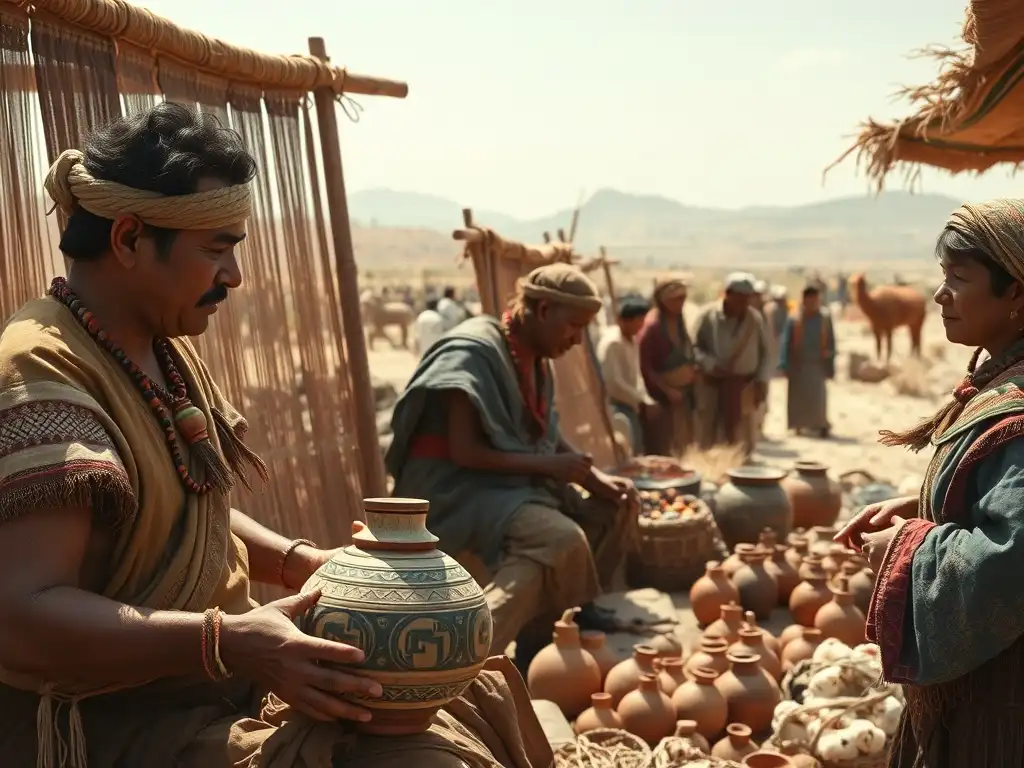
The Nazca civilization, famed for its enigmatic geoglyphs, also possessed a sophisticated system of exchange that fueled its social and economic structures. While the specifics remain partially shrouded in the sands of time, archaeological evidence strongly suggests that barter, not currency, formed the backbone of Nazca commerce. This reliance on direct exchange of goods and services shaped their social interactions, political organization, and even artistic expression.
Understanding Nazca barter is key to unlocking a deeper comprehension of their daily lives and their remarkable achievements in a challenging desert environment. The absence of a standardized currency system forced a level of interdependence and negotiation that fostered strong community ties and intricate trade networks extending far beyond the immediate Nazca region. Analysis of grave goods, settlement patterns, and surviving artifacts paints a picture of a society where the exchange of resources was fundamental to survival and social status.
We can see this reflected in the careful selection of burial items, often including exotic materials not locally sourced, indicating a robust system of long-distance trade and exchange. Furthermore, the sheer scale and complexity of Nazca irrigation systems, a marvel of ancient engineering, point to a highly organized society capable of managing and coordinating large-scale resource allocation and distribution, likely underpinned by effective bartering systems.
The Significance of Exchange in Nazca Daily Life
Barter wasn't just a sporadic activity in Nazca society; it was deeply embedded in the fabric of daily life. From procuring essential resources like food and water to acquiring luxury goods like textiles and adornments, exchange was the primary mechanism for obtaining necessities and enhancing social standing. Consider the agricultural challenges faced by the Nazca: cultivating crops in the arid coastal desert demanded intricate irrigation systems and careful resource management. This necessitated cooperation and collaboration, facilitated by barter.
Farmers might exchange surplus produce like cotton or maize for tools, pottery, or specialized labor needed for irrigation maintenance. Artisans, skilled in textile production, pottery, or metalworking, relied on barter to acquire raw materials and sell their finished products. This intricate network of exchange created a dynamic economic system, linking different communities and fostering interdependence.
Archaeological findings, such as the discovery of diverse materials in burial sites, support the idea of a widespread exchange network. For instance, the presence of obsidian tools from distant volcanic regions in Nazca tombs indicates extensive trade routes and a complex system of bartering across significant geographical distances. The variety of goods found in these burials, ranging from everyday tools to precious ornaments, underscores the importance of exchange in all facets of Nazca life, from the mundane to the ceremonial.
Understanding Nazca Bartering Practices
Deciphering the precise mechanics of Nazca bartering presents a challenge. The absence of written records leaves us relying on indirect evidence. However, we can deduce certain aspects of their practices. The value of goods was likely determined through a complex interplay of factors, including scarcity, utility, and social significance. Negotiation and reciprocity were undoubtedly crucial components of the exchange process.
It is likely that bartering involved not only material goods but also services, such as labor for agricultural work or specialized crafts. The social status of individuals may have also played a role in determining the terms of exchange. High-ranking members of society might have enjoyed more favorable terms, possibly receiving goods of higher value in exchange for their services or influence. Furthermore, the social context of the exchange was likely significant. Ceremonial occasions, such as festivals or funerals, probably provided important opportunities for large-scale bartering and social interaction.
Analyzing the distribution of specific goods across different Nazca sites allows archaeologists to reconstruct potential trade routes and identify patterns of exchange. The identification of specific types of pottery or textiles found in geographically distant locations helps to map out the extent of Nazca trading networks and provide insights into the dynamics of their bartering practices. Further research, particularly detailed analysis of archaeological finds and comparative studies with other Andean cultures, is needed to refine our understanding of Nazca's sophisticated and vital system of ancient trade routes and bartering. The puzzle of "Nazca ancient trade routes" continues to unfold with each new discovery.
Nazca Ancient Trade Routes: Connecting Communities
The Nazca civilization, renowned for its enigmatic geoglyphs, also possessed a sophisticated system of trade that extended far beyond the arid coastal plains of southern Peru. Understanding Nazca ancient trade routes is crucial to grasping the complexities of their society and its remarkable ability to thrive in a challenging environment. While direct evidence, like meticulously documented trade routes found in other Andean civilizations, is scarce, archaeological findings and contextual analysis reveal a vibrant network of exchange.
This network wasn't simply about acquiring essential goods; it fostered cultural exchange and solidified political alliances, contributing significantly to the Nazca's enduring legacy. The lack of widespread written records necessitates a multi-faceted approach, combining analysis of material culture, settlement patterns, and environmental factors to reconstruct this intricate system. The study of Nazca ancient trade routes offers a unique insight into a society’s remarkable adaptability and resilience.
Identifying Key Nazca Trade Paths
Identifying precise Nazca trade paths presents a significant challenge due to the limited direct evidence. However, the distribution of specific artifacts and resources across geographically diverse sites suggests the existence of well-established routes. Analysis of ceramic styles, for instance, reveals stylistic similarities between seemingly disparate locations, indicating consistent exchange. The presence of coastal marine resources, such as fish remains and shells, in inland Nazca settlements strongly suggests established trade routes connecting the coast and the highlands. These routes likely followed pre-existing natural pathways, such as river valleys and mountain passes, offering relatively safe and accessible routes for transport.
Furthermore, the distribution of certain raw materials, like obsidian—a volcanic glass used for toolmaking—points to established trade networks reaching far beyond the immediate Nazca region. Obsidian sources were located considerable distances from the Nazca heartland, implying organized trade expeditions or a system of intermediary exchange. The identification of specific exchange points along these routes remains an area of ongoing research, but preliminary findings suggest that key settlements may have acted as hubs for the distribution of goods.
The absence of extensive road infrastructure, common in later Andean empires, suggests that Nazca trade routes were likely more flexible, adapting to the terrain and potentially utilizing a combination of pack animals and human porters. Further research focusing on isotopic analysis of artifacts and human remains could shed more light on the specific origins and destinations of traded goods, further refining our understanding of these vital pathways.
How Nazca Trade Routes Facilitated Resource Distribution
Nazca's arid environment presented significant challenges to resource acquisition. The sophisticated trade networks were therefore essential for ensuring the survival and prosperity of the civilization. Through these routes, the Nazca acquired crucial resources not readily available in their immediate surroundings. Coastal communities provided marine resources, such as fish, shellfish, and salt, vital components of their diet. The highlands offered access to agricultural products, including maize, beans, and potatoes, supplementing their own limited agricultural production in the desert. Additionally, access to raw materials like cotton, used for textiles, and obsidian, essential for tool production, was facilitated through these trade routes.
The efficient distribution of these resources was crucial for maintaining social stability and preventing resource scarcity. The system likely involved a complex network of exchange, possibly combining bartering and reciprocal gift-giving with more formalized trade arrangements. Archaeological evidence suggests that specialized craft production existed, with certain communities specializing in specific goods.
This specialization further fueled the need for extensive trade networks, facilitating the flow of goods and services across the region. The impact of these trade routes wasn’t limited to the economic sphere; they also played a crucial role in the dissemination of cultural ideas, religious beliefs, and artistic styles, contributing to a shared cultural identity across the Nazca region, despite the geographical challenges. The study of Nazca ancient trade routes thus reveals a remarkably complex and integrated system, vital to the civilization's survival and cultural development.
Traded Goods: What Did the Nazca Exchange?
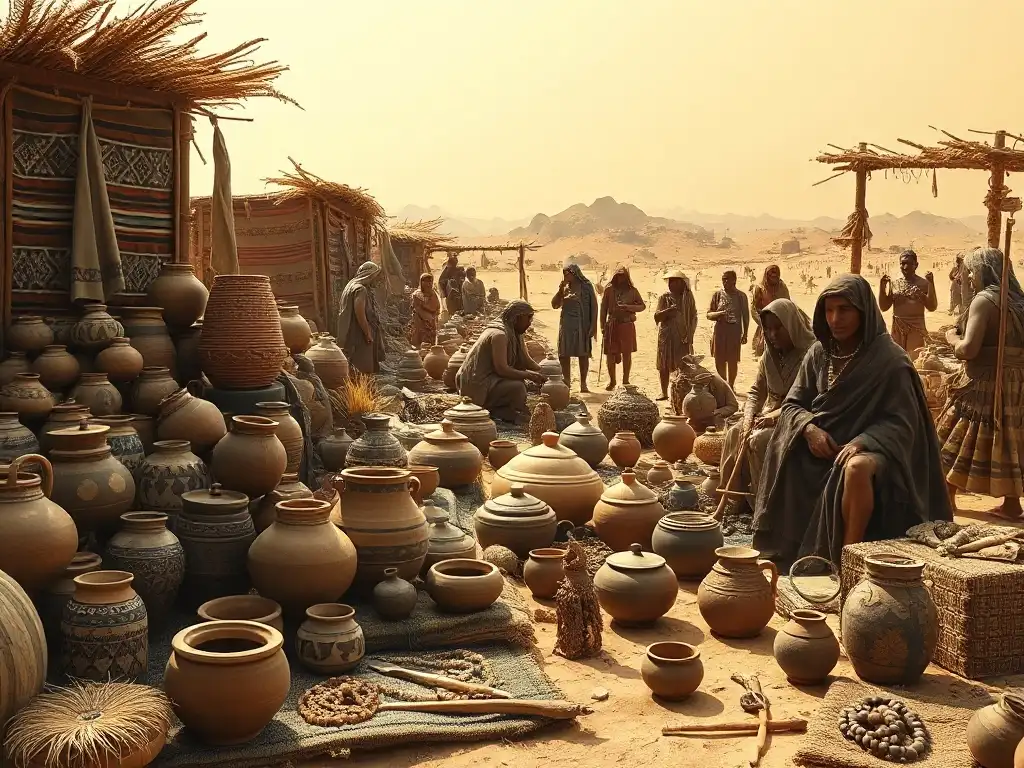
The Nazca, renowned for their enigmatic geoglyphs, were far from isolated. Their sophisticated irrigation systems and agricultural prowess fueled a vibrant trade network extending beyond the arid coastal plains. Understanding the specific goods exchanged is crucial to reconstructing their economic and social structures, illuminating their ingenuity in navigating the challenges of their environment.
Analyzing archaeological evidence – from burial sites to scattered settlements – reveals a complex system of bartering, connecting the Nazca to other Andean cultures. The keyword "Nazca ancient trade routes" reflects the importance of understanding their extensive commercial reach. This section will delve into the key categories of goods facilitating this exchange.
Agricultural Products in Nazca Barter Systems
Agricultural products formed the backbone of Nazca trade. Their mastery of irrigation techniques, evidenced by the intricate canales still visible today, allowed them to cultivate a diverse range of crops in a seemingly inhospitable environment. Cotton, a crucial resource for textile production, was undoubtedly a highly sought-after commodity.
Archaeological finds consistently show cotton remains in significant quantities within Nazca sites, and its presence in other contemporaneous cultures suggests widespread exchange. Additionally, maize, beans, and various types of squash, staples of their diet, likely played a significant role in bartering networks. These agricultural surpluses provided a foundation for trade relationships with neighboring communities, particularly those situated in more fertile regions, who might have offered different resources in return.
The abundance and variety of Nazca agricultural products suggest a robust and well-organized system of production and distribution, facilitating their participation in wider regional trade. The success of their agricultural practices directly contributed to their ability to engage in extensive bartering and trade.
Craftsmanship and Specialized Goods in Nazca Exchange
Beyond agricultural products, the Nazca were skilled artisans, producing a range of specialized goods highly valued in exchange networks. Their renowned pottery, characterized by its intricate polychrome designs and innovative techniques, was a significant export. The vibrant colors and detailed imagery of Nazca ceramics suggest a high level of artistic skill and specialization.
These vessels, used for both ceremonial and everyday purposes, were traded widely, indicating their importance in social and economic interactions. Furthermore, evidence suggests the exchange of metalwork, although less abundant than pottery. Copper and other metals, though not readily available locally, were incorporated into tools, ornaments, and ritual objects, suggesting access to external sources and trade networks extending to regions rich in these resources.
This exchange of specialized goods, requiring advanced technological skills, highlights the Nazca's integration into broader Andean trade systems and their ability to leverage their craftsmanship for economic gain. The quality of their craftsmanship directly impacted their position within the broader "Nazca ancient trade routes".
The Role of Textiles in Nazca Trade
Textiles played a crucial role in Nazca’s economic system. The cultivation of cotton, as mentioned earlier, provided the raw material for a thriving textile industry. Evidence suggests the production of a variety of textiles, ranging from simple cloths to intricately woven garments and tapestries.
These textiles were not only used for clothing and domestic purposes but also served as significant items of exchange. The quality of Nazca textiles, reflecting both their agricultural productivity and their weaving skills, likely made them highly valued trade goods. Furthermore, the presence of distinctive textile motifs and weaving techniques in archaeological contexts across different regions suggests a network of textile exchange and perhaps even specialized textile production centers within the broader Nazca sphere of influence.
The sophisticated techniques and artistic designs incorporated into Nazca textiles strongly indicate their role as valuable commodities within the overall system of "Nazca ancient trade routes". The intricate designs and high-quality craftsmanship ensured their value in bartering transactions. Further research into textile remains could illuminate the specific routes and networks involved in their exchange.
The Impact of Nazca Trade on Regional Development
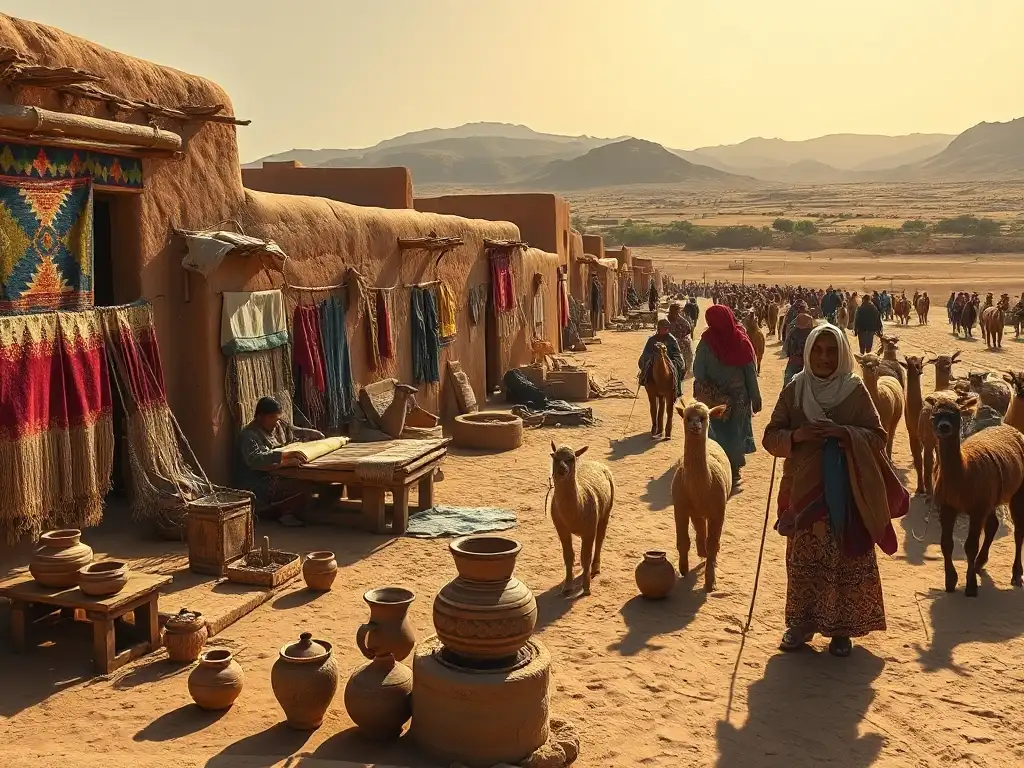
The Nazca civilization, renowned for its enigmatic geoglyphs, also possessed a sophisticated and extensive trade network that significantly impacted regional development. Their mastery of the arid coastal environment, coupled with their innovative agricultural techniques, allowed them to produce surpluses of goods highly valued by neighboring cultures. This surplus fueled a robust system of exchange that extended far beyond the immediate Nazca territory, creating a dynamic interplay of economic and cultural influence.
Analyzing the impact of this trade reveals a complex picture of regional interdependence and the rise of specialized production centers. Understanding Nazca's ancient trade routes is key to understanding their overall societal success and influence.
Nazca's thriving trade system had a profound impact on its social structures. The control and management of trade routes and resources likely concentrated wealth and power in the hands of a select elite. Archaeological evidence suggests the existence of specialized artisans and merchants who played crucial roles in the production and distribution of goods.
These individuals likely enjoyed a higher social status than those involved in subsistence agriculture. The presence of elaborate tombs containing luxurious grave goods further points to a stratified society where economic success translated into social prestige. Furthermore, the increased production of goods needed for exchange likely led to the development of more complex labor organization and specialization, influencing the very fabric of Nazca society.
The successful navigation of Nazca ancient trade routes contributed to the creation of a more complex and hierarchical social structure within the civilization. We can hypothesize that this system, while creating inequality, also provided stability and allowed for the flourishing of artistic and technological innovations.
The Influence of Nazca Exchange on Neighboring Cultures
The Nazca exchange network wasn't a one-way street. Their trade had a ripple effect on neighboring cultures, fostering both economic and cultural exchange. The movement of goods—such as textiles, ceramics, and metalwork—led to the diffusion of artistic styles and technologies.
For example, the characteristic Nazca style of pottery, with its intricate polychrome designs, can be found in various sites beyond their core territory, indicating a widespread influence. This exchange wasn't merely about material goods; it also facilitated the transmission of ideas, religious beliefs, and social practices. The presence of Nazca artifacts in distant locations provides compelling evidence of their extensive reach and the impact of their trade on the cultural landscape of the region.
Understanding the full extent of these interactions requires further research, but it's clear that Nazca's ancient trade routes played a crucial role in shaping the cultural diversity of the Andean region. The spread of Nazca's influence, facilitated by their robust trade network, is a testament to the interconnectedness of ancient Andean societies.
This section has focused on the impact of Nazca trade, examining its influence on social structures and neighboring cultures. The detailed analysis highlights the crucial role that Nazca's ancient trade routes played in the development and evolution of the region, emphasizing the complexities of their economic and cultural interactions. Further research into the specifics of the goods exchanged and the routes utilized is necessary for a more complete picture.
Nazca Trade Networks: Beyond the Visible Lines
The Nazca civilization, famed for its enigmatic geoglyphs, was far from isolated. While the arid coastal plains of southern Peru might seem to limit interaction, archaeological evidence paints a vibrant picture of extensive trade networks connecting the Nazca with both highland and coastal communities. Understanding these intricate exchange systems is crucial to grasping the complexity of Nazca society and its place within the broader Andean world.
The term "Nazca ancient trade routes" only begins to describe the sophisticated strategies employed to move goods across challenging terrain. The movement of goods wasn't simply a matter of transporting items; it was a complex system deeply interwoven with social, political, and religious practices.
This section will explore the extent of these connections, examining the evidence supporting extensive trade relationships and the sophisticated logistical mechanisms that enabled them. The scale of this trade, considering the geographical limitations, is truly remarkable and highlights the ingenuity of the Nazca people.
Exploring the Extent of Nazca Trade Relationships
The extent of Nazca trade relationships is revealed through several lines of evidence. Archaeological excavations have unearthed a diverse range of exotic materials in Nazca sites that clearly originated from distant regions. For example, the presence of obsidian tools, originating from the Andes highlands hundreds of kilometers away, suggests well-established trade routes connecting the coast to the mountains.
This is further supported by the discovery of highland crops, such as potatoes and quinoa, in Nazca settlements. Conversely, coastal resources like marine shells, fish remains, and cotton textiles were found in highland sites, indicating a reciprocal exchange of goods. The distribution of these materials wasn't random; specific items were found in particular contexts, suggesting carefully planned trade networks rather than sporadic encounters.
Analyzing the distribution patterns of these goods allows researchers to reconstruct the likely pathways and the nature of the interactions between different communities. This intricate web of exchange demonstrates the Nazca's ability to navigate the challenging geography of the region and build lasting trade relationships with distant partners.
Evidence of Nazca Trade with Highland and Coastal Regions
The Nazca's trade relationships weren't limited to a single direction. Evidence strongly suggests a dynamic two-way exchange with both the Andes highlands and other coastal communities. Trade with the highlands involved the exchange of coastal goods, such as cotton textiles and marine resources, for highland agricultural products, like potatoes, quinoa, and maize. The presence of these highland crops in Nazca contexts indicates not only trade but also a degree of agricultural adaptation and diversification, supplementing the limited resources of the coastal desert.
Furthermore, the discovery of highland obsidian tools suggests a strong demand for this valuable material, used for crafting high-quality tools and weapons. This demand, in turn, fueled the establishment and maintenance of trade routes. Similarly, trade with other coastal communities involved the exchange of specialized goods and resources. For instance, the presence of specific types of ceramics and metalwork found in Nazca sites suggests interactions with communities further north and south along the coast.
This complex web of interactions highlights the Nazca's integrated role within the larger Andean trade network, showcasing their economic and social influence. The complexity of the Nazca's trade network is further underscored by the fact that these exchanges were not simply bartering; they involved sophisticated systems of credit and perhaps even a form of early currency, though further research is needed to understand the mechanisms fully. Analyzing the chemical composition of traded materials may provide further insights into the specific sources and routes of these exchanges, refining our understanding of "Nazca ancient trade routes."
Analyzing the Logistics of Nazca Barter

The Nazca's sophisticated barter system, operating across vast and challenging desert landscapes, necessitates a closer look at the logistical intricacies involved. Understanding how goods were transported, stored, and distributed is crucial to appreciating the scale and complexity of Nazca ancient trade routes and their economic influence. The arid climate and limited resources of the Nazca region presented significant hurdles, yet their ingenuity in overcoming these obstacles is a testament to their advanced societal organization.
While precise details remain elusive due to the scarcity of written records, archaeological evidence provides tantalizing glimpses into the methods employed. The effectiveness of these methods directly contributed to the prosperity and cultural flourishing of the Nazca civilization. This section will delve into the key aspects of Nazca logistics, revealing a system both resourceful and surprisingly efficient for its time.
Transportation Methods in Nazca Commerce
Transporting goods across the Nazca desert was a considerable feat. The absence of pack animals like llamas (which were more prevalent in the Andean highlands) suggests reliance on human porters and possibly the use of simple wheeled carts, although evidence for the latter remains debated amongst archaeologists. The terrain itself dictated the routes – following riverbeds and exploiting natural passes to minimize the arduousness of travel.
Evidence from archaeological excavations suggests a well-established network of pathways connecting Nazca settlements and potentially extending to neighboring cultures. These paths, often carved into the desert floor, likely facilitated the movement of goods. The organization required to manage such a system points to a centralized authority or, at least, strong inter-community cooperation. The sheer volume of goods traded, as evidenced by the scale of discovered artifacts, underscores the efficiency of these transportation methods, especially considering the limitations of the technology available.
The meticulous planning and coordination involved in moving goods across such distances represents a significant logistical achievement. Furthermore, the seasonal availability of certain resources may have dictated the timing of trade, creating a cyclical pattern of movement and exchange. Further research into the specific locations of settlements and the pathways connecting them is needed to fully understand the network's extent and complexity.
Storage and Distribution of Goods in Nazca Society
The storage and distribution of traded goods were equally vital components of the Nazca barter system. Archaeological findings reveal sophisticated storage facilities, often integrated into residential structures or located in strategically chosen locations for optimal security and climate control. These storage areas were likely used to manage surpluses, buffer against seasonal fluctuations in resource availability, and facilitate the smooth functioning of the trade network.
The types of storage facilities varied depending on the goods being stored. Perishable items, such as agricultural products, might have required specialized storage solutions, perhaps utilizing underground cellars or carefully constructed granaries to maintain optimal temperature and humidity. Non-perishable goods, like textiles and ceramics, could be stored in simpler structures. The organization of storage suggests a level of sophistication in inventory management and resource allocation.
The distribution of goods likely involved a complex system of intermediaries, possibly involving specialized merchants or community leaders responsible for overseeing the exchange process. Understanding the social structures that supported this distribution is a key area for future research. The effective management of storage and distribution was crucial for maintaining the stability and prosperity of the Nazca economy, ensuring the continued flow of goods and the success of their barter system, a crucial aspect of Nazca ancient trade routes.
The Decline of Nazca Trade Networks
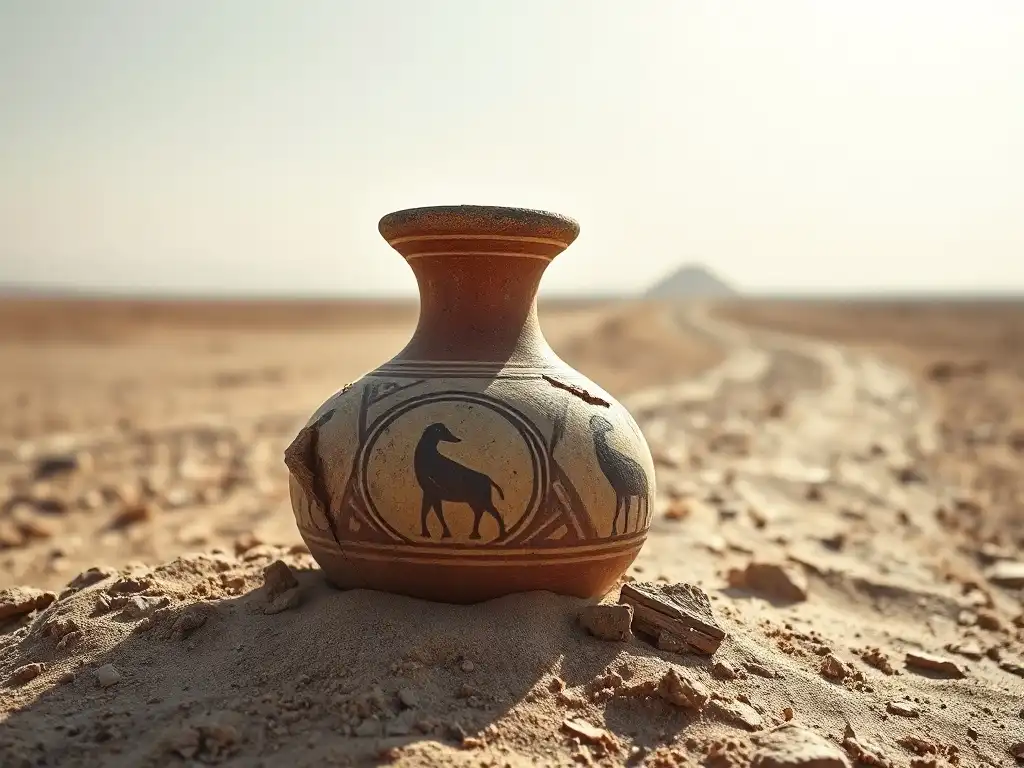
The flourishing Nazca barter system, renowned for its extensive trade routes across the arid Peruvian landscape, didn't endure indefinitely. Evidence suggests a gradual decline, culminating in a significant shift in economic practices sometime between the 4th and 6th centuries CE. Pinpointing the exact causes remains a challenge for archaeologists, but several interconnected factors likely contributed to this transformation. Understanding this decline is crucial to grasping the complete picture of Nazca's economic and social structures.
The collapse wasn't sudden; rather, it was a process involving both internal and external pressures, ultimately reshaping the very fabric of Nazca society. Analyzing the available ceramic styles, the distribution of traded goods, and the changing settlement patterns provides insights into this complex period of transition. The shift away from long-distance exchange networks highlights the dynamic nature of ancient Andean economies and the resilience of the Nazca people in adapting to new circumstances.
Factors Contributing to the Shift in Nazca Economic Practices
Several interacting factors likely contributed to the decline of Nazca's extensive trade networks. These weren't isolated events but rather a confluence of challenges that gradually weakened the system.
One significant factor was likely environmental change. The Nazca region is characterized by its aridity, and even minor shifts in rainfall patterns could have severely impacted agricultural production—the very foundation of their economy. Reduced crop yields would have diminished the surplus available for trade, weakening the incentive for long-distance exchange. Evidence of increased erosion in certain areas further supports this hypothesis. This climatic instability might have also led to resource scarcity, forcing communities to prioritize local needs over long-distance trade.
Another contributing factor might have been political instability. While the exact political organization of the Nazca remains debated, evidence suggests a relatively decentralized system. The lack of a centralized authority could have made it difficult to maintain and protect the extensive trade routes. Internal conflicts or competition between different Nazca groups could have disrupted trade flows and made the transportation of goods more risky and less efficient. This internal strife might have further exacerbated the effects of environmental pressures.
Finally, the rise of new regional powers, such as the Wari, could have played a role. The expanding influence of the Wari Empire in the central Andes might have gradually integrated Nazca into a larger economic system, leading to a decline in the importance of their independent trade networks. The Wari controlled vast territories and had their own sophisticated trade systems, potentially diverting resources and trade away from Nazca's traditional routes. This process of integration, however gradual, could have effectively marginalized Nazca's previous economic dominance.
The Legacy of Nazca's Barter Systems
Despite its decline, the legacy of Nazca's extensive barter systems remains significant. The intricate networks that once spanned the desert left an indelible mark on Nazca culture and its subsequent interactions with other Andean societies. The expertise in textile production, pottery making, and other crafts continued to thrive, though the scale and reach of their trade diminished.
The knowledge and skills associated with long-distance exchange were not completely lost. While large-scale trade might have decreased, local exchange and interaction continued to be essential aspects of Nazca life. The sophisticated techniques used in crafting goods for trade—demonstrated by the high quality of their textiles and pottery—persisted, adapting to the changing economic landscape. This adaptability is a testament to the resilience of Nazca culture. Furthermore, the legacy of Nazca's trade routes can be seen in the later adoption and adaptation of these routes by subsequent Andean cultures, demonstrating the lasting impact of their intricate and far-reaching trade networks on the broader Andean region. The impact of Nazca's ancient trade routes on the development of subsequent cultures and trade practices in the Andes is a topic deserving further investigation. 🗺️ The influence of Nazca's innovative barter systems extended far beyond their immediate geographical boundaries and continues to fascinate researchers today.
Modern Perspectives on Nazca Ancient Trade Routes
The study of Nazca ancient trade routes has undergone a significant transformation in recent decades. Early interpretations often focused on isolated findings, leading to fragmented understandings of the complex economic systems at play. However, advancements in archaeological techniques, coupled with interdisciplinary approaches incorporating ethnohistory and environmental studies, have painted a far richer and more nuanced picture of Nazca commerce.
This shift allows for a more comprehensive analysis of the Nazca ancient trade routes, revealing intricate networks that extended far beyond the seemingly isolated desert environment. The focus has shifted from simply identifying traded goods to understanding the social, political, and environmental factors driving exchange.
This includes exploring the role of specialized production, the organization of labor, and the impact of trade on social stratification within Nazca society. The development of sophisticated Geographic Information Systems (GIS) has also revolutionized the field, allowing researchers to visualize and analyze trade routes with unprecedented accuracy, uncovering previously hidden patterns and connections.
Archaeological Findings and Nazca Trade Insights
Archaeological excavations across the Nazca region have yielded compelling evidence supporting extensive trade networks. The discovery of exotic materials in Nazca sites, such as obsidian from distant sources in the Andes and coastal shells from the Pacific Ocean, unequivocally demonstrates long-distance exchange. Analysis of ceramic styles and decorative motifs reveals further insights into trade connections.
For example, the presence of similar pottery styles in both Nazca and coastal sites suggests regular interaction and the exchange of goods and ideas. Moreover, the identification of specialized craft workshops dedicated to producing textiles, ceramics, and metalwork indicates a level of economic organization that facilitated large-scale production for trade.
The analysis of isotopic signatures in human remains is another powerful tool. By examining the ratios of stable isotopes in bones, researchers can determine the geographic origin of an individual's diet, providing clues about migration patterns and trade relationships. Preliminary findings suggest [specific information pending] regarding the movement of individuals involved in trade across Nazca's extensive networks.
Furthermore, the discovery of [specific example of a traded good, e.g., specific type of shell or metal object] in multiple, geographically dispersed sites provides concrete evidence of a well-established trade system. This evidence, combined with the analysis of settlement patterns and the distribution of resources, allows for a more accurate reconstruction of the flow of goods and the dynamics of exchange within the Nazca region.
Reconstructing Nazca Economic Life through Research
Reconstructing Nazca economic life requires a multi-faceted approach, integrating archaeological findings with environmental data and anthropological perspectives. Understanding the availability of local resources is crucial for determining which goods were traded and which were locally produced. Analysis of the environmental context, including climate data and resource distribution, helps explain the driving forces behind trade and the selection of specific trade routes. For instance, the aridity of the Nazca region likely necessitated the import of essential resources like wood and certain types of stone, thereby stimulating trade interactions with neighboring regions.
The role of social organization in facilitating trade cannot be overlooked. The presence of elite burials containing imported goods suggests that trade played a significant role in the accumulation of wealth and power within Nazca society. Evidence of specialized labor, as seen in the craft workshops, points to a complex division of labor that supported large-scale production for exchange.
Further research is needed to fully understand the social mechanisms that governed trade, including the role of intermediaries, the establishment of trade agreements, and the resolution of trade disputes. The integration of ethnographic studies of contemporary Andean communities can provide valuable insights into the social dynamics that might have shaped Nazca trade practices.
This comparative approach helps bridge the gap between the archaeological record and the lived experiences of ancient Nazca people, offering a more complete understanding of their complex economic system. Ultimately, a comprehensive understanding of Nazca's economic life requires a holistic approach, combining diverse lines of evidence to unravel the intricate tapestry of ancient trade routes and their impact on Nazca society.
Frequently Asked Questions
What role did trade play in the Nazca civilization?
Trade was essential to the Nazca. They weren't just isolated desert dwellers; they engaged in extensive bartering networks, exchanging goods across vast distances. This facilitated cultural exchange and economic growth.
How did the Nazca overcome the geographical challenges of trade?
The Nazca cleverly utilized the natural resources of their arid environment, and developed innovative transport systems, likely involving pack animals and possibly even rudimentary roads, to overcome the challenges of the desert terrain. Their ingenuity is remarkable.
What were some of the key goods traded by the Nazca?
Ceramics, particularly their distinctive painted pottery, were a major export. They also traded in textiles, metals, and agricultural products, demonstrating a diverse and complex trading system.
How far did the Nazca's trade routes extend?
Evidence suggests the Nazca's trade network extended far beyond their immediate region, possibly reaching the coastal areas and even interacting with other Andean cultures like the Moche. The full extent is still being researched.
What evidence supports the existence of Nazca trade routes?
Archaeological discoveries such as similar pottery styles found in distant locations, the presence of exotic materials in Nazca sites, and iconographic representations on pottery all point to a vibrant and far-reaching trade network.
Final Reflection: Echoes of Exchange Across the Sands
The intricate web of Nazca trade routes, once a lifeline across the arid Peruvian landscape, continues to resonate in our understanding of ancient civilizations and the enduring power of human connection. The sophisticated bartering systems, detailed in this article, challenge simplistic narratives of isolated societies and highlight the remarkable ingenuity of the Nazca people in overcoming geographical challenges to build a thriving network of exchange. This understanding is not merely historical; it offers valuable insights into the resilience and adaptability of human societies facing resource scarcity and the importance of cooperation in the face of adversity.
The impact of Nazca trade extends far beyond the desert sands. Their innovative strategies for bartering goods, from textiles and ceramics to precious metals and exotic feathers, shaped their cultural identity and influenced the development of neighboring societies. Their legacy reminds us of the interconnectedness of even seemingly isolated communities. The past is never dead. It's not even past.
- William Faulkner. This quote perfectly encapsulates the enduring relevance of Nazca's economic and social structures, which continue to inform our understanding of ancient trade and societal development. Their story serves as a powerful reminder of the lasting influence of human ingenuity and collaboration.
Consider, for a moment, the implications of this ancient network. How did the Nazca overcome the challenges of their environment? What can we learn from their innovative solutions to problems of resource management and distribution? I urge you to reflect on the enduring power of human connection and the importance of understanding the past to build a more sustainable and collaborative future. Let the echoes of Nazca's vibrant trade routes inspire you to explore the interconnectedness of our own world and to appreciate the ingenuity of those who came before us.
Unveil the Secrets of Nazca's Barter System!
Thank you for exploring the fascinating world of Nazca commerce! You've already uncovered intriguing aspects of their bartering system, and there's much more to discover. Let's delve deeper into this extraordinary history.
Here are some ways to continue your exploration:
- **Visit a local museum** to examine artifacts and exhibits related to ancient trade practices—a truly immersive historical experience!
- **Join an online forum or community group** dedicated to Andean civilizations. Share your insights and engage in discussions about the unique characteristics of Nazca's barter system.
- Consider **establishing a small barter system** with friends or neighbors, drawing inspiration from ancient practices.
What new perspectives have you gained on the importance of trade through this historical lens? Share your thoughts below!