
The Silent Barter: Understanding the Unwritten Rules of Ancient Andean Trade

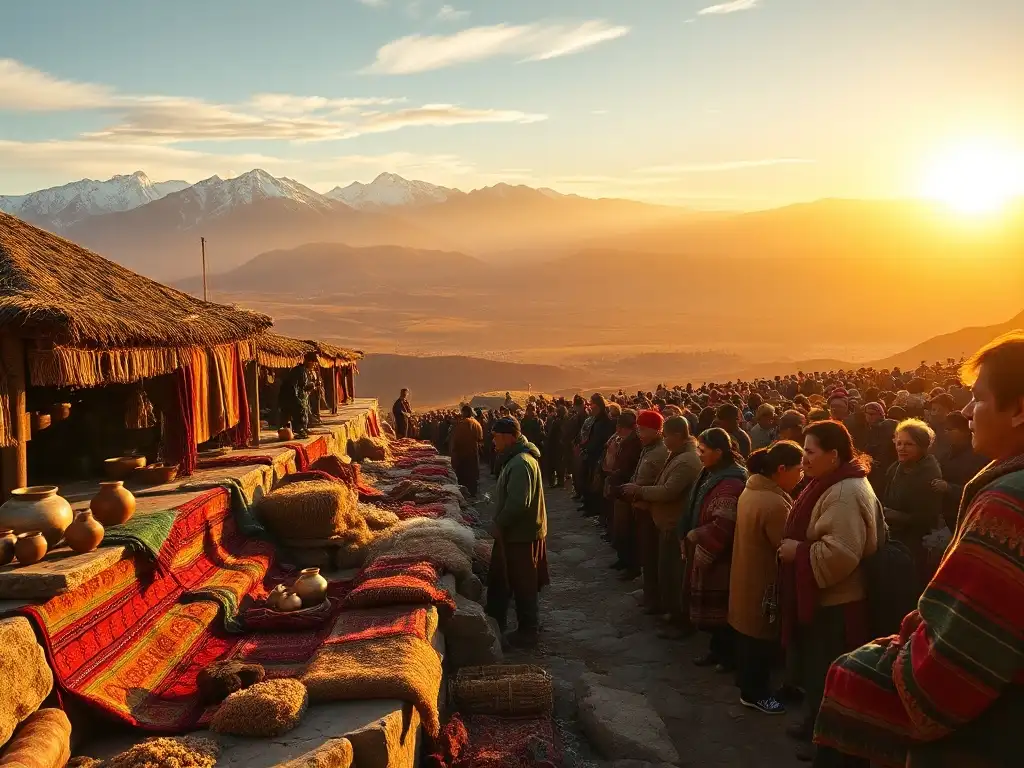
Dive into a world lost to time, yet echoing with the whispers of a vibrant past. Imagine a network of bustling trade routes spanning the Andes, where sophisticated systems of exchange connected distant civilizations. Forget everything you think you know about ancient trade.
This website delves into the fascinating world of Ancient Andean trade practices, revealing the intricate, often silent, bartering systems that fueled the rise and fall of empires like the Inca, Moche, and Nazca. Uncover the secrets behind their economic prowess and prepare to be amazed by the ingenuity of these remarkable societies. Ready to unravel the mysteries of their unwritten rules?
The vast and intricate tapestry of Andean civilizations, spanning millennia and encompassing diverse cultures like the Incas, Moche, Nazca, and Tiahuanaco, was woven together not only by shared geography but also by a complex system of trade. This wasn't simply a matter of exchanging goods; it was a deeply ingrained social and economic practice governed by unwritten rules, unspoken agreements, and a profound understanding of reciprocity. This article delves into the fascinating world of Ancient Andean trade practices, exploring the intricate networks, the crucial role of reciprocity, and the enduring legacy of this sophisticated system.
Understanding these "silent barters" provides crucial insight into the social structures, political power dynamics, and overall economic prosperity of these remarkable civilizations. We will uncover how these seemingly simple exchanges were fundamental to the survival and flourishing of Andean societies for centuries.
Introduction to Ancient Andean Trade Networks
Ancient Andean trade networks were far more sophisticated than initially perceived. They weren't haphazard exchanges but rather meticulously planned systems that connected distant communities across challenging terrains. The Andes Mountains, with their steep slopes and treacherous passes, presented significant obstacles. However, ingenious solutions were developed, utilizing a variety of transportation methods and establishing strategic routes. These routes weren't just paths; they were lifelines, facilitating the movement of essential goods and fostering cultural exchange.
The scale of these networks is truly impressive. Evidence suggests extensive trade connections between coastal regions, high-altitude valleys, and the Amazon basin. Goods traveled hundreds, even thousands, of miles, showcasing the remarkable organizational capabilities of these societies.
This involved not only the efficient transportation of goods but also the establishment of reliable communication systems, likely relying on a combination of runners, messengers, and perhaps even a rudimentary form of signaling. The sheer logistical complexity of these operations underscores the advanced level of social and political organization present in these ancient civilizations. Further research is needed to fully understand the specific mechanisms used for long-distance communication and coordination.
The goods themselves varied widely, reflecting the diverse environments and specialized production across the Andean region. Coastal communities provided marine resources like fish and shellfish, while highland areas offered agricultural products like potatoes, maize, and coca leaves. Precious metals like gold and silver, along with textiles, ceramics, and stone tools, also played a significant role in trade, often serving as prestige items or markers of social status. The distribution of these goods reveals intricate patterns of exchange and highlights the interdependence of different communities.
The Importance of Reciprocity in Andean Economies
Reciprocity was not merely a component of Andean trade; it was its very foundation. The concept of ayni, a Quechua term referring to reciprocal exchange, permeated all aspects of Andean life, from everyday interactions to large-scale economic transactions. This wasn't simply a matter of bartering goods; it involved a complex system of obligations and mutual support that cemented social bonds and ensured the stability of the community.
The principle of reciprocity extended beyond simple bartering. It encompassed labor exchange, communal work projects, and the sharing of resources during times of need. This system fostered a sense of collective responsibility and ensured that resources were distributed fairly, mitigating risks associated with unpredictable harvests or natural disasters. The success of this system depended on trust, social cohesion, and a shared understanding of mutual obligations. Failure to fulfill one's reciprocal obligations could lead to social sanctions and ostracism.
The integration of reciprocity into the economic system had profound implications for Andean societies. It fostered social stability, reduced inequality, and promoted cooperation. While evidence suggests the existence of hierarchical structures and power imbalances, the principle of reciprocity provided a crucial mechanism for mitigating these disparities and ensuring the continued functioning of the society as a whole. Further research could illuminate the precise mechanisms by which reciprocity regulated economic activity and maintained social harmony in different Andean cultures. The implications of this system for our understanding of economic models and social organization are significant and warrant further investigation.
- What were the primary goods traded in the Ancient Andes?
- How did the Ancient Andean civilizations conduct trade without a written language?
- What role did llamas and alpacas play in Ancient Andean trade?
- Were there any major trade centers or hubs in the Ancient Andes?
- How did the geography of the Andes influence trade practices?
Unveiling the Mechanisms of Ancient Andean Barter
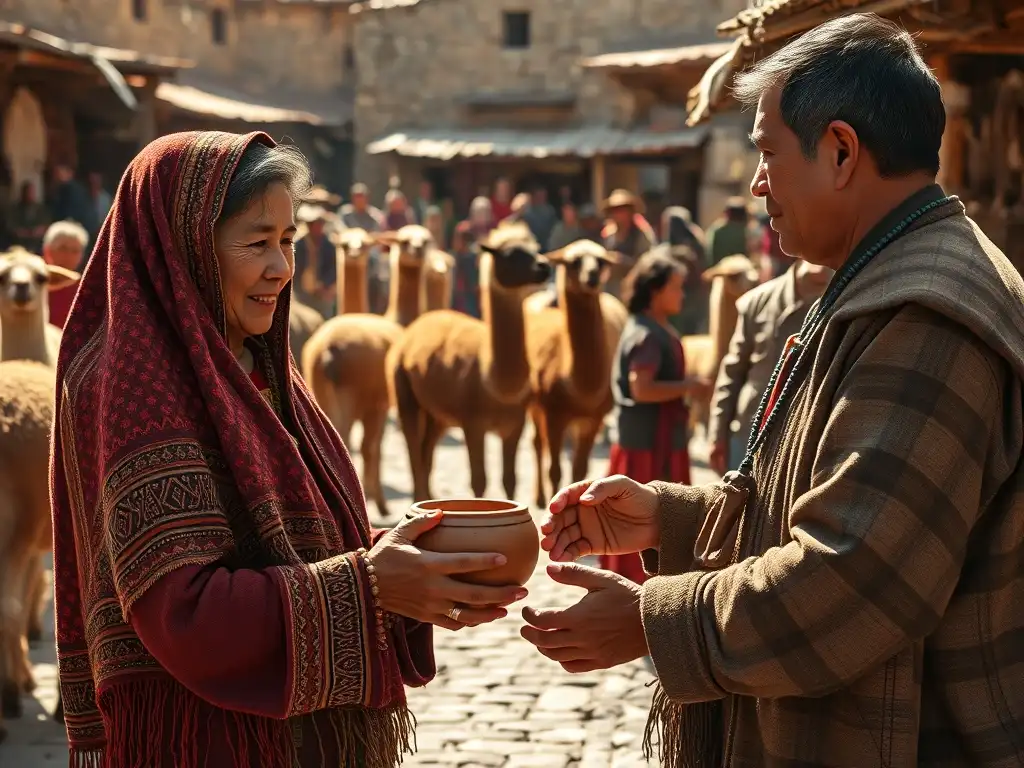
This section delves into the intricate systems governing ancient Andean trade, focusing on the unique characteristics that distinguished it from other ancient trading practices. Understanding these mechanisms provides crucial insight into the social structures, economic realities, and cultural values of these remarkable civilizations. We will examine the absence of a formal currency, the paramount importance of trust and social relationships, and the fascinating prevalence of "silent trade."
This exploration will illuminate the sophisticated strategies employed by Andean peoples to facilitate the exchange of essential goods across vast distances and diverse environments. The keyword phrase "Ancient Andean trade practices" will be examined through the lens of these key elements.
Absence of Formal Currency in Andean Exchange
Unlike many other ancient civilizations that developed standardized currencies (like coins or shells), the Andean societies largely operated on a system of barter. This absence of a formal currency doesn't imply a lack of economic sophistication; rather, it reflects a deeply ingrained social and relational approach to trade. The value of goods was often determined not just by material properties but also by factors like craftsmanship, rarity, and symbolic significance.
For instance, intricately woven textiles, finely crafted pottery, and precious metals like gold and silver held high value, not just for their inherent worth, but also for their cultural and ritual importance. This system necessitated a deep understanding of reciprocal relationships and a strong reliance on trust and established social networks. The complexity of this system highlights the sophistication of Ancient Andean trade practices, proving it was far from rudimentary.
Trust and established social networks were the cornerstones of Ancient Andean trade practices. Trade wasn't a purely transactional affair; it was embedded within a web of kinship, alliance, and reciprocal obligations. Long-standing relationships between communities facilitated the exchange of goods, reducing the risks associated with uncertain transactions. This trust-based system fostered a sense of mutual dependency and cooperation, strengthening inter-community bonds.
The absence of a formal legal framework was compensated by a strong emphasis on social norms and reputational consequences. A trader's reputation for honesty and fairness was crucial for their success, as broken trust could severely impact their future trading opportunities. This social dimension of Ancient Andean trade practices demonstrates the deep integration of economic activity into the broader social fabric.
Silent Trade: A Common Practice in the Andes
Silent trade, a form of exchange where buyers and sellers don't directly interact, was a notable feature of some Ancient Andean trade practices. This practice was often employed in situations involving potentially hostile encounters between different groups or in regions with limited communication. Goods would be left at a designated location, with the buyer leaving an equivalent offering in return.
The success of this system relied heavily on pre-established agreements and a high level of trust. The absence of verbal communication didn't imply a lack of negotiation; the value of the goods and the fairness of the exchange were communicated through the carefully chosen items themselves and their placement.
This fascinating approach to trade highlights the adaptability and ingenuity of Andean communities in navigating the challenges of intercultural exchange. Such silent exchanges are a testament to the sophisticated nature of Ancient Andean trade practices, even in the absence of direct communication.
Major Goods Exchanged in Ancient Andean Trade
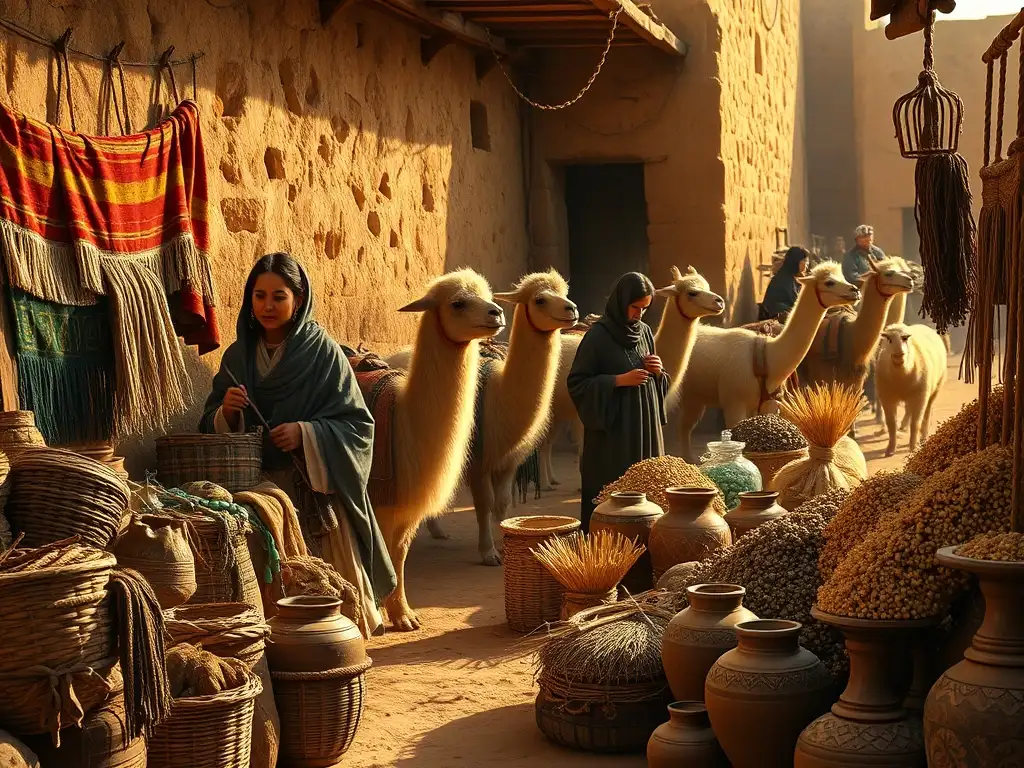
The vibrant tapestry of Ancient Andean trade wasn't solely defined by established routes; it was intricately woven with the diverse goods exchanged. Understanding these goods provides crucial insight into the economic and social structures of these sophisticated civilizations. The sheer variety of traded items, ranging from everyday necessities to highly prized luxuries, reflects the ingenuity and resourcefulness of Andean communities and their complex networks of interaction. Analyzing these exchanges allows us to reconstruct a more comprehensive picture of Ancient Andean trade practices.
Coastal Products: Fish, Shells, and Salt
Coastal regions played a pivotal role in the Andean trade network, providing essential resources unavailable in the highlands. Fish, a staple protein source, was crucial for sustenance and was likely traded both fresh and dried, depending on distance and preservation techniques. The abundance of fish along the Pacific coast fueled a thriving fishing industry, with surplus fish being traded inland. Evidence suggests sophisticated fishing techniques were employed, including the use of nets and specialized boats, indicating a well-organized and efficient fishing economy.
Shells, particularly Spondylus, held significant symbolic and ritualistic value. These brightly colored shells, sourced primarily from the northern coast, were highly prized and used in prestigious crafts and ceremonial objects. Their rarity and beauty elevated them beyond mere currency; they were indicators of status and power, reflecting the complex social hierarchies within Andean societies. The trade of Spondylus shells represents a crucial aspect of long-distance exchange, connecting coastal communities with those in the Andes.
Salt, a vital preservative and flavor enhancer, was another crucial coastal product. Salt extraction techniques, though not fully documented in all regions, likely involved solar evaporation of seawater in shallow basins. The scarcity of salt in the highlands made it a highly valuable commodity, driving its extensive trade inland. The demand for salt underscores the importance of balanced diets and the sophisticated systems developed to acquire and distribute this essential resource.
Highland Goods: Potatoes, Quinoa, and Wool
The Andean highlands, while seemingly less accessible, offered their own wealth of valuable goods. Potatoes, a staple crop of the Andes, formed the backbone of the highland diet. The incredible diversity of potato varieties, each adapted to different altitudes and climates, showcases the agricultural prowess of Andean farmers. Different potato varieties, with varying qualities and uses, were likely exchanged across various regions, depending on local needs and preferences. The cultivation and trade of potatoes were vital to the survival and prosperity of highland communities and their interactions with lower-lying areas.
Quinoa, another crucial grain crop, was exceptionally nutritious and well-suited to the harsh highland environment. Its high protein content and adaptability made it a valuable dietary staple, traded extensively throughout the Andes. The cultivation and exchange of quinoa highlight the ingenuity of Andean agriculture and its critical role in maintaining food security across diverse elevations and climates.
Wool, primarily from domesticated llamas and alpacas, was a highly valued material. The soft, warm wool was used for clothing, blankets, and other textiles. The quality of wool varied depending on the animal breed and processing techniques, leading to a tiered system of exchange. Fine wool was likely traded for higher-value goods, reflecting its importance in Andean societies' clothing and textile industries. The presence of intricate textiles in archaeological findings attests to the sophisticated weaving techniques and the economic significance of wool production.
Exotic Items: Feathers, Coca, and Precious Stones
Beyond the essential goods, certain exotic items held immense cultural and economic significance. Feathers, particularly those from brightly colored birds like macaws and parrots, were used in elaborate headdresses, ceremonial garments, and other ritual objects. The rarity and vibrant colors of these feathers made them highly prized, fueling a trade network spanning vast distances. The acquisition and trade of feathers reflect the complex social and religious beliefs of Andean societies.
Coca leaves, a stimulant with both medicinal and ritualistic uses, were another highly valued commodity. Coca cultivation was concentrated in specific regions, making it a sought-after item in trade. Coca leaves were not just a recreational substance; they played a crucial role in religious ceremonies and social interactions, highlighting their cultural importance. The controlled trade of coca leaves points to the sophisticated social and economic mechanisms employed in Ancient Andean societies.
Precious stones, such as turquoise, emeralds, and gold, were highly prized for their beauty and symbolic value. These items were often incorporated into elaborate jewelry, ceremonial objects, and prestigious artifacts. The presence of these stones in archaeological sites across vast distances demonstrates the extensive trade networks and the high value placed on these rare and beautiful materials. The rarity and craftsmanship associated with these items cemented their position as elite goods within the Ancient Andean trade system. The distribution of precious stones further emphasizes the interconnectedness of Andean communities and their sophisticated trade practices.
Trade Routes and the Movement of Goods
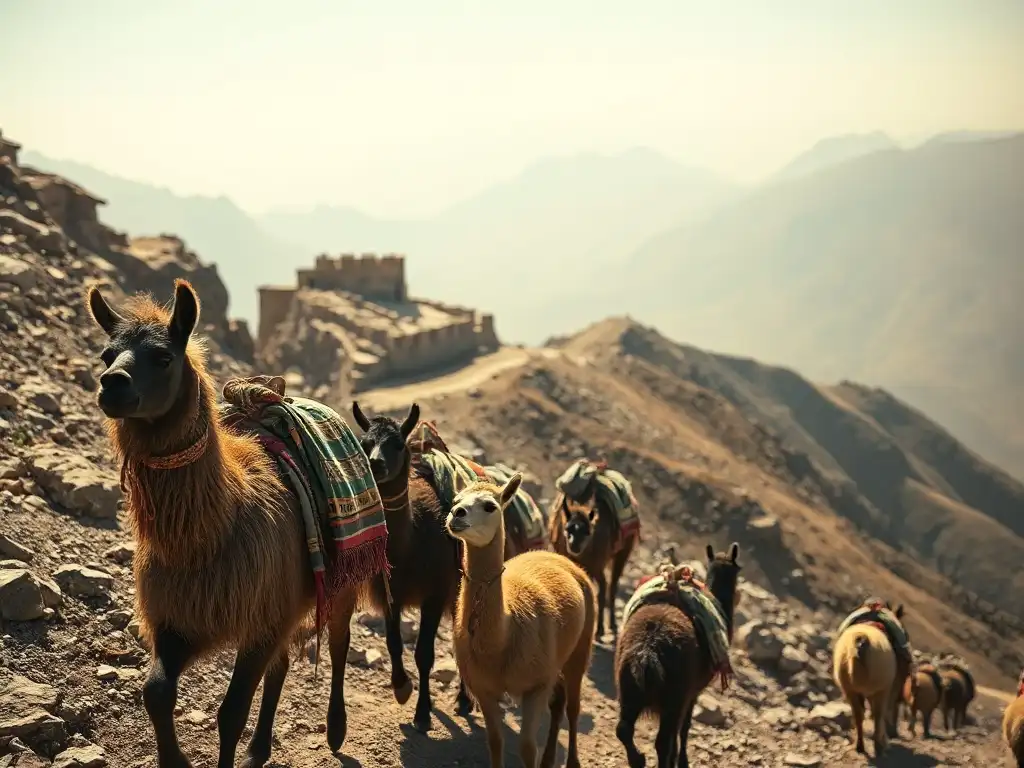
This section delves into the intricate network of trade routes that crisscrossed the Andes, facilitating the exchange of vital goods and resources amongst diverse Andean societies. Understanding these routes is crucial to comprehending the complex economic and social structures of ancient Andean civilizations. The sheer geographical diversity of the Andes – encompassing coastal deserts, high-altitude plains, and lush Amazonian rainforests – necessitated sophisticated logistical strategies for efficient trade. The "Ancient Andean trade practices" were not simply about moving goods; they were about forging connections, consolidating power, and shaping cultural identities.
The Significance of Vertical Archipelago System in Andean Exchange
The concept of the "vertical archipelago" is key to understanding Ancient Andean trade practices. This system refers to the exploitation of diverse ecological zones within relatively close proximity. Andean communities, often situated at different altitudes, specialized in producing goods suited to their particular environment. Coastal regions thrived on fishing and salt production; highland areas excelled in agriculture (potatoes, maize, quinoa); and the Amazonian lowlands offered tropical fruits, timber, and exotic fauna. This verticality fostered interdependence, creating a dynamic system of exchange where communities traded their specialized products for goods they lacked.
The efficiency of this system was remarkable. Consider the exchange of coca leaves, a vital stimulant in Andean culture. Coca thrived in the lower, warmer altitudes, while communities at higher elevations lacked access. Through established trade networks, coca could reach these communities, fostering social cohesion and economic stability.
Similarly, highland potatoes and maize, crucial staples, were exchanged for coastal fish and salt, essential components of the Andean diet. This intricate web of exchange facilitated a remarkable degree of economic diversification and resilience within Andean societies. The vertical archipelago wasn't just a geographical reality; it was a carefully managed economic strategy.
Connecting Coastal, Highland, and Amazonian Regions
The physical challenges of navigating the Andes presented significant obstacles to trade. Steep mountains, treacherous valleys, and unpredictable weather conditions required sophisticated infrastructure and well-established trade routes. While precise details remain elusive, archaeological evidence suggests the existence of extensive trail systems, meticulously constructed to facilitate the movement of goods across diverse terrains. These paths weren't just simple tracks; they were strategically placed to take advantage of natural features, minimizing the difficulties of transport.
The integration of coastal, highland, and Amazonian regions into a single economic sphere reflects an impressive level of organizational skill. The sheer volume of goods traded, as evidenced by archaeological finds, points to organized caravans and relay systems. The movement of large quantities of goods, such as textiles, ceramics, and metals, across such vast distances required significant coordination and planning.
This suggests complex social structures and well-defined trade networks governed by unwritten rules, customs, and perhaps even formalized agreements between different communities. The success of this integrated system highlights the ingenuity and adaptability of ancient Andean civilizations in overcoming significant geographical barriers.
Challenges of Andean Trade: Geography and Logistics
Despite the impressive achievements of Andean trade, the geographical challenges remained substantial. The sheer scale of the Andes, coupled with the varied climates and terrain, made transportation a complex and demanding process. Moving goods across high mountain passes, navigating treacherous rivers, and traversing dense forests required significant effort and resources. The transportation methods employed, likely involving llamas and human porters, were slow and laborious. This inherent difficulty undoubtedly influenced the types of goods traded, favoring high-value items that could justify the costs of transport.
Moreover, the lack of wheeled vehicles and draft animals in the Andes further exacerbated the logistical complexities. This necessitated the development of innovative carrying techniques and the construction of infrastructure, such as bridges and pathways, to facilitate movement. The climate also presented significant challenges. Sudden storms, landslides, and unpredictable weather could disrupt trade routes, leading to delays and potential losses.
Managing these inherent risks required sophisticated forecasting techniques, resilient infrastructure, and well-established contingency plans. Overcoming these geographical and logistical hurdles underscores the remarkable resilience and adaptability of ancient Andean trade systems. The success of these "Ancient Andean trade practices" in the face of such adversity is a testament to the ingenuity and organizational prowess of these civilizations.
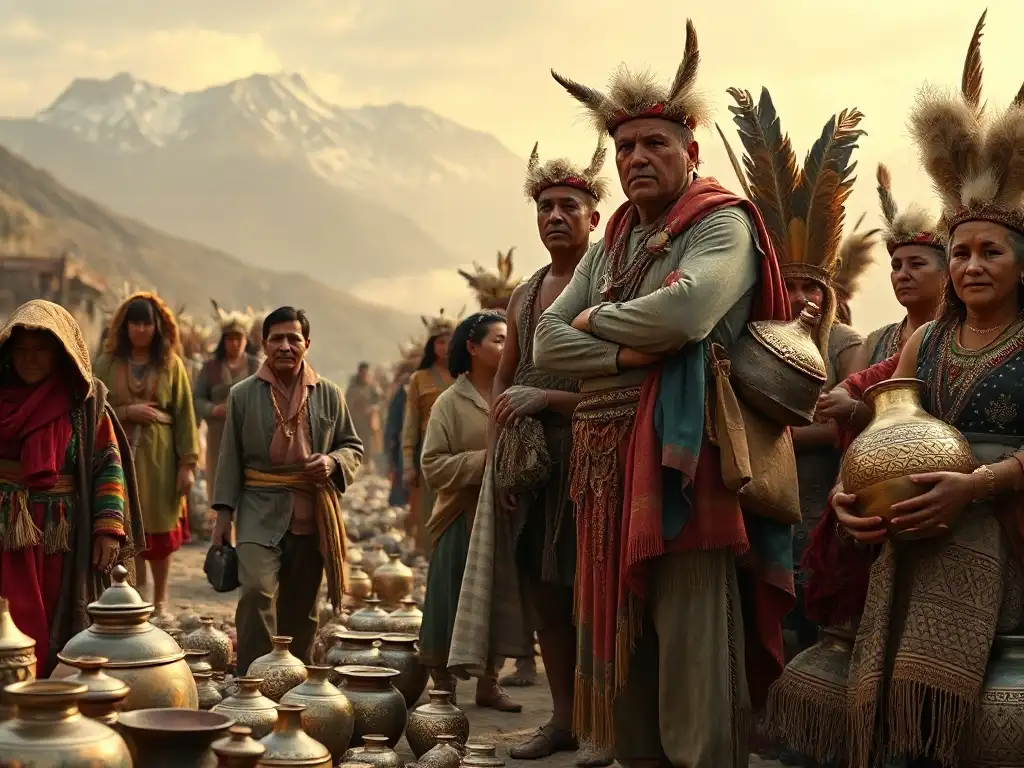
The intricate networks of Ancient Andean trade practices extended far beyond simple economic transactions; they profoundly shaped the social and political landscapes of the Andean region. The exchange of goods wasn't just about material wealth; it was a powerful mechanism for establishing alliances, consolidating power, and disseminating cultural ideas. Understanding these interwoven social and political implications is crucial to fully grasping the complexity of ancient Andean societies.
Analyzing the movement of goods reveals a dynamic interplay between economic activity and political structures, highlighting how trade influenced social stratification, political power, and cultural exchange. The sheer scale of some trade networks – particularly those involving the Inca Empire – speaks volumes about the sophisticated organizational capabilities and centralized control needed to manage such extensive systems.
Trade as a Source of Power and Prestige
Control over trade routes and access to desirable goods directly translated into political power and social prestige within Andean societies. Elite classes often accumulated wealth through their involvement in trade, solidifying their dominance. For example, the Wari and Tiwanaku empires, known for their vast trade networks, used control over resources like textiles, coca, and precious metals to maintain their influence and exert power over subordinate groups.
The acquisition of exotic goods, such as shells from the coast or feathers from the Amazon, became symbols of status, worn by elites to demonstrate their power and connection to distant regions. This wasn't simply about material accumulation; it was about demonstrating access to resources and networks that were beyond the reach of ordinary people.
The accumulation of such prestige goods served as a visual and tangible demonstration of political authority and social standing. The distribution of these goods as gifts or tributes further strengthened political alliances and reinforced hierarchical structures.
The Role of Trade in Andean State Formation
The development of large-scale Andean states was inextricably linked to the growth and organization of their trade networks. The ability to efficiently manage the flow of goods, collect taxes, and control access to strategic resources was essential for consolidating power and maintaining control over vast territories. The Inca Empire, for instance, relied on a highly organized system of chasquis (runners) and tambos (roadside inns) to facilitate the movement of goods and information across their extensive empire.
This sophisticated infrastructure allowed for the efficient distribution of goods and the collection of tribute, both vital for the empire's stability and expansion. The ability to mobilize resources through trade enabled the Inca to fund large-scale public works projects, maintain a standing army, and sustain a complex administrative bureaucracy – all essential elements in the formation and maintenance of a powerful state.
The control of trade routes was therefore a key element in the political strategy of these expanding empires. Evidence suggests that the establishment and maintenance of these routes were often accompanied by the construction of infrastructure like roads, bridges, and storage facilities – further evidence of the state's central role in regulating trade.
The Impact of Trade on Andean Cultural Diffusion
Ancient Andean trade wasn't simply a conduit for material goods; it was also a powerful mechanism for the transmission of cultural ideas, religious beliefs, and technological innovations. The exchange of goods often involved the exchange of cultural practices and beliefs, leading to a complex process of cultural blending and adaptation. The spread of agricultural techniques, religious iconography, and artistic styles across the Andes can be largely attributed to the extensive trade networks that connected different regions.
For example, the widespread adoption of certain pottery styles or architectural techniques in geographically distant regions suggests the significant influence of trade on cultural diffusion. This exchange wasn't always unidirectional; it involved a dynamic interplay of ideas and practices, resulting in a rich tapestry of cultural diversity within the Andean region. The movement of artisans and specialists alongside goods further contributed to this cultural exchange, facilitating the spread of knowledge and expertise across vast distances.
The impact of this cultural diffusion is still visible today in the diverse artistic traditions and cultural practices of the Andean region, a testament to the enduring legacy of ancient Andean trade. Moreover, the linguistic diversity of the region, with multiple Quechuan languages and various other indigenous tongues, also reflects the complex interplay of cultural exchange facilitated by trade networks.
Contrasting Ancient Andean Trade with Other Civilizations
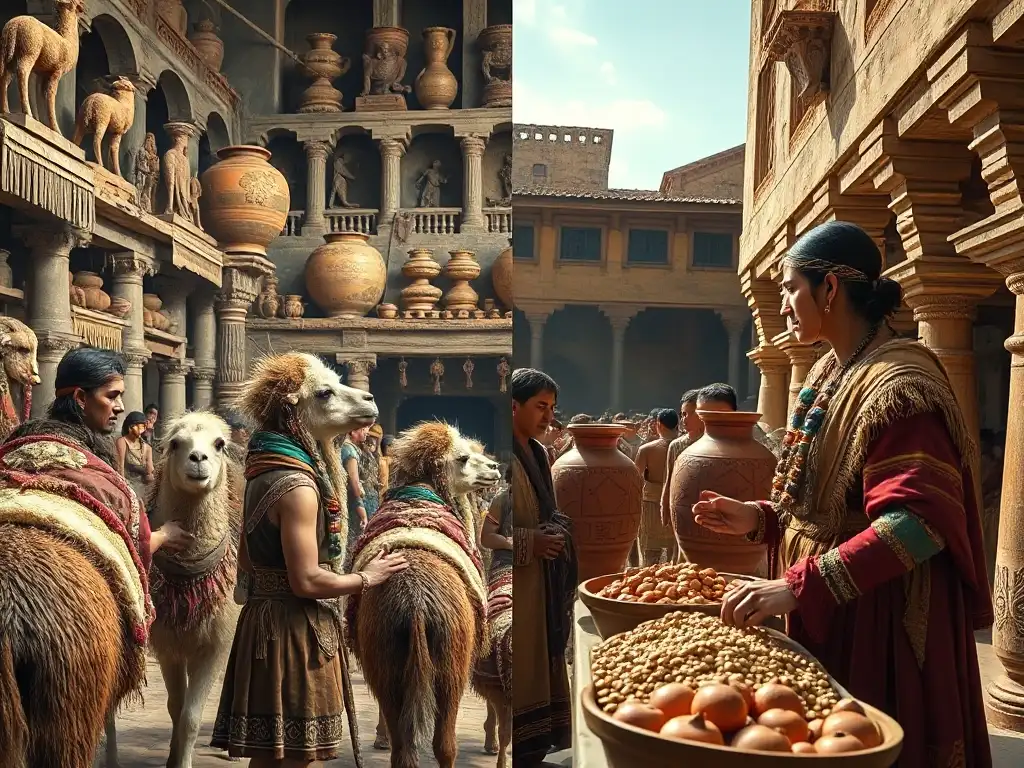
The study of Ancient Andean trade practices reveals a fascinating system markedly different from those of other contemporary civilizations. While Mesopotamian and Mesoamerican societies, for example, relied heavily on written records and formalized systems of currency, the Andes developed a more nuanced approach, characterized by a complex interplay of barter, reciprocal exchange, and specialized production networks. This intricate web of economic interaction, often lacking a standardized monetary system, presents unique challenges and rewards for researchers attempting to understand its complexities. Understanding the nuances of this system requires moving beyond simple comparisons and embracing the unique features of Andean exchange.
Unique Features of Andean Exchange Systems
One of the most striking features of Ancient Andean trade was its reliance on reciprocity and redistribution. While direct barter certainly occurred, a significant portion of the exchange was based on obligations within kinship networks and hierarchical structures. This involved the movement of goods not solely for profit, but also to solidify alliances, maintain social order, and fulfill ritual obligations.
The Inca empire, for example, utilized a sophisticated system of mit'a, a form of labor tribute, which contributed significantly to the distribution of goods across vast distances. This wasn't simply trade; it was a social contract, woven into the fabric of Andean society.
Furthermore, the Andean system lacked a universally recognized currency. While certain goods, like textiles, coca leaves, and precious metals, held high value and functioned as a form of exchange, they weren't standardized in the way coins or shells were in other societies. The value of goods varied regionally and depended on factors such as quality, craftsmanship, and the social standing of the individuals involved in the transaction.
This fluidity in value makes reconstructing the precise economic dynamics of Andean trade a challenging, but rewarding, endeavor for archaeologists and historians. The absence of a centralized, standardized monetary system necessitates a deeper analysis of social structures and power dynamics to fully understand the trade practices.
Finally, the role of specialized production centers is crucial in understanding Andean trade. Certain regions were renowned for specific crafts – pottery from Nazca, textiles from Paracas, metalwork from the north coast. This specialization fostered extensive trade networks, as these goods were highly sought after throughout the Andes. The distribution of these specialized goods wasn't random; it followed established routes and was often facilitated by specialized groups, possibly acting as merchants or intermediaries. Uncovering evidence of these specialized production centers and the routes they used is key to reconstructing the full picture of ancient Andean trade.
Comparisons with Mesopotamian and Mesoamerican Trade
In contrast to the Andean system, Mesopotamian trade relied heavily on written contracts and a well-developed system of weights and measures, often using standardized units of currency like silver shekels. Mesopotamian trade was also more overtly focused on profit maximization, with long-distance trade routes connecting distant empires. Their cuneiform tablets provide extensive documentation of transactions, offering a level of detail unavailable for Andean trade. This difference highlights the contrasting approaches to economic organization – a formalized, documented system in Mesopotamia versus a more implicit, socially embedded system in the Andes.
Mesoamerican civilizations, while exhibiting regional variation, also show a greater reliance on formalized marketplaces and standardized currency compared to the Andes. The Aztecs, for instance, utilized cacao beans as a form of currency, facilitating relatively standardized transactions. While reciprocity played a role in Mesoamerican societies, the scale and formality of their marketplaces and monetary systems differed significantly from the more diffuse and socially embedded nature of Andean exchange. The contrasting approaches underscore the diverse ways different societies organized their economies and integrated trade into their social structures.
The Enduring Legacy of Andean Trade Practices
The legacy of Ancient Andean trade practices extends far beyond the collapse of the Inca empire. Many aspects of Andean exchange systems, particularly the emphasis on reciprocity and community-based economic activity, persist in modern Andean communities. Traditional markets, bartering, and the importance of social networks in economic activity all reflect the enduring influence of these ancient practices. Studying these ancient trade networks provides valuable insights not only into the past but also into the enduring cultural and economic traditions of the Andes.
The continued presence of these practices highlights the remarkable resilience and adaptability of Andean economic systems. Further research into the interplay between ancient and contemporary Andean economic practices would illuminate the long-term evolution of these fascinating and complex systems. The study of "Ancient Andean trade practices" offers a compelling lens through which to understand the unique character of Andean civilizations and their enduring impact on the region.
Conclusion: The Silent Voices of Ancient Andean Trade
The intricate tapestry of Ancient Andean trade practices, woven over centuries, reveals a sophisticated system far beyond simple bartering. While written records are scarce, archaeological evidence paints a vibrant picture of complex networks connecting distant communities, facilitating the exchange of vital resources and shaping the cultural landscape of the Andes. Understanding this silent barter – the unwritten rules governing these exchanges – is crucial to deciphering the economic and social structures of these remarkable civilizations.
The absence of a unified, centralized system doesn't imply chaos; instead, it suggests a flexible, adaptive approach tailored to the diverse geographical and cultural contexts of the region. The enduring legacy of these practices continues to resonate, offering valuable insights into sustainable resource management and the development of complex societies in challenging environments.
The Importance of Understanding Andean Exchange
Understanding ancient Andean exchange systems offers a unique perspective on several key aspects of these civilizations. Firstly, it illuminates the interconnectedness of Andean societies. The vast distances covered by trade routes and the diverse goods exchanged demonstrate a level of organization and communication that belies the often-held perception of isolated communities. For instance, the presence of coastal shells in highland archaeological sites, and vice-versa, indicates established trade networks spanning significant geographical barriers.
Secondly, analyzing trade patterns provides invaluable insights into the production and distribution of resources. The presence of specific artifacts in particular regions helps us understand the specialization of craft production and the flow of raw materials. This is vital for understanding not only economic organization but also social stratification, as control over resources and trade routes likely played a significant role in determining power dynamics. Finally, studying Andean trade offers lessons in sustainable resource management.
These civilizations developed strategies for managing limited resources and navigating environmental challenges, providing valuable lessons for contemporary societies facing similar issues. Understanding their methods of resource allocation and exchange could inspire more sustainable practices today. Detailed analysis of the types of goods traded, their relative value, and the mechanisms used for exchange can provide a clearer picture of the economic systems and social structures that supported these complex societies. The careful study of ancient Andean trade practices provides a valuable window into the ingenuity and resilience of these civilizations.
Continuing Research into Ancient Andean trade practices
Further research into ancient Andean trade practices is essential to fully understand the complexities of these ancient economies. Several avenues warrant further investigation. Firstly, more detailed analysis of archaeological sites along known and suspected trade routes is crucial. This includes meticulous excavation and careful cataloging of artifacts to identify patterns in trade goods and their distribution. Advanced techniques like isotopic analysis can be used to trace the origins of materials, providing more precise information about trade networks.
Secondly, comparative studies of different Andean cultures and their trade practices are needed to identify regional variations and commonalities. This comparative approach can help us understand the factors influencing trade patterns, such as geographic constraints, political alliances, and cultural exchange. Thirdly, ethnohistorical research, incorporating accounts from later periods, can provide valuable context and insights into the evolution of trade systems. Indigenous knowledge and oral traditions can shed light on practices and beliefs surrounding trade that may not be evident in archaeological remains.
Finally, interdisciplinary collaborations between archaeologists, anthropologists, and historians are vital to achieve a more holistic understanding. By combining different perspectives and methodologies, we can gain a richer and more nuanced appreciation of the silent voices of ancient Andean trade. This ongoing research will not only enhance our understanding of the past but will also provide valuable insights into sustainable resource management and economic development in diverse contexts. The potential for new discoveries and insights into ancient Andean trade practices remains significant, promising to further illuminate this fascinating aspect of Andean civilization.
Frequently Asked Questions
What were the primary goods traded in the Ancient Andes?
Ancient Andean trade involved a wide variety of goods. Textiles, metals (gold, silver, copper), ceramics, foodstuffs (potatoes, maize, coca), and exotic feathers were all highly valued and frequently exchanged. These goods reflected both local specialization and far-reaching networks.
How did the Ancient Andean civilizations conduct trade without a written language?
Trade relied heavily on complex systems of reciprocity and barter. Khipus, knotted string records, may have played a role in tracking transactions, though their exact function remains debated. Established trade routes and networks facilitated exchange between different groups.
What role did llamas and alpacas play in Ancient Andean trade?
Llamas and alpacas were essential pack animals, crucial for transporting goods across the challenging Andean terrain. Their ability to carry heavy loads over long distances was vital to the success of the extensive trade networks. Their wool was also a valuable commodity.
Were there any major trade centers or hubs in the Ancient Andes?
Yes, several major centers facilitated trade. Coastal cities often served as crucial hubs, exchanging goods between highland and lowland populations. Important religious sites also likely played a role in attracting traders and fostering exchange.
How did the geography of the Andes influence trade practices?
The Andean geography posed significant challenges, requiring sophisticated adaptation. High altitude passes, steep valleys, and diverse ecological zones shaped trade routes and the types of goods exchanged. This diversity also fostered specialization and interdependence between different regions.
Final Reflection: Echoes of Exchange in the Andes
The intricate web of ancient Andean trade, far from being a relic of the past, continues to resonate in our understanding of economic systems and cultural exchange. The silent barter, the complex system of reciprocal obligations, and the ingenious adaptation to diverse environments detailed in this article offer a powerful lens through which to examine modern global trade and its inherent complexities. Understanding these ancient practices provides a crucial framework for appreciating the enduring human need for connection and collaboration across geographical and cultural boundaries.
The enduring legacy of Andean trade practices is not merely historical; it's a vital thread woven into the fabric of Andean identity and continues to shape economic and social structures in the region today. The ingenuity and resilience demonstrated by these ancient cultures, their ability to navigate challenges through sophisticated systems of exchange, remains deeply inspiring. The past is never dead. It's not even past.
– William Faulkner. This quote perfectly encapsulates the ongoing relevance of understanding these ancient trade networks, as their echoes reverberate in contemporary Andean societies and offer valuable insights into the human condition.
Consider the implications of this ancient wisdom for your own life. How can the principles of reciprocal exchange and community-based economies, so evident in the Andean past, inform your own interactions and contribute to a more equitable and sustainable future? Challenge yourself to look beyond the surface of modern transactions and consider the deeper, often unspoken, agreements that underpin our own exchanges. Let the silent barter of the Andes inspire you to build stronger, more meaningful connections, based on mutual respect and understanding, in your own world.
Unveil the Secrets of Ancient Andean Trade – Take Action Now!
Thank you for exploring the fascinating world of ancient Andean trade! You've discovered the unwritten rules that shaped this vibrant civilization and learned about the intricacies of the silent barter system. Now, let's build on that knowledge and further explore this rich heritage.
Here are some engaging next steps:
- Expand your knowledge: Delve deeper into Andean trade and cultural practices by reading more articles and books on the subject. Your exploration doesn't have to end here!
- Join the conversation: Connect with fellow enthusiasts in our online community to discuss and share insights about Andean history and trade. Your experiences and perspectives could inspire others!
- Experience barter firsthand: Try participating in a modern barter exchange, either within your local community or online. See how these ancient principles remain relevant today!
What aspect of the silent barter system intrigues you most, and how do you envision its principles influencing modern trading practices? We'd love to hear your thoughts!