
From Coca to Corn: The Diverse Barter Goods of the Andes

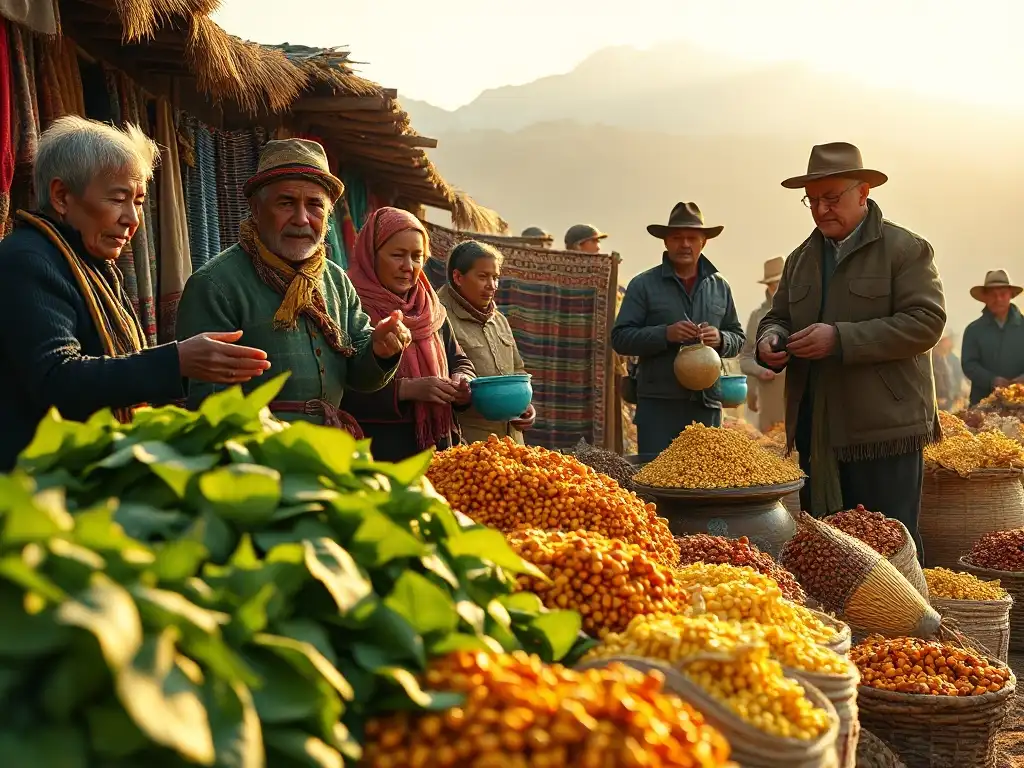
Step into a world lost in time, where the soaring Andes Mountains witnessed the rise and fall of magnificent empires. Imagine a vibrant tapestry woven from intricate textiles, gleaming gold, and the potent coca leaf—a world where the very fabric of society was built on exchange. Discover the surprising secrets behind Andean civilizations barter goods, and unravel the complex economic systems that fueled their extraordinary achievements.
Prepare to be amazed by the ingenuity and diversity of the goods traded, from the everyday to the sacred, in our exploration of Andean trade and economy. Read on to uncover the untold stories hidden within the ancient markets of the Andes!
- Andean Civilizations Barter Goods: An Introduction to Andean Exchange Systems
-
The Core Barter Goods of Andean Civilizations
- Coca: A Prized Commodity in Andean Trade Networks
- The Significance of Corn in Andean Barter Systems
- Potatoes and Other Tubers: Staples of Andean Exchange
- Quinoa and Other Grains as Barter Goods
- Salt: A Highly Valued Trade Item in the Andes
- Textiles and Woven Goods: A Major Barter Component
- Obsidian and Precious Stones in Andean Trade
- Pottery and Ceramic Vessels as Exchange Items
- Animal Products: Wool, Meat, and Hides in Barter
- Regional Variations in Andean Barter Goods
- The Impact of Barter on Andean Society
- Frequently Asked Questions
- Final Reflection: Echoes of Exchange in the Andes
- Discover, Share, and Celebrate the Richness of Andean Barter Traditions!
Andean Civilizations Barter Goods: An Introduction to Andean Exchange Systems
The vast and diverse landscapes of the Andes Mountains nurtured a complex tapestry of ancient civilizations, each leaving behind a rich legacy of cultural achievements. Beyond their impressive architectural feats and intricate artistry, the Andean peoples developed sophisticated economic systems, primarily reliant on barter. This article delves into the fascinating world of Andean barter, exploring the diverse goods exchanged across these towering mountain ranges and the intricate networks that connected these vibrant societies.
From the everyday necessities to highly valued luxury items, the range of goods involved offers a unique window into the social structures, resource distribution, and economic ingenuity of the Incas, Moche, Nazca, and Tiahuanaco, among others. Understanding their barter systems is key to unlocking a deeper appreciation for the complexities and resilience of these remarkable Andean civilizations.
We will examine the types of goods exchanged, the social contexts of these exchanges, and the impact of barter on the development of Andean societies. The keyword “Andean civilizations barter goods” will be explored throughout this comprehensive analysis.
Understanding Barter in the Ancient Andes
Barter, the direct exchange of goods and services without the use of currency, was the cornerstone of Andean economic life for millennia. Unlike modern monetary systems, Andean barter was deeply embedded in the social fabric, often intertwined with reciprocal obligations, kinship ties, and religious practices. The absence of a standardized currency meant that the value of goods was determined through a complex interplay of factors, including scarcity, labor invested, aesthetic appeal, and symbolic significance.
For instance, a finely crafted ceramic vessel might be exchanged for several bags of coca leaves, reflecting the differing values placed on craftsmanship and the highly valued stimulant properties of coca. The system was not simply transactional; it fostered social bonds and reinforced existing power structures.
The scale of exchanges varied significantly, from small-scale transactions within local communities to large-scale exchanges involving extensive trade networks that connected distant regions across the Andes. Archaeological evidence, such as the discovery of diverse artifacts in burial sites and across settlements, provides compelling insights into the extensive networks of exchange that characterized Andean societies.
Key Barter Goods: From Subsistence to Status Symbols
The range of goods exchanged in Andean barter systems was remarkably diverse, reflecting the varied environments and specialized skills of the different Andean cultures. Essential goods for daily survival, such as agricultural products (corn, potatoes, quinoa), textiles (cotton, wool), and tools, formed the backbone of everyday exchanges. However, the system also encompassed luxury goods and prestigious items that held significant symbolic value. These included:
- Agricultural Products: Corn, potatoes, quinoa, beans, and other staples formed the foundation of the Andean diet and were central to barter systems. Their value fluctuated depending on factors such as harvest yields and climatic conditions. The surplus production of certain regions facilitated trade and exchange.
- Textiles: Woven textiles, particularly those made from fine alpaca or vicuña wool, were highly valued for their quality, craftsmanship, and symbolic significance. Elaborately decorated textiles served not only as clothing but also as ceremonial items and status symbols.
- Metals: Gold, silver, and copper, mined from various regions of the Andes, were used to create ornaments, tools, and ceremonial objects. These precious metals held considerable symbolic value, associated with power, divinity, and prestige. Their inclusion in barter systems indicates the importance of these resources in Andean societies.
- Ceramics: From simple utilitarian vessels to intricately decorated funerary urns, ceramics played a vital role in Andean life and trade. The style, quality, and decoration of ceramic objects reflected both regional styles and the social status of their owners.
- Coca Leaves: Coca leaves, possessing both nutritional and stimulant properties, held immense cultural and religious significance throughout the Andes. Their use in ceremonies and daily life elevated them to a highly valued commodity in the barter system.
The Impact of Geography on Barter Networks
The mountainous terrain of the Andes presented both challenges and opportunities for the development of barter networks. The diverse ecological zones, ranging from coastal deserts to high-altitude grasslands, fostered regional specialization in agricultural production and craft skills. This specialization, in turn, fueled inter-regional exchange, as communities traded goods they lacked for those produced in other regions. The development of sophisticated transportation systems, including trails and pack animal transport, facilitated long-distance trade, connecting distant settlements and creating extensive exchange networks.
The movement of goods across these networks was not merely economic; it also fostered cultural exchange and the dissemination of ideas and technologies across the Andean region. This intricate interplay between geography, resource distribution, and social organization shaped the unique character of Andean barter systems. The sheer scale of these networks, considering the challenging terrain, is a testament to the organizational prowess and ingenuity of the Andean civilizations.
The Andean barter system was not simply a mechanism for economic exchange; it was deeply integrated into the social and political structures of these societies. The control and distribution of valued goods, such as precious metals and fine textiles, often reflected existing power hierarchies. Elite members of society often accumulated significant wealth through control of resources and access to trade networks. However, barter also involved reciprocal obligations and gift-giving, which strengthened social ties within communities and across different groups.
These reciprocal exchanges, often embedded in religious and ceremonial practices, reinforced social cohesion and helped maintain social order. The system was far more complex than a simple exchange of goods; it was a dynamic process that reflected and reinforced societal structures, reinforcing alliances and solidifying social hierarchies. Further research is needed to fully understand the nuanced interactions between barter and social structure in the diverse Andean societies.
The Core Barter Goods of Andean Civilizations
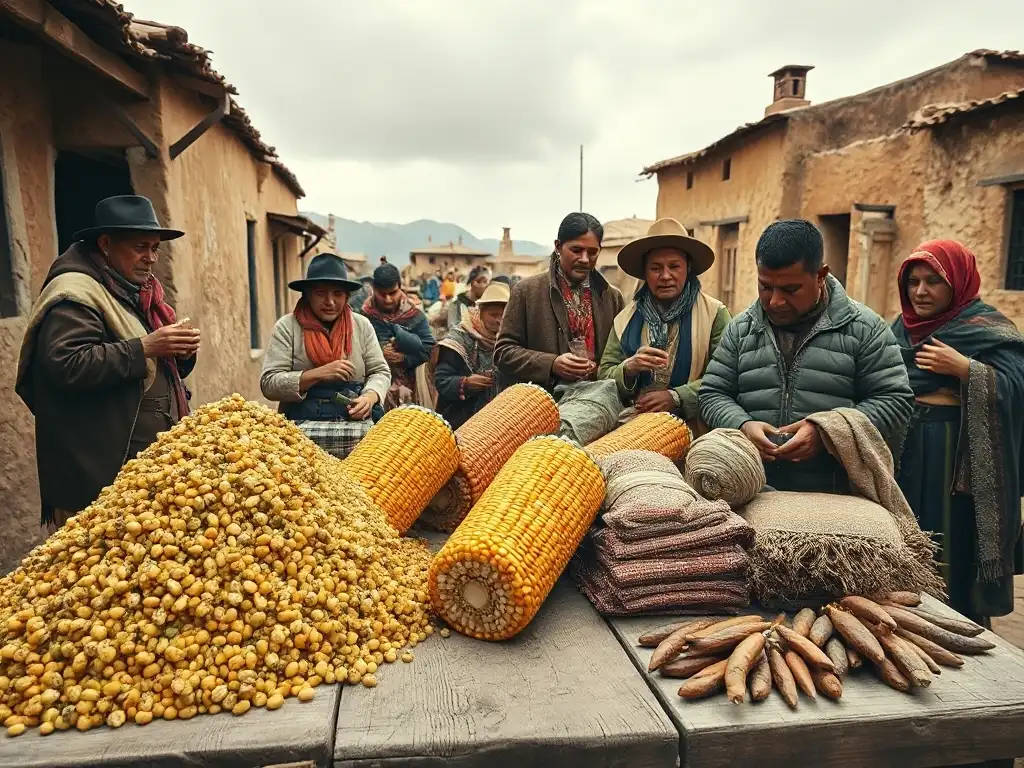
This section delves into the essential commodities that fueled the intricate barter systems of the Andean civilizations. Understanding these core goods is crucial to grasping the economic dynamics and social structures of these remarkable societies. The Andean region's diverse geography and climate profoundly influenced the types of goods available for exchange, creating a complex network of trade routes and interactions between different groups.
Analyzing these goods reveals not only their economic value but also their symbolic and ritual significance within Andean cultures. The prevalence of certain goods in barter transactions often reflected their importance in daily life, religious practices, and social hierarchies. Let's explore some of the most significant items.
Coca: A Prized Commodity in Andean Trade Networks
Coca ( Erythroxylum coca) leaves held a position of paramount importance in Andean societies, far exceeding their simple economic value. Their use was deeply intertwined with religious rituals, social interactions, and even medicinal practices. Coca leaves weren't merely a barter good; they served as a form of currency, a sacred offering, and a symbol of status. The high altitude regions where coca thrived, primarily in the eastern slopes of the Andes, meant that access to this prized commodity was not ubiquitous. This scarcity further elevated its value in trade networks.
Archaeological evidence suggests that coca leaves were traded extensively across vast distances, linking different Andean cultures. The leaves were often bundled and transported in carefully crafted containers, indicating a sophisticated understanding of preservation and trade logistics. The quantity of coca found in tombs and ceremonial sites underscores its significance in both the material and spiritual lives of the Andean people.
The use of coca in religious ceremonies, for example, cemented its role as a sacred and valuable item in Andean barter systems, surpassing its purely nutritional value. Furthermore, the use of coca as a stimulant for arduous tasks, such as mining or long journeys, further increased its demand.
The Significance of Corn in Andean Barter Systems
Corn ( Zea mays), a staple crop across the Americas, played a similarly crucial role in Andean barter systems. Its agricultural importance was undeniable; corn formed the basis of the Andean diet, providing sustenance for millions. Different varieties of corn, adapted to varying altitudes and climates, contributed to the diversity of goods available for exchange. This agricultural diversity itself fueled a complex system of exchange, with surplus crops from more fertile regions traded for other essential goods in less productive areas.
The significance of corn extended beyond its nutritional value. Corn was also used in various religious ceremonies and festivals, further cementing its role as a valuable commodity in barter transactions. The symbolic importance of corn in Andean cosmology – often associated with deities and fertility – solidified its position as more than just a food source; it was a sacred element deeply embedded in the cultural fabric of Andean civilizations.
The scale of corn production and its widespread consumption ensured its consistent presence and value in the intricate networks of Andean exchange. Different varieties of corn, some more rare or desirable, would have commanded different values in the marketplace.
Potatoes and Other Tubers: Staples of Andean Exchange
Potatoes and other tubers, such as oca, ulluco, and mashua, constituted another cornerstone of Andean agriculture and trade. The remarkable adaptability of these crops to the diverse Andean environments resulted in a wide array of varieties, each with unique characteristics and culinary uses. This biodiversity fueled a vibrant exchange system, where different communities specialized in the cultivation and trade of specific tuber varieties. These tubers weren't just exchanged for food items; they were also traded for textiles, tools, and other essential goods.
The resilience of potatoes and other tubers to harsh conditions made them a reliable source of food, contributing to the stability of Andean societies. Their high nutritional value ensured they remained a prized commodity, even in times of scarcity. The diversity of tuber varieties also allowed for diversification of diets and ensured a more secure food supply. The trading of these tubers, therefore, was a vital aspect of the Andean economy, ensuring food security and facilitating the exchange of other valuable goods across different regions and communities.
The specific varieties and their relative value would have varied depending on factors like climate, soil conditions, and local preferences. Further research is needed to determine the precise economic value of each variety in the various Andean barter systems. [Specific data on relative values of different potato varieties pending].
Quinoa and Other Grains as Barter Goods
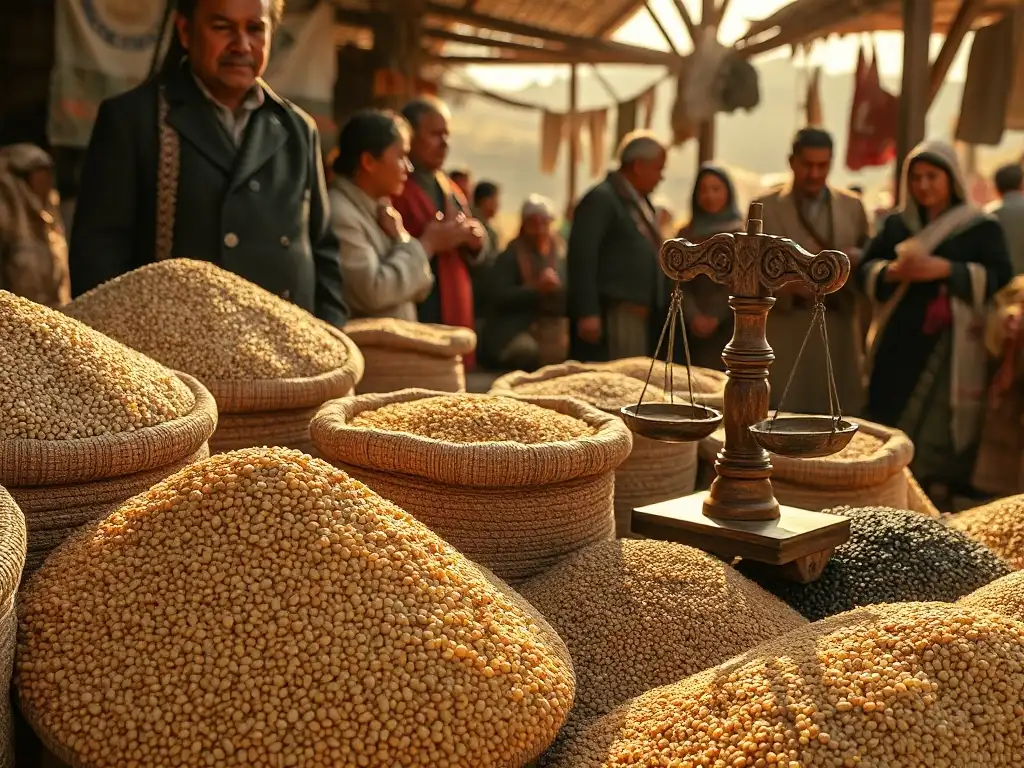
Quinoa, a nutritional powerhouse even by today's standards, held a position of significant importance in the Andean barter system. Its resilience to harsh climates and high nutritional value made it a staple crop, and thus, a highly sought-after commodity. Farmers in different ecological zones, specializing in different varieties of quinoa, would trade their surplus for other goods they lacked.
For example, high-altitude communities known for producing specific quinoa varieties might exchange them with lowland communities for tropical fruits or handcrafted tools. The quantity and quality of quinoa offered often reflected a person's social standing and agricultural prowess, making it not just a food source but also a marker of status within the barter economy. Other grains, such as corn (maize), which was widely cultivated across various Andean altitudes and climates, also played a crucial role.
Different types of corn, each with unique properties and uses, were traded extensively, contributing to a complex and diverse network of exchange. The diversity in corn varieties alone underscores the sophistication of Andean agricultural practices and their impact on the barter system. Furthermore, the processing of these grains, such as the creation of chicha (a fermented corn beverage), added another layer of complexity to the trade, with specialized brewers often commanding high value for their products.
Salt: A Highly Valued Trade Item in the Andes
Salt, a seemingly mundane commodity today, held immense value in the Andean civilizations. In regions lacking natural salt deposits, access to this essential mineral was a vital necessity, driving extensive trade networks. Salt was not merely a culinary ingredient; it was crucial for preserving food, a critical function in a society reliant on agriculture.
The scarcity of salt in certain areas elevated its status to a highly prized trade item. Coastal communities with access to salt pans controlled a valuable resource, exchanging it for goods from the highlands, such as textiles, precious metals, or agricultural products. The transportation of salt itself was a significant undertaking, often involving arduous journeys across challenging terrain, further increasing its value.
Archaeological evidence reveals sophisticated salt production techniques and extensive trade routes dedicated to the movement of this vital commodity, showcasing its central role in the Andean economy and social structure. The value of salt is further emphasized by its frequent appearance in ceremonial contexts, reinforcing its significance beyond simple sustenance.
Textiles and Woven Goods: A Major Barter Component
Textiles and woven goods formed a cornerstone of the Andean barter system, reflecting both artistic skill and economic power. The intricate designs and diverse materials used in Andean textiles—from alpaca and llama wool to cotton—signified not only the weaver's craftsmanship but also their social standing and regional affiliation. Different communities developed distinctive weaving styles and techniques, creating a visually rich tapestry of trade.
These textiles were not merely clothing; they served as ceremonial garments, prestigious gifts, and even currency in certain contexts. The complexity of the designs and the labor-intensive nature of weaving contributed to the high value placed on these goods. Fine textiles, often adorned with elaborate patterns and symbolic imagery, were highly sought after and frequently exchanged in barter transactions.
The intricate weaving techniques passed down through generations highlight the enduring cultural significance of textiles and their crucial role in the Andean economy. The trade in textiles also facilitated the dissemination of cultural ideas and artistic styles across vast distances, strengthening social bonds between different communities. The enduring legacy of Andean textiles speaks volumes about the sophistication and importance of this craft in their barter system.
Obsidian and Precious Stones in Andean Trade
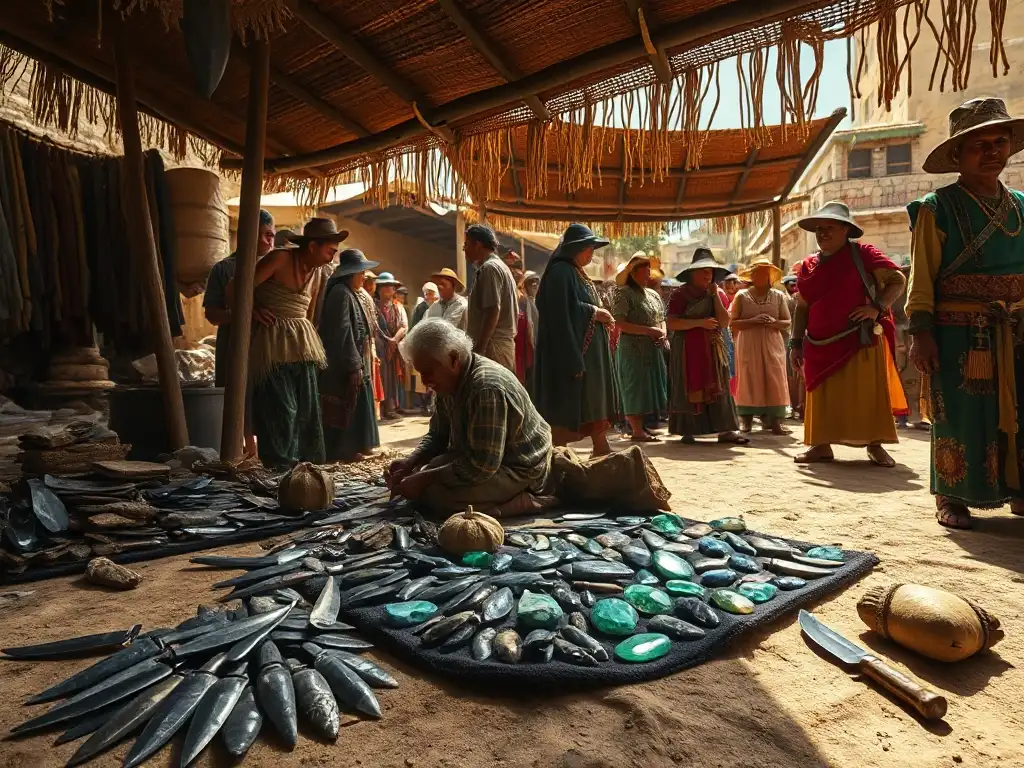
Obsidian, a volcanic glass prized for its sharpness and durability, played a significant role in Andean trade networks. Its naturally occurring deposits were geographically limited, creating a high demand for this valuable resource amongst various Andean civilizations. Master craftsmen utilized obsidian to create an array of tools, from knives and blades used in agriculture and warfare to meticulously crafted ceremonial objects.
The control and distribution of obsidian sources often reflected power dynamics between different groups, with some communities holding a monopoly over particularly prized obsidian varieties. The quality of obsidian, its color, and the skill of its craftsmanship all affected its value in barter transactions. For example, the dark, translucent obsidian from the source near Lake Titicaca was highly sought after and likely commanded a higher exchange rate than less desirable varieties.
This trade in obsidian connected distant communities, fostering cultural exchange and economic interdependence across vast stretches of the Andes. The presence of obsidian artifacts in archaeological sites far from their source areas provides compelling evidence of extensive and well-established trade routes.
Beyond obsidian, precious stones like turquoise, emeralds, and lapis lazuli held immense value in Andean societies. These materials, often associated with power, divinity, and prestige, were incorporated into elaborate jewelry, intricate mosaics, and ceremonial attire. The rarity and vibrant colors of these stones made them highly desirable barter goods. Turquoise, for instance, was particularly important and was often used in religious contexts.
The sourcing of these precious stones involved complex exchange networks, often spanning hundreds of kilometers. The distribution patterns of these stones, as revealed by archaeological excavations, show a intricate system of trade that connected disparate communities across the Andean region, underscoring the importance of these materials in the socio-economic fabric of these civilizations. The value of these goods wasn't solely material; they represented social status and religious significance, adding another layer of complexity to their role in barter systems.
Pottery and Ceramic Vessels as Exchange Items
Pottery and ceramic vessels constituted another vital category of barter goods in the Andean region. The diverse styles, techniques, and decorative motifs found across different Andean cultures highlight the significance of pottery as both a functional and symbolic commodity. From simple utilitarian vessels used for storage and cooking to intricately decorated ceremonial jars and sophisticated funerary urns, ceramics served a multitude of purposes.
The quality of the pottery—the fineness of the clay, the precision of the craftsmanship, and the artistry of the decoration—directly impacted its value in exchange. Highly skilled potters, often associated with specific communities or lineages, produced ceramics that were highly prized and traded across wide geographical areas. The styles of pottery often served as markers of identity, allowing for the identification of the origin and cultural affiliation of the goods.
The intricate designs and symbolic imagery found on many ceramic vessels also contributed to their value as barter items. These designs often conveyed religious beliefs, social hierarchies, or historical events, making these objects important carriers of cultural information. The exchange of pottery, therefore, facilitated not only economic transactions but also the dissemination of ideas and cultural practices.
The discovery of specific pottery styles in far-flung archaeological sites provides strong evidence of the extensive trade networks that connected different Andean communities. The variations in styles and techniques across different regions also highlight the diversity of ceramic production and the complex interplay of local and regional exchange patterns.
Animal Products: Wool, Meat, and Hides in Barter
Animal products, particularly wool, meat, and hides, formed a crucial component of the Andean barter system. The domestication of animals like llamas and alpacas provided Andean communities with a range of valuable resources. Llama and alpaca wool, renowned for its softness and warmth, was highly prized for textile production.
The quality of the wool, determined by factors like fiber length and fineness, dictated its value in trade. Fine wool, often associated with specific breeds or regions, commanded higher prices and was frequently incorporated into luxury textiles for elite members of society. The production and exchange of wool textiles involved complex processes, from shearing and spinning to weaving and dyeing, often engaging specialized artisans.
Meat from llamas and alpacas also served as an important barter commodity, particularly in regions where agricultural resources were scarce. The availability of meat varied seasonally, influencing its relative value at different times of the year. Hides, meanwhile, were used to create a variety of items, including clothing, bags, and blankets. Their durability and weather-resistance made them valuable in harsh Andean climates.
The quality of the hides, determined by factors like thickness and tanning process, also influenced their exchange value. The trade in animal products highlights the integration of pastoralism and agriculture within the broader Andean economy, demonstrating the crucial role of animal husbandry in supporting exchange networks and sustaining communities. The availability and quality of these goods, influenced by factors like altitude and climate, significantly affected their value and role in the complex barter system of the Andes.
Regional Variations in Andean Barter Goods
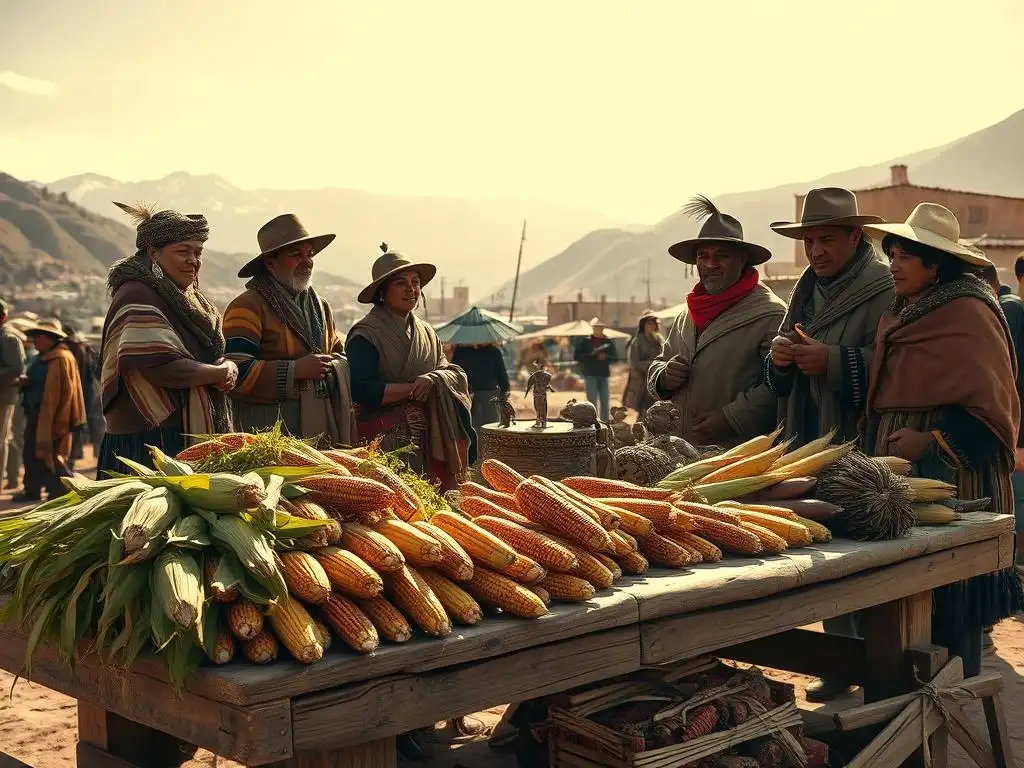
The Andean region, encompassing a diverse geography and a multitude of distinct cultures, saw a fascinating array of goods exchanged through intricate barter systems. Understanding these regional variations is crucial to appreciating the complexity of Andean trade and the ingenuity of its peoples. While certain items, like coca leaves and textiles, held widespread value, the specific goods and practices differed significantly depending on the civilization and its environment.
This section will explore the nuances of barter in several prominent Andean cultures, highlighting the unique characteristics of each system and the role of geography in shaping economic exchange. The study of Andean civilizations barter goods reveals a sophisticated understanding of resource management and inter-regional cooperation.
Barter Practices in the Inca Empire
The Inca Empire, known for its centralized administration, also implemented a sophisticated system of mita, a form of mandatory labor, alongside a complex barter system. While mita contributed significantly to the empire's infrastructure and resource accumulation, barter remained a vital component of everyday economic life, particularly in areas outside of direct imperial control. High-altitude regions, for instance, specialized in the production of llama wool and other high-altitude crops, exchanging these goods for coastal products like fish and salt.
The Inca quipus, knotted strings used for record-keeping, likely played a role in tracking these exchanges, although the precise mechanisms remain a subject of ongoing scholarly debate. The Inca state itself facilitated certain exchanges, acting as a central distributor of essential goods like maize and potatoes, but local barter networks remained essential for the circulation of less crucial, yet still valuable, items.
The standardization of weights and measures, implemented by the Inca administration, further enhanced the efficiency of these exchanges. This suggests a level of economic sophistication far beyond simple reciprocal gift-giving.
The following table illustrates some common goods exchanged within the Inca Empire:
| Item | Source Region | Destination Region | Purpose |
|---|---|---|---|
| Llama Wool | High Andes | Coastal Regions | Clothing, textiles |
| Potatoes | High Andes | Coastal Regions, lowlands | Food |
| Maize | Lowlands | High Andes | Food |
| Dried Fish | Coastal Regions | Inland Regions | Food |
| Salt | Coastal Regions | Inland Regions | Preservative, seasoning |
| Pottery | Various Regions | Various Regions | Storage, cooking, ceremonial use |
| Precious Metals | Various Regions (mines) | Imperial Center, elites | Ornamentation, ritual objects |
Exchange Systems of the Moche Civilization
The Moche civilization (100-800 CE), celebrated for its elaborate metalwork and sophisticated irrigation systems, developed a robust barter system deeply integrated into its social and religious life. Evidence suggests that specialized craft production, particularly in ceramics and metallurgy, played a central role in Moche exchange networks. Elaborate pottery, often depicting scenes of warfare or ritual, served not only as functional items but also as prestigious goods exchanged among elites.
Similarly, intricate gold and silver artifacts, indicative of high-level craftsmanship, were likely used in elite exchanges and possibly in religious ceremonies. The Moche's sophisticated irrigation systems enabled them to produce agricultural surpluses, which were likely traded for other goods within their territory and potentially beyond. The precise extent of their trade networks, however, remains unclear, with ongoing archaeological research slowly revealing the extent of Moche economic connections.
The use of shells and other exotic materials in Moche artifacts hints at wider trade connections, but the specific routes and mechanisms remain largely unknown. Further research is needed to fully understand the complexities of the Moche barter system.
Trade Networks of the Nazca Culture
The Nazca culture (100 BCE – 600 CE), renowned for its enigmatic geoglyphs, also participated in extensive trade networks, exchanging goods across diverse landscapes. Their mastery of textile production, particularly in the creation of fine cotton and camelid fiber textiles, was a major driver of their trade. These textiles, often intricately woven with vibrant colors and complex designs, likely served as both everyday items and prestigious goods exchanged among elites.
The Nazca also produced distinctive pottery, characterized by its polychrome style and intricate designs, which played a significant role in their exchange system. The availability of diverse resources within their territory, including cotton, camelids, and various types of clay, contributed to their ability to produce a range of trade goods. Archaeological evidence suggests that the Nazca traded extensively with neighboring coastal and highland communities, although the exact nature and extent of these interactions remain subjects of ongoing research.
The absence of a centralized political structure, unlike the Inca Empire, likely resulted in more decentralized and perhaps less formalized barter systems. However, the remarkable quality and diversity of their craft production indicate a high level of economic organization and inter-regional exchange. Further study of Nazca settlements and burial sites will help clarify the dynamics of their trade networks and the role of barter in their society.
Barter Goods in the Tiahuanaco State
The Tiahuanaco state, flourishing in the Andean highlands from approximately 500 to 1000 CE, developed a complex and extensive barter system reflecting its unique environment and societal structure. Unlike coastal regions with abundant marine resources, the Tiahuanaco economy relied heavily on agriculture, particularly the cultivation of potatoes and quinoa, which formed the backbone of their barter system. These staple crops, adapted to the high-altitude conditions, were traded extensively throughout the vast empire.
Evidence suggests that different varieties of potatoes and quinoa, each possessing unique characteristics and qualities, held varying values in the barter system, reflecting the intricate understanding of agricultural diversity within the society. The availability and quality of these crops heavily influenced trade routes and interactions between different communities within the Tiahuanaco sphere of influence. Furthermore, the state controlled access to vital resources, solidifying its power and influence through the strategic distribution of agricultural goods.
Beyond agricultural products, textiles played a crucial role in Tiahuanaco barter. The intricate weaving techniques, using camelid fibers like alpaca and llama wool, produced highly valued textiles used for clothing, ceremonial purposes, and even as a form of currency. The quality of the yarn, the complexity of the designs, and the colors used all influenced the value of these textiles in exchange.
Archaeological findings reveal a wide range of textile types, from simple everyday garments to elaborate ceremonial cloaks, each carrying a different value within the barter system. The production and distribution of these textiles were likely closely monitored by the ruling elite, ensuring the control over this valuable commodity.
Additionally, the Tiahuanaco state likely facilitated the exchange of other essential goods, such as metalwork, particularly copper and bronze artifacts, which were highly prized for their use in tools, weapons, and ceremonial objects. Obsidian, sourced from distant volcanic regions, was another highly valued commodity, used for the creation of tools and blades. The control over the distribution of these non-agricultural goods further enhanced the power of the Tiahuanaco state, demonstrating their ability to manage and regulate trade networks across vast distances.
The scarcity of these materials likely increased their value in barter transactions, creating a complex interplay of supply and demand within the Tiahuanaco economy. Detailed records of these transactions are, unfortunately, lacking, leaving much of the specifics to archaeological interpretation and inferences based on the distribution patterns of these goods. Further research is needed to fully understand the nuances of the Tiahuanaco barter system.
The Impact of Barter on Andean Society
The intricate barter systems of the Andean civilizations weren't merely economic transactions; they profoundly shaped the social fabric and political landscape of these societies. Understanding the impact of barter requires looking beyond simple exchanges of goods and recognizing its role in forging alliances, solidifying power structures, and fostering cultural dynamism. The absence of a unified, widespread currency meant that social interactions were deeply intertwined with economic ones, creating a complex web of obligations and reciprocity.
This system, while lacking the efficiency of a monetary system, fostered strong social bonds and facilitated the distribution of resources across diverse ecological zones. The success of the Andean civilizations, in part, hinged on their ability to manage these complex barter networks effectively. Analyzing these networks reveals valuable insights into the social organization, political strategies, and cultural interactions of these remarkable societies.
The social implications of the Andean barter system were multifaceted. For example, the control and distribution of highly valued goods like coca leaves, textiles, and precious metals often reinforced existing power structures. Elite classes, particularly in larger empires like the Inca, controlled access to these resources and used them to consolidate their authority.
This control wasn't just about economic dominance; it also extended to social prestige and political influence. The act of gifting valuable goods during ceremonies or as tribute solidified alliances and maintained social hierarchies. Conversely, a lack of access to desirable goods could lead to social marginalization and economic hardship.
Economically, the system fostered specialization and interdependence. Communities located in different ecological zones specialized in producing specific goods—coastal communities might focus on fishing and salt production, while highland communities specialized in agriculture, such as cultivating potatoes and maize. This specialization led to complex exchange networks, with communities relying on each other for essential resources.
The efficient functioning of these networks was crucial for the survival and prosperity of Andean societies, highlighting the interconnectedness of their economies. Disruptions to these networks, whether due to conflict or environmental factors, could have devastating consequences. The success of the Andean barter system, therefore, depended on intricate logistical planning, well-established trade routes, and a deep understanding of regional resources and needs.
Barter as a Driver of Cultural Exchange
Beyond its economic and social implications, the Andean barter system played a crucial role in the exchange of ideas, technologies, and artistic styles. The movement of goods across vast distances facilitated the dissemination of knowledge and cultural practices. For instance, the spread of agricultural techniques, such as terrace farming, was likely aided by the barter system. Similarly, artistic motifs and stylistic elements often traveled along trade routes, leading to a blending of cultural influences.
The exchange of textiles, pottery, and other craft items facilitated the transmission of artistic innovations and techniques. The vibrant diversity of Andean cultures was, in part, a product of this constant cultural exchange facilitated by the barter system. Archaeological evidence, showing similar stylistic elements across geographically dispersed sites, supports this view.
The flow of goods wasn't simply a material transfer; it was a powerful vehicle for cultural transmission, enriching the artistic and technological landscape of the Andes. Moreover, the interactions between different groups during barter exchanges likely led to the transmission of oral traditions, religious beliefs, and social customs. This constant exchange contributed to the dynamism and complexity of Andean cultures, making them remarkably resilient and adaptable over centuries.
Frequently Asked Questions
What goods were commonly bartered in Andean civilizations?
A wide variety of goods were used in Andean barter systems. This included agricultural products like corn, potatoes, and coca leaves, as well as textiles, metalwork, and ceramic goods. The specific goods varied depending on the region and the time period.
How did the geography of the Andes influence barter systems?
The rugged terrain of the Andes made long-distance trade difficult. This led to a system of localized barter, with communities exchanging goods primarily with their neighbors. Altitude also played a role, impacting the availability of certain resources.
Did all Andean civilizations use the same barter system?
No, the specifics of barter systems varied between different Andean civilizations. While many shared common elements, the Moche, Nazca, Inca, and Tiahuanaco cultures each had their own unique economic practices and preferences regarding traded goods.
What role did coca leaves play in Andean barter?
Coca leaves held significant cultural and economic importance. They were used not only as a stimulant but were also highly valued as a form of currency in many Andean societies, traded for other goods and services.
How did the Spanish conquest impact Andean barter systems?
The Spanish conquest dramatically disrupted traditional Andean barter systems. The introduction of European goods and the Spanish monetary system gradually replaced the existing barter economy, leading to significant economic and social changes.
Final Reflection: Echoes of Exchange in the Andes
The intricate systems of barter that defined Andean civilizations resonate powerfully even today, reminding us of the enduring human need for connection and resourcefulness. While modern economies rely on complex monetary systems, the ingenuity and social fabric woven through Andean barter practices offer a valuable counterpoint, highlighting the importance of community and direct exchange in a world increasingly driven by globalized markets.
The impact of these diverse barter systems extended far beyond simple transactions; they shaped social hierarchies, fostered alliances, and even influenced artistic expression. The sheer variety of goods exchanged – from coca leaves and corn to textiles and precious metals – speaks volumes about the richness and complexity of Andean societies. The exchange of goods was not merely an economic act, but a social and ritual one, reinforcing kinship ties and solidifying political power.
This quote encapsulates the profound social significance of barter, a significance often overlooked in our focus on modern economic models.
Consider the enduring legacy of these practices. How might a renewed appreciation for direct exchange and community-based resource management benefit our own interconnected world? You, the reader, are invited to reflect on the ways in which we can foster stronger, more sustainable relationships – both personally and globally – by embracing the spirit of reciprocal exchange and valuing the diverse contributions of every individual within our communities. Let the echoes of Andean barter inspire you to build a more equitable and interconnected future.
Thank you for exploring the fascinating world of Andean barter. We hope you've gained valuable insights into how diverse goods, such as coca leaves and corn, have shaped the cultural and economic landscapes of the Andes. Now, let's deepen your understanding and appreciation.
Here are some engaging ways to connect with this vibrant tradition:
- Dive Deeper: Research the cultural significance of a specific traded good, such as textiles or pottery, and how its use has evolved over time. Consider exploring the role of specific items in Andean social structures and ceremonies.
- Spread the Word: Share this article with friends and family on social media to spark conversations about Andean history and traditions.
- Join the Conversation: Find an online forum or community focused on Andean civilizations to discuss your thoughts and learn from others' perspectives on this rich historical practice.
What aspect of Andean barter traditions most surprised you, and how might these ancient practices inform or inspire modern trade and economic systems?