
Beyond Gold: How Barter Fueled the Andean Economy

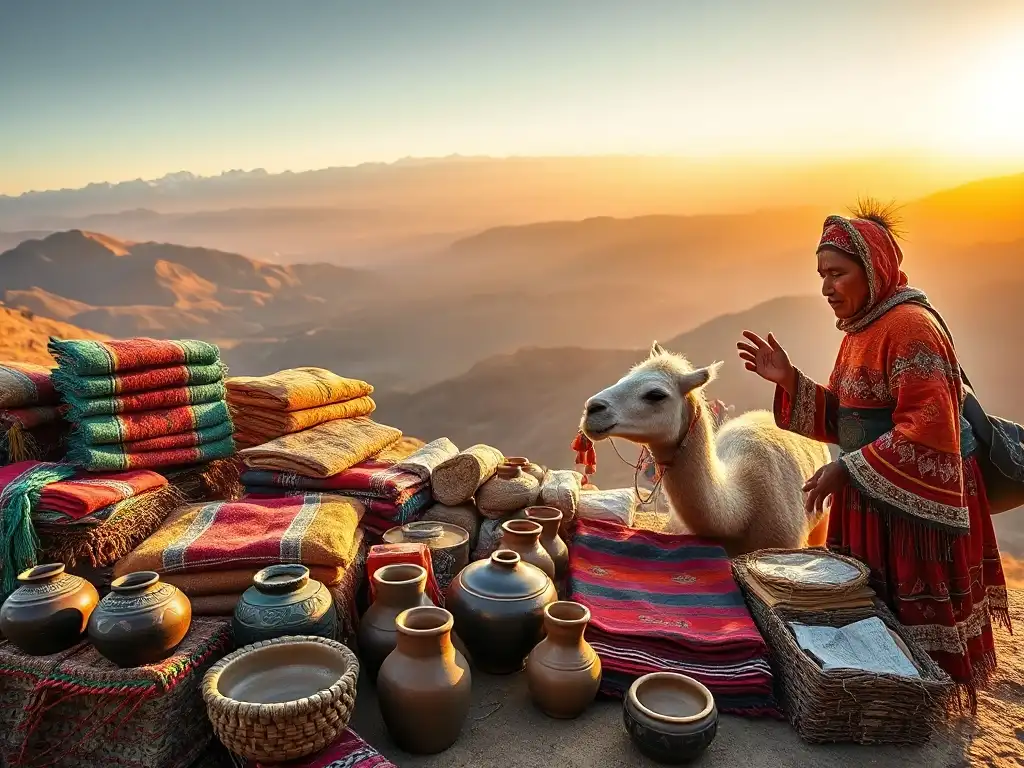
Dive into the mesmerizing world of Andean Civilizations, where towering empires and intricate societies thrived long before recorded history. Forget the glittering gold – discover a hidden engine of their power: the sophisticated Andean civilizations barter system. This wasn't just simple exchange; it was a complex web of trade that shaped their world. Unravel the mysteries behind this ancient economic powerhouse and learn how it fueled the rise and fall of these remarkable cultures. Prepare to be amazed.
The shimmering allure of gold often overshadows the complex economic systems that supported the flourishing Andean civilizations. While precious metals certainly played a role, a deeper understanding reveals a vibrant tapestry of trade and exchange woven primarily through intricate barter systems. This article delves into the fascinating world of Andean economic practices, moving beyond the glittering surface of gold to explore the sophisticated networks of goods and services that fueled the growth and prosperity of cultures like the Inca, Moche, Nazca, and Tiahuanaco.
We will examine the diverse items exchanged, the regional variations in barter systems, and the social and political implications of this crucial economic engine within the Andean civilizations. Understanding the Andean barter system provides invaluable insight into the ingenuity and resilience of these remarkable societies and their enduring legacy.
Introduction to Andean Civilizations and Barter
The Andean region, encompassing the vast mountainous terrain of modern-day Peru, Bolivia, Ecuador, Colombia, and parts of Chile and Argentina, was home to a diverse array of pre-Columbian civilizations. These societies, spanning millennia, developed sophisticated agricultural techniques, impressive architectural feats, and complex social structures. While the Inca Empire, with its centralized administration and vast territory, is often the focal point of Andean studies, the intricate barter systems that characterized Andean economies predate and extend beyond the Inca.
The Moche, Nazca, and Tiahuanaco cultures, each with their unique characteristics, also relied heavily on barter for economic exchange. This wasn’t simply a matter of swapping goods; it involved intricate networks, established trade routes, and nuanced social interactions that reflected the specific cultural values and priorities of each civilization.
The system was far from chaotic; rather, it operated with a surprising level of organization and efficiency, facilitating the distribution of essential resources and contributing significantly to social stability. This section will lay the groundwork for understanding the broader context of Andean economies before diving into the specifics of their barter systems.
Diverse Goods and Services Exchanged Through Barter
The Andean barter system wasn't limited to a few basic commodities. The range of goods and services exchanged was remarkably diverse, reflecting the varied environments and specialized skills within the region. Agricultural products formed a significant portion of the exchanges.
This included staples like potatoes 🥔, maize 🌽, quinoa, beans, and coca leaves—all crucial for sustenance. Textiles, crafted with remarkable skill and artistry, were highly valued, representing both practical utility and social status. Pottery, varying in style and function from everyday vessels to elaborate ceremonial pieces, was another important commodity.
Furthermore, specialized crafts such as metalwork (though not always gold), stone carving, and featherwork contributed to the richness and complexity of the barter networks. Beyond material goods, services such as specialized labor (e.g., construction, metalworking, healing) were also exchanged, highlighting the multifaceted nature of Andean economic transactions. The sheer variety underscores the sophisticated level of economic interdependence within and between different Andean communities.
Regional Variations in Barter Practices
While a common thread of barter united Andean economies, regional variations existed reflecting the diverse environments and cultural practices of different groups. The coastal regions, with their access to marine resources, saw a different range of goods exchanged compared to the highland communities reliant on agriculture. Coastal communities might trade fish 🐠, shellfish, and sea salt for highland products like textiles and agricultural goods.
Similarly, the different Andean cultures – the Moche, Nazca, and Tiahuanaco – developed unique styles of pottery, textiles, and other crafts, leading to distinct regional specializations and trade patterns. These variations, far from indicating a lack of integration, highlight the sophisticated adaptation of barter systems to specific ecological and cultural contexts, demonstrating a remarkable degree of economic flexibility and resilience within the Andean world. Further research is needed to fully map the nuances of these regional variations.
The Andean barter system was not merely an economic mechanism; it played a significant role in shaping social structures and political power dynamics. Control over key resources and trade routes often translated into political influence. The ability to accumulate and redistribute goods through barter could enhance a leader's prestige and consolidate their authority. Furthermore, the networks of exchange fostered social connections and alliances between different communities, promoting cooperation and stability.
However, imbalances in access to resources or control over trade routes could also lead to conflict and competition. The intricate interplay between economic exchange, social hierarchy, and political power within the Andean civilizations remains a rich area for ongoing study and interpretation. Understanding this interconnectedness is key to a complete understanding of the Andean world.
- Introduction to Andean Civilizations and Barter
- Diverse Goods and Services Exchanged Through Barter
- Regional Variations in Barter Practices
- The Social and Political Implications of Andean Barter
The Significance of Barter in Ancient Andean Societies
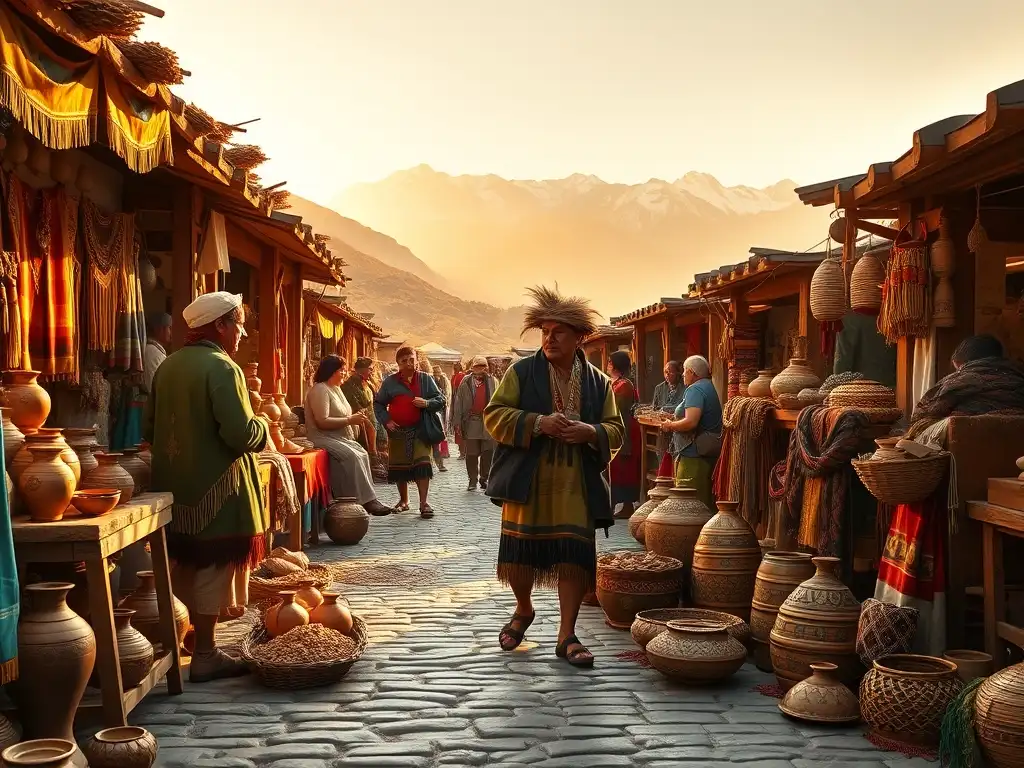
The Andean civilizations, renowned for their sophisticated engineering and artistic achievements, lacked a formal monetary system as we understand it today. Instead, a complex and robust barter system served as the backbone of their economy, shaping their social structures and influencing their daily lives. Understanding this system is crucial to appreciating the nuanced economic realities of the Incas, Moche, Nazca, and Tiahuanaco, among others.
This wasn't simply a rudimentary exchange of goods; it was a deeply ingrained social practice reflecting intricate power dynamics, kinship ties, and regional specialization. The Andean civilizations barter system was a dynamic, multifaceted system that extended beyond simple transactional exchanges, playing a significant role in maintaining social cohesion and political stability.
The absence of a unified currency fostered a system of localized economies, each with its unique characteristics and exchange mechanisms. Analyzing these diverse systems reveals the ingenuity and adaptability of these ancient societies in navigating the challenges of resource allocation and economic interaction.
Understanding the Absence of a Monetary System
The absence of a standardized monetary system in the Andean region wasn't a sign of underdevelopment; rather, it reflected a different economic philosophy. While some researchers propose the existence of rudimentary forms of currency in certain regions or periods – often in the form of standardized units of precious metals or shells – these were not widespread or universally adopted. The primary economic engine remained the barter system.
This system was effective due to the relatively self-sufficient nature of many Andean communities. Agricultural surplus, coupled with specialized craft production within individual communities, often minimized the need for extensive long-distance trade, making barter a practical solution. The lack of a centralized authority also contributed to the prevalence of localized barter networks.
Different communities specialized in producing specific goods – textiles from one region, ceramics from another, agricultural produce from yet another – leading to a vibrant system of reciprocal exchange. This decentralized approach contrasted sharply with the centralized economies of many other ancient civilizations. The absence of a unified monetary system meant that economic power was not consolidated in the hands of a few, but rather distributed across various communities based on their specialized skills and resources.
The Role of Reciprocity in Andean Exchange Networks
Reciprocity formed the cornerstone of the Andean civilizations barter system. This wasn't merely a simple "quid pro quo" exchange; it involved intricate social obligations and expectations that reinforced social bonds and hierarchical structures. The ayni system among the Inca, for example, emphasized reciprocal labor and resource sharing within communities and between different social groups.
This system ensured that resources were distributed equitably, and that social harmony was maintained. The concept of mita, a form of mandatory labor service, also played a significant role in the Inca economy, with individuals contributing their labor in exchange for access to resources and protection. These reciprocal arrangements extended beyond immediate communities, creating extensive networks of exchange that spanned vast distances.
The establishment of these networks facilitated the flow of goods, ideas, and cultural practices, contributing to the remarkable homogeneity and cultural integration observed across the Inca Empire. This concept of reciprocity was integral to the Andean worldview, imbuing economic transactions with profound social and spiritual significance. The exchange of goods was not just a commercial act but a social ritual that strengthened community bonds.
The Andean civilizations barter system wasn't merely an economic mechanism; it was deeply interwoven with the social fabric of Andean life. The exchange of goods and services, often accompanied by ritualistic practices, served to reinforce social hierarchies, consolidate power, and maintain social order. Elite members of society often controlled access to crucial resources, using their position to accumulate wealth and influence.
This control wasn't necessarily achieved through coercion, but rather through the skillful manipulation of reciprocal obligations and the control of trade routes. The system also facilitated the redistribution of surplus goods, ensuring that even the most remote communities had access to essential resources. The barter system, therefore, played a crucial role in ensuring social stability and preventing widespread famine or social unrest.
The intricate nature of these exchange networks, encompassing both local and long-distance trade, showcases the sophisticated economic understanding of these ancient societies and their ability to create a system that was both economically efficient and socially cohesive. The study of the Andean civilizations barter system offers valuable insights into the diverse ways in which societies can organize their economies and manage their resources without relying on a formalized monetary system. It challenges conventional notions of economic development and highlights the importance of considering social and cultural factors in economic analysis.
Key Elements of the Andean Barter System
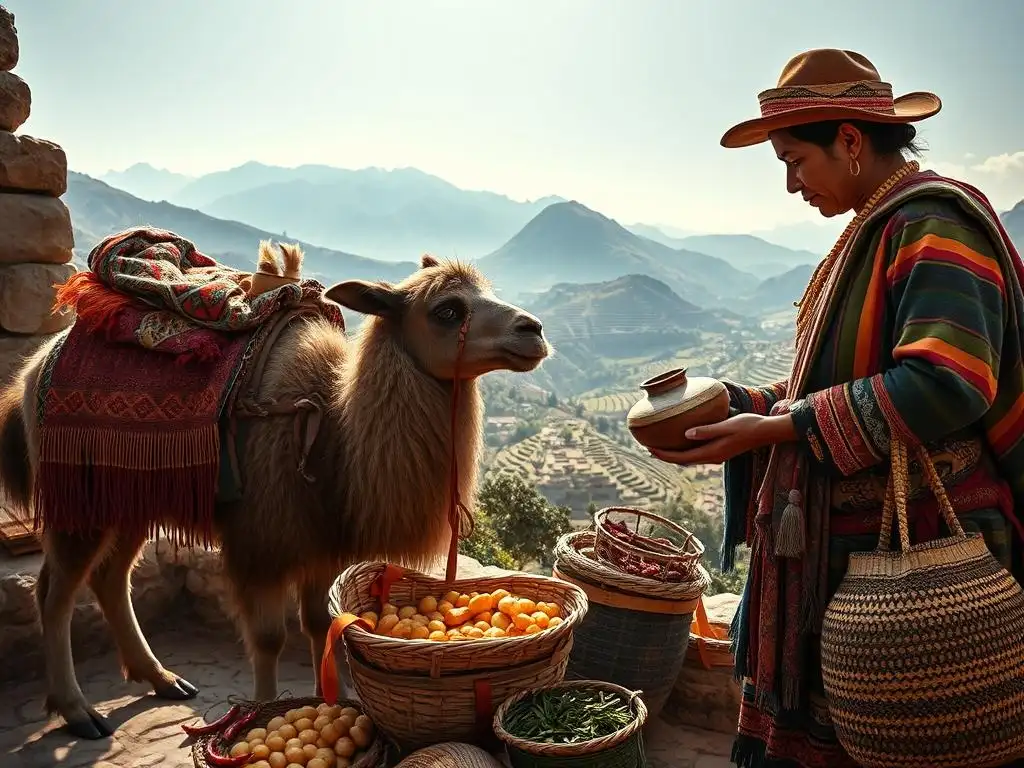
The Andean civilizations, renowned for their sophisticated empires like the Inca, weren't solely reliant on gold. While precious metals certainly played a role, a robust and intricate barter system formed the backbone of their economy. Understanding this system reveals a complex network of exchange that facilitated the growth and interconnectedness of diverse Andean communities.
This system wasn't simply a haphazard exchange of goods; it was a carefully orchestrated process reflecting regional specializations and sophisticated trade routes, significantly contributing to the overall economic prosperity and cultural exchange within the Andean region. The Andean civilizations barter system demonstrates a remarkable level of economic organization and social integration, far exceeding simplistic notions of primitive exchange.
Goods Exchanged in the Andean Barter System
The goods exchanged in the Andean barter system were incredibly diverse, reflecting the rich agricultural resources, skilled craftsmanship, and access to valuable materials across the varied Andean landscapes. This diversity highlights the complexity and efficiency of their trade networks. The system wasn't limited to basic necessities; it encompassed luxury goods and specialized items crucial for social status and religious practices.
Agricultural Products: Potatoes, Quinoa, Maize, Coca Leaves
Agriculture was fundamental to the Andean economy. The exchange of agricultural products was a cornerstone of the barter system. Different altitudes and microclimates fostered the cultivation of a wide variety of crops.
- Potatoes: Hundreds of potato varieties thrived in the Andes, each adapted to specific ecological niches. These were not only a staple food but also a valuable commodity traded across regions.
- Quinoa: This highly nutritious grain, considered a "superfood" even today, was another essential crop widely exchanged. Its adaptability and nutritional value made it a highly sought-after item.
- Maize: Maize, or corn, was cultivated in lower altitudes and played a vital role in the Andean diet and religious ceremonies. Different varieties and their processing methods varied regionally, leading to specialized trade.
- Coca Leaves: Coca leaves held significant cultural and religious importance. Their use, while not widespread due to controlled access, was integral to Andean societies and their exchange contributed to social and political dynamics.
Textiles and Craftsmanship: Woven Alpaca Wool, Intricate Pottery, Featherwork
The Andean civilizations were renowned for their exceptional craftsmanship. Textiles, pottery, and featherwork were not merely functional items; they represented artistry, social status, and religious significance. Their exchange played a crucial role in the barter system.
- Woven Alpaca Wool: Alpaca wool, prized for its softness and warmth, was woven into intricate textiles with complex designs. The quality and design of these textiles reflected the skill of the weaver and their social standing.
- Intricate Pottery: The Andean region produced a vast array of pottery styles, each unique to particular regions or cultures. Elaborate designs, often depicting religious or mythological themes, were highly prized items of exchange.
- Featherwork: Featherwork, particularly from brightly colored birds like hummingbirds and macaws, was used to create elaborate headdresses, cloaks, and other ceremonial objects. These items held significant religious and political value, making them highly sought-after in the barter system.
Precious Materials: Obsidian Tools, Spondylus Shells, Copper Ornaments
Access to precious materials significantly influenced the Andean barter system. These materials, often sourced from distant locations, held symbolic and practical value, enhancing their importance in trade.
- Obsidian Tools: Obsidian, a volcanic glass, was prized for its sharpness and used to create tools and weapons. Its scarcity and effectiveness made obsidian tools highly valued commodities.
- Spondylus Shells: These bright red shells, sourced from the Pacific coast, held significant religious and symbolic value. Their rarity and association with deities made them highly sought-after items in the Andean barter system.
- Copper Ornaments: Copper, though not as abundant as in other parts of the world, was still a valuable metal used to create ornaments, tools, and weapons. Copper objects were symbols of status and power within Andean societies.
Regional Specialization and Trade Routes
The Andean barter system wasn't a chaotic exchange; instead, it reflected a sophisticated understanding of regional specializations and the development of well-established trade routes. This organized approach enabled the efficient distribution of goods across diverse ecological zones and contributed to the economic integration of Andean communities.
Coastal Communities and their Exchanges
Coastal communities specialized in fishing, salt production, and the collection of marine resources like spondylus shells. They traded these goods with highland communities in exchange for agricultural products and other resources not readily available along the coast. The coastal regions acted as vital links in the broader Andean trade network, facilitating the movement of goods between different ecological zones.
Highland Communities and their Specializations
Highland communities, with their varied altitudes and microclimates, specialized in the cultivation of potatoes, quinoa, maize, and other crops adapted to high-altitude environments. They also excelled in textile production using alpaca and llama wool. These communities served as a primary source of agricultural goods and textiles for coastal and other inland regions. Their specialized knowledge of agriculture and textiles was essential to the broader Andean economy.
Inter-regional Barter Networks
The Andean barter system involved complex inter-regional networks that connected coastal, highland, and jungle communities. These networks weren't simply linear routes; they were intricate webs of exchange, facilitated by well-established trails and possibly even specialized transport systems. The exchange of goods across these networks fostered economic interdependence and cultural exchange between diverse Andean groups, contributing to the stability and prosperity of the Andean civilizations. The system's efficiency is a testament to the organizational abilities and economic acumen of these ancient societies.
The Mechanics of Andean Barter Exchanges
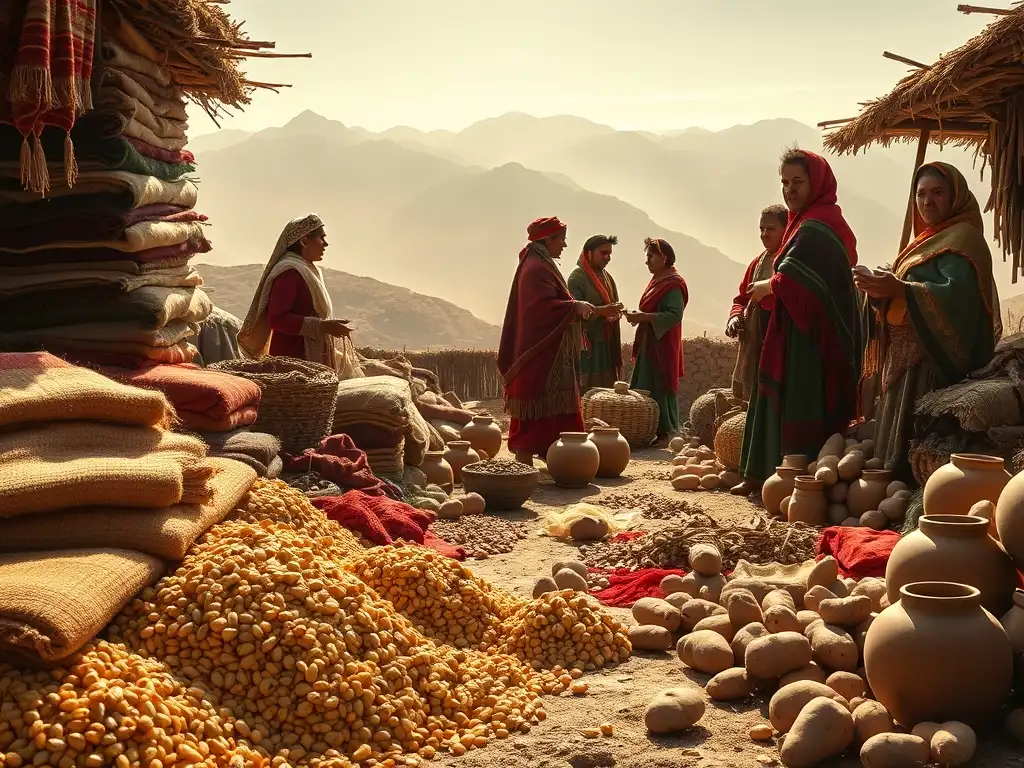
The Andean civilizations, renowned for their sophisticated agricultural practices and impressive architectural feats, lacked a unified monetary system. Instead, a complex and dynamic barter system fueled their economy, facilitating the exchange of goods and services across vast distances and diverse ecological zones. Understanding the mechanics of this system requires examining the diverse goods exchanged, the methods of valuation, and the intricate social networks that underpinned it.
The "Andean civilizations barter system" wasn't a simple swap; it was a sophisticated negotiation process reflecting cultural values and economic realities. This section delves into the intricacies of this remarkable system, revealing the ingenuity and adaptability of Andean societies.
Negotiating Value in the Absence of Currency
The absence of currency in the Andean barter system necessitated creative methods for determining the relative value of goods. Value wasn't solely determined by utility; cultural significance, labor invested, and rarity played crucial roles. For example, a finely woven textile from a prestigious community might be valued higher than a similar textile from a less renowned area, even if the craftsmanship was comparable.
Negotiation was key; bartering involved a process of give-and-take, with participants assessing the value of each item based on a complex interplay of factors. This dynamic valuation system ensured that the exchange wasn't simply a transaction, but a social interaction reflecting the intricate social hierarchies and established trade relationships. Detailed records of these transactions are unfortunately scarce, leaving much to decipher from archaeological findings and surviving accounts from Spanish chroniclers, often biased by their own perspectives.
Further research is needed to fully understand the nuanced valuation processes involved in Andean bartering. Analyzing the relative quantities of traded goods found in archaeological sites could shed further light on this aspect.
The Role of Community and Trust in Barter Transactions
Trust and reciprocal relationships were fundamental to the success of the Andean barter system. Transactions often occurred between individuals and communities with pre-existing social connections, fostering a sense of mutual obligation and accountability. Repeated interactions built trust, reducing the risk of exploitation or unfair exchanges.
The strong communal structure of Andean societies provided a framework for resolving disputes and ensuring fair practices. This social capital was invaluable, facilitating long-distance trade and the smooth flow of goods across diverse regions. Indeed, the system relied less on formal contracts and more on ingrained social norms and established patterns of exchange.
Violation of trust could have severe social consequences, impacting an individual's standing within their community. This social pressure further reinforced the integrity of the system, making it a robust and effective mechanism for economic exchange. The importance of kinship ties and communal solidarity in facilitating trade should not be underestimated when studying the Andean civilizations barter system.
Barter and the Movement of Goods: Llama Caravans and Footpaths
The movement of goods across the diverse Andean landscape was facilitated by a sophisticated network of footpaths and, in some regions, llama caravans. These routes connected distant communities, enabling the exchange of goods between different ecological zones. High-altitude communities specializing in alpaca wool, for instance, could trade their products for agricultural goods from lower altitudes.
Llama caravans, while not ubiquitous across all Andean cultures, were a crucial element in facilitating long-distance trade in certain regions, carrying substantial quantities of goods over challenging terrain. The intricate network of pathways, meticulously engineered to traverse steep mountains and rugged terrain, stands as a testament to the ingenuity and organizational capacity of Andean societies. These routes weren't merely transportation channels; they were vital arteries of the Andean barter system, connecting diverse communities and fueling the economic and cultural exchange that shaped these civilizations.
The construction and maintenance of these pathways required significant collective effort, highlighting the importance of cooperation and communal organization in supporting the barter system's functionality. Detailed mapping of these ancient routes and a more thorough analysis of the goods transported would significantly improve our understanding of the Andean trade network and its logistical complexities.
Case Studies: Barter in Specific Andean Civilizations
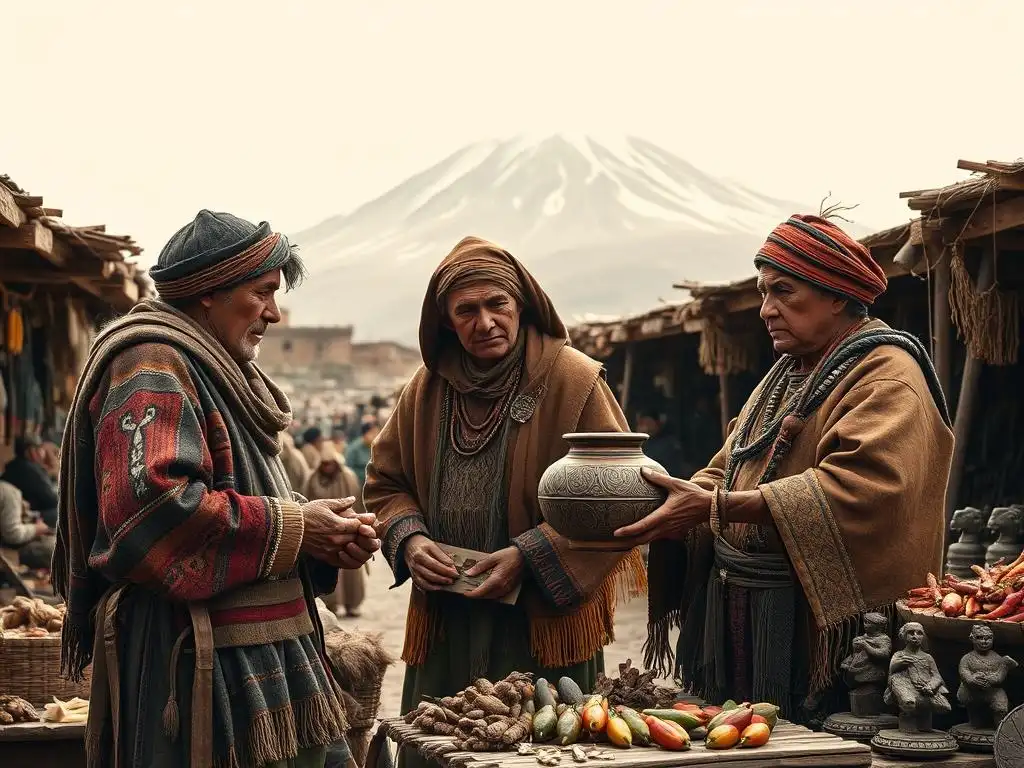
This section delves into the specifics of how barter functioned within different Andean civilizations, highlighting the unique characteristics and adaptations of their exchange networks. Understanding these case studies provides a richer understanding of the Andean civilizations barter system and its crucial role in their economic and social structures. We will explore the complexities of barter, moving beyond a simplistic view of mere exchange and revealing its intricate connection to political power, social hierarchy, and resource management.
Barter in the Inca Empire: A State-Controlled System
The Inca Empire, renowned for its sophisticated organization and vast territory, implemented a highly structured system of barter that was deeply intertwined with its state administration. Unlike a free-market exchange, Inca barter was largely controlled and regulated by the state, ensuring the efficient distribution of resources and the maintenance of social order. This centralized approach differed significantly from the likely more decentralized systems employed by earlier Andean cultures.
The Mit'a System and its Connection to Barter
The mit'a, the Inca system of mandatory labor service, played a significant role in the empire's barter system. While often associated with public works projects, the mit'a also facilitated the exchange of goods and services. Communities obligated to provide labor might fulfill their obligations not only through physical work but also by contributing goods produced in their regions.
For example, a community known for its textile production might fulfill part of its mit'a obligations by providing textiles to the state, which would then redistribute them to other areas through the intricate network of tambos (state-run waystations). This ensured the flow of essential goods throughout the empire, even in areas where those goods were not locally produced. This system effectively integrated labor and barter, reinforcing the state's control over resource allocation.
How the Inca Administered Barter Exchanges
The Inca state employed various mechanisms to manage and oversee barter transactions. Specialized officials, likely within the complex bureaucratic structure, were responsible for assessing the value of goods and services offered in barter. This assessment wasn't necessarily based on a fixed monetary system but rather on a nuanced understanding of the relative scarcity and utility of different items within specific regions.
Records, possibly kept using quipus (knotted strings), may have documented these transactions, although the exact methods of record-keeping remain a subject of ongoing research. The centralized nature of the Inca state allowed for efficient redistribution of goods obtained through barter, ensuring the supply of essential resources to different parts of the vast empire. The system's effectiveness was crucial to the empire's stability and its ability to sustain its large population.
Barter Among the Moche Civilization
The Moche civilization, known for its elaborate artistic achievements and sophisticated irrigation systems, also relied heavily on barter for economic exchange. Unlike the Inca state's centralized control, the Moche system likely operated with more decentralized networks, reflecting a less unified political structure. However, the evidence suggests a complex system of exchange that facilitated the movement of goods and resources across their territory.
Evidence of Barter from Moche Archaeological Sites
Archaeological excavations of Moche sites have unearthed compelling evidence of extensive barter networks. The discovery of various goods from distant regions in Moche tombs and settlements indicates a robust system of long-distance exchange. For example, the presence of obsidian tools originating from the Andes mountains in coastal Moche sites suggests trade or barter with inland communities.
Similarly, the discovery of marine resources in inland sites implies exchange between coastal and highland populations. The diversity of artifacts found suggests that the Moche engaged in barter not just for essential resources but also for luxury goods and prestigious items, reflecting a complex social and economic hierarchy.
The Importance of Irrigation and Agricultural Barter
The Moche's mastery of irrigation engineering played a crucial role in their economy and barter system. Their extensive canal systems allowed for the cultivation of diverse crops, creating surpluses that could be exchanged for other goods. The abundance of agricultural produce, such as maize, beans, and cotton, served as a foundation for barter, facilitating trade both within their own society and with neighboring groups.
The control and distribution of water resources themselves might have been a form of indirect barter, with access to irrigation channels potentially exchanged for goods or labor. This highlights the interconnection between agricultural production, resource management, and the broader economic dynamics of the Moche civilization. Further research into Moche agricultural practices and settlement patterns could provide a more comprehensive understanding of their barter system and its role in their societal structure.
Barter Practices in the Nazca Culture
The Nazca civilization, famed for its enigmatic geoglyphs etched into the desert landscape, also possessed a sophisticated barter system integral to its economic structure. Evidence suggests a complex network of exchange, facilitated by their mastery of textile production and ceramic artistry. Unlike some Andean societies that relied heavily on metalwork, the Nazca economy thrived on the exchange of these specific goods, demonstrating a nuanced understanding of resource management and trade.
The arid coastal environment of southern Peru shaped their economic strategies, forcing them to develop efficient systems for acquiring essential resources through trade rather than solely through local production. This reliance on barter fostered strong inter-regional connections, solidifying their position within the broader Andean exchange network.
The absence of widespread metalworking in Nazca society, compared to their contemporaries, highlights the unique economic strategies adopted by this fascinating culture. Their success in building and sustaining a complex society using a predominantly barter-based economy underscores the adaptability and ingenuity of the Nazca people.
Nazca Lines and Trade Routes
While the purpose of the Nazca Lines remains a subject of ongoing debate, some scholars suggest a connection between these monumental geoglyphs and trade routes. The lines themselves might have served as visual markers, guiding caravans transporting goods across the desert. This hypothesis links the seemingly unrelated aspects of Nazca culture—artistic expression and economic activity—suggesting a deeper integration of these spheres.
Further research is needed to fully understand the potential role of the Nazca Lines in facilitating trade and the overall barter system. However, the sheer scale and precision of the lines point to a level of societal organization and planning that undoubtedly supported their extensive trade networks.
The strategic placement of some lines in relation to known settlements and water sources strengthens this connection, hinting at a deliberate design to aid in navigation and trade. Analyzing the location of the lines in relation to archaeological findings of trade goods could offer further insight into this intriguing relationship.
Barter of Ceramic Goods and Textiles
The Nazca are renowned for their exceptional ceramic artistry and intricate textiles. These goods formed the backbone of their barter system. Highly stylized ceramics, often depicting wildlife and mythical creatures, were highly valued and traded across considerable distances. Similarly, their textiles, characterized by vibrant colors and complex weaving techniques, were prized commodities.
The quality and craftsmanship of both ceramic and textile goods served as indicators of value in the barter system. Evidence from archaeological excavations shows the widespread distribution of these goods across the Nazca region and beyond, indicating a robust and far-reaching exchange network. The variety of styles and designs in both ceramics and textiles suggests that different communities may have specialized in particular types of production, further driving the need for inter-community trade and barter. The intricate designs on these artifacts also suggest a complex social hierarchy, with certain designs possibly only available through trade or barter.
Barter Systems in the Tiahuanaco Culture
The Tiahuanaco culture, situated on the shores of Lake Titicaca, developed a sophisticated barter system that facilitated trade across vast distances, influencing a significant portion of the Andean region. Their expansive empire necessitated efficient mechanisms for resource allocation and exchange. Unlike purely localized barter systems, Tiahuanaco's network incorporated long-distance trade routes, extending its influence across diverse ecological zones.
This integrated system allowed them to access a wide range of goods not available in their immediate vicinity, contributing to the remarkable growth and prosperity of the Tiahuanaco state. The strategic location of Tiahuanaco, near crucial trade routes and resources, further enhanced their ability to control and manage this complex exchange network. The power and influence of the Tiahuanaco culture were directly linked to their mastery of long-distance trade and the effective utilization of a sophisticated barter system.
Long-distance trade and the expansion of barter
The Tiahuanaco culture's expansion was heavily reliant on their ability to establish and maintain long-distance trade networks. The exchange of goods like textiles, ceramics, and precious metals facilitated economic growth and political influence. Control of these trade routes solidified Tiahuanaco's dominance in the region. The standardization of certain goods, like pottery styles, suggests a centralized control over production and distribution, further enhancing the efficiency of their barter system.
Archaeological evidence demonstrates the presence of Tiahuanaco-style artifacts far from their central city, indicating the extent of their trade network and the influence of their barter economy. This system allowed for the movement of not only material goods, but also ideas and cultural practices, contributing to the cultural homogeneity observed across the Tiahuanaco empire. The ability to effectively manage these extensive trade routes was a key factor in the rise and longevity of the Tiahuanaco civilization.
The role of camelids in Tiahuanaco bartering
Camelids, such as llamas and alpacas, played a crucial role in the Tiahuanaco barter system. These animals served as both a source of valuable resources—wool, meat, and hides—and as pack animals, transporting goods along trade routes. Their ability to navigate the challenging Andean terrain made them indispensable for long-distance trade. The control and management of camelid herds likely conferred significant economic and political power within Tiahuanaco society. The use of camelids significantly reduced the cost and difficulty of transporting goods across vast distances, making the expansion of their barter system both more efficient and profitable. The importance of camelids in the Tiahuanaco economy is underscored by their frequent depiction in Tiahuanaco art and the discovery of camelid remains at various archaeological sites along known trade routes. The mastery of camelid herding and management was essential for the success of the Tiahuanaco barter system and the overall prosperity of the civilization.
The Legacy of the Andean Barter System
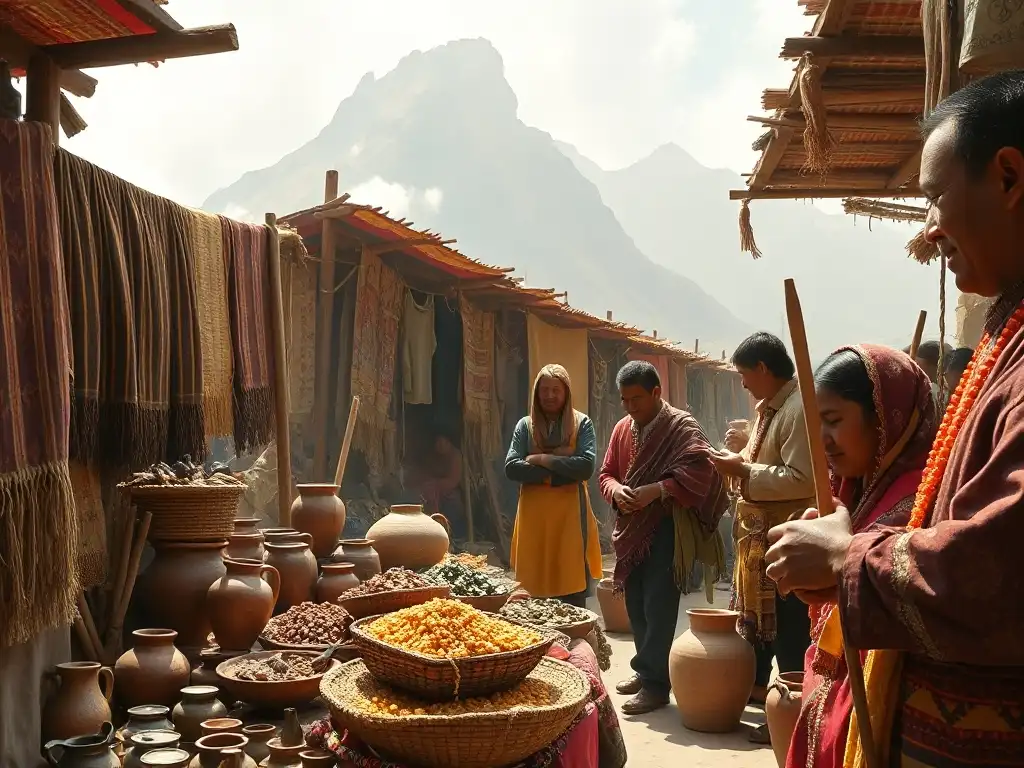
The Andean barter system, far from being a relic of the past, left a profound and lasting impact on the economic and social structures of the region. Its influence extends beyond the pre-Columbian era, shaping subsequent trade practices and deeply embedding principles of reciprocity within Andean culture. Understanding this legacy is crucial to appreciating the complexity and sophistication of Andean civilizations and their enduring influence on modern South America.
The intricate networks of exchange, built upon trust and reciprocal obligations, laid the foundation for future economic systems, even as the forms of exchange evolved. The sheer scale of the barter system, encompassing vast distances and diverse goods, demonstrates a level of organizational capability that continues to fascinate researchers studying Andean civilizations barter system.
How Andean Barter System Influenced Later Trade Practices
The transition from predominantly barter-based economies to systems incorporating currency was not a sudden rupture but a gradual evolution. Even after the arrival of the Spanish and the introduction of European monetary systems, elements of the traditional Andean barter system persisted. For example, the ayni system – a form of reciprocal labor exchange – continued to be a vital part of Andean communities' social and economic fabric.
This system, rooted in the pre-Columbian barter tradition, ensured the cooperation necessary for agricultural tasks, construction projects, and other communal endeavors. Similarly, the mita, a system of mandatory labor service imposed by the Inca Empire, although exploitative in its later forms, also retained aspects of reciprocal obligation, with individuals contributing labor in exchange for access to resources and protection. The enduring presence of these reciprocal practices underscores the deeply ingrained nature of the Andean barter system's influence on subsequent trade and economic organization.
The persistence of these systems demonstrates the resilience of traditional economic principles even in the face of significant external pressures. Data on the continued use of ayni and similar practices in modern Andean communities further highlights the long-term impact of this ancient system. Further research is needed to fully quantify the economic impact of these enduring practices, particularly in relation to modern market economies.
The Enduring Significance of Reciprocity in Andean Culture
Reciprocity, the cornerstone of the Andean barter system, remains a powerful force shaping social relations and economic interactions in Andean communities today. This principle, extending beyond simple exchange of goods, fosters strong social bonds and facilitates cooperation within communities. The emphasis on mutual obligation and shared responsibility continues to influence how people interact and conduct business.
The concept of ayni, for example, is more than just a labor exchange; it is a fundamental aspect of Andean social identity, reflecting deeply held values of community and solidarity. This emphasis on reciprocity contrasts sharply with purely transactional approaches common in many modern market economies. The social capital generated by reciprocal relationships in Andean communities provides a buffer against economic hardship and fosters resilience in the face of adversity.
Anthropological studies of contemporary Andean societies consistently reveal the ongoing importance of reciprocity in various aspects of life, from agricultural production to religious ceremonies. Indeed, the spirit of ayni continues to inform the way many Andean communities approach economic activities, demonstrating the enduring legacy of the pre-Columbian barter system. [Specific examples of contemporary reciprocity practices pending].
Lessons from the Andean Barter System for Modern Economics
The Andean barter system offers valuable lessons for modern economics, particularly in the context of sustainable development and community-based economic models. The system's emphasis on social capital, reciprocity, and community-based resource management provides a compelling alternative to purely market-driven approaches. The inherent stability afforded by the strong social networks within the system could inspire innovative solutions to issues of inequality and economic instability.
Examining the Andean system’s capacity to manage resources sustainably, without the pressures of a globalized market, highlights the potential for alternative economic models. Furthermore, the sophistication of the Andean barter system, with its intricate networks and diverse goods, challenges simplistic notions of barter as an inefficient or primitive economic practice. The ability of these societies to coordinate large-scale exchange without the use of money suggests that alternative economic principles can be viable and effective.
Further research is required to fully explore the implications of the Andean barter system for contemporary economic theory and practice, particularly in areas such as community development, sustainable resource management, and the creation of more equitable economic systems. The Andean experience provides a rich case study for exploring the interplay between economic systems and social structures, offering valuable insights for a more holistic and socially responsible approach to economic development.
Conclusion: The Enduring Impact of Barter in the Andes
The Andean civilizations, renowned for their sophisticated engineering and artistic achievements, also possessed a complex and dynamic economic system largely based on barter. While gold and other precious metals certainly held significance, understanding the Andean economy necessitates a deep dive into the intricate networks of exchange that thrived across diverse geographical regions and cultures. This system, far from being rudimentary, reveals a remarkable level of economic sophistication, reflecting a nuanced understanding of resource management, social hierarchy, and inter-community relations.
The enduring impact of this barter-based economy is visible even today in certain Andean communities, highlighting the resilience and adaptability of these traditional exchange practices. Analyzing the Andean civilizations barter system provides crucial insights into the economic strategies employed by these societies and their capacity for complex social organization.
The Importance of Understanding Andean Trade Systems
Understanding the Andean trade systems is crucial for a complete picture of these remarkable civilizations. The sheer scale of their accomplishments—from massive agricultural terraces to intricate textiles—requires an understanding of how resources were acquired and distributed. While the Inca Empire, with its centralized administration, may appear to have moved away from pure barter towards a more structured system involving tribute and redistribution, the underlying principles of exchange remained fundamentally rooted in barter.
Even within the Inca system, goods and services continued to be exchanged directly, often supplementing the official tribute system. The prevalence of regional specialization—with certain communities focusing on specific crafts or agricultural products—further emphasizes the importance of barter as a mechanism for resource acquisition and distribution. For example, coastal communities specializing in fishing would trade their catch for highland agricultural products, creating interdependent economic relationships across vast distances.
This complex interplay of goods and services, facilitated by the barter system, fundamentally shaped the social and political landscape of the Andes. Ignoring the significance of barter within the broader context of Andean economic history leads to an incomplete and potentially misleading understanding of these societies. The Andean civilizations barter system was not a secondary or insignificant element; it was a cornerstone of their economic and social structures.
A Different Economic Model: The Success of Barter
The success of the Andean barter system stands in stark contrast to modern economic models primarily based on currency. It showcases an economic model that prioritized community relations and resource sharing over the accumulation of individual wealth. While competition undoubtedly existed, the emphasis on reciprocal exchange fostered strong social bonds and facilitated cooperation between different groups.
The intricate system of ayni, a form of reciprocal labor exchange prevalent among the Inca and other Andean societies, further demonstrates the importance of community-based economic strategies. This system ensured the equitable distribution of labor and resources, contributing to the overall stability and resilience of Andean communities. Furthermore, the barter system’s adaptability to diverse environments and varying levels of technological development highlights its robustness as an economic model.
It allowed for the seamless integration of diverse communities with unique skills and resources, fostering a remarkable level of economic interconnectedness. Analyzing this alternative economic model offers valuable lessons for contemporary societies grappling with issues of sustainability, equitable resource distribution, and community-based economic development. The Andean civilizations barter system serves as a compelling example of a successful and sustainable economic model, offering valuable insights for a world increasingly concerned with economic inequality and environmental degradation.
Frequently Asked Questions
What role did barter play in Andean civilizations?
Barter was a crucial element of the Andean economy, especially before widespread use of currency. People exchanged goods and services directly, facilitating trade and economic interaction between different communities and regions. This system helped build complex trade networks across vast distances.
Did all Andean civilizations use the same barter system?
While barter was common across various Andean civilizations, the specifics differed. The types of goods traded, the methods of exchange, and the scale of transactions varied based on factors like geography, available resources, and social structures of each civilization.
What kinds of goods were commonly bartered in the Andes?
A wide range of goods were bartered, including agricultural products (potatoes, maize, coca), textiles, ceramics, metals, and precious stones. Specialized crafts and labor services were also often exchanged.
How did the Inca Empire impact the Andean barter system?
The Inca Empire, while using a system of tribute and storage, didn't entirely replace barter. Barter continued to be important at a local level, supplementing the Inca's centralized economy, particularly in areas outside of direct imperial control. Regional variations persisted.
How did geography influence the Andean barter system?
The diverse geography of the Andes significantly influenced trade and barter. Mountainous terrain and varying climates created regional specialization in production, leading to the exchange of goods between high-altitude and coastal communities. This necessitated well-established trade routes.
Final Reflection: The Enduring Legacy of Andean Barter
The intricate systems of exchange that defined Andean civilizations remain surprisingly relevant today, a testament to the enduring power of community and resourcefulness in the face of economic complexities. While gold often steals the spotlight in discussions of pre-Columbian America, the sophisticated barter systems that underpinned Andean economies offer a far richer and more nuanced understanding of their societal structures and resilience. Understanding these systems is not just an academic exercise; it provides valuable insights into sustainable economic models and the importance of community-based trade.
The impact of Andean barter extends far beyond the dusty pages of history books. Its influence resonates in contemporary discussions of alternative economies, local food systems, and the value of community-driven initiatives. The spirit of mutual exchange, the emphasis on relationships over pure profit, and the intricate networks of trust built through barter all hold lessons for our modern, often hyper-individualistic, world. The true wealth of a nation is not its gold, but the well-being of its people,
a sentiment that rings particularly true when considering the thriving societies built on the foundation of Andean barter.
Consider the implications of this legacy. How might we re-imagine our own economic interactions, drawing inspiration from the ingenuity and social cohesion fostered by these ancient systems? You, the reader, hold the power to explore these questions and to integrate the principles of reciprocal exchange into your own life. Perhaps it's through supporting local farmers' markets, engaging in skill-sharing within your community, or simply fostering stronger relationships built on mutual respect and collaboration. The spirit of Andean barter calls us to build a more equitable and sustainable future, one exchange at a time.
Unveil the Power of Barter in Today's Economy!
Thank you for exploring the fascinating history of barter in Andean economies. You've gained valuable insights into how this ancient practice shaped communities and trade. Now, let's apply that knowledge to inspire positive change in our modern world.
Here are some ways to put this knowledge into practice:
- **Start a Local Barter Network:** Organize a community-based system for exchanging goods and services. This fosters stronger local connections and reduces reliance on cash.
- **Utilize Online Barter Platforms:** Many online platforms and apps facilitate the exchange of skills and goods within your community. You might be surprised by the opportunities available!
- **Share Your Discoveries:** Discuss the benefits of bartering with friends, family, and colleagues, or share this information on social media to spread awareness.
Consider how embracing a barter system could strengthen your community's economy and foster deeper relationships.