
The Stories Woven into Andean Textiles: Decoding Trade and Identity

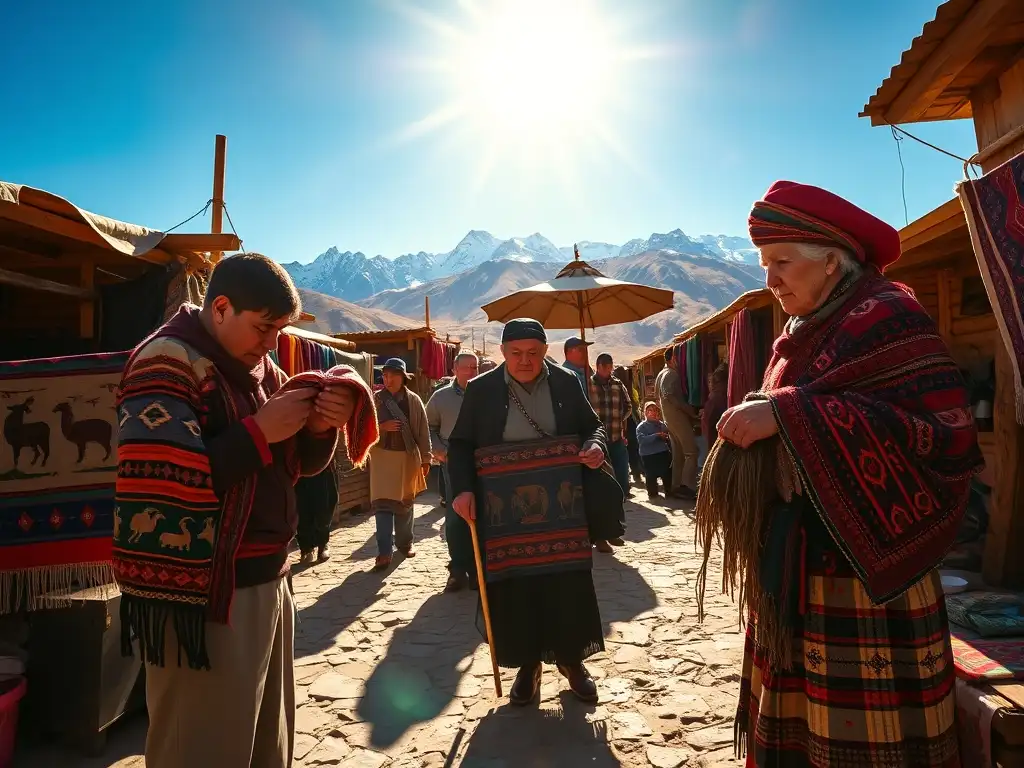
Unravel the mysteries woven into the very fabric of ancient Andean history. For centuries, vibrant Andean textiles have whispered tales of sophisticated trade routes, intricate social structures, and powerful identities. Journey with us as we explore the captivating Andean textiles trade history, revealing the secrets embedded within these breathtaking masterpieces—a journey that will leave you questioning everything you thought you knew about these remarkable civilizations. Prepare to be amazed.
The vibrant tapestry of Andean civilization isn't just visually stunning; it's a rich archive narrating centuries of trade, cultural exchange, and evolving social identities. This article delves into the fascinating world of Andean textiles, exploring how their production, distribution, and consumption reveal intricate details about the complex trade networks that shaped these societies. From the intricate designs of the Nazca to the luxurious fabrics of the Inca, textiles served as not only practical necessities but also powerful symbols of status, religious belief, and economic power, offering a unique window into the history of Andean trade and the societies that thrived on it.
We will examine how the analysis of Andean textiles allows us to reconstruct major trade routes, identify key exchange goods, and understand the socio-economic dynamics at play. This exploration will focus on the keyword "Andean textiles trade history," revealing the interwoven narratives embedded within the threads themselves.
The Significance of Textiles in Andean Societies
Andean textiles were far more than mere clothing; they were integral to the social fabric of these civilizations. Their production involved complex techniques passed down through generations, reflecting a deep understanding of fiber preparation, spinning, dyeing, and weaving. Different types of fibers, like alpaca, llama, and cotton, held varied social and economic significance, with certain types being reserved for elites or used in specific ceremonial contexts.
The intricate designs, often incorporating symbolic motifs related to mythology, cosmology, or social hierarchy, communicated crucial information about the wearer's status, clan affiliation, and even their religious beliefs. Detailed analyses of textile fragments from archaeological sites provide compelling evidence of the sophisticated techniques employed and their profound cultural meaning.
For example, the intricate tapestry weaving of the Paracas culture demonstrates an astonishing level of skill and artistry, showcasing their advanced textile production capabilities. The use of specific dyes, sourced from both local and far-flung regions, further highlights the extent of their trade networks.
Reconstructing Trade Routes Through Textile Analysis
Analyzing the distribution patterns of specific textile types and their constituent materials allows researchers to trace major trade routes across the Andes. The presence of certain dyes or fiber types in a geographically distant location indicates the existence of established trade connections. For instance, the discovery of coastal cotton textiles in highland archaeological sites suggests extensive trade networks linking the coast and the Andes.
Similarly, the presence of certain shell ornaments or exotic feathers in textiles from inland sites further supports the idea of long-distance exchange. By meticulously mapping the distribution of textiles and their component materials, researchers can reconstruct the pathways of trade, revealing the complex logistical networks that underpinned the Andean economies. The meticulous study of these textiles offers a tangible map of ancient trade routes, illustrating the sophisticated organization required to facilitate such extensive exchange.
The type of textile, its quality, and its design often reflected the social standing of the wearer. Elites frequently donned garments made from the finest materials, featuring elaborate designs and intricate techniques, showcasing their wealth and power. These luxurious textiles often served as markers of social stratification, reinforcing existing power structures. Commoners, on the other hand, wore simpler garments made from more readily available materials.
The differences in textile quality and decoration provide invaluable insight into the social hierarchy and economic inequalities prevalent in these societies. Analysis of burial contexts, which often included elaborate textiles, further reinforces the association between textile quality and social status. The sheer variety and complexity of textile production demonstrates a highly stratified society with significant economic differentiation.
The Role of Textiles in Religious Practices
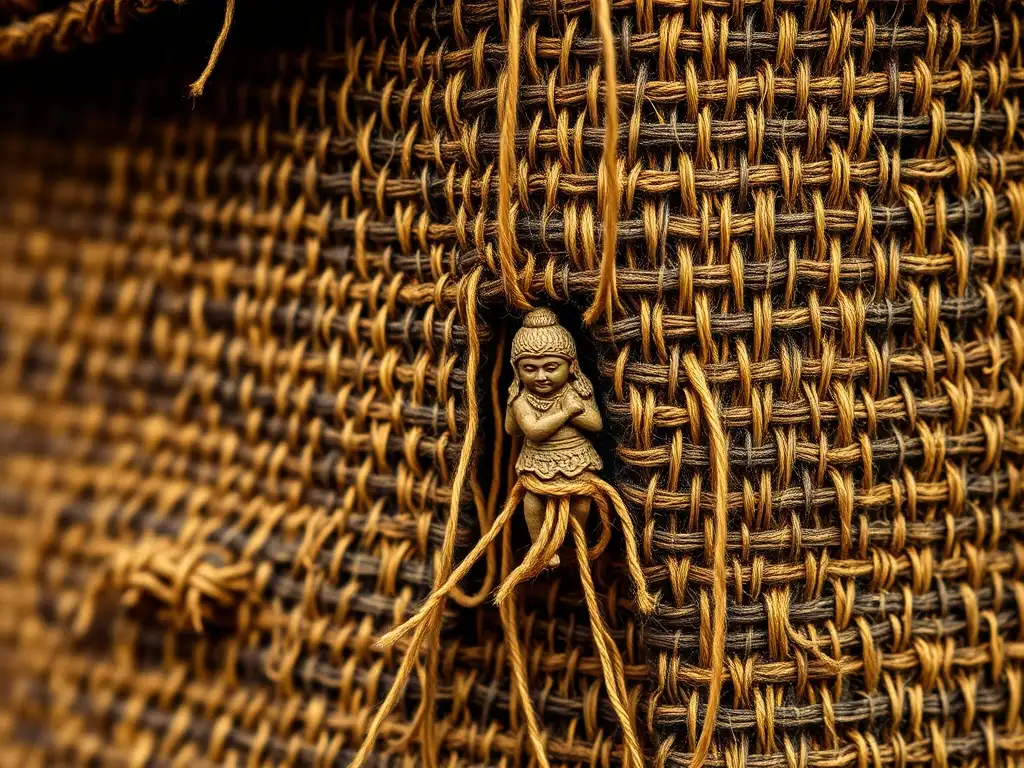
Textiles also played a crucial role in Andean religious practices. Many textiles were used in ceremonies, rituals, and offerings, serving as conduits to the supernatural world. Specific designs and colors held symbolic significance, representing deities, mythical creatures, or cosmological concepts.
The use of textiles in mummification practices further highlights their sacred significance. The elaborate textiles found enshrouding mummies indicate the importance placed on the afterlife and the continued use of textiles in the spiritual realm. These textiles represent a tangible link between the material world and the spiritual beliefs of these ancient Andean societies, demonstrating the deeply interwoven relationship between religion and textile production.
The Enduring Legacy of Andean Textiles
The tradition of Andean textile production continues to thrive today, demonstrating the enduring legacy of these ancient techniques and designs. Modern Andean artisans continue to utilize traditional methods, preserving the knowledge and skills passed down through generations. The enduring popularity of Andean textiles highlights their continued cultural significance and their role in maintaining a connection to the past.
The intricate designs and high-quality craftsmanship continue to be celebrated globally, reflecting the enduring appeal of these remarkable artifacts and the rich cultural heritage they represent. The legacy of Andean textiles serves as a powerful testament to the ingenuity and artistry of these ancient civilizations, leaving a lasting impact on the world of art and culture.
- The Significance of Textiles in Andean Societies
- Reconstructing Trade Routes Through Textile Analysis
- Textiles as Indicators of Social and Economic Status
- The Role of Textiles in Religious Practices
- The Enduring Legacy of Andean Textiles
- What role did textiles play in Andean trade?
- How did textile production reflect social status in Andean societies?
- Which Andean civilizations were most renowned for their textile production?
- How did Andean textile designs communicate identity and beliefs?
- What evidence exists to support the history of Andean textile trade?
Andean Textile Production: A Foundation of Trade
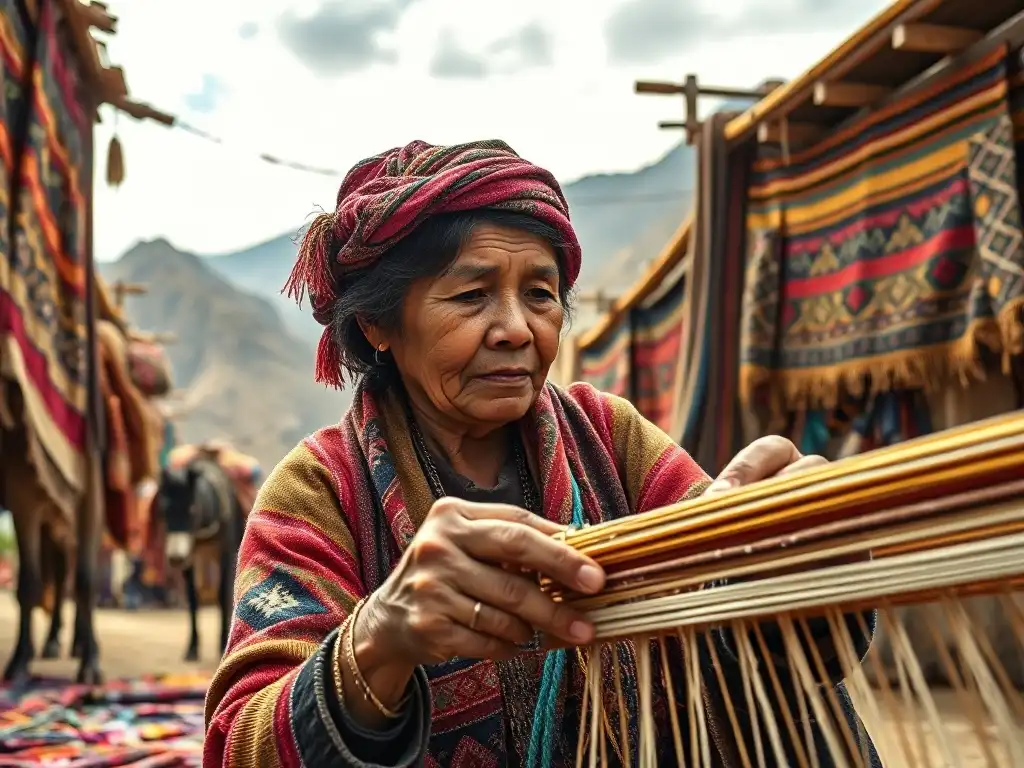
The vibrant tapestry of Andean history is inextricably woven with the production and trade of textiles. Understanding the significance of Andean textiles in the pre-Columbian era requires appreciating their role not only as clothing and adornment, but also as crucial components of social structures, religious practices, and economic systems. The sheer scale of textile production, the sophisticated techniques employed, and the vast networks of exchange that developed all contribute to a compelling narrative of Andean trade and cultural identity.
This section explores the foundational aspects of Andean textile production, laying the groundwork for understanding its pivotal role in the broader economic and social landscape. The keyword "Andean textiles trade history" is central to this discussion, highlighting the deep connection between textile production and the complex trade networks that crisscrossed the Andes.
The Significance of Textiles in Andean Culture
Textiles in Andean societies held profound cultural and symbolic significance, far exceeding their purely utilitarian purpose. Clothing wasn't simply a shield against the elements; it was a powerful statement of social status, ethnic affiliation, and religious beliefs. Elaborate garments, adorned with intricate designs and vibrant colors, were worn by elites, signifying their power and prestige.
These textiles were not just created for everyday use; they were also integral parts of religious ceremonies and rituals. For example, the Inca used textiles in various religious contexts, from adorning temples and mummies to creating ceremonial banners and tapestries. The colors and patterns often held specific meanings, conveying messages about cosmology, ancestor veneration, and the relationship between humans and the supernatural.
The careful preservation of textiles in Andean burial sites underscores their enduring cultural importance, demonstrating a connection to the past and a belief in the afterlife. The meticulous craftsmanship involved in producing these textiles was a testament to the skill and dedication of Andean artisans, their creations serving as both functional and sacred objects. The enduring legacy of these textiles continues to inspire awe and fascination, offering invaluable insights into the complex cultural fabric of Andean civilizations.
Raw Materials for Andean Weaving: Sourcing Alpaca and Cotton
The creation of Andean textiles was heavily dependent on the availability and accessibility of raw materials. Two key fibers dominated Andean weaving: alpaca and cotton. Alpaca, sourced from the high Andean plateaus, provided a luxurious, warm, and durable fiber, highly valued for its softness and insulating properties. The sourcing of alpaca involved intricate systems of herding, shearing, and processing, all contributing to the overall economic significance of textile production.
Cotton, on the other hand, thrived in the warmer, lower altitudes of the Andes. Different varieties of cotton, each with unique qualities, were cultivated and processed, resulting in a range of textile textures and colors. The distribution of these raw materials across diverse ecological zones shaped trade networks, fostering exchange and interaction between different Andean communities. The control and access to these resources were crucial factors determining economic power and social standing.
For instance, communities with access to high-quality alpaca fiber often held a privileged position within the trade network. Studies of ancient Andean agricultural practices and trade routes reveal the sophisticated systems employed to manage and distribute these vital raw materials, highlighting the economic and logistical complexity of the textile industry. Understanding the sourcing of alpaca and cotton is crucial to comprehending the full extent of Andean textile production and trade.
Andean Weaving Techniques: From Backstrap Looms to Tapestry Weaving
Andean weaving techniques were remarkably advanced, showcasing a deep understanding of textile production and design. The backstrap loom, a portable and versatile tool, was the foundation of much Andean weaving. This simple yet effective device allowed weavers to create intricate patterns and textures using various techniques, including tapestry weaving, brocade, and supplementary weft. The complexity of the designs, often incorporating geometric patterns, zoomorphic figures, and symbolic motifs, points to a high level of artistic skill and cultural sophistication.
Master weavers, often women, held a respected position in their communities. The transition from simpler weaving techniques to more complex ones, like tapestry weaving, which involved the use of multiple colors and weft threads to create detailed images, reflects an evolution in both technological skill and aesthetic expression. The diversity of weaving techniques across different Andean regions also highlights the regional variations in textile styles and preferences.
Detailed analyses of surviving textiles reveal the intricacies of Andean weaving techniques, underscoring the creativity and innovation of Andean artisans. This remarkable legacy continues to inspire contemporary textile artists and researchers alike. The mastery of these techniques was not merely a craft; it was a critical element of the Andean textile trade, influencing both the quality and value of the goods exchanged across vast distances.
The Role of Andean Textiles in Pre-Columbian Trade
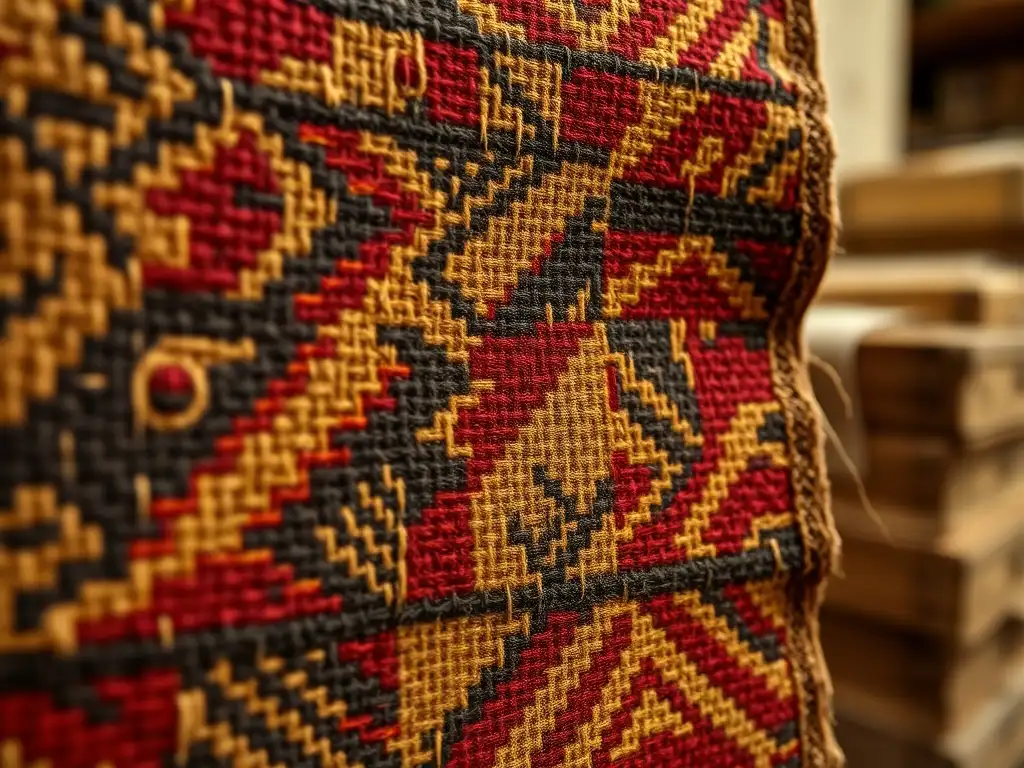
Andean textiles weren't merely clothing; they were dynamic participants in a complex web of pre-Columbian trade, profoundly influencing economic systems and social structures. Their value transcended mere utilitarian function, acting as a potent symbol of status, identity, and political power.
The intricate weaving techniques, the use of rare dyes sourced from distant locations, and the symbolic imagery woven into the fabric all contributed to the high value placed upon these goods. Understanding the role of Andean textiles in trade requires examining their production, distribution, and ultimate consumption, revealing insights into the sophisticated economic and social organization of Andean societies.
The sheer diversity of textile styles across different Andean cultures further highlights the intricate nature of this trade network, a vibrant tapestry reflecting the unique identities and economic strategies of various groups. The study of Andean textiles provides a compelling lens through which to view the broader economic and social landscape of the pre-Columbian Andes, illuminating the intricate interplay between trade, technology, and cultural identity.
Andean Textile Trade History: An Overview
The history of Andean textile trade is a long and complex one, spanning millennia. Early evidence suggests that textile production and exchange were already significant aspects of Andean economies during the pre-Inca periods. Cultures like the Nazca and Moche are renowned for their sophisticated weaving techniques and the production of exquisite textiles that were likely traded extensively throughout their respective regions.
The discovery of textiles from distant regions in archaeological sites offers compelling evidence of extensive trade networks. For example, the presence of coastal cotton textiles in highland settlements, and vice-versa, demonstrates the mobility of these goods and the interconnectedness of different Andean communities. The Inca Empire, with its vast infrastructure and centralized administration, further formalized and intensified textile trade.
The Inca road system facilitated the efficient movement of textiles, raw materials, and skilled artisans across the empire, leading to a standardization of certain styles and techniques, while simultaneously allowing for regional variations to persist. This complex interplay between standardization and diversity underscores the sophisticated nature of the Inca textile economy. Analyzing the fibers, dyes, and weaving techniques used in different textiles allows researchers to trace their origins and map out the intricate trade routes that connected various Andean communities.
Major Trade Routes and the Movement of Textiles: The Inca Road System
The Inca Qhapaq Ñan, or Great Inca Road, was a marvel of engineering and a crucial artery for the movement of goods, including textiles, throughout the vast Inca Empire. This network of roads, stretching thousands of kilometers, connected distant regions, facilitating both the transport of finished textiles and the exchange of raw materials. The roads weren't simply paths; they were strategically placed to optimize access to resources and markets.
Relay stations ( tambos) provided shelter and supplies for travelers and goods, ensuring the safe and efficient transport of valuable textiles. The organization of this system demonstrates a sophisticated understanding of logistics and trade management, with specific routes likely dedicated to the movement of particular goods, including textiles. For instance, certain routes might have specialized in transporting high-quality textiles intended for the Inca elite, while others might have focused on more common goods for everyday use.
The efficiency of the Inca road system played a critical role in the expansion and consolidation of the empire's power, with textiles serving as both a medium of exchange and a symbol of imperial authority. The scale and organization of the Inca road system stand as a testament to the importance of textiles in the Inca economy.
Bartering and Exchange: The Value of Woven Goods
While the details of the precise economic systems are still being uncovered, evidence suggests that bartering played a significant role in the exchange of Andean textiles. The value of a textile was determined by a complex interplay of factors, including the quality of the materials, the intricacy of the weaving technique, the symbolic meaning of the designs, and the prestige associated with the artisan who created it. Rare dyes, such as those derived from cochineal insects or certain mollusks, significantly increased the value of a textile.
Textiles were not simply exchanged for other goods; they often served as a form of tribute or payment to elites and religious institutions. This highlights their importance as a form of wealth and social capital. The use of textiles in ceremonial contexts further underscores their symbolic value, demonstrating their role in religious and political rituals.
The exchange of textiles was therefore not merely an economic transaction but a social and political act, reinforcing existing power structures and solidifying alliances between different groups. Further research into archaeological contexts and surviving textile fragments is crucial to a more complete understanding of the nuanced economic practices involved in the exchange of Andean textiles. The complexity of the bartering system points to a sophisticated understanding of economics and social dynamics within Andean societies.
Decoding the Symbolism in Andean Textiles
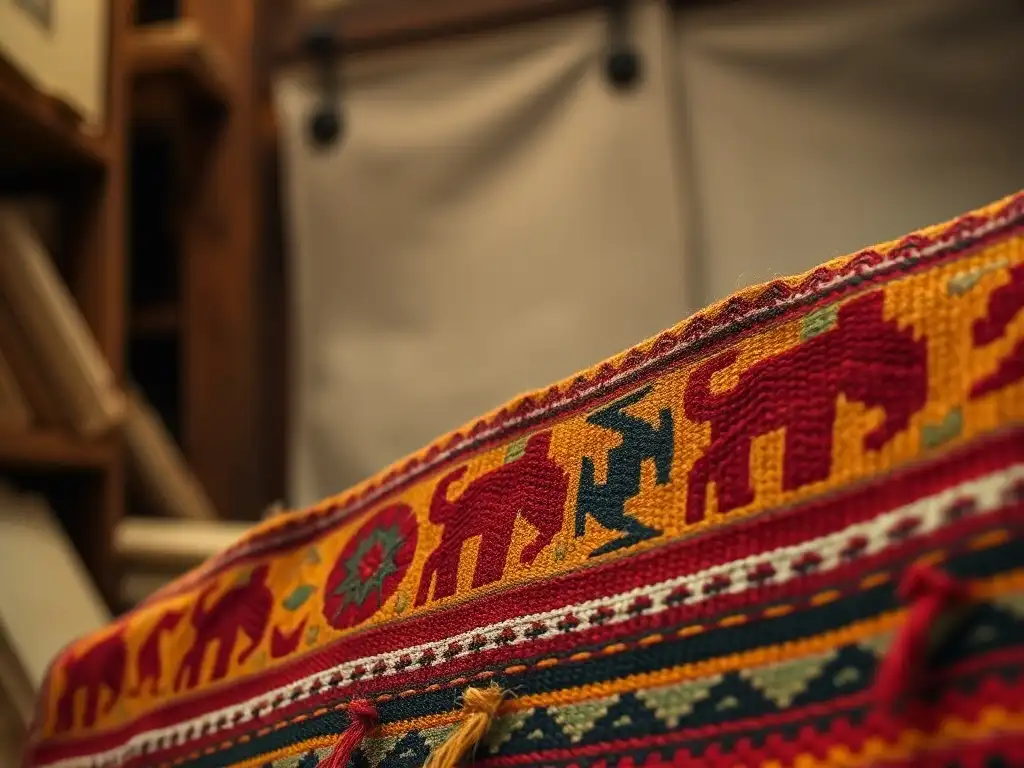
This section delves into the rich tapestry of meaning embedded within Andean textiles, exploring how intricate designs communicated far more than mere aesthetics. These weren't simply fabrics; they were powerful visual narratives, reflecting social hierarchies, religious beliefs, and economic exchanges – a vibrant record of Andean trade history. The careful study of these textiles provides invaluable insights into the lives and worldview of these ancient societies. Understanding their symbolism is crucial to comprehending the complex interplay between Andean textiles trade history and the cultural identity of different groups.
Iconography and Meaning: Interpreting Geometric and Animal Motifs
Andean textile iconography is incredibly diverse, varying significantly across different cultures and time periods. Geometric patterns, such as zigzags, chevrons, and stepped frets, often represent abstract concepts like mountains, water, or celestial bodies. These motifs, frequently appearing in textiles traded across the Andes, suggest shared cosmological beliefs or a common understanding of the natural world. For example, the repeated depiction of a stepped-fret motif, potentially symbolizing agricultural terraces, could signify the importance of agriculture and the interconnectedness of Andean communities through trade networks revolving around agricultural products.
Conversely, animal motifs are often highly specific, representing either real or mythical creatures. The depiction of condors, jaguars, and llamas, for instance, might indicate the power and prestige of the wearer, reflecting their status within their community or their access to valuable traded goods.
The presence of specific animal representations on textiles found in distant locations provides compelling evidence of the extensive Andean textiles trade history and the dissemination of cultural beliefs and symbols across vast geographical distances. The presence of a rare, exotic bird on a textile discovered far from its natural habitat, for example, would strongly suggest the item was a prized trade good, possibly even a diplomatic gift.
The interpretation of these symbols is ongoing, with ongoing research constantly refining our understanding. However, the sheer complexity and diversity of the iconography clearly demonstrate the sophisticated communicative power of Andean textiles, reflecting a complex and nuanced understanding of Andean textiles trade history and its impact on societal structure.
Andean Textile Colors: Natural Dyes Derived from Plants and Minerals
The vibrant colors of Andean textiles are not merely decorative; they are deeply symbolic and often associated with specific regions, social groups, or even deities. These colors weren't achieved through synthetic dyes, but rather through the ingenious use of natural pigments derived from plants and minerals. Cochineal insects provided a brilliant crimson, while various plants yielded yellows, greens, and browns. Minerals like ochre and azurite offered earthy tones and deep blues. The availability of these resources influenced regional variations in textile production, further shaping the Andean textiles trade history.
The painstaking process of dye preparation and application involved specialized knowledge and skill, passed down through generations. The cost and availability of certain dyes likely contributed to the social status associated with particular colors. A garment dyed with a rare, imported pigment would denote a higher social standing than one dyed with more common, locally available materials.
This reinforces the significant role of Andean textiles trade history in defining social hierarchies and power dynamics. Further research is needed to fully map the geographic distribution of specific dyes and their corresponding cultural significance, providing a more complete picture of the Andean textiles trade history and its impact on social structures.
Andean textiles were not just indicators of trade routes and economic exchange; they were powerful markers of social status and regional identity. Different weaving techniques, fiber types, and decorative motifs distinguished the textiles produced in various Andean regions. The intricate tapestry weavings of the Nazca, for example, are distinct from the simpler but equally striking textiles of the Tiwanaku. These regional styles, often reflecting unique access to raw materials or specialized skills, played a significant role in the Andean textiles trade history.
The complexity of a textile often correlated with the social status of its wearer. Elaborately woven garments adorned with rare dyes and intricate designs were reserved for elites, while simpler textiles were worn by commoners. This social stratification, reflected in the textiles themselves, provides valuable insights into the social organization of Andean societies and how the Andean textiles trade history interacted with social structures.
The presence of specific textile styles in archaeological contexts outside their region of origin provides clear evidence of trade networks and the exchange of both goods and cultural ideas. 😲 The study of Andean textiles continues to unveil fascinating details about these ancient civilizations, deepening our understanding of their rich and complex history.
The Impact of Trade on Andean Textile Design
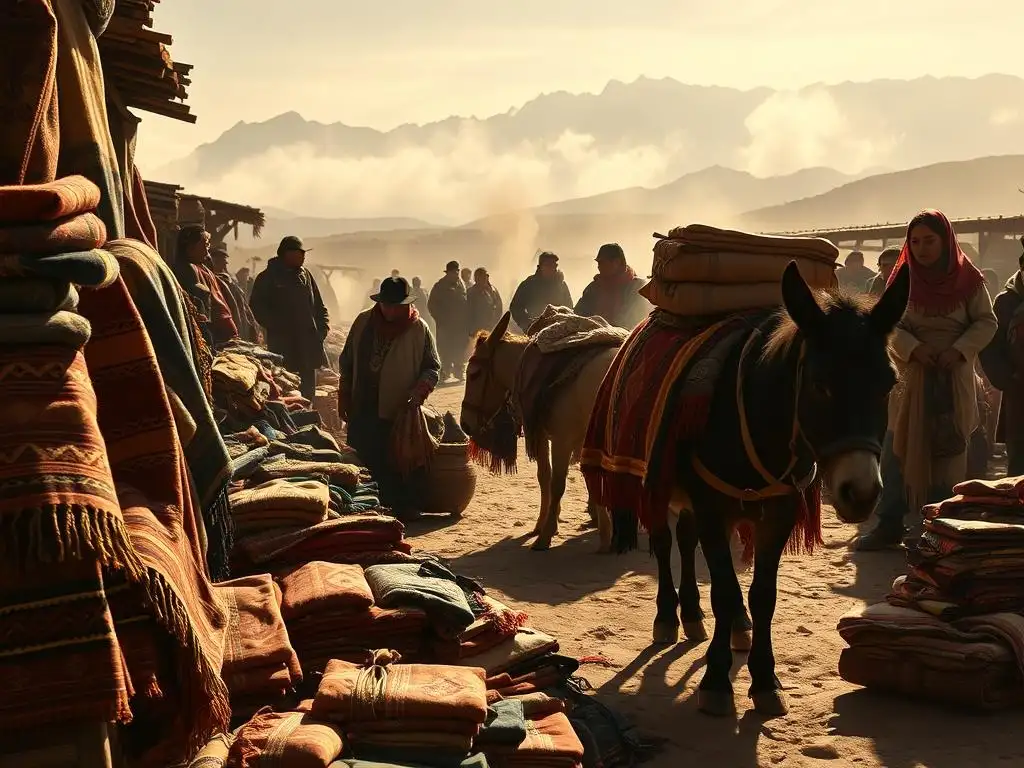
The vibrant tapestry of Andean textile history is inextricably linked to the extensive trade networks that crisscrossed the Andes Mountains for millennia. The exchange of goods, ideas, and technologies profoundly impacted textile design, leading to the creation of unique and diverse styles reflecting both local traditions and outside influences. Analyzing Andean textiles provides invaluable insights into the complex interplay between cultural exchange and economic activity, revealing a dynamic history of innovation and adaptation.
The very threads themselves tell tales of far-reaching connections and shifting power dynamics, showcasing the sophistication of Andean trade and its lasting impact on artistic expression. Understanding the role of trade in shaping Andean textile design requires examining the flow of raw materials, finished products, and artistic motifs across vast geographical distances.
Cultural Exchange and the Evolution of Textile Patterns
The exchange of textile techniques and designs across different Andean cultures resulted in a remarkable diversity of styles. For instance, the intricate knotting techniques of the Paracas culture, known for their elaborate burial textiles, likely influenced later traditions such as those of the Nazca. The characteristic Nazca style, recognizable for its intricate and colorful depictions of animals and mythical beings, may have incorporated elements from other cultures through trade interactions.
This cross-cultural pollination is evident in the shared motifs and techniques found across geographically distant Andean societies. Detailed studies of textile fragments have revealed the movement of specific dyes and fibers across vast distances, confirming the importance of trade in the dissemination of artistic ideas. The vibrant colors, unique patterns, and sophisticated techniques found in Andean textiles are a testament to the rich tapestry of cultural exchange facilitated by trade.
The evolution of textile patterns wasn't a linear progression; instead, it was a dynamic process of borrowing, adapting, and innovating, reflecting the complex social and economic relationships between Andean communities. For example, [Specific examples of shared motifs and techniques between different Andean cultures pending].
The Influence of the Wari and Inca Civilizations on Textile Art
The rise of powerful empires like the Wari and Inca significantly impacted Andean textile production and design. The Wari, known for their extensive road network, facilitated the movement of goods and artisans across their vast territory. This led to a standardization of certain textile styles and techniques, creating a sense of imperial unity reflected in the clothing and textiles used throughout the empire. The Inca, inheriting and expanding upon the Wari system, further centralized textile production, establishing specialized workshops that produced textiles for the elite and for religious purposes.
The characteristic Inca tocapus (headbands) and llantas (sashes) often incorporated intricate designs and high-quality materials, reflecting the power and prestige of the Inca state. The Inca's control over resources and production also influenced the types of fibers and dyes used, leading to distinctive stylistic features. The standardization wasn't a complete erasure of local traditions, however.
Many regional styles persisted, albeit often incorporating Inca-influenced elements. This complex interaction between imperial control and local traditions is clearly visible in the diversity of Inca-era textiles that have survived to this day. The sheer volume of Inca textiles discovered in archaeological sites underscores the scale of their textile production and distribution networks, highlighting the significant role of trade in maintaining imperial power and cultural cohesion.
The Incorporation of Spanish Colonial Motifs into Weaving
The arrival of the Spanish in the 16th century marked a dramatic turning point in Andean textile history. The introduction of new fibers (like sheep's wool), dyes, and weaving techniques, combined with the imposition of Spanish artistic styles, profoundly altered traditional Andean textile designs. While many traditional motifs and techniques persisted, they were often adapted to incorporate European imagery and symbolism. Religious imagery, particularly depictions of saints and biblical scenes, became increasingly common in colonial-era textiles.
Simultaneously, the introduction of European-style clothing and fabrics led to the creation of hybrid textile forms that blended indigenous and European aesthetics. This syncretism is evident in the combination of traditional Andean patterns with Spanish colonial designs. The colonial period witnessed a complex interplay between resistance and adaptation in Andean textile production. While the Spanish attempted to impose their own cultural norms, indigenous weavers often subtly integrated traditional motifs and techniques into their work, maintaining a connection to their ancestral heritage.
The study of colonial-era textiles reveals a fascinating blend of cultural influences, showcasing the resilience and adaptability of Andean textile traditions in the face of colonial domination. The analysis of these textiles provides a nuanced understanding of the power dynamics and cultural exchange that shaped Andean society during this transformative period. 👩🎨🧵
Andean Textiles: Beyond Material Value
Andean textiles represent far more than just clothing or decorative items; they are intricate tapestries woven with threads of history, social structure, and spiritual belief. Understanding the role of Andean textiles in trade requires appreciating their multifaceted nature. Their value extended beyond mere monetary worth, encompassing significant social and spiritual dimensions that profoundly impacted trade networks and shaped cultural identities across the Andes. This section will delve into the complex interplay between material culture, communication, and spirituality within the context of Andean textile trade.
Analyzing the production, distribution, and consumption of these textiles reveals fascinating insights into the intricacies of ancient Andean societies and their economic systems. The sheer diversity of techniques, materials, and designs across different Andean cultures underscores the dynamism of textile production and exchange. The keyword "Andean textiles trade history" is central to understanding this complex relationship.
Textiles as a Form of Communication and Record Keeping: The Use of Quipus
Beyond their aesthetic appeal, Andean textiles served as powerful tools for communication and record-keeping. While the famous quipu, a system of knotted strings, is often associated with numerical accounting, recent research suggests a more nuanced role. Some scholars believe that the colors, types of knots, and even the arrangement of the strings within a quipu could encode narrative information, perhaps relating stories, genealogies, or even historical events.
This hypothesis is supported by the discovery of quipus alongside textiles in various archaeological contexts, suggesting a potential interrelationship between these forms of record-keeping. The intricate designs on textiles themselves could also function as a form of visual communication. Specific motifs, colors, and patterns might have conveyed social status, clan affiliation, or even historical events to those who understood their symbolic language.
The subtle variations in weaving techniques, the use of specific dyes, and the choice of materials all contributed to a rich and complex system of visual communication embedded within the textiles themselves. Understanding these codes is crucial to deciphering the stories woven into the fabric of Andean history and fully understanding the nuances of the Andean textiles trade history. Further research is needed to fully unlock the secrets held within these visually stunning and historically significant artifacts.
The Spiritual Significance of Andean Textiles: Offering to Pachamama
The spiritual significance of Andean textiles cannot be overstated. Textiles were not simply utilitarian objects; they were imbued with deep spiritual meaning, often serving as offerings to Pachamama, the Earth Mother. Archaeological findings frequently uncover textiles interred with the deceased, or placed in sacred sites as part of ritual offerings. The vibrant colors, intricate designs, and the careful selection of materials all point to the textiles' sacred role.
For example, specific colors might have been associated with particular deities or spirits, while certain patterns might have symbolized fertility, abundance, or protection. The use of rare or exotic materials, like vicuña wool, further enhanced the spiritual value of these textiles. The act of weaving itself was considered a sacred act, connecting the weaver to the spiritual realm.
This deep-seated spiritual connection is reflected in the care and precision with which Andean textiles were crafted, making them highly valued commodities in trade networks. The exchange of these spiritually significant textiles reinforced social bonds and cemented alliances between different groups, emphasizing the role of religion and spirituality in shaping the Andean textiles trade history. The meticulous craftsmanship and symbolic richness of these textiles solidified their importance as more than mere goods; they were sacred objects mediating the relationship between humans and the spiritual world.
The Legacy of Andean Weaving in Modern Times
The legacy of Andean weaving continues to thrive in modern times. While many traditional techniques have been adapted and modernized, the core principles of Andean textile production remain. Communities across the Andes continue to produce textiles using ancient techniques, preserving the rich cultural heritage of their ancestors.
This enduring tradition is a testament to the resilience of Andean culture and the enduring value placed upon these intricate creations. The vibrant colors, intricate designs, and high-quality materials continue to attract collectors and enthusiasts worldwide. The modern Andean textile industry provides economic opportunities for many communities, showcasing the ongoing relevance of Andean textiles trade history.
Moreover, contemporary Andean weavers often incorporate modern themes and designs into their work, demonstrating the adaptability and dynamism of this ancient art form. This vibrant and evolving tradition ensures that the stories woven into Andean textiles continue to be told and appreciated for generations to come, highlighting the enduring legacy of this vital aspect of Andean culture and its economic significance. The ongoing relevance of Andean weaving underscores the enduring power of tradition and the continuing value of these exceptional textiles in the modern world.
Frequently Asked Questions
What role did textiles play in Andean trade?
Andean textiles were crucial for long-distance trade networks, connecting different regions and cultures. Luxury goods like fine alpaca wool cloth were highly valued and traded for other resources, demonstrating economic power and social status. This trade fostered cultural exchange.
The complexity and quality of textiles directly reflected an individual's social standing. Elites wore elaborate garments made from rare materials and intricate techniques, while commoners used simpler textiles. This visual distinction reinforced social hierarchies.
Which Andean civilizations were most renowned for their textile production?
Many Andean cultures excelled at textile arts, but the Inca, Moche, and Nazca civilizations are particularly well-known for their sophisticated techniques and unique styles. Each civilization developed distinct textile traditions reflecting their specific cultural identities.
How did Andean textile designs communicate identity and beliefs?
Textile designs served as powerful visual symbols communicating identity, beliefs, and social status. Specific motifs and colors conveyed information about clan affiliations, religious beliefs, and historical events. Studying these designs reveals much about Andean worldviews.
What evidence exists to support the history of Andean textile trade?
Archaeological evidence, including excavated textiles and trade routes, reveals the extensive reach of Andean textile trade. Written records from the Spanish colonial period also offer insights, though often biased. The durability of textiles ensures their survival as valuable historical sources.
Final Reflection: Unraveling the Threads of Andean Identity
The vibrant hues and intricate designs of Andean textiles aren't merely aesthetic achievements; they are living archives, whispering tales of trade routes, cultural exchange, and enduring identities that resonate powerfully in today's globalized world. The enduring legacy of these textiles serves as a potent reminder of the interconnectedness of cultures and the importance of preserving traditional crafts in the face of modernization.
The impact of Andean textile traditions extends far beyond the realm of fashion or art; they represent a continuous narrative of resilience, adaptation, and cultural preservation. These textiles are tangible links to a rich history, demonstrating the ingenuity and artistry of Andean communities across centuries. The threads themselves are a language, a story told in color and texture, passed down through generations.
This quote encapsulates the profound depth of meaning embedded within each piece, a meaning that continues to shape cultural identity and inspire contemporary artists and designers alike.
Consider the stories woven into the very fabric of these textiles. Reflect on the journeys undertaken by the artisans, the exchange of ideas and materials, and the enduring power of cultural heritage. You, too, are part of a larger narrative, a tapestry of experiences and connections. Embrace the opportunity to learn from the past, to appreciate the artistry of Andean textiles, and to support the continuation of these vital traditions for generations to come. Let the threads of history inspire your own journey of discovery and understanding.
Unveil the Rich Tapestry of Andean Culture!
Thank you for exploring the fascinating world of Andean textiles! We hope you've gained valuable insights into the intricate stories they tell and the cultural significance they represent. Inspired? Here are some ways to further deepen your appreciation of Andean heritage:
- Support local artisans by purchasing their beautiful textile creations; you'll be supporting their craft and bringing a piece of Andean culture into your home.
- Connect with fellow enthusiasts by joining an online community or social media group dedicated to Andean arts and crafts. Share your discoveries and learn from others.
- Learn traditional techniques by attending a workshop on textile weaving or dyeing. Experience firsthand the skill and artistry behind these exquisite works.
What aspect of Andean culture captivates you most, and how will you continue to explore it?