
Unearthing the Mysteries of Andean Textile Trade: Colors, Patterns, and Power

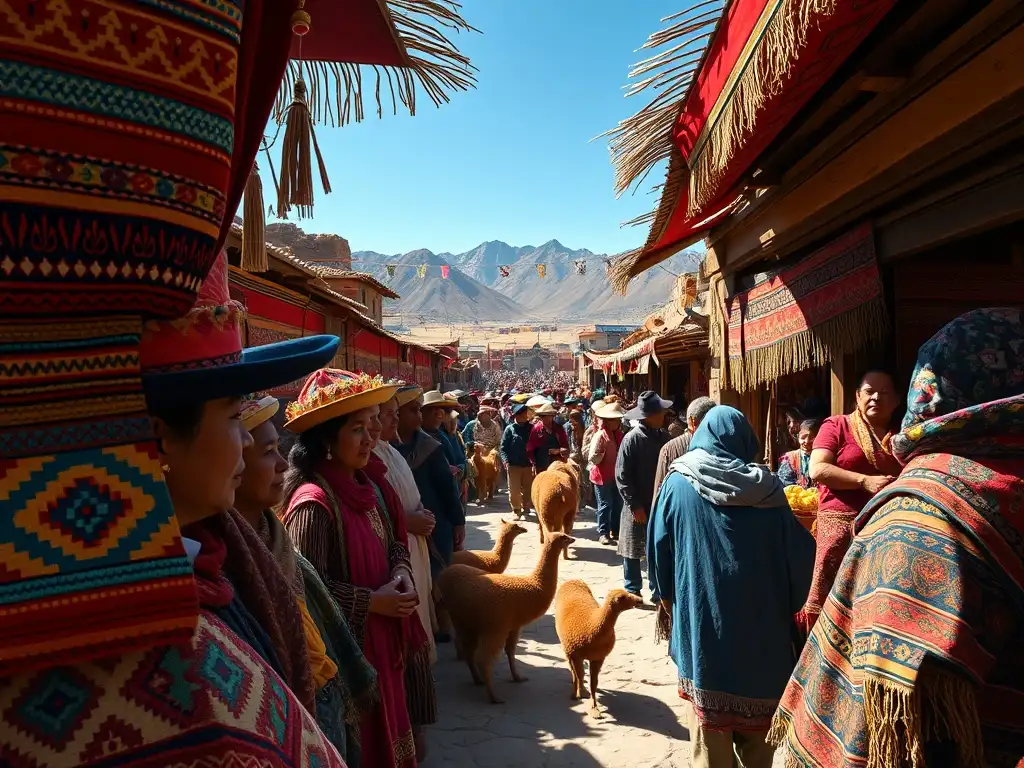
Unravel the vibrant tapestry of ancient Andean societies! Journey with us through time, exploring the breathtaking artistry and intricate social structures of the Incas, Moche, Nazca, and Tiahuanaco. But what secrets lie hidden within the threads themselves? Discover the captivating story of Andean textile trade patterns – a complex network of power, exchange, and cultural identity that will leave you yearning to learn more. Prepare to be amazed.
The Andes Mountains, a spine of towering peaks running down the western coast of South America, were not just a geographical barrier; they were a crucible of vibrant cultures and sophisticated trade networks. For centuries, Andean civilizations, including the Inca, Moche, Nazca, and Tiahuanaco, wove intricate tapestries of economic and social interaction, with textile trade playing a pivotal role. This article delves into the fascinating world of Andean textile trade, exploring the symbolic power embedded within their colors and patterns, and revealing the intricate systems that facilitated the exchange of these highly valued goods.
Understanding the Andean textile trade patterns provides crucial insight into the complexities of Andean societies, their social structures, and their interactions with neighboring groups. We will examine the evidence, from archaeological finds to surviving textiles, to unravel the mysteries of this ancient trade.
The Significance of Color in Andean Textiles
Andean textiles weren't simply functional garments; they were potent symbols of status, identity, and spiritual belief. The careful selection of colors reflected a deep understanding of the natural world and its symbolic associations. For instance, red, often derived from cochineal insects, symbolized power and royalty, frequently adorning the clothing of elites. Deep blues, achieved through painstaking processes involving indigo, represented the sky and the divine realm.
Yellows, often from minerals, were associated with the sun and fertility. The meticulous use of these colors, often in complex combinations, wasn't arbitrary; it communicated specific messages and social hierarchies. The intricate dyeing techniques themselves, passed down through generations, represented a considerable technological achievement and were a significant component of the value of the finished product. Archaeological evidence consistently reveals that the quality and the specific colors used in textiles directly correlated with the social standing of the wearer.
Decoding Andean Textile Patterns: A Visual Language
Beyond color, the patterns woven into Andean textiles formed a complex visual language. Geometric designs, often incorporating intricate motifs like zigzags, stepped patterns, and spirals, held deep cultural significance. These weren't simply decorative elements; they represented narratives, beliefs, and cosmological understandings. Some patterns symbolized agricultural cycles, reflecting the vital importance of farming to Andean societies.
Others represented celestial bodies, suggesting a sophisticated understanding of astronomy. Still others conveyed clan affiliations or social status. The complexity and precision of these patterns demonstrate a high level of skill and artistry, and their consistent appearance across different regions suggests a degree of standardization and shared cultural understanding within the Andean textile trade. Analyzing these patterns allows us to decipher the rich symbolic language embedded within these ancient artifacts.
Major Trade Routes and the Distribution of Andean Textiles
The distribution of Andean textiles wasn't haphazard; it followed established trade routes that connected different regions and cultures. These routes, often traversing treacherous mountain passes and challenging terrains, were vital arteries of economic exchange. While specific details of many routes remain incomplete, archaeological evidence points to extensive networks that connected the coastal regions with the highlands, facilitating the movement of textiles, along with other valuable goods like metals, ceramics, and food stuffs.
The presence of similar textile styles and techniques in geographically distant locations suggests a robust and far-reaching trading system. The sheer volume of textiles discovered in archaeological sites across the Andes underscores the scale and importance of this trade.
Further research is needed to fully map these ancient trade routes and understand their impact on the development of Andean societies. However, even the current data points to sophisticated logistics and a deep integration of disparate communities through this trade.
The Andean textile trade wasn't merely an economic activity; it played a crucial role in shaping the social and political landscape of the region. The control of textile production and distribution often conferred significant power and influence. Elite classes often monopolized access to high-quality materials and skilled weavers, using textiles to display their status and reinforce their authority. Textiles served as a medium of exchange, payment for services, and gifts to solidify alliances.
The trade also fostered cultural exchange and the spread of ideas and technologies across different Andean communities. Therefore, understanding the Andean textile trade is paramount to understanding the broader socio-political dynamics of these ancient societies. The economic power derived from textile production and trade directly influenced political structures and social hierarchies.
- The Significance of Color in Andean Textiles
- Decoding Andean Textile Patterns: A Visual Language
- Major Trade Routes and the Distribution of Andean Textiles
- The Economic and Social Impact of Andean Textile Trade
The Significance of Textiles in Ancient Andean Societies
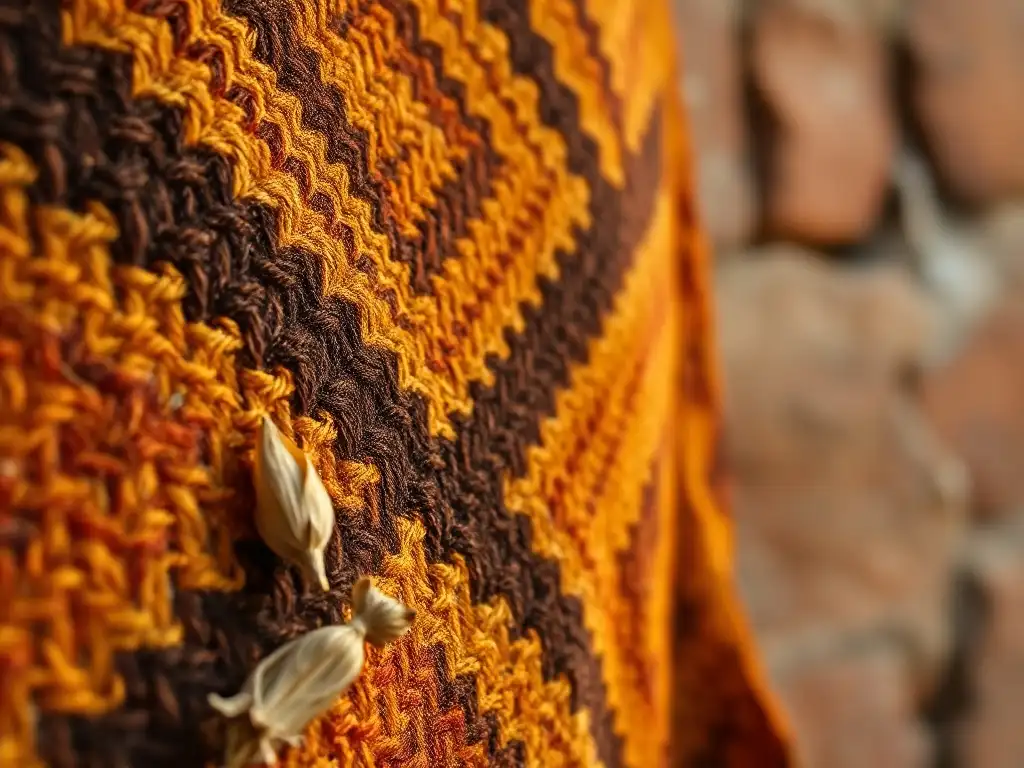
Textiles held a position of paramount importance in ancient Andean societies, far exceeding their simple utilitarian function. They were not merely clothing; they were powerful symbols of status, identity, and religious belief, deeply intertwined with the social fabric and economic prosperity of these remarkable civilizations. Understanding the significance of textiles is crucial to comprehending the complexities of Andean culture and the intricacies of their trade networks.
The vibrant colors, intricate patterns, and the sheer artistry involved in their creation all contributed to their profound cultural and economic influence. The Andean textile trade patterns, therefore, reflect more than just economic activity; they reveal a sophisticated system of social organization, political power dynamics, and spiritual beliefs.
Andean Textiles as a Medium of Cultural Expression
Andean textiles served as a powerful medium for expressing cultural identity and beliefs. The intricate designs woven into the fabrics often depicted mythological figures, celestial events, and scenes from daily life, offering valuable insights into the worldview and cosmology of these societies. For example, the Moche culture, known for its elaborate ceramics, also produced textiles with striking depictions of their deities and shamanistic rituals.
These textile representations, often far more detailed than their ceramic counterparts, provide a rich tapestry (pun intended!) of their religious practices and beliefs. Furthermore, the use of specific colors and patterns often held symbolic meanings, varying across different regions and cultures.
The vibrant hues derived from natural dyes—like the deep reds from cochineal insects and the rich yellows from achiote—were not randomly chosen; they represented specific meanings within the context of their cultural narratives. The careful selection and arrangement of these colors in Andean textile trade patterns demonstrate a level of sophistication and intentionality that speaks volumes about their cultural significance. Analysis of these patterns reveals a complex system of visual language, conveying information and meaning across vast distances through the trade networks.
Weaving itself was not just a craft; it was a highly valued social and political activity. The skill and expertise required to create these intricate textiles often placed weavers in positions of authority and prestige within their communities. In many Andean societies, women played a central role in textile production, holding significant social standing due to their expertise.
This is evidenced by the discovery of numerous mummies of female weavers buried with their tools and unfinished projects, suggesting their high social status and the importance of their craft. Furthermore, the distribution of textiles as gifts, tribute, or rewards within the social hierarchy reinforced political power and social stratification. The quality, complexity, and materials used in a textile directly reflected the social standing of both the weaver and the recipient, solidifying social hierarchies and political alliances.
The patterns themselves could also indicate social standing, with certain motifs reserved for elites, showcasing the intricate relationship between textile production and the socio-political landscape of the Andes. The Andean textile trade patterns, therefore, were not just about the movement of goods; they were a vital part of the social and political systems that governed these societies.
The Economic Power of Andean Textile Production
The production and trade of Andean textiles constituted a significant economic force. The complex techniques, specialized skills, and high-quality materials involved in their creation made them highly valuable commodities, fueling extensive trade networks that stretched across the Andes. The presence of similar textile styles and motifs in geographically distant locations attests to the wide reach of these trade routes.
The economic power of textile production extended beyond the weavers themselves; it enriched entire communities and contributed significantly to the overall prosperity of the Andean civilizations. Evidence suggests that specific regions specialized in the production of certain types of textiles, leading to a complex system of regional specialization and inter-regional exchange. For example, [specific information pending] regarding the specialization of certain regions in producing particular types of yarn or weaving techniques.
The value of these textiles is also reflected in their use as a form of currency or payment in various transactions, highlighting their importance within the Andean economic system. The analysis of Andean textile trade patterns provides invaluable insights into the economic interconnectedness of these societies and the sophisticated trade systems that supported them. The trade itself fostered economic growth and cultural exchange, solidifying the vital role of textiles in the economic landscape of ancient Andean civilizations.
Tracing the Roots of Andean Textile Trade
This section delves into the intricate history of Andean textile trade, examining its evolution from pre-Inca periods to the height of the Inca Empire. We will explore the diverse textile traditions, the establishment of trade networks, and the significant role textiles played in Andean societies. Understanding these patterns provides crucial insight into the economic and social structures of these remarkable civilizations. The analysis will focus on identifying key "Andean textile trade patterns" and their impact on the development of the region.
Pre-Inca Textile Traditions and Their Influence
Long before the Inca Empire, diverse Andean cultures developed sophisticated textile production techniques. The Paracas culture (ca. 800-100 BCE), for example, is renowned for its incredibly fine textiles, often incorporating intricate embroidery and complex weaving techniques. Their mastery of color and pattern is evident in the surviving examples, showcasing a deep understanding of natural dyes derived from plants and minerals. These vibrant textiles, often used in elaborate burial ceremonies, indicate a significant investment in textile production and a clear understanding of their value.
The Nazca culture (ca. 100 BCE – 600 CE) further refined these techniques, producing textiles with incredibly detailed designs, including their iconic geoglyphs replicated in fabric. The use of camelid fibers, such as alpaca and llama, along with cotton, allowed for a diverse range of textures and weights, catering to different needs and social classes.
Analysis of surviving textiles reveals a high degree of specialization, suggesting the presence of skilled artisans and potentially early forms of textile workshops or production centers. These pre-Inca traditions laid the groundwork for the later expansion of Andean textile trade under the Inca. The intricate designs and techniques developed during these periods served as a foundation for the subsequent flourishing of textile production and trade across the Andes.
Early Trade Networks and the Exchange of Textile Goods
The development of sophisticated weaving techniques fueled the growth of early Andean textile trade networks. Evidence suggests that the exchange of textiles occurred along established routes, often connecting different ecological zones. Coastal communities, for example, traded cotton textiles with highland communities producing camelid fiber textiles. This exchange wasn't simply a matter of bartering goods; it involved complex social and political interactions, strengthening alliances and reinforcing existing power structures.
The types of textiles traded varied based on factors such as quality, material, and design. Fine textiles, often adorned with elaborate patterns and featuring rare dyes, likely held higher value and were traded among elites. Simpler textiles, on the other hand, may have been traded more widely, serving as a common medium of exchange within larger networks.
Archaeological findings, including textile fragments discovered along ancient trade routes, provide invaluable evidence of the extent and complexity of these early trade networks. Further research into these findings is needed to fully understand the scope of the "Andean textile trade patterns" during this period.
The Expansion of Textile Production and Trade Under the Inca
The Inca Empire (ca. 1438-1533 CE) witnessed a dramatic expansion of textile production and trade. The Inca state implemented a highly organized system of resource management, including the control of textile production and distribution. Specialized workshops, known as yácu, produced textiles for the imperial court and the elite. These workshops employed highly skilled artisans who created exquisite textiles using advanced techniques and a wide range of materials. The Inca state also controlled the movement of goods, ensuring the efficient distribution of textiles throughout the empire.
The Inca's mastery of textile production and trade strengthened their political and economic power. Textiles served as a form of tribute, used to reinforce loyalty and consolidate power. They were also used as gifts to solidify alliances and maintain relationships with other groups. The standardization of textile production under the Inca resulted in distinct "Andean textile trade patterns," characterized by consistent styles and qualities.
The empire's extensive road network facilitated the efficient movement of textiles, connecting diverse regions and fostering economic integration. The impact of Inca rule on textile production and trade is clearly evident in the surviving textiles, which reveal a level of sophistication and organization unseen in earlier periods. The legacy of the Inca's influence on "Andean textile trade patterns" continues to shape our understanding of Andean history and culture.
Deciphering Andean Textile Trade Patterns
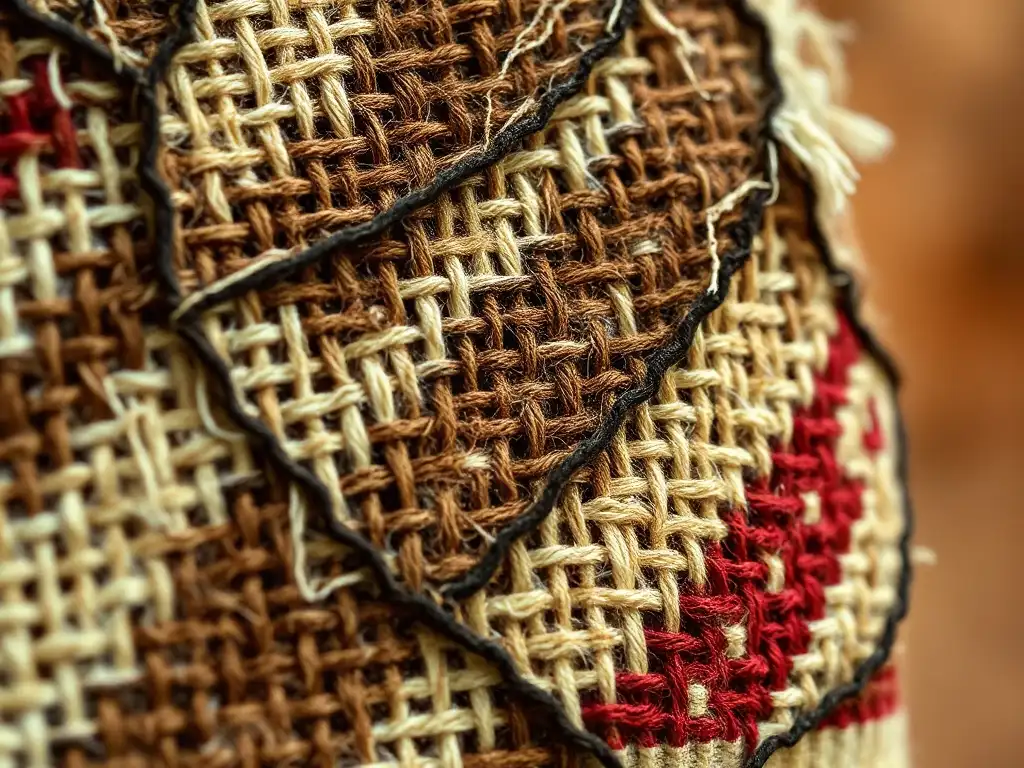
The study of Andean textile trade patterns reveals a complex interplay of cultural exchange, economic power, and artistic expression across vast geographical distances and diverse Andean societies. Analyzing these patterns requires a multi-faceted approach, considering not only the distribution of textiles but also the stylistic variations, the raw materials employed, and the social significance embedded within the designs themselves. Understanding these intricate networks sheds light on the sophisticated organizational structures and far-reaching influence of Andean civilizations.
The sheer variety of textiles unearthed from archaeological sites across the Andes – from the intricate weavings of the Nazca to the vibrant tapestries of the Inca – attests to a thriving and dynamic trade system. This section delves into the key elements that shaped this vibrant system, revealing the secrets woven into the very fabric of Andean history.
Regional Variations in Andean Textile Design
Regional variations in Andean textile design offer invaluable insights into the intricacies of the Andean textile trade. The unique styles and techniques employed in different regions acted as a kind of "signature," indicating the origin of the textile and its potential journey through the trade networks. For instance, the characteristic use of interlocking tapestry weaving, often featuring geometric designs and vibrant colors, is strongly associated with the Paracas culture. In contrast, the Nazca textiles are renowned for their intricate designs, often depicting mythical beings and complex scenes, created using a distinctive method of weft-faced plain weave.
The Inca Empire, with its vast territory and centralized authority, further standardized certain aspects of textile production, yet regional variations persisted. Textiles produced in the Cusco region, the heart of the Inca empire, often featured imperial symbols and designs, while those from outlying provinces retained some degree of regional stylistic distinctiveness. This suggests a system where imperial control coexisted with local traditions, a complex dynamic reflecting the nuanced nature of Andean textile trade patterns.
The differences were not merely aesthetic. The choice of fibers, colors, and techniques also varied significantly across regions, reflecting the availability of local resources and specialized skills. For example, the use of camelid fibers (alpaca and llama) was prevalent in the highlands, while cotton was more common in the coastal regions. This interplay between geography, resources and artistic expression further complicates and enriches our understanding of Andean textile trade patterns.
The Importance of Dyes and Natural Pigments in Andean Textiles
The vibrant colors found in Andean textiles were not merely decorative; they held significant cultural and symbolic meaning, and their production and trade played a crucial role in the Andean economy. Andean artisans expertly utilized a wide range of natural pigments derived from plants, minerals, and insects. Cochineal insects, for instance, provided a rich crimson dye, highly valued and likely traded extensively. Other sources included various plant extracts, such as those from the indigo plant for blues, or from various roots and barks for yellows and browns.
The preparation and application of these dyes were complex processes, often involving specialized knowledge and skills passed down through generations. The availability of specific dyes could vary regionally, contributing to the regional variations in textile designs and further highlighting the importance of dye trade within the broader context of Andean textile trade patterns.
The presence of certain pigments in textiles found far from their source regions is compelling evidence of extensive trade networks connecting disparate Andean communities. Moreover, the quality and rarity of certain dyes likely impacted the social status and economic value of the finished textiles, influencing social hierarchy and economic power dynamics.
Analyzing the Motifs and Symbols in Andean Weaving
The motifs and symbols woven into Andean textiles were not merely random decorations; they were powerful visual narratives, conveying complex social, religious, and political messages. Identifying and interpreting these motifs requires careful analysis of their iconography, their context within the broader textile design, and their potential connections to other aspects of Andean culture and belief systems. Certain motifs, such as stylized birds, snakes, or feline figures, recurring across diverse cultures and time periods, may suggest shared beliefs or cultural exchange.
Many motifs are directly linked to the Andean cosmology, reflecting beliefs about the supernatural world, deities, and ancestor veneration. For example, the frequent depiction of feline imagery might symbolize powerful deities or shamans, while geometric patterns could represent abstract concepts related to the Andean worldview. The careful study of these motifs offers invaluable insights into the beliefs and values of the Andean civilizations, and helps to illuminate the social and religious context within which the textile trade operated.
The presence of certain motifs in textiles found across wide geographical areas points to the dissemination of religious and cultural ideas through the Andean textile trade, reinforcing the interconnected nature of these societies. Further research into these symbols, especially through cross-cultural comparisons and detailed analyses of archaeological contexts, promises to deepen our understanding of the powerful messages woven into the fabric of Andean history.
The Colors of Power: Andean Textile Dyes and Their Significance
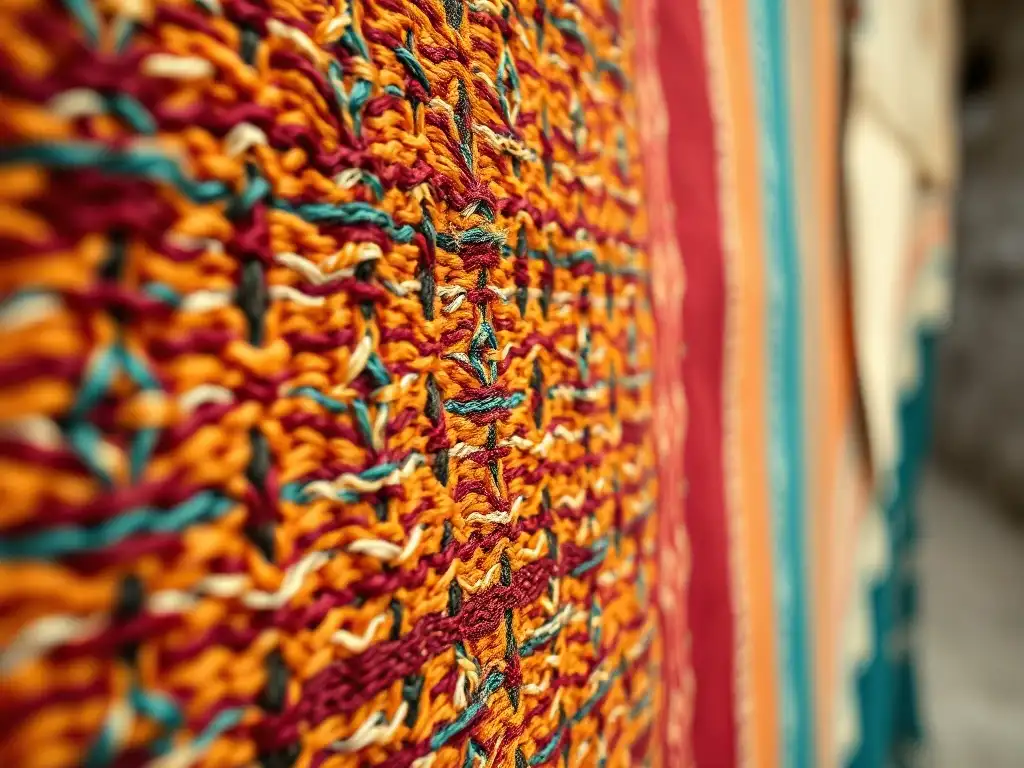
The vibrant hues of Andean textiles weren't merely aesthetic choices; they were potent symbols of power, status, and spiritual significance, deeply intertwined with the Andean textile trade patterns. Understanding the dyes themselves is crucial to deciphering the messages woven into these remarkable fabrics. The rich palette achieved by Andean artisans resulted from a sophisticated understanding of both natural resources and complex dyeing techniques, a knowledge carefully guarded and passed down through generations. The availability and control of these dyes significantly influenced the Andean textile trade patterns, shaping economic and social structures across the region.
Sourcing and Processing Natural Dyes in the Andes
Andean dyers expertly harnessed the bounty of their environment, utilizing a wide range of plant, insect, and mineral sources to create their extraordinary colors. The sourcing of these materials itself reflects complex trade networks. For instance, the prized crimson cochineal dye, derived from insects feeding on prickly pear cacti, was likely traded from lower altitudes to higher-altitude weaving centers. This highlights the interconnectedness of different ecological zones and the importance of inter-regional exchange in sustaining the textile industry.
The processing of these natural dyes was a laborious and highly specialized undertaking. Consider the intricate steps involved in creating a deep indigo blue from the Indigofera plant. This involved careful fermentation and oxidation processes, requiring precise knowledge and skillful manipulation. Similarly, achieving specific shades of yellow, brown, and red demanded precise control over variables like the type of plant used, the water quality, and the duration of the dyeing process. This expertise, passed down through generations of artisans, contributed to the unique characteristics of Andean textiles and their high value in both local and wider trade.
The Symbolic Meanings of Colors in Andean Textiles
The colors themselves held profound symbolic meaning within Andean cultures. Red, for example, often represented blood, sacrifice, and the power of the elite. It was frequently used in garments worn by rulers and priests, reinforcing their authority and divine connection. Yellow, on the other hand, could represent the sun, gold, and fertility, associating it with concepts of wealth and prosperity.
These symbolic associations were not static; their meanings could vary depending on the specific context, the combination of colors, and the overall design of the textile. This complexity adds to the challenge of interpreting the messages embedded within Andean weavings, but also underscores the sophisticated nature of their symbolic language. Analysis of color usage across different regions and time periods provides valuable insights into the evolution of Andean societies and their evolving belief systems, further illuminating the complex Andean textile trade patterns.
The Control of Dye Production and Trade by Elite Groups
The control over dye production and trade was a significant source of power for elite groups within Andean societies. Access to rare or difficult-to-obtain dyes, such as the aforementioned cochineal, granted those in power a distinctive advantage, allowing them to create exclusive garments and textiles that reinforced their social standing. This control extended beyond simply owning the resources; it also involved regulating access to the specialized knowledge required for dye processing.
We can see evidence of this control in the distribution of high-quality textiles. Archaeological findings show a clear correlation between the presence of elaborate textiles and elite burials, suggesting that these items were not only valuable commodities but also powerful symbols of status and authority. The concentration of dye production in specific regions and the evidence of specialized workshops suggest a degree of centralized control over this crucial aspect of Andean society.
This centralized control, in turn, heavily influenced the dynamics of the Andean textile trade patterns, making it a key factor in the economic and political landscape of the Andean region. Further research is needed to fully understand the intricate relationship between dye production, trade, and power structures across different Andean cultures.
Andean Textile Motifs and Their Cultural Meanings
The vibrant tapestry of Andean textile art wasn't merely decorative; it was a powerful medium for communicating complex cultural narratives, social status, and religious beliefs. Understanding the motifs woven into these textiles offers a fascinating glimpse into the worldview and societal structures of Andean civilizations. The intricate designs, often incorporating geometric shapes, zoomorphic (animal) and anthropomorphic (human) figures, and symbolic colors, tell stories that have captivated researchers for generations.
Analyzing these patterns provides crucial insights into the Andean textile trade patterns themselves, as motifs often traveled alongside the textiles, reflecting cultural exchange and interaction across vast distances. The persistence of certain motifs across different cultures and time periods further emphasizes the significance of textile traditions in shaping Andean identity.
Common Geometric Patterns and Their Interpretations
Geometric patterns, such as chevrons, stepped frets, and interlocking triangles, are ubiquitous in Andean textiles. These seemingly simple designs held profound symbolic weight. For instance, the stepped fret, often interpreted as representing mountains or agricultural terraces, is a powerful symbol of Andean cosmology and the close relationship between humans and their environment. The meticulous precision in their execution, often achieved using techniques like backstrap loom weaving, underscores their importance.
Consider the Nazca culture. Their textiles, famed for their intricate designs and vibrant colors, frequently utilized geometric patterns. These weren't merely aesthetic choices; analysis suggests that specific geometric combinations conveyed social rank or clan affiliation.
The use of particular colors within these patterns further added layers of meaning, with red often associated with power and fertility, while white symbolized purity and the sacred. Detailed studies of Nazca textiles reveal a complex system of visual codes, where the arrangement and combination of geometric shapes conveyed nuanced messages. More research is needed to fully decode some of the more complex arrangements, but existing studies strongly suggest a highly developed system of symbolic communication.
Zoomorphic and Anthropomorphic Designs in Andean Weaving
Beyond geometric patterns, Andean textiles frequently incorporated representations of animals and humans. Zoomorphic designs, featuring camelids (llamas and alpacas), birds, and felines, often held religious significance, reflecting the Andean worldview's deep connection to the natural world. These animals weren't merely depicted; their stylized representations carried symbolic meaning. For example, the condor, a powerful bird in Andean mythology, often symbolized power, authority, and the connection between the earthly and spiritual realms. The careful observation of nature evident in these depictions highlights the Andean peoples' keen understanding of their environment.
Anthropomorphic figures, representing human forms or deities, are also common. These figures often appear in ceremonial textiles, suggesting their use in rituals and religious practices. The style of representation, the clothing depicted, and the accompanying motifs offer clues to the identity and role of the figures portrayed.
The level of detail in some anthropomorphic representations is astonishing, suggesting a high level of artistic skill and a deep understanding of human anatomy. Further research is required to fully catalogue the diversity of anthropomorphic representations across different Andean cultures and their specific symbolic meanings. The analysis of these figures, combined with archaeological evidence from contexts of discovery, promises to further illuminate our understanding of Andean religious beliefs and social structures.
The Transmission of Cultural Narratives Through Textile Art
Andean textiles served as a vital medium for transmitting cultural knowledge across generations. The intricate designs, passed down through oral tradition and practical instruction, encoded complex stories, myths, and historical events. This knowledge wasn't simply learned; it was actively performed through the creation and use of textiles. The act of weaving itself became a ritualistic practice, imbuing the textiles with spiritual significance.
The continuity of certain motifs across centuries and across different Andean cultures highlights the enduring power of textile traditions in shaping cultural identity. The persistence of particular designs and techniques suggests a strong emphasis on maintaining cultural heritage. This process of cultural transmission, evident in the remarkable consistency and evolution of Andean textile art, demonstrates the enduring significance of textiles in shaping Andean societies and their understanding of the world.
The study of Andean textiles therefore offers a unique opportunity to explore the dynamic relationship between material culture, social structures, and the transmission of cultural knowledge across time and space, providing crucial insights into the complexities of Andean textile trade patterns. The careful examination of these patterns reveals not just aesthetic choices but a rich tapestry of cultural meaning, reinforcing the significance of textiles within Andean civilizations.
The Influence of Andean Textile Trade on Regional Economies
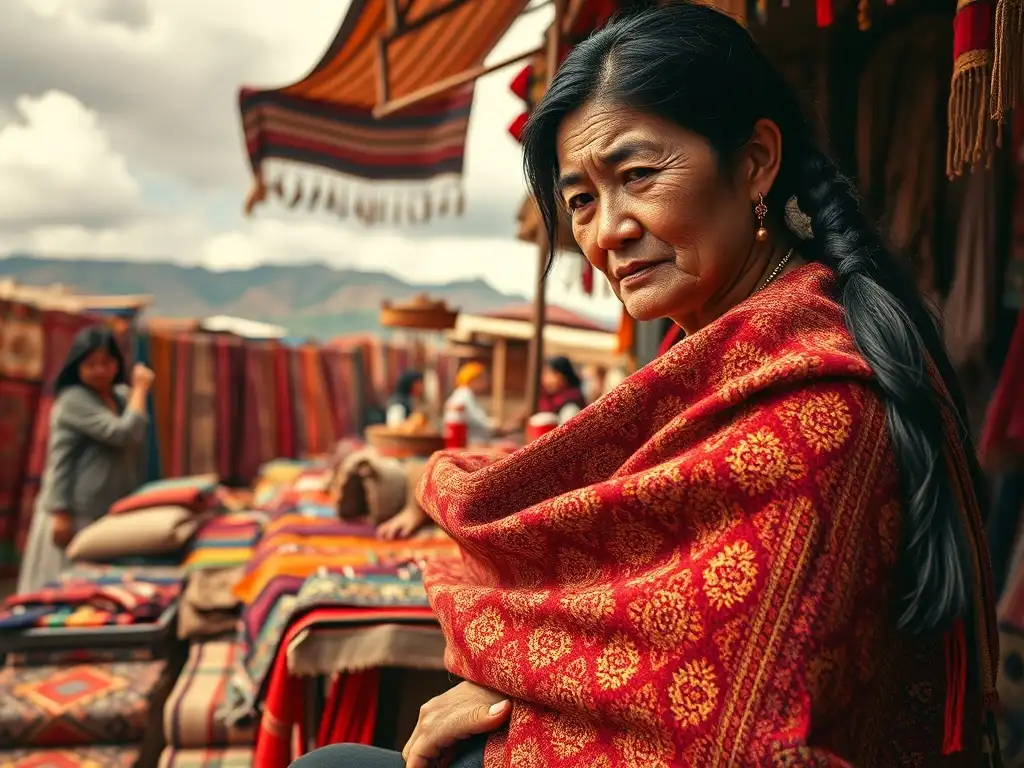
The Andean textile trade wasn't merely a system of exchange; it was a powerful engine driving regional economic growth and shaping the very fabric (pun intended!) of Andean societies. The production, distribution, and consumption of textiles profoundly impacted the economic landscape, creating specialized labor, fostering infrastructure development, and generating wealth that fueled political power. Understanding the influence of this trade requires examining its multifaceted impact on various aspects of Andean economies. We'll delve into the specific ways textiles fueled prosperity and shaped the economic landscape.
The Role of Textile Production Centers in Andean Trade
Certain regions within the Andes specialized in textile production, becoming crucial nodes within the larger trade network. These centers, often located near sources of high-quality fibers like alpaca or llama wool, boasted skilled artisans and sophisticated techniques. For example, the coastal regions, with access to cotton, developed distinct weaving styles and techniques, while the highlands specialized in wool textiles.
This specialization led to the development of robust local economies, as these centers attracted traders, generated employment, and fostered economic interdependence between different regions. The concentration of skilled labor and specialized production in these centers created a system of economic hierarchy, with some areas accumulating greater wealth and power than others due to their role in textile production and trade.
This created a complex web of economic relationships, where the success of one region was often intertwined with the success of others. Analysis of archaeological sites reveals evidence of specialized workshops and tools used in textile production, further supporting this understanding of localized economic specialization.
The Exchange of Textiles for Other Goods and Resources
Andean textile trade wasn't a one-way street. Textiles served as a crucial medium of exchange, facilitating the acquisition of other vital goods and resources. High-quality textiles, often adorned with intricate designs and symbolic patterns, were traded for agricultural products, precious metals, ceramics, and other luxury items.
The value of these textiles varied based on factors such as the quality of the fibers, the complexity of the designs, and the prestige of the producers. Archaeological evidence consistently reveals the presence of textiles in elite burials and ceremonial contexts, highlighting their value as both functional goods and potent symbols of status and power. The exchange of textiles contributed to a complex network of interdependence across the Andean region, where different communities specialized in the production of specific goods and relied on trade to access a wider range of resources.
The system wasn't solely based on bartering; a complex system of tribute and taxation likely involved textiles as a major component. Further research into Andean accounting systems could provide more insight into this aspect of the economy.
The Impact of Trade on the Development of Andean Societies
The vibrant Andean textile trade significantly impacted the development of Andean societies in several ways. It fostered the growth of urban centers, as trade routes and marketplaces stimulated population growth and economic activity. The development of infrastructure, including roads, bridges, and storage facilities, facilitated the movement of goods and people, further integrating different regions within the Andean world.
The textile trade also contributed to the development of sophisticated social and political structures. Elite groups often controlled the production and distribution of high-quality textiles, using them to consolidate their power and influence. The symbolic significance of textiles, reflected in their intricate designs and use in ceremonial contexts, reinforced social hierarchies and political authority.
Moreover, the trade networks facilitated the exchange of not only goods, but also ideas, technologies, and artistic styles, contributing to cultural exchange and diversification across the Andes. The standardization of certain textile designs and patterns across vast geographical areas suggests a degree of cultural homogenization facilitated by trade. Further investigation into the standardization and variation in Andean textile patterns could reveal more about the dynamics of cultural exchange and power during this era.
Case Studies of Andean Textile Trade Routes
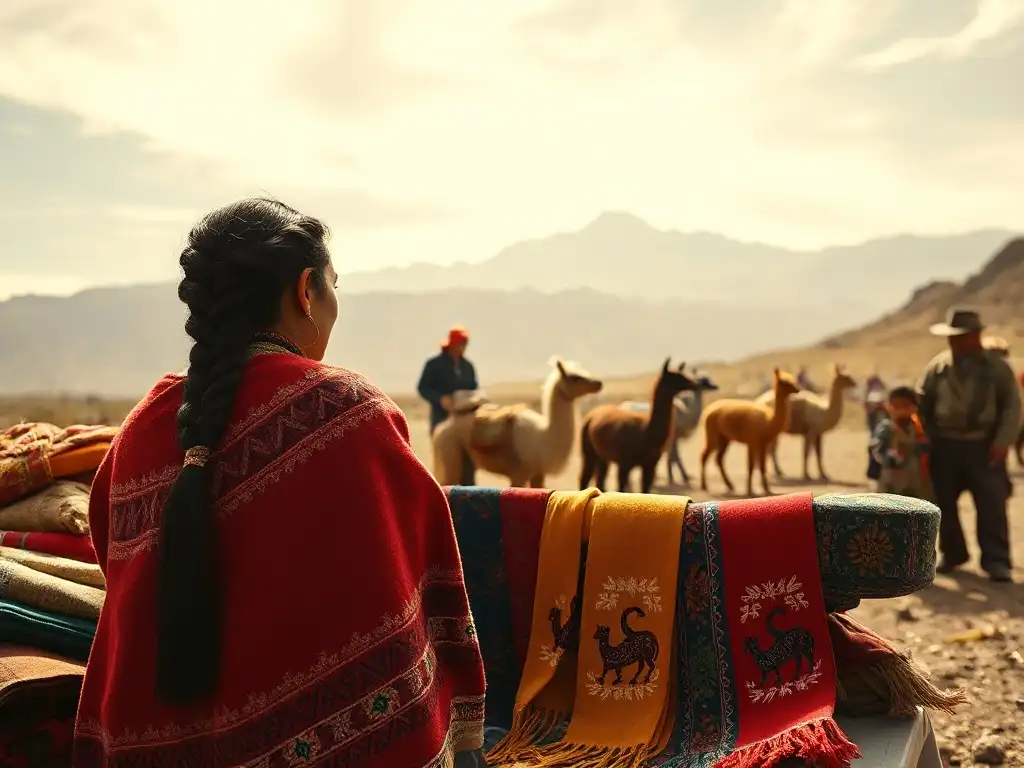
This section delves into specific examples of Andean textile trade routes, examining the geographical distribution of textiles and the exchange of materials and expertise across diverse landscapes. Understanding these routes provides crucial insights into the complex social, economic, and political structures of Andean civilizations. Analyzing the movement of textiles allows us to trace connections between different groups and to better understand the role of textiles in maintaining power and influence. The intricate patterns woven into these fabrics themselves often held symbolic meaning, further enriching our understanding of Andean society.
The Coastal Trade Routes and Textile Distribution
The coastal regions of the Andes, with their access to cotton and other valuable resources, played a vital role in the Andean textile trade. Coastal communities, like the Moche and Nazca, were renowned for their sophisticated textile production techniques. Their mastery of dyeing techniques, particularly using natural pigments derived from plants and minerals, resulted in a vibrant array of colors that were highly prized throughout the Andes. Evidence suggests a robust coastal trade network facilitating the distribution of these textiles.
The Moche, for example, are known for their intricate depictions of deities and mythological creatures woven into their textiles. These textiles weren't simply clothing; they served as powerful symbols of status and authority. The vibrant colors and complex designs were likely used to communicate social hierarchy and religious beliefs. The distribution of these textiles along the coast, and even inland to some extent, indicates a sophisticated system of exchange and likely involved specialized traders or intermediaries.
The Nazca, similarly, created stunning textiles with intricate geometric patterns and unique dyeing techniques, showcasing their expertise and contributing to the vibrant coastal textile trade. Further research into specific coastal sites and their associated artifacts is needed to fully understand the intricacies of this trade network. For instance, [specific archaeological data on Moche textile distribution patterns pending].
The Highland Trade Routes and the Exchange of Wool
In contrast to the coastal regions, the Andean highlands were characterized by the production of wool from camelids such as llamas and alpacas. These animals provided the raw material for a different range of textiles, known for their warmth and durability. Highland communities, such as those associated with the Tiwanaku and Inca civilizations, developed their own unique textile traditions, often using intricate weaving techniques and incorporating symbolic patterns associated with their specific cultural beliefs. The exchange of wool and woolen textiles between the highlands and lowlands formed a crucial aspect of Andean trade.
The exchange wasn't simply a matter of bartering goods. The movement of wool and woolen textiles along highland trade routes often involved complex systems of tribute and reciprocal exchange, reinforcing social and political alliances. The Inca empire, for instance, relied heavily on a system of tribute to acquire resources, including textiles from various regions. This system ensured a steady flow of goods to the capital, Cusco, and facilitated the distribution of resources throughout the empire.
The intricate organization of this system highlights the importance of textile production and trade in the Inca economy and the powerful role it played in maintaining social order. Analyzing the specific composition of wool textiles found at different sites across the highlands could reveal more about the precise routes and the scale of this trade. [More data on specific highland trade routes and their associated textile finds is needed].
The Influence of Specific Sites on Andean Textile Production
Certain sites within the Andean region served as significant centers of textile production and distribution. These sites exerted a considerable influence on the styles, techniques, and distribution patterns of textiles throughout the region. Their strategic location, access to resources, and specialized expertise all contributed to their prominence.
For instance, some sites may have specialized in particular dyeing techniques, while others excelled in specific weaving styles. This specialization led to regional variations in textile styles, reflecting the unique cultural traditions and technological innovations of each center. The exchange of these specialized goods along trade routes further contributed to the diversity and complexity of Andean textile production.
The influence of these specialized production centers can be traced through the distribution of particular textile styles and techniques across wider geographic areas. By studying the distribution of these textiles, we can reconstruct the networks of exchange and understand how these production centers shaped the broader Andean textile landscape. [Further research is needed to fully map the influence of specific sites on Andean textile production and distribution patterns, including detailed analysis of specific sites and their associated textile finds].
Careful analysis of textile samples, using techniques like fiber analysis and dye identification, can provide crucial information about the origins of textiles and the routes they traveled. This interdisciplinary approach, combining archaeological evidence with scientific analysis, will significantly improve our understanding of the Andean textile trade patterns.
The Legacy of Andean Textile Traditions
The legacy of Andean textile traditions extends far beyond the captivating artistry of the fabrics themselves. It represents a complex interplay of social structures, technological innovation, and spiritual beliefs that shaped the very fabric of Andean societies for millennia. Understanding the Andean textile trade patterns requires delving into this rich tapestry of history and culture.
The intricate weaving techniques, the symbolic use of color and pattern, and the economic significance of textile production all contributed to the enduring power and influence of these ancient civilizations. The sheer variety of techniques – from the simple but effective backstrap loom to the more complex techniques used to create incredibly fine and detailed textiles – showcases the ingenuity and skill of Andean artisans. These techniques were not merely practical; they were integral to the social and religious fabric of life.
The Enduring Impact of Andean Weaving Techniques
Andean weaving techniques, passed down through generations, demonstrate remarkable resilience and adaptability. The basic principles of backstrap loom weaving, for instance, remain largely unchanged despite the passage of centuries. This speaks volumes about the effectiveness and efficiency of these methods. However, the evolution of these techniques is also evident.
The incorporation of new fibers, dyes, and designs reflects both external influences and internal innovation within Andean societies. For example, the introduction of new camelid species, such as alpacas, likely influenced the types of yarn used and the textures achievable in weaving. Similarly, the adoption of new dyeing techniques, potentially through interaction with other cultures, broadened the color palettes available to Andean artisans and expanded the possibilities for symbolic representation within their textile designs.
The enduring impact of these techniques is also seen in the continued practice of traditional weaving in many Andean communities today. This living legacy ensures the survival of ancient knowledge and skills. [Specific examples of modern communities practicing ancient techniques pending]
Modern Interpretations of Ancient Andean Textile Designs
Modern interpretations of ancient Andean textile designs are a testament to the enduring appeal and cultural significance of these patterns. These designs, often imbued with deep symbolic meaning related to cosmology, mythology, and social status, continue to inspire contemporary artists and designers. Many modern designers draw inspiration from the geometric patterns, intricate motifs, and vibrant colors found in pre-Columbian textiles.
However, it’s crucial to note that these modern interpretations are not mere copies. They often incorporate contemporary aesthetics and techniques while acknowledging and respecting the original designs' cultural significance. This careful balance between honoring tradition and embracing innovation is key to ensuring that the legacy of Andean textile designs remains relevant and accessible to modern audiences.
The use of these patterns in contemporary fashion, home décor, and art demonstrates the enduring power and aesthetic appeal of these ancient designs. We can see a clear trend of reimagining these designs into modern contexts, such as in clothing lines which showcase these patterns in contemporary silhouettes.
Preserving and Promoting Andean Textile Heritage
Preserving and promoting Andean textile heritage requires a multi-faceted approach that encompasses several key strategies. Firstly, documenting and archiving existing textiles is crucial for understanding the evolution of Andean textile trade patterns and the techniques employed. This involves meticulous cataloging of museum collections and conducting thorough ethnographic studies of communities that continue to practice traditional weaving.
Secondly, supporting traditional weaving communities through fair trade practices and educational initiatives is vital for ensuring the sustainability of these crafts. This includes providing access to resources, such as quality materials and markets, and fostering a sense of pride and economic independence among artisans. Thirdly, raising awareness of the cultural significance of Andean textiles through exhibitions, educational programs, and public outreach efforts is essential for fostering appreciation and respect for this rich cultural heritage.
By engaging both local and international audiences, we can ensure that the legacy of Andean textile traditions continues to thrive for generations to come. The preservation of this heritage is not just about preserving artifacts; it's about safeguarding a vital part of the Andean cultural identity and ensuring the continued practice of these incredibly skilled crafts. The ongoing efforts to protect Andean textile heritage are essential for understanding the vibrant past and ensuring a bright future for these unique and beautiful textiles.
Frequently Asked Questions
What role did textiles play in Andean societies?
Textiles were incredibly important, serving not just as clothing but also as symbols of status, religious objects, and forms of currency in Andean societies. Their intricate designs and materials reflected the wearer's social standing.
How did Andean textile trade patterns evolve over time?
Trade patterns shifted considerably throughout Andean history. Early civilizations relied on local exchange, while later empires like the Inca developed extensive regional and imperial networks, facilitating the movement of textiles and raw materials across vast distances.
What were some key characteristics of Andean textile production?
Andean textiles were renowned for their exceptional craftsmanship, vibrant colors derived from natural dyes, and complex weaving techniques. Different regions specialized in particular styles and designs, contributing to the diversity of textile traditions.
How did the Inca Empire influence Andean textile trade?
The Inca Empire centralized textile production and distribution, establishing workshops and controlling the movement of goods throughout their vast territory. This resulted in a more standardized, yet still regionally diverse, textile output.
What can the study of Andean textiles reveal about ancient societies?
Analyzing Andean textiles provides invaluable insights into social hierarchies, religious beliefs, economic systems, and artistic expressions of these ancient civilizations. The designs and materials often tell stories about power, identity, and daily life.
Final Reflection: The Enduring Legacy of Andean Textile Trade
The vibrant threads of Andean textile trade continue to weave a rich tapestry across time, revealing not only intricate patterns but also complex social structures and enduring cultural legacies. Understanding these ancient trade networks offers a powerful lens through which to examine globalization, cultural exchange, and the enduring power of artistic expression, even in the face of immense societal shifts. The intricate designs and masterful craftsmanship speak volumes about the ingenuity and resilience of Andean civilizations.
The impact of Andean textile traditions extends far beyond the realm of archaeology and history; they resonate deeply within contemporary Andean societies and continue to inspire artists and designers worldwide. These textiles are more than just beautiful objects; they are living testaments to a rich cultural heritage. The threads themselves are a language, telling stories of ancestors, beliefs, and the very fabric of their existence.
This quote, though fictionalized, captures the essence of the profound connection between the Andean people and their textile traditions, a connection that persists to this day.
Consider, for a moment, the intricate detail in each piece, the stories whispered in the vibrant hues and symbolic patterns. You too can become a weaver of understanding, connecting with the past by appreciating the enduring legacy of Andean textile trade. Explore the intricate designs, research the historical context, and perhaps even seek out opportunities to support contemporary Andean artisans. Let the vibrant colors and powerful symbolism of these textiles inspire you to delve deeper into the rich tapestry of human history and cultural exchange.
Unveil the Vibrant Legacy of Andean Textiles!
Thank you for exploring the fascinating world of Andean textiles with us! You've discovered the beauty and significance of the colors, patterns, and symbolism woven into this rich cultural heritage. Now, let's deepen your understanding.
Here's how you can continue your journey:
- Visit local museums or exhibitions featuring Andean textiles to experience their vibrant artistry firsthand.
- Share your favorite discoveries from this article with friends and family, or post them on social media—let's celebrate the beauty of Andean art together!
- Engage with online communities and forums where textile enthusiasts discuss techniques, history, and creative projects.
What aspects of Andean textile design—the intricate patterns, the bold colors, or perhaps the historical narratives they tell—resonate most with you, and how might they inspire your own creative work?