
The Quinoa Quest: Understanding the Trade of an Andean Superfood

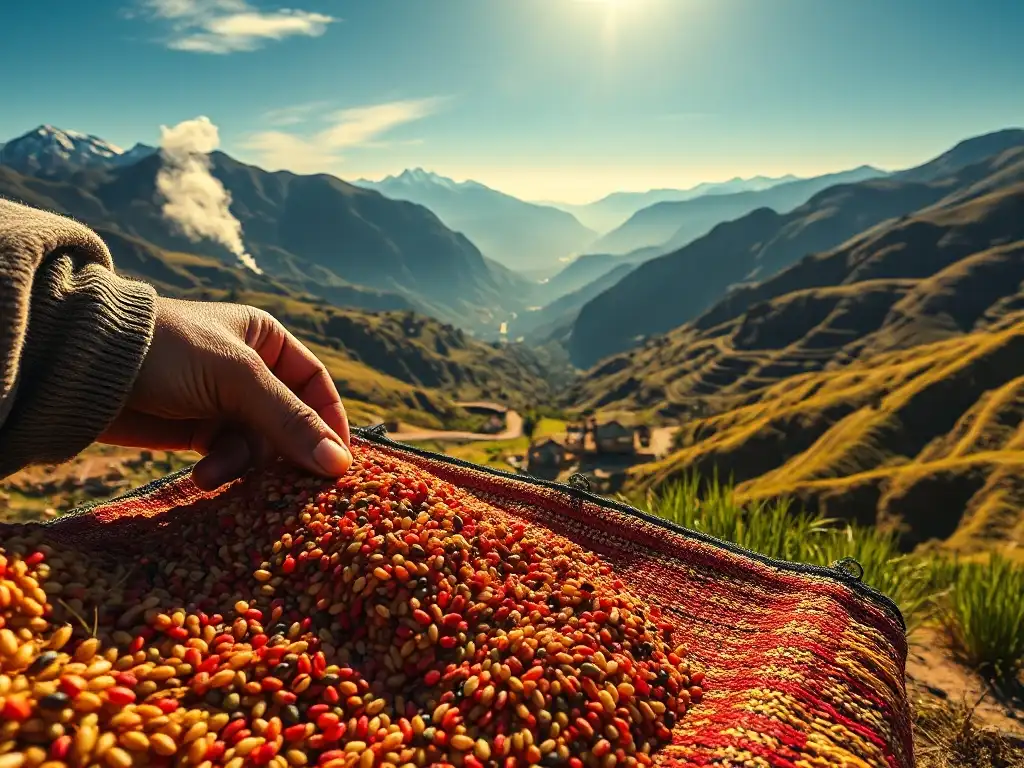
Step into a world lost to time, yet echoing with vibrant life. Imagine vast empires stretching across the Andes, their ingenuity shaping landscapes and societies. This is the realm of the Andean civilizations – the Incas, Moche, Nazca, and Tiahuanaco. But their story isn't just about towering cities and intricate artistry; it's also woven into the very fabric of their sustenance. Unravel the mysteries of the Andean quinoa trade history, a journey that will reveal the surprising power of this ancient superfood and its crucial role in shaping Andean societies. Prepare to be amazed.
Quinoa, a nutritional powerhouse often dubbed a "superfood," holds a significant place in the history of Andean civilizations. Its cultivation and trade weren't merely economic activities; they were deeply intertwined with social structures, religious beliefs, and the very fabric of Andean societies. This article delves into the fascinating history of quinoa trade in the Andes, exploring its routes, significance, and the impact it had on the development and interaction of various pre-Columbian cultures.
We will examine how the trade in this resilient grain shaped political alliances, economic prosperity, and the cultural landscape of the region, revealing the complex interplay between agriculture, commerce, and societal evolution in the Andean world. Understanding the Andean quinoa trade history provides crucial insights into the sophisticated economic systems and resilient agricultural practices that sustained these remarkable civilizations.
Quinoa Cultivation and Early Trade Networks
Quinoa's cultivation likely originated in the high altitudes of the Andes, adapting remarkably to challenging environmental conditions. Archaeological evidence suggests quinoa was a staple crop for millennia, predating the Inca Empire by centuries. Early trade networks, predating sophisticated Inca infrastructure, involved smaller-scale exchanges within local communities and between neighboring groups.
These exchanges were often facilitated by barter systems, with quinoa exchanged for other essential goods such as textiles, pottery, and tools. The distribution of quinoa wasn't uniform; its cultivation was concentrated in specific ecological zones, creating a natural demand for trade and the development of rudimentary trade routes along mountain passes and valleys. The exact extent of these early trade networks is still being researched, but it's clear that quinoa played a crucial role in the sustenance and economic stability of numerous Andean communities.
The Inca Empire and the Centralization of Quinoa Trade
The Inca Empire (1438-1533 CE) significantly impacted the production and distribution of quinoa. The Incas implemented a sophisticated system of mit'a, a form of labor tribute, to manage agricultural production on a vast scale. This system ensured a steady supply of quinoa, which was then channeled through a network of state-controlled storehouses called qollqas.
These qollqas served as vital hubs in the Inca's extensive trade network, facilitating the redistribution of agricultural surpluses throughout the empire. This centralized system ensured that quinoa, a crucial dietary staple, reached even the most remote corners of the Inca Empire, supporting a large and diverse population. The Inca's strategic management of quinoa production and distribution demonstrates their mastery of logistics and their commitment to providing for their subjects.
Post-Inca Period: The Persistence of Quinoa Trade
Following the Spanish conquest, the quinoa trade underwent a transformation. While the Inca system collapsed, quinoa remained a vital crop. However, the colonial period saw changes in trade patterns, with quinoa increasingly integrated into the broader colonial economy.
Spanish colonizers introduced new agricultural techniques and trade routes, connecting Andean production to global markets. While the specifics of this post-conquest trade require further research [specific information pending], it's evident that quinoa continued to play a significant role in the Andean economy, albeit within a vastly altered political and economic landscape. The resilience of quinoa, both environmentally and economically, ensured its continued importance, reflecting its enduring significance in Andean culture and cuisine.
Quinoa Today: A Global Superfood with Andean Roots
Today, quinoa's popularity has exploded globally, transforming it from a regional staple into a widely sought-after "superfood." This renewed interest has led to increased cultivation and trade, benefiting Andean communities while also raising concerns about sustainability and fair trade practices. The journey of quinoa, from its origins in the Andean highlands to its current global presence, is a testament to its nutritional value and its enduring importance in the cultural heritage of the Andes.
Understanding its historical trade routes and the societal impact of this resilient crop offers valuable insights into the past and present of Andean societies. The future of quinoa trade hinges on balancing economic growth with the preservation of Andean traditions and sustainable agricultural practices. 🌎
- Quinoa Cultivation and Early Trade Networks
- The Inca Empire and the Centralization of Quinoa Trade
- Post-Inca Period: The Persistence of Quinoa Trade
- Quinoa Today: A Global Superfood with Andean Roots
The Ancient Origins of Quinoa Cultivation in the Andes
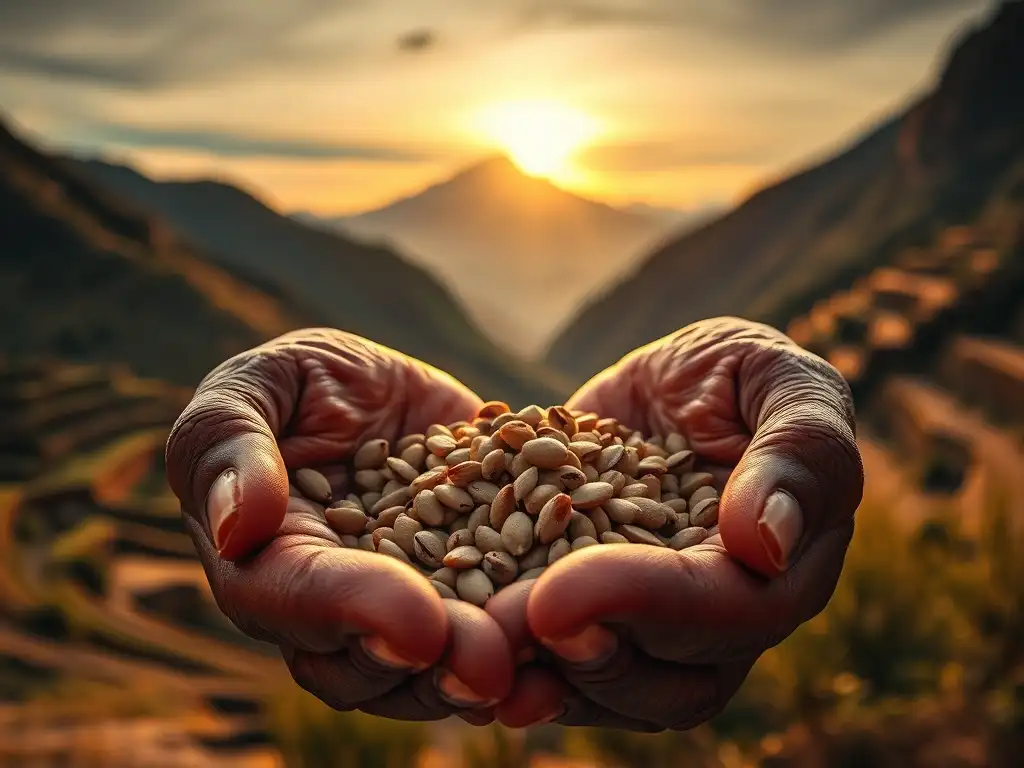
The history of Andean quinoa trade is deeply intertwined with the plant's origins and its significance in pre-Columbian societies. Archaeological evidence suggests quinoa ( Chenopodium quinoa ) cultivation began in the high Andes of South America, likely in the region encompassing present-day Bolivia, Peru, and Argentina, thousands of years ago. Pinpointing the exact date remains a challenge for researchers, with estimates ranging from 3,000 to 7,000 years BCE.
However, the consistent discovery of quinoa remains in ancient sites across this region strongly supports its long history as a crucial Andean crop. The enduring legacy of quinoa in Andean culture transcends its nutritional value; it’s woven into the fabric of their history, rituals, and social structures.
Understanding this deep-rooted connection is key to appreciating the complexities of its subsequent trade. The resilience of quinoa, its ability to thrive in harsh, high-altitude environments, and its nutritional richness all contributed to its widespread adoption and, eventually, its role in extensive trade networks.
Quinoa's Significance in Pre-Columbian Andean Diets
Quinoa wasn't just a food source; it was a cornerstone of pre-Columbian Andean diets. Its nutritional profile, rich in protein, carbohydrates, and essential amino acids, made it a vital component of sustenance for populations living at high altitudes where other crops struggled to grow. Analysis of ancient human remains shows quinoa's consistent presence in their diets, highlighting its importance across various Andean cultures.
Further evidence comes from the discovery of quinoa storage facilities and processing tools at archaeological sites, indicating sophisticated methods of cultivation, harvest, and preparation. For example, the Moche civilization (100-800 CE) depicted quinoa in their intricate pottery, suggesting its cultural and economic importance. The Nazca people (100 BCE – 800 CE) also cultivated quinoa extensively, as evidenced by the presence of quinoa remains in their settlements.
This widespread cultivation and consumption laid the groundwork for the later, more extensive trade networks associated with the Inca Empire. The high nutritional value of quinoa ensured that it was not merely a staple food but a crucial element ensuring the health and productivity of Andean communities. This, in turn, fueled population growth and facilitated the development of complex social structures.
Early Cultivation Practices of Quinoa by Andean Civilizations
Early Andean civilizations developed sophisticated techniques for quinoa cultivation adapted to the unique challenges of the high-altitude environment. These practices included terracing, irrigation systems, and crop rotation – all designed to maximize yields in often unforgiving conditions. Evidence suggests that different varieties of quinoa were cultivated, each suited to specific altitudes and microclimates.
This diversification demonstrates an advanced understanding of agriculture and plant genetics. Furthermore, Andean farmers developed methods for processing quinoa to remove its saponins, a naturally occurring bitter compound. This crucial step made the grain palatable and digestible, enhancing its nutritional value and desirability.
The development of these farming techniques and processing methods was crucial not only for local sustenance but also for creating surpluses that could be traded. The efficient production of quinoa made it a valuable commodity, enabling the exchange of goods and fostering economic ties between different Andean communities. The level of agricultural sophistication indicates a sophisticated understanding of the environment and the agricultural needs of the region, laying the groundwork for later expansions in trade.
Quinoa as a Staple Crop for the Inca Empire
The Inca Empire (1438-1533 CE) significantly expanded quinoa cultivation and trade. The Inca's centralized administrative system facilitated the efficient distribution of resources, including quinoa. They established vast agricultural projects, including extensive irrigation systems and terraced fields, boosting quinoa production. Quinoa became a vital part of the mit'a system, a form of mandatory labor service where individuals contributed to public works, including agricultural projects related to quinoa cultivation and storage.
The Inca utilized quinoa not only as a staple food for their population but also as a crucial element in their tribute system. This meant that communities would pay taxes in the form of quinoa, further solidifying its importance in the empire's economy. The Inca's control over quinoa production and distribution enabled them to maintain a substantial surplus, which was used to support the empire's vast infrastructure and military.
This large-scale organization of quinoa production and trade showcases the Inca's ability to manage and exploit resources effectively, contributing to their empire's growth and stability. The efficient management of quinoa resources by the Inca Empire highlights its strategic importance in the political and economic structure of the Andean world. The legacy of this extensive trade network is still felt today, demonstrating the enduring importance of quinoa in Andean culture and economy.
Andean Quinoa Trade History: Pre-Columbian Exchange Networks
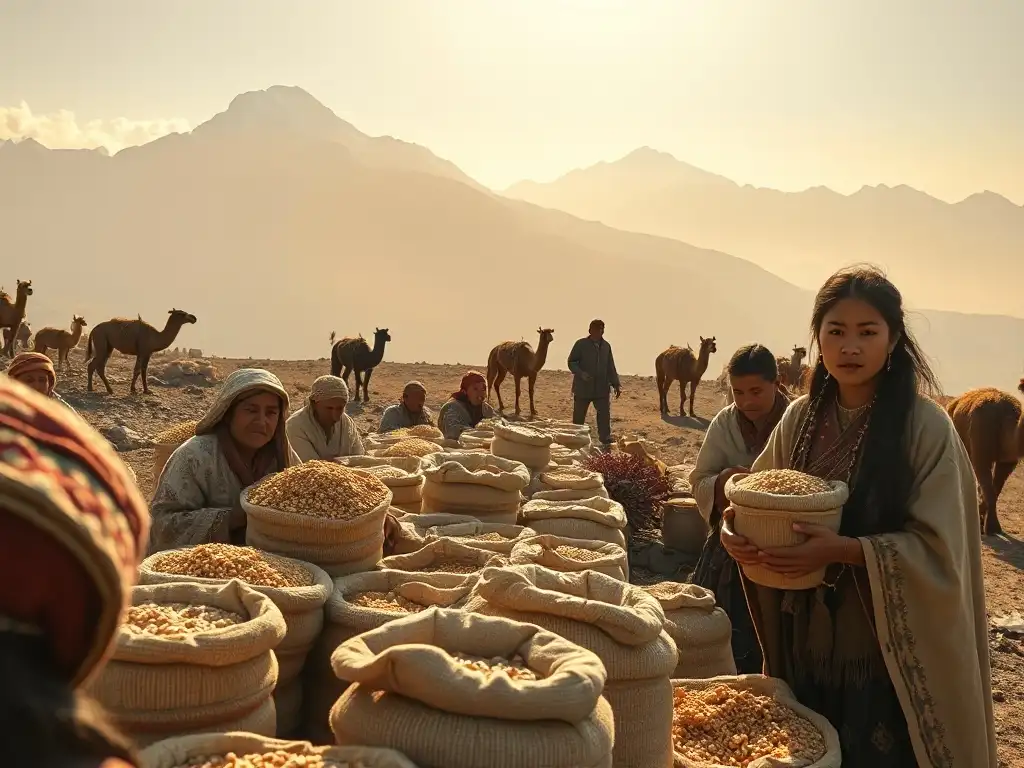
The Andean quinoa trade history is a fascinating tapestry woven from the threads of diverse Andean cultures and their intricate exchange networks. Long before the arrival of Europeans, quinoa, a nutritional powerhouse and staple crop, played a crucial role in the economic and social fabric of these societies. Understanding this history requires examining the complex interplay of geography, agricultural practices, and social structures that shaped the movement of this vital commodity.
The resilience of quinoa, its ability to thrive in harsh high-altitude environments, and its high nutritional value ensured its significance across various Andean ecozones. This section delves into the pre-Columbian period, exploring the evidence of quinoa's importance in regional and inter-regional trade.
The scale and nature of this trade varied considerably depending on the specific period and the participating cultures, reflecting the dynamism and complexity of Andean societies. We will explore the evidence for this vital trade and the impact it had on the development of Andean civilizations.
The Role of Quinoa in Regional Trade Among Andean Cultures
Quinoa's role in regional trade varied significantly across different Andean cultures. While precise quantification of quinoa's trade volume remains challenging due to the limitations of archaeological evidence, its presence in diverse archaeological contexts strongly suggests its widespread exchange. For instance, the Incas, known for their vast empire and sophisticated administrative system, likely utilized quinoa as a significant element in their tribute system, collecting it from various regions and redistributing it to support their vast population centers.
This system ensured the flow of quinoa from productive highland areas to coastal communities and other regions with less suitable growing conditions. Beyond the Inca, other Andean cultures, such as the Wari and Tiwanaku, likely engaged in extensive quinoa trade, though the precise mechanisms and scale of this trade are still under investigation.
The archaeological record reveals evidence of quinoa storage facilities and processing sites in various locations, indicating organized trade and distribution networks. Further research is needed to fully elucidate the specific role of quinoa in the economies of these pre-Inca societies, but its presence in diverse sites strongly supports its importance in regional exchange.
Evidence of Quinoa Trade Routes in the Andes
Tracing the precise routes of Andean quinoa trade presents a significant challenge for researchers. The lack of written records from the pre-Columbian period necessitates reliance on indirect evidence, primarily archaeological data. Archaeological findings, such as the discovery of quinoa remains in sites far from its primary cultivation zones, provide compelling evidence of long-distance trade.
The presence of quinoa in coastal settlements, for example, demonstrates the movement of this highland crop across significant geographical barriers. Furthermore, the analysis of quinoa varieties found in different regions may help identify specific trade routes and the movement of particular cultivars. However, more sophisticated isotopic analysis of quinoa samples from various locations is needed to definitively pinpoint the origin of traded quinoa and reconstruct the detailed pathways of exchange.
This research is crucial in shedding light on the sophisticated logistical systems that facilitated the movement of goods across the varied Andean landscapes. The identification of specialized storage facilities and the presence of quinoa in elite contexts further suggest its importance as a valuable traded commodity.
Quinoa as a Traded Good between Highland and Coastal Communities
The exchange of quinoa between highland and coastal communities highlights the crucial role of inter-regional trade in sustaining Andean societies. Highland communities, with their ideal climatic conditions for quinoa cultivation, produced surpluses that were traded to coastal communities in exchange for various goods such as fish, salt, and cotton textiles. This exchange was vital for both sides.
Coastal communities gained access to a crucial source of nutrition and sustenance, while highland communities obtained essential resources not readily available in their high-altitude environments. This reciprocal relationship underscores the integrated nature of the Andean economy, where different ecological zones played complementary roles in supporting the overall population. The evidence of this exchange is not merely found in the presence of quinoa in coastal sites but also in the distribution of coastal goods in highland settlements, suggesting a well-established system of reciprocal exchange and trade.
Further research is needed to determine the exact terms of exchange and the social dynamics that governed this inter-regional trade. The study of Andean textiles, often found in both highland and coastal sites, could provide further insights into the complex economic relationships that shaped the trade of quinoa and other vital commodities.
The Impact of the Spanish Conquest on Andean Quinoa Trade
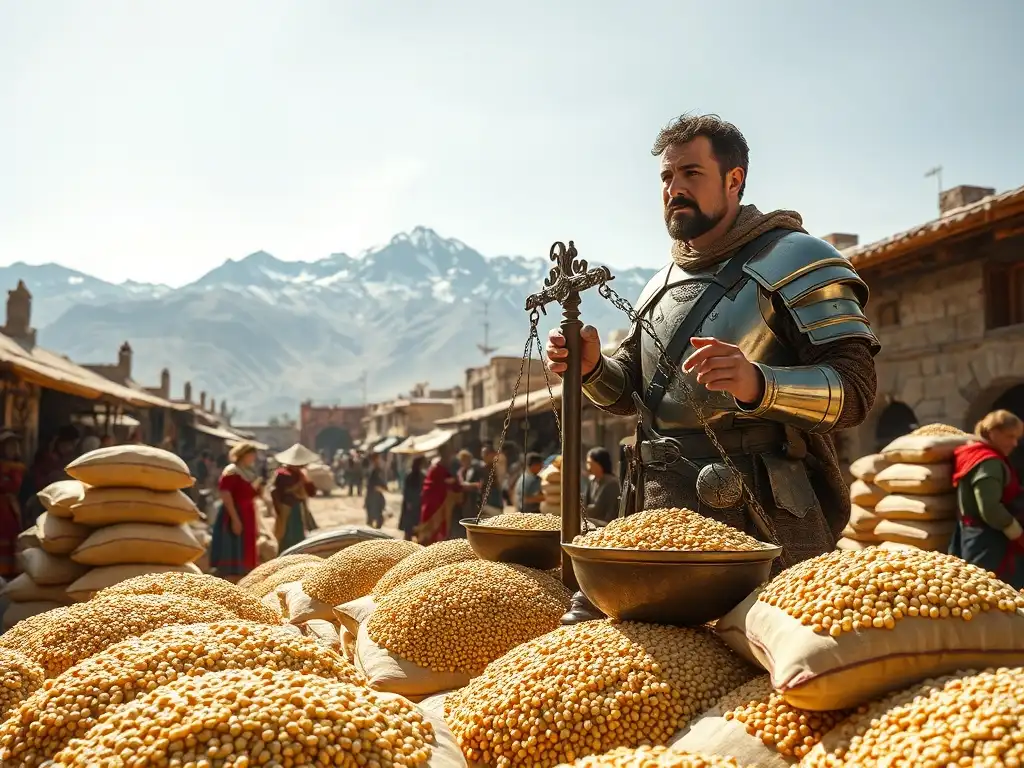
The arrival of the Spanish in the 16th century dramatically altered the landscape of Andean quinoa trade, initiating a period of significant disruption and decline. Prior to the conquest, quinoa held a central position in the Inca empire's economy, playing a vital role in tribute systems and sustaining a large population. Its cultivation and trade were intricately woven into the social and religious fabric of Andean life.
However, the Spanish conquest brought about a profound shift, impacting not only the trade routes but also the very nature of quinoa production and consumption. This section will explore the specific ways in which the Spanish conquest impacted the Andean quinoa trade history.
The Decline of Quinoa Cultivation and Trade Under Spanish Rule
The Spanish colonial regime prioritized the introduction of European crops like wheat and barley, deemed more valuable within their mercantilist system. These crops often received preferential treatment in terms of land allocation and resources, pushing quinoa cultivation to the margins. The mita system, a form of forced labor imposed by the Spanish, further exacerbated the situation.
Indigenous communities were compelled to work in mines and on haciendas (large estates) producing European crops, diverting labor away from traditional quinoa farming. This resulted in a significant reduction in quinoa production and a decline in its trade across the Andean region. Quantitative data on the exact production drop is unfortunately scarce, but anecdotal evidence from colonial records consistently points to a diminished role for quinoa in the overall agricultural economy.
The shift in agricultural priorities directly impacted the pre-existing trade networks, causing disruption to established routes and markets. The vibrant pre-colonial quinoa trade, characterized by extensive exchange systems, was gradually replaced by a less organized, smaller-scale system catering to local needs.
Introduction of European Crops and its Effect on Quinoa Consumption
The introduction of wheat and other European grains had a significant impact on quinoa consumption patterns. Spanish authorities actively promoted the adoption of European dietary staples, viewing them as symbols of cultural superiority and a means of assimilating the indigenous population. Wheat bread, for example, became associated with higher social status, while quinoa, once a staple food for all social strata, became increasingly linked to the indigenous population.
This shift in perception contributed to the decline in quinoa’s overall consumption. While quinoa remained a crucial part of the diet in many indigenous communities, its overall consumption within the wider Andean society decreased.
This is evidenced by the relative lack of mention of quinoa in many colonial-era accounts compared to the extensive descriptions available from pre-conquest sources. The change wasn't merely a matter of preference; the Spanish also introduced livestock, leading to a change in land use and further limiting the space for quinoa cultivation.
Resistance and the Persistence of Quinoa in Indigenous Diets
Despite the challenges imposed by the Spanish conquest, quinoa stubbornly persisted in the diets of many Andean communities. Indigenous populations actively resisted the complete eradication of quinoa cultivation, maintaining its significance within their agricultural practices and cultural traditions. This resistance took various forms, including the clandestine continuation of quinoa cultivation in less accessible areas and the incorporation of quinoa into community rituals and celebrations.
The persistence of quinoa in indigenous diets underlines its deep-rooted importance and the resilience of Andean agricultural knowledge. While accurate figures on the extent of this resistance are difficult to obtain, the continued presence of quinoa in Andean communities today serves as a testament to the enduring strength of their traditions and the inherent value of this resilient crop.
The survival of quinoa, despite the significant challenges posed by the Spanish conquest, highlights the deep-seated cultural significance of this Andean superfood and its lasting impact on the culinary landscape of the region. The ongoing cultivation and consumption of quinoa represent a vital link to the rich history of Andean agriculture and a testament to the enduring strength of indigenous communities.
Modern Quinoa Trade: From Local Crop to Global Superfood
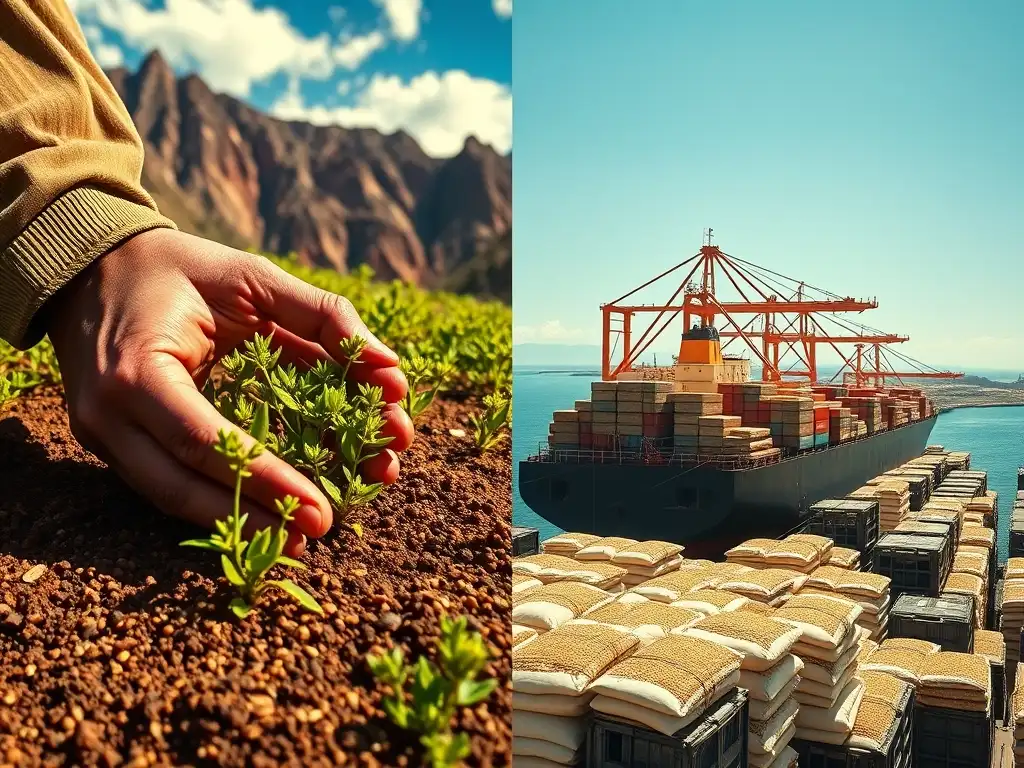
This section delves into the remarkable transformation of quinoa from a staple Andean crop to a globally sought-after superfood. We will explore the factors driving this surge in demand and the resulting impact on Andean economies. Understanding the modern quinoa trade requires examining both the historical context and the contemporary market forces at play. The Andean quinoa trade history is intrinsically linked to the changing global food landscape and consumer preferences.
The Resurgence of Quinoa Demand in the 20th and 21st Centuries
Quinoa's journey to global recognition began modestly. While always a vital part of the Andean diet, its international presence remained limited until the late 20th century. Several factors contributed to the dramatic increase in demand.
Firstly, increased awareness of its nutritional profile—its high protein content, complete amino acid profile, and abundance of essential minerals—captured the attention of health-conscious consumers worldwide. Secondly, the rise of the "superfood" trend, fueled by social media and health publications, significantly boosted quinoa's popularity. Finally, the globalization of food markets and increased accessibility through international trade facilitated its widespread distribution.
The shift from a niche product to a mainstream commodity is a testament to the power of effective marketing and changing dietary habits. This period saw a substantial increase in quinoa production, primarily in countries like Bolivia and Peru, to meet the growing global demand. The expansion of quinoa cultivation also led to challenges, including concerns about sustainability and the potential displacement of other traditional crops.
Quinoa's Nutritional Value and its Appeal to International Markets
The exceptional nutritional profile of quinoa is the cornerstone of its success in international markets. It's a complete protein, meaning it contains all nine essential amino acids, a rarity among plant-based proteins. This makes it particularly attractive to vegetarians and vegans.
Furthermore, quinoa is a good source of fiber, iron, magnesium, and phosphorus. Its gluten-free nature also appeals to a growing segment of the population with dietary restrictions. Marketing campaigns have effectively highlighted these nutritional benefits, positioning quinoa as a healthy and versatile alternative to rice, pasta, and other grains.
The versatility of quinoa in cooking—it can be used in salads, soups, stews, and as a side dish—further enhances its market appeal. The increasing awareness of the importance of a balanced diet and the demand for nutrient-rich foods have significantly contributed to quinoa's global success. Data from [specific market research data pending] would further illustrate the correlation between nutritional awareness and quinoa consumption.
The Rise of Quinoa Exports from Andean Countries
The burgeoning global demand for quinoa has dramatically boosted the economies of several Andean countries, particularly Bolivia and Peru. These nations are the primary exporters of quinoa, and the trade has become a significant source of income for farmers and communities in the Andean region. However, this economic boon has also presented challenges. The rapid increase in quinoa production has raised concerns about sustainable farming practices and the potential for environmental degradation.
Furthermore, fluctuations in global prices can significantly impact the livelihoods of quinoa farmers. The Andean quinoa trade history showcases a complex interplay between economic opportunity and the need for responsible agricultural practices. Maintaining a balance between economic growth and environmental sustainability remains a crucial aspect of ensuring the long-term viability of the quinoa industry in the Andes.
The development of fair trade initiatives and sustainable farming techniques are vital for ensuring the equitable distribution of benefits and the protection of the environment. The future of the Andean quinoa trade hinges on addressing these challenges while capitalizing on the continued global demand for this remarkable superfood. Careful planning and investment in infrastructure are crucial aspects of securing the long-term success of this vital industry.
Challenges and Opportunities in the Contemporary Quinoa Market
The global surge in popularity of quinoa, fueled by its nutritional value and "superfood" status, has presented both significant opportunities and considerable challenges for Andean communities and the broader market. While quinoa cultivation has boosted local economies and raised awareness of Andean agriculture, unsustainable practices and inequitable trade structures threaten the long-term viability of this crucial crop.
Understanding these complexities is vital for ensuring a future where quinoa benefits both consumers and the Andean regions where it originates. The Andean quinoa trade history, marked by periods of both prosperity and hardship, underscores the need for a carefully managed and ethically sound approach to its cultivation and distribution.
Sustainable Quinoa Farming Practices in the Andes
Sustainable quinoa farming is paramount to preserving the Andean ecosystem and ensuring the long-term productivity of the crop. Traditional farming methods, often employing crop rotation and minimal chemical inputs, are key to maintaining soil health and biodiversity. However, the increased demand for quinoa has led to some unsustainable practices, including deforestation for land expansion and the overuse of fertilizers and pesticides.
The impact of these practices is significant. Deforestation leads to soil erosion and loss of vital habitats, while chemical overuse contaminates water sources and damages the delicate Andean ecosystem. Studies have shown a correlation between intensive quinoa farming and decreased soil fertility in certain areas. For example, [specific data on soil degradation in specific Andean regions pending]. Addressing this requires a concerted effort to promote and support sustainable farming techniques. This includes:
- Promoting agroforestry: Integrating trees into farming systems helps prevent soil erosion and improves soil fertility.
- Encouraging organic farming: Reducing reliance on synthetic fertilizers and pesticides protects the environment and enhances the quality of the quinoa.
- Implementing water-efficient irrigation: Conserving water resources is crucial in the arid and semi-arid regions where quinoa is grown.
- Supporting research and development: Investing in research to develop drought-resistant and disease-resistant quinoa varieties is essential for long-term sustainability.
Fair Trade Initiatives and the Quinoa Supply Chain
The quinoa supply chain, from farmer to consumer, often presents significant challenges to fair trade practices. Small-scale farmers, who constitute the majority of quinoa producers, frequently lack access to fair prices and market information, leading to exploitation by intermediaries. Fluctuations in global demand can also negatively impact their livelihoods. The Andean quinoa trade history demonstrates how price volatility can undermine the economic stability of farming communities.
Fair trade initiatives aim to address these issues by ensuring that farmers receive a fair price for their crops, promoting sustainable farming practices, and empowering communities. These initiatives often involve:
- Direct trade relationships: Establishing direct links between farmers and buyers eliminates intermediaries and ensures that farmers receive a larger share of the profits.
- Price guarantees: Providing farmers with guaranteed minimum prices protects them from price fluctuations in the global market.
- Access to credit and training: Supporting farmers with access to credit and training helps them improve their productivity and sustainability.
- Community development projects: Investing in community development projects helps to improve the overall well-being of farming communities.
Balancing Global Demand with the Needs of Andean Communities
Balancing the growing global demand for quinoa with the needs of Andean communities requires a multifaceted approach. The rapid expansion of quinoa cultivation, while economically beneficial in some aspects, has also raised concerns about food security and cultural preservation within Andean communities. Historically, quinoa was a staple food, and its increased commercialization has led to price increases, making it less accessible to local populations. The Andean quinoa trade history shows a clear need for strategies that prioritize both economic development and community well-being.
Effective strategies include:
- Promoting diversification of crops: Encouraging farmers to cultivate a variety of crops reduces their dependence on quinoa and enhances food security.
- Supporting local consumption: Prioritizing local consumption of quinoa ensures that Andean communities continue to benefit from this vital crop.
- Investing in infrastructure: Improving infrastructure, such as roads and storage facilities, can help farmers access markets and reduce post-harvest losses.
- Strengthening local institutions: Supporting local organizations and cooperatives empowers communities to participate in decision-making processes and benefit from the quinoa trade.
The future of the quinoa market hinges on a commitment to sustainable practices, fair trade principles, and a recognition of the importance of balancing global demand with the needs of Andean communities. Only through such a holistic approach can the Andean quinoa trade history be shaped into a story of sustainable growth and equitable prosperity. Careful consideration of these factors will be crucial in safeguarding both the environmental integrity of the Andean region and the livelihoods of its people.
The Future of Andean Quinoa Trade and its Cultural Significance
The future of Andean quinoa trade hinges on several crucial factors, intertwining economic viability with the preservation of cultural heritage and environmental sustainability. Successfully navigating these complexities will determine whether quinoa continues its trajectory as a global superfood while simultaneously benefiting the Andean communities who have cultivated it for millennia. Understanding the historical context of Andean quinoa trade history is paramount to shaping a future where economic growth and cultural preservation are mutually reinforcing.
Preserving Traditional Quinoa Varieties and Knowledge
The remarkable diversity of quinoa varieties found across the Andes represents a crucial genetic resource and a cornerstone of Andean culinary traditions. Many traditional varieties, adapted to specific high-altitude environments and possessing unique nutritional profiles and flavors, are threatened by the increasing dominance of high-yielding, commercially produced quinoa. The loss of this biodiversity would not only diminish the nutritional value available globally but also erode the cultural heritage intrinsically linked to quinoa cultivation.
Efforts to preserve traditional quinoa varieties and associated knowledge systems – encompassing seed saving techniques, sustainable farming practices, and traditional uses – are vital. This includes supporting local farmers' initiatives, establishing seed banks dedicated to preserving heirloom quinoa strains, and promoting research that explores the unique properties of these varieties.
Documenting traditional knowledge through oral histories and participatory research methods is equally important, ensuring that the wisdom passed down through generations is not lost. The survival of these unique quinoa varieties is not merely an agricultural concern; it is a matter of cultural preservation, safeguarding a vital part of Andean identity and heritage.
The Role of Quinoa in Andean Food Security and Sovereignty
Quinoa’s role in ensuring food security and sovereignty within the Andean region is paramount. Historically, quinoa has been a staple crop, providing essential nutrients to Andean populations. However, the rise of global demand has led to concerns about food price volatility and potential displacement of local consumption in favor of export markets.
Sustainably managing quinoa production and trade is crucial to preventing this. Strategies to bolster food security include promoting fair trade practices that guarantee equitable prices for Andean farmers, investing in local processing and value-added industries to increase the economic benefits within the region, and implementing policies that prioritize domestic consumption alongside export markets.
Strengthening local supply chains and supporting initiatives focused on community-based food systems are key to ensuring that quinoa continues to contribute to the nutritional needs of Andean communities while also participating in the global market. This requires a balanced approach that considers both the economic benefits of export and the critical need for food self-sufficiency within the region.
The Impact of Climate Change on Quinoa Production
Climate change poses a significant threat to quinoa production in the Andes. Rising temperatures, altered precipitation patterns, and increased frequency of extreme weather events are already impacting yields and threatening the resilience of quinoa cultivation. Adapting to these challenges requires a multi-pronged approach.
This includes investing in research and development of climate-resilient quinoa varieties, promoting sustainable water management practices, and developing early warning systems to help farmers adapt to changing climatic conditions. Furthermore, strengthening the capacity of Andean communities to adapt to climate change through education and training programs is essential. Investing in climate-smart agriculture practices, such as agroforestry and crop diversification, can help to build resilience and mitigate the negative impacts of climate change on quinoa production.
Addressing the impact of climate change on Andean quinoa production is not merely an environmental concern; it is a matter of economic and food security for the Andean region and the global community that relies on this important crop. Long-term sustainability of the Andean quinoa trade history necessitates proactive measures to address the escalating challenges posed by a changing climate.
Frequently Asked Questions
What is quinoa, and why was it important to Andean civilizations?
Quinoa is a nutritious grain native to the Andes. It was a staple crop for many Andean civilizations, providing essential sustenance and forming the basis of their diet and economy. Its high nutritional value made it crucial for survival and prosperity.
How did the Andean civilizations trade quinoa?
Quinoa trade involved complex networks of exchange across diverse geographical areas. Barter systems and later, organized state-controlled distribution, facilitated the movement of quinoa between different communities and regions, supporting the growth of Andean empires.
What role did the Inca Empire play in the quinoa trade?
The Inca Empire significantly impacted quinoa trade through extensive road systems and centralized administration. They controlled production and distribution, ensuring a reliable supply to various parts of their vast empire, promoting economic stability and social cohesion.
Were there any challenges to the Andean quinoa trade?
Challenges included geographical limitations, impacting accessibility and transportation. Climatic variations affected crop yields, occasionally leading to scarcity and impacting trade routes. Political instability during periods of conflict also disrupted the flow of quinoa.
How does the history of Andean quinoa trade relate to its modern popularity?
The ancient cultivation techniques and the inherent nutritional value of quinoa, established during the Andean civilizations, laid the groundwork for its current global recognition as a superfood. The historical context enriches our understanding of its journey from an Andean staple to a worldwide commodity.
Final Reflection: The Enduring Legacy of Quinoa
The global demand for quinoa, once a humble Andean staple, now reflects a complex interplay of economic forces, cultural shifts, and environmental concerns. This surge in popularity, while boosting the economies of some Andean nations, has also highlighted the critical need for sustainable and equitable trade practices. The journey of quinoa from ancient fields to supermarket shelves is a powerful microcosm of globalization's impact on both producers and consumers.
The story of quinoa's trade is not just about economics; it's a narrative woven into the very fabric of Andean identity and agricultural heritage. Its cultivation represents centuries of adaptation and innovation, a testament to the ingenuity of Andean communities. The increasing global interest, while offering opportunities, also presents challenges to preserving traditional farming methods and ensuring fair compensation for those who have cultivated this "superfood" for generations. The earth provides enough to satisfy every man's needs but not every man's greed.
- Mahatma Gandhi. This quote underscores the importance of mindful consumption and equitable distribution in the quinoa trade.
Consider the impact of your own food choices. Are you aware of the origin of the food you consume? By making conscious decisions to support sustainable and ethical sourcing, you can contribute to a more just and environmentally responsible global food system. Let the story of quinoa inspire you to delve deeper into the origins of your food, to understand the human stories behind its production, and to advocate for a future where both people and planet thrive.
Embrace the Power of Quinoa!
Thank you for joining us on this journey to understand the fascinating world of quinoa, the Andean superfood. We hope you've gained insights into its rich history and cultural significance. Now, let's put that knowledge into action!
Here are some exciting ways you can explore the versatility of quinoa:
- Experiment with quinoa in your meals this week! Try a new recipe that highlights this nutritious grain's versatility and delicious flavor.
- Share your knowledge about quinoa with friends and family, sparking conversations about sustainable food choices and the benefits of incorporating diverse grains into your diet.
- Take a local cooking class focusing on Andean cuisine to deepen your appreciation for quinoa and discover new and exciting ways to prepare it.
Are you ready to make quinoa a staple in your kitchen and embrace mindful eating? What delicious recipe will you try first? 🌱✨