
Obsidian's Odyssey: Tracing the Volcanic Glass Trade Across Andean Lands


Step into a world lost to time, yet echoing with the whispers of ancient empires. Journey with us through the breathtaking landscapes of the Andes, where the ingenuity of the Incas, Moche, Nazca, and Tiahuanaco thrived. But what secrets do the shimmering shards of obsidian hold? Unlock the mysteries surrounding the Andean obsidian trade routes, a complex network that connected civilizations and shaped the destiny of a continent. Discover the captivating story within...
Obsidian, the volcanic glass prized for its sharp edges and lustrous sheen, played a pivotal role in the economic and social fabric of the Andean civilizations. This article delves into the fascinating world of Andean obsidian trade routes, exploring the complex networks that crisscrossed the mountainous terrain, connecting distant communities and fueling the exchange of this valuable resource.
From the meticulous sourcing of raw obsidian to the intricate craftsmanship of finished artifacts, the obsidian trade reveals much about the political structures, technological advancements, and social interactions of pre-Columbian Andean societies. We'll examine the key obsidian sources, the major trade routes, and the implications of this extensive exchange for understanding the interconnectedness of Andean cultures.
Understanding the Andean obsidian trade routes provides crucial insights into the sophisticated organizational abilities and far-reaching influence of these remarkable civilizations. This journey through time will illuminate the intricate pathways of obsidian, revealing a story of cultural exchange, economic power, and enduring legacy.
Key Obsidian Sources in the Andes
The Andean region boasts several significant obsidian sources, each characterized by unique geological properties resulting in distinct visual characteristics of the finished product. These variations allowed archaeologists to trace obsidian artifacts back to their origin, effectively mapping the extensive trade networks.
For instance, the obsidian from the source at [Specific location pending] was particularly prized for its [Specific characteristic pending], while the obsidian from [Specific location pending] was known for its [Specific characteristic pending]. This variability in obsidian quality and appearance facilitated the creation of a complex system of trade and exchange, with different regions specializing in the production and distribution of specific types of obsidian.
The identification of these sources and their corresponding chemical signatures has been instrumental in reconstructing the intricate pathways of obsidian throughout the Andes. The meticulous work of geologists and archaeologists has revealed a surprisingly sophisticated understanding of resource management and trade among these ancient societies.
Mapping the Trade Routes: Pathways of Power and Exchange
The obsidian trade wasn't a haphazard affair; rather, it involved well-established routes that connected distant communities across challenging Andean terrains. These routes weren't merely paths; they were arteries of economic and social life. Evidence suggests that some routes followed existing river valleys, while others traversed high mountain passes, demonstrating the remarkable logistical abilities of these societies. Archaeological excavations have uncovered obsidian artifacts far from their source locations, providing tangible evidence of these extensive trade networks.
For example, obsidian from [Specific source location pending] has been found in sites hundreds of kilometers away, indicating well-organized transport systems and potentially established trade partnerships. The presence of obsidian in burial contexts and elite settings further emphasizes its social and symbolic significance beyond its purely utilitarian value. The sheer scale and organization of these trade routes underscore the sophistication of Andean societal structures and their capacity for long-distance communication and exchange.
Obsidian's Influence on Andean Societies: Beyond the Material
The obsidian trade extended far beyond the mere exchange of a valuable resource. It profoundly impacted the social, political, and cultural landscapes of the Andes. The control of obsidian sources and trade routes often conferred significant political power, shaping regional alliances and rivalries.
The distribution of obsidian artifacts also reflects the social hierarchy within Andean societies, with high-status individuals often possessing more elaborate and finely crafted obsidian objects. Furthermore, the widespread use of obsidian in tools and weapons facilitated technological advancements in agriculture, warfare, and craftsmanship. The presence of obsidian in ceremonial contexts further suggests its role in religious and ritual practices.
The obsidian trade, therefore, represents a multifaceted phenomenon that deeply intertwined with the social, economic, and political dynamics of Andean civilizations. It reflects a sophisticated system of resource management, social stratification, and cultural exchange, leaving an enduring legacy that continues to fascinate researchers today. The intricate story of Andean obsidian is a testament to the ingenuity and complex social organization of these ancient societies.
- Key Obsidian Sources in the Andes
- Mapping the Trade Routes: Pathways of Power and Exchange
- Obsidian's Influence on Andean Societies: Beyond the Material
- What is obsidian, and why was it important to Andean civilizations?
- How did the Andean obsidian trade routes function?
- Which Andean cultures were most involved in the obsidian trade?
- What evidence exists to support the existence of these trade routes?
- How did the obsidian trade impact Andean societies?
The Significance of Obsidian in Ancient Andean Societies
Obsidian, a volcanic glass prized for its sharp edges and lustrous sheen, played a pivotal role in the economic and social fabric of ancient Andean societies. Its importance transcended mere utilitarian applications; obsidian became a symbol of power, prestige, and interconnectedness across vast geographical distances. The control and distribution of this valuable resource shaped political alliances, economic structures, and even religious practices within the diverse Andean cultures.
Understanding the Andean obsidian trade routes is key to unlocking a deeper comprehension of these intricate societies. The sheer scale of the obsidian trade network, stretching across hundreds of kilometers, testifies to the sophisticated organizational capabilities and the high value placed on this material. Analysis of obsidian artifacts found at archaeological sites reveals not only the widespread use of the material but also provides crucial insights into the complex social and political landscapes of the time.
The distribution patterns of obsidian artifacts, coupled with isotopic analysis, allows researchers to reconstruct ancient trade networks with remarkable accuracy, painting a vivid picture of the interconnectedness of Andean communities. These networks weren't simply economic conduits; they facilitated the exchange of ideas, technologies, and cultural practices, fostering a dynamic interplay between different Andean groups. The strategic control of obsidian sources and trade routes often translated into significant political influence, underscoring the resource's profound impact on the region's power dynamics.
Obsidian: A Valued Resource in Pre-Columbian Andes
Obsidian's importance in pre-Columbian Andean societies is undeniable. It wasn't merely a tool-making material; its inherent qualities and symbolic meaning elevated it to a status far beyond the functional. Archaeological evidence consistently reveals obsidian's presence in diverse contexts: from everyday tools like knives and scrapers to elaborate ceremonial objects and prestigious adornments. The meticulous craftsmanship evident in many obsidian artifacts underscores the high value placed upon this resource.
For example, the intricate obsidian blades and projectile points found in Moche tombs demonstrate not only advanced technological skills but also a deep appreciation for the aesthetic qualities of the material. The incorporation of obsidian into funerary contexts further highlights its symbolic significance, suggesting its association with power, status, and the afterlife. The presence of obsidian in elite burials across different Andean cultures indicates its role as a marker of social standing and political power.
The consistent finding of obsidian artifacts in far-flung locations, far from the source materials, provides clear evidence of extensive and well-established trade networks that connected disparate Andean communities. The sheer volume of obsidian artifacts unearthed across various sites testifies to the widespread use and high demand for this material. Further research continues to refine our understanding of the social and economic implications of this pervasive resource.
Properties of Obsidian and its Applications in Andean Cultures
Obsidian's unique properties made it exceptionally valuable to Andean cultures. Its naturally sharp edges, resulting from its conchoidal fracture, made it ideal for crafting a wide array of tools, from simple knives and scrapers to sophisticated surgical instruments. Its durability ensured longevity, and its lustrous black surface held aesthetic appeal. This combination of practicality and beauty contributed significantly to its widespread adoption and high value.
The applications of obsidian varied considerably across different Andean cultures and time periods. The Incas, for example, used obsidian extensively for weaponry, crafting incredibly sharp blades and projectile points. The Nazca people, renowned for their intricate ceramics and geoglyphs, also utilized obsidian for various tools and possibly ritual objects. The Moche, known for their sophisticated metalworking and elaborate funerary practices, incorporated obsidian into their elaborate burials, often as grave goods associated with high-status individuals. The Tiahuanaco culture also incorporated obsidian into its artifacts, demonstrating the material's widespread significance across different Andean societies.
The diversity of obsidian’s use highlights the adaptability of this material. Beyond its functional uses, obsidian's symbolic value added to its importance. Its dark color might have held religious or spiritual significance, possibly associating it with the underworld or night.
Further research into the symbolic meanings attributed to obsidian across different Andean cultures would greatly enhance our understanding of its multifaceted role in these societies. The precise nature of these symbolic associations remains a subject of ongoing investigation, requiring detailed analysis of archaeological contexts and iconographic representations. Detailed studies focusing on specific Andean cultures and their respective uses of obsidian will shed further light on this intriguing aspect of Andean material culture.
Andean Obsidian Sources: Locating the Volcanic Origins
The vibrant tapestry of Andean civilization was intricately woven with threads of trade, and obsidian, a volcanic glass prized for its sharp edges, played a crucial role. Understanding the Andean obsidian trade routes necessitates first pinpointing the sources of this valuable resource. Obsidian's unique geological properties allow for precise source identification, enabling archaeologists to trace its movement across vast distances and reconstruct complex exchange networks. The distribution of obsidian sources wasn't uniform; certain regions boasted high-quality deposits, fueling extensive trade networks that connected distant communities.
Major Obsidian Outcrops in the Andean Region
The Andean region is geographically diverse, and this diversity is reflected in the distribution of obsidian sources. Several key areas served as primary suppliers, each contributing to the overall Andean obsidian trade.
- Southern Peru and Northern Chile: This region, encompassing the Andes Mountains and the coastal deserts, yielded significant obsidian deposits. The specific locations of these outcrops are still being mapped and studied, but archaeological evidence points to several key areas that fueled extensive trade networks reaching far into the Andes and even the coast. The quality and variety of obsidian from this region were highly sought after.
- Ecuador: Ecuadorian obsidian, while less extensively studied than that from Southern Peru and Northern Chile, also played a role in the regional exchange. The specific characteristics of Ecuadorian obsidian, such as its color and chemical composition, allowed for its distinction from other sources, helping researchers track its movement within the broader Andean obsidian trade routes. Further research is needed to fully understand its impact on regional exchange.
- Central Andes (Peru): The central Andes region, particularly around Lake Titicaca, provided another significant source of obsidian. This obsidian often had unique characteristics, allowing archaeologists to differentiate it from obsidian originating in other regions. The proximity to major population centers likely contributed to its widespread use and distribution.
The table below summarizes some key obsidian sources, though further research is constantly refining our understanding:
| Region | Key Characteristics | Archaeological Significance |
|---|---|---|
| Southern Peru | Dark grey, black; high-quality | Extensive long-distance trade networks, elite artifacts |
| Northern Chile | Black, brown; variable quality | Regional exchange, connection with coastal communities |
| Ecuador | [Specific information pending] | [Further research needed] |
| Central Andes | [Specific information pending] | [Further research needed] |
Characterizing Obsidian: Techniques for Source Identification
Identifying the origin of obsidian artifacts is crucial for reconstructing the Andean obsidian trade routes. Archaeologists employ several sophisticated techniques to achieve this. The process isn't simply about visual inspection; it requires detailed scientific analysis.
One critical method involves X-ray fluorescence (XRF). This non-destructive technique analyzes the elemental composition of the obsidian, revealing its unique chemical fingerprint. Each volcanic source produces obsidian with a slightly different chemical signature, acting like a "bar code" that helps pinpoint its origin. Databases of obsidian compositions from known sources are crucial for comparison and identification. The more detailed the database, the more accurate the source identification becomes.
Another valuable technique is neutron activation analysis (NAA). NAA is highly sensitive and can detect trace elements in obsidian, providing even more precise characterization than XRF. This allows for the differentiation between obsidian sources that might appear similar using other methods. The combination of XRF and NAA provides a powerful tool for tracing obsidian artifacts back to their source.
The application of these scientific methods has revolutionized our understanding of the Andean obsidian trade. By meticulously analyzing obsidian artifacts from archaeological sites across the Andes, researchers can map the flow of this vital resource, revealing the intricate networks of exchange and interaction that shaped Andean societies. The continuing refinement of these techniques promises further insights into the complexity and scale of this ancient trade.
Andean Obsidian Trade Routes: Mapping the Ancient Networks
The study of Andean obsidian trade routes reveals a complex tapestry of economic and social interactions spanning millennia. Obsidian, a volcanic glass prized for its sharpness and durability, served as a crucial resource for tool production across the Andes. Its distribution, however, wasn't haphazard; intricate networks facilitated the movement of this valuable commodity, reflecting the evolving political and economic landscapes of the region. Analyzing these routes provides invaluable insights into the interconnectedness of Andean societies, revealing patterns of exchange, power dynamics, and technological innovation.
The sheer distance covered by some of these routes underscores the sophisticated organizational capabilities of pre-Columbian Andean cultures. Understanding the logistical challenges involved in transporting obsidian across diverse terrains—from high-altitude passes to coastal deserts—highlights the remarkable achievements of these ancient Andean traders. This section will explore the key phases of this extensive trade, focusing on the development and evolution of these crucial networks.
Early Obsidian Exchange Networks in the Andes
The earliest evidence of obsidian exchange in the Andes dates back to the Early Horizon period (c. 1500-200 BCE). During this time, localized exchange networks predominated, with obsidian sourced from nearby volcanic deposits. For instance, communities near the source of obsidian in the Andes, like those near the Huancavelica region, saw relatively short-range distribution of this valuable resource. However, even these early networks show evidence of long-distance movement, albeit on a smaller scale compared to later periods.
Analysis of obsidian artifacts found in archaeological sites reveals a gradual expansion of these networks. The types of obsidian found, along with the stylistic features of the tools crafted from it, help archaeologists pinpoint the source and trace the pathways of exchange. This early period lays the groundwork for the more extensive and complex networks that developed later.
The relative simplicity of these early systems likely reflects smaller, less centralized societal structures. Analysis of isotopic signatures within obsidian artifacts further refines our understanding of sourcing and distribution patterns. Archaeological evidence suggests that these early exchanges were often facilitated through reciprocal gift-giving, kinship ties, and possibly, rudimentary forms of bartering.
The Expansion of Obsidian Trade During the Middle Horizon
The Middle Horizon (c. 600-1000 CE) witnessed a significant expansion of obsidian trade networks across the Andes. This period is characterized by the rise of powerful regional states, such as the Wari and Tiwanaku empires. These states actively controlled and managed the flow of obsidian, integrating it into their economic and political systems. The expansion wasn't merely a quantitative increase in the volume of trade; it also involved a significant qualitative shift in the organization and scale of the trade routes.
Evidence suggests the establishment of specialized transport networks, potentially involving relay systems and strategically located storage facilities. The improved infrastructure, along with the centralized power structures of these empires, allowed for the efficient movement of obsidian over much greater distances. We see a clear increase in the quantity and diversity of obsidian artifacts found in sites far removed from the sources.
This illustrates the growing influence and reach of these powerful Andean states. The standardization of obsidian tool types across vast regions also points to centralized production and distribution systems under the control of these empires. The increase in volume of trade is supported by [Specific quantitative data on obsidian artifact finds pending].
Obsidian Trade and the Rise of Andean State Societies
The relationship between obsidian trade and the rise of Andean state societies is a complex one. While obsidian itself wasn't the sole driver of state formation, its control and distribution played a significant role in consolidating power and fostering economic integration. The control of key obsidian sources and trade routes conferred considerable economic and political advantages. The ability to regulate the flow of this crucial resource allowed ruling elites to exert influence over distant communities and build alliances.
The obsidian trade facilitated the exchange not only of material goods but also of ideas, technologies, and cultural practices. This exchange contributed to the homogenization of certain aspects of Andean culture across vast territories. The logistical demands of managing the obsidian trade required sophisticated organizational skills and administrative structures, furthering the development of complex state institutions. This is evidenced by the construction of roads, storage facilities, and possibly, specialized administrative offices dedicated to overseeing the trade.
The presence of standardized weights and measures in certain regions suggests a level of economic sophistication that facilitated large-scale trade and economic integration. The study of Andean obsidian trade routes, therefore, offers a unique lens through which to examine the intertwined dynamics of economic development, political power, and cultural exchange in the ancient Andes. The impact of this trade on the development of complex societies is undeniable, and further research continues to reveal the intricate details of this fascinating historical process.
Obsidian Artifacts as Evidence of Trade and Interaction

Obsidian, a volcanic glass prized for its sharp edges and lustrous sheen, serves as a powerful lens through which to examine the intricate web of Andean trade routes. Its geological scarcity—limited sources in specific regions—means that the presence of obsidian artifacts far from their source points directly to extensive trade networks connecting disparate Andean communities.
The sheer volume and variety of obsidian objects discovered across the Andes, from the coastal deserts to the high-altitude plains, underscore the pervasive influence of this material on Andean societies. Studying these artifacts allows us to reconstruct not only the geographical extent of these trade networks but also the social, political, and economic relationships they fostered.
The distribution patterns of obsidian tell a compelling story of cultural exchange and interaction, revealing a sophisticated system of resource management and long-distance trade that spanned centuries. The analysis of obsidian artifacts, therefore, provides crucial insights into the dynamism and complexity of Andean civilizations.
Obsidian Tools and Implements: A Window into Daily Life
The prevalence of obsidian tools and implements across diverse Andean sites offers a tangible glimpse into the daily lives of these ancient peoples. From meticulously crafted knives and blades used for butchering and processing food, to arrowheads for hunting and warfare, and even delicate surgical tools, obsidian's versatility is evident. The quality of craftsmanship varies significantly, reflecting regional specializations and potentially hierarchical social structures. For instance, finely-worked obsidian blades might have been reserved for elites, while simpler tools were more widely distributed.
Detailed analyses of tool wear patterns, using microscopic techniques, can reveal information about their specific uses and the activities in which they were employed. This allows archaeologists to reconstruct aspects of daily life, such as hunting practices, agricultural techniques, and even dietary habits.
The presence of standardized tool types across vast distances suggests the existence of established trade routes and the widespread dissemination of technological innovations. The discovery of obsidian tools in contexts far removed from the source material provides clear evidence of the far-reaching impact of the Andean obsidian trade on daily routines and economic practices across the region.
Obsidian Ornaments and Ritual Objects: Symbolic Significance
Beyond their practical applications, obsidian also played a crucial role in Andean ritual and symbolism. Ornaments such as beads, pendants, and ear spools, often intricately carved and polished, were highly valued and frequently found in elite burials. These objects suggest a strong association between obsidian and prestige, power, and spiritual authority. The meticulous craftsmanship and symbolic designs on many of these items indicate that obsidian was not merely a commodity but a powerful symbol imbued with social and religious meaning.
Furthermore, the use of obsidian in ritual contexts, such as offerings and ceremonial deposits, highlights its importance in religious practices. The presence of obsidian artifacts in sacred sites underscores the connection between this material and the supernatural world, suggesting its role in mediating between the human and divine realms.
The unique properties of obsidian—its dark color, sharp edges, and reflective surface—may have contributed to its symbolic significance, associating it with concepts such as darkness, power, and the unseen world. Analyzing the stylistic variations and iconography on obsidian ornaments helps researchers understand the diverse beliefs and practices of different Andean cultures, and how these beliefs influenced their participation in the obsidian trade.
Analyzing Obsidian Artifacts to Reconstruct Trade Patterns
The study of obsidian artifacts is paramount in reconstructing the complex patterns of Andean obsidian trade routes. Several analytical techniques are employed to trace the origins of obsidian and map its distribution. Source identification, using geochemical analysis (such as X-ray fluorescence), allows researchers to pinpoint the specific volcanic source of an obsidian artifact. This allows for the precise mapping of trade routes, revealing the distances over which obsidian was transported and the networks that facilitated its exchange.
By combining geochemical data with archaeological findings, a detailed picture of the Andean obsidian trade emerges. The distribution of obsidian from different sources across various sites reveals the existence of complex trade networks, with some regions acting as intermediary points in the exchange. These networks were likely influenced by a combination of factors, including geographical features, political relationships, and social structures.
The temporal changes in obsidian distribution, as observed through chronological analysis, reflect shifts in trade patterns over time, providing insights into the evolution of Andean societies and their interactions. Further research, including [specific information pending on advanced dating techniques], will continue to refine our understanding of these dynamic trade networks. The ongoing study of Andean obsidian trade routes promises to unlock even more secrets about the interconnectedness and complexity of these fascinating ancient civilizations.
The Impact of Obsidian Trade on Andean Economies
The Andean obsidian trade wasn't merely a system of exchange; it was a fundamental pillar supporting the economic structures of several pre-Columbian societies. The control and distribution of this prized volcanic glass directly influenced wealth accumulation, social stratification, and even the rise and fall of entire civilizations. Understanding the economic impact requires analyzing obsidian not just as a raw material, but as a commodity driving complex economic networks. Its value wasn't solely intrinsic; it was socially constructed, fluctuating based on factors like distance from source, quality of the material, and the political power wielding control over its distribution.
Obsidian as a Commodity in Pre-Columbian Exchange Systems
Obsidian's journey from volcanic source to artisan workshop represents a sophisticated exchange system. It wasn't simply bartered; intricate networks of reciprocal gift-giving, tribute demands, and potentially even early forms of market exchange were involved. Evidence suggests that obsidian, especially high-quality varieties, functioned as a form of currency, facilitating trade far beyond the immediate vicinity of the obsidian sources. Consider the vast distances obsidian traveled – spanning hundreds of kilometers across challenging Andean terrain.
This indicates a well-established system of trust and communication between distant communities, supporting the notion of a complex and organized exchange network. The sheer volume of obsidian artifacts found across the Andes underscores the scale of this economic activity, highlighting its significance in the daily lives of Andean populations. Archaeological data, including the discovery of obsidian workshops and specialized tools, reveals a sophisticated understanding of resource management and economic organization.
The Role of Obsidian in Power Dynamics and Control
Control over obsidian sources and trade routes directly translated to political power. Groups controlling access to high-quality obsidian wielded considerable influence, able to leverage their control for political gain. This is evident in the archaeological record showing a correlation between the proximity to obsidian sources and the development of powerful regional centers.
The distribution of obsidian artifacts often mirrors patterns of political dominance, indicating that powerful elites used obsidian as a tool to consolidate and project their power. For instance, [Specific example of a powerful group controlling obsidian trade pending], highlighting the strategic importance of this resource in shaping the political landscape of the Andes. The use of obsidian in elite grave goods further emphasizes its role as a symbol of status and power, reinforcing the link between obsidian and social hierarchy.
Obsidian Trade and the Development of Specialized Craftsmanship
The Andean obsidian trade spurred the development of specialized craftsmanship. The creation of obsidian tools and artifacts required specialized knowledge and skills, leading to the emergence of artisan communities. These artisans were not simply producers; they were integral players in the broader economic system, contributing to the value and desirability of obsidian goods.
The precision and artistry evident in many obsidian artifacts demonstrate a high level of skill and expertise. Consider the intricate detail found in some obsidian blades and ceremonial objects, showcasing the advanced techniques employed by Andean artisans. Furthermore, the standardization of certain obsidian tools suggests the existence of workshops with established production techniques and quality control mechanisms, indicating a level of economic organization beyond simple barter.
The existence of these specialized communities not only contributed to the economic prosperity of the Andes but also contributed to the rich artistic and technological heritage of the region. This showcases how the demand for obsidian fueled innovation and expertise, leaving a lasting legacy in Andean craftsmanship.
Case Studies: Obsidian Trade in Specific Andean Regions
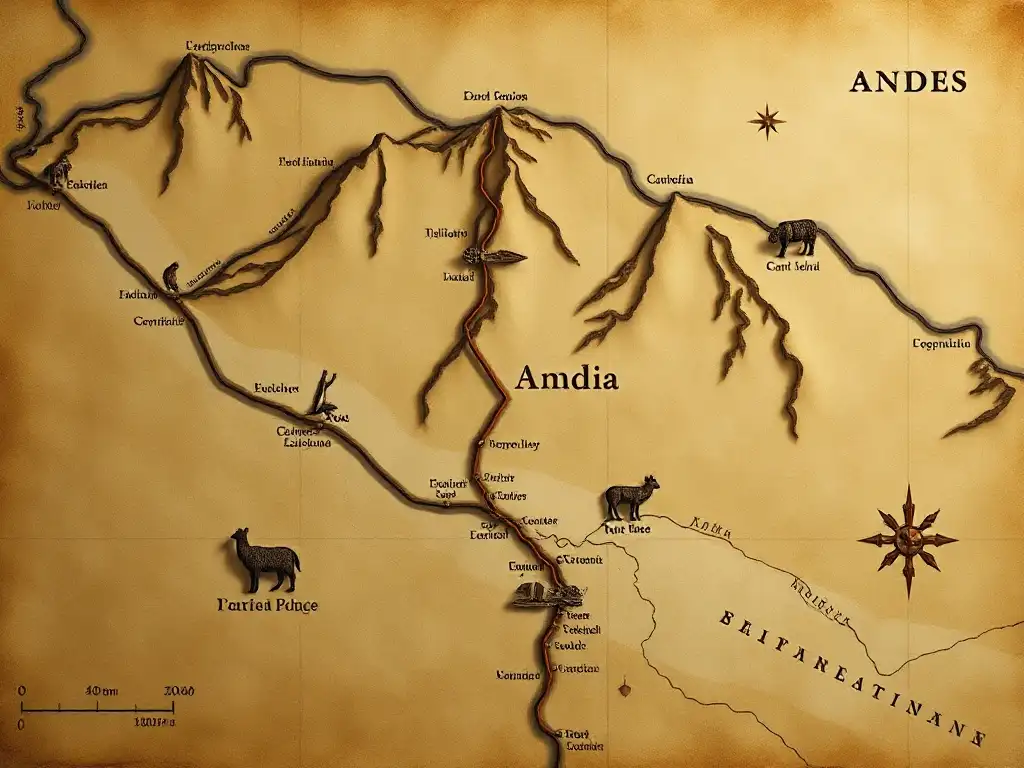
This section delves into specific examples of Andean obsidian trade routes, highlighting the regional variations in sourcing, distribution, and utilization of this valuable volcanic glass. Understanding these localized networks reveals the complex socio-political dynamics and economic systems that shaped Andean societies. The analysis presented here focuses on key regions, demonstrating the far-reaching impact of obsidian exchange on the development and interaction of different Andean cultures.
The vibrant obsidian trade profoundly impacted Andean civilizations, influencing their artistic expression, technological advancements, and social structures. Analyzing these regional case studies offers invaluable insights into the intricacies of the Andean obsidian trade routes and their significance in the broader context of Andean history.
The Obsidian Trade in the Ecuadorian Highlands
The Ecuadorian Highlands, a region rich in volcanic activity, present a fascinating case study in obsidian procurement and distribution. While local sources existed, the demand for specific obsidian types led to extensive trade networks. Archaeological evidence suggests that obsidian from sources like Cerro Negro in the northern highlands was transported considerable distances, reaching settlements in the southern highlands and even coastal regions. This extensive distribution indicates well-established trade routes and a robust system of exchange.
The types of obsidian traded varied, with some varieties prized for their superior quality and distinct characteristics. Analysis of obsidian artifacts from different sites reveals a complex pattern of exchange, with some communities specializing in the production of obsidian tools and others acting as intermediaries in the trade network.
Furthermore, the presence of obsidian from distant sources in even relatively remote settlements underscores the importance of long-distance trade in the Ecuadorian Highlands and its integral role in the economic and social fabric of the region. This demonstrates a sophisticated understanding of resource management and trade logistics within the Andean obsidian trade routes.
The Ecuadorian Highlands' obsidian trade wasn't solely about material goods; it likely facilitated the exchange of ideas and cultural practices, strengthening social bonds between geographically dispersed communities. Further research is needed to fully uncover the cultural implications of this exchange, but the sheer scale of obsidian distribution points to a highly interconnected and dynamic social landscape.
Obsidian Networks in the Titicaca Basin
The Titicaca Basin, situated high in the Andes, offers another compelling example of the Andean obsidian trade routes. Surrounded by significant volcanic sources, this region witnessed a complex interplay of local procurement and long-distance exchange. Obsidian from sources such as the Andesite-Obsidian complex in the south and other nearby volcanic regions played a crucial role in the development of the region's diverse cultures.
The presence of obsidian from more distant sources, however, highlights the significance of broader trade networks that connected the Titicaca Basin to other Andean regions. This suggests the Titicaca Basin was not an isolated entity, but rather a key node in a larger system of obsidian exchange, actively participating in and benefiting from the complex dynamics of the Andean obsidian trade routes. Analysis of artifact styles and technological advancements reveals the influence of external obsidian sources on local traditions, further demonstrating the interconnectedness of the region.
The intricate interplay between local and long-distance obsidian trade in the Titicaca Basin reflects the adaptive strategies employed by Andean communities to manage resources and maintain social connections across vast distances. This complex system highlights the dynamism and resilience of Andean societies and their remarkable ability to navigate the challenges of long-distance trade within the challenging Andean geography. The social and economic impact of this network is likely to have been significant and warrants further investigation.
Regional Variations in Obsidian Use and Distribution
Analyzing the regional variations in obsidian use and distribution within the Andean obsidian trade routes reveals a nuanced understanding of the socio-economic factors that shaped these networks. The availability of local obsidian sources, the quality of the material, and the prevailing social and political structures all played a significant role in determining the patterns of obsidian exchange.
Some regions, like the Ecuadorian Highlands, possessed abundant local sources, leading to a more localized focus on obsidian procurement. However, even in these areas, long-distance trade networks existed, indicating a demand for specific types of obsidian or a desire for access to resources beyond local availability. In contrast, regions with limited or no local obsidian sources were entirely dependent on external trade, highlighting the vital importance of established trade routes and strong social connections.
The following table summarizes some key regional variations:
| Region | Local Sources? | Dominant Obsidian Sources | Primary Uses | Trade Network Extent |
|---|---|---|---|---|
| Ecuadorian Highlands | Yes | Cerro Negro, others | Tools, ornaments | Extensive |
| Titicaca Basin | Yes | Local, distant sources | Tools, ritual objects | Moderate to Extensive |
| [Region 3 Pending] | [Data Pending] | [Data Pending] | [Data Pending] | [Data Pending] |
The diversity in obsidian use further underscores the regional variations. While tools were a ubiquitous application, ritual objects and ornaments were also commonly crafted from obsidian, reflecting the cultural significance of this material. The study of Andean obsidian trade routes necessitates a detailed analysis of these regional differences to gain a comprehensive understanding of the complex dynamics that shaped these ancient societies. Future research should focus on filling in the data gaps highlighted above to create a more complete picture.

The Andean obsidian trade routes represent a fascinating case study in understanding the social and political complexities of pre-Columbian Andean societies. Obsidian, a volcanic glass prized for its sharp edges and ability to be finely worked, wasn't just a material resource; it was a catalyst for interaction, power dynamics, and cultural exchange across vast distances. Analyzing its distribution reveals intricate networks connecting disparate communities, highlighting the sophistication of Andean logistical systems and their impact on social structures.
The sheer scale of the obsidian trade, spanning hundreds of kilometers across diverse ecological zones, underscores the remarkable organizational capabilities of these ancient civilizations. The consistent presence of obsidian artifacts in archaeological sites far from its sources indicates a well-established system of procurement, distribution, and exchange, involving specialized labor and potentially sophisticated administrative structures.
Obsidian Trade and Long-Distance Interaction
The obsidian trade wasn't a haphazard affair. Evidence suggests carefully planned and maintained routes, possibly facilitated by established pathways and relay systems. The distribution patterns of obsidian from specific sources, like those found in the Andes mountains of Ecuador and Peru, reveal distinct regional networks.
For example, obsidian from the source at Cerro Blanco in the Ecuadorian Andes is found in coastal sites hundreds of kilometers away, indicating a robust trade network linking highland and coastal communities. This long-distance interaction wasn't solely about the material itself; it fostered social ties, alliances, and the exchange of ideas and technologies. The presence of obsidian artifacts in elite contexts further suggests its role as a prestige good, potentially used to solidify social hierarchies and political alliances.
Archaeological studies show a correlation between the quantity and quality of obsidian artifacts found at a site and its social standing, suggesting that control over obsidian resources translated into political influence. The consistent presence of obsidian in tombs and ceremonial sites across the Andes highlights its symbolic value, extending beyond its practical use.
Control over obsidian sources and trade routes had profound social and political implications. Groups controlling these crucial resources likely held considerable power and influence, wielding economic leverage and potentially shaping political alliances. The distribution patterns suggest that obsidian was not simply traded freely; it was likely subject to control and regulation by powerful intermediaries, potentially elites or specialized groups.
This control could have been exercised through various mechanisms, such as taxation, tribute, or direct control over production and distribution. The presence of obsidian workshops and specialized tool-making centers in certain locations further supports the notion of organized production and distribution networks. This sophisticated organization suggests a level of social and political complexity that is often underestimated in discussions of pre-Columbian Andean societies.
Analyzing the size and location of these workshops, combined with the types of obsidian artifacts produced, would provide a clearer picture of the social organization surrounding obsidian production. Further research is needed to fully understand the relationship between obsidian control and political power, [Specific information pending: quantitative data on obsidian distribution and associated archaeological contexts].
Obsidian Trade as a Reflection of Andean Cultural Exchange
Beyond its economic and political implications, the obsidian trade also facilitated significant cultural exchange. The movement of obsidian artifacts across vast distances wasn't just a transfer of materials; it was a vehicle for the transmission of ideas, beliefs, and artistic styles. The standardization of certain obsidian tool types across geographically distant regions suggests a degree of cultural interaction and shared technological knowledge.
The stylistic similarities in obsidian artifacts found in different regions may reflect the diffusion of artistic conventions or the adoption of shared aesthetic preferences. Furthermore, the presence of obsidian in contexts associated with religious practices suggests its potential role in the exchange and diffusion of religious beliefs and rituals. The obsidian trade, therefore, wasn't merely an economic activity; it was a crucial element in the formation and maintenance of Andean cultural landscapes.
The exchange of obsidian acted as a catalyst for broader cultural exchange, enriching the artistic expression, belief systems and technological advancements across the Andean region. The continued study of obsidian’s presence in different cultural settings could reveal deeper insights into the interconnectedness of Andean societies and the subtle ways in which obsidian facilitated cultural exchange. This process of cultural exchange, facilitated by the obsidian trade network, contributed significantly to the overall cultural dynamism of the Andean region.
Conclusion: The Legacy of Obsidian in Andean History
The Andean obsidian trade routes represent a complex and fascinating chapter in the history of ancient South America. For millennia, the volcanic glass journeyed across vast distances, connecting disparate communities and shaping their cultural landscapes. The meticulous study of obsidian artifacts, combined with advancements in sourcing techniques like X-ray fluorescence (XRF) analysis, has allowed researchers to reconstruct intricate networks of exchange and interaction.
These networks weren't merely economic conduits; they facilitated the dissemination of ideas, technologies, and religious beliefs, fostering a sense of shared identity across the Andes. The sheer scale and longevity of the obsidian trade underscore the sophisticated organizational capabilities and social structures of these ancient societies. Understanding this trade is crucial to grasping the complexities of Andean political economies and the interconnectedness of its diverse cultures.
The strategic control of obsidian sources, often located in geographically challenging regions, likely played a significant role in the rise and fall of certain Andean polities. The legacy of obsidian, therefore, extends far beyond its material properties; it offers a unique lens through which to view the dynamism and resilience of Andean civilizations. The continued study of obsidian and its trade routes promises further revelations about the ingenuity and interconnectedness of these remarkable societies.
Obsidian: A Key to Understanding Ancient Andean Civilizations
Obsidian's significance in Andean societies transcended its practical applications. Its lustrous black surface, sharp edges, and perceived magical properties made it a highly valued material. Beyond its use in tools, obsidian played a crucial role in ritual practices and elite displays of power. Elaborately crafted obsidian mirrors, ornaments, and ceremonial objects have been unearthed from numerous archaeological sites, suggesting its use in religious ceremonies and as symbols of status and authority.
The distribution patterns of these artifacts often reflect the intricate social hierarchies and political alliances within Andean societies. For instance, the presence of high-quality obsidian artifacts from specific sources in elite tombs suggests control over trade routes and access to valuable resources as markers of power. The careful crafting and symbolic use of obsidian highlight the deep integration of this material into the spiritual and social fabric of Andean life.
Further research into the iconography and stylistic variations in obsidian artifacts can provide deeper insights into the beliefs and practices of these ancient cultures. The presence or absence of obsidian in specific contexts can also reveal details about social stratification and economic systems. For example, the concentration of high-quality obsidian in certain sites might indicate the existence of specialized workshops or craft guilds.
Future Research Directions in Andean Obsidian Studies
Future research in Andean obsidian studies should focus on several key areas. First, the application of advanced geochemical techniques, such as LA-ICP-MS (Laser Ablation Inductively Coupled Plasma Mass Spectrometry), offers the potential for even more precise sourcing of obsidian artifacts and a more refined understanding of trade networks. Second, integrating obsidian data with other archaeological evidence, such as ceramic styles, architectural features, and burial practices, can provide a more holistic understanding of cultural interactions and exchange patterns. Third, a more detailed analysis of the social and economic implications of obsidian control and distribution is needed.
This includes investigating the roles of different social groups in the production, trade, and consumption of obsidian. Fourth, interdisciplinary collaborations, involving archaeologists, geologists, and anthropologists, are crucial to fully unlock the potential of obsidian studies. By combining expertise from different fields, we can create a more comprehensive and nuanced picture of the Andean obsidian trade routes and their impact on the development of Andean civilizations.
Finally, exploring the relationship between obsidian trade and environmental change is a promising avenue for future research. Understanding how climatic fluctuations may have affected obsidian production and distribution can shed light on the resilience and adaptability of Andean societies in the face of environmental challenges. The potential for new discoveries and insights in this field is immense, promising to further enrich our understanding of these fascinating ancient societies.
Frequently Asked Questions
What is obsidian, and why was it important to Andean civilizations?
Obsidian is a volcanic glass prized for its sharpness and ability to be shaped into tools and weapons. Its value led to extensive trade networks across the Andes. High-quality obsidian sources were highly sought after.
How did the Andean obsidian trade routes function?
The trade routes were complex networks involving multiple intermediaries. Goods moved along established paths, often utilizing existing mountain passes and trails. Reciprocal exchange and tribute systems played significant roles.
Which Andean cultures were most involved in the obsidian trade?
Many Andean cultures participated, including the Inca, Moche, Nazca, and Tiahuanaco. However, the scale and reach of involvement varied considerably among these groups, based on geographic location and political power.
What evidence exists to support the existence of these trade routes?
Archaeological evidence includes obsidian artifacts found far from their sources, chemical analysis of obsidian to pinpoint origins, and the presence of characteristic tool styles in distant regions. Iconography in some cases also suggests trade connections.
How did the obsidian trade impact Andean societies?
The trade facilitated the exchange of not only obsidian but also ideas, technologies, and cultural practices. It fostered inter-regional connections and played a role in the development of complex social structures and political systems. Control over obsidian sources often translated into political influence.
Final Reflection: Echoes of Obsidian, Whispers of the Andes
The ancient obsidian trade routes of the Andes weren't merely pathways; they were arteries of cultural exchange, economic power, and social connection, pulsating with life and echoing even today. The intricate networks that crisscrossed the mountains, carrying this volcanic glass, reveal a sophisticated understanding of geography, resource management, and social organization that continues to fascinate and inspire archaeologists and historians alike. Understanding these routes offers a crucial lens through which to view the development of Andean civilizations.
The enduring legacy of the obsidian trade is palpable; its influence resonates far beyond the chipped edges of ancient tools. The social structures, artistic styles, and even the political landscapes of the Andes were profoundly shaped by the control and distribution of this prized material. The very act of trading obsidian fostered alliances, fueled conflicts, and ultimately contributed to the rich tapestry of Andean cultures. The past is never dead. It's not even past.
– William Faulkner. This quote rings especially true when considering the persistent impact of the obsidian trade, its echoes still reverberating through the archaeological record and the cultural identity of the region.
Consider, for a moment, the journeys undertaken by those who carried obsidian across treacherous mountain passes, through dense forests, and across vast distances. Their dedication, their resourcefulness, and their understanding of their world are a testament to human ingenuity and resilience. You, too, can embark on a journey of discovery.
Explore the rich history of the Andes, delve deeper into the fascinating world of obsidian, and consider how the lessons of past trade routes might inform our understanding of global interconnectedness today. Let the echoes of obsidian inspire you to connect with the past and build a more informed and interconnected future.
Unveil the Mysteries of Obsidian Today!
Thank you for exploring the fascinating world of obsidian and its rich cultural significance in Andean civilizations. We hope you've gained valuable insights into its historical trade and artistry. Now, let's put that knowledge to use!
Here's how you can learn more:
- Explore Local Exhibits or Museums: Visit a local museum with a collection of Andean artifacts to see exquisite examples of obsidian craftsmanship firsthand.
- Join a Community Discussion: Connect with other enthusiasts online or in person to discuss Andean cultures and their remarkable artistry.
- Share Your Discoveries: Share what you've learned about obsidian's history and cultural significance—your insights might inspire others!
What aspect of obsidian surprised you most, and how do you think it has influenced our understanding of Andean history?