
The Exchange of Ideas: How Trade Promoted Cultural Diffusion in the Andes

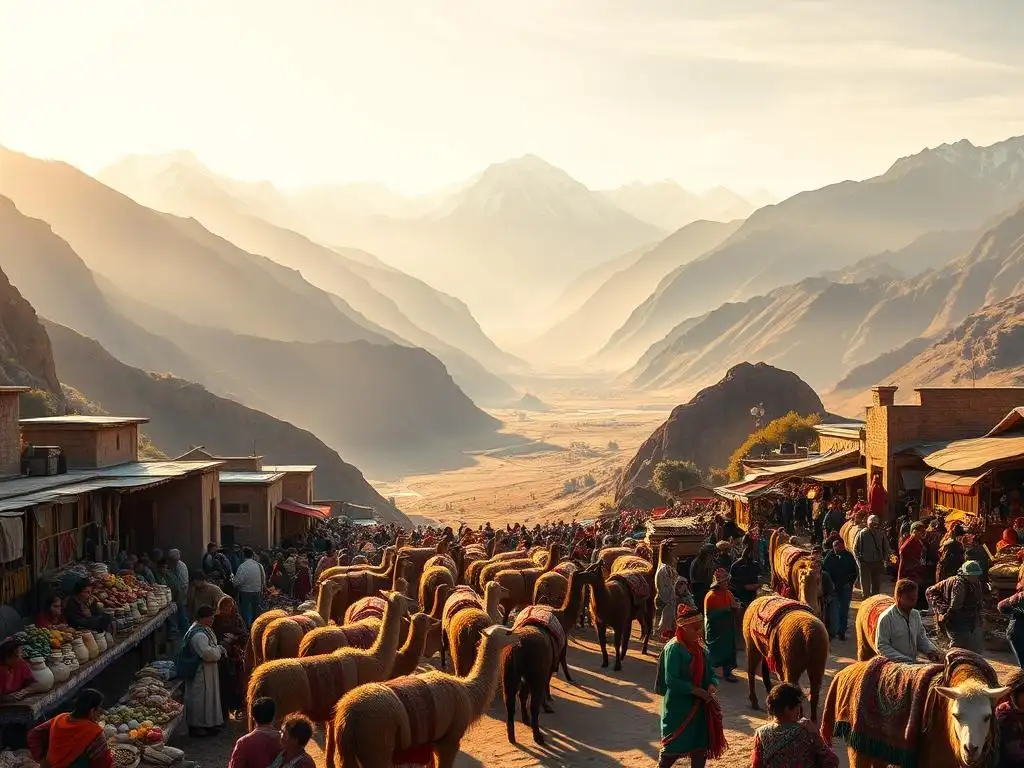
Step into a world lost to time, yet echoing with vibrant life. Imagine a vast network spanning the Andes Mountains, not just of towering peaks and breathtaking landscapes, but of bustling trade routes connecting powerful empires. Discover the secrets of the Andean civilizations and how the exchange of goods along these ancient pathways fueled an unprecedented flourishing of culture, art, and technology. Unravel the mysteries surrounding Andean civilizations trade routes and witness the incredible impact of this interconnectedness – a story far richer and more complex than you ever imagined. Prepare to be amazed.
The Andes Mountains, a colossal spine running down the western coast of South America, presented both a challenge and an opportunity for the ancient civilizations that thrived there. The dramatic topography, with its towering peaks, deep valleys, and arid coastal deserts, fostered the development of diverse and distinct cultures. However, these very geographical barriers also necessitated sophisticated systems of exchange and communication.
This article delves into the critical role of trade networks in facilitating cultural diffusion amongst the Andean civilizations, examining how the exchange of goods also spurred the exchange of ideas, technologies, and artistic styles, shaping the unique tapestry of Andean history. We'll explore the intricate pre-Inca trade routes and their contribution to the vibrant cultural landscape that ultimately culminated in the Inca Empire.
Understanding the Andean civilizations trade routes is crucial to understanding the societies themselves. This exploration will highlight the interconnectedness of these seemingly isolated communities and reveal how trade acted as a powerful engine of cultural evolution.
Andean Civilizations and the Importance of Trade Networks
The Andean region, far from being a collection of isolated pockets of civilization, was a dynamic network of interconnected societies. From the coastal deserts where cultures like the Moche flourished to the high-altitude plains where the Tiahuanaco empire rose, trade routes crisscrossed the landscape, connecting communities and fostering cultural exchange. The importance of these trade networks cannot be overstated. They weren't simply channels for the movement of goods; they were arteries carrying ideas, religious beliefs, artistic motifs, and technological innovations.
The exchange of goods like textiles, ceramics, precious metals, and agricultural products often came with the transmission of knowledge and cultural practices. For example, the distinctive pottery styles of the Nazca culture were likely disseminated through trade, influencing the artistic traditions of neighboring societies. The spread of agricultural techniques, such as irrigation systems, also benefited from these trade interactions, allowing for greater agricultural productivity and population growth across the Andes. Moreover, the very act of trading fostered social interaction and diplomacy, leading to alliances and the peaceful exchange of ideas between different groups.
The flow of information along these routes facilitated the sharing of knowledge about medicinal plants, astronomical observations, and even religious practices. This constant exchange helped shape the unique cultural identities of the Andean civilizations while simultaneously connecting them in a complex web of interdependence. The evidence for this interconnectedness is readily apparent in the similarities and shared characteristics found across different Andean cultures, showcasing the pervasive influence of trade on the region's development.
Pre-Inca Trade Routes: Laying the Foundation for Cultural Exchange
Before the Inca Empire unified much of the Andes, a complex network of pre-Inca trade routes already existed. These routes, often utilizing established trails and waterways, linked different ecological zones and facilitated the exchange of goods and ideas between diverse communities. The coastal regions, rich in marine resources and specialized crafts, traded with the highland areas, which offered different agricultural products and minerals. The exchange wasn't always a simple bartering system; sophisticated systems of reciprocity and tribute likely played a significant role in regulating trade.
The development of these pre-Inca routes involved considerable engineering feats, such as the construction of bridges and pathways across challenging terrain. The evidence suggests a remarkable level of organization and planning, indicating a sophisticated understanding of logistics and resource management. Many of these routes followed natural features like river valleys and mountain passes, making the most of the existing landscape. The movement of goods along these routes was often facilitated by specialized groups of traders or intermediaries who served as crucial links in the exchange network.
These individuals were instrumental in disseminating cultural elements as they traveled across the Andean landscape, acting as vectors for cultural diffusion. The diversity of goods traded – including coca leaves, textiles, pottery, metals, and feathers – reflects the richness and complexity of the Andean economy and its contribution to the cultural exchange that shaped the region's history. The establishment of these routes laid the groundwork for the more extensive and centralized trade system that would emerge under Inca rule. The pre-Inca experience demonstrates the long-standing importance of trade as a driving force for cultural exchange in the Andes.
Early Andean Trade: Connecting Coastal and Highland Communities
The earliest forms of Andean trade involved the exchange of goods between coastal and highland communities. This wasn't simply a matter of bartering; it represented a complex interplay of ecological necessity and burgeoning social structures. Highland communities, situated in the Andes' challenging terrain, possessed limited access to certain resources abundant on the coast, such as fish, salt, and shellfish. Conversely, coastal communities lacked the agricultural products, like potatoes and maize, that thrived in the highland climate.
This inherent interdependence fostered the creation of rudimentary trade networks, often facilitated by kinship ties and reciprocal gift-giving. Archaeological evidence, such as the discovery of coastal marine resources in highland settlements and vice-versa, supports this early exchange. The development of these early trade networks laid the groundwork for the more sophisticated and extensive trade systems that would emerge in later periods.
The routes themselves were likely established along established river valleys and mountain passes, making use of pre-existing paths for travel and communication. The scale of these initial exchanges might have been relatively small, but their significance lies in their role as a precursor to the larger-scale trade that would characterize later Andean civilizations. These early interactions, though perhaps less formalized than later systems, played a vital role in establishing the foundation for the cultural exchange that would shape the Andean world.
The Significance of Key Trade Goods in Andean Societies
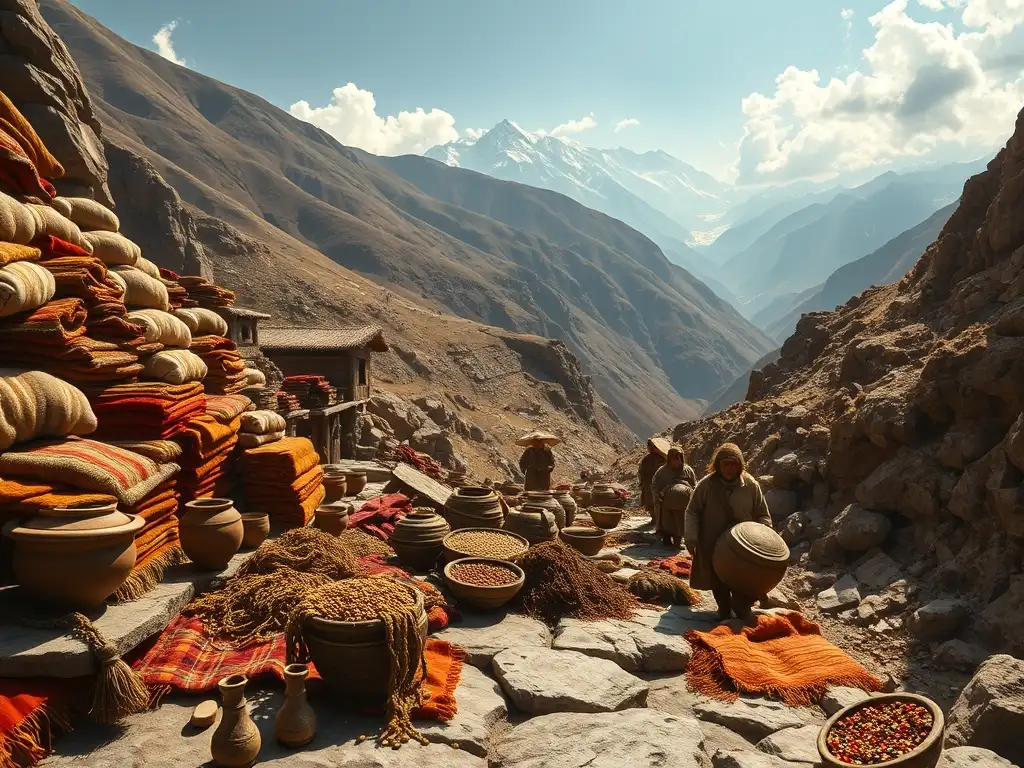
The goods exchanged across Andean trade routes were far more than mere commodities; they served as powerful vectors for cultural diffusion, transmitting ideas, technologies, and artistic styles across vast distances. The value placed on specific goods reflected not only their practical utility but also their symbolic importance within Andean societies. The movement of these items fostered a complex network of interconnectedness, shaping the social, political, and cultural landscape of the region.
Understanding the significance of these goods is crucial to comprehending the profound impact of trade on the development of Andean civilizations. The careful analysis of artifacts found at various archaeological sites reveals intricate patterns of exchange and the far-reaching consequences of these trade networks. Analyzing the distribution of these goods helps us map the extent of Andean trade routes and understand the complex relationships between different societies.
Obsidian and Precious Metals: Driving Early Trade
Obsidian, a volcanic glass prized for its sharpness, was a crucial commodity in early Andean trade. Its use in crafting tools and weapons made it highly sought after across various regions. Sources of high-quality obsidian were geographically limited, creating a demand that fueled trade networks.
The meticulous craftsmanship evident in obsidian artifacts demonstrates the advanced technological skills of Andean artisans. The distribution of obsidian across vast distances reveals the sophistication of early Andean trade routes and the interconnectedness of different communities. Similarly, precious metals like gold and silver, often imbued with significant symbolic meaning, played a critical role in Andean economies and social structures.
The elaborate goldwork found in many Andean sites showcases the mastery of metallurgical techniques and highlights the importance of these materials in elite contexts. The trade in obsidian and precious metals not only facilitated economic exchange but also contributed significantly to the dissemination of ideas and technologies across the Andes.
Textiles and Ceramics as Cultural Carriers in Trade
Textiles and ceramics served as potent carriers of cultural information within Andean trade networks. The intricate designs, weaving techniques, and stylistic elements found in textiles often reflected specific regional traditions. The exchange of these textiles facilitated the spread of artistic motifs and weaving styles, contributing to a vibrant exchange of cultural expressions.
Moreover, the distribution of specific ceramic styles across different regions provides insights into the patterns of trade and cultural interaction. The stylistic variations found in ceramics often reflect regional differences, yet the presence of similar motifs in geographically distant locations points to the exchange of artistic ideas and techniques.
The use of certain color palettes, iconography, and decorative motifs in ceramics and textiles acts as a visual record of cultural exchange, offering valuable clues about the flow of ideas and the interconnectedness of Andean societies. The subtle variations in styles and techniques also provide evidence of the adaptation and innovation that occurred as these goods were traded and adopted by different communities.
Foodstuffs and Regional Specialization in Andean Trade
The exchange of foodstuffs was integral to Andean trade, reflecting regional specialization in agriculture. The Andes’ diverse ecological zones fostered a variety of crops, leading to a complex system of reciprocal exchange. Coastal communities provided fish, salt, and shellfish, while highland communities offered potatoes, maize, and quinoa. This exchange wasn't simply a matter of survival; it also contributed to dietary diversification and enhanced social relationships between communities.
The movement of these staple crops also facilitated the spread of agricultural techniques and knowledge. The exchange of foodstuffs, therefore, was not merely an economic transaction but a vital component of the cultural integration of diverse Andean societies. This inter-regional exchange of agricultural products also contributed to the development of sophisticated agricultural practices and the diversification of diets across the Andes. The distribution of specific crops provides insights into the extent of trade networks and the complex relationships between different communities.
The Expansion of Trade Under the Inca Empire
The Inca Empire, at its zenith, controlled a vast territory stretching along the Andes Mountains. This expansive dominion significantly impacted the pre-existing trade networks, transforming them into a highly organized and efficient system. The Inca's mastery of engineering and administration allowed them to create a sophisticated infrastructure that facilitated unprecedented levels of trade and cultural exchange. This wasn't merely about economic gain; the Inca understood the power of integrating diverse populations through shared experiences and the circulation of goods and ideas.
Their approach differed significantly from previous Andean civilizations, exhibiting a more centralized and state-controlled system, yet built upon existing networks. The sheer scale of the Inca Empire, coupled with its sophisticated administrative capabilities, resulted in a dramatic increase in the volume and reach of trade throughout the Andes. This expansion had profound consequences for the cultural landscape of the region, accelerating the diffusion of ideas, beliefs, and technologies.
Inca Road System: Facilitating Cultural and Economic Exchange
The Inca road system, the Qhapaq Ñan, is a testament to the empire's engineering prowess and its importance in facilitating trade and cultural exchange. This extensive network of roads, spanning thousands of kilometers, connected distant regions, allowing for the swift movement of goods, people, and information. The roads themselves were not simply pathways; they were strategically placed to optimize access to resources and markets, connecting major agricultural areas with urban centers and coastal regions.
The construction of bridges, tunnels, and rest stops further facilitated travel, making long-distance trade feasible and contributing to the integration of diverse Andean communities. The Qhapaq Ñan wasn't just a logistical marvel; it was a vital artery that pumped lifeblood – both economic and cultural – into the vast Inca Empire. Its impact on Andean civilizations trade routes is undeniable.
The Role of State Control in Inca Trade
Unlike many earlier Andean societies where trade was often decentralized and driven by individual merchants or smaller groups, the Inca Empire implemented a significant degree of state control over trade. The Inca government established state-run warehouses ( qollqas) for storing surplus agricultural products and other goods. These warehouses served as crucial nodes in the distribution network, ensuring a steady supply of goods throughout the empire.
The state also controlled the movement of goods, employing specialized officials to oversee trade routes and manage the flow of resources. This centralized system ensured that essential goods reached all parts of the empire, while also facilitating the redistribution of wealth and resources.
This control, while potentially limiting individual entrepreneurial activity, guaranteed a level of stability and efficiency that fostered both economic growth and cultural integration. The state's role was not simply regulatory; it was actively involved in shaping the economic and cultural landscape of the empire.
Impact of Inca Trade on Regional Cultures
The Inca Empire's expansion and its control over trade profoundly impacted the existing cultural diversity of the Andes. While the Inca imposed their own administrative and social structures, they also absorbed and adapted elements from the conquered regions. This resulted in a complex interplay between cultural dominance and cultural exchange. Local traditions and practices were often integrated into the broader imperial system, leading to a syncretism of cultural elements.
For instance, while Quechua, the Inca language, became the lingua franca of the empire, many local languages persisted. Similarly, Inca religious beliefs and practices were often blended with pre-existing local religious systems. The impact of Inca trade on regional cultures was not uniform; it varied depending on the specific region and its pre-existing cultural characteristics. However, the overall effect was a significant increase in cultural interaction and exchange.
Cultural Diffusion Through Andean Trade: Specific Examples
The flourishing trade networks of the Andes played a crucial role in disseminating cultural elements across vast distances. The exchange of goods was intrinsically linked to the exchange of ideas, artistic styles, religious beliefs, and technological innovations. This diffusion wasn't a one-way street; it was a dynamic process involving mutual influence and adaptation. The intricate interplay of these factors shaped the unique cultural tapestry of the Andes.
Artistic Motifs and Iconography: Spread via Trade
Trade routes acted as conduits for the dissemination of artistic motifs and iconography throughout the Andes. Specific styles, designs, and symbolic representations were transported along these pathways, influencing the art and craftsmanship of different regions. For example, certain pottery styles or textile designs, initially developed in one region, spread to others through trade, leading to the adoption and adaptation of these styles.
This exchange resulted in a fascinating blend of artistic influences, creating a rich and diverse artistic landscape across the Andes. The spread of these motifs demonstrates the interconnectedness of Andean societies and the significant role trade played in shaping their artistic expressions.
Religious Beliefs and Practices: Shared Through Trade
The exchange of religious ideas and practices was another significant consequence of Andean trade. The movement of religious objects, such as idols or ritual paraphernalia, along trade routes facilitated the spread of religious beliefs and rituals. The shared use of certain materials, like specific types of stones or metals, in religious contexts also contributed to the diffusion of religious ideas.
This exchange wasn't always a straightforward process of adoption; it frequently involved the adaptation and syncretism of existing beliefs with new influences. The result was a complex and layered religious landscape, reflecting the dynamic interactions between different Andean cultures. The integration of religious elements through trade demonstrates the deep interconnectedness of belief systems across the Andean region.
Technological Advancements: Transmitted Along Trade Routes
Technological innovations were also transmitted along Andean trade routes. The exchange of tools, techniques, and knowledge facilitated the spread of advancements in agriculture, metallurgy, and textile production. For example, new agricultural techniques or improved irrigation systems could be adopted by communities along trade routes, leading to increased agricultural productivity.
Similarly, advancements in metallurgy, such as new alloying techniques or improved smelting processes, spread through trade, influencing the production of metal tools and artifacts. These technological exchanges significantly impacted the economic and social development of different Andean communities, demonstrating the vital role of trade in fostering innovation and progress. The shared adoption of technologies facilitated by trade underlines the interconnected nature of Andean societies and the widespread impact of technological diffusion.
The Lasting Legacy of Andean Trade Networks
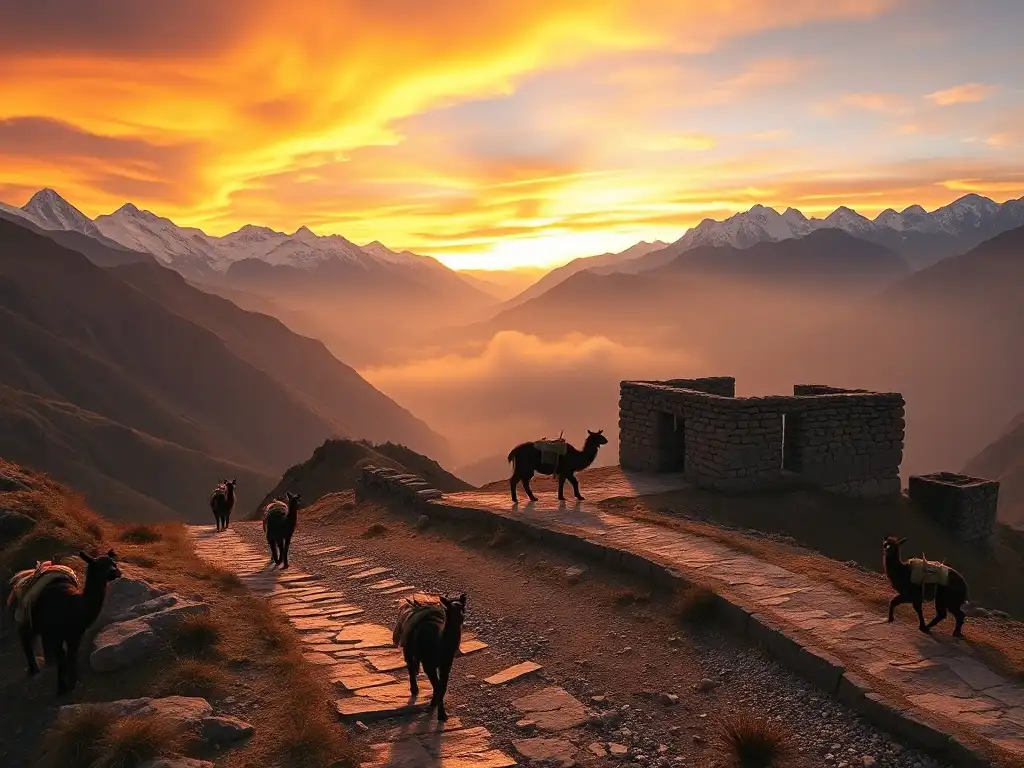
The extensive trade networks of the Andean civilizations left an indelible mark on the region, shaping its cultural landscape for centuries. These networks weren't simply conduits for goods; they were arteries of cultural exchange, disseminating ideas, technologies, and artistic styles across vast distances. The impact is still visible today in the shared cultural elements found across different Andean societies, even those geographically distant.
For example, the distinctive architectural styles seen in Inca constructions, such as the precise stonework and intricate designs, show influences from earlier cultures integrated through trade interactions. The widespread adoption of certain agricultural techniques, like terracing and irrigation, also points to the dissemination of knowledge via trade routes. The enduring legacy of these networks is evident in the shared cultural heritage of modern Andean communities, who continue to utilize and adapt the practices and knowledge passed down through generations.
The enduring strength of these patterns demonstrates the profound and long-lasting influence of Andean trade on the cultural development of the region. This interconnectedness fostered a sense of shared identity, even amidst the diversity of individual cultures. The influence of trade on shaping the region's cultural identity is a testament to its power as a catalyst for diffusion.
The Impact of Trade on the Diversity of Andean Cultures
While trade fostered a degree of cultural homogeneity across the Andes, it's crucial to acknowledge that it also contributed to the remarkable diversity of Andean cultures. The interaction of different groups through trade didn't lead to a homogenization of cultures, but instead, a vibrant synthesis of existing traditions and innovations. For instance, the Moche culture, known for its sophisticated metalworking and pottery, likely exchanged goods and ideas with neighboring cultures, leading to the development of unique artistic styles and technological advancements.
The Nazca lines, a monumental achievement in geoglyph construction, may have benefited from the exchange of knowledge and resources facilitated by trade. The diverse range of agricultural products cultivated across the Andes – from potatoes and maize in the highlands to cotton and other crops in the coastal regions – demonstrates the adaptability and innovation spurred by trade interactions. This exchange created a constant process of cultural innovation and adaptation, resulting in the rich tapestry of Andean cultures that we see today.
The diversity wasn't despite trade, but rather, a product of it. Each culture retained its unique characteristics while incorporating elements from other societies, creating a complex and dynamic cultural landscape.
Understanding Andean Civilizations Through Their Trade
Analyzing the trade networks of the Andean civilizations offers invaluable insights into their social structures, economic systems, and political organization. The types of goods traded, the distances they traveled, and the routes they followed reveal much about the power dynamics and relationships between different groups. For example, the presence of elite goods like gold and precious stones in distant locations suggests the existence of well-established trade routes and sophisticated organizational structures capable of managing these long-distance exchanges.
The distribution patterns of everyday items, such as pottery and textiles, provide insights into the extent of economic integration and the interconnectedness of different communities. The sheer scale and complexity of these networks underscore the advanced level of social and political organization achieved by these Andean civilizations. Furthermore, studying trade routes helps archaeologists and historians pinpoint the location of settlements, understand population movements, and reconstruct the flow of information and ideas across the Andes.
In short, understanding Andean trade is essential to understanding the civilizations themselves. It provides a unique lens through which to view their complex societies and their enduring legacy. The study of Andean trade routes is, therefore, a crucial aspect of understanding the full spectrum of Andean cultural achievements.
- Andean Civilizations and the Importance of Trade Networks
- Pre-Inca Trade Routes: Laying the Foundation for Cultural Exchange
- Early Andean Trade: Connecting Coastal and Highland Communities
- The Significance of Key Trade Goods in Andean Societies
- The Expansion of Trade Under the Inca Empire
- Cultural Diffusion Through Andean Trade: Specific Examples
- The Lasting Legacy of Andean Trade Networks
- The Impact of Trade on the Diversity of Andean Cultures
- Understanding Andean Civilizations Through Their Trade
- What role did trade routes play in the development of Andean civilizations?
- How did the geography of the Andes affect trade routes?
- What types of goods were traded along Andean trade routes?
- Were there any specific trade routes particularly important in the Andean region?
- How did trade contribute to cultural diffusion in the Andes?
Frequently Asked Questions
What role did trade routes play in the development of Andean civilizations?
Trade routes were absolutely vital to the development of Andean civilizations. They facilitated the exchange of goods, ideas, and technologies, leading to cultural exchange and economic growth across vast distances. This interconnectedness shaped the unique characteristics of each civilization.
How did the geography of the Andes affect trade routes?
The challenging Andean geography—high mountains, deserts, and jungles—shaped the routes. Trade often followed river valleys and coastal areas, while sophisticated systems of roads and trails were developed to overcome obstacles. Llama caravans were crucial for transporting goods across the challenging terrain.
What types of goods were traded along Andean trade routes?
A wide variety of goods were traded, including agricultural products like maize, potatoes, and coca; textiles and metals like gold and silver; and luxury items like feathers and shells. The exchange of these goods reflects the diverse environments and specialized skills of the different Andean cultures.
Were there any specific trade routes particularly important in the Andean region?
Yes, several routes were crucial. The coastal route connecting different coastal settlements was vital, as were routes through the high Andes connecting highland communities. The Inca road system, with its impressive infrastructure, significantly improved trade and communication throughout their empire.
How did trade contribute to cultural diffusion in the Andes?
Trade led to significant cultural exchange, as ideas, religious beliefs, and artistic styles spread along the routes. The interaction between different Andean civilizations resulted in a complex blend of cultural influences, evident in their art, architecture, and religious practices. This cultural fusion is a defining characteristic of the Andean world.
Final Reflection: Echoes of Exchange Across the Andes
The intricate network of Andean trade routes wasn't merely a system of economic exchange; it was a vibrant artery pumping lifeblood—ideas, beliefs, and technologies—through the heart of a diverse civilization. The impact of this interconnectedness resonates even today, shaping our understanding of pre-Columbian societies and highlighting the enduring power of cultural exchange. Understanding this historical reality provides a crucial lens through which to view globalization and its complexities in the modern world.
The legacy of Andean trade continues to inspire awe and wonder. The sophisticated systems of reciprocity and exchange, the ingenious adaptations to challenging terrains, and the sheer scale of the networks involved all speak to the ingenuity and resilience of Andean cultures. Civilization is not inherited; it has to be learned and earned by each generation.
This quote, though not directly about the Andes, perfectly captures the ongoing relevance of understanding how knowledge and culture were transmitted across these ancient pathways, ensuring the survival and evolution of Andean societies.
Consider, for a moment, the implications of this historical reality for your own life. How do you participate in the exchange of ideas? What bridges do you build, and what walls do you break down? Embrace the spirit of exchange, the power of connection, and the enduring legacy of the Andean civilizations. Let their story inspire you to foster understanding, collaboration, and the free flow of knowledge in your own world.
Unleash the Power of Ideas Through Trade!
Thank you for exploring the fascinating influence of trade on cultural diffusion in the Andes. Your interest deepens our understanding of this rich history. Now, let's build on that knowledge and make a difference together!
- Explore further: Visit local museums and cultural centers to discover artifacts and stories from Andean civilizations. These firsthand experiences can be incredibly inspiring.
- Start a conversation: Share your newfound knowledge on social media or with friends and family—encouraging others to appreciate the profound impact of cultural exchange on our world.
- Engage with your community: Participate in workshops or events celebrating Andean culture and explore ways to contribute to its preservation.
How do you see trade continuing to shape global culture today?