
Navigating the Andes: Challenges and Innovations in PreColumbian Trade

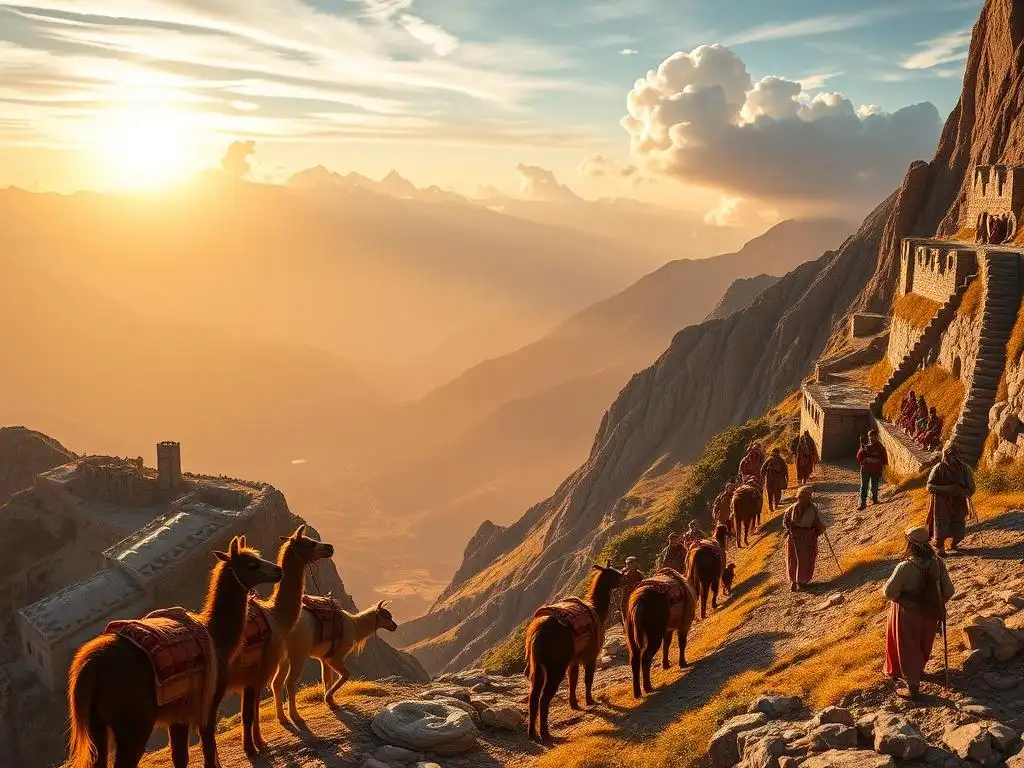
Welcome, explorer! Prepare to unravel the mysteries of the Andes, a land sculpted by towering peaks and brimming with untold stories. For centuries, vibrant civilizations thrived amidst these breathtaking landscapes, forging intricate networks of exchange and innovation. But how did they manage to navigate the treacherous terrain? Discover the ingenuity behind the PreColumbian Andean trade routes, a vital artery connecting empires and shaping the destinies of civilizations like the Incas, Moche, and Nazca. Dare to delve deeper into the secrets of Andean trade and uncover the astonishing achievements of these ancient cultures.
The towering Andes Mountains, a formidable natural barrier, presented significant challenges to the ancient Andean civilizations. Yet, far from isolating these cultures, the imposing peaks and deep valleys fostered a complex network of trade routes that connected diverse societies across vast distances. This article delves into the intricacies of Pre-Columbian Andean trade, examining the ingenious solutions employed to overcome geographical obstacles and the remarkable innovations that facilitated the exchange of goods, ideas, and cultural practices.
We will explore the diverse goods traded, the sophisticated systems of communication and transportation developed, and the impact of this vibrant exchange on the social, economic, and political landscape of the Andes. Understanding Pre-Columbian Andean trade routes is crucial to grasping the interconnectedness and dynamism of these remarkable civilizations. The sheer scale and sophistication of their trade networks stand as a testament to their ingenuity and adaptability in the face of challenging terrain.
The Geographic Challenges of Andean Trade
The Andes Mountains, with their dramatic peaks, deep canyons, and treacherous passes, posed significant obstacles to trade. The high altitude, unpredictable weather patterns, including sudden snowstorms and landslides, and the sheer difficulty of traversing steep and rugged terrain all presented major hurdles. Rivers, while sometimes providing transportation routes, could also be unpredictable and dangerous, especially during the rainy season.
These natural barriers meant that establishing and maintaining trade routes required significant planning, engineering skills, and adaptive strategies. Imagine the logistical challenges of transporting goods like ceramics, textiles, and precious metals across such demanding landscapes. This wasn't simply a matter of carrying goods; it required the development of specialized infrastructure and techniques.
Ingenious Solutions: Infrastructure and Transportation
To overcome the geographical challenges, the Andean civilizations developed impressive infrastructure and transportation systems. This included:
- Extensive road networks: These weren't just simple paths; they were carefully engineered roads, often paved and terraced, that wound their way through mountains and valleys. Some routes, particularly those used by the Inca, were remarkably well-maintained and extended for thousands of kilometers.
- Suspension bridges: These innovative structures, often made of woven fibers, allowed the crossing of deep gorges and rivers, connecting otherwise isolated communities. The engineering skill required to construct these bridges is truly remarkable, considering the available technology.
- Animal transport: Llamas and alpacas, adapted to high-altitude environments, played a vital role in transporting goods across the Andes. Their strength and endurance made them ideal pack animals, capable of carrying substantial loads over long distances.
- Relay systems: To ensure efficient communication and coordination along the trade routes, sophisticated relay systems were employed. Runners, strategically positioned along the routes, could transmit messages and information rapidly, facilitating trade and allowing for timely responses to changing conditions.
A Tapestry of Trade: Goods Exchanged Across the Andes
The goods exchanged across the Andean trade routes were incredibly diverse, reflecting the varied resources and specialized crafts of the different regions. This included:
| Good Category | Specific Examples | Origin Region(s) | Destination Region(s) |
|---|---|---|---|
| Precious Metals | Gold, silver, copper | Various, depending on resource availability | Primarily elite centers and religious sites |
| Textiles | Fine woven fabrics, clothing, tapestries | Coastal regions, highlands | Throughout the Andes |
| Ceramics | Pottery, jars, ritual vessels | Coastal and highland regions | Throughout the Andes |
| Agricultural Products | Maize, potatoes, coca leaves, quinoa | Varied, depending on altitude and climate | Throughout the Andes, depending on availability |
| Building Materials | Stone, timber | Specific regions with abundant resources | Areas requiring construction, especially cities |
The exchange of these goods wasn't merely a commercial transaction; it fostered cultural exchange and political alliances, weaving together the diverse societies of the Andes into a complex and interconnected web. The presence of certain goods in unexpected locations speaks volumes about the reach and effectiveness of the trade networks.
The Impact of Andean Trade: Society, Politics, and Economy
The extensive trade networks of the Andes had a profound impact on the societies, politics, and economies of the region. The exchange of goods facilitated economic growth and specialization, allowing different communities to focus on their particular strengths. Trade also fostered cultural exchange, leading to the diffusion of ideas, technologies, and artistic styles across vast distances.
Moreover, control over key trade routes often translated into political power and influence, shaping the dynamics of inter-regional relationships and contributing to the rise and fall of various Andean empires. The economic prosperity generated by trade also supported the construction of monumental architecture, the development of complex social structures, and the flourishing of artistic expression. The legacy of this vibrant trade continues to shape our understanding of the Andean world today.
The intricate systems of Pre-Columbian Andean trade routes represent a remarkable feat of human ingenuity and adaptation. The challenges presented by the Andes were not insurmountable; instead, they spurred innovation and the creation of sophisticated systems that connected diverse communities across vast distances, leaving behind a rich legacy of cultural exchange and economic prosperity.
- The Geographic Challenges of Andean Trade
- Ingenious Solutions: Infrastructure and Transportation
- A Tapestry of Trade: Goods Exchanged Across the Andes
- The Impact of Andean Trade: Society, Politics, and Economy
- What were the primary goods traded along PreColumbian Andean trade routes?
- How did the challenging Andean geography influence trade routes?
- What role did the Inca Empire play in Andean trade?
- Were there any significant technological innovations related to PreColumbian Andean trade?
- How did PreColumbian Andean trade networks connect different cultures?
Understanding Pre-Columbian Andean Trade Networks
This section delves into the intricate web of Pre-Columbian Andean trade routes, examining the diverse networks that connected disparate Andean societies before the arrival of Europeans. Understanding these networks is crucial to appreciating the complexity and sophistication of ancient Andean civilizations. The term "Pre-Columbian Andean trade routes" itself encompasses a vast array of pathways, both terrestrial and aquatic, used for centuries to exchange goods, ideas, and even religious practices.
These weren't simply paths; they were vital arteries supporting the growth and development of these impressive cultures. The sheer scale and longevity of these trade systems demonstrate significant organizational skills and a deep understanding of the Andean geography.
The Importance of Trade in Ancient Andean Societies
Trade wasn't merely an economic activity in ancient Andean societies; it was a fundamental pillar of their social, political, and religious structures. The exchange of goods fostered alliances, cemented political power, and facilitated the spread of cultural and religious ideas. Control over key trade routes often translated directly into political dominance.
For instance, the Wari and Tiwanaku empires, both powerful pre-Inca states, strategically positioned themselves to control vital trade networks, thus enhancing their influence and power across vast territories. The movement of goods, therefore, wasn't just about economic gain; it was a powerful tool used to shape the social and political landscape of the Andes.
Furthermore, the specialized production of certain goods in specific regions – like pottery in Nazca or textiles in the highlands – fostered interdependence and necessitated extensive trade networks to distribute these vital resources across the diverse Andean environment. This created a dynamic system where different communities relied on each other, fostering collaboration and preventing isolation.
Geographical Challenges to Andean Commerce
The Andes Mountains present a formidable challenge to any form of transportation. The sheer scale of the mountain range, its steep slopes, and unpredictable weather patterns made overland trade incredibly difficult. High altitudes, treacherous passes, and unpredictable weather conditions – including landslides, avalanches, and extreme temperatures – constantly threatened trade caravans. Navigating rivers, while providing an alternative route, presented its own set of obstacles, including rapids, unpredictable water levels, and the potential for boat damage.
These geographical barriers didn't halt trade, but they certainly shaped its character. Trade routes were carefully planned, utilizing existing pathways and natural features to minimize risk. The development of sophisticated infrastructure, such as suspension bridges and well-maintained trails, testifies to the ingenuity and perseverance of Andean traders in overcoming these significant obstacles. The ingenuity employed to overcome these challenges is a testament to the adaptability and resourcefulness of these ancient cultures.
Key Pre-Inca Trade Routes Across the Andes
Several major trade routes crisscrossed the Andes before the Inca Empire. The most prominent included coastal routes connecting settlements along the Pacific coast, utilizing boats and coastal pathways for transportation. These routes facilitated the exchange of marine resources, such as fish and shellfish, with highland products like textiles and agricultural goods. Inland routes, far more challenging, wound their way through mountain passes and valleys, connecting highland communities with the coast.
These routes often followed river valleys, offering a less arduous path compared to direct mountain ascents. One notable example is the route connecting the coastal city of Moche with the highland city of Cajamarca, a journey that would have been extremely challenging but essential for the exchange of vital goods. Evidence suggests that these routes weren’t simply haphazard paths but rather carefully planned and maintained systems, often incorporating rest stops, bridges, and even fortified sections to protect traders from bandits and other threats. The complexity and sophistication of these routes underscore the importance of trade in the Andean world.
Further research into specific locations along these routes will undoubtedly unveil more information about the organization and management of Pre-Columbian Andean trade. The meticulous planning and execution of these routes are a testament to the organizational and engineering skills of these ancient societies. The study of these routes continues to reveal new insights into the interconnectedness and sophistication of Pre-Columbian Andean civilizations.
Major Goods Exchanged in Pre-Columbian Andean Trade
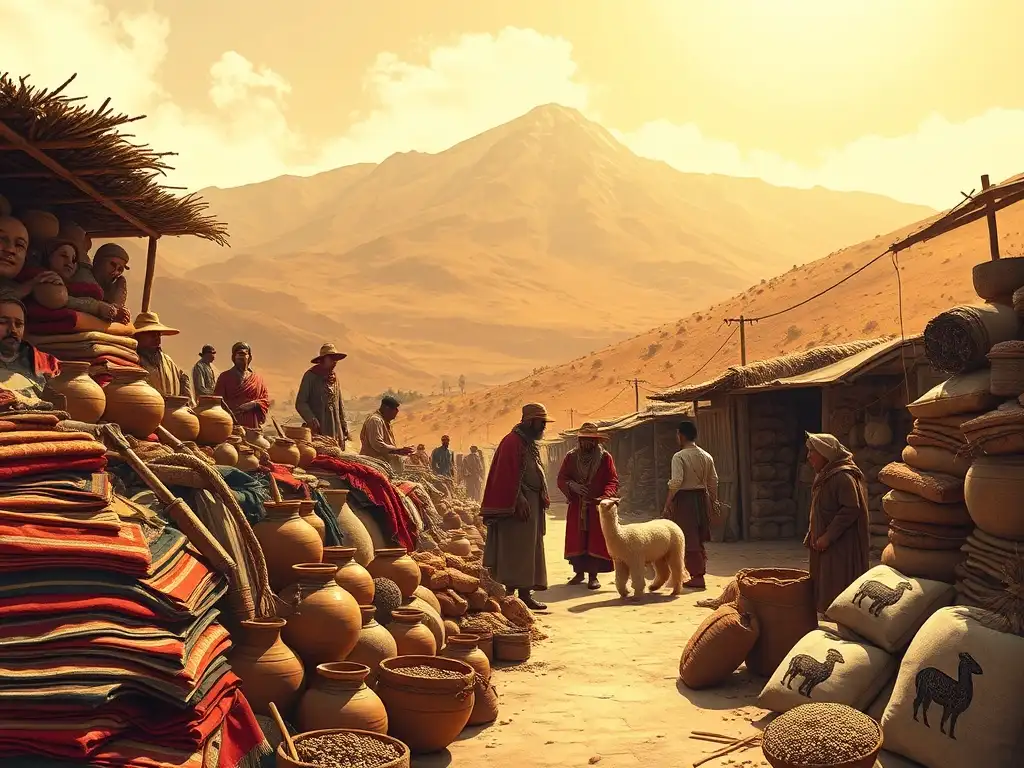
This section delves into the diverse range of goods exchanged across the intricate network of PreColumbian Andean trade routes, highlighting the importance of these exchanges in shaping Andean societies. The vast distances and challenging terrain of the Andes presented significant obstacles to trade, necessitating innovative solutions and fostering complex economic and social relationships. Examining the types of goods traded provides crucial insight into the economic priorities and cultural values of these ancient civilizations. Understanding the "PreColumbian Andean trade routes" requires understanding the goods that traveled them.
Essential Resources Traded: From Coastal to Highland
The Andean ecosystem, with its varied altitudes and climates, generated a wide array of resources. The verticality of the Andes fostered a system of reciprocal exchange between coastal and highland communities, a crucial aspect of Andean trade networks. This vertical archipelago, as some scholars term it, facilitated the movement of essential resources vital for survival and societal development.
Exchange of Agricultural Products in the Andes
Agricultural products formed the backbone of PreColumbian Andean trade. Coastal regions provided fish, salt, and cotton, while highland areas offered potatoes, maize, quinoa, and coca leaves. The exchange of these staples ensured food security and dietary diversity across different ecological zones. For example, coastal communities relied heavily on highland potatoes for sustenance, while highland populations benefited from the protein-rich fish from the coast.
This reciprocal exchange system, often facilitated through specialized markets and bartering systems, was essential for the survival and prosperity of Andean societies. Evidence suggests sophisticated agricultural techniques and storage facilities were developed to manage the surplus and facilitate trade. The scale of this agricultural exchange underscores the importance of well-established and well-maintained PreColumbian Andean trade routes.
Mining and Metalworking Trade in Ancient Andean Civilizations
Mining and metalworking played a pivotal role in PreColumbian Andean economies. The Andes are rich in mineral resources, including copper, gold, silver, and tin. These metals were not only crucial for tool production but also held significant symbolic and ritualistic value. The exchange of these precious metals along established trade routes reflects the high level of metallurgical expertise and the strategic importance of mining activities.
For example, the Moche civilization was renowned for its sophisticated metalworking techniques, producing intricate gold and silver artifacts that were traded widely across the Andes. This trade in metals, often involving specialized artisans and merchants, contributed significantly to the wealth and power of Andean states. The meticulous craftsmanship evident in surviving artifacts showcases the high value placed on these goods and the sophisticated nature of PreColumbian Andean trade routes capable of handling such delicate and valuable cargo.
Precious Goods and Luxury Items in Andean Commerce
Beyond essential resources, a variety of precious goods and luxury items were also traded extensively across the Andean region. These items, often associated with elite status and religious practices, highlight the social stratification and complex cultural exchanges within Andean societies.
The Significance of Textiles in Pre-Columbian Trade
Textiles constituted a significant component of Andean trade. The intricate weaving techniques, using diverse materials like cotton, alpaca, and vicuña wool, produced textiles of exceptional quality and artistic merit. These textiles served not only as clothing but also as prestigious gifts, ceremonial items, and symbols of social status.
The vibrant colors and complex designs of Andean textiles reflect the sophisticated dyeing techniques and artistic skills of Andean weavers. The trade in textiles facilitated cultural exchange and reinforced social hierarchies, as access to fine textiles often indicated wealth and power. The intricate nature of these textiles and the specialized knowledge required for their creation further emphasizes the sophistication of the PreColumbian Andean trade routes needed to transport and exchange these delicate items.
The Role of Spondylus Shells in Andean Exchange
Spondylus shells, sourced from the Pacific Ocean, held immense symbolic importance in Andean cultures. These shells, often brightly colored and possessing a striking visual appeal, were used in religious ceremonies, elite burials, and crafted into prestigious ornaments. Their distribution across vast distances demonstrates the extensive reach of PreColumbian Andean trade routes and the high value placed on these symbolic objects.
The presence of Spondylus shells in archaeological sites far from the coast serves as compelling evidence of the extensive networks that connected different Andean communities, highlighting the significance of these shells as both religious symbols and important commodities within the broader context of PreColumbian Andean trade routes. The rarity and symbolic significance of these shells further underline the sophistication and logistical capabilities of the trade networks that facilitated their distribution.
Innovations in Andean Transportation and Logistics

The success of PreColumbian Andean trade routes hinged on remarkable innovations in transportation and logistics, considering the challenging Andean geography. The sheer scale of trade, moving goods across vast distances and varied terrains, demanded sophisticated solutions. These weren't simply paths; they represented a complex interplay of engineering, social organization, and adaptation to the environment. Understanding these innovations provides crucial insight into the economic and social power of Andean civilizations.
Overcoming Terrain: Ingenious Andean Transportation Methods
The Andes presented formidable obstacles to trade: towering mountains, deep canyons, dense forests, and unpredictable weather. Yet, Andean societies devised ingenious methods to overcome these challenges, showcasing remarkable ingenuity and adaptation. These weren't simply about moving goods; they were about mastering the environment to facilitate economic growth and cultural exchange.
The Use of Llamas in Caravan Trade
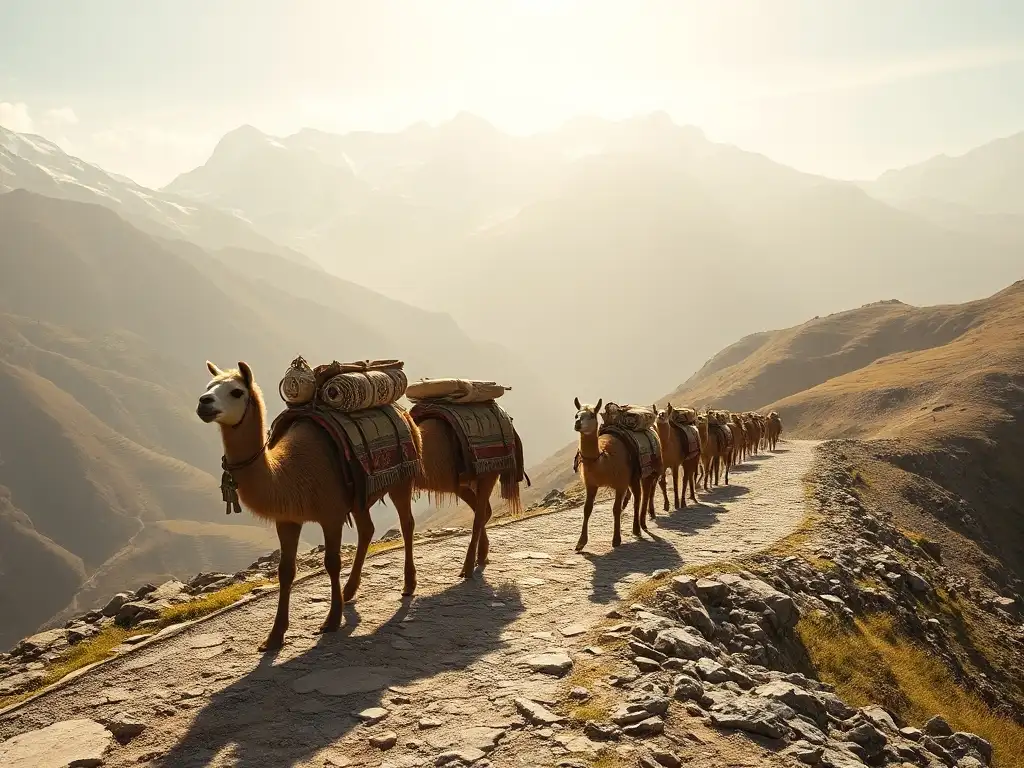
Llamas were central to Andean transportation. These camelids, uniquely adapted to high altitudes, served as pack animals, carrying significant loads across difficult terrain. Caravans, often consisting of dozens of llamas, traversed mountain passes and valleys, forming a vital artery of PreColumbian Andean trade routes. Evidence suggests that llama caravans were carefully organized, with experienced herders guiding the animals and managing the goods.
The capacity of a single llama was considerable, allowing for efficient transport of a range of goods, from textiles and ceramics to precious metals and food supplies. The use of llamas minimized the need for extensive infrastructure in certain areas, relying instead on the animal's natural strength and endurance. Careful breeding programs likely ensured the selection of llamas best suited for the task, maximizing their carrying capacity and resilience.
Andean Road Systems and Their Impact on Trade
Beyond llama caravans, the sophisticated road systems of the Inca Empire, and to a lesser extent preceding cultures, played a crucial role in facilitating trade. These were not simply trails; they were meticulously engineered pathways, often paved and featuring bridges and retaining walls to overcome geographical obstacles. The Inca qhapaq ñan—the royal road—is the most well-known example, stretching thousands of kilometers and connecting the vast empire. These roads dramatically reduced travel times and improved the safety and efficiency of transporting goods.
The construction of these roads represented a significant investment of labor and resources, highlighting the importance placed on trade by the Andean elites. The impact on PreColumbian Andean trade routes was transformative, allowing for a previously unimaginable scale and scope of exchange. The roads weren't just for goods; they facilitated the movement of people, messages, and ideas, contributing significantly to cultural integration across the empire.
Organization and Management of Pre-Columbian Trade
The efficient movement of goods across the vast Andean region required not just innovative transportation but also sophisticated organizational structures. The management of PreColumbian Andean trade routes involved complex systems of control, distribution, and regulation. This intricate network ensured the smooth flow of goods and the maintenance of economic stability.
The Role of Andean Elites in Trade Control
Andean elites, whether Inca emperors or earlier regional rulers, played a crucial role in controlling and regulating trade. They often held monopolies over certain goods or routes, using their power to extract tribute and maintain economic dominance. This control extended to the management of resources, the allocation of labor, and the setting of prices.
Archaeological evidence suggests that elite residences were often located strategically near important trade routes, demonstrating their involvement in managing the flow of goods. The control of trade was a key element of political power, with access to resources and economic influence directly linked to social status and political authority within the Andean societies. The system wasn't solely about extraction; it also involved investment in infrastructure (like the roads mentioned above) to enhance the efficiency and profitability of trade.
Function of Tambos Along Trade Routes
Strategically placed along the PreColumbian Andean trade routes were tambos, waystations that provided essential services to travelers and traders. These facilities offered lodging, food, and supplies, and served as important hubs for rest and resupply. Tambos also played a role in the collection of taxes and the regulation of trade. Their presence ensured the continuous flow of goods and people across vast distances.
The construction and maintenance of tambos demonstrate the level of state organization and investment needed to manage the extensive trade networks of the Andean civilizations. They represent a sophisticated logistical system designed to support and regulate a vital component of the Andean economy, reflecting the importance of trade in the social and political fabric of these societies. The distribution of tambos itself tells a story, highlighting the most important routes and the strategic locations chosen to maximize their efficiency and impact on PreColumbian Andean trade routes.
The Impact of Pre-Columbian Trade on Andean Societies
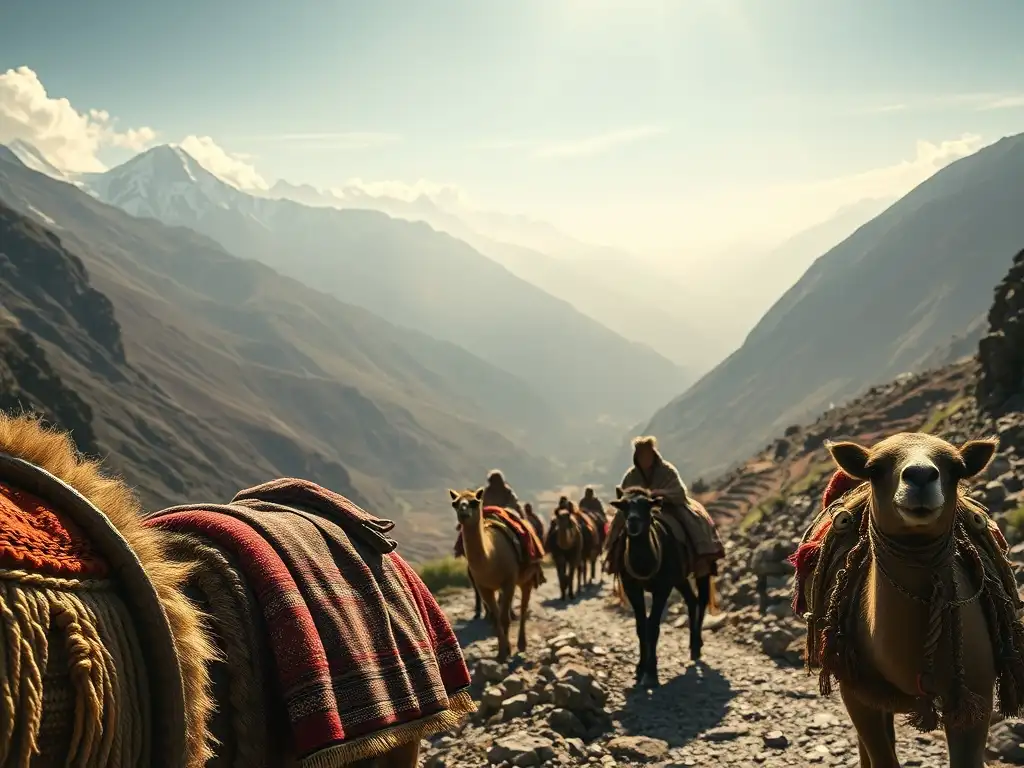
The intricate network of Pre-Columbian Andean trade routes profoundly shaped the societies that flourished along them. The exchange of goods wasn't merely a commercial activity; it acted as a catalyst for cultural transformation, economic growth, and the establishment of complex social hierarchies. Understanding this impact requires examining the interwoven threads of cultural exchange, economic development, and the lasting legacy these routes left on the region.
The sheer scale of this trade, spanning vast distances across challenging terrain, speaks volumes about the ingenuity and organizational prowess of these ancient civilizations. Analyzing the archaeological evidence – from the remnants of roads and settlements to the artifacts themselves – allows us to piece together a more complete picture of this vital aspect of Andean life.
The keyword phrase "PreColumbian Andean trade routes" accurately reflects the central theme of this section, highlighting the geographical and temporal scope of the trade networks. We will explore the multifaceted consequences of this extensive trade network, revealing its profound and lasting influence.
Cultural Exchange and the Spread of Ideas
Pre-Columbian Andean trade routes weren't just pathways for goods; they were conduits for the dissemination of ideas and cultural practices. The movement of artisans, religious figures, and other individuals facilitated the exchange of artistic styles, religious beliefs, and technological innovations. For instance, the distinctive pottery styles of the Moche culture, characterized by their intricate depictions of daily life and mythological figures, spread along the coastal trade routes, influencing the artistic traditions of neighboring cultures.
Similarly, religious iconography and ritual practices were shared, leading to the development of shared belief systems and cultural identities across vast geographical areas. The spread of agricultural techniques, such as the cultivation of new crops like potatoes and maize, also significantly impacted the development of various Andean societies. This exchange wasn't a one-way street; it was a dynamic process of reciprocal influence, where different cultures contributed to a shared cultural landscape.
The sheer variety of artifacts found along these routes, exhibiting a blend of styles and techniques, underscores the extent of this cultural exchange. This interconnectedness fostered a sense of shared identity and facilitated the development of larger, more complex political entities.
The flourishing trade networks of the pre-Columbian Andes fueled economic development and led to the emergence of complex social hierarchies. The control of trade routes and access to valuable resources, such as precious metals, textiles, and exotic goods, conferred considerable power and wealth. This led to the rise of powerful elites who controlled the production, distribution, and exchange of goods.
Archaeological evidence suggests the existence of specialized craft workshops and large-scale agricultural production, indicating a high degree of economic organization and specialization. The distribution of wealth was far from equal; the elite accumulated significant resources, while commoners likely benefited from access to a wider variety of goods and increased economic opportunities. The development of sophisticated systems of record-keeping, such as the quipus (knotted strings used for accounting), further highlights the complexity of the Andean economies.
The economic power generated by trade was intricately linked to the social structures of Andean societies, shaping their political landscapes and social dynamics. Variations in wealth accumulation, evident in the opulent grave goods of elites compared to the simpler burials of commoners, vividly illustrate this social stratification.
The Legacy of Andean Trade Routes in Modern Times
The legacy of Pre-Columbian Andean trade routes continues to resonate in modern times. While the ancient pathways may have fallen into disuse, the underlying principles of connectivity and exchange remain relevant. The infrastructure developed by these ancient civilizations, such as the Inca road system, laid the groundwork for modern transportation networks.
Furthermore, the cultural traditions and artistic styles that spread along these routes continue to influence Andean art and culture today. The enduring impact of these trade routes is evident in the shared cultural heritage of the Andean region, highlighting the lasting influence of this intricate network. Understanding the history of these routes provides valuable insights into the challenges of regional integration and the importance of cross-cultural exchange.
The study of Pre-Columbian Andean trade routes offers a rich source of information for understanding the complex interplay between trade, culture, and social organization in ancient societies and their enduring legacy on the modern Andean world. The study of this intricate network continues to provide invaluable lessons in infrastructure development, economic organization, and cultural exchange.
Conclusion: The Enduring Significance of Pre-Columbian Trade
The intricate network of Pre-Columbian Andean trade routes represents a remarkable feat of human organization and adaptation to a challenging environment. The exchange of goods, ideas, and technologies across vast distances fundamentally shaped the development of Andean societies, fostering cultural exchange and economic growth. Understanding these ancient trade systems offers invaluable insights into the ingenuity and resilience of these civilizations, illuminating their complex social structures and sophisticated economic practices.
The legacy of this extensive trade network continues to resonate today, influencing contemporary Andean cultures and providing a rich tapestry for ongoing historical and archaeological research. The sheer scale and complexity of this achievement stand as a testament to the advanced capabilities of Pre-Columbian Andean societies, underscoring their significant contributions to human history.
Pre-Columbian Andean Trade Routes: A Historical Perspective
The study of Pre-Columbian Andean trade routes reveals a dynamic system that evolved over millennia, adapting to changing environmental conditions and political landscapes. Early trade networks, perhaps initially based on localized exchange, gradually expanded to encompass increasingly larger geographical areas. The development of sophisticated technologies, such as llama herding for transport and the construction of impressive road systems, facilitated the movement of goods across the Andes. Evidence suggests a complex system of reciprocal exchange, tribute obligations, and specialized production centers, creating a robust and interconnected economy.
Key trade goods included textiles, ceramics, metals (gold, silver, copper), coca leaves, and agricultural products like potatoes and maize. The distribution of these goods often followed established routes, reflecting well-defined patterns of exchange. These routes, often traversing treacherous mountain passes and challenging terrains, were not simply pathways; they were vital arteries connecting disparate communities and fostering cultural interaction.
The meticulously crafted artifacts discovered at archaeological sites across the Andes bear testament to the extensive reach and impact of these trade networks. Analysis of these artifacts, combined with careful study of environmental data and ethnographic records, provides a richer understanding of the social and economic dynamics shaping Pre-Columbian Andean societies. The sheer volume and diversity of traded goods suggest a level of economic complexity previously underestimated.
Future Research on Andean Trade and Exchange
Further investigation into Pre-Columbian Andean trade and exchange is crucial for a more complete understanding of these remarkable civilizations. Future research should focus on several key areas. Firstly, more detailed analysis of archaeological data is needed to refine our understanding of specific trade routes, identifying previously unknown pathways and clarifying the nature of exchange along these routes. Advanced techniques like Geographic Information Systems (GIS) can be employed to map these routes with greater precision. Secondly, further investigation into the social structures that supported and regulated trade is necessary.
The role of elites, intermediaries, and local communities in facilitating exchange needs further exploration. Thirdly, a deeper analysis of the impact of trade on cultural exchange and technological diffusion is crucial. How did the exchange of goods and ideas contribute to the development of distinct regional styles and innovations? Finally, interdisciplinary approaches, integrating archaeological, anthropological, and historical perspectives, will be essential for a holistic understanding of Pre-Columbian Andean trade.
By combining these approaches, future research can significantly enhance our knowledge of the complex interplay between trade, culture, and technology in the Andes. This will not only provide a more nuanced understanding of the past but also offer valuable insights into the enduring legacy of these ancient trade networks. The ongoing study of Pre-Columbian Andean trade routes promises to unveil even more fascinating details about these remarkable societies and their impact on the world. The potential for discovery remains immense.
Frequently Asked Questions
What were the primary goods traded along PreColumbian Andean trade routes?
The primary goods traded varied regionally, but included textiles, metals (gold, silver, copper), ceramics, foodstuffs (such as coca and maize), and exotic feathers and shells. These goods reflected the diverse resources and specialized crafts of different Andean cultures.
How did the challenging Andean geography influence trade routes?
The rugged Andes Mountains presented significant obstacles. Routes often followed river valleys and coastal plains, utilizing high-altitude passes and animal transport (llamas) where necessary. Ingenious engineering like bridges and pathways facilitated trade.
What role did the Inca Empire play in Andean trade?
The Inca Empire established a vast and efficient network of roads and relay systems (chasquis) to support state-controlled trade. This system facilitated the movement of goods and information across their empire, greatly expanding and standardizing the existing trade routes.
Yes, innovations included advanced llama domestication for carrying goods, sophisticated road construction, including bridges and stairways, and complex record-keeping systems (quipus) to manage trade and tribute. These advancements were crucial for efficient and large-scale trade.
How did PreColumbian Andean trade networks connect different cultures?
Trade networks fostered cultural exchange and interaction between diverse Andean societies. The movement of goods also facilitated the spread of ideas, technologies, and religious beliefs, creating a shared cultural landscape across vast distances.
Final Reflection: Echoes of the Andes: A Legacy of Innovation and Resilience
The intricate network of PreColumbian Andean trade routes wasn't merely a system of exchange; it was the lifeblood of a vibrant civilization, and its echoes resonate powerfully in our globally interconnected world today. Understanding the ingenuity and resilience demonstrated in overcoming the formidable challenges of the Andes – from treacherous terrain to complex social structures – offers invaluable lessons in resource management, community building, and the enduring power of human adaptation.
The sophisticated systems of exchange, far from being relics of the past, provide a compelling counterpoint to modern logistical challenges and highlight the enduring human need for connection and collaboration.
The impact of Andean trade extends far beyond the physical movement of goods; it shaped cultural identities, fostered technological advancements, and laid the groundwork for the diverse societies that followed. The very fabric of Andean culture was woven from the threads of this extensive trade network, influencing everything from artistic expression to religious beliefs. As the anthropologist, John Murra, eloquently stated, The vertical archipelago...was not just a geographical reality but a social and economic organization that profoundly shaped the lives of Andean peoples.
This quote underscores the profound interconnectedness of seemingly disparate communities and the enduring legacy of a system built on cooperation and mutual benefit.
Consider the ingenuity of these ancient societies, their ability to navigate seemingly insurmountable obstacles. Now, reflect on your own life, your own challenges. What innovative solutions can you draw inspiration from, inspired by the resilience of the Andean peoples? How can you foster stronger connections within your own community, building bridges of understanding and collaboration, mirroring the spirit of exchange that defined PreColumbian Andean trade? Let the echoes of the Andes inspire you to forge your own path, to overcome challenges with creativity and resilience, and to build a future rooted in connection and mutual respect.
Unveil New Insights into Andean Trade!
Thank you for exploring the fascinating world of Pre-Columbian Andean trade! Your interest significantly contributes to our understanding of these remarkable civilizations. Now, let's put that knowledge to work.
Here are some ways you can delve deeper and contribute to the ongoing discussion about Andean innovations:
- Discover more: Explore the wealth of resources on our website to uncover lesser-known trade routes and the ingenious techniques employed by Andean civilizations. You'll find fascinating details about their logistical achievements and economic systems.
- Join the conversation: Share your thoughts and questions in the comments below—let's build a vibrant community dedicated to Andean history! Your insights are valuable and will enrich the discussion.
- Spread the knowledge: Share this article with friends and on social media to inspire greater interest in the rich heritage of the Andes. Help us bring this captivating history to a wider audience.
What aspect of Andean trade—its challenges, innovations, or perhaps its surprising resilience—most captivates you? And how do you see its legacy influencing modern trade practices?