
Barter as Power: Controlling Exchange in Andean Civilizations

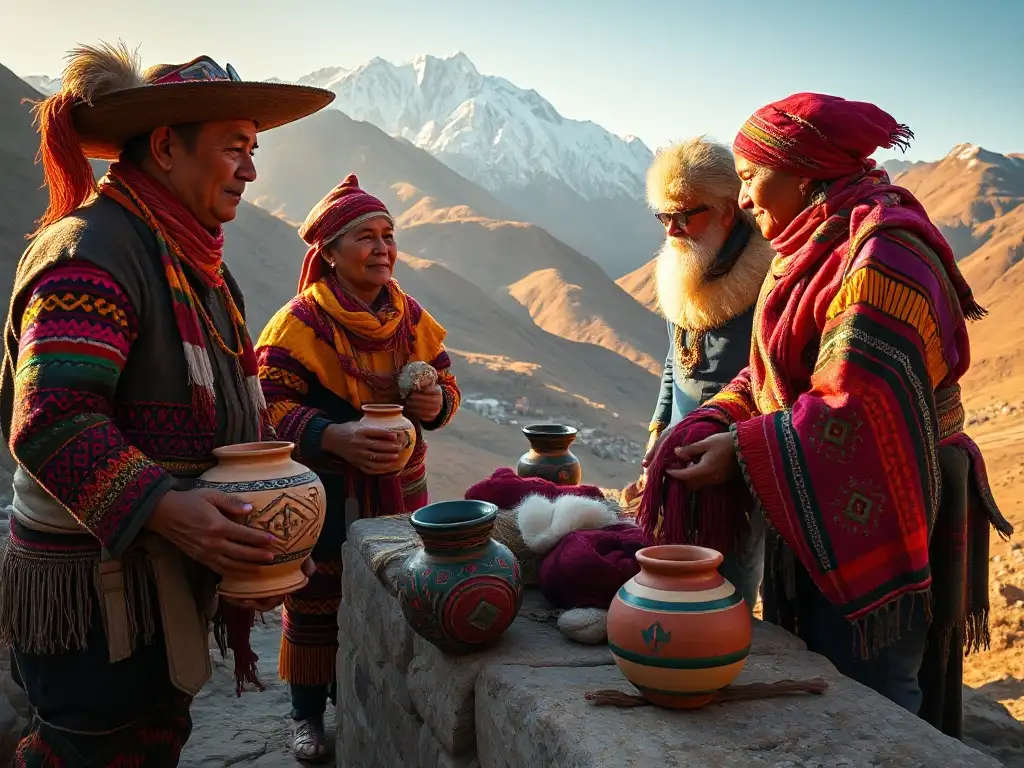
Step into a world lost to time, yet echoing with the whispers of empires. Imagine a society where power wasn't measured in gold, but in the intricate dance of exchange. This is the realm of the Andean civilizations, where ingenuity and resourcefulness shaped a complex social order. Uncover the secrets of their fascinating Andean civilizations barter system, a system that dictated not only trade, but the very fabric of their lives. Prepare to be captivated as we delve into the surprising intricacies of their economic power.
- Andean Civilizations Barter System: Power and Exchange in the Andes
- Barter Practices Across Different Andean Cultures
- The Role of Goods in Andean Barter Exchanges
- Barter as a Tool for Social and Political Control
- The Evolution of Andean Barter Systems
- Comparing Andean Barter with Other Ancient Systems
- Analyzing the Power Dynamics of Andean Barter
- Frequently Asked Questions
- Final Reflection: The Enduring Legacy of Andean Barter
- Unleash the Power of Barter: Take Action Today!
Andean Civilizations Barter System: Power and Exchange in the Andes
The intricate tapestry of Andean civilizations, encompassing iconic cultures like the Inca, Moche, Nazca, and Tiahuanaco, is often viewed through the lens of their impressive architectural feats and artistic achievements. However, a deeper understanding of these societies reveals a sophisticated economic system largely based on barter, a system far from simple exchange. This article delves into the complexities of the Andean barter system, exploring how the control and manipulation of exchange networks served as a powerful tool for consolidating social status, political influence, and ultimately, power.
We will examine how seemingly straightforward transactions were deeply interwoven with social obligations, religious beliefs, and the very fabric of Andean society, revealing a nuanced picture of economic and political life in the Andes. Understanding this system is key to unlocking a more complete understanding of the rise and fall of these remarkable civilizations. The exploration will focus on the ways in which control over goods and the organization of exchange shaped the social hierarchy and political landscape of these ancient Andean societies.
This analysis will highlight the significance of reciprocity and redistribution within the barter system, explaining how these principles reinforced social structures and facilitated the accumulation of power. By examining specific examples and archaeological evidence, we aim to illuminate the crucial role of barter in shaping the trajectory of Andean history.
The Significance of Barter in Ancient Andean Economies
The Andean civilizations didn't rely on a centralized monetary system like many other ancient societies. Instead, their economies thrived on a complex network of barter, involving the exchange of a vast array of goods and services. This wasn't simply a matter of swapping one item for another; the process was deeply embedded within the social and political structures of these societies. The types of goods exchanged varied greatly depending on the specific civilization and geographical location.
Coastal communities, for example, might have traded fish and shellfish for agricultural products from the highlands, while highland communities exchanged textiles and agricultural surpluses for coastal resources. The sheer diversity of goods exchanged—from llama wool and coca leaves to precious metals and intricately crafted ceramics—highlights the complex economic interdependencies that existed across the Andes. Archaeological evidence, such as the discovery of caches of traded goods and the analysis of isotopic signatures in human remains, provides valuable insights into these exchange networks and the geographical reach of trade.
The control of these networks, often in the hands of elites, provided significant economic and political power. For example, [specific examples of elite control over key resources pending]. This demonstrates how the control of resources and access to exchange networks were directly linked to social status and power.
Understanding Andean Reciprocity and Redistribution
Beyond simple bartering, the Andean system incorporated strong principles of reciprocity and redistribution. Reciprocity, the exchange of goods and services based on mutual obligation, was a cornerstone of Andean social life. This system fostered strong social bonds and ensured the smooth functioning of communities. Ayni, the Quechua term for reciprocal labor exchange, is a prime example. Individuals would contribute their labor to communal projects or assist neighbors in need, expecting similar assistance in return.
This system ensured the collective well-being of the community and strengthened social ties. Redistribution, the collection and reallocation of goods by central authorities, further shaped the Andean economy. Elites, often religious leaders or chiefs, would collect agricultural surpluses and other resources, then redistribute them during festivals, ceremonies, or times of need. This practice not only ensured social stability but also served to consolidate the power of the elites. The control over the flow of goods through redistribution cemented their authority and influence.
The intricate interplay between reciprocity and redistribution created a robust and dynamic economic system that, while seemingly decentralized, was profoundly influenced by the actions and decisions of powerful individuals and institutions. The strategic manipulation of these principles was a vital tool for maintaining social order and accumulating power within Andean societies. This system, while appearing simple at first glance, was a sophisticated mechanism for both economic stability and political control, showcasing the deeply intertwined nature of economics and power in the Andes. Further research is needed to fully quantify the extent of this redistribution and its impact on different social strata. [Data on the scale of redistribution networks pending].
Barter Practices Across Different Andean Cultures
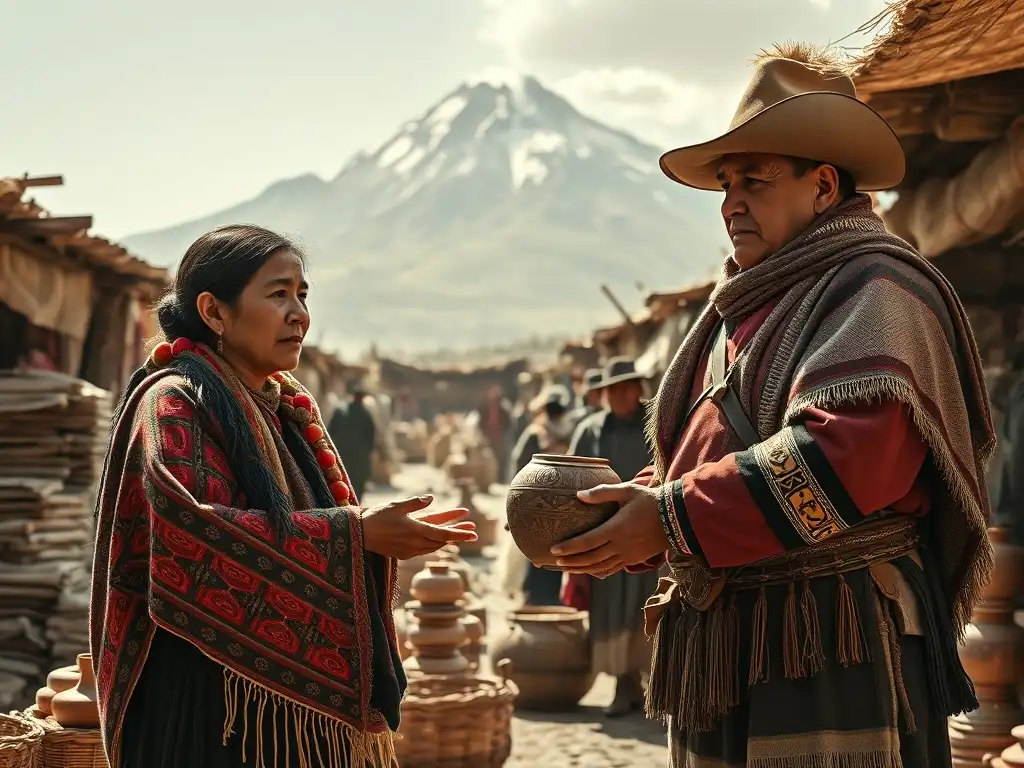
The Andean civilizations, renowned for their sophisticated societal structures and impressive engineering feats, also possessed intricate barter systems that played a crucial role in their economic and political power. Understanding these systems requires moving beyond a simplistic view of "trading goods." Instead, we must analyze how the control and management of exchange shaped social hierarchies, political alliances, and even religious practices.
The Andean barter system wasn't merely a method of acquiring necessities; it was a powerful tool wielded by elites to maintain control and consolidate authority. This section will explore the diverse barter practices across various Andean cultures, highlighting the nuances and complexities of this vital aspect of their economies. The keyword "Andean civilizations barter system" is central to understanding the social and political dynamics of these fascinating societies.
Barter in the Inca Empire: A Controlled System
The Inca Empire, at its zenith, controlled a vast territory and a complex economy. Their barter system was far from decentralized; it was meticulously organized and directly linked to the state's power. The ayllu, the basic socio-economic unit, played a crucial role in production and distribution. However, the Inca state exerted considerable influence, demanding mita labor and tribute in the form of goods and services. This tribute system effectively channeled resources to the imperial center, solidifying the Inca's control over the economy.
The Inca's control extended beyond simple resource extraction. They established standardized weights and measures, ensuring fairness (or at least the appearance of fairness) in transactions. This standardization, although potentially beneficial for some, served primarily to enhance the state’s regulatory power.
Furthermore, the Inca likely used quipu, a complex knotted-cord system, to meticulously record transactions and track the movement of goods. This sophisticated record-keeping provided insights into production, distribution, and consumption patterns, further strengthening their grip on the economy. The Inca's ability to control the flow of goods through their centralized system was a cornerstone of their imperial power, highlighting the interconnectedness between economic control and political dominance in the Andean civilizations barter system.
Regional Barter Networks: The Moche and Nazca Examples
Unlike the Inca's centralized system, the Moche and Nazca civilizations relied on more decentralized, regional barter networks. These networks, however, were still highly organized and reflected the unique environmental and social conditions of each region. The Moche, known for their intensive agriculture and sophisticated irrigation systems, traded surplus agricultural products such as maize, beans, and cotton for other essential goods.
Their coastal location facilitated trade with neighboring communities, both inland and along the coast. Archaeological evidence suggests a robust exchange network facilitated by specialized craft production, with artisans creating intricate metalwork, pottery, and textiles that were highly valued trade items.
The Nazca, famed for their geoglyphs and complex textiles, engaged in a similar system. Their arid environment, however, shaped their trade networks differently. The Nazca’s mastery of textile production, particularly their exceptional knowledge of dyeing techniques, allowed them to create highly valued textiles used in both local and regional exchange.
The absence of extensive metalwork in Nazca compared to Moche suggests a different focus in their specialized production and consequently in their barter exchange. Analyzing the distribution of artifacts across both cultures reveals the extent and nature of their trade relationships and the importance of specialized production in shaping their respective economic landscapes within the broader context of Andean civilizations barter system.
Tiahuanaco Trade: Long-Distance Barter and its Impact
The Tiahuanaco civilization, located on the Altiplano, developed an extensive long-distance barter network that extended far beyond its immediate surroundings. Their control over critical resources, such as obsidian and metal ores, enabled them to establish trade relationships with communities in distant regions. The exchange of these high-value materials likely played a significant role in consolidating Tiahuanaco's power and influence. Evidence suggests that Tiahuanaco's influence extended across diverse ecological zones, facilitating the exchange of goods from the coast, highlands, and lowlands.
The scale and complexity of Tiahuanaco’s barter network are striking, demonstrating their considerable organizational capacity. The long-distance trade required sophisticated logistical planning, transportation networks, and potentially even specialized intermediaries. The impact of this extensive trade extended beyond economic gain.
It fostered cultural exchange, the dissemination of ideas and technologies, and the expansion of Tiahuanaco's political and religious influence. The control over long-distance trade routes and the strategic exchange of high-value goods were vital aspects of Tiahuanaco's power and played a significant role in shaping the broader economic and political landscape of the Andean civilizations barter system. Further research is needed to fully understand the complexities of these long-distance exchange networks and their impact on the Andean region.
The Role of Goods in Andean Barter Exchanges
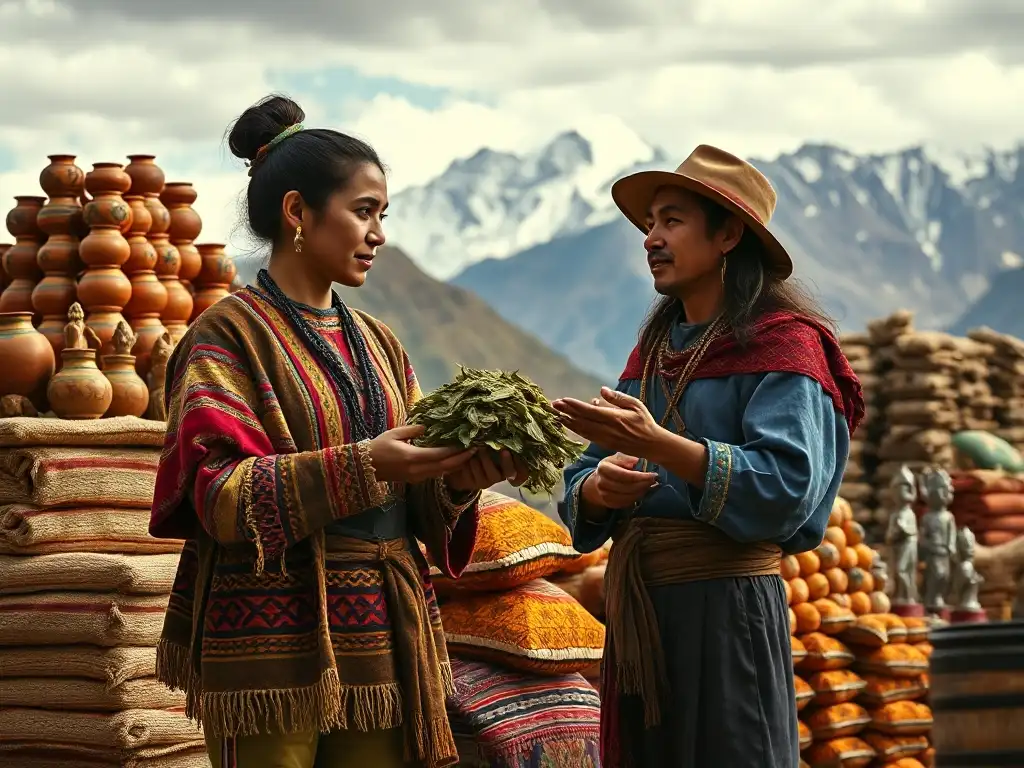
The Andean civilizations, renowned for their intricate social structures and impressive engineering feats, relied heavily on a complex barter system to facilitate economic interaction and consolidate power. Understanding the goods exchanged is crucial to grasping the dynamics of this system and its impact on Andean societies. The "Andean civilizations barter system" wasn't simply a random exchange of goods; it was a carefully managed process reflecting social hierarchy, political control, and economic specialization.
The types of goods exchanged, their value, and the contexts in which they were traded all contributed to the overall power structures within these societies. This section will delve into the key categories of goods that fueled this vibrant and influential system.
Agricultural Products: The Foundation of Andean Trade
Agricultural products formed the bedrock of the Andean barter system. The diverse geography of the Andes, ranging from coastal deserts to high-altitude plains, allowed for a wide variety of crops. This agricultural bounty, however, wasn't evenly distributed. Coastal communities excelled at fishing and cultivating specific crops like cotton, while highland communities specialized in potatoes, maize, and quinoa.
This geographical specialization necessitated a robust barter system to distribute these essential resources. For example, coastal communities relied on highland communities for essential staple crops like potatoes, exchanging their fish and cotton for these necessities. The control and distribution of these essential agricultural goods directly impacted a community's power and influence within the broader exchange network. The quantity and quality of agricultural products available to a community were often directly correlated to its political and economic standing.
This system fostered interdependence and, consequently, complex political alliances and rivalries. We can infer that imbalances in agricultural production and distribution likely contributed to conflicts and power struggles among different Andean groups. Further research is needed to fully quantify the relative value of different agricultural products within the barter system. [Specific data on relative values of agricultural goods pending].
Craft Goods and Specialized Production in Barter
Beyond agricultural products, highly specialized craft goods played a vital role in the Andean barter system. The production of textiles, pottery, and metalwork required specialized skills and knowledge, leading to the emergence of skilled artisans and craft specialists. These specialists often held a high social standing, and their goods were highly valued in exchange networks. For instance, finely woven textiles from the Nazca culture, known for their intricate designs, held significant symbolic and economic value.
Similarly, the Moche's mastery of metalwork, particularly gold and silver, made their crafted objects highly sought after. This specialized production wasn't just about material goods; it was also about social prestige and power. Control over the production and distribution of these high-value craft goods allowed certain groups to consolidate their influence and authority within the broader Andean societies.
The exchange of these goods wasn't simply transactional; it was a powerful tool for establishing social hierarchies and reinforcing political alliances. Analysis of archaeological finds continues to reveal the sophistication and complexity of these craft-based exchange networks. [Further research is needed to fully understand the social implications of craft specialization in different Andean societies].
The Exchange of Precious Materials in Andean Societies
The exchange of precious materials like gold, silver, and precious stones further amplified the significance of the Andean barter system. These materials, often associated with religious and ritual practices, held immense symbolic value and were used to create prestigious objects, reinforcing the power and authority of elites. Access to these resources and the ability to control their distribution were crucial factors in determining political dominance.
The Incas, for example, famously used gold and silver to create elaborate ornaments and ceremonial objects, showcasing their power and wealth. The control over mines and the skilled artisans who worked with these materials was a key element of Inca imperial power. The exchange of these precious materials wasn't merely an economic transaction; it was a powerful statement of social standing and political authority.
The rarity and perceived value of these items cemented their role as high-value commodities within the Andean barter system. Detailed studies of Inca records and archaeological finds continue to shed light on the intricacies of the exchange of precious metals and their impact on Andean power dynamics. [More detailed analysis is required to compare the relative importance of different precious materials across various Andean cultures].
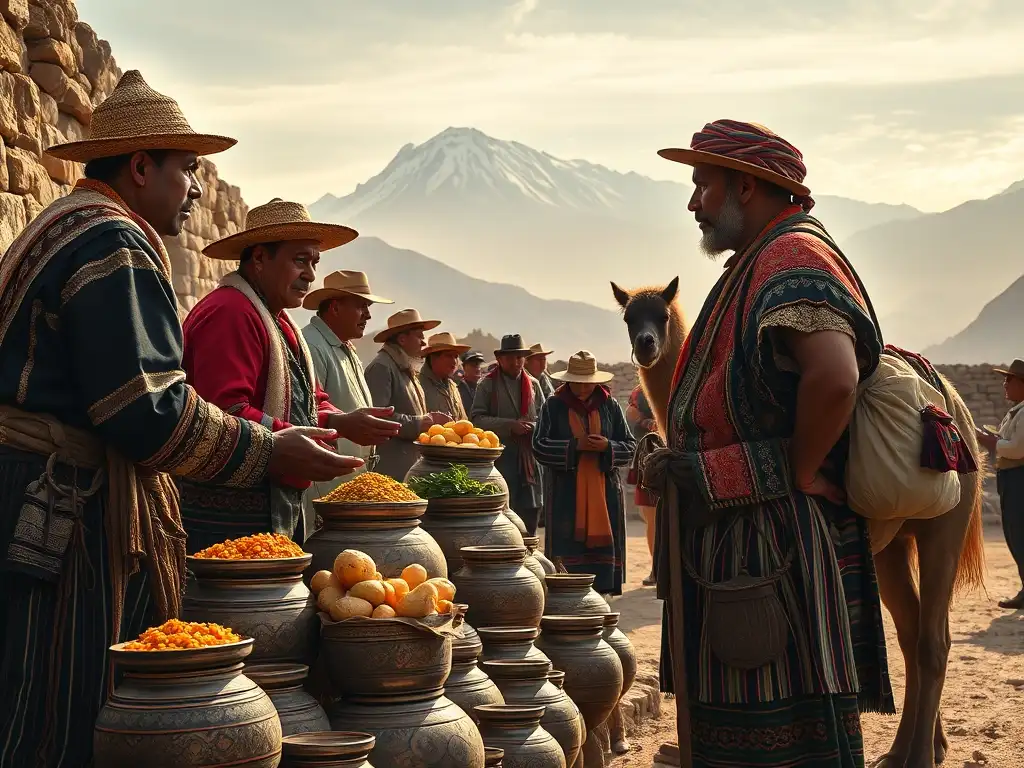
The Andean civilizations, renowned for their sophisticated agricultural techniques and intricate social structures, utilized a complex barter system that extended far beyond simple exchange of goods. This system, intricately woven into the fabric of their societies, served as a powerful tool for social and political control, shaping alliances, determining status, and influencing the very flow of power. Understanding the Andean civilizations barter system requires moving beyond a simplistic view of trade and recognizing its role as a key instrument of governance and social engineering.
The strategic manipulation of resources and exchange networks allowed elite groups to consolidate and maintain their authority, influencing everything from daily life to large-scale political projects. This section will explore the multifaceted ways in which barter facilitated this control.
Controlling Trade Routes and Exchange Points
Control over trade routes and exchange points was paramount for maintaining power in the Andean world. The Inca Empire, for example, strategically positioned its administrative centers along major trade arteries, such as the Qhapaq Ñan (Inca Road system). This allowed for efficient monitoring and taxation (in the form of tribute goods) of the movement of goods and people. This wasn't merely about collecting resources; it was about controlling the very flow of information and maintaining a tight grip on the economy.
Smaller, less centralized societies, such as the Moche, also utilized similar strategies, albeit on a smaller scale. They established coastal settlements strategically positioned to control access to marine resources and trade with inland communities. The control of these access points translated directly into power: access to essential goods like salt, fish, and textiles could be granted or withheld based on political considerations or to reward loyalty.
Evidence suggests that certain locations were designated as official exchange points, perhaps even managed by appointed officials. These locations would have facilitated standardized exchange practices, potentially reducing conflict and increasing predictability. The standardization itself could be a powerful tool of control, ensuring the elite dictated the terms of trade.
Imagine the power wielded by those who controlled access to coveted coca leaves or high-quality metals – they controlled not just the flow of goods, but also the social and political relationships underpinning the exchange. Further research is needed to pinpoint the exact mechanisms and locations of these exchange points for different Andean cultures, but the evidence strongly suggests their crucial role in maintaining social order and political power.
Barter and the Creation of Alliances
The Andean civilizations barter system wasn't solely about economic gain; it played a vital role in forging and maintaining political alliances. The exchange of prestige goods, such as finely crafted textiles, elaborate ceramics, or precious metals, served as a powerful symbolic gesture of diplomatic relations. These weren't simply transactions; they were carefully orchestrated acts of diplomacy, solidifying bonds between different communities and reinforcing existing power structures. The gifting of such goods signaled allegiance, reinforced social hierarchies, and created obligations that strengthened political ties.
Consider the intricate system of reciprocal exchange between different Andean communities. Communities specializing in particular crafts, like pottery or weaving, would trade their products for goods they lacked, fostering interdependence and cooperation. This system of mutual exchange, however, was not always equal. Larger, more powerful groups often dictated the terms of exchange, ensuring that they received the most desirable goods, further cementing their dominance.
This highlights the inherently political nature of even seemingly egalitarian exchanges within the Andean barter system. The strategic deployment of gifts and the manipulation of trade networks were essential tools for maintaining stability and expanding influence across the Andean landscape. This complex interplay of economic and political considerations is crucial to understanding the true scope of the Andean barter system.
Barter as a Mechanism for Power and Status
The Andean civilizations barter system was intrinsically linked to the social hierarchy. Access to certain goods and the ability to control their distribution were key indicators of power and status. Elite members of society often held exclusive access to rare or highly valued items, reinforcing their position within the social structure. The control of coveted resources, such as coca leaves, precious metals, or specific types of textiles, was a powerful symbol of authority and prestige. The possession and distribution of these items served not only as economic markers but also as potent symbols of social standing.
Furthermore, the ayllu, the kinship-based community structure, played a significant role in regulating the barter system. The ayllu leaders often controlled the distribution of resources and mediated exchanges within the community. This control over resources translated directly into political influence and social power within the ayllu. This system wasn't static; changes in resource availability or shifts in power dynamics could lead to adjustments in the control mechanisms and the redistribution of wealth.
The intricate interplay between the ayllu structure and the barter system highlights the multifaceted nature of power and status in Andean societies. The ability to manage and manipulate these exchanges was essential for maintaining social order and consolidating political authority. The detailed study of surviving artifacts and archaeological evidence continues to unveil the intricacies of this system, revealing further insights into the social and political dynamics of the Andean civilizations.
The Evolution of Andean Barter Systems
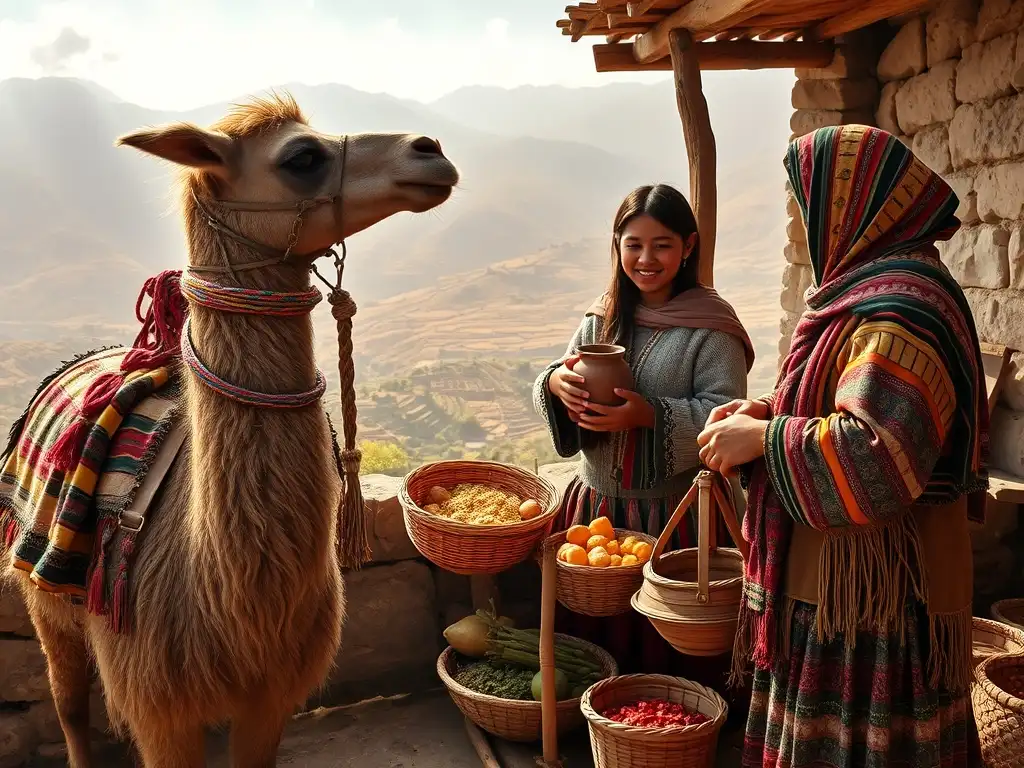
The Andean civilizations, renowned for their sophisticated engineering and intricate social structures, also possessed a complex and dynamic barter system. Understanding the evolution of this system is crucial to grasping the intricacies of Andean trade and economic power. It wasn't a simple case of swapping goods; it was a carefully managed system reflecting social hierarchy, political control, and access to vital resources. The Andean barter system, a key aspect of Andean civilizations, wasn't static; it evolved significantly across different periods and regions. This section will explore this fascinating evolution, highlighting key stages and influencing factors.
From Local Exchange to Complex Regional Networks
Early Andean barter systems were largely localized, focusing on exchanges within small communities or villages. These exchanges were often based on reciprocal relationships and social obligations, solidifying community bonds. Goods exchanged were typically those readily available locally – agricultural products like potatoes, maize, and quinoa; textiles woven from alpaca or llama wool; and handcrafted pottery. The scale of exchange was limited by the reach of transportation; goods were carried on foot or by llama, restricting the distance over which trade could occur. This localized system, however, laid the foundation for the far more expansive networks that would develop later.
As Andean societies grew and became more complex, so did their barter systems. The development of sophisticated agricultural techniques led to surpluses, creating opportunities for larger-scale exchange. The emergence of powerful regional centers facilitated the growth of regional trade networks.
These networks connected different ecological zones, allowing for the exchange of a wider variety of goods. Coastal communities, for example, traded fish and shellfish for highland agricultural products. This inter-regional trade required more sophisticated organizational structures and systems of record-keeping, possibly involving the use of quipu (knotted string records) to track transactions, although the exact nature of their use in this context is still debated amongst researchers.
The expansion of trade networks also led to the emergence of specialized craft production, with certain communities becoming known for their expertise in specific goods, like pottery or textiles, further enriching the complexity of the system. The rise of significant regional power centers, like the Moche and Nazca, influenced the organization and control of these expanding networks.
The Impact of the Inca Expansion on Barter Practices
The Inca Empire's expansion dramatically reshaped the Andean barter system. The Inca’s centralized administration and extensive road network facilitated unprecedented levels of trade and resource redistribution. While barter continued to be a significant mode of exchange, the Inca state imposed significant control over it, integrating it into their centralized economy. The Inca implemented a system of mit'a, a form of labor tribute, where communities were obligated to contribute goods and services to the state. This system ensured a steady flow of resources to the imperial capital and other administrative centers.
The Inca also established state-controlled warehouses, known as qollqas, where surplus goods were stored and redistributed. This redistribution wasn't simply charitable; it served strategic purposes, solidifying political power and ensuring the loyalty of subordinate groups. The Inca state actively managed the flow of goods, often using it to reward loyal allies or punish rebellious communities.
This state control over the movement and distribution of goods significantly altered the dynamics of the pre-existing barter system, making it a tool of imperial power. The standardization of weights and measures, though not fully documented, likely facilitated fairer exchanges within the empire's vast network. While local barter continued, the Inca state exerted significant influence, transforming it from a decentralized system into a crucial element of their imperial administration.
The Legacy of Barter in Modern Andean Communities
The legacy of the Andean barter system is still visible in many modern Andean communities. While monetary exchange is now prevalent, barter continues to play a significant role, particularly in rural areas. This persistence reflects the enduring importance of social relationships and reciprocal obligations in Andean culture.
The exchange of goods and services within families and communities strengthens social ties and fosters mutual support. Traditional markets, often held on specific days of the week, continue to thrive, offering opportunities for both barter and monetary transactions. The resilience of barter in these communities illustrates its deep-rooted significance in Andean social and economic life.
This ongoing practice serves as a tangible link to the rich history of trade and exchange in the Andes, demonstrating the continuity of cultural practices across centuries. The enduring presence of barter underscores its adaptability and its continued relevance within the broader context of Andean economic practices. Understanding this legacy is essential for appreciating the depth and complexity of Andean history and culture.
Comparing Andean Barter with Other Ancient Systems
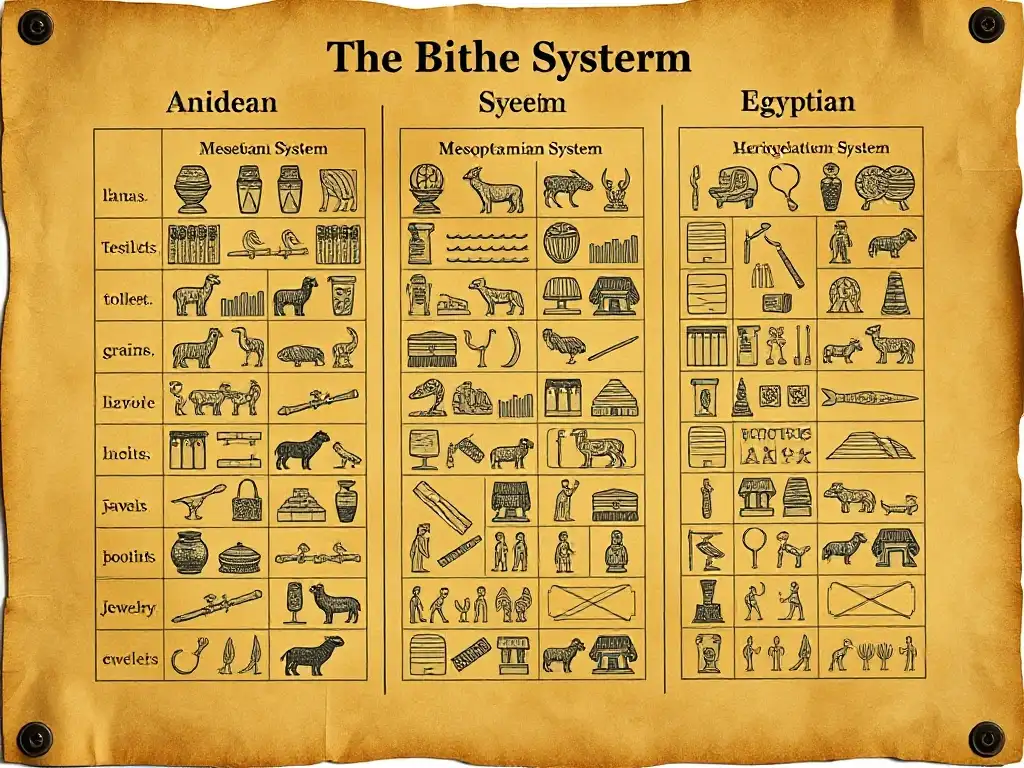
This section delves into the specifics of the Andean barter system, contrasting it with other prominent ancient economies to highlight its unique characteristics and the sophisticated level of control exerted by Andean civilizations. We will explore how the Andean approach to exchange differed from, and in some ways mirrored, systems in Mesopotamia and Egypt, ultimately demonstrating the nuanced nature of Andean economic power.
Understanding these differences and similarities offers a richer appreciation for the ingenuity and complexity of Andean societies' management of resources and social structures. The keyword "Andean civilizations barter system" will be explored in detail throughout this analysis.
How Andean Barter differed from Mesopotamian Trade
Mesopotamian trade, particularly during the late Bronze Age, involved extensive long-distance networks facilitated by standardized weights and measures, and the burgeoning use of cuneiform tablets for record-keeping. This created a more formalized system, leaning towards a proto-monetary economy with the use of standardized commodities like silver and grain acting as quasi-currency. The Andean system, while possessing sophisticated organizational structures, differed significantly.
It lacked the same level of standardization. While certain goods, such as textiles and ceramics, held high value and were used extensively in exchange, there's less evidence of universally accepted standardized units of weight or measure across vast distances. Instead, Andean barter appears to have relied more heavily on reciprocal relationships and complex systems of obligation within and between communities.
This difference highlights a crucial distinction: Mesopotamian trade aimed for broader, more impersonal exchange, whereas Andean barter was deeply embedded within existing social hierarchies and power structures. The control over resources and the distribution of goods remained largely within the hands of elites, shaping social relations in ways distinct from the more market-oriented aspects of Mesopotamian exchange.
Examining similarities and differences with Egyptian exchange
The ancient Egyptian economy, like the Mesopotamian, also involved extensive trade networks. However, unlike Mesopotamia, Egypt's system was more tightly controlled by the pharaoh and the centralized state. The state played a crucial role in regulating the flow of goods, particularly essential commodities like grain.
This centralized control presents a point of similarity with the Andean system, where power structures, whether local elites or the Inca Empire later, significantly influenced exchange. However, a key difference lies in the scale and nature of the networks. Egyptian trade extended across vast distances, involving foreign powers and the exchange of exotic goods.
While Andean trade networks were extensive within the Andes, they were arguably less extensive internationally, focusing more on regional integration and the management of resources within specific ecological zones. Furthermore, while the Egyptian state used taxes and tribute to accumulate wealth, the Andean system seems to have relied more on a combination of tribute, redistribution, and the control of key resources to maintain power. The intricacies of these systems require further research to fully elucidate the nuances of their economic strategies.
Unique aspects of the Andean barter system
The Andean barter system possessed several unique features that distinguish it from other ancient economies. One notable aspect is the emphasis on reciprocal exchange within tightly knit communities and between different social groups. This wasn't merely a simple exchange of goods; rather, it involved intricate systems of obligations and reciprocal gift-giving, reinforcing social hierarchies and solidifying alliances. The value of goods wasn't solely determined by their utility but also by their symbolic significance and the social relationships they represented.
Another unique aspect was the role of elite control. Elites controlled access to key resources, strategically managing their distribution to maintain their power and influence. This control extended to the production of prestigious goods, such as fine textiles and metalwork, which were used in exchange ceremonies and to solidify social bonds. The integration of religious and ceremonial practices into the exchange system further distinguishes the Andean approach.
Rituals and ceremonies played a pivotal role in establishing the value of goods and legitimizing the power of those who controlled them. This interconnectedness of economic, social, and religious aspects demonstrates the holistic and integrated nature of Andean societies, a feature rarely seen to the same degree in other ancient civilizations. Further research into archaeological finds and ethnohistorical accounts is crucial to fully understand the complexities of this fascinating system. The study of Andean civilizations barter system is essential to comprehend the social and political dynamics of these remarkable societies.
Analyzing the Power Dynamics of Andean Barter
The Andean civilizations, renowned for their sophisticated agricultural techniques and intricate social structures, didn't rely solely on a centralized monetary system. Instead, a complex barter system formed the backbone of their economy, interwoven with intricate power dynamics that shaped social hierarchies and political control. Understanding this system requires moving beyond a simplistic view of "trade" and delving into the nuanced ways in which exchange was manipulated and controlled by different social groups.
The Andean barter system wasn't just about the exchange of goods; it was a powerful tool for consolidating and maintaining power. This section will explore how the control of exchange, far from being a neutral process, actively reinforced existing social inequalities and political structures. The prevalence of the Andean civilizations barter system highlights the ingenuity and complexity of these ancient societies.
Examining the role of elites in controlling exchange
Elites in Andean societies, including Inca curacas and other regional leaders, played a crucial role in managing and manipulating the barter system. They weren't simply participants; they were the architects of the system, leveraging their control over resources and access to crucial trade routes to maintain their power. This control manifested in several ways.
First, elites often monopolized access to highly valued goods, such as exotic textiles, precious metals, or coca leaves. By controlling the supply of these desirable items, they could dictate exchange rates and essentially set the price. For example, a curaca might demand a disproportionate amount of agricultural products in exchange for a small quantity of finely woven cloth, directly benefiting themselves and reinforcing their social standing.
Furthermore, elites often controlled the infrastructure crucial for trade. They might own or manage key transport routes, bridges, or storage facilities, charging tolls or fees for access, further consolidating their economic and political power.
This control wasn't always overt; it often worked through a complex web of obligations and reciprocal relationships, but the underlying power dynamic remained the same: elites held the reins of the economic system. Archaeological evidence, such as the discovery of elite residences near major trade routes, supports this assertion, showcasing the strategic placement of power to control the flow of goods and services within the Andean civilizations barter system.
The impact of unequal access to resources on barter
Unequal access to resources was a defining characteristic of Andean societies, and this inequality directly impacted the barter system. Those with greater access to land, water, or specialized skills held a significant advantage in exchanges. For instance, communities located in fertile valleys controlled crucial agricultural resources like maize and potatoes, giving them considerable bargaining power. In contrast, communities in less favorable environments might be forced to offer more of their goods in exchange for essential resources, perpetuating a cycle of economic dependence.
The control of specialized knowledge and skills also played a vital role. Artisans who produced high-quality textiles, pottery, or metalwork held a privileged position in the barter system, able to command higher value for their goods. This skill-based inequality further reinforced social hierarchies, with skilled artisans often holding a relatively higher status within their communities. The unequal distribution of resources within the Andean civilizations barter system was not merely a consequence of the system; it was a central mechanism through which power was maintained and reproduced.
Understanding power relations in Andean barter transactions
Analyzing Andean barter transactions reveals a complex tapestry of power relations. While seemingly simple exchanges of goods, these interactions were often embedded within a broader social and political context. The act of bartering itself could be a symbolic display of power. The manner in which goods were presented, the language used, and the setting of the exchange all conveyed social status and power dynamics.
Consider the exchange of t’oqapu, finely woven textiles used as prestigious gifts and markers of status. The exchange of these textiles wasn't just a simple trade; it was a carefully orchestrated ritual that reinforced existing hierarchies and reaffirmed social relationships. The recipient's acceptance of the t’oqapu acknowledged the giver's superior status and solidified their position within the social order.
Similarly, the refusal of a t’oqapu could be a significant act of defiance, challenging established power structures. Therefore, the Andean civilizations barter system wasn't merely an economic system; it was a deeply social and political one, reflecting and reinforcing existing power structures and social inequalities. Further research, particularly focusing on detailed analysis of archaeological findings relating to exchange goods and their contexts, can provide a richer understanding of these complex power dynamics.
Frequently Asked Questions
What was the role of barter in Andean civilizations?
Barter played a crucial role in Andean economies. It was the primary method of exchange before the arrival of Europeans and the introduction of currency, facilitating trade across vast distances and between diverse communities. This system impacted social structures and political power.
How did the Andean barter system differ from other systems?
Unlike simple commodity exchange, Andean barter involved complex systems of reciprocity and social obligations. It wasn't just about goods; it was deeply intertwined with kinship, religious practices, and political alliances, creating a network of social control.
What kinds of goods were commonly bartered in Andean societies?
A wide variety of goods were exchanged, including agricultural products (potatoes, maize, coca), textiles, metals, ceramics, and luxury items. The value of goods was often determined by social status and labor invested rather than a standardized monetary value.
Did the Inca Empire use a barter system?
While the Inca Empire used a form of tribute and centralized resource management, barter continued to be important at the local level. The Inca system, however, exerted significant influence over the production and distribution of goods, impacting the broader barter economy.
How did the Spanish conquest affect the Andean barter system?
The Spanish conquest significantly disrupted the pre-existing barter system. The introduction of Spanish currency and mercantilist policies gradually replaced the traditional methods of exchange, leading to economic and social upheaval within Andean communities.
Final Reflection: The Enduring Legacy of Andean Barter
The intricate systems of barter employed by Andean civilizations remain a potent reminder of the power dynamics inherent in any exchange, a power that continues to shape our globalized world today. While seemingly distant in time and geography, understanding the complexities of Andean barter offers crucial insights into the construction of social hierarchies, the control of resources, and the very definition of value itself. The sophisticated strategies employed by these societies to navigate economic transactions resonate deeply with contemporary issues surrounding fair trade, equitable distribution, and the ethical implications of global commerce.
The influence of Andean barter systems extends far beyond the archaeological record; it subtly informs our understanding of economic power and social stratification. The meticulous record-keeping, the intricate networks of exchange, and the symbolic weight attributed to certain goods all speak to a sophisticated understanding of economic leverage. The economy is not merely a system of production and distribution, but also a system of power and control,
a sentiment that rings true whether considering the Inca Empire or modern multinational corporations. The enduring legacy of Andean barter lies not just in its historical significance, but in its capacity to challenge our assumptions about economic systems and their impact on society.
Consider the implications of this knowledge. How do you view your own participation in economic systems? Are you aware of the power dynamics at play in your daily transactions? I urge you to reflect on the lessons learned from the Andean past, to critically examine the structures of exchange that shape your present, and to actively work towards a more equitable and just future. By understanding the past, we can better navigate the complexities of the present and build a more sustainable and ethical future for all.
Unleash the Power of Barter: Take Action Today!
Thank you for exploring the fascinating world of barter and exchange in Andean civilizations! You've discovered the ingenious ways these ancient societies used trade to build strong communities. Now, let's apply that wisdom to your own life and community.
- Join a local barter group or online platform to experience the power of direct exchange firsthand.
- Talk to your friends and neighbors about incorporating barter into your daily transactions – you might be surprised by the resources you uncover!
- Consider organizing a community barter event to celebrate the power of exchange and foster new connections.
How might a shift in perspective on value and exchange strengthen your community ties?